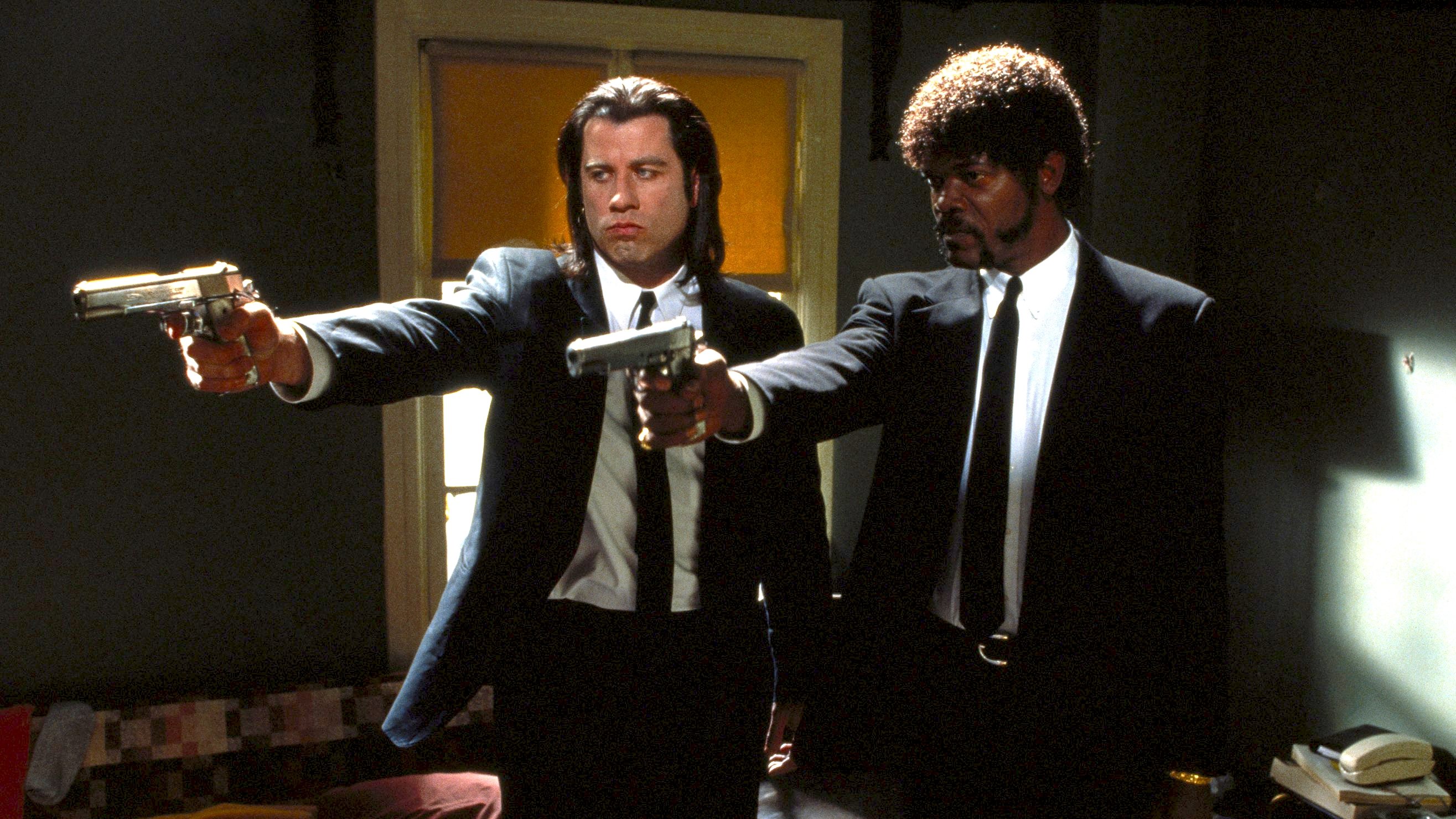

Pulp Fiction does not tell its story in order, and that is exactly the point. Quentin Tarantino's 1994 masterpiece splices three interlocking crime stories into a single afternoon-and-night in Los Angeles, scrambling chronology so that a man who dies in the middle of the film walks out the door at the end. What fans love is not the plot but the texture: hit men debating the finer points of a foot massage, a boxer who will not throw his fight, a mobster's wife who overdoses on heroin mid-date. The dialogue crackles with pop-culture obsession and sudden, brutal violence. The needle-drops (Chuck Berry, Dusty Springfield, Urge Overkill) arrive at exactly the right moment. And the whole machine runs on a moral universe that is absurd yet internally consistent, where redemption is possible for people who arguably do not deserve it.
Essential Pulp Fiction
Tarantino's own work, starting where it counts
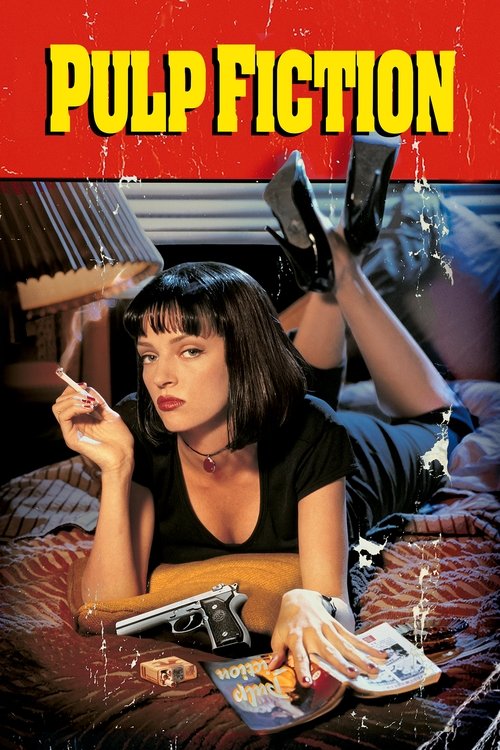
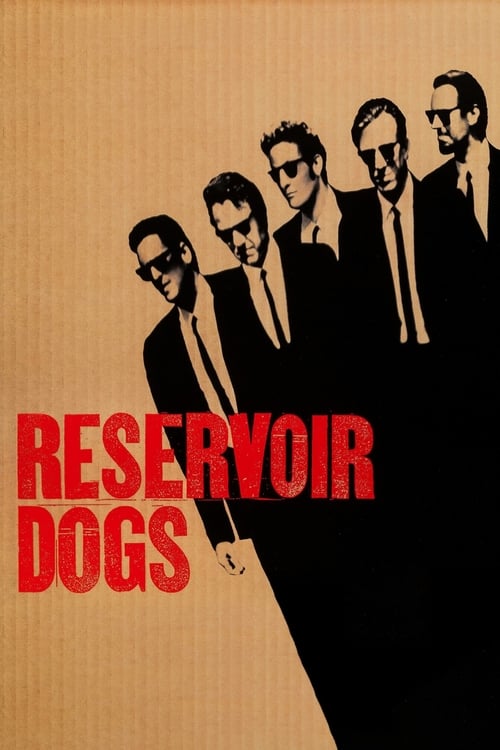
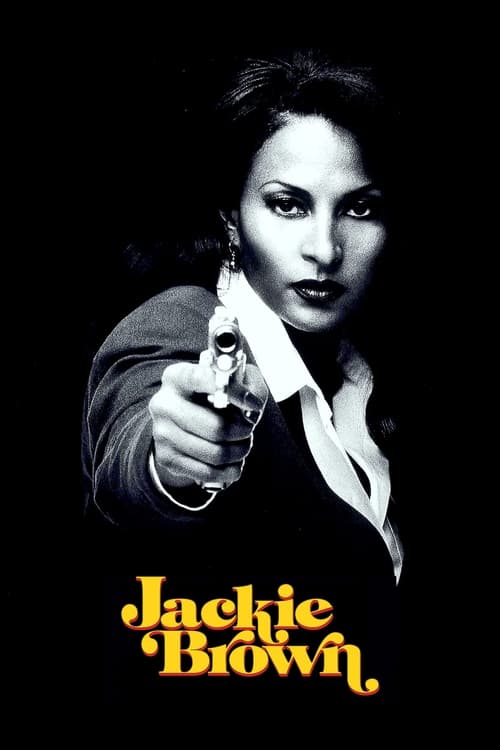
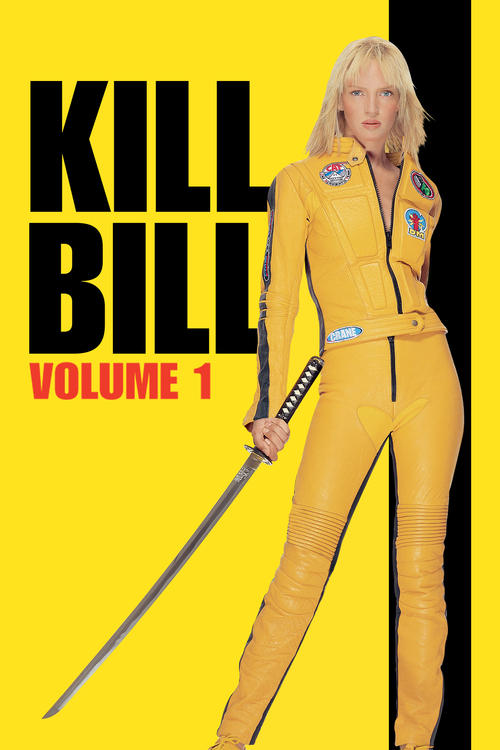
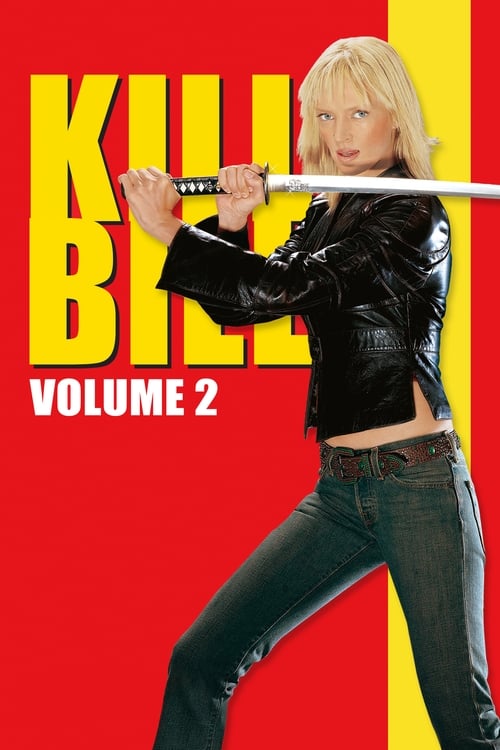
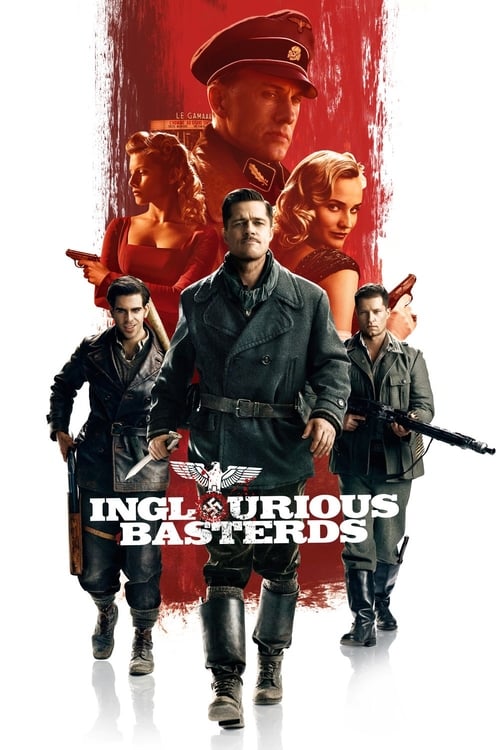
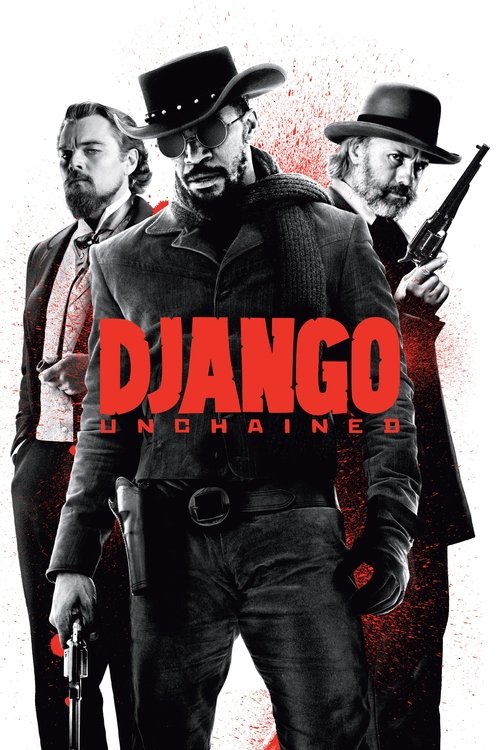
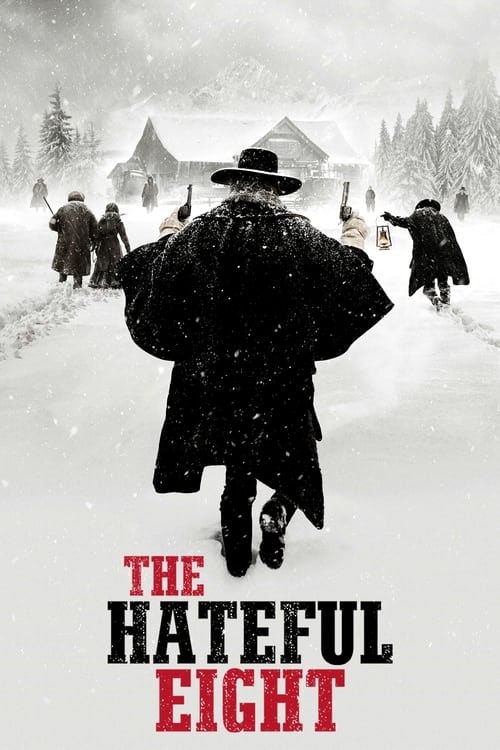
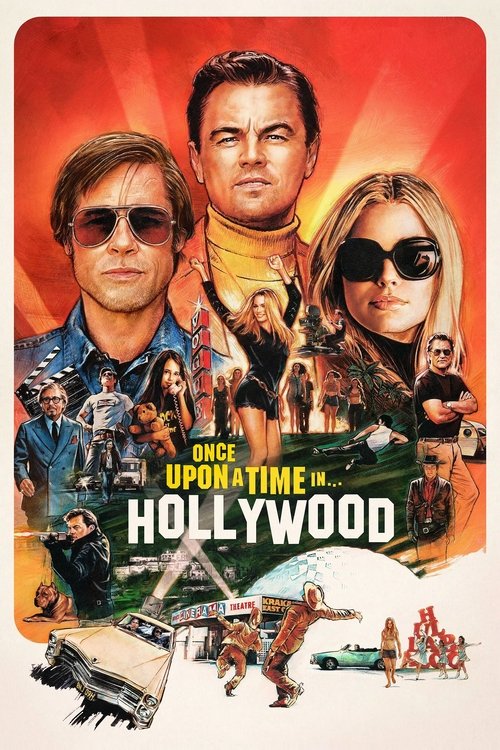
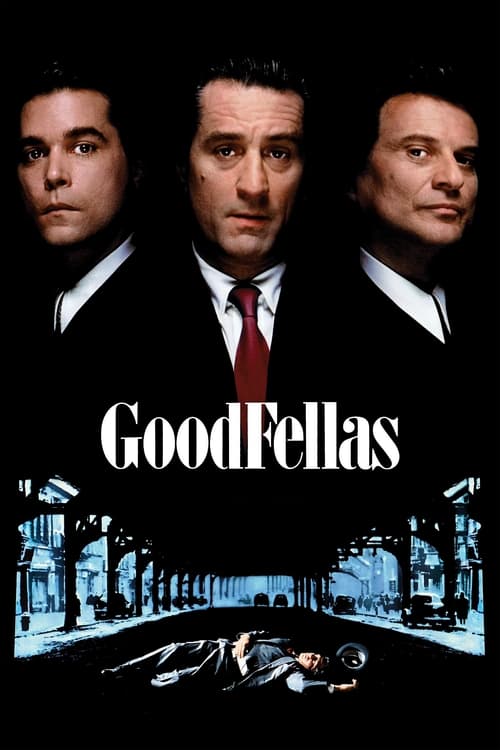
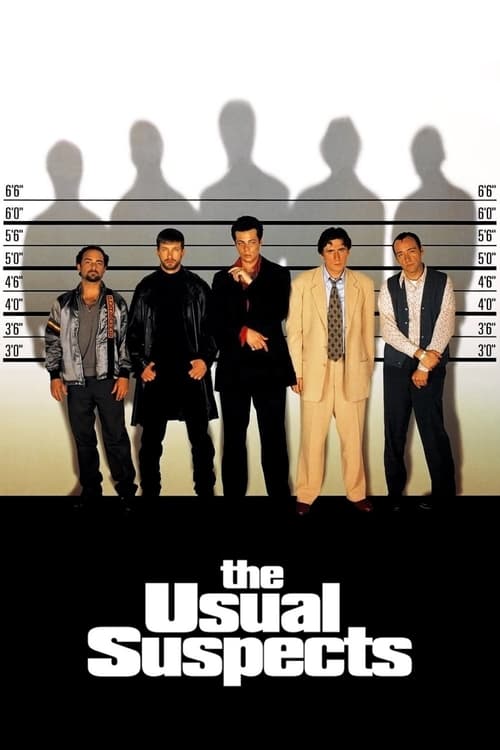
Same DNA, Different Director
Films that share the fractured cool, moral ambiguity, and kinetic crime-world energy
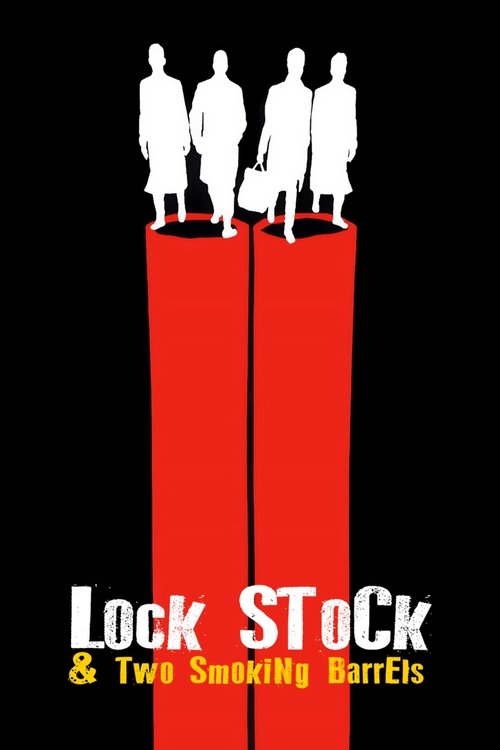

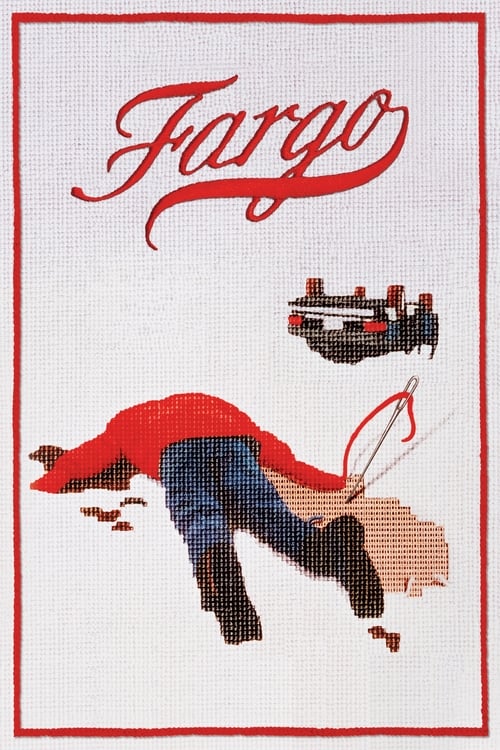
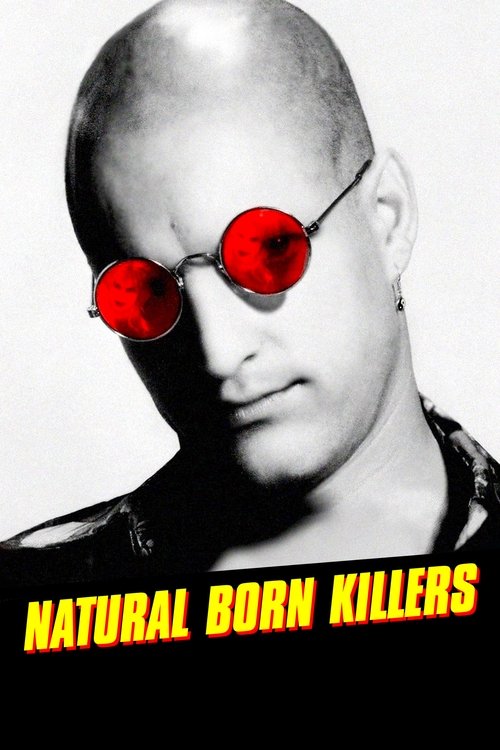
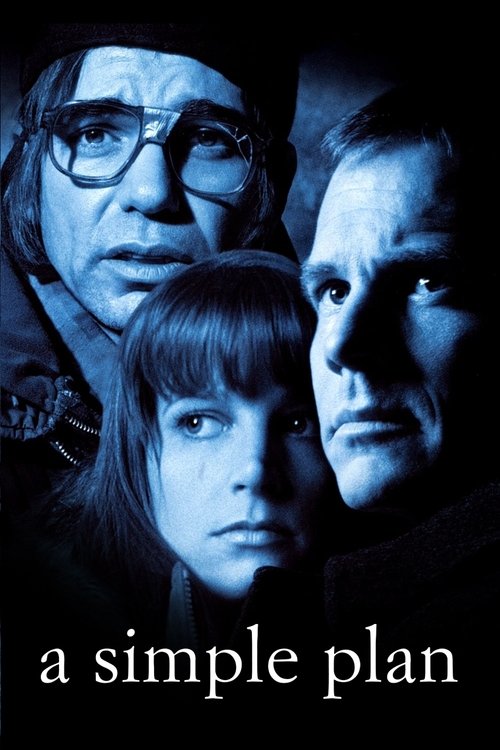
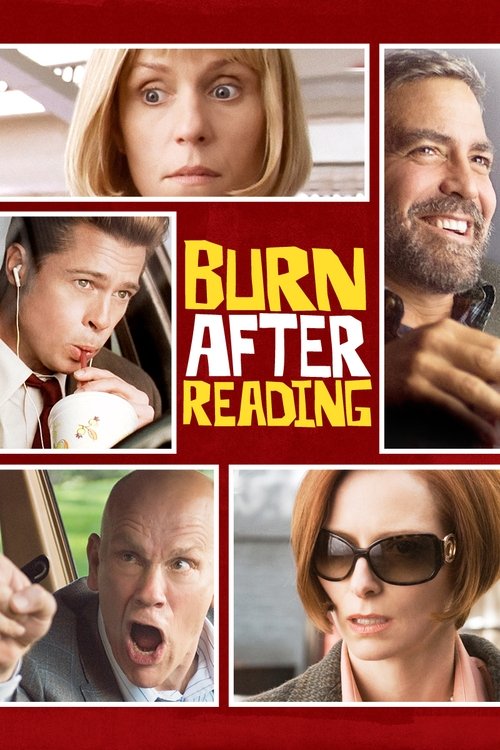
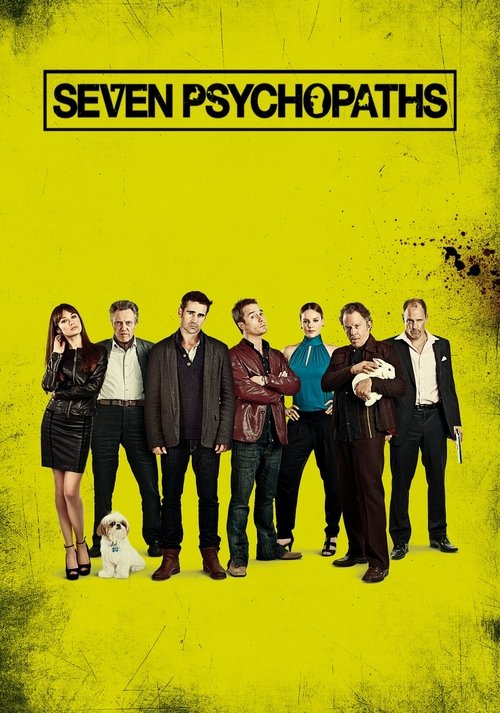
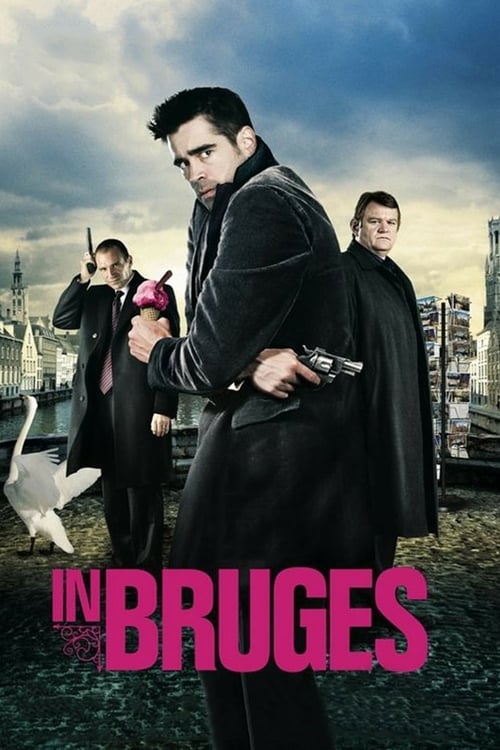
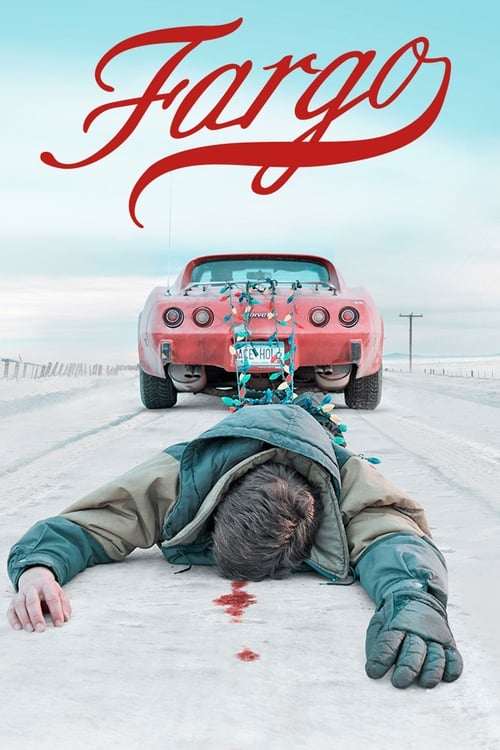
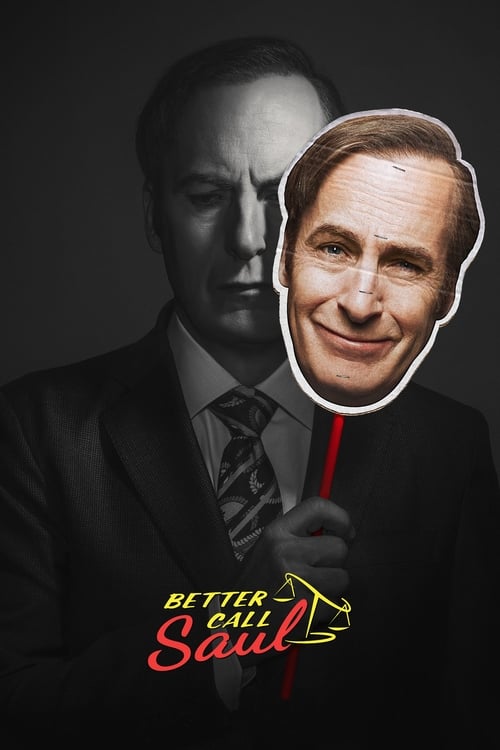
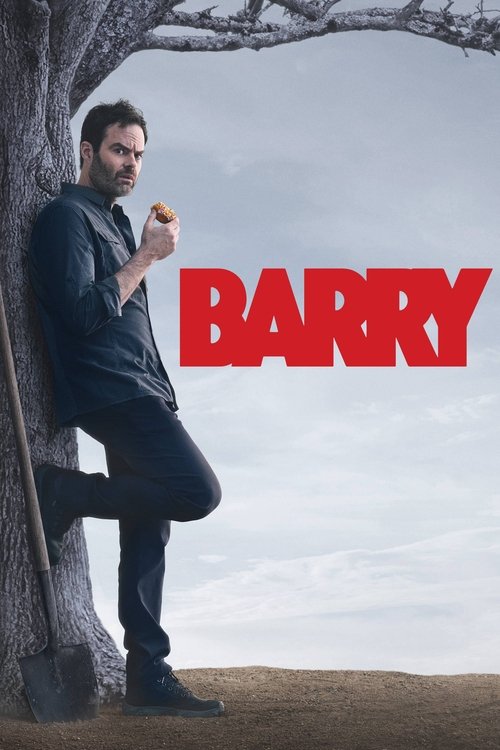
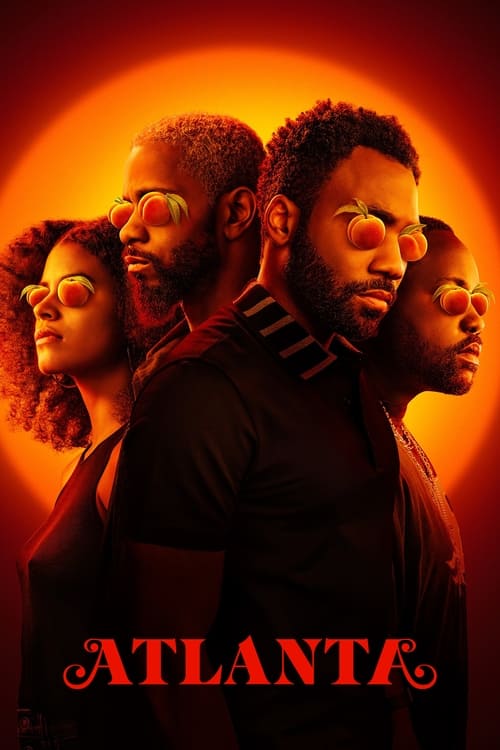
Crime That Talks Back
Series that lean into witty, morally sideways crime worlds


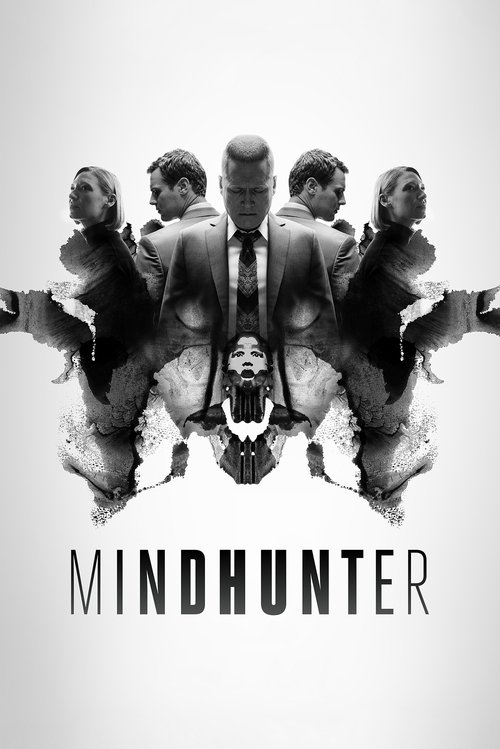
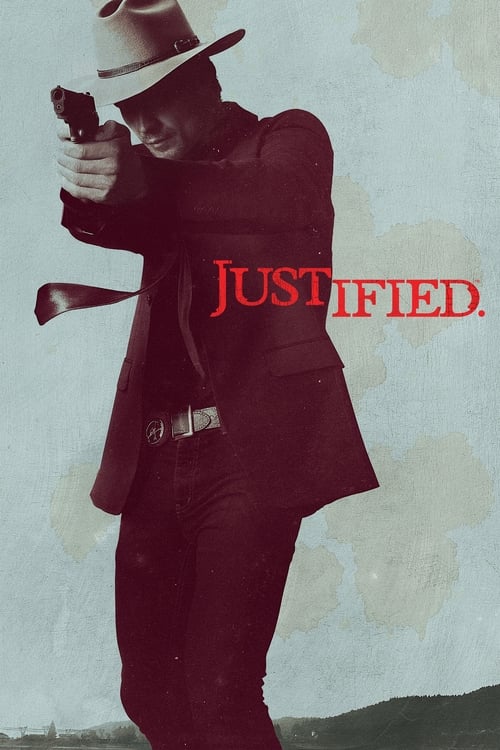
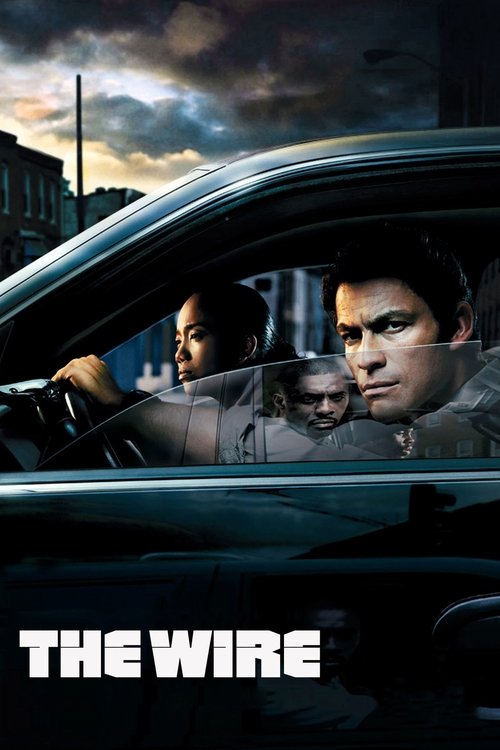
The Fiction Pulp Fiction Grew Out Of
Novels and stories that share its hardboiled voice, crime underworld, and sharp-tongued characters


Games That Live in the Criminal Margins
Games sharing Pulp Fiction's irreverent violence, razor dialogue, and underworld atmosphere
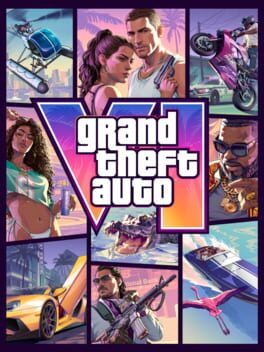
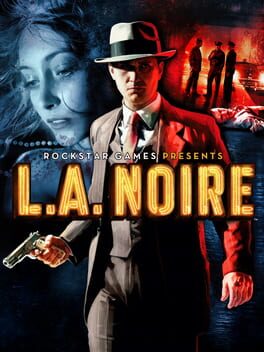
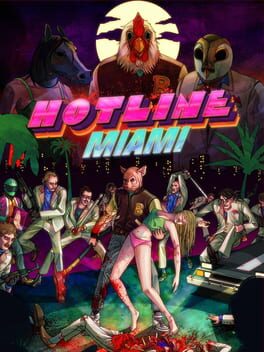
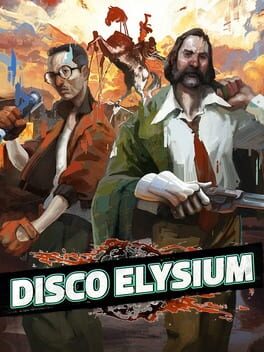
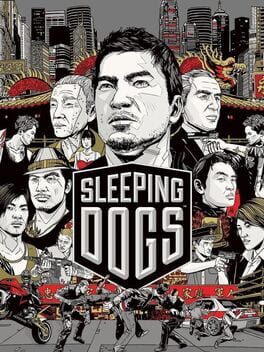
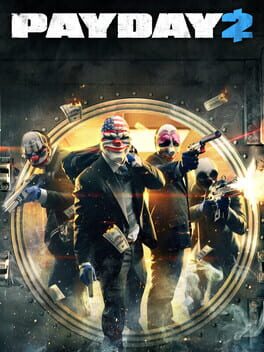
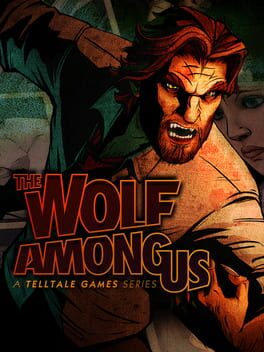
Dialogue Is the Action
Most crime films cut the talking short to get to the violence. Tarantino understood that the talking is the tension. Vincent and Jules debating what they call a Quarter Pounder in France, or Mia Wallace asking Vincent about his European experiences, are scenes of pure suspense because you cannot tell when the other shoe will drop. The film trained a generation of writers to trust conversation as a vehicle for dread.
Non-Linear Structure as Meaning
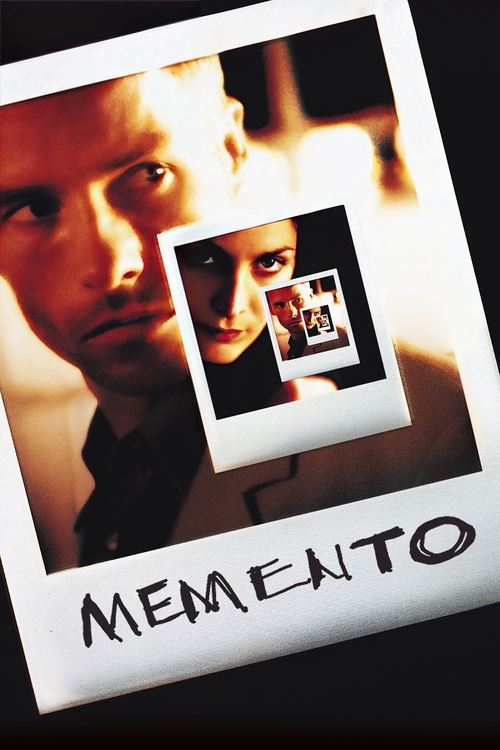
Pulp Fiction's scrambled chronology is not a gimmick. Showing Butch alive after we have seen his watch story, letting Vincent's death land as a midpoint rather than a climax, placing the diner robbery at both ends of the film: these choices make the audience feel time differently. You understand the characters not in sequence but all at once, the way you might in a novel.
Violence That Refuses to Explain Itself
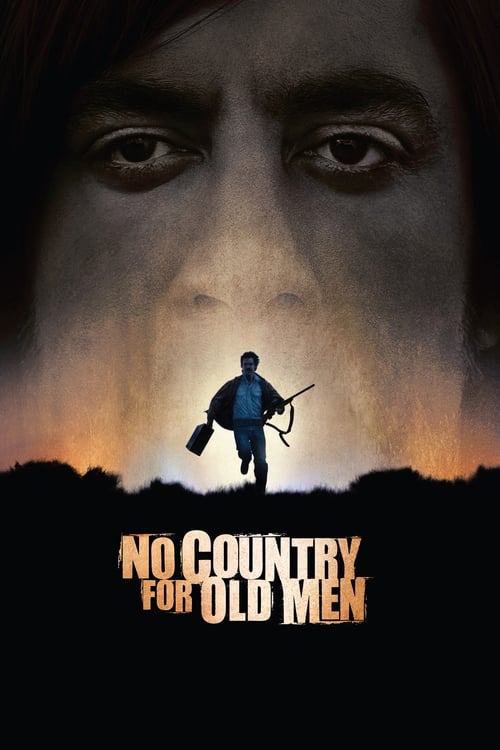
The violence in Pulp Fiction arrives suddenly and is often absurd, such as the accidental killing of Marvin in the back seat of the car. It does not come with moral lessons or slow-motion gravity. Tarantino treats brutality the way a pulp novel does: as a fact of the world these people inhabit, not a statement about it. That refusal to editorialize is what makes the film uncomfortable in a productive way.
Redemption Without a Safety Net
Jules Winnfield decides to walk the earth and quit the life. Whether he follows through is left entirely to the viewer. Pulp Fiction is unusual among crime films in offering its characters a genuine off-ramp while making absolutely no promises they will take it. That ambiguity is more honest than most Hollywood redemptions and more interesting than most Hollywood nihilism.
The Tarantino Timeline
- 1992Debut Reservoir Dogs
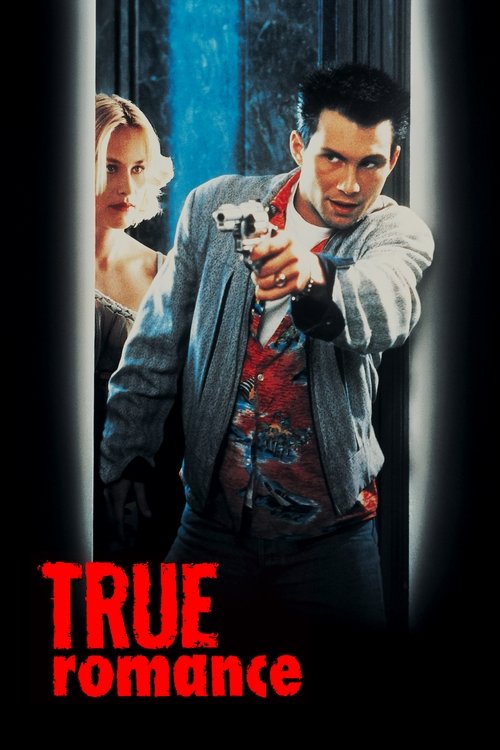
- 1993Script credit True Romance
- 1994Palme d'Or, Cannes Pulp Fiction
- 1997Blaxploitation homage Jackie Brown
- 2003Revenge epic, Part 1 Kill Bill: Vol. 1
- 2004Revenge epic, Part 2 Kill Bill: Vol. 2
- 2009WWII revisionism Inglourious Basterds
- 2012Southern Western Django Unchained
- 2015Stage-play Western The Hateful Eight
- 2019Hollywood nostalgia Once Upon a Time... in Hollywood
More Tarantino cool and crime
For Fans of Quentin Tarantino
Explore the For Fans of Quentin Tarantino guide →Pulp Fiction proved that a film could be structurally radical, morally ambiguous, and violently funny, and still feel like the most natural thing in the world while it is happening.CrossBinge editors