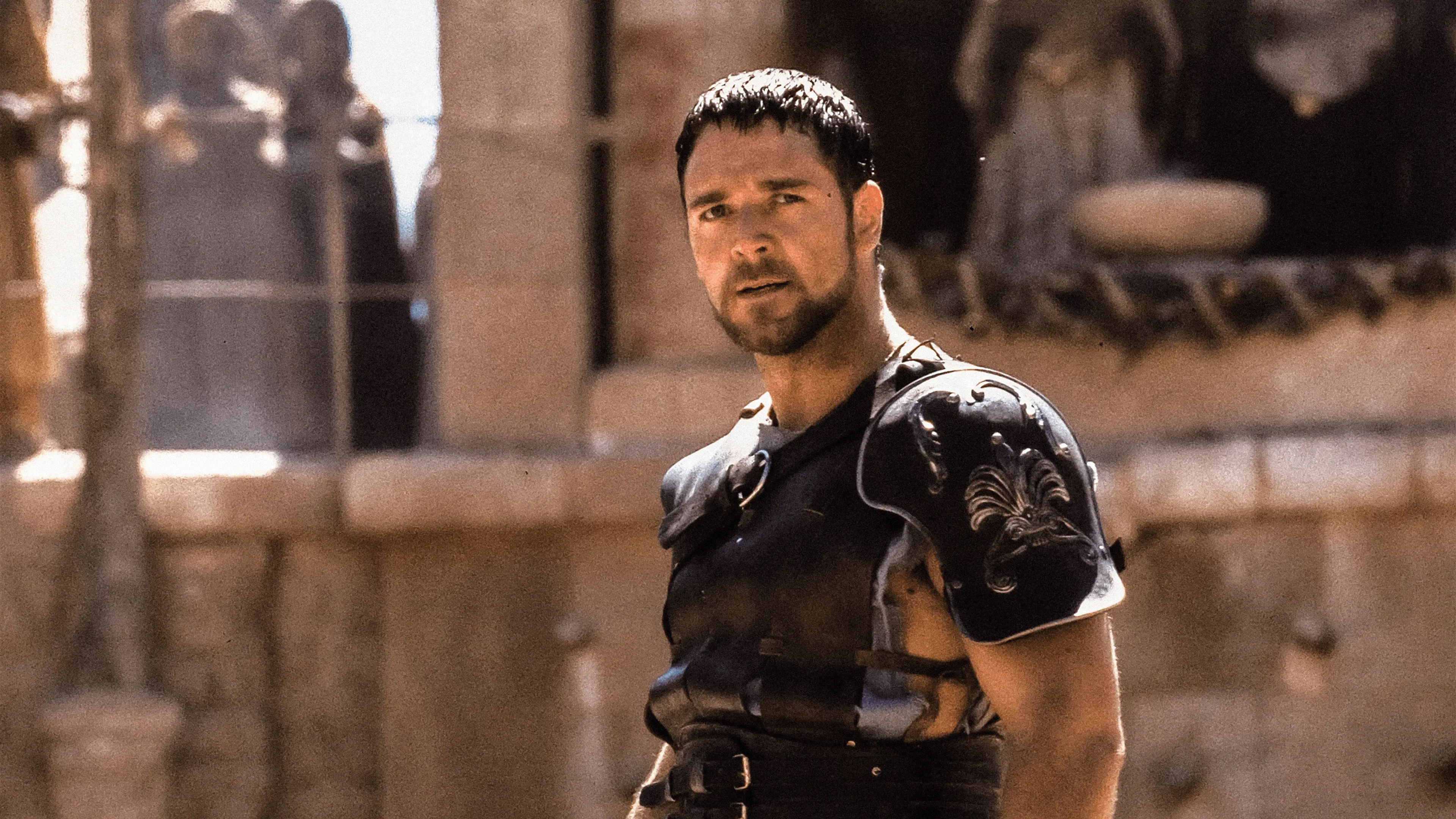

The Architect of Grand Worlds
Ridley Scott does not make small films. Even when the story is intimate, the frame is enormous: a lone crew member in a ship corridor, a gladiator alone in the arena, a scientist alone on a red planet. That tension between the vast and the solitary is the signature. Scott trained as a painter and spent years in British television and advertising before breaking into features, and that background is written all over his work. Every frame is composed. Every light source is considered. The fog machines are always running.
His obsessions are consistent across five decades: survival against indifferent systems (corporate, military, cosmic), the corrupting weight of power, the question of what makes us human, and the way ambition curdles when it goes unchecked. He works in science fiction, historical epic, crime thriller, and war film, but the through-line is always the same: men and women under enormous pressure, in environments rendered with an almost fetishistic attention to texture and decay.
Fans of Scott are drawn to a specific sensation: the feeling of being dropped into a fully realized world that has been going on long before you arrived and will continue long after. The Nostromo was lived-in. Rome in Gladiator smelled like sweat and blood. The streets of Black Hawk Down were genuinely terrifying in their chaos. If that quality, that overwhelming material density, is what you love, this guide is for you.
Essential Ridley Scott
The films that define the vision
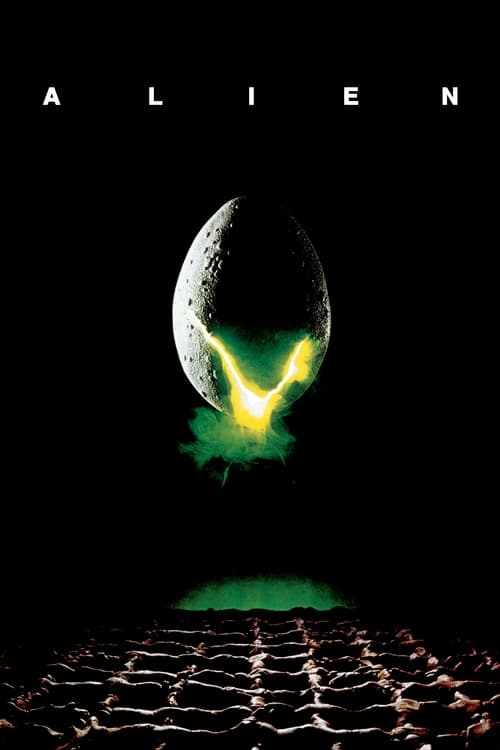
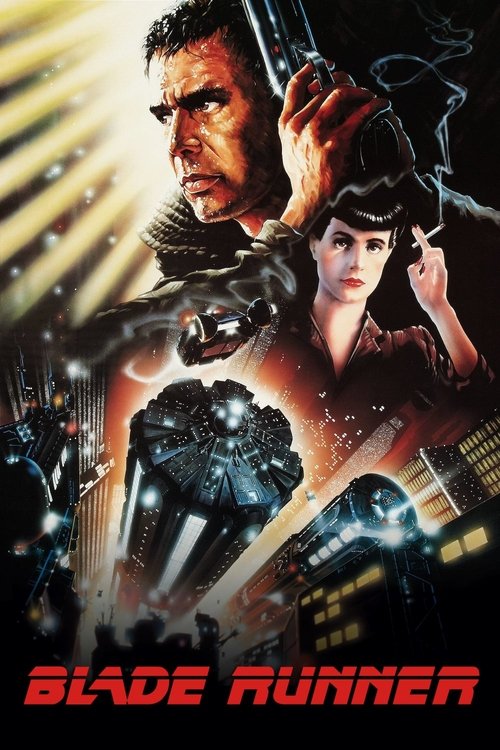
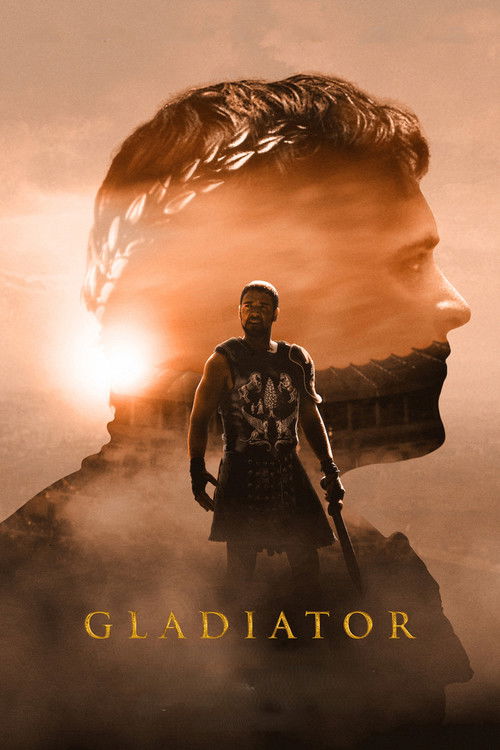


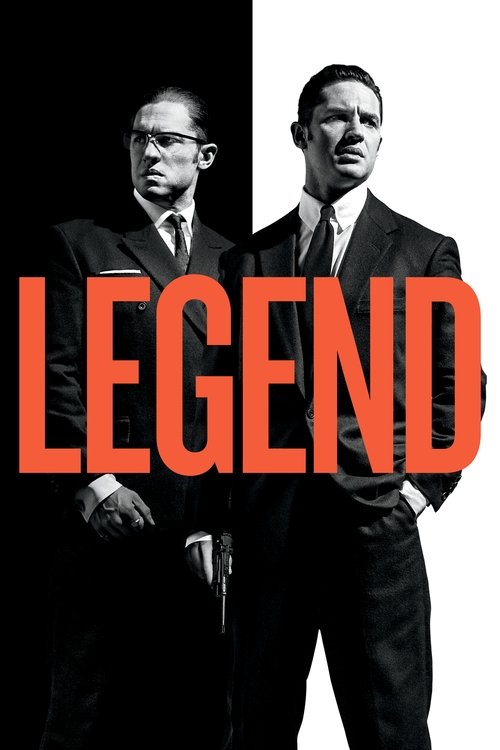


Worlds Built to Break You
Immersive, hostile environments rendered in obsessive detail
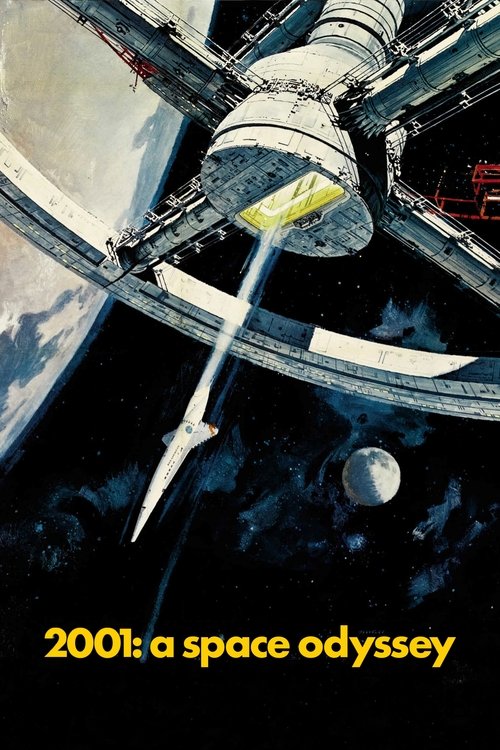
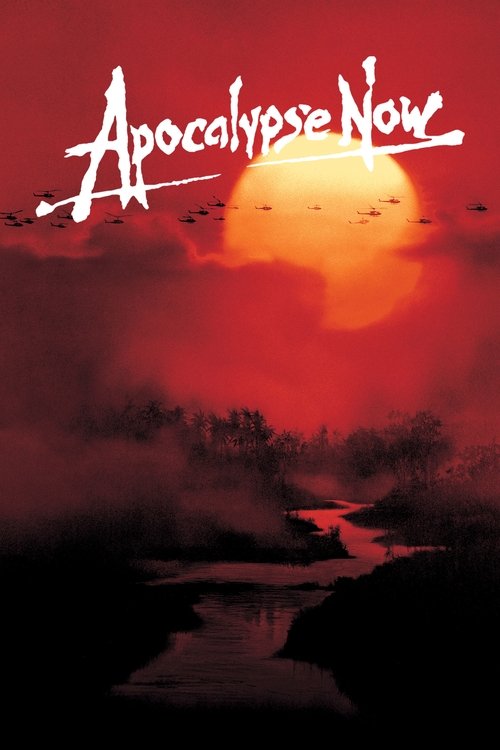
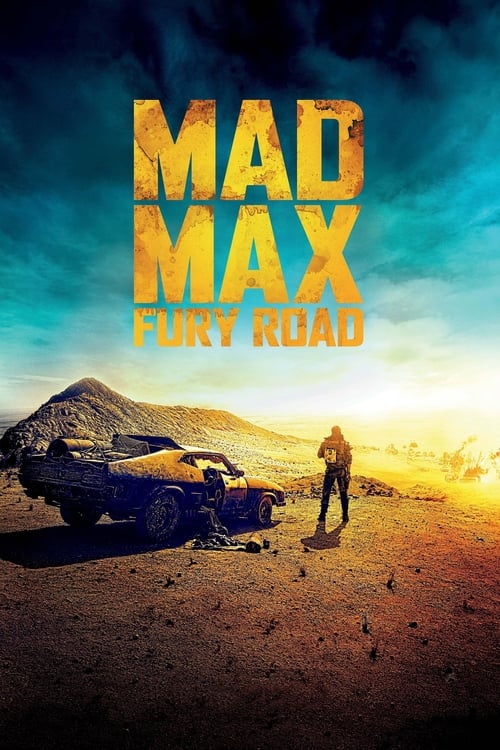




Power, Corruption, and Empire
The anatomy of authority and its human cost

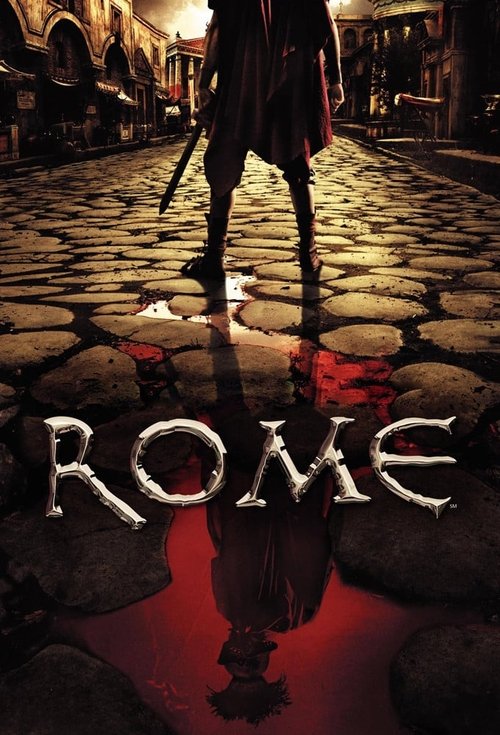
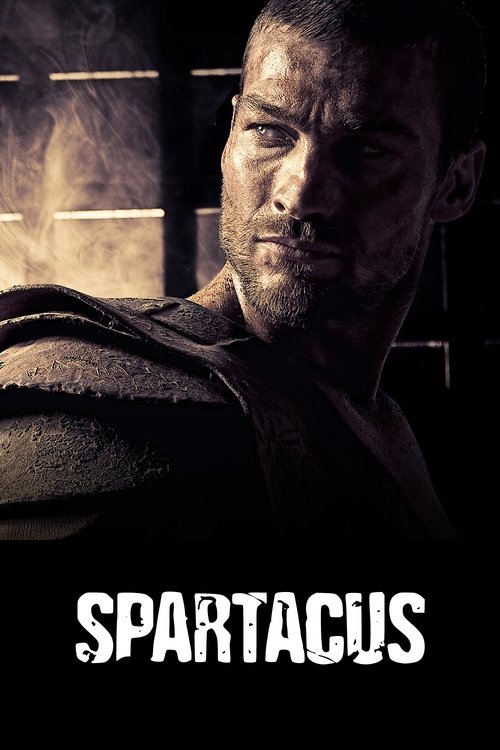

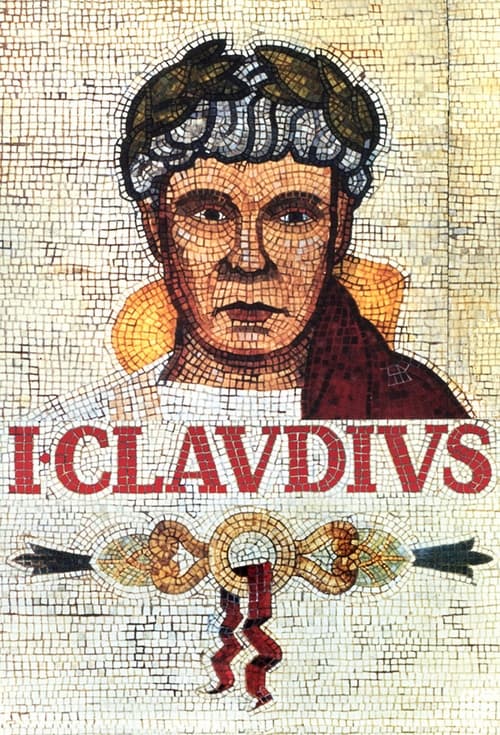
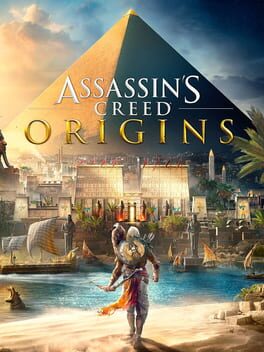

Survival at the Edge of Everything
Alone, outgunned, and refusing to quit





Cops, Crime, and Moral Ambiguity
Scott's crime work in a wider tradition of dirty, complicated justice

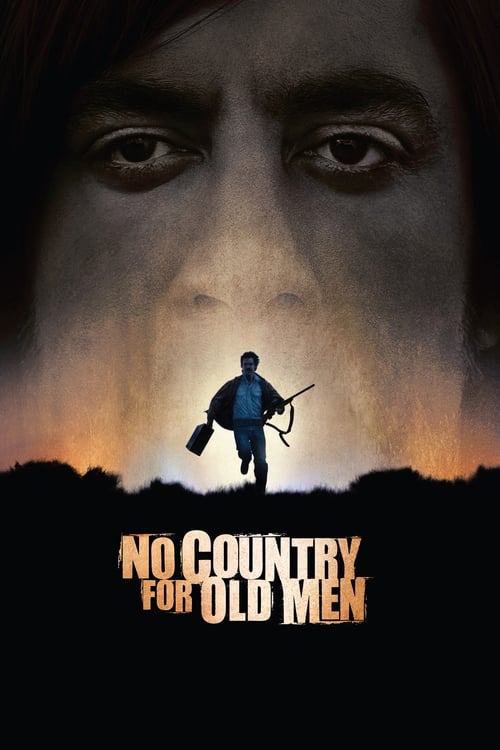
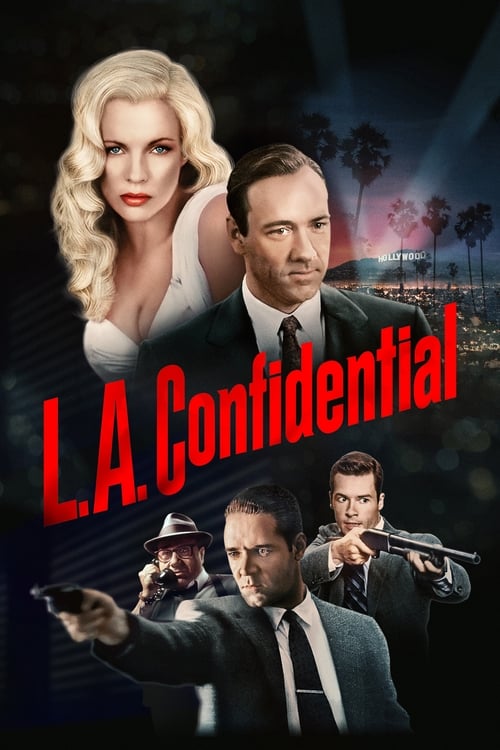
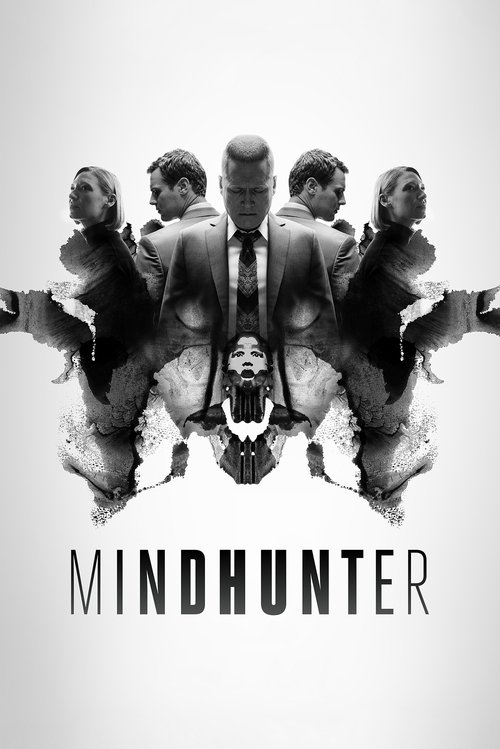
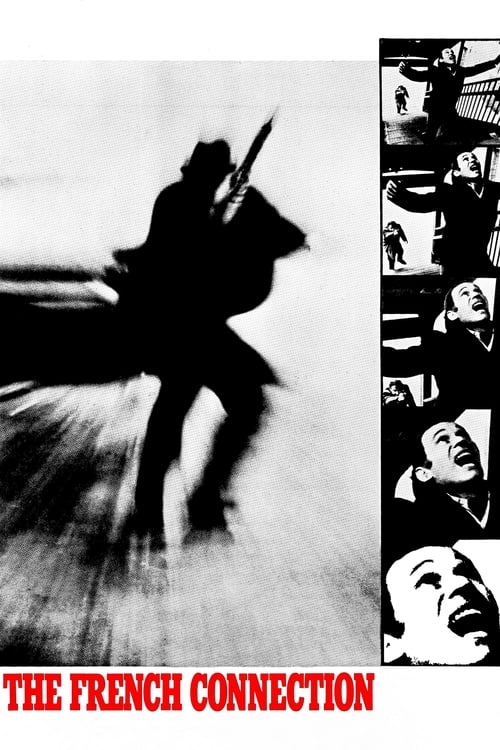
The perfect entry point is not Alien
Gladiator is where to start. Alien is the masterpiece, but it asks you to trust a slow burn for ninety minutes before it pays out. Gladiator hands you the pleasures immediately: a magnificent villain, clear moral stakes, Russell Crowe at full physical command, and Hans Zimmer's score doing half the emotional work. It is Scott at maximum accessibility without sacrificing his eye for composition. Once you feel the pull, Alien will reward you like nothing else.
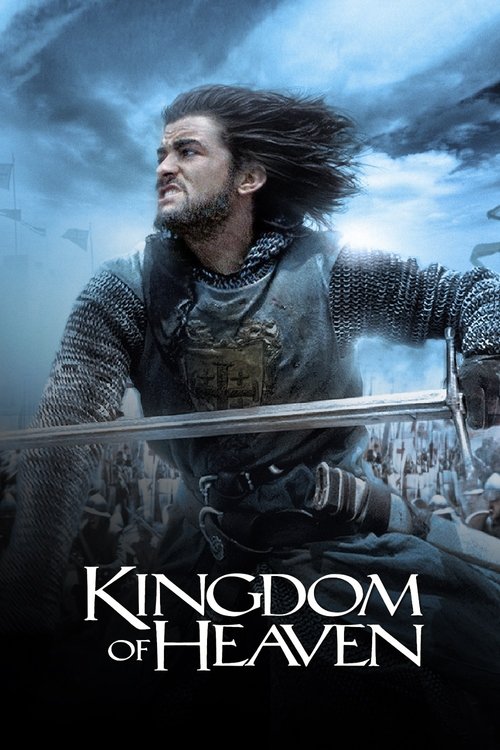
The most underrated Scott film is Kingdom of Heaven
The theatrical cut is a mess. The director's cut is one of his finest films: a genuine meditation on faith, pragmatism, and what it costs to stand for something when both sides of a war are wrong. Orlando Bloom is better than anyone admits when given proper material, and the siege of Jerusalem is technically as accomplished as anything in Black Hawk Down. If you saw it in 2005 and shrugged, the director's cut is a different film.
Blade Runner's spiritual successor is a video game
Cyberpunk 2077 is not a flawless game, but as an environment it is the closest thing to actually inhabiting the world Blade Runner depicts: the layered verticality, the corporate omnipresence, the question of what personhood means when augmentation blurs the line. Spend an hour walking Night City in the rain and you will feel the same melancholy Scott's original generates. The DNA is undeniable.

The book that reads like a lost Scott project
Dan Simmons' Hyperion is the novel Ridley Scott has never adapted but absolutely should. It has everything he gravitates toward: a physically overwhelming future, embedded horror, the corruption of institutions, and characters defined by their relationship to death. The Canterbury Tales structure means it delivers on multiple genre registers at once. It is grand, dark, and visually specific in a way that demands a director with real spatial imagination.
Ridley Scott: A Director's Arc
- 1977Feature debut The Duellists
- 1979Alien redefines sci-fi horror Alien
- 1982Blade Runner, initially misread by audiences Blade Runner
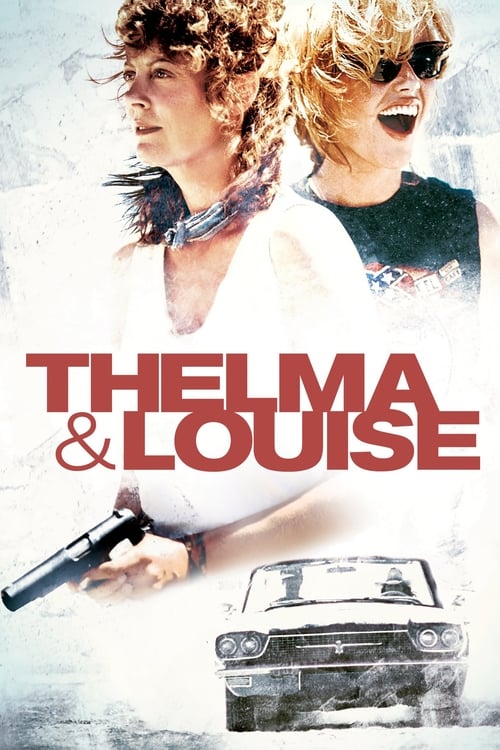
- 1991Thelma and Louise, a different kind of epic Thelma & Louise
- 2000Gladiator revives the historical epic Gladiator
- 2001Black Hawk Down at documentary scale Black Hawk Down
- 2005Kingdom of Heaven director's cut released Kingdom of Heaven
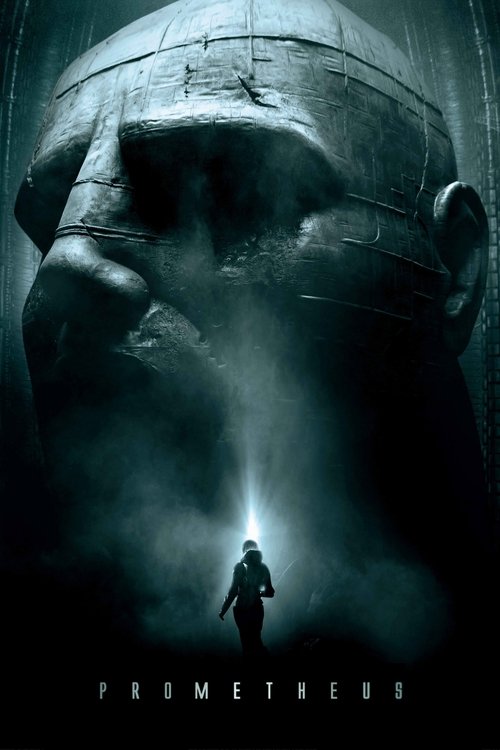
- 2012Prometheus reopens the Alien mythology Prometheus
- 2015The Martian, his warmest film The Martian
- 2023Napoleon, another contested epic Napoleon
Epic worlds and ancient Rome
For Fans of Gladiator
Explore the For Fans of Gladiator guide →Scott's films feel like they were designed by someone who has been to these places. The future is grimy. Rome is genuinely dangerous. The desert has no mercy. That material conviction is what separates real world-building from set decoration.CrossBinge editorial