

Gladiator (2000) does one thing with total conviction: it takes a broken man and asks whether honour is worth dying for when there is nothing left to live for. Ridley Scott rooted a blockbuster in grief. Maximus is not a superhero; he is a general who has already lost, fighting through a world that keeps asking him to lose again. The pleasure is not victory, it is endurance. The crowd roars, the sand is red, Hans Zimmer and Lisa Gerrard build something that sounds ancient and inevitable, and somehow a Roman revenge story becomes a film about what we owe the dead. Everything below borrows from that same emotional register: spectacle in service of feeling, history as a frame for intimate loss, and scores that feel like memory.
Ridley Scott's Other Epics
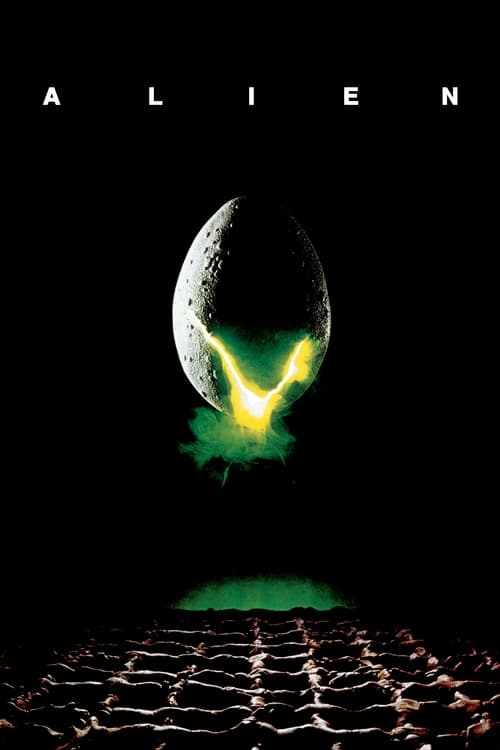
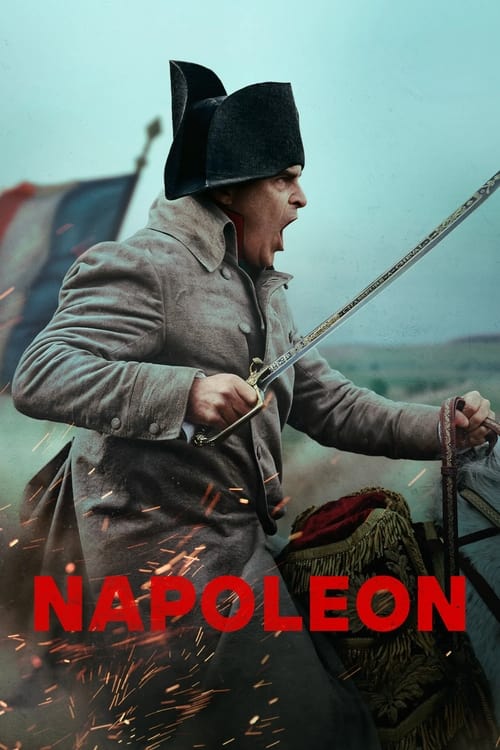
The same director's obsessions: scale, moral weight, and worlds rendered in painstaking detail

Arena and Empire: Same-Vibe Films
Movies that share Gladiator's appetite for ancient worlds, personal honour, and combat as drama
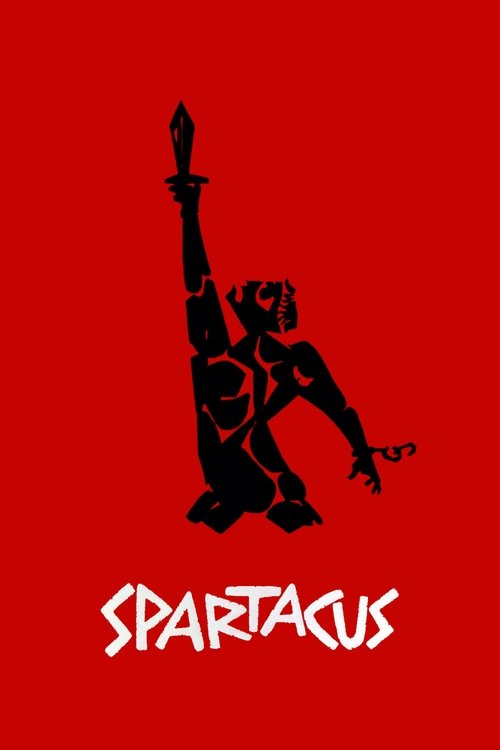
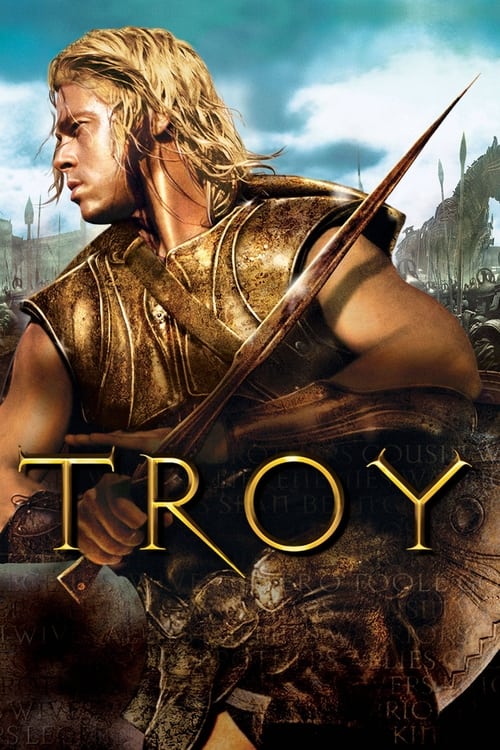
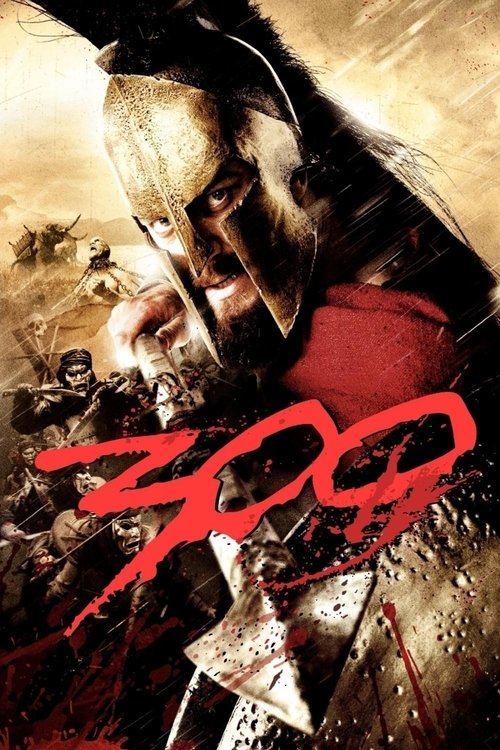

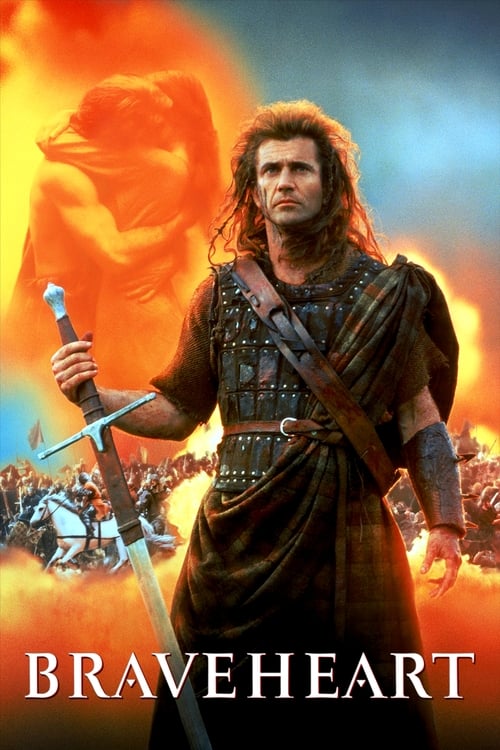
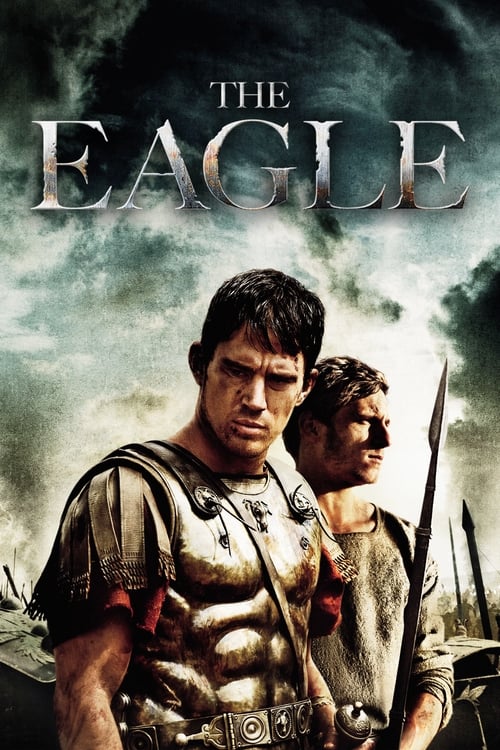
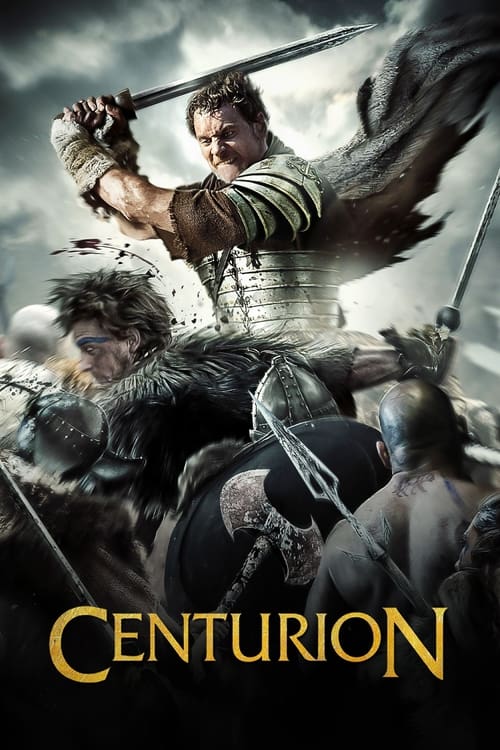
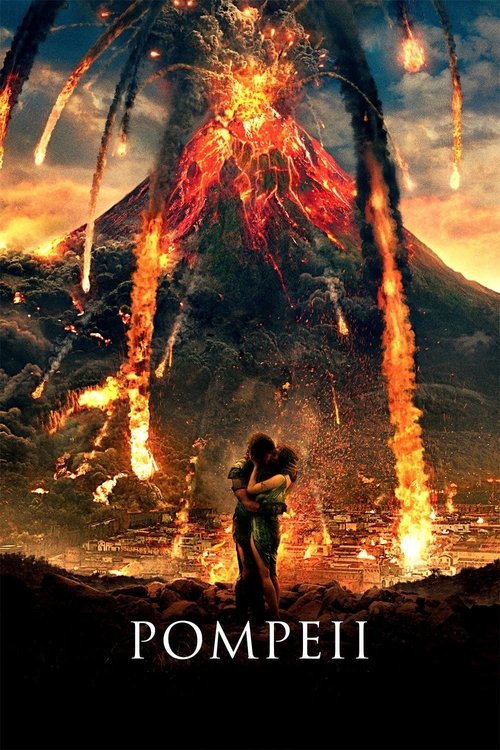
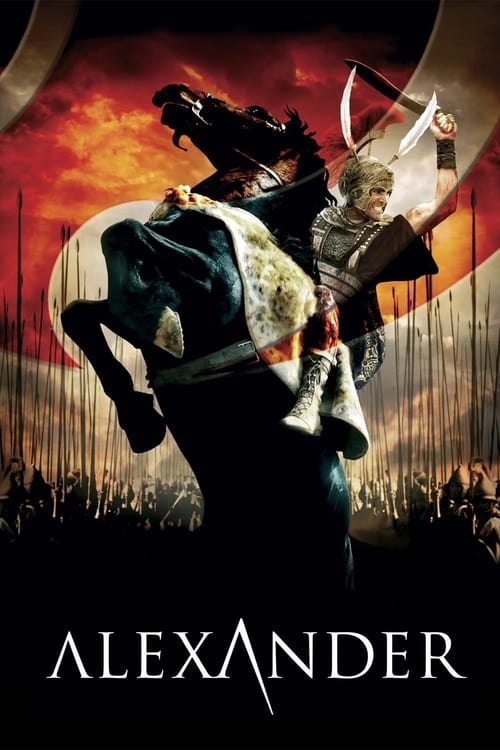
Rome and Ruin on Screen
Television series that build out the same ancient world with political intrigue and physical violence

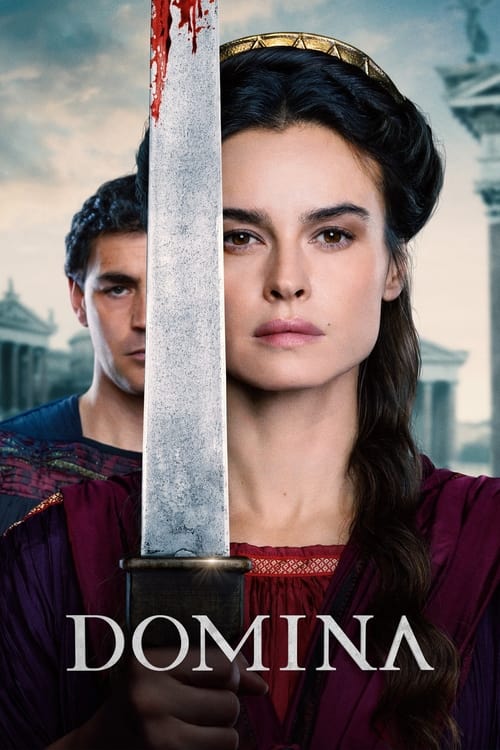

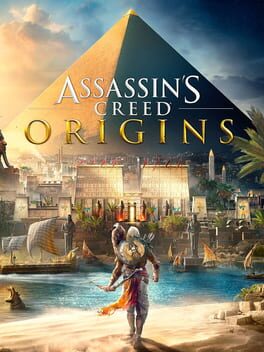
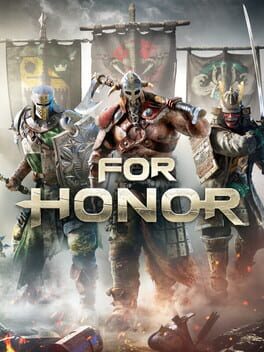
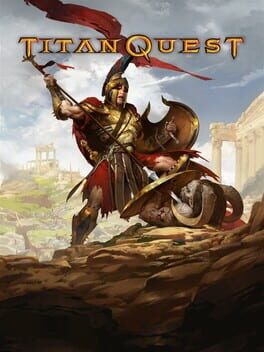
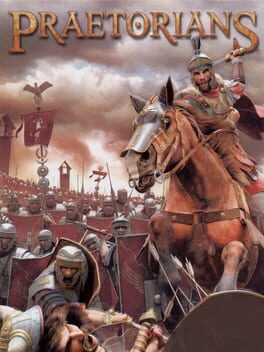
Blood and Sand in Games
Games that channel Gladiator's arena combat, ancient settings, or lone-warrior power fantasy
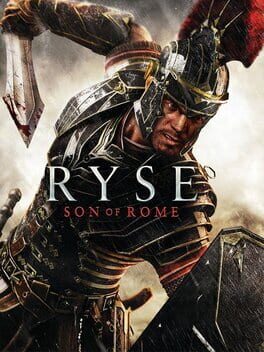
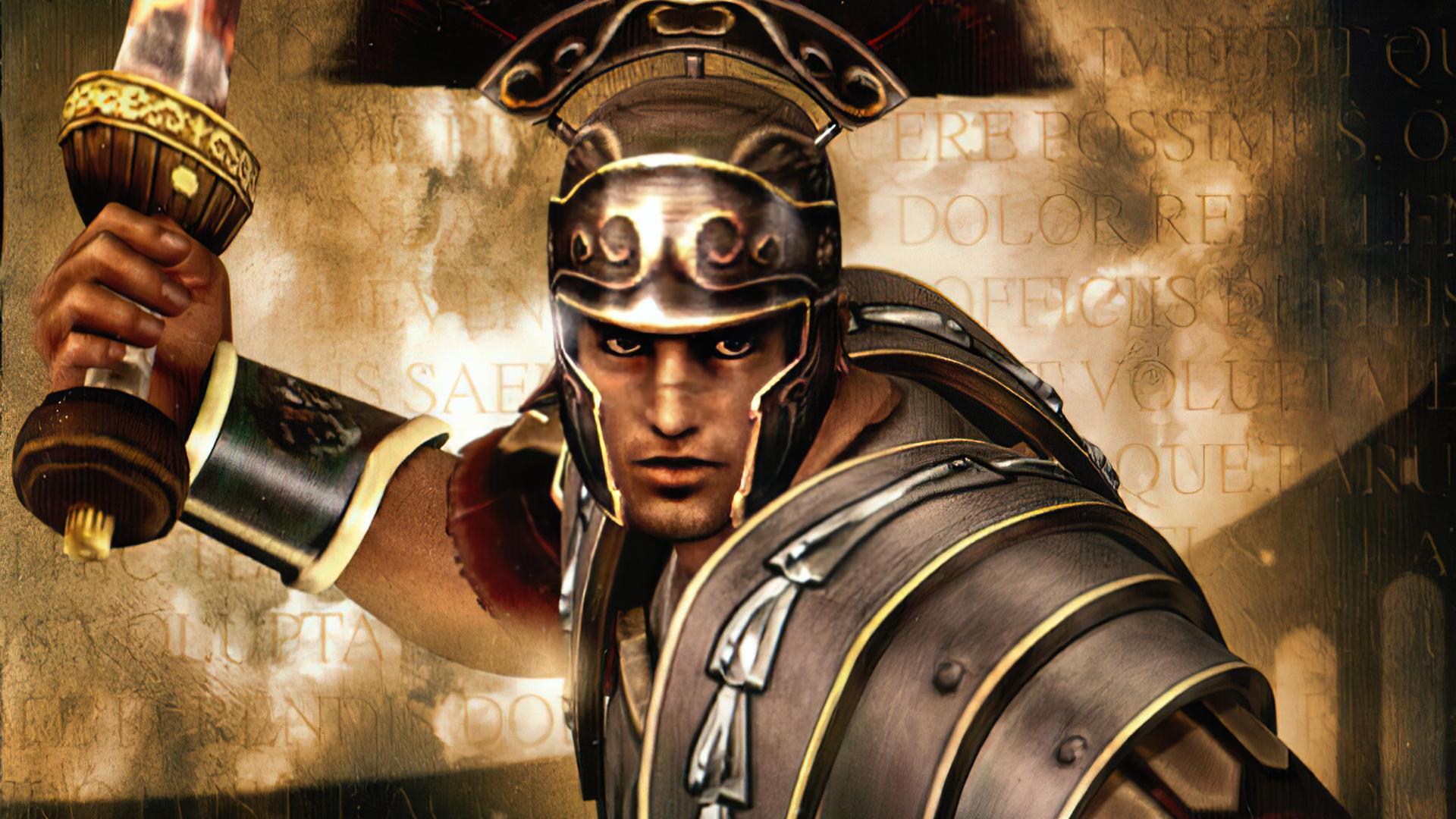
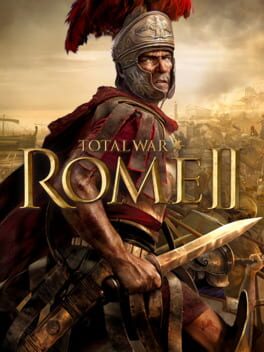

The Score and Its Kin
Gladiator's Hans Zimmer / Lisa Gerrard soundtrack, its sequel score, and albums that hit the same elemental, ancient-feeling register
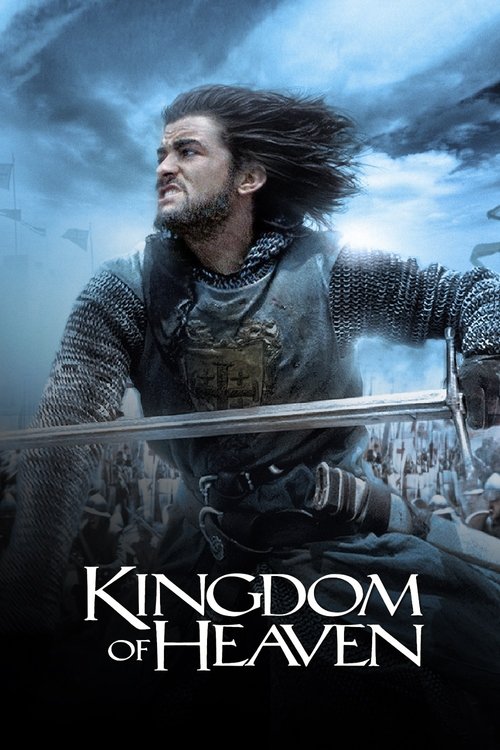
Kingdom of Heaven Is the Director's Cut That Got Away
Ridley Scott made Kingdom of Heaven two years after Gladiator and it flopped in its 194-minute theatrical cut. The director's cut, released later, is a different film entirely: a sombre meditation on faith, governance, and compromise, set against the siege of Jerusalem. Orlando Bloom's Balian is a quieter lead than Maximus, but the architecture of the film is the same: a man building something worth defending in a world that wants to burn it down. The score, the scale, and the moral seriousness are all there. If you only saw the studio version, go back.
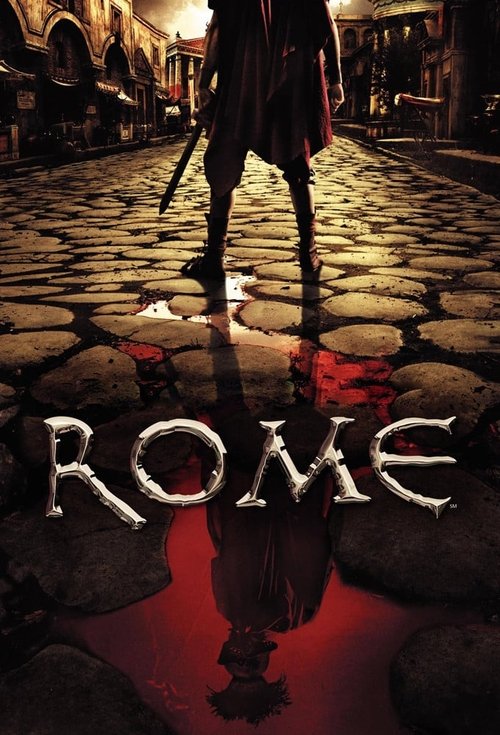
Rome (2005) Is the TV Series Gladiator Never Had
HBO and the BBC spent a reported $100 million on two seasons of Rome, and it shows in every frame. Where Gladiator brackets out the daily texture of Roman life to focus on its arena tragedy, Rome leans into the politics, the sex, the commerce, and the casual brutality of the Republic becoming an Empire. Titus Pullo and Lucius Vorenus are the ground-level counterweight to Caesar and Antony. If you have ever wanted to live inside the world Gladiator gestures at, this is the closest television has come.
God of War Earns Its Epic Through Grief
The 2018 God of War reboot is, at its core, a film about a man who has already lost the most important things and is trying not to lose the last one. Kratos, like Maximus, is a military instrument repurposed by grief. The game uses Norse mythology the way Gladiator uses Rome: as a canvas for an intimate story about violence and its price. The combat is brutal, the score is enormous, and the emotional beats land because they are earned. For anyone who responded to the human core underneath Gladiator's spectacle, this is essential.
I, Claudius Remains the Essential Roman Novel
Robert Graves wrote I, Claudius as an autobiography of the Emperor Claudius, narrating the reigns of Augustus, Tiberius, Caligula, and himself from the inside. It is the darkest possible version of the Roman power story: no sand, no spectacle, just poison, paranoia, and the grinding machinery of dynastic succession. Gladiator gives you Rome at arena-scale; Graves gives you the private room where the real decisions get made. The 1976 BBC adaptation, starring Derek Jacobi, is equally unmissable.

Roman Epic on Screen: A Short History
- 1951Quo Vadis brings ancient Rome to postwar Hollywood audiences Quo Vadis
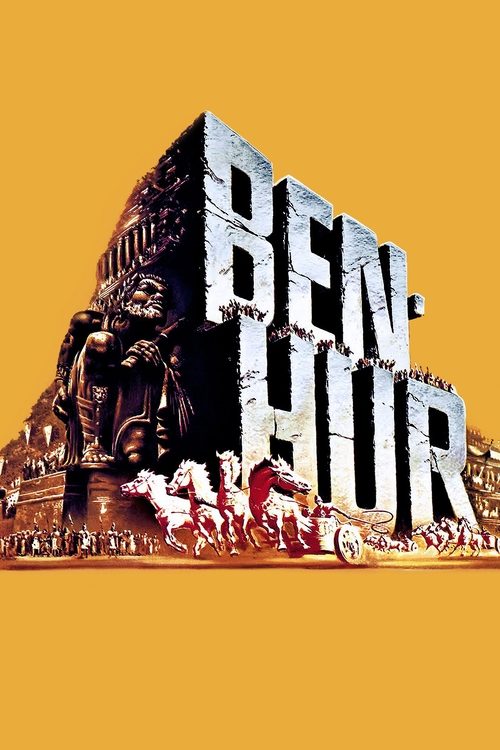
- 1959Ben-Hur wins eleven Academy Awards and defines the chariot-race as cinema shorthand Ben-Hur
- 1960Spartacus: Kubrick and Douglas make the slave revolt a political allegory Spartacus
- 1976I, Claudius (BBC) redefines Roman drama as intimate political horror I, Claudius
- 2000Gladiator revives the Roman epic for a new generation Gladiator
- 2005Rome (HBO/BBC) brings the Republic to prestige television Rome
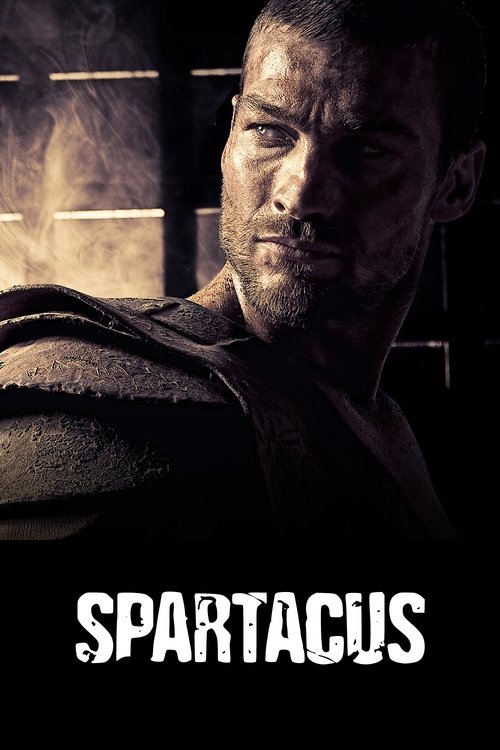
- 2010Spartacus: Blood and Sand pushes the arena drama to cable extremes Spartacus
- 2018God of War reframes mythological combat as a father-son grief story God of War
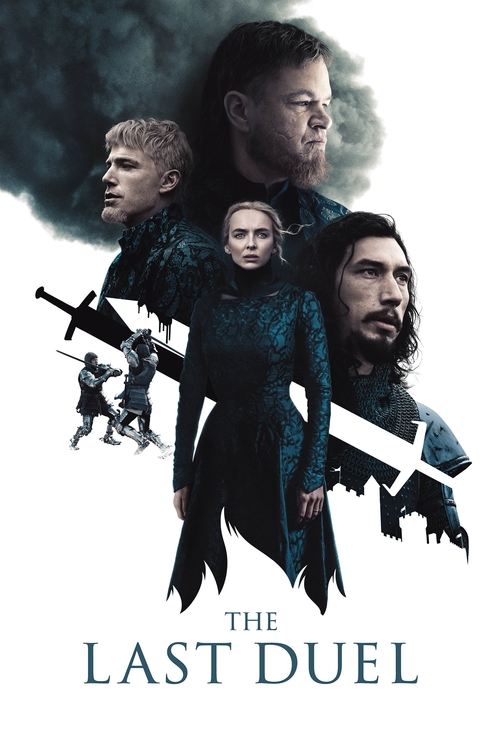
- 2021The Last Duel: Scott returns to medieval epic with a fractured-perspective structure The Last Duel
- 2024Gladiator II: a new generation enters the arena Gladiator II
More from the Roman arena
Gladiators & Ancient Rome
Explore the Gladiators & Ancient Rome guide →What we do in life echoes in eternity.Gladiator (2000)