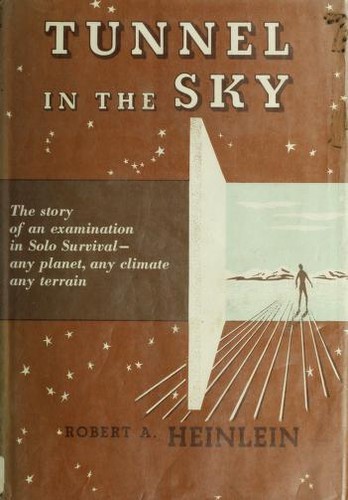

Robert A. Heinlein spent five decades rewriting the contract between the individual and the state, between humanity and the cosmos, and between a reader and their assumptions. Whether he was putting a teenager through powered-armor boot camp in Starship Troopers, asking what a fully liberated society might actually look like in Stranger in a Strange Land, or folding time itself into a paradox in The Moon Is a Harsh Mistress, Heinlein never let comfort win. His prose is plain-spoken and fast, his characters argue philosophy like they mean it, and his worlds carry the weight of engineering: the math works, the logistics are real, and the politics have consequences. The through-line a fan feels is not nostalgia for the 1950s. It is the sharp pleasure of a story that trusts you to keep up, told by a writer who had thought it all the way through.
Essential Heinlein
The novels every fan knows and the ones they should


Heinlein on Screen
Adaptations and films that carry his DNA directly
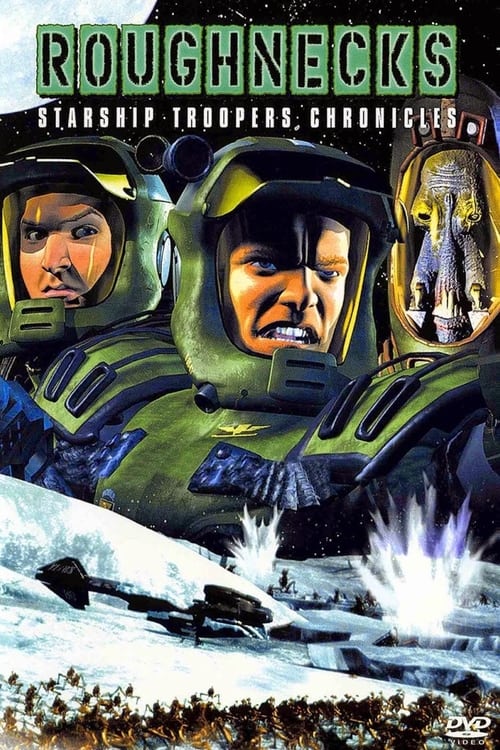
Golden-Age Peers and Heirs
Authors who share the hard-SF, ideas-first tradition


Military and Libertarian Sci-Fi on Screen
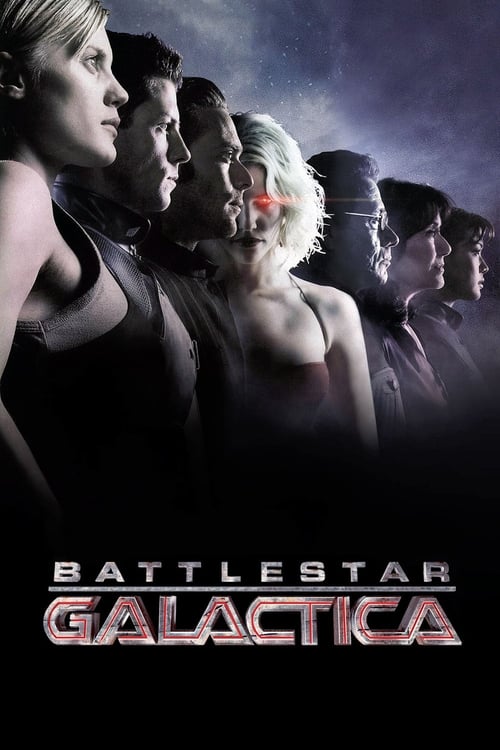
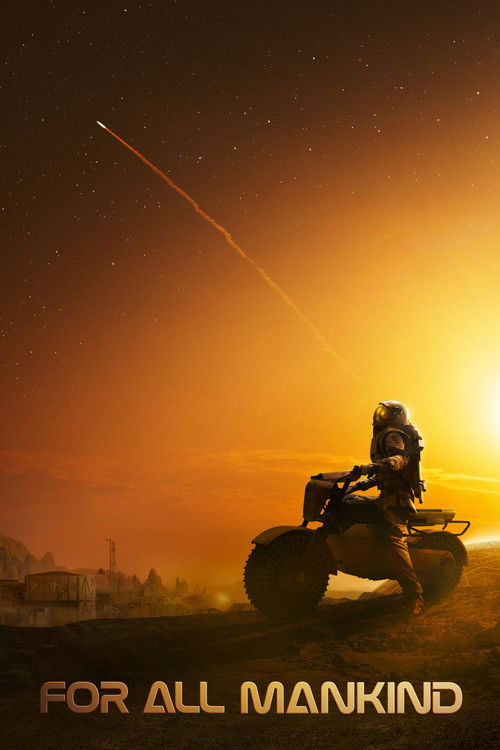
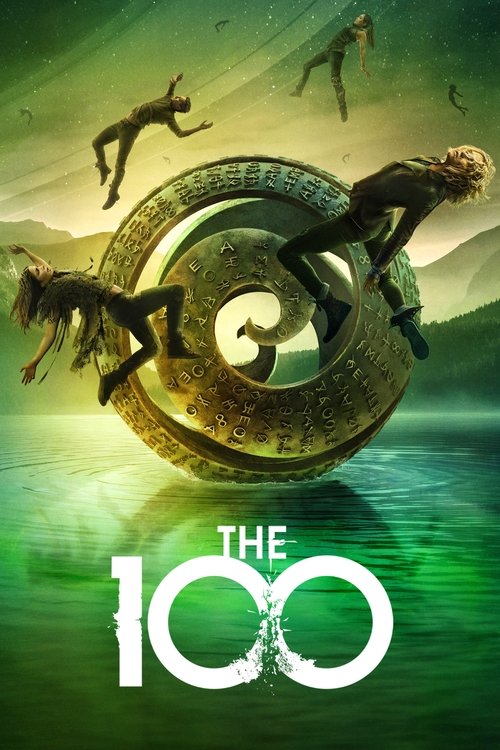
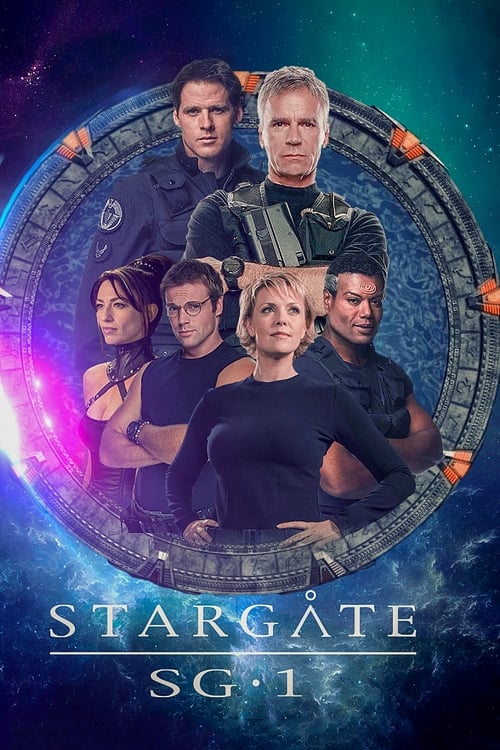
Films and series with the same citizen-soldier or individual-vs-system charge
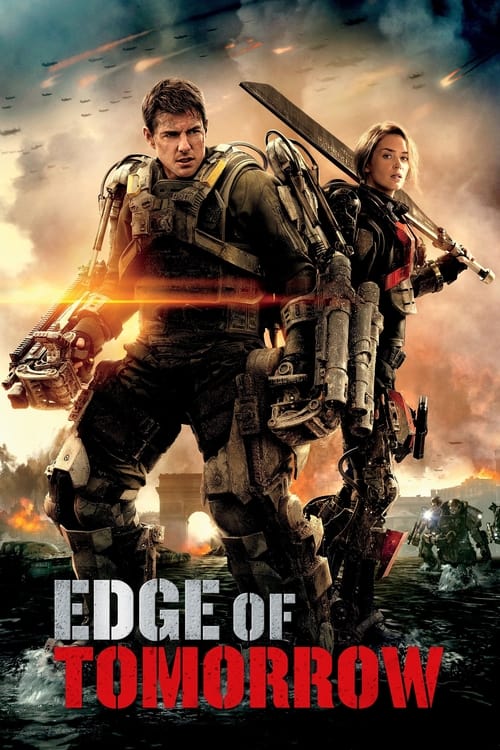
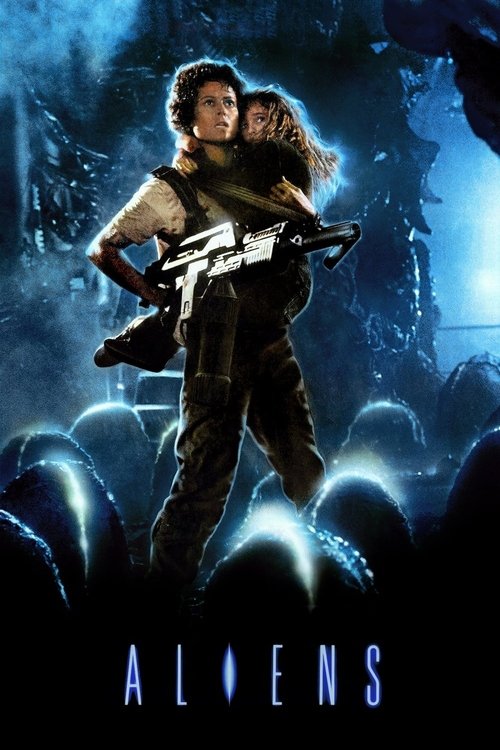

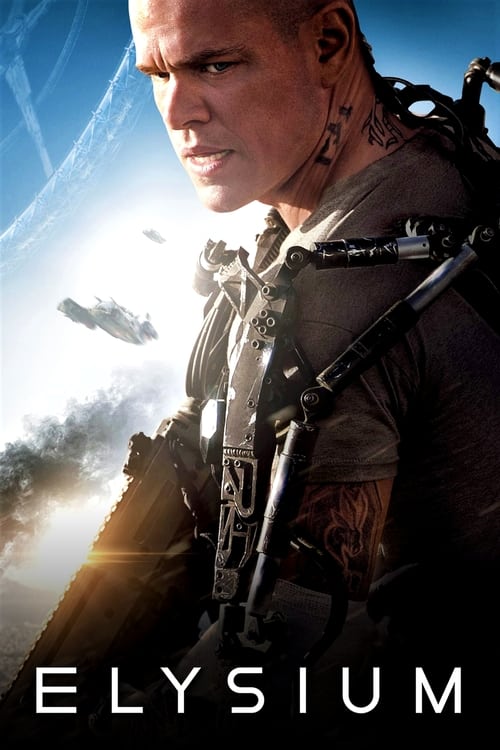
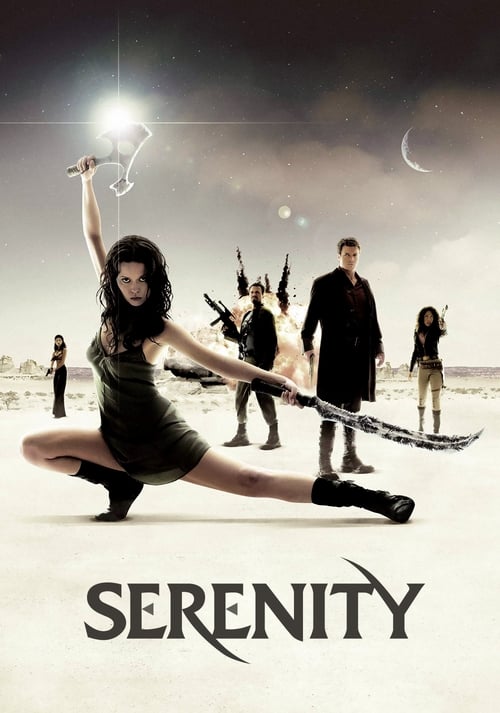
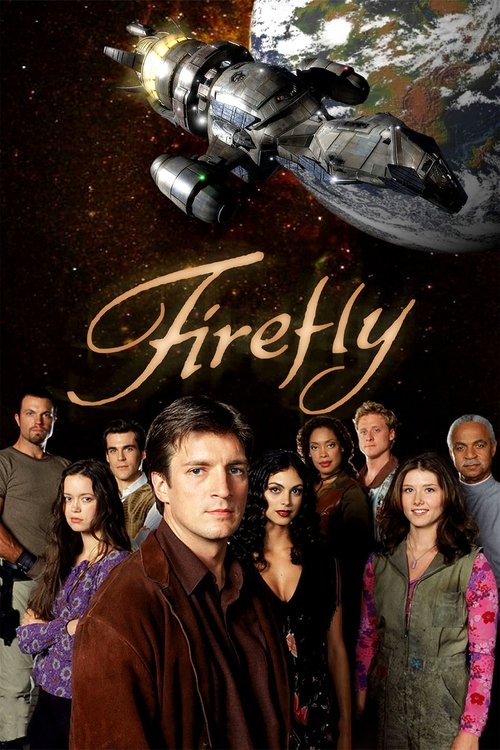
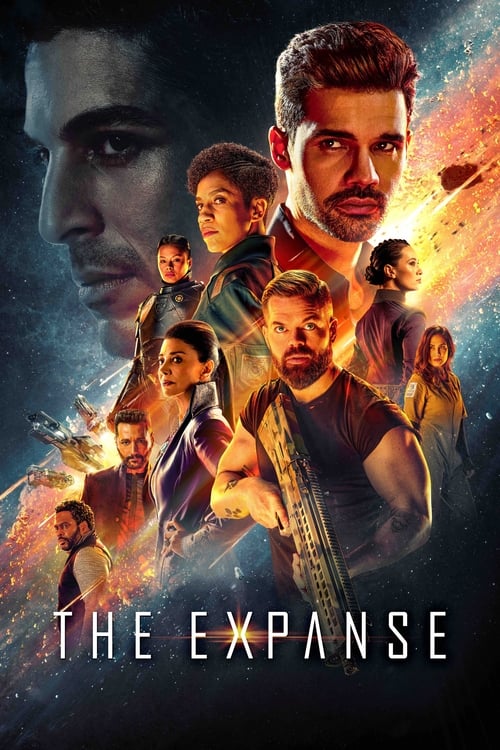
Games That Think Like Heinlein
Powered armor, frontier politics, survival, and societies you have to earn
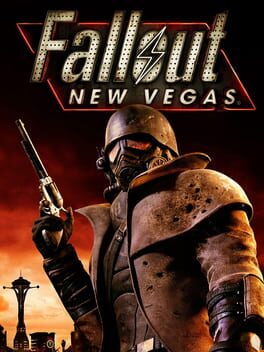
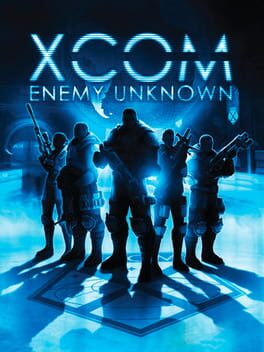

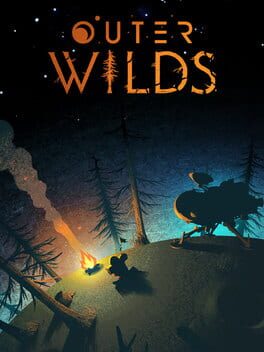
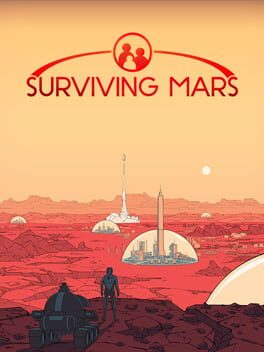
Starship Troopers Is a Philosophy Course in Uniform
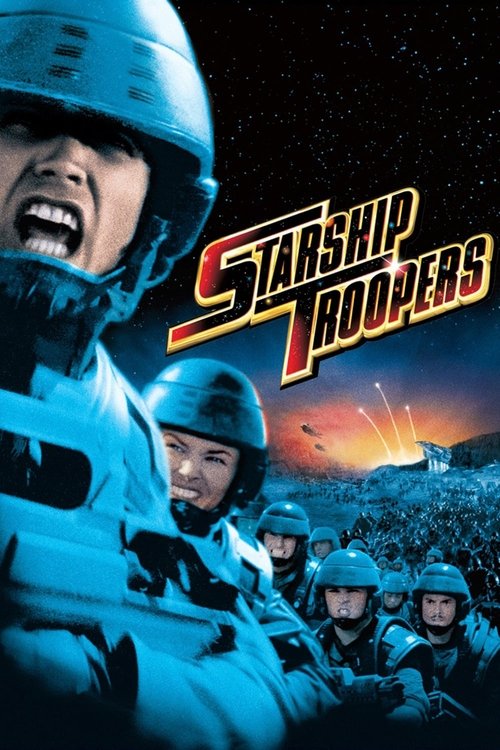
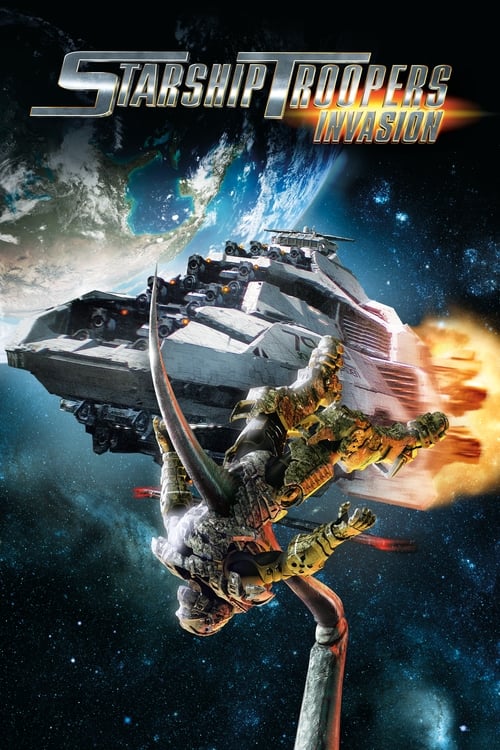
Paul Verhoeven's 1997 film turns Heinlein's earnest civics lecture into gleaming satire, and both versions are correct. Read the novel and you get a sincere argument: citizenship must be earned through service, rights come with obligations, and societies that forget this go soft. Watch the film and you get a skewering of exactly that logic dressed up in fascist aesthetics. The fact that both readings are defensible is what makes the book extraordinary. Heinlein was not writing propaganda; he was running a thought experiment and following it further than most readers were comfortable going.

The Moon Is a Harsh Mistress Is Still the Best Case for Revolution
No political novel from the 20th century argues its case more cleanly. A lunar prison colony, a self-aware computer, a one-armed computer technician, and an elderly professor assemble the logic of a revolution from first principles, testing every assumption. The argument is libertarian but the characters are warm, funny, and flawed. Heinlein believed the individual was the only reliable unit of civilization, and here he built a society to prove it, then showed exactly what it cost.
Stranger in a Strange Land Is a Counter-Culture Novel Written by the Wrong Guy
The paradox of Heinlein's most famous book is that the free-love commune it describes was adopted as a 1960s hippie bible by readers who missed that its author found most of their ideas naive. Valentine Michael Smith arrives on Earth with no categories, groks everything, and builds a religion around radical empathy. Heinlein uses that premise to dismantle organized religion, property law, and social conformity with the same cold engineering logic he brought to rocket trajectories. The result offended conservatives and satisfied the counter-culture, which was approximately Heinlein's entire point.

Predestination Is What a Heinlein Time-Travel Story Feels Like
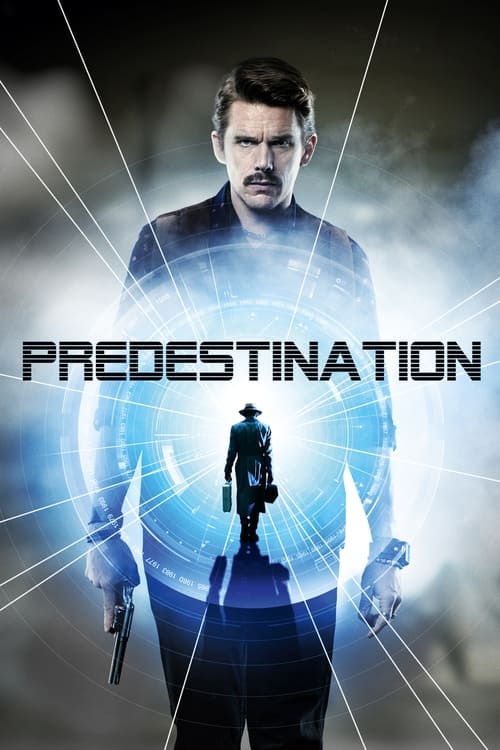
The 2014 Australian film adapts Heinlein's short story All You Zombies (1959) with almost nothing changed and everything right. A temporal agent recruits the one person who can close a paradox loop that has no beginning and no end. Where most time-travel films flinch at the implications, Heinlein and the filmmakers follow the logic to its only possible conclusion and let it land without apology. It is one of the purest translations of a Heinlein idea to screen that exists.

Heinlein Through the Decades
- 1939First story published in Astounding Science Fiction
- 1947Rocket Ship Galileo, the first of the Scribner juveniles
- 1951The future-history saga The Green Hills of Earth
- 1956Double Star wins the first of his four Hugos Double Star
- 1959Starship Troopers: Hugo winner, military SF redefined Starship Troopers
- 1961Stranger in a Strange Land arrives; counter-culture adopts it Stranger in a Strange Land
- 1966The Moon Is a Harsh Mistress serialized in If magazine The moon is a harsh mistress
- 1973Time Enough for Love: the full Lazarus Long saga
- 1980The Number of the Beast: late-period genre-mixing experiment
- 1988Heinlein dies; named SFWA Grand Master
- 1997Verhoeven's Starship Troopers arrives, reframes the novel forever Starship Troopers
- 2014Predestination adapts All You Zombies with surgical precision Predestination
Citizen soldiers and the stars beyond
Military Sci-Fi
Explore the Military Sci-Fi guide →A human being should be able to change a diaper, plan an invasion, butcher a hog, conn a ship, design a building, write a sonnet, balance accounts, build a wall, set a bone, comfort the dying, take orders, give orders, cooperate, act alone, solve equations, analyze a new problem, pitch manure, program a computer, cook a tasty meal, fight efficiently, die gallantly. Specialization is for insects.Robert A. Heinlein, Time Enough for Love (1973)