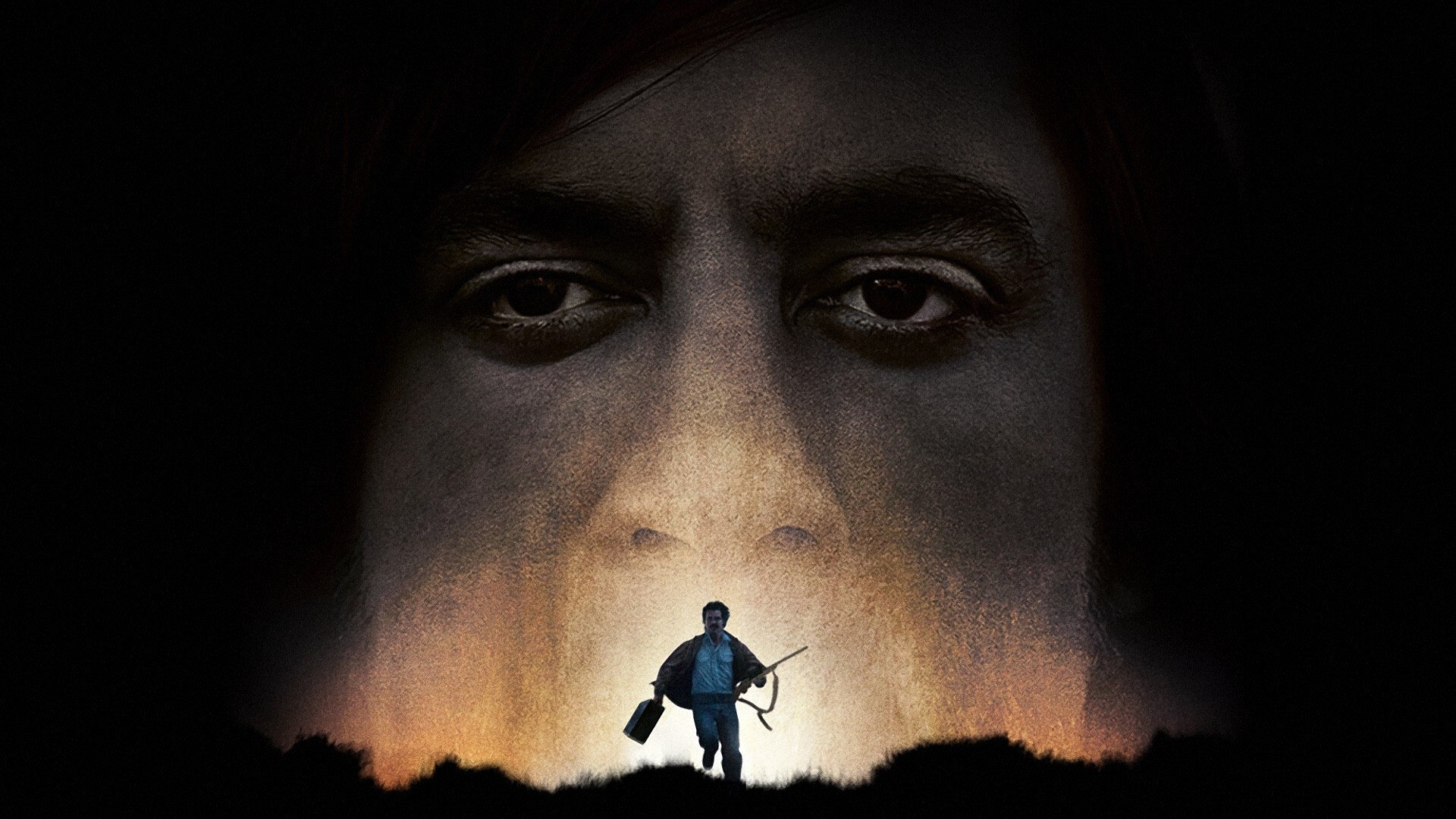

The spy thriller is built on a single irresistible premise: the world runs on secrets, and the people paid to keep them are never quite sure which side they are really on. Whether the setting is Cold War Berlin, contemporary Beirut, or a near-future surveillance state, the genre delivers a specific cocktail of pleasures. There is the tradecraft (dead drops, cutouts, covers blown at the worst possible moment), the moral corrosion of doing necessary things for questionable masters, and the perpetual paranoia that the person across the table knows more than you do. Fans of the genre are not just chasing action. They are chasing that slow-burn dread of competent people operating in environments where competence is no guarantee of survival.
Essential Spy Films
The defining cinema of deception, tradecraft, and moral compromise


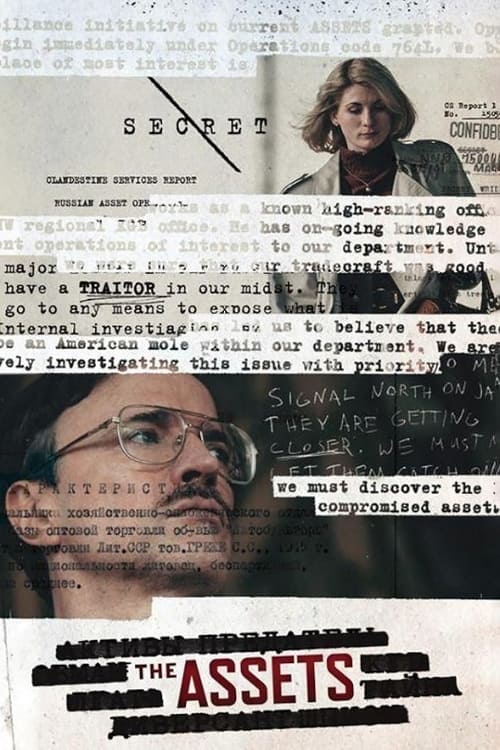
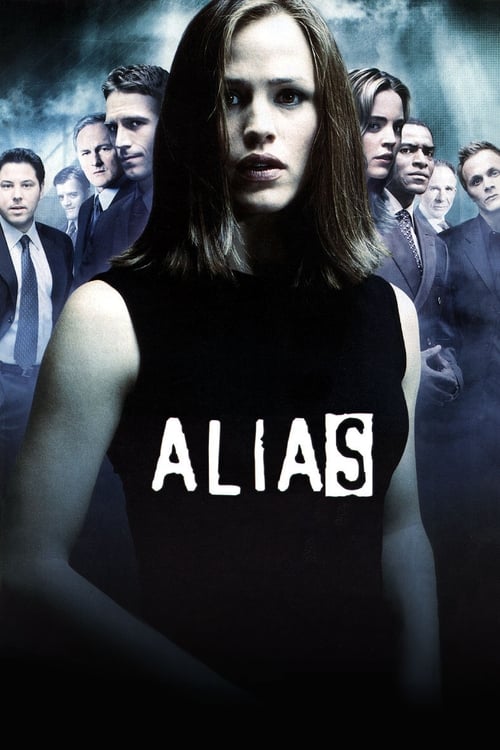
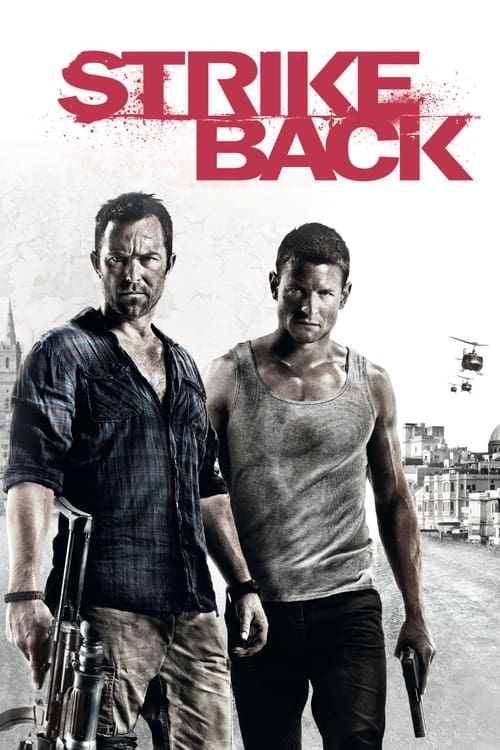
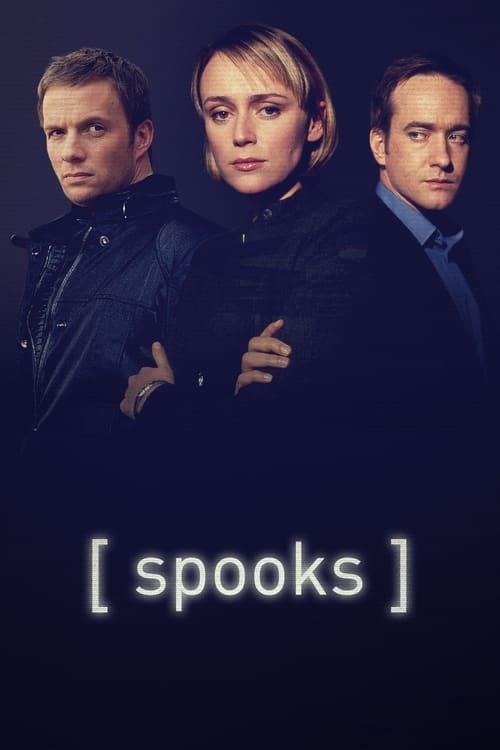
The Best Spy Television
Series that take the long view on loyalty, cover, and institutional rot
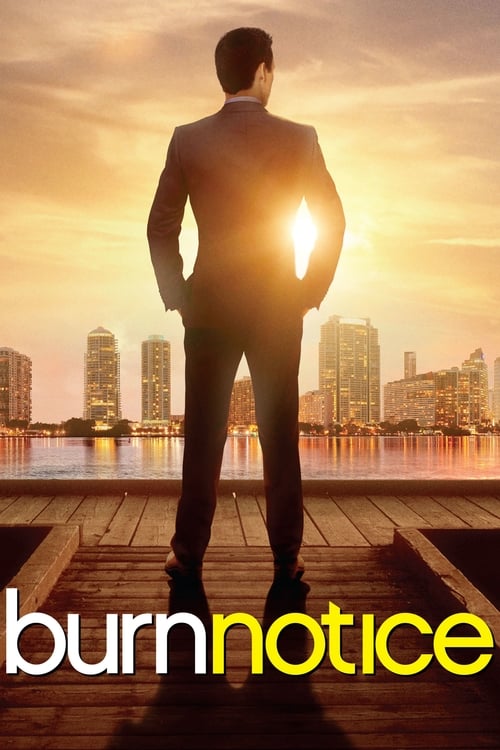
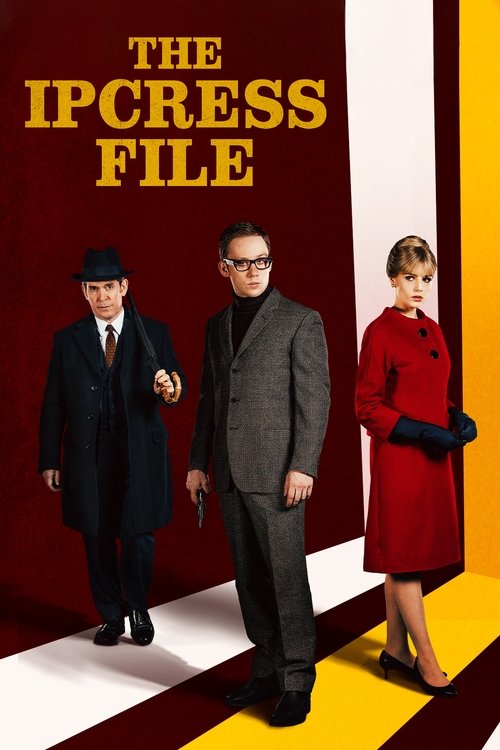
The Canon: Essential Spy Novels
The genre was built in print, and the best of it still lives there


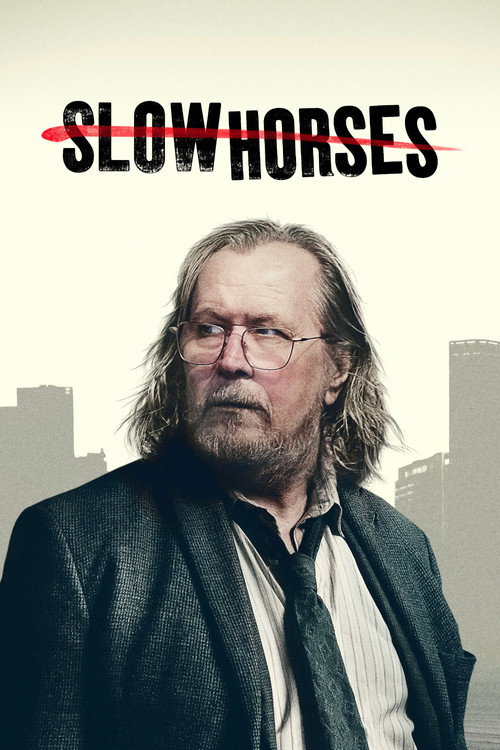
Slow Horses Is the Best Spy Show in Years
Gary Oldman's Jackson Lamb is a deliberately unglamorous creation: a brilliant, slovenly, politically inconvenient spymaster warehousing the careers MI5 wants to quietly end. The show, adapted from Mick Herron's Slough House novels, understands something most spy fiction forgets: the real danger in intelligence work is not enemy agents, it is the bureaucratic machinery of your own institution. Each series tightens the screw without ever tipping into action-movie mode. The tradecraft feels earned rather than choreographed.
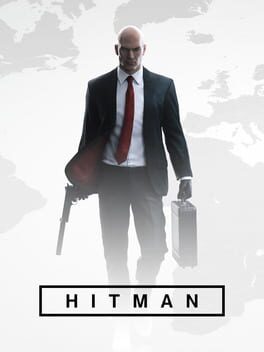
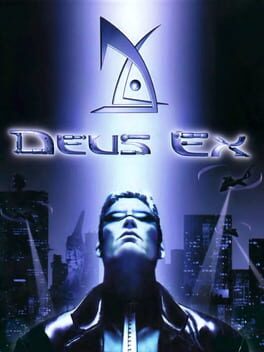
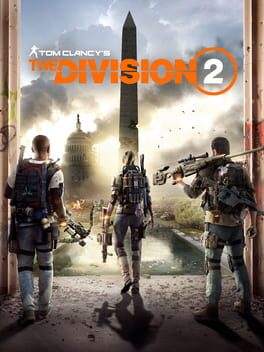
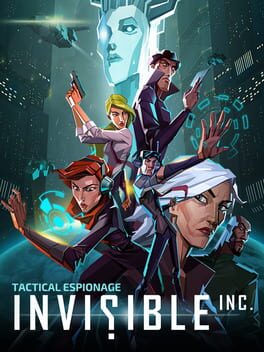
Spy Games: Stealth, Deception, and Hidden Agendas
Games that translate the genre's paranoia and precision into interactive form
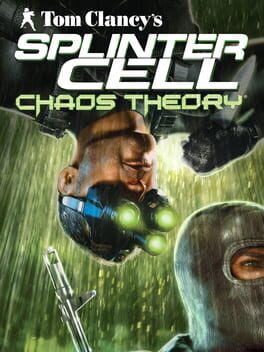
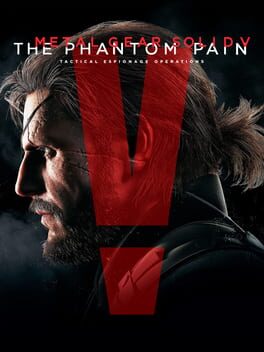

John le Carre Invented Modern Spy Fiction
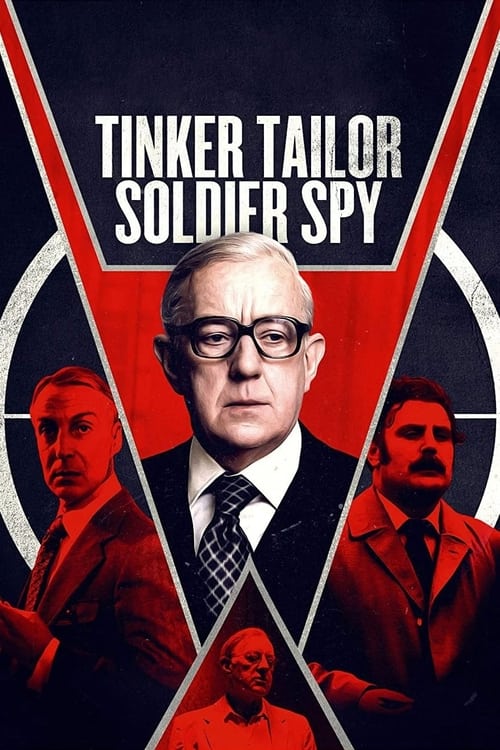
Before le Carre, the spy novel was largely a wish-fulfillment machine. After him, it became something closer to tragedy. George Smiley is the anti-Bond: patient, betrayed, perpetually conscious that the West he serves is not obviously more virtuous than the East he opposes. The Karla trilogy (Tinker Tailor, The Honourable Schoolboy, Smiley's People) is the high point, but The Spy Who Came in from the Cold may be the single most perfectly constructed novel in the genre. Anyone who claims to love spy fiction and has not read le Carre is missing the argument the entire genre is having with itself.
Scores and Soundtracks for the Paranoid Mind
Music that captures the genre's cold tension, urban alienation, and coiled dread
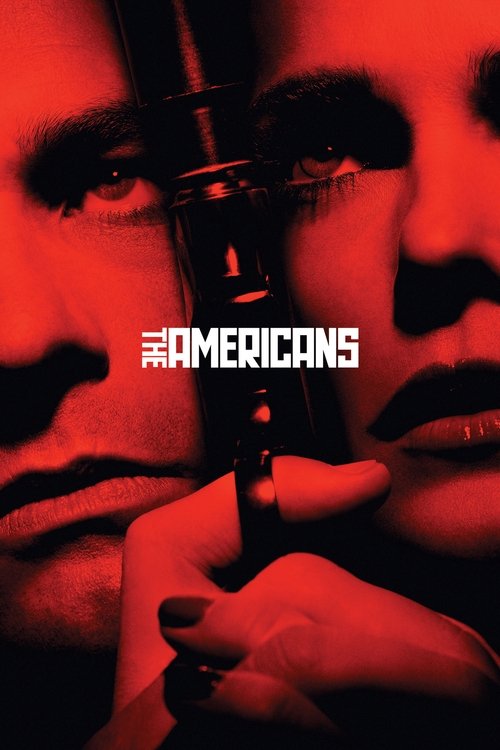
The Americans Gets the Operational Reality Right
Most spy fiction glamorizes the work. The Americans does the opposite: Philip and Elizabeth Jennings are deep-cover KGB illegals whose most demanding operations are the ones closest to home. Managing their cover identities, their assets, their recruited Americans, and their actual Soviet children all at once is depicted as exhausting, morally grinding work. The show never lets you forget that the people being manipulated are also human beings with their own lives being quietly wrecked. By the final season, it has become one of the best dramas on television regardless of genre.
The spy thriller's enduring subject is not the enemy. It is the institution that sends you against the enemy, and what it costs to serve it faithfully.CrossBinge
A Century of Spy Fiction
- 1915The Thirty-Nine Steps by John Buchan defines the fugitive-agent formula
- 1953Ian Fleming publishes Casino Royale, introducing James Bond
- 1963Le Carre's The Spy Who Came in from the Cold resets the genre's moral register The Spy Who Came in from the Cold
- 1965The Ipcress File (film) establishes the working-class spy counter-myth The Ipcress File
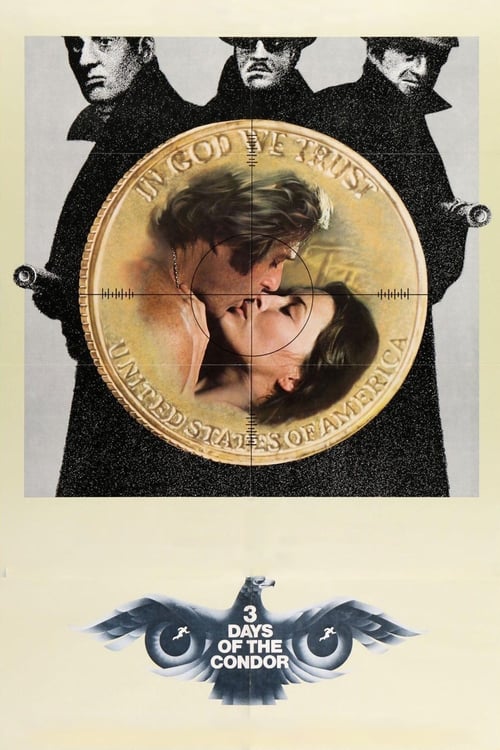
- 1974Three Days of the Condor hits at the peak of post-Watergate institutional paranoia Three Days of the Condor
- 1984Le Carre's The Little Drummer Girl brings Middle Eastern geopolitics to the center The little drummer girl
- 1990Tom Clancy's Hunt for Red October adapts to film, popularizing the techno-thriller variant The Hunt for Red October
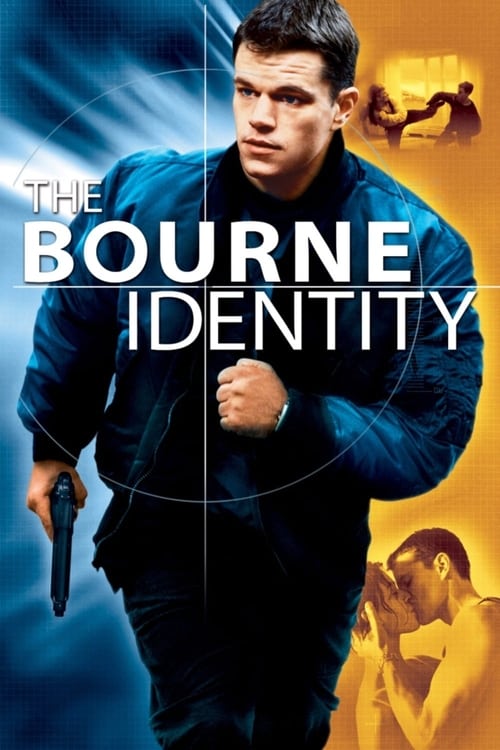
- 2002The Bourne Identity (film) modernizes the amnesiac operative archetype The Bourne Identity
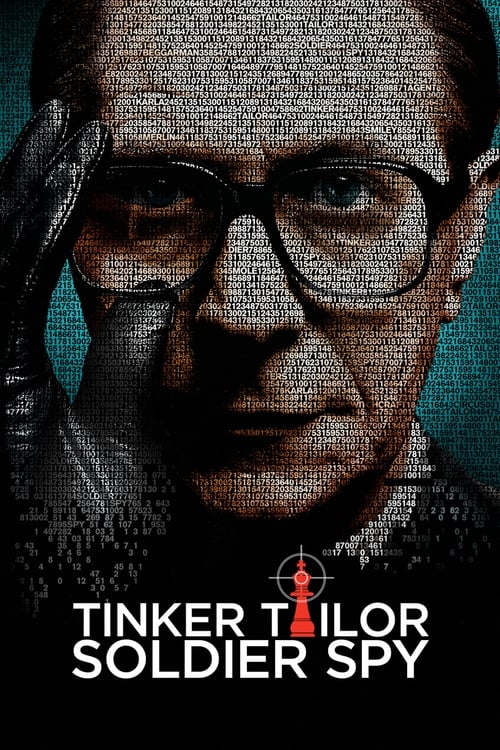
- 2011Tinker Tailor Soldier Spy (film) brings le Carre's masterwork back to cinema Tinker Tailor Soldier Spy
- 2013The Americans premieres, setting a new standard for long-form spy drama The Americans
- 2022Slow Horses adapts Mick Herron's anti-establishment Slough House novels for Apple TV+ Slow Horses
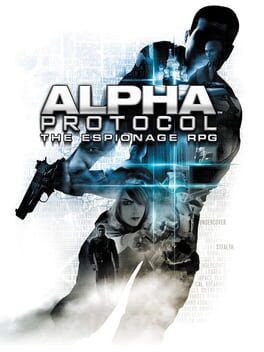
Alpha Protocol Is the Underrated Spy RPG
Obsidian Entertainment's 2010 spy RPG is a mess in several respects, and it is also the most interesting game the genre has produced. The conceit is that your choices genuinely determine which factions trust you and which want you dead, and the game's branching is deep enough that two playthroughs can feel like different stories entirely. The dialogue system (timed responses, no exact preview of what your character will say) produces tense conversations that feel more like real intelligence encounters than scripted cutscenes. Rough edges and all, it does what few games attempt: letting you decide whether your operative is a professional, a paranoid, or someone going rogue for personal reasons.