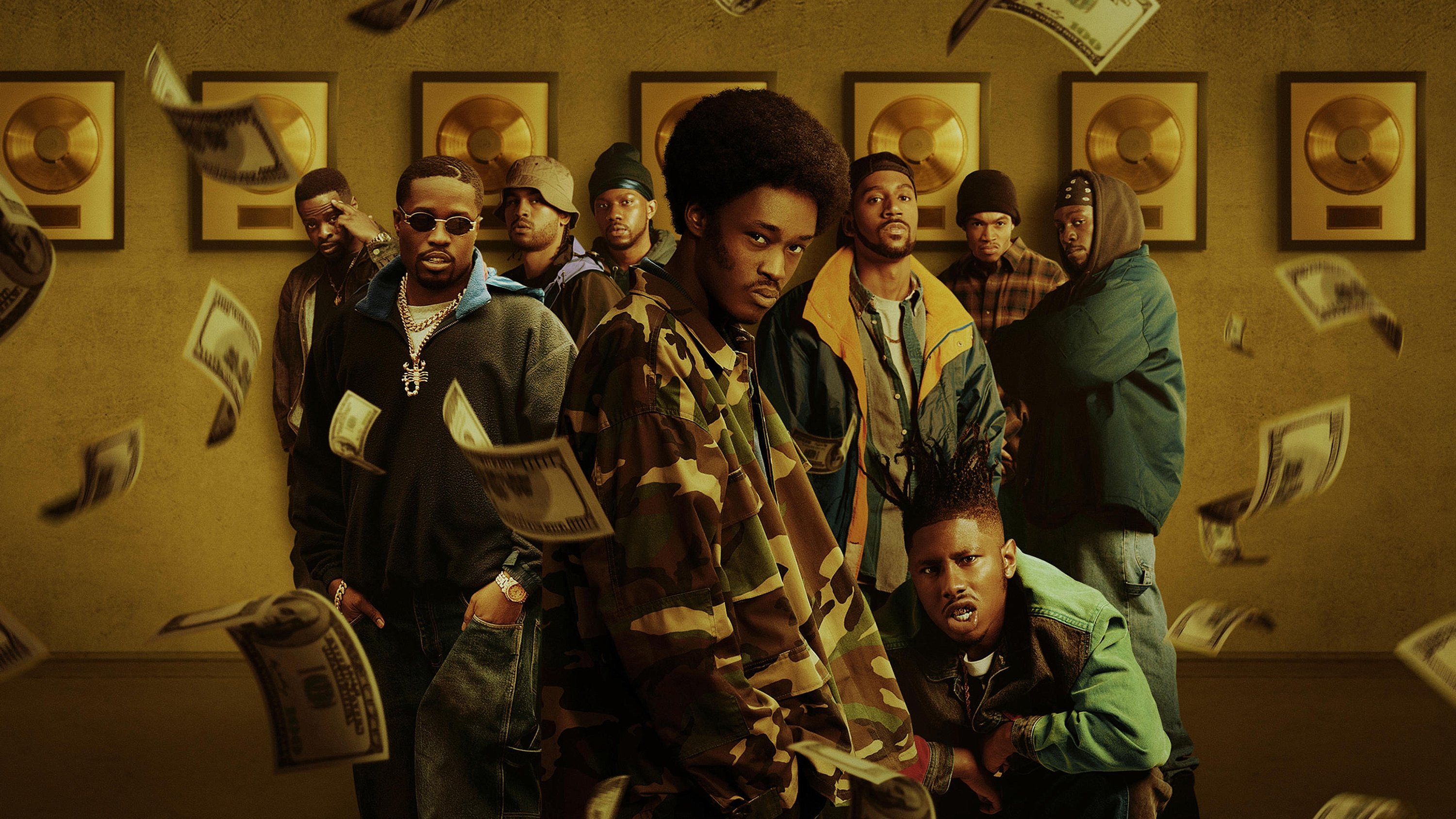

Darryl McDaniels, Joseph Simmons, and DJ Jam Master Jay walked out of Hollis, Queens in 1983 wearing black fedoras and tracksuits and basically remade what popular music could be. Before Run-D.M.C., rap was a novelty act confined to 12-inch singles. After them, it was an album format, a stadium draw, a fashion statement, and the dominant thread running through youth culture for the next four decades. Their formula was deceptively simple: strip the beats to bare drums and bass, shout over hard rock guitar, wear exactly what you wore on the street, and refuse to pretend. That refusal, the absolute refusal to cosplay at anything, is the through-line every Run-D.M.C. fan loves. The music sounds like the confidence of knowing exactly who you are.
The Docs That Tell the Story
Hip-hop history on screen, from block parties to the Rock Hall
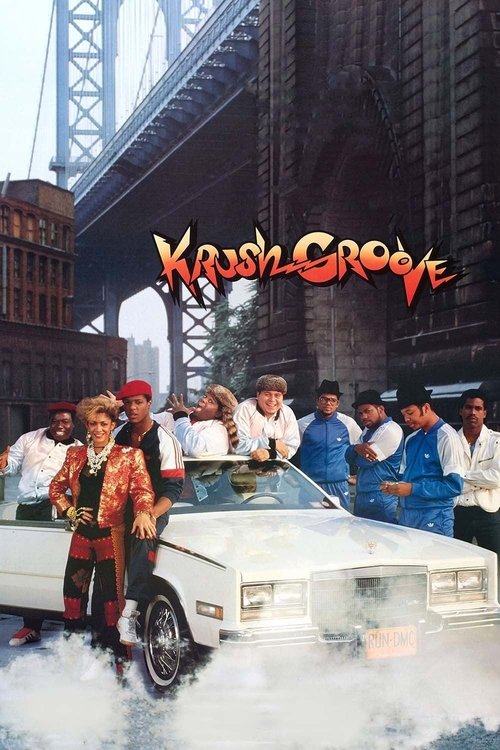
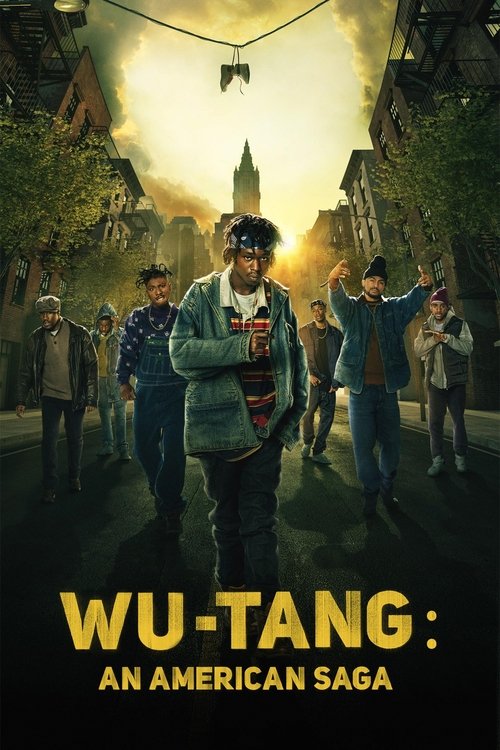
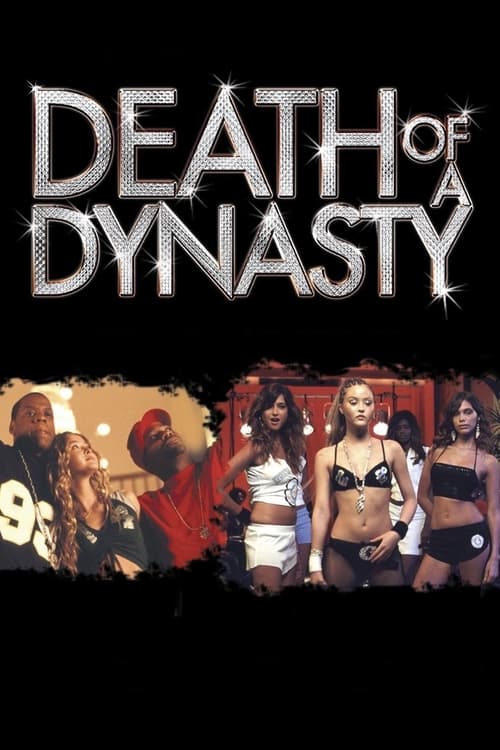
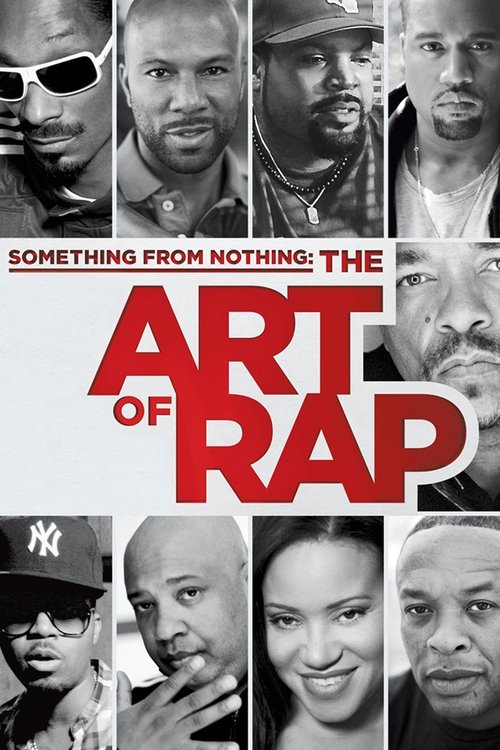
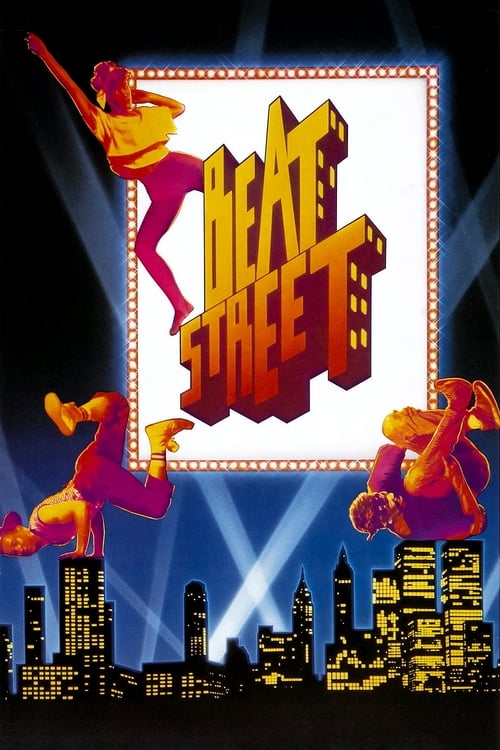
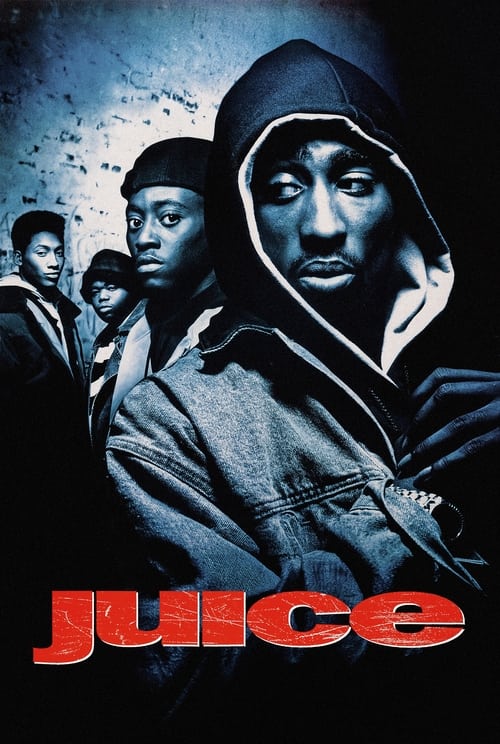
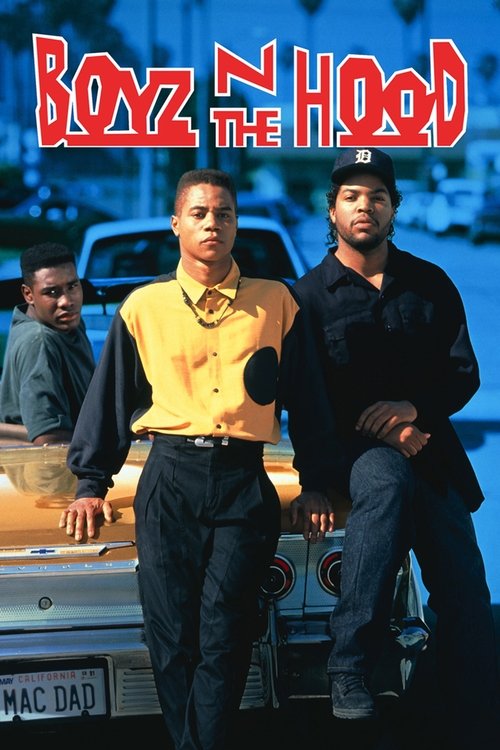
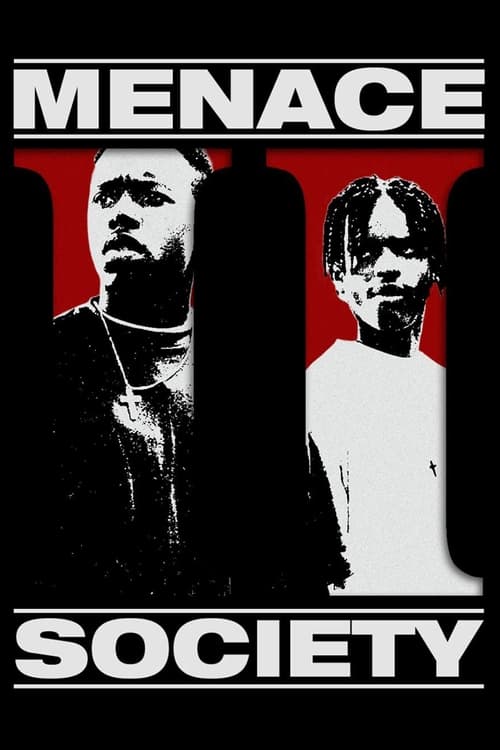
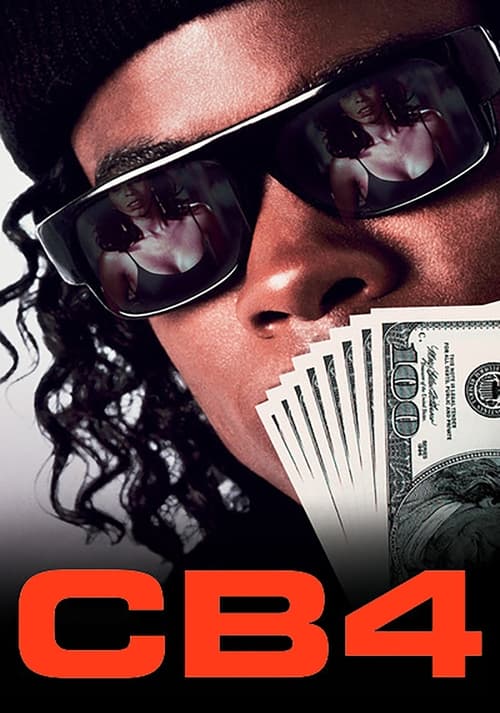
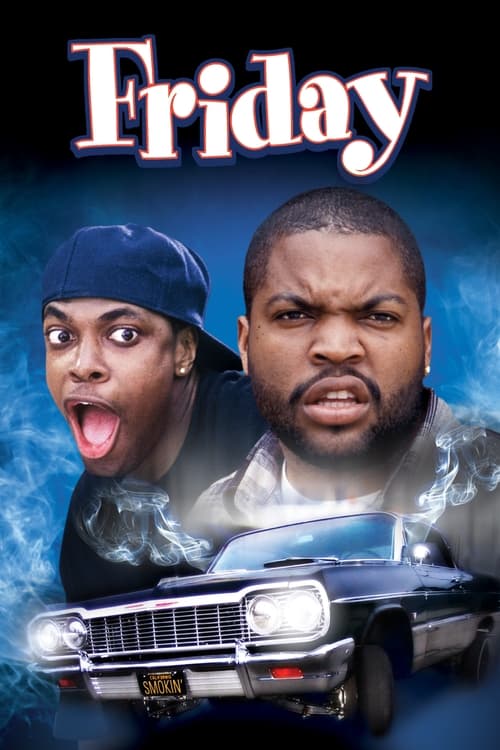
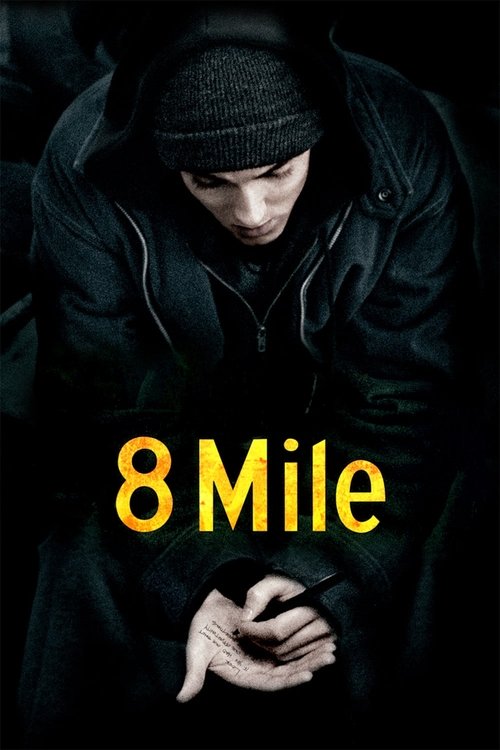
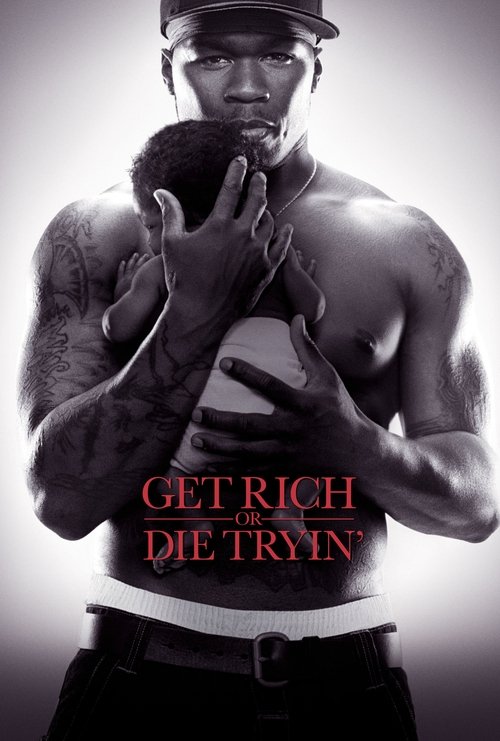
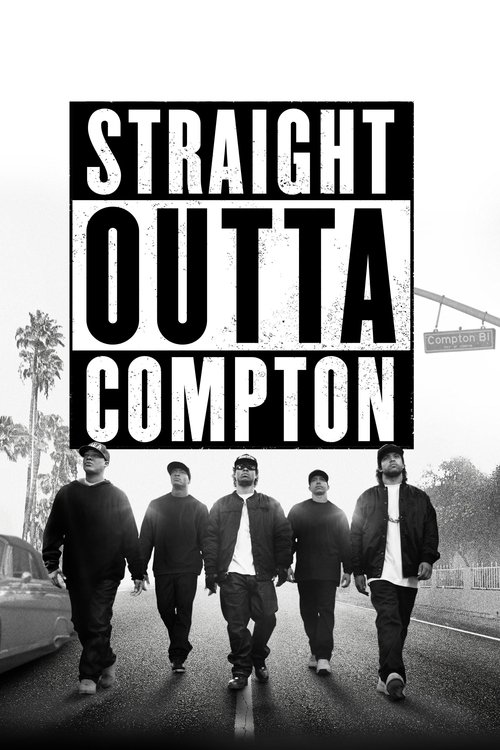
Queens to Hollywood: Hip-Hop Cinema of the Era
Films that carry the same raw energy as a Hollis block party
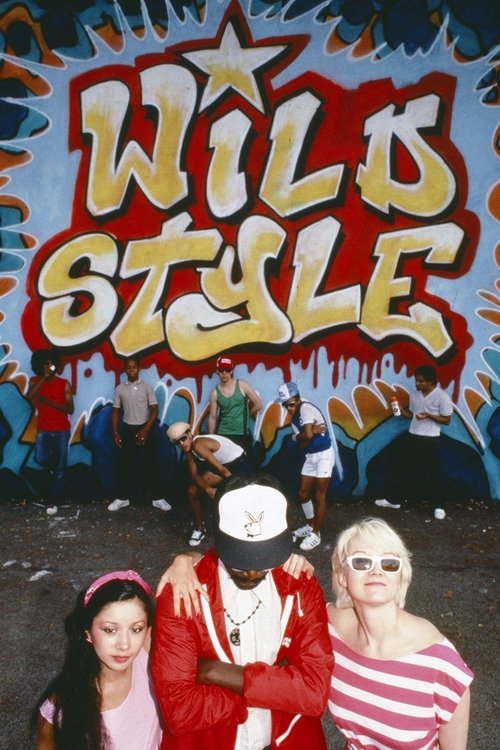

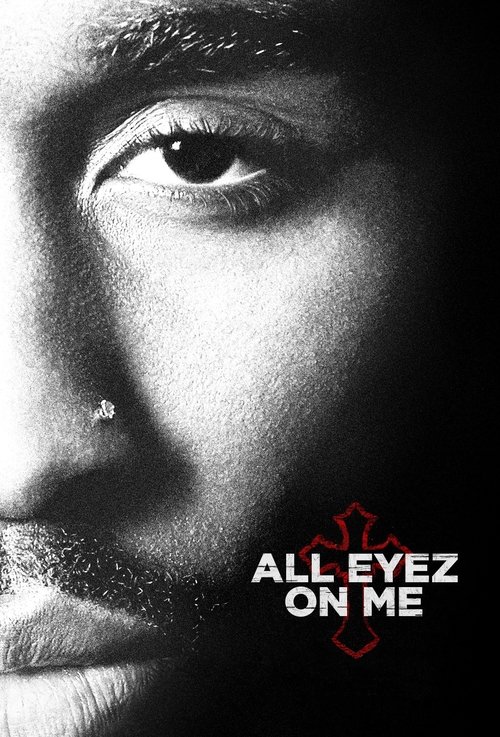
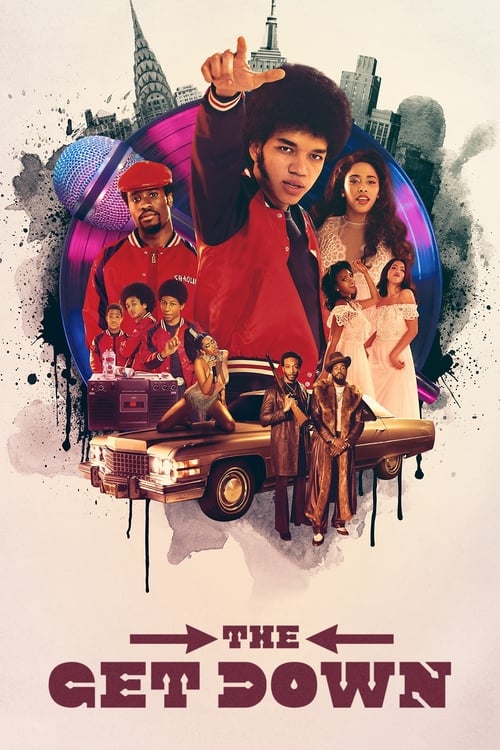
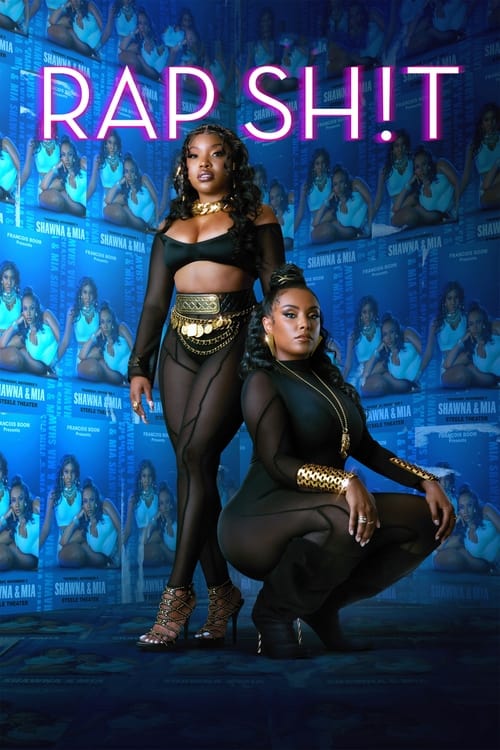
Hard Beats on Screen: Series That Live in the Culture
TV that captures hip-hop's storytelling power



Play the Music: Games Built on Beats
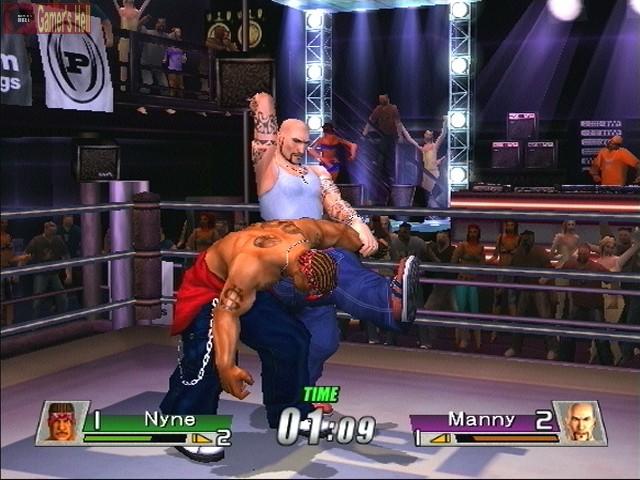
From rhythm controllers to hip-hop narrative games







"Walk This Way" Did Not Sell Out
Every few years someone needs to be reminded that the 1986 collaboration with Aerosmith was not a compromise. Run-D.M.C. did not need Steven Tyler to get credibility. They gave Aerosmith a second career. The record introduced rap to rock radio, introduced rock to rap fans, and proved that the energy driving both genres was the same frustrated, loud, exhilarating energy. The guitar riff and the drum machine were not at war. They were the same conversation.
Hollis, Queens Is a Character
New York hip-hop in the 1980s was Bronx-centric by mythology, but Run-D.M.C. planted a flag for Queens that never came down. The specificity of place in their lyrics, the block, the corner, the neighborhood boredom that turns into ambition, is what made them feel real to listeners in cities that were not New York. Any film or book about that era that skips past the geography is missing the point.
Milestones
- 1983First single, "It's Like That" b/w "Sucker MCs", establishes the hard-beat blueprint
- 1984Debut album Run-D.M.C. released, first rap LP to go gold Run‐D.M.C.
- 1985King of Rock pushes rap onto rock radio; the group appears in Krush Groove Krush Groove
- 1986Raising Hell becomes first rap album certified platinum; "Walk This Way" crossover Raising Hell
- 1988Tougher Than Leather LP and self-directed film of the same name
- 1993Down with the King, a late-career commercial and critical return
- 2001DJ Jam Master Jay shot and killed in his Queens studio
- 2009Inducted into the Rock and Roll Hall of Fame, first rap act nominated
Hip-Hop Roots and Culture
For Fans of Hip Hop
Explore the For Fans of Hip Hop guide →We were the people who went from the streets to the stage without changing our clothes.DMC