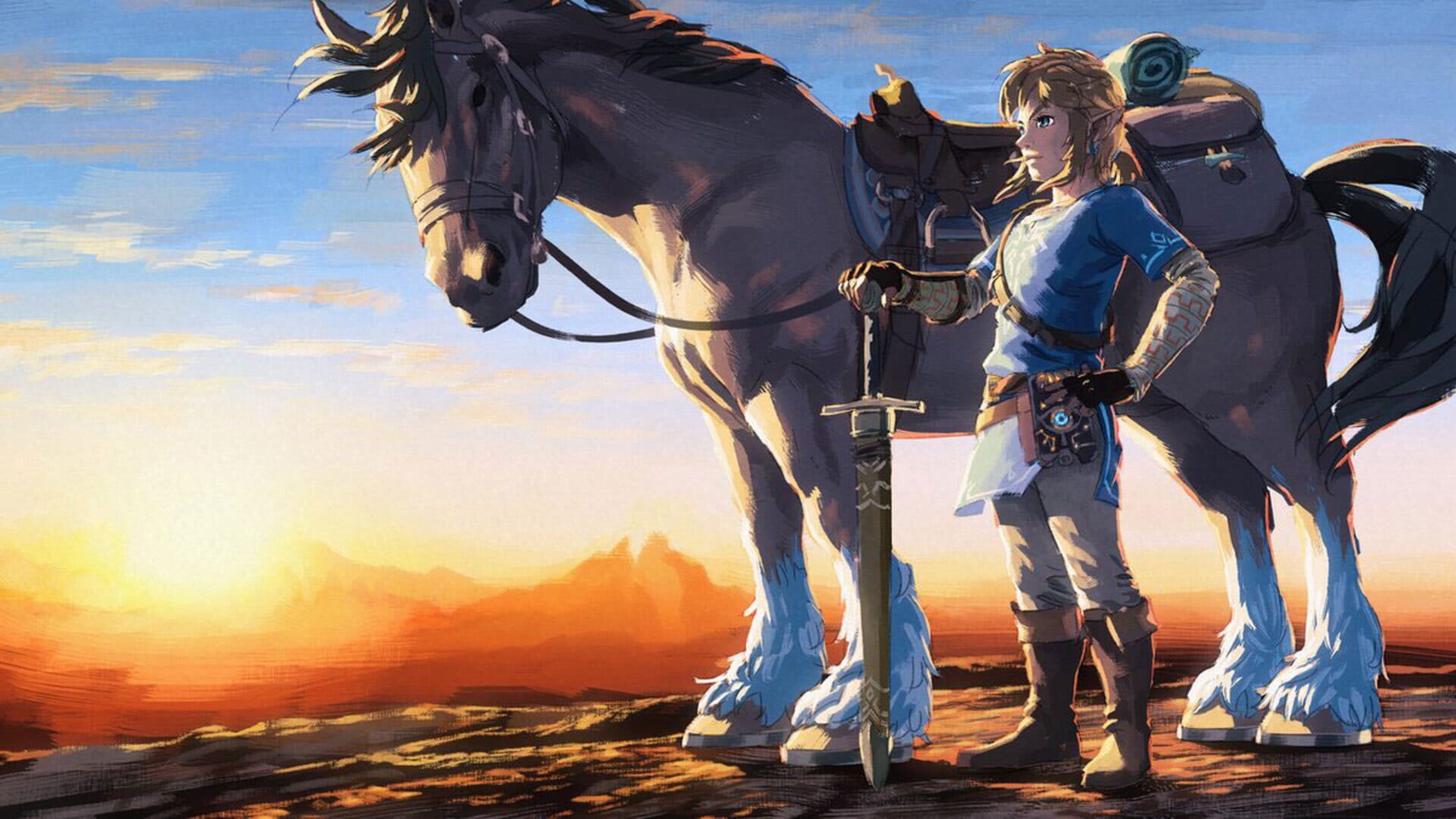

Shigeru Miyamoto did not invent the video game, but he invented most of what we mean when we say a video game should feel good. Since the early 1980s, working at Nintendo, he has designed the systems behind Donkey Kong, Mario, Zelda, Star Fox, Pikmin, and Wii Sports, each built on a single organizing principle: give the player a toy first, a game second. The joy of jumping in Super Mario Bros. was tuned obsessively before a single level was drawn. The dungeon lock-and-key logic of The Legend of Zelda was conceived so a child with no manual could figure it out by touching things. What Miyamoto fans love is not spectacle or narrative complexity. It is the sensation of a rule-set so clean and responsive that the world feels alive under your hands. That sensibility runs through film comedies built on pure physical logic, animated adventures that trust children to understand stakes, novels about craft and systems-thinking, and music that treats structure as a form of freedom.
Essential Miyamoto
The core Nintendo canon from the designer's own hand

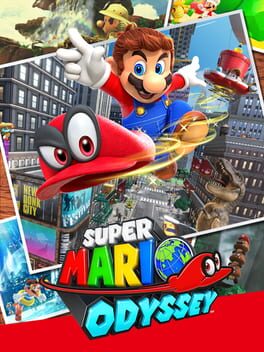
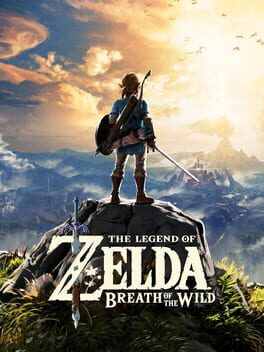
If You Love Zelda: Games Built on Exploration and Discovery
Open worlds where curiosity is the main mechanic




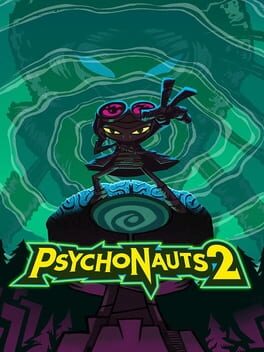
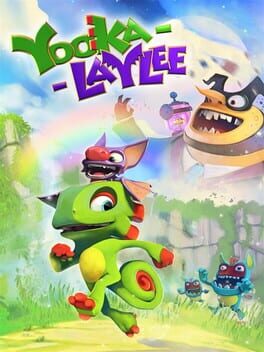

The Nintendo Universe on Screen
Films and series that bring the games to life
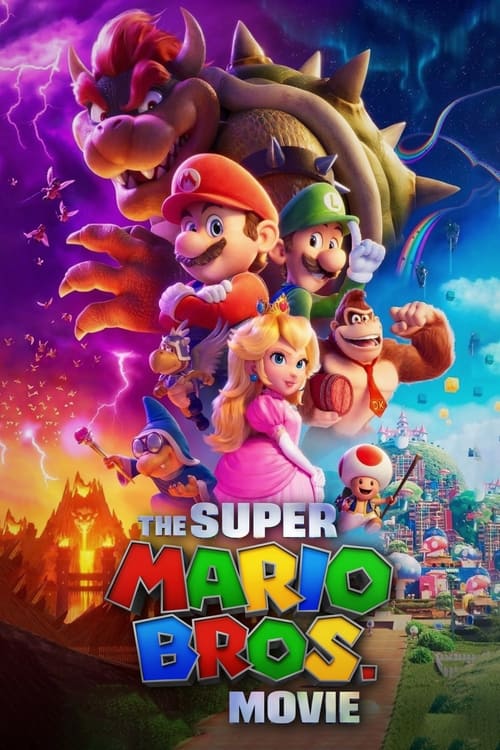
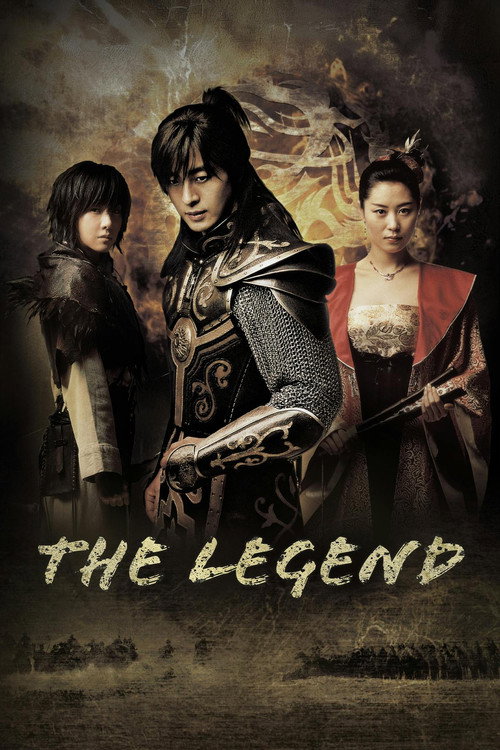
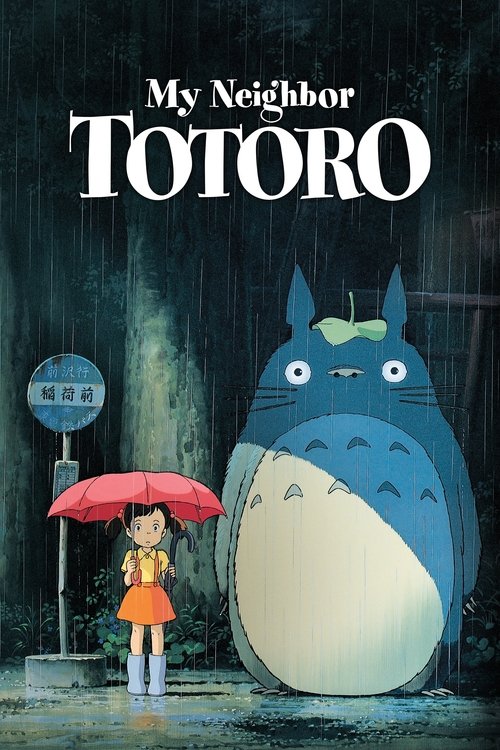
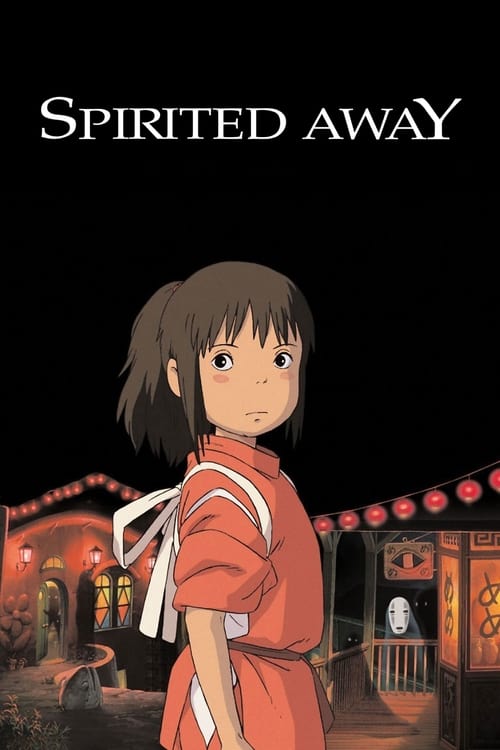
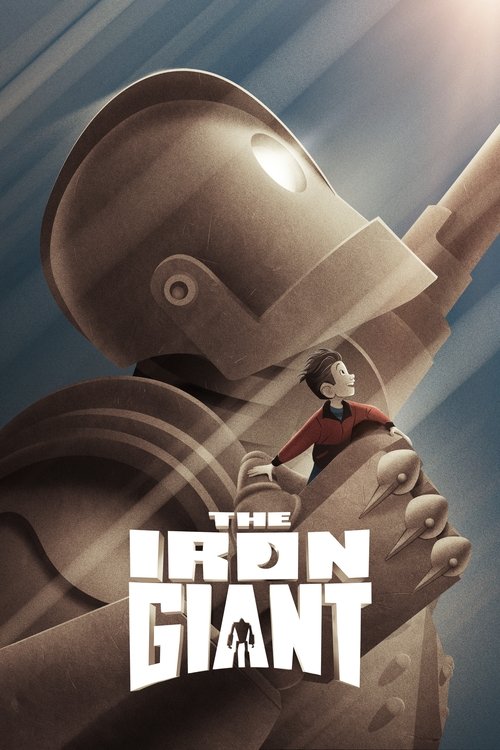
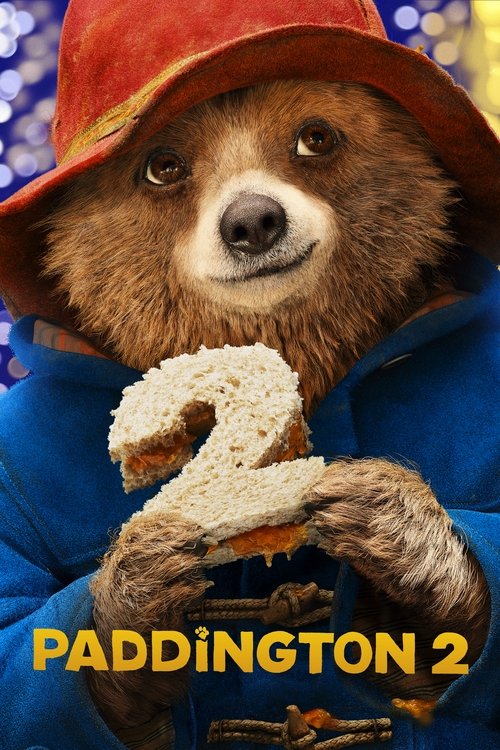
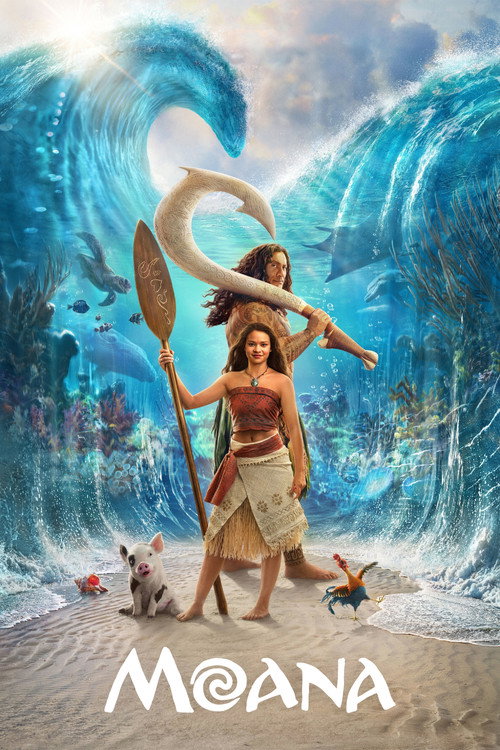
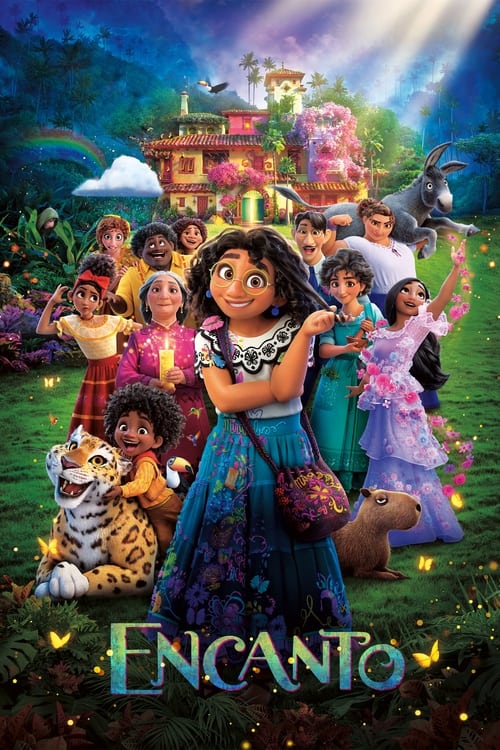
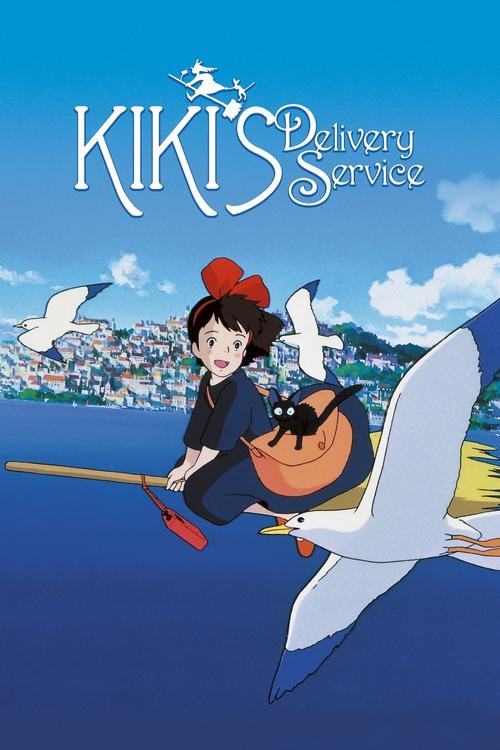
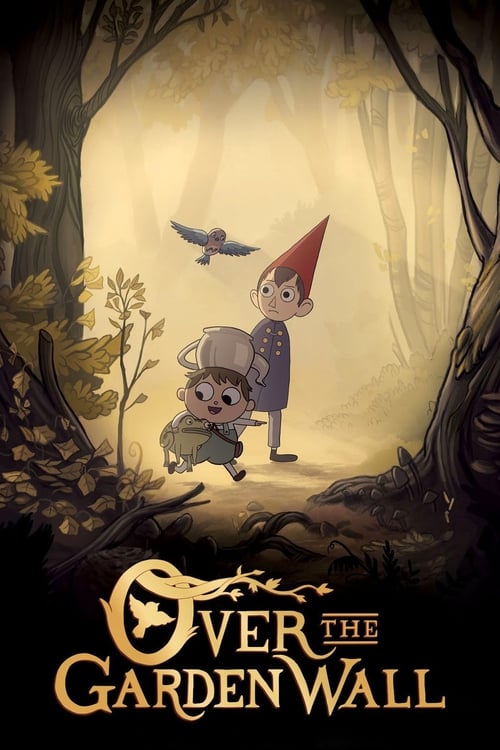
Joyful Family Adventure: Films with the Same DNA
Animated and live-action films built on wonder, discovery and clean stakes

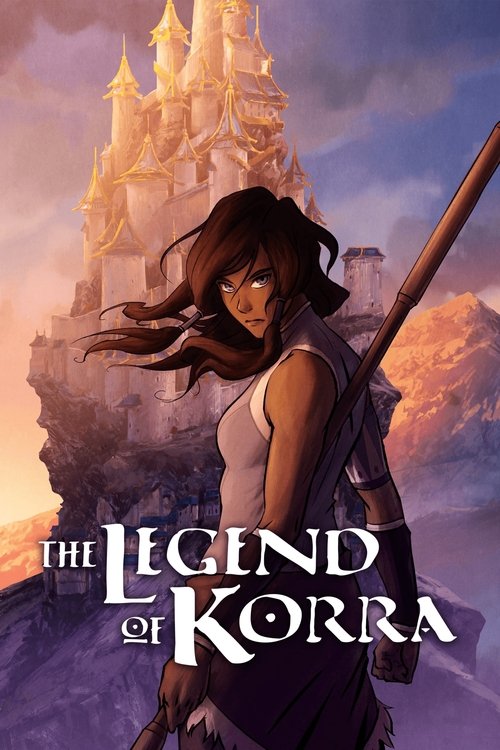
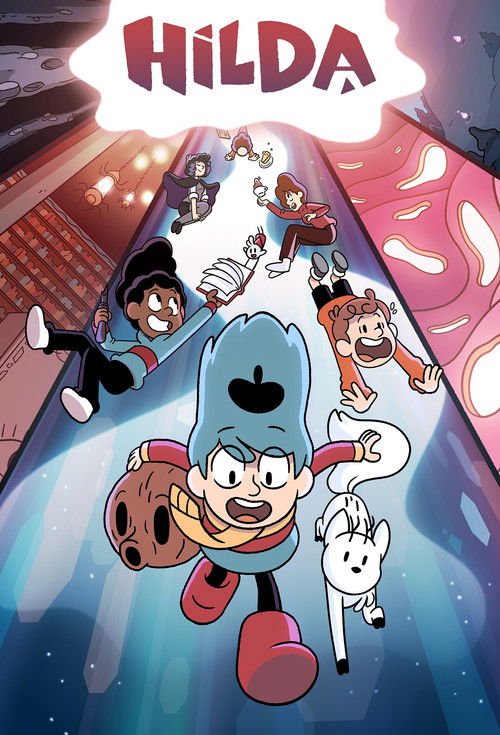

Understanding Nintendo: Books on Design, Play and Creative Systems
For the fan who wants to understand how these worlds get made


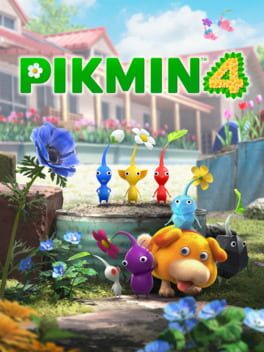
Pikmin Is His Most Personal Game
Miyamoto has said that Pikmin grew out of his love of gardening and the feeling of being small in a large world. It is the quietest game in his catalog and maybe the most emotionally precise. The stakes are low by action-game standards, yet the loss of a single Pikmin at day's end sits with you. It rewards patience, observation, and the willingness to restart and learn, which is also a reasonable description of the best creative work.
Super Mario 64 Invented a Grammar Everyone Else Still Uses
When Super Mario 64 appeared in 1996, the 3D platformer did not yet have rules. Miyamoto and his team wrote them: the camera as a third character, the hat as collectible, the hub world as narrative device. Developers are still quoting that grammar thirty years later. Playing it now is like reading the first issue of a genre-defining novel: you can see every idea that came after, traced back to its origin.
The Best Miyamoto Films Are About Systems, Not Stories
The Super Mario Bros. Movie (2023) understood something important: the audience does not come for plot twists, they come for the texture of the Mario world made physical. The film is at its best when it becomes a logic puzzle of platform-game mechanics played out in cinematic space. In the same way, the Zelda cartoon's charm was always the feel of its world, not its stories. What Miyamoto-adjacent screen work succeeds at is giving you the sensation of being inside a rule-set.
Ocarina of Time Remains the Clearest Argument That Games Are an Art Form
The Legend of Zelda: Ocarina of Time succeeded not because it was technically impressive (though it was) but because it made time itself into a mechanic and let that mechanic carry emotional weight. Growing up between the child and adult worlds meant something. That is storytelling through system design, not cutscene. No other medium can do exactly that, which is what Miyamoto has always understood.
Miyamoto's Arc
- 1981Donkey Kong ships in arcades Donkey Konga
- 1985Super Mario Bros. redefines the home console Super Mario Bros. 3
- 1986The Legend of Zelda ships on Famicom Disk System The Legend of Zelda
- 1993Star Fox brings 3D polygon action to the SNES Star Fox
- 1996Super Mario 64 and the Nintendo 64 launch Super Mario 64
- 1998Ocarina of Time ships, widely considered among the greatest games ever made The Legend of Zelda: Ocarina of Time
- 2001Pikmin introduces a new genre of real-time strategy Pikmin
- 2007Super Mario Galaxy wins universal acclaim Super Mario Galaxy
- 2017Super Mario Odyssey and Breath of the Wild launch with the Nintendo Switch Super Mario Odyssey
- 2023The Super Mario Bros. Movie grosses over 1.3 billion dollars worldwide The Super Mario Bros. Movie
Playful worlds built on wonder
For Fans of Super Mario
Explore the For Fans of Super Mario guide →Whatever you are designing, the most important thing is to make the player feel something when they interact with it.Shigeru Miyamoto