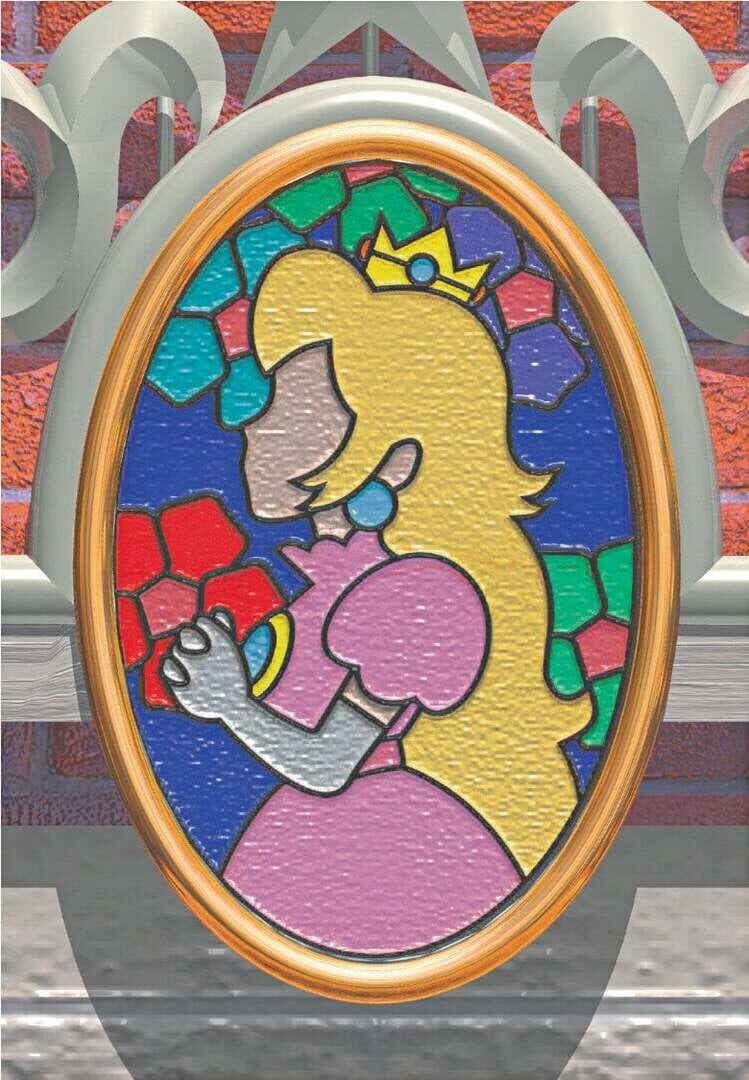

Super Mario is the clearest proof that a video game can carry pure, uncomplicated joy. Since 1985, Nintendo's red-hatted plumber has built a universe out of simple pleasures: the satisfying thud of a stomped Goomba, the rush of a perfectly timed long-jump, the gasp of a secret level hidden behind a waterfall. What makes Mario endure across four decades and a dozen reinventions is not the lore or the plot (Princess Peach will be kidnapped again; Bowser will return) but the sensation of play itself. Every world Nintendo designs feels like a toy given to a curious child, one whose every corner rewards exploration and whose every obstacle teaches you something without making you feel stupid. That philosophy, joyful and generous and formally inventive, is the thread that runs through every great platformer, every warm animated film, every family-adventure story that belongs on a Mario fan's radar.
Essential Mario
The canon: every game a Mushroom Kingdom pilgrim owes themselves.
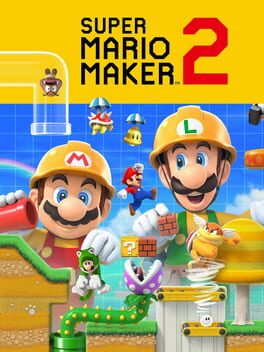
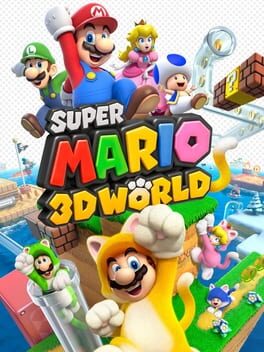
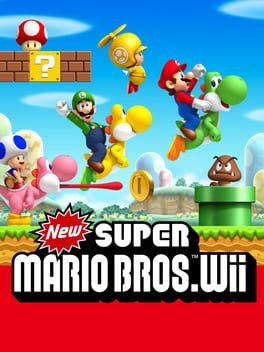
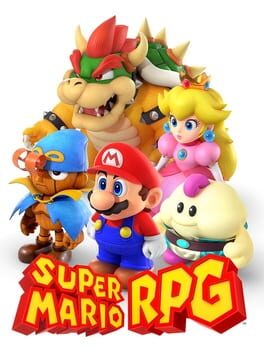
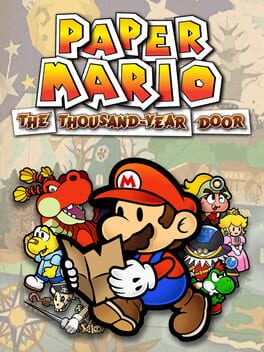
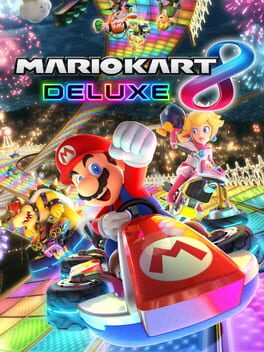
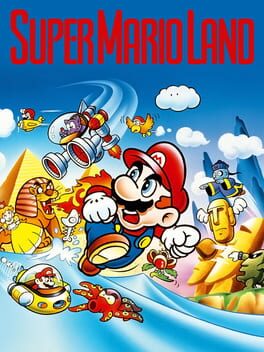
The Joy of the Jump: Great Platformers
Games that share Mario's gift for movement, discovery, and exquisite level craft.
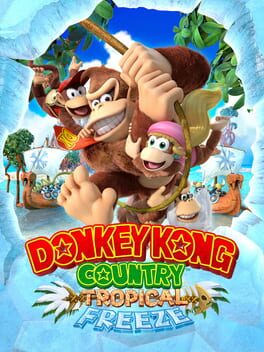
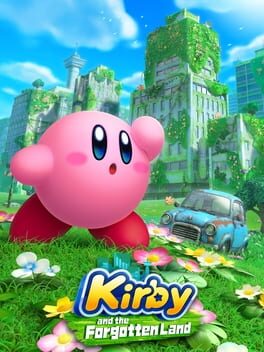
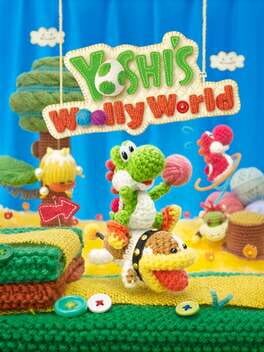
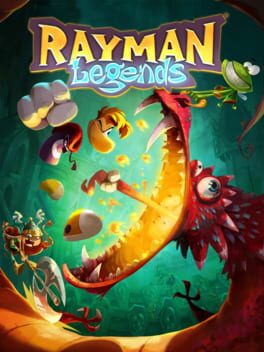
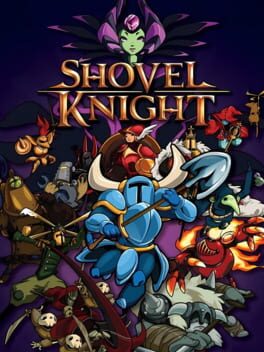
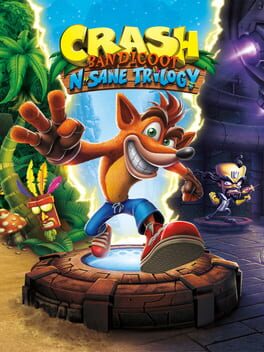

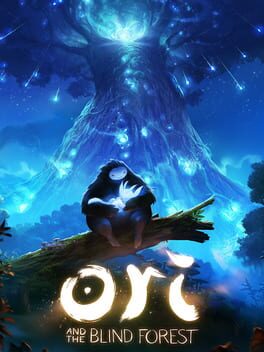



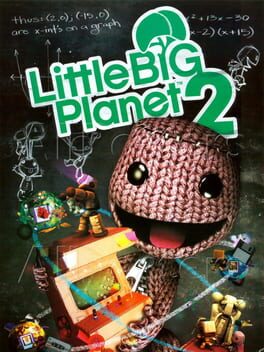
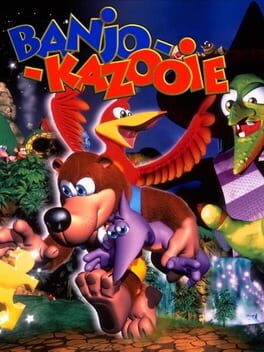
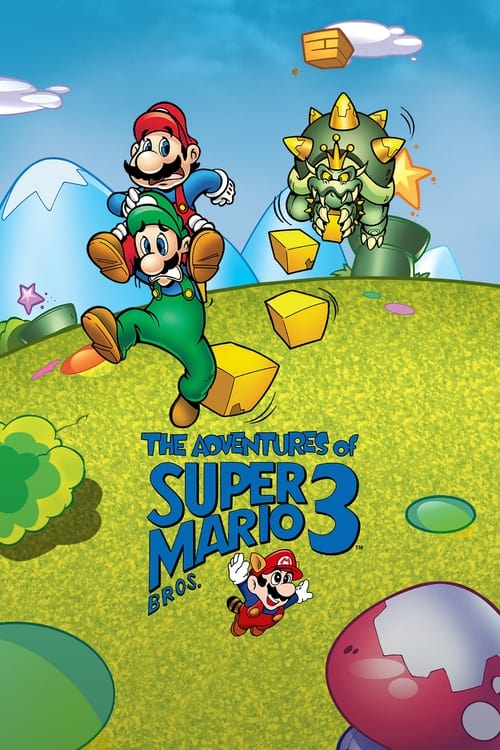
From Mushroom Kingdom to Multiplex: Mario on Screen
The films and TV adventures that live in the same bright, rule-bending universe.
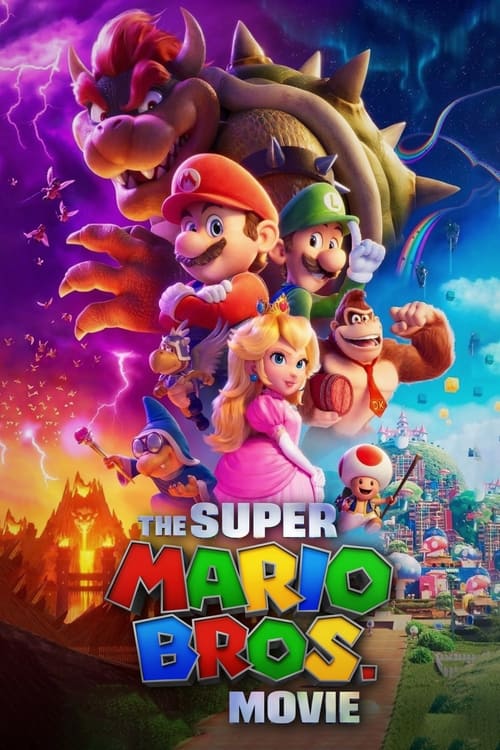
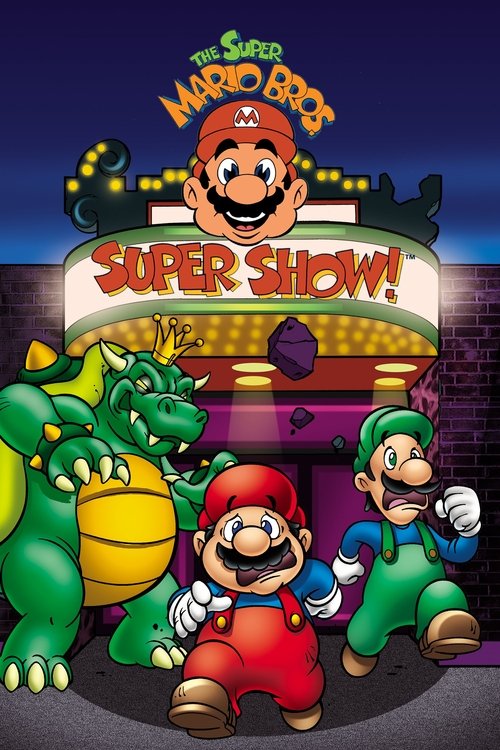
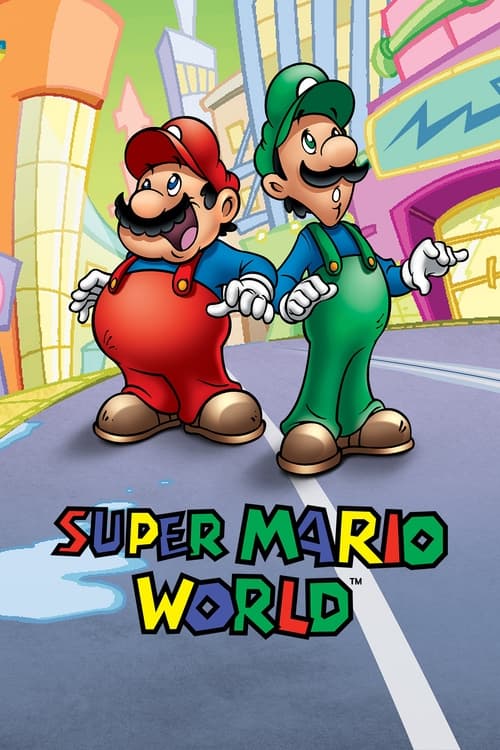
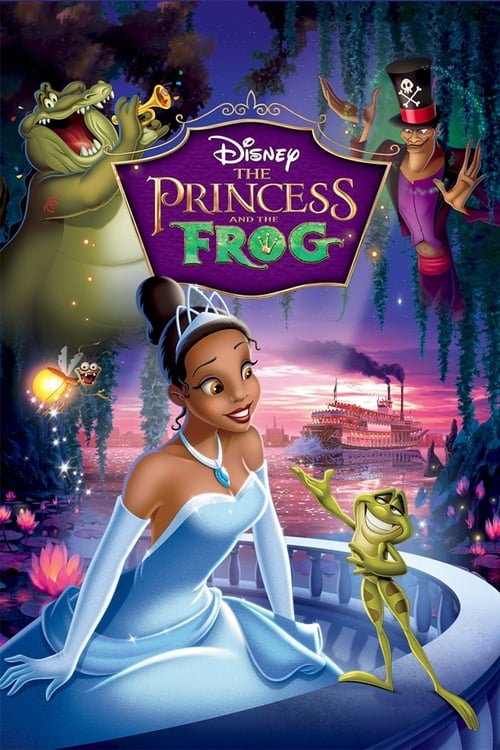
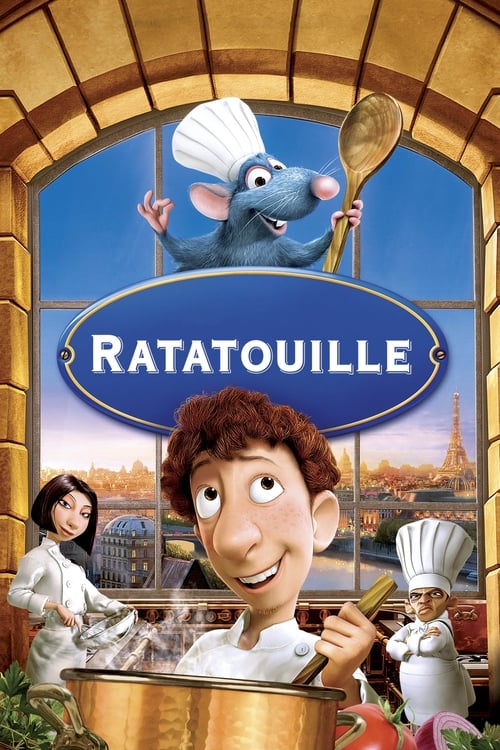
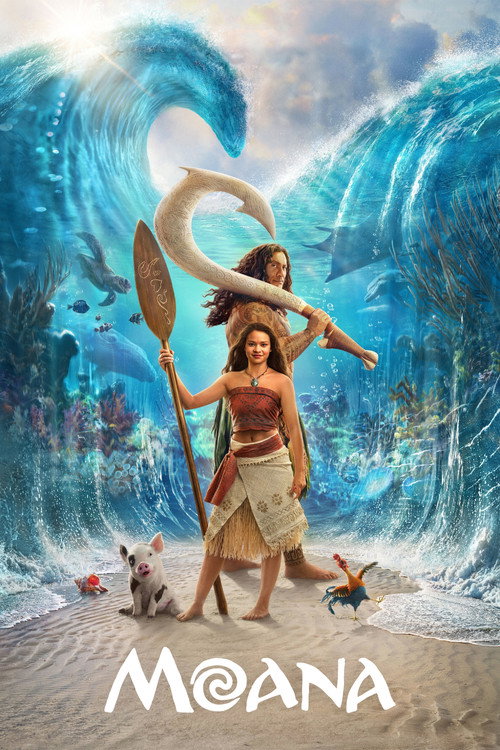
Animated Worlds Full of Wonder
Films that match Mario's exuberant colour palette and sense of world-as-playground.
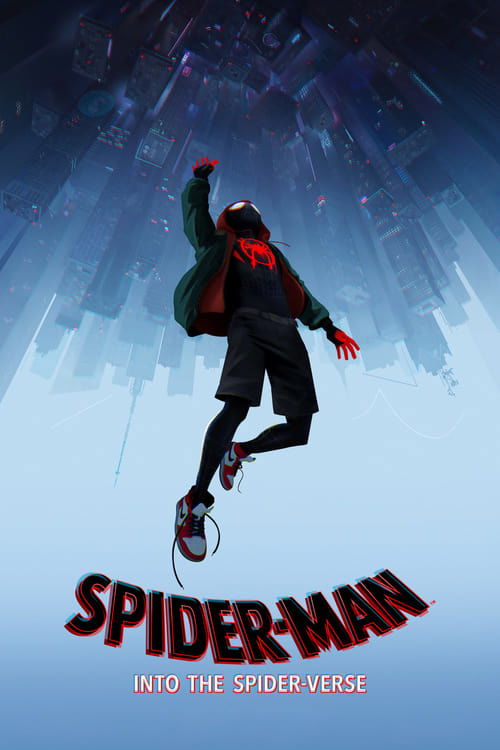
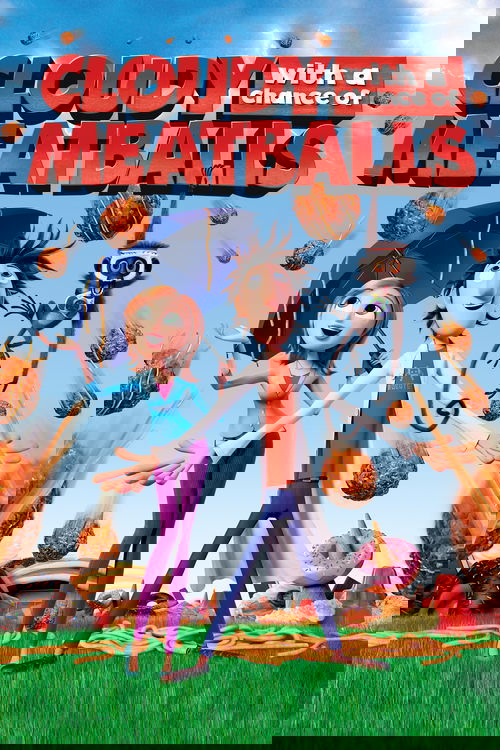
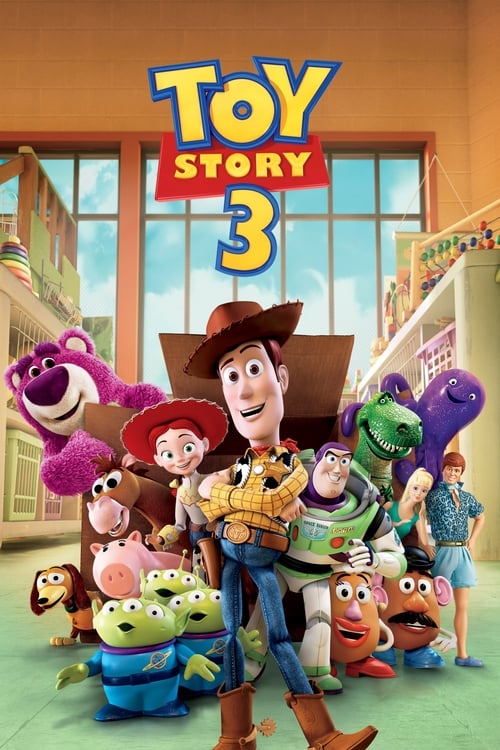
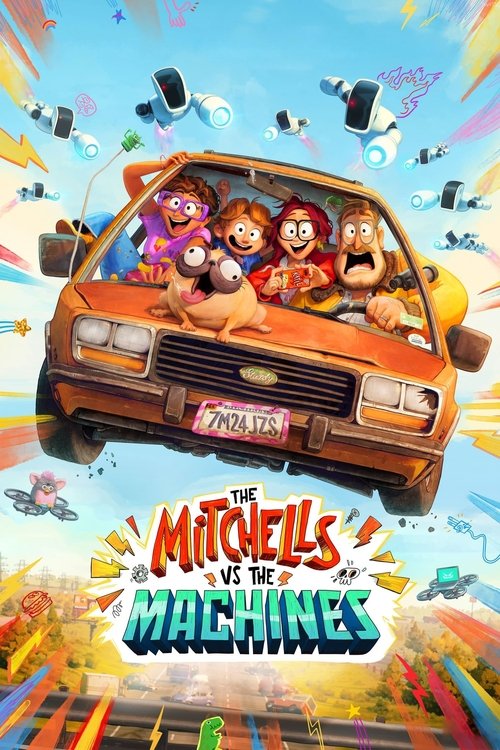
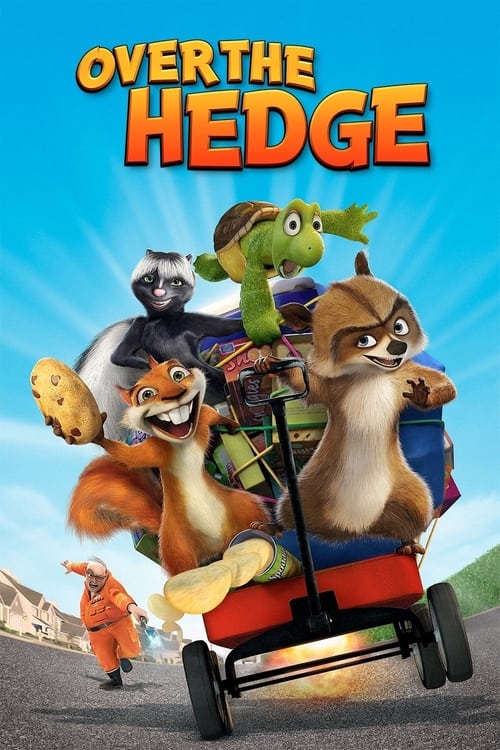
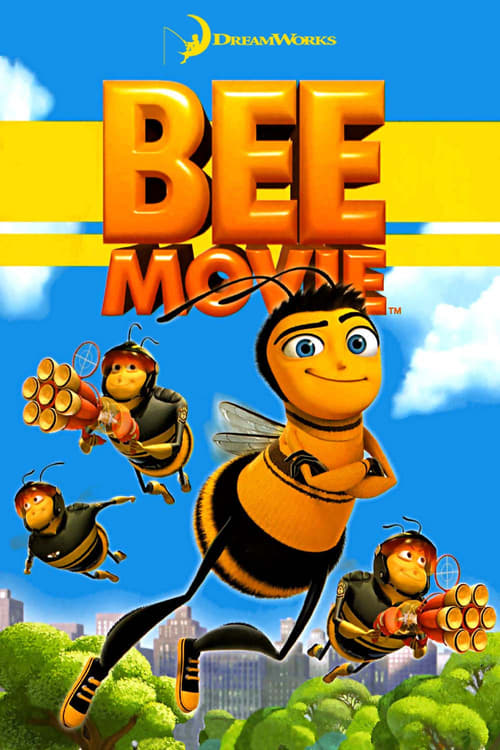
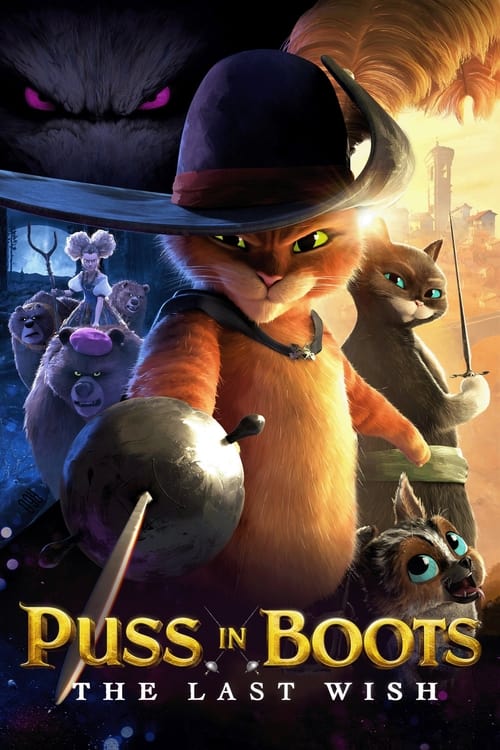
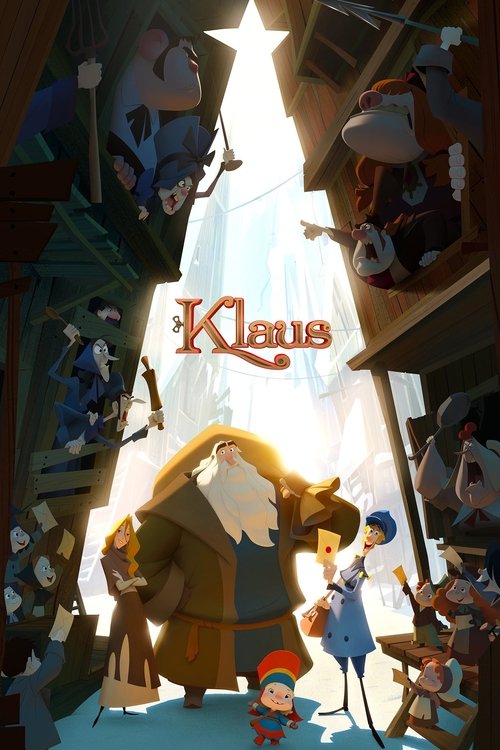
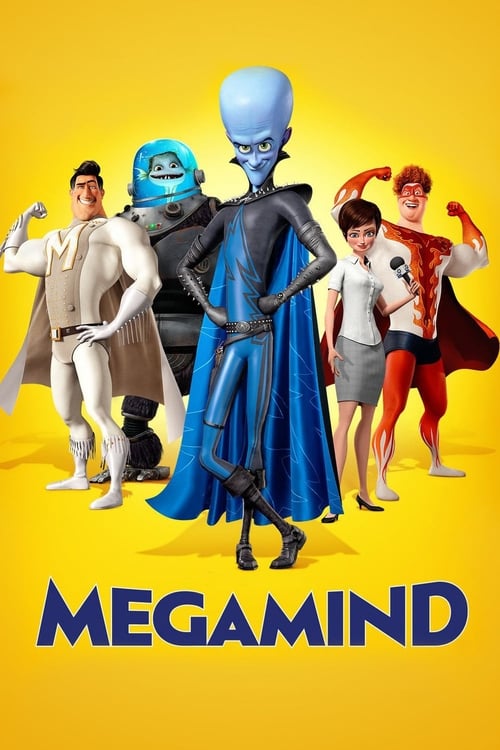
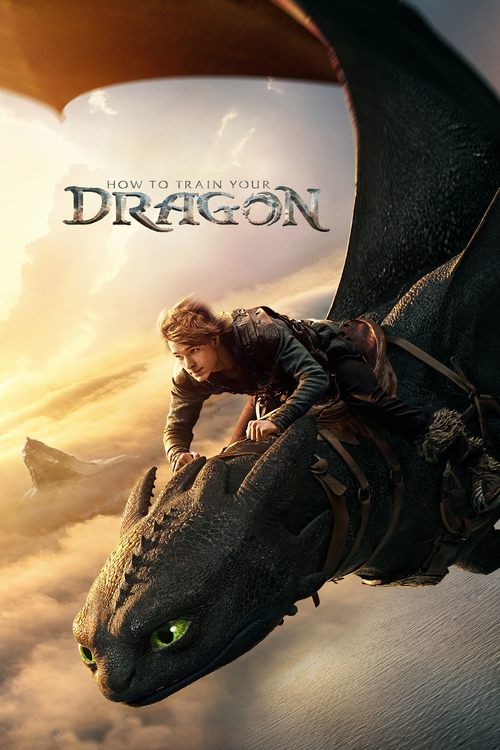
Family Adventure Films With That Same Spark
Live-action and animated films driven by imagination, forward momentum, and earned heart.
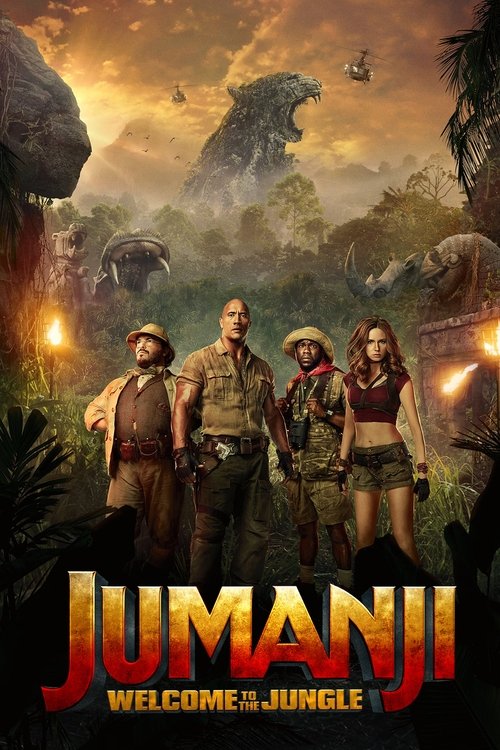
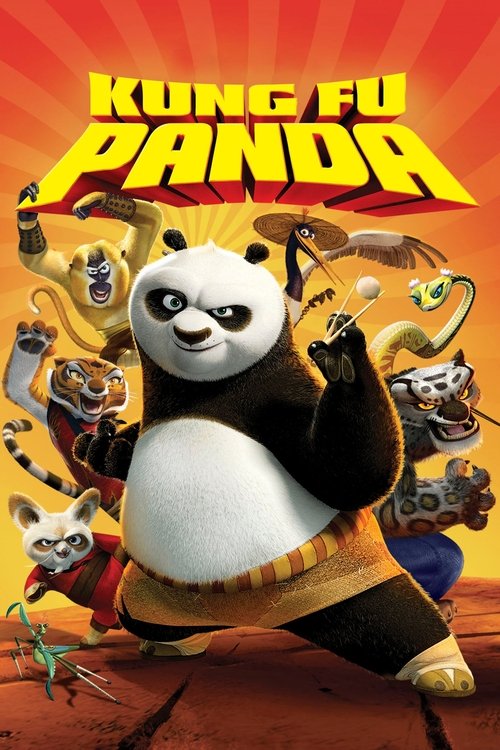
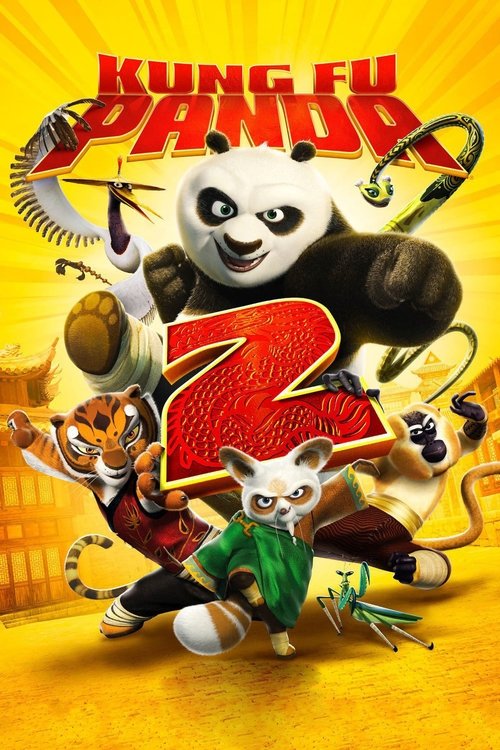

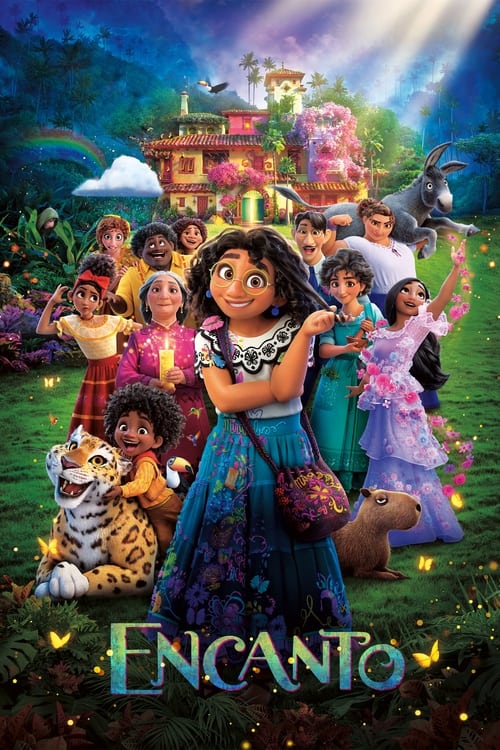
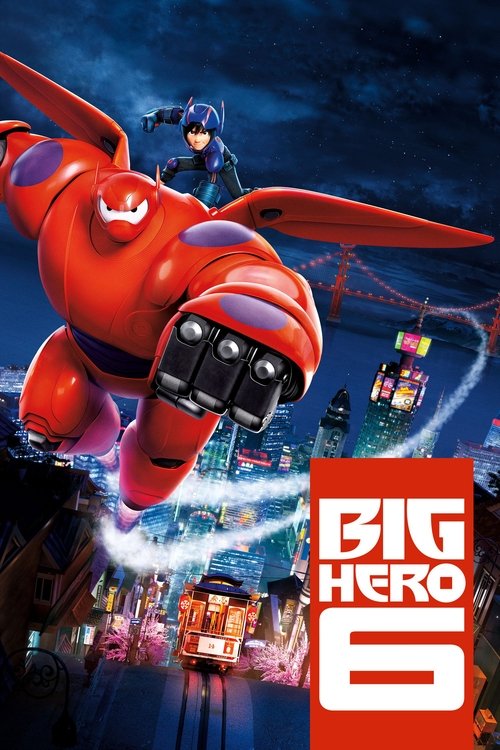

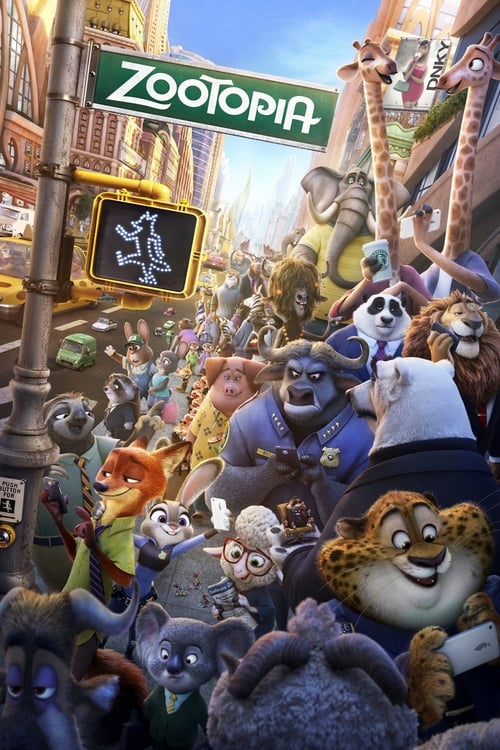
All-Ages Adventure Games: The Same Generous Spirit
Games that treat the player as a curious explorer rather than a problem to punish.
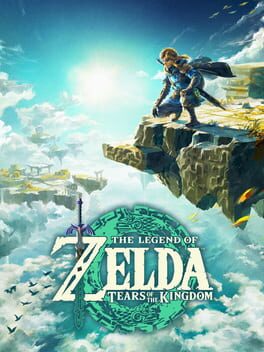
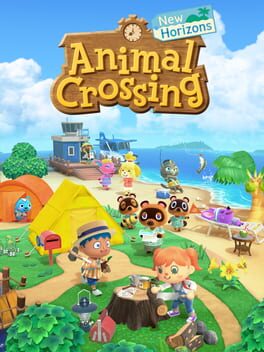
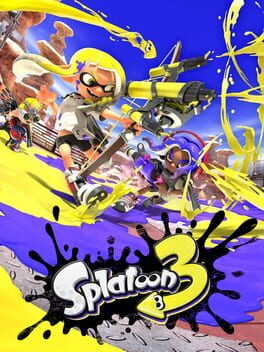
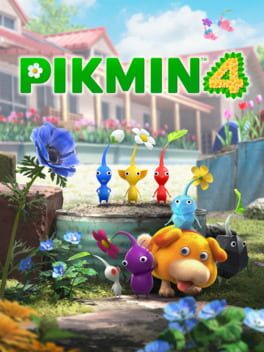
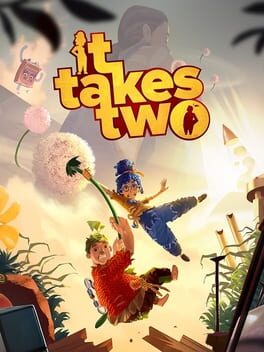
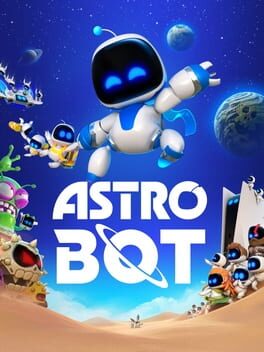
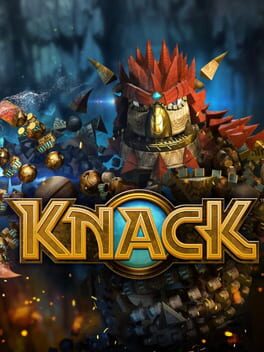
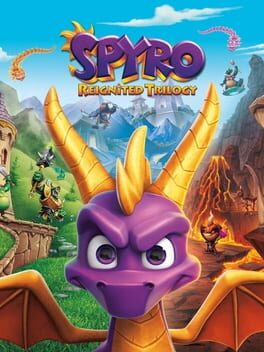
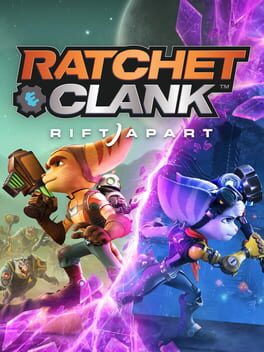
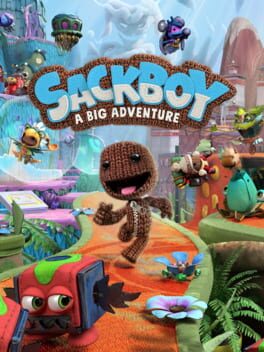
Super Mario Odyssey Is the Peak of the Form
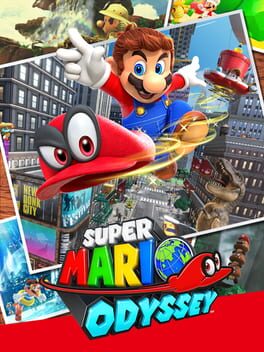
Every five years or so, a Mario game resets what a three-dimensional platformer can feel like. Super Mario 64 did it by inventing the genre. Galaxy did it by bending physics into poetry. Odyssey does something subtler and perhaps more impressive: it makes the whole world feel like a toy you have never seen before. The capture mechanic, letting Mario possess enemies and objects, turns every enemy into a puzzle and every environment into an invitation. The moment you possess a Cheep Cheep and discover the underwater kingdom has been redesigned around your new form is the moment you understand Nintendo is still operating at a level no one else can match.
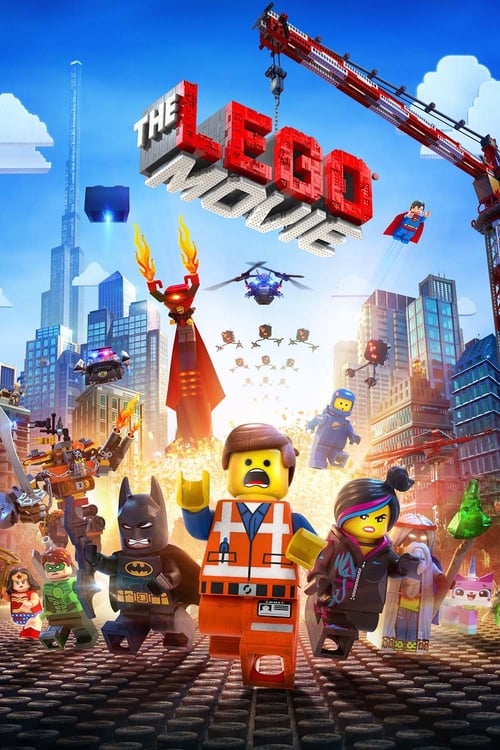
The LEGO Movie Is the Closest Cinema Has Come to a Mario Game
Both Mario and The LEGO Movie operate on the same fundamental premise: the world is made of pieces, and the point is to rearrange them. Chris Miller and Phil Lord's film builds its comedy from the same place Nintendo builds its level design, from the joy of an unexpected combination and the surprise of a hidden layer beneath an obvious surface. Emmet's journey from instruction-follower to master builder mirrors the arc of any Mario player who graduates from linear runs to secret exit hunting. The film is also, quietly, one of the best arguments for why games are an art form.
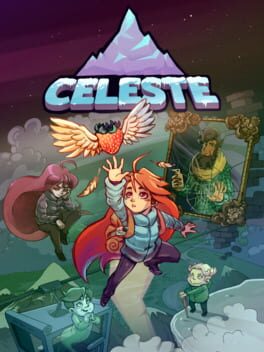
Celeste Understands What Mario Taught Us About Difficulty
Mario games are not easy, but they never feel cruel. The player learns through pattern, through repetition that does not feel like punishment. Celeste internalises this completely. Every room in Madeline's mountain climb is a self-contained puzzle, small enough to retry in seconds, difficult enough to demand attention. But where Mario keeps its emotional register light, Celeste turns the platformer into a meditation on anxiety and self-compassion. The two games feel like siblings: one pure exhilaration, one exhilaration earned through vulnerability.
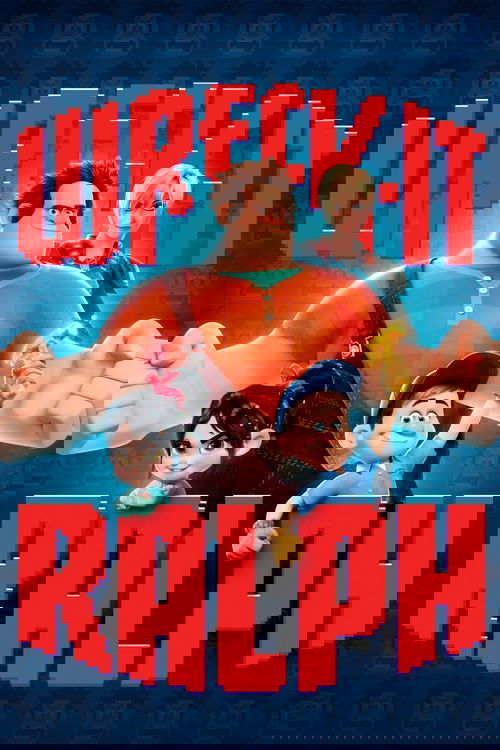
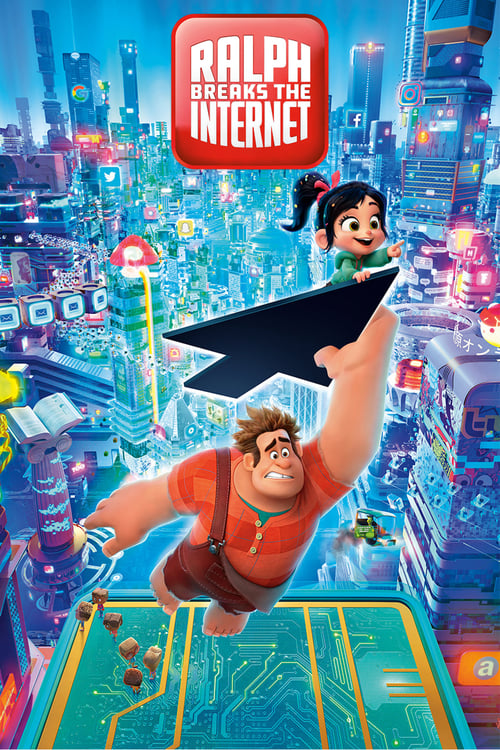
Wreck-It Ralph Is the Game World's Best Love Letter to Itself
Disney's 2012 film is set inside a universe of classic arcade games, and it earns every wink at gaming culture by making the emotional stakes genuine. Ralph's desire to be the hero rather than the villain is the same ache that drives every player who picks the underdog character. The film's visual imagination, building distinct worlds out of the logic of different game genres, is exactly the kind of lateral creative thinking Nintendo applies when it builds a new Mario world. It also contains one of cinema's better arguments that the role you are assigned is not the role you are limited to.
Forty Years in the Mushroom Kingdom
- 1981Jumpman debuts in Donkey Kong, laying the template for platformer movement. Donkey Konga
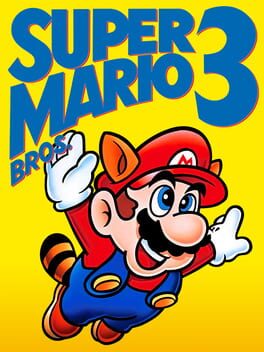
- 1985Super Mario Bros. launches alongside the Famicom/NES, defining the home console era. Super Mario Bros. 3
- 1988Super Mario Bros. 3 releases in Japan, widely considered the finest 2D platformer ever made. Super Mario Bros. 3
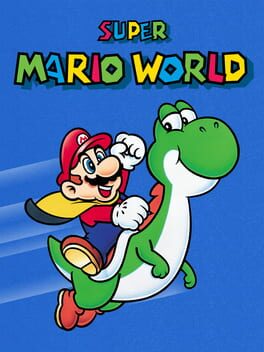
- 1990Super Mario World ships with the Super Famicom/SNES, introducing Yoshi and the cape. Super Mario World
- 1993The original live-action Super Mario Bros. film arrives, a cult artefact beloved for reasons different from intended. Super Mario Bros.
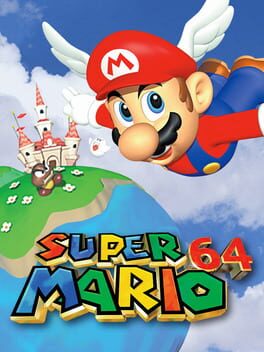
- 1996Super Mario 64 invents three-dimensional platforming and sets the grammar every successor borrows. Super Mario 64
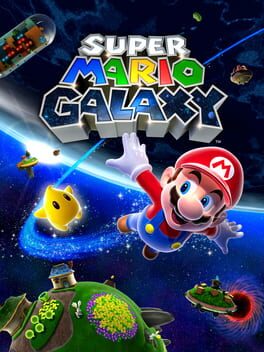
- 2007Super Mario Galaxy bends gravity and makes space feel like a playground. Super Mario Galaxy
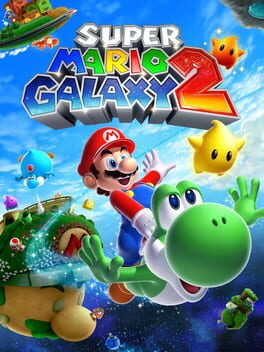
- 2010Super Mario Galaxy 2 arrives, somehow improving on its predecessor in every dimension. Super Mario Galaxy 2
- 2015Super Mario Maker lets players become designers, exposing how deep the design grammar goes. Super Mario Maker
- 2017Super Mario Odyssey launches with the Nintendo Switch, the most inventive Mario since 64. Super Mario Odyssey
- 2023The Super Mario Bros. Movie earns over 1.3 billion dollars, the highest-grossing video game film ever. The Super Mario Bros. Movie
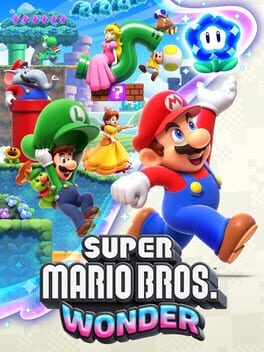
- 2023Super Mario Bros. Wonder reinvents 2D Mario with the Elephant Fruit and the Wonder Flower mechanic. Super Mario Bros. Wonder
Bright invention across every screen
For Fans of Sonic the Hedgehog
Explore the For Fans of Sonic the Hedgehog guide →Every Mario game is Nintendo asking the same question with fresh eyes: what would it feel like to discover that the world has one more impossible thing in it?CrossBinge