

Sidney Poitier arrived in Hollywood when the industry offered Black actors two exits: buffoonery or invisibility. He chose neither. From his breakout in No Way Out (1950) through the iconic triple bill of 1967 (three top-ten box-office films in a single year), Poitier built a filmography centered on one proposition: that dignity is non-negotiable. The feeling his fans chase is not uplift exactly, it is the specific voltage of watching someone hold their ground with absolute composure while the world around them tries to make them small. That combination of moral weight, screen magnetism, and the barely-suppressed anger underneath the cool surface is what these recommendations are built around.
Essential Sidney Poitier
The films where his presence is the argument

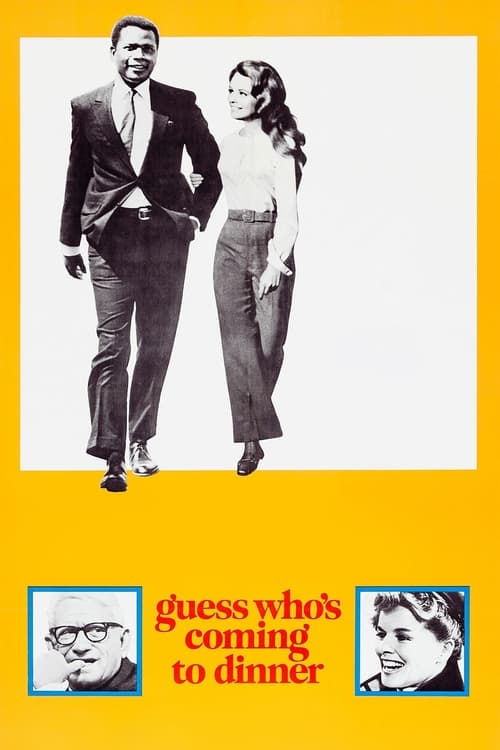
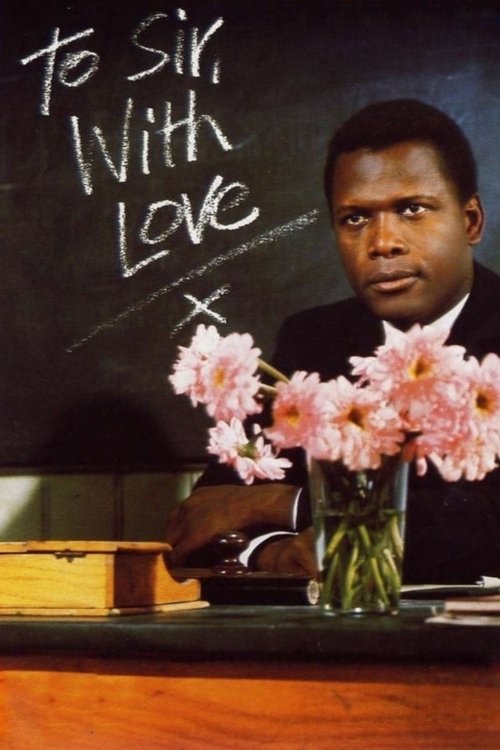

1967 was not a fluke
In a single calendar year Poitier starred in To Sir, with Love, In the Heat of the Night, and Guess Who's Coming to Dinner. All three finished in the year's top ten at the box office. That is not a coincidence of scheduling. It reflects a performer at the absolute peak of his command, picking scripts with genuine political stakes and then making those stakes feel personal rather than didactic. The lesson for viewers now is that prestige and popular success do not have to be in tension.
Same Voltage: Films with the Same Controlled Fire
Moral weight, personal dignity, and restraint that costs something

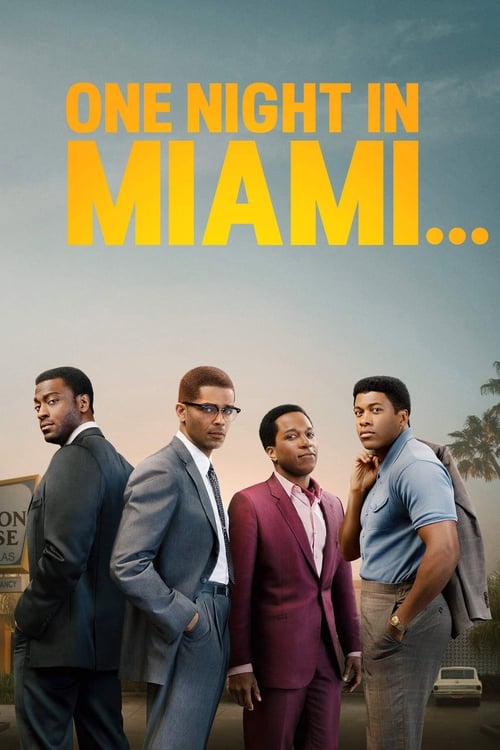
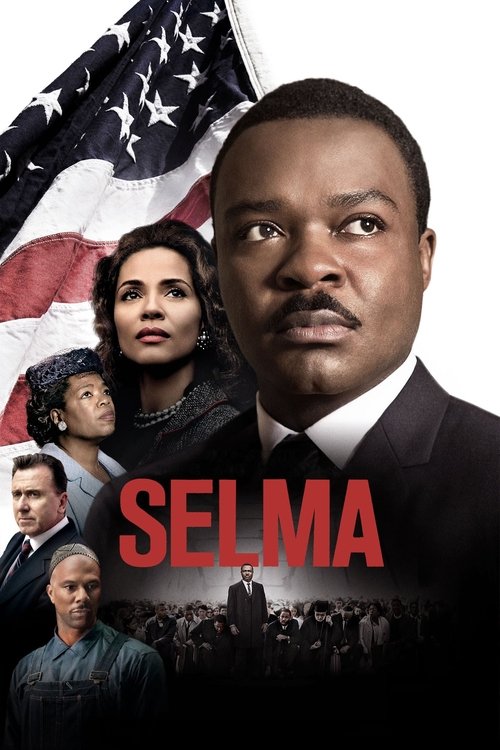

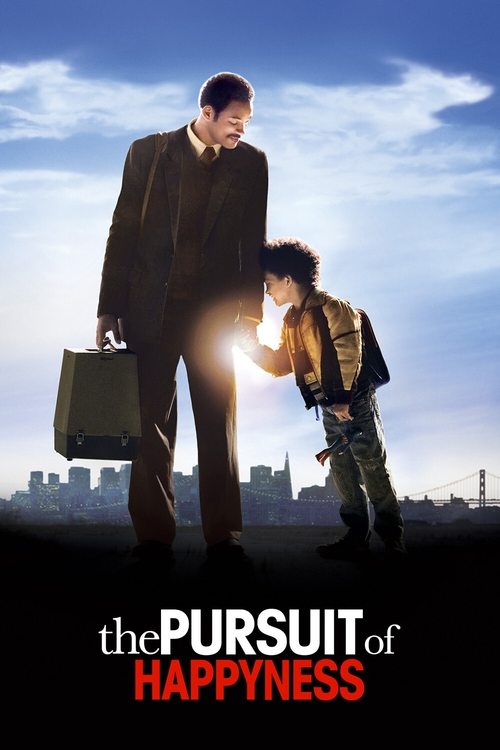
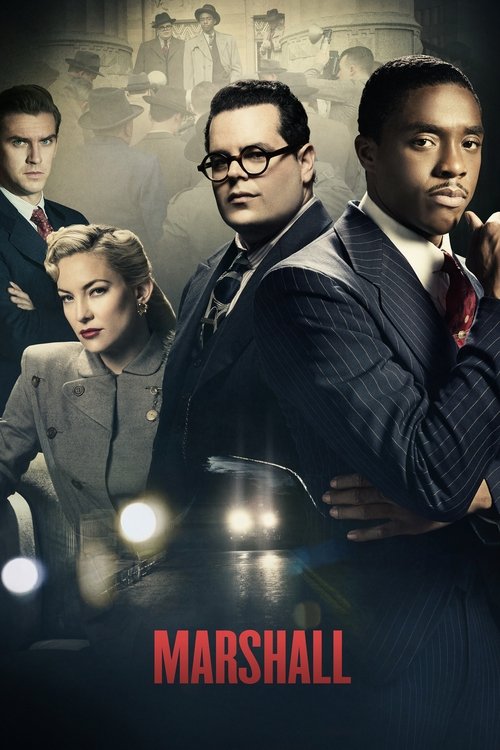
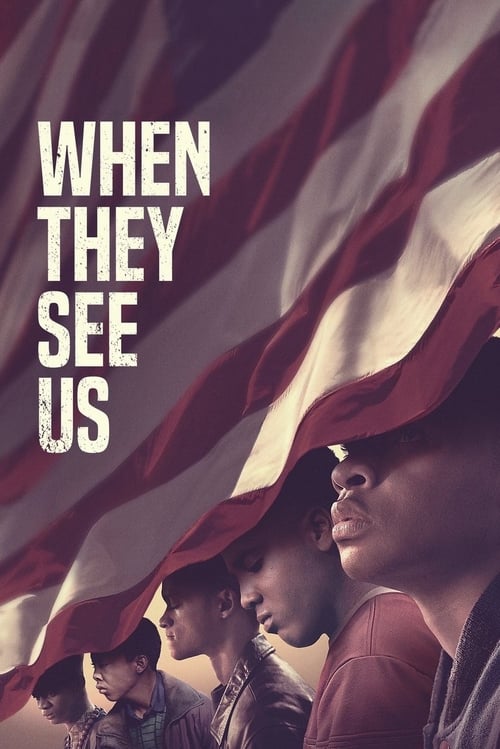
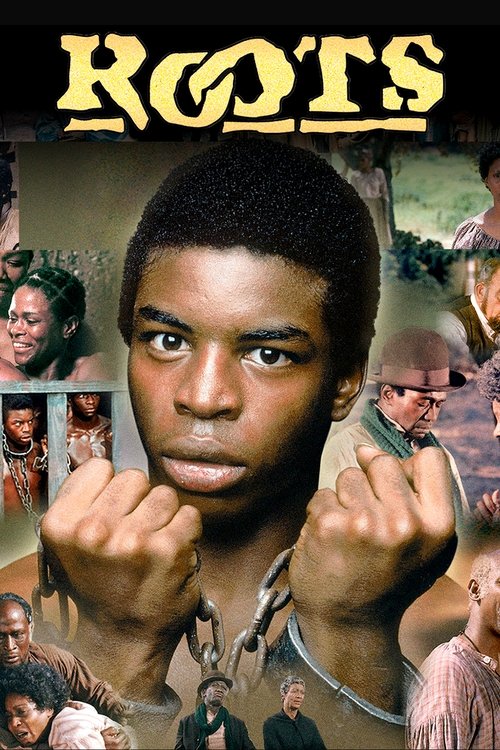
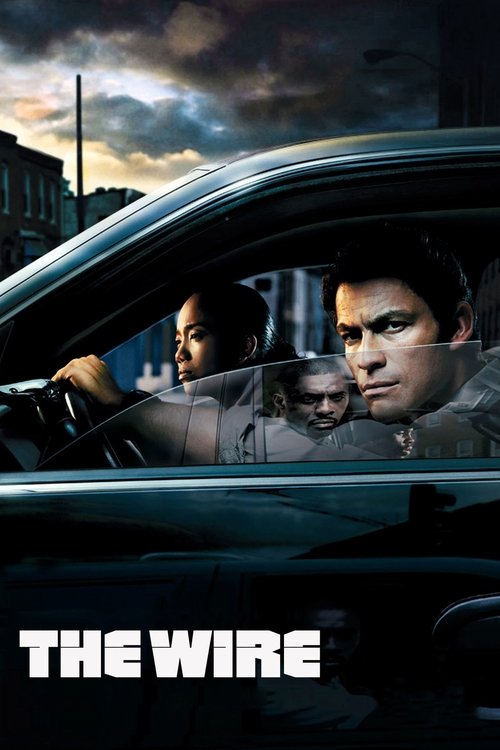
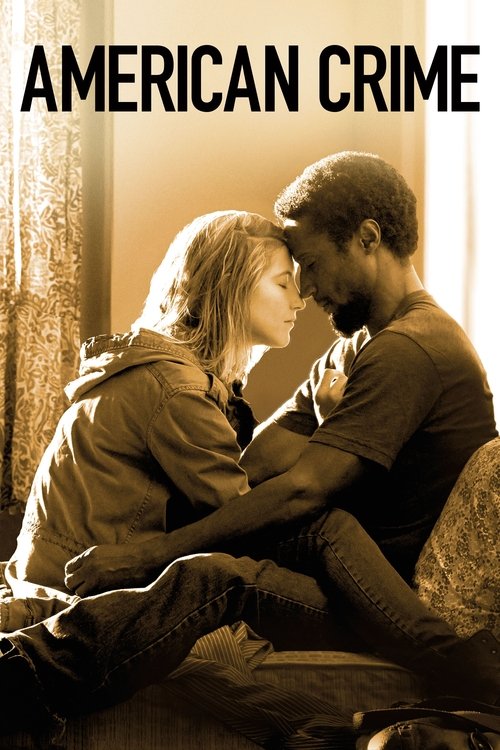
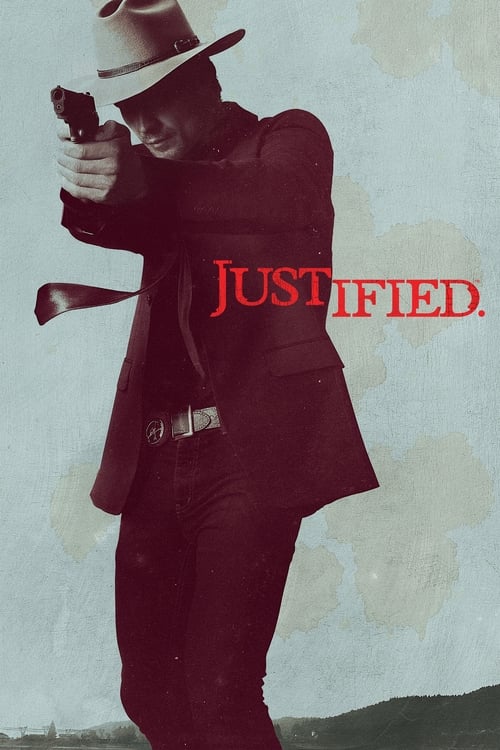
Standout TV: Series That Share His Register
Television built on the same stakes of dignity, justice, and uncompromising principle


The Books Behind the Feeling
Novels and memoirs that share Poitier's moral seriousness and charged humanity





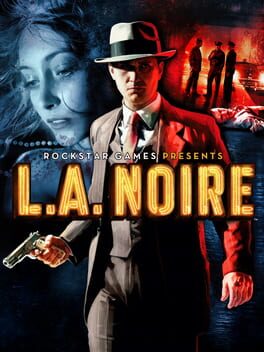
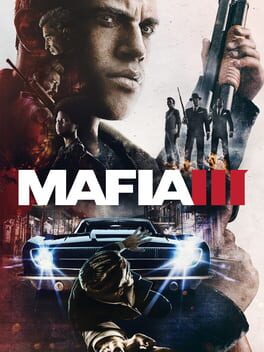
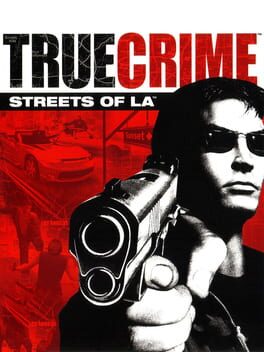
Games That Share the DNA
Games built on tension, moral choice, and holding ground under pressure


The actors who followed in his wake
Denzel Washington has said explicitly that Poitier's example shaped everything. But the lineage runs wider than one heir. Chiwetel Ejiofor in 12 Years a Slave, David Oyelowo in Selma, Anthony Mackie across his career: all of them inherit Poitier's insistence that screen presence is not about volume, it is about weight. The stillness carries more than the outburst.
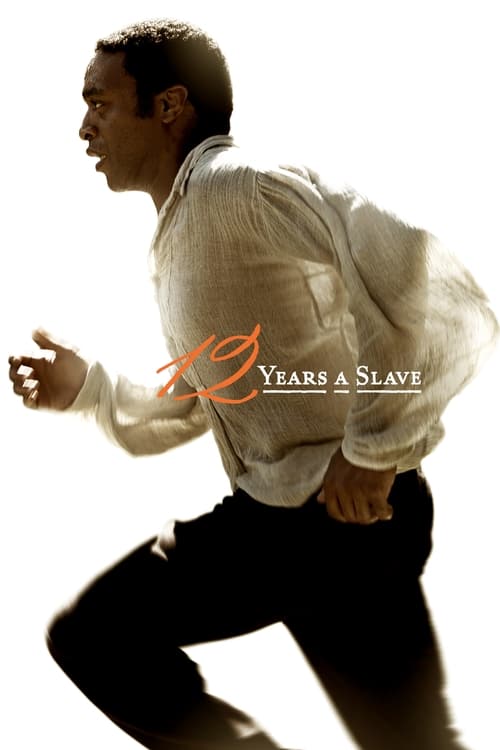
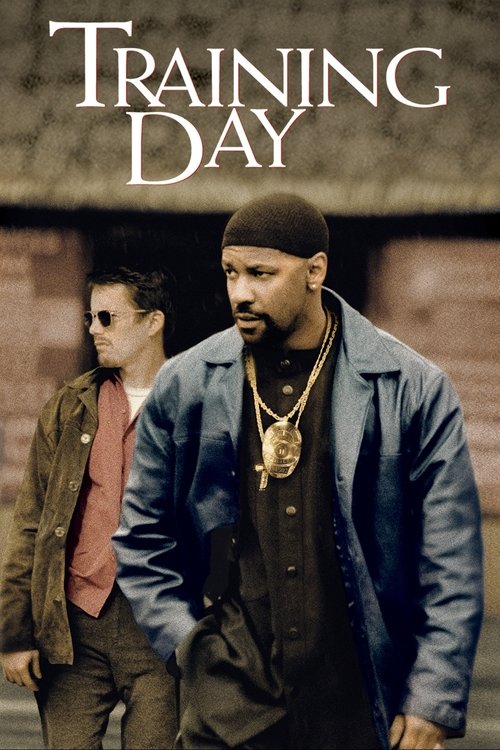
Why the anger underneath matters
Poitier's characters are often described as patient or dignified, which is accurate but incomplete. Watch the scene in In the Heat of the Night where Virgil Tibbs slaps back. That moment lands so hard because of all the compressed pressure that preceded it. The restraint is not passivity, it is the surface over something hotter. Fans of his work learn to read the temperature of a scene through what is held in rather than released.
A career that changed what was possible
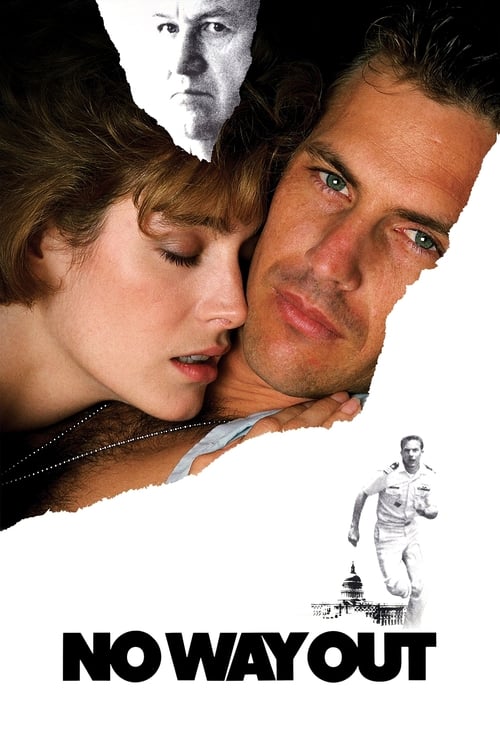
- 1950Feature debut in No Way Out, one of Hollywood's first films to directly address anti-Black racism No Way Out
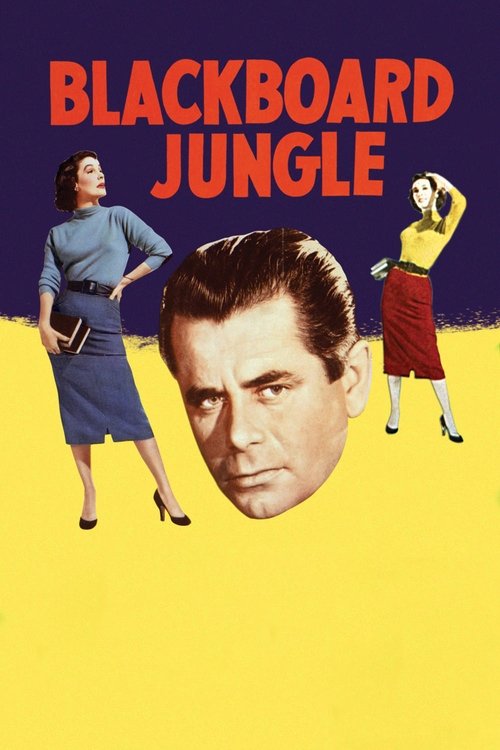
- 1955Breakthrough in Blackboard Jungle as a rebellious student in a tough urban school Blackboard Jungle
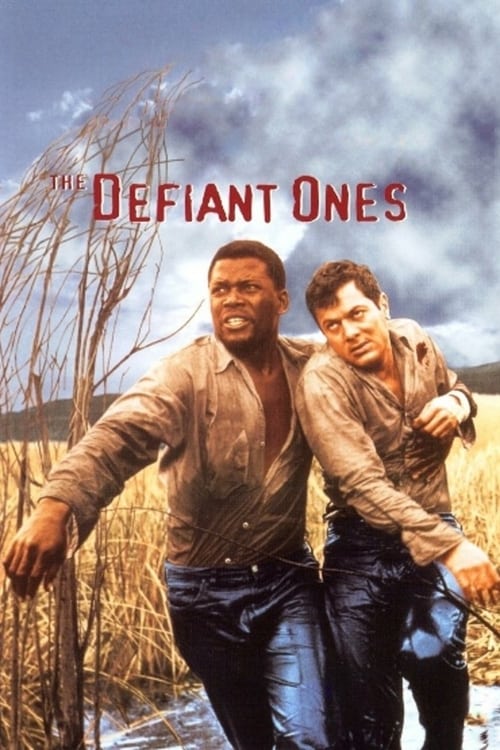
- 1958First Academy Award nomination for The Defiant Ones The Defiant Ones
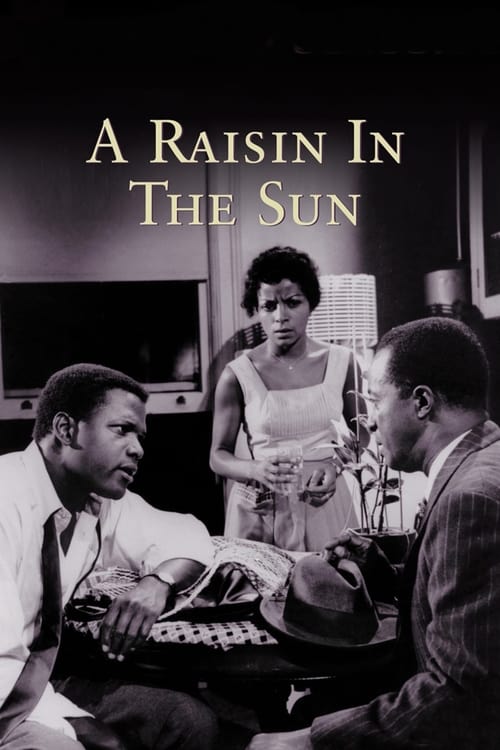
- 1961Stage-to-screen A Raisin in the Sun brings Lorraine Hansberry's play to a mass audience A Raisin in the Sun
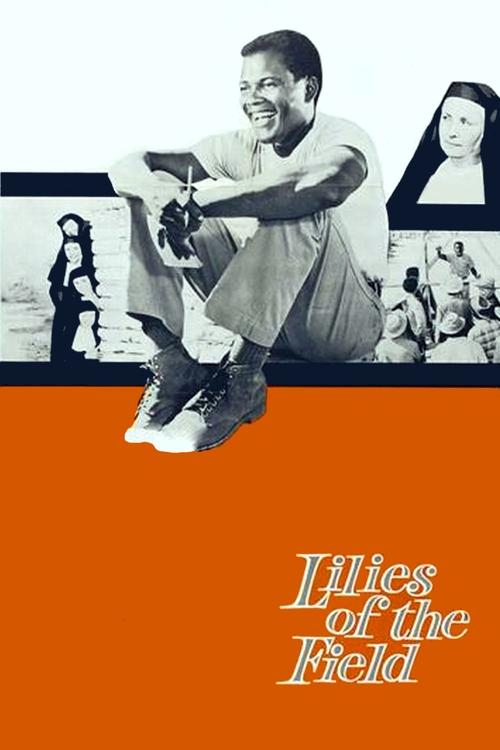
- 1963Wins the Academy Award for Best Actor for Lilies of the Field, the first Black man to win the award Lilies of the Field
- 1967Three top-ten box-office films in one year: To Sir, with Love, In the Heat of the Night, Guess Who's Coming to Dinner In the Heat of the Night
- 1972Produces, directs, and stars in Buck and the Preacher, one of the first Black-directed studio Westerns Buck and the Preacher
- 2002Receives an honorary Academy Award for his extraordinary performances and unique presence on screen
Dignity on screen, courtroom fire
For Fans of Denzel Washington
Explore the For Fans of Denzel Washington guide →I made a promise to myself: I would never play a role that required me to compromise my dignity as a Black man.Sidney Poitier