
There is a quality Denzel Washington carries into every role that no other actor quite replicates: the sense that his characters know exactly who they are, and that knowledge costs them something. Whether he is a corrupt detective rationalizing his own decay, a lawyer standing in the gap for justice, or a soldier navigating the impossible ethics of war, Washington brings a moral seriousness that never tips into preachiness. His through-line is integrity under siege. Fans come for the performances and stay because each one asks the same uncomfortable question: what would you do? This guide maps the full cross-media landscape for anyone who loves that quality, from his own indispensable films to the novels, games, and other directors' work that share its DNA.
Essential Denzel Washington
The films that define him, from early revelation to late-career command



If You Love the Stage Behind the Screen
Denzel's roots are in theater; these works share that muscular, text-driven intensity
The Novels and Plays His Films Adapt or Share DNA With
The literary sources and thematic cousins of the Washington canon


Same Moral Pressure: Films and Series With That Washington Energy
Other directors and actors working in the same register of conscience vs. system
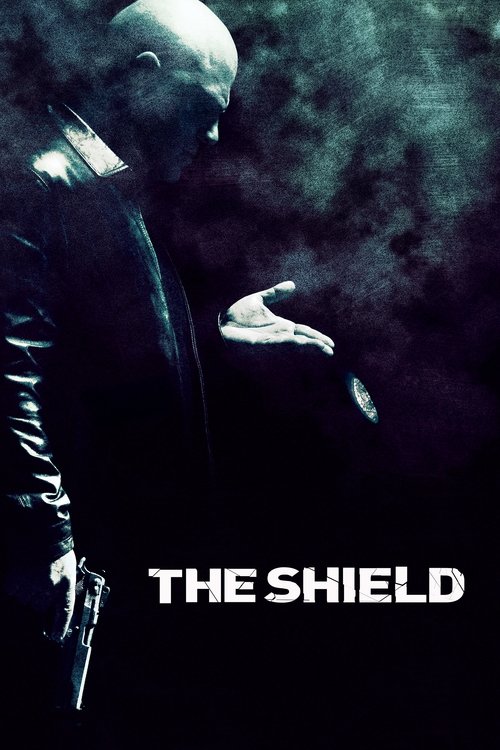
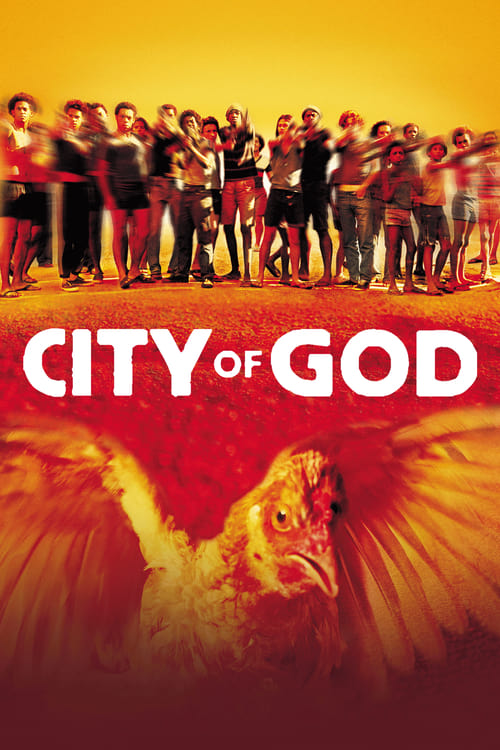

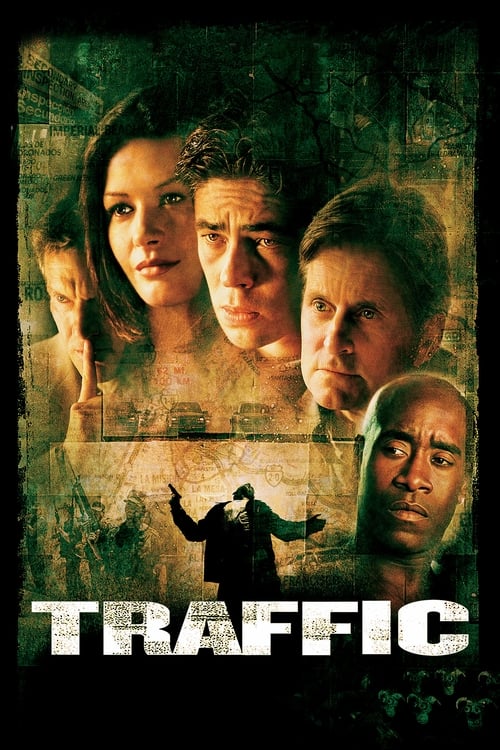
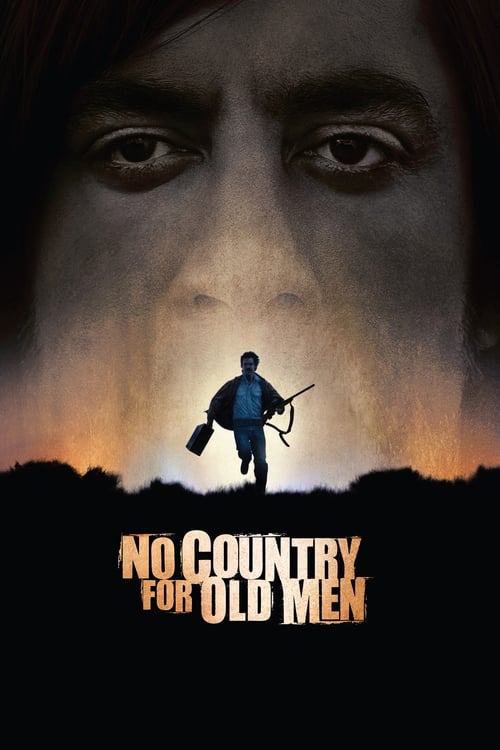
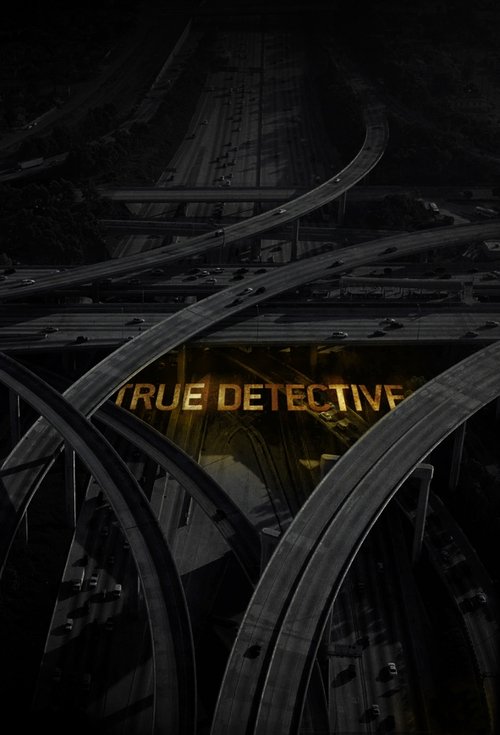
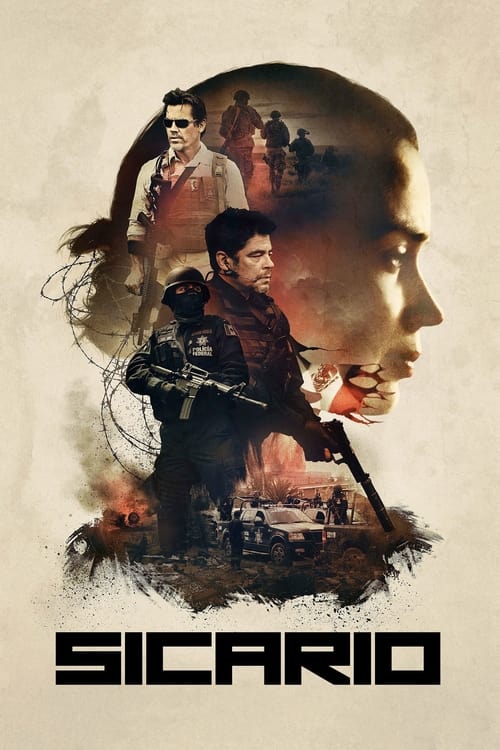
Games That Channel His Themes: Corruption, Survival, Moral Choice
Interactive works where identity, justice, and pressure produce the same kind of drama
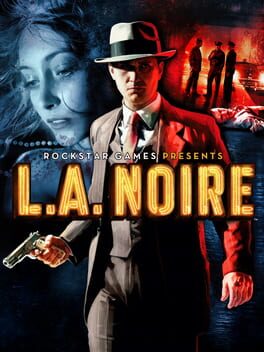
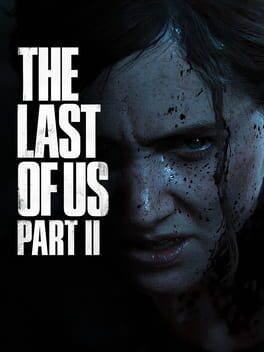

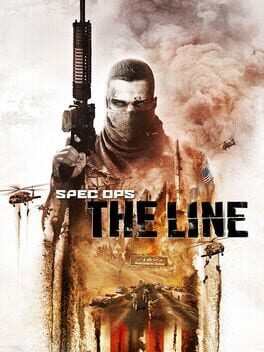
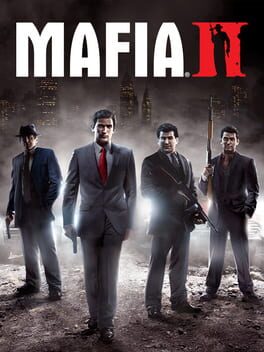
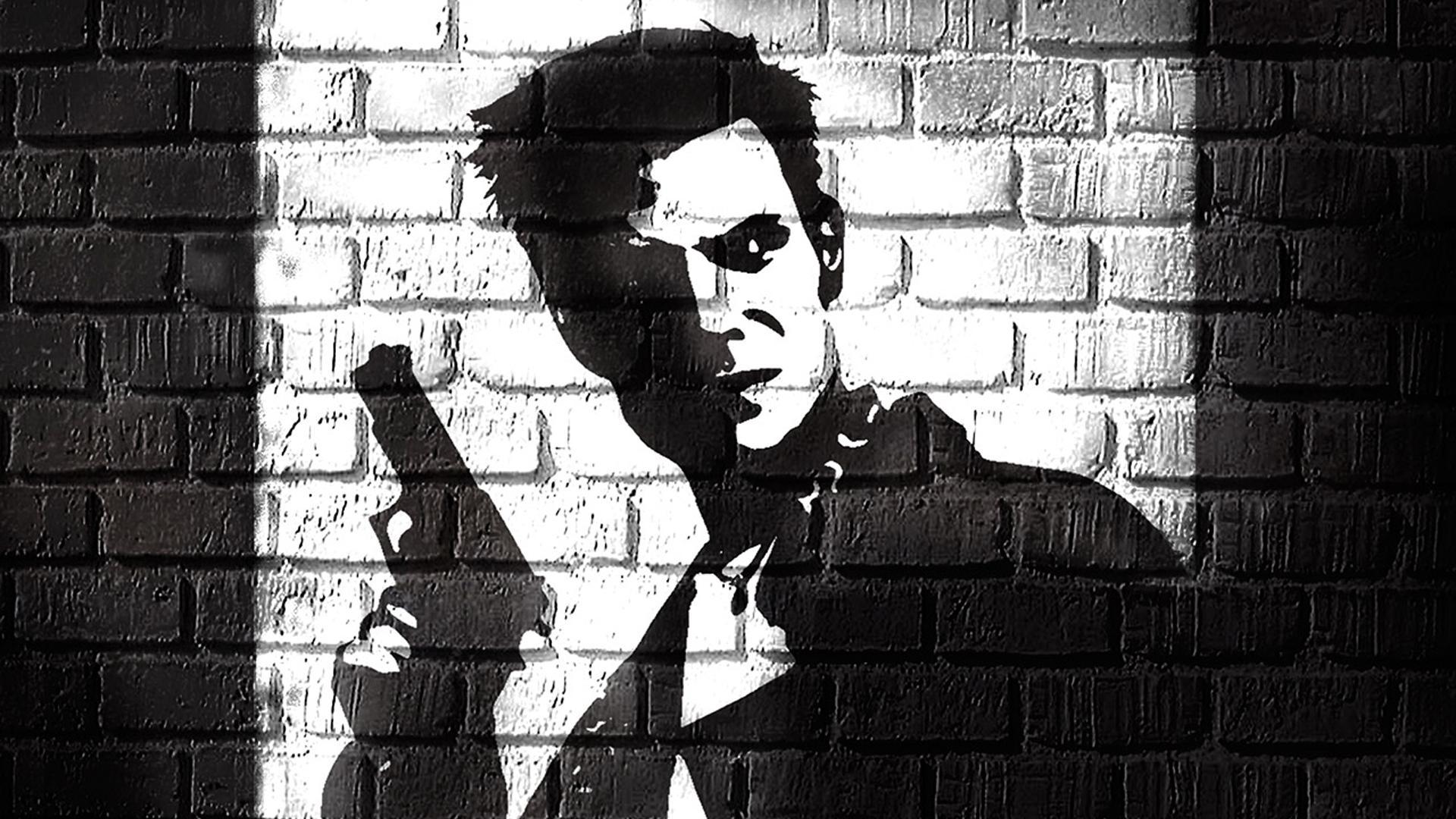
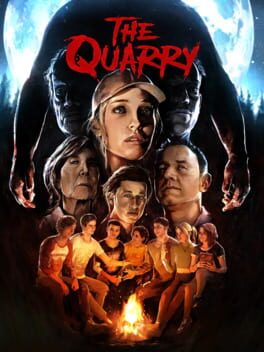
Actors in the Same Register
Performers whose best films reward the same appetite for character-driven intensity

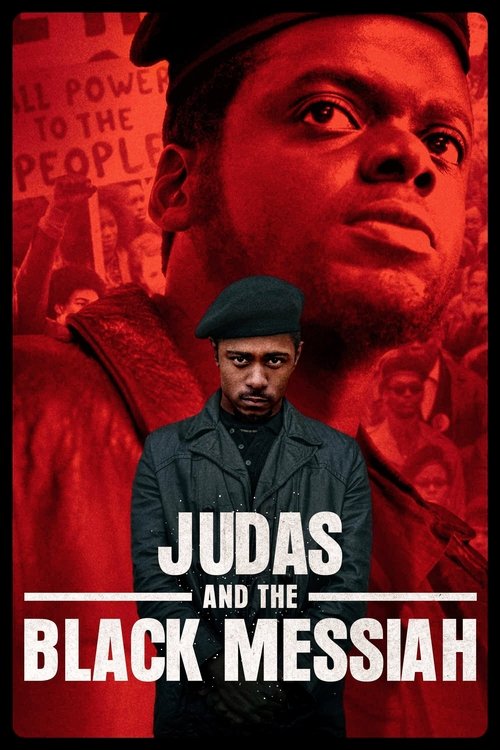
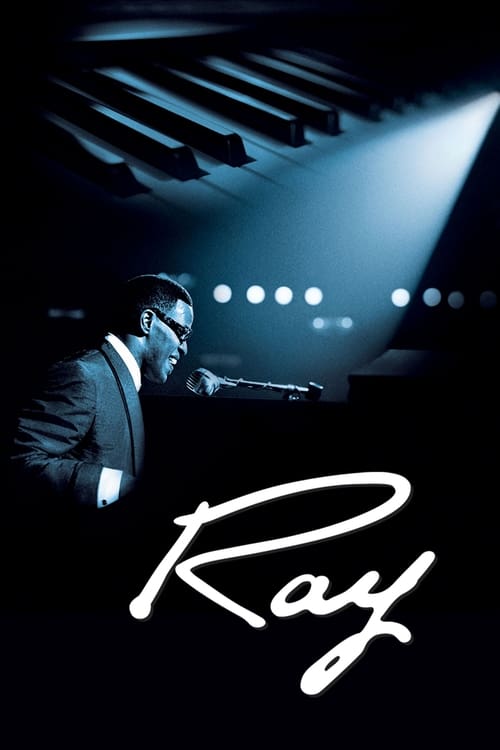
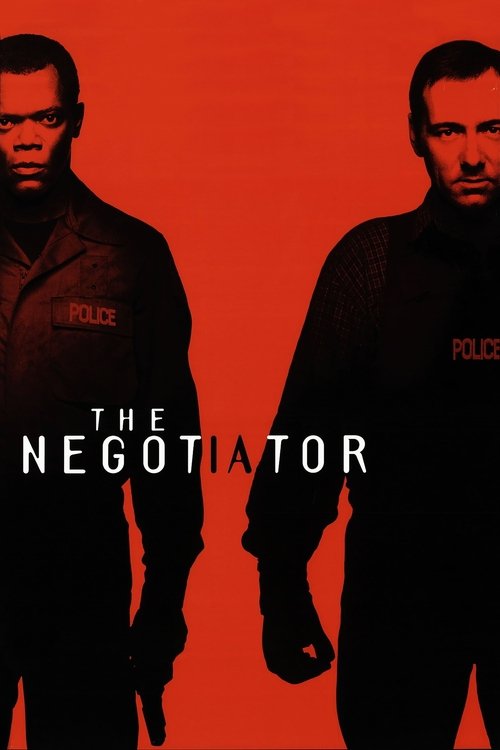
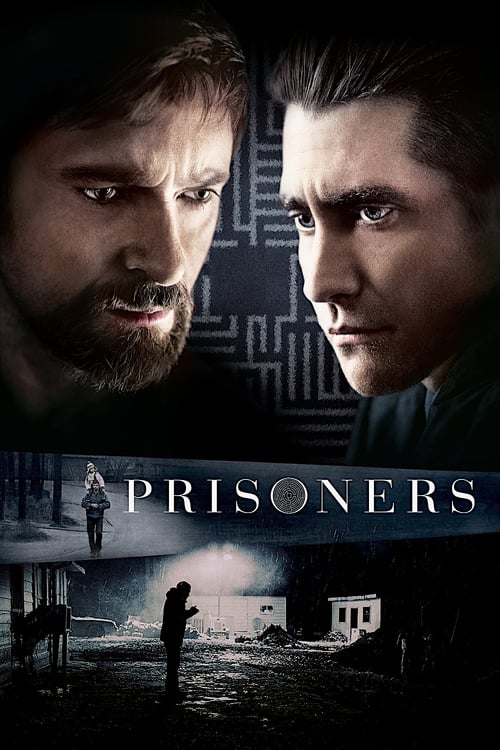
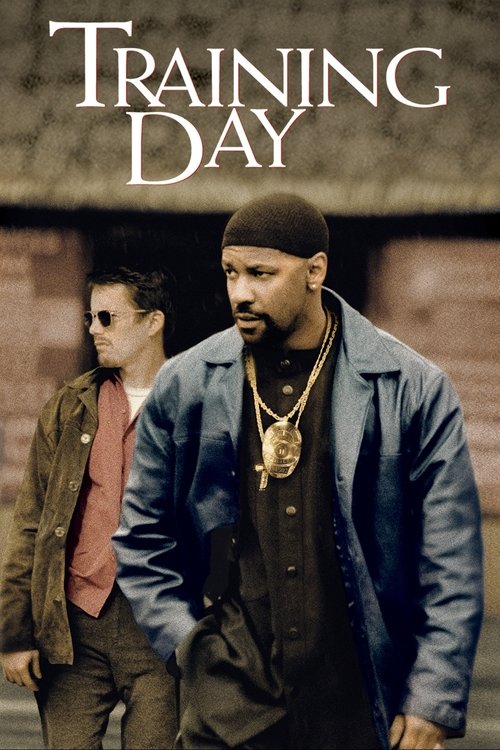
Training Day is Not a Villain Movie. It is a Mirror.
The reflex is to call Alonzo Harris a great villain. That misses the point. Antoine Fuqua builds the film so that Ethan Hawke's rookie keeps almost agreeing with Alonzo's logic, one rotten compromise at a time. The corruption is not imposed from outside; it is an invitation the audience feels pulled to accept. Washington won the Oscar because he made evil reasonable, which is a far harder trick than making it operatic. The film sits in a tradition of police-procedural moral rot that includes Serpico, The Shield, and the writing of James Ellroy.
Fences is August Wilson's Play and Also Denzel's Most Personal Film
Washington has called Troy Maxson the role of his life, and directing himself in the adaptation of August Wilson's Pulitzer-winning play gave him control over something rarely permitted in Hollywood: letting a Black father's contradictions breathe at full length without resolution or apology. Troy is loving, bitter, gifted, and deeply wrong, sometimes in the same sentence. Wilson's Pittsburgh Cycle, of which Fences is the centerpiece, is the great American dramatic sequence that film schools under-teach. Any Washington fan who has not read the play or the cycle is missing the foundation.
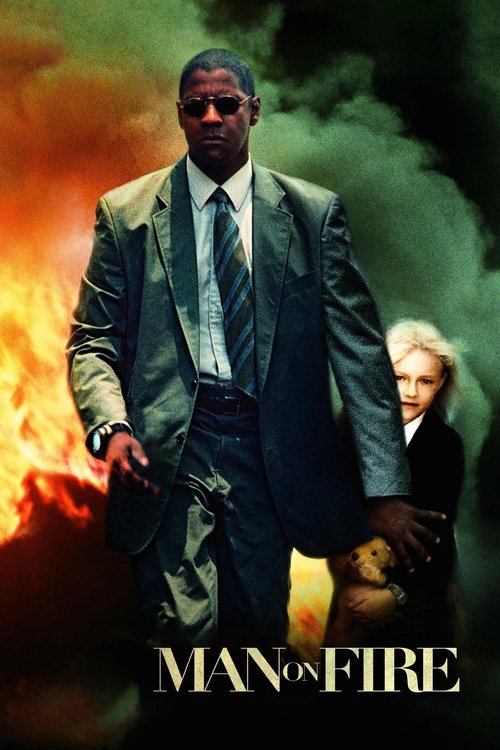
Man on Fire and the Action Film as Grief
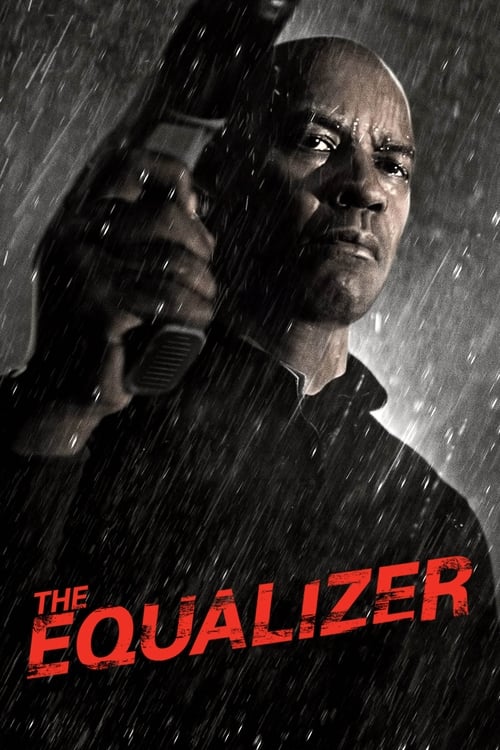
Tony Scott's film is not really an action movie. It is a character study about a broken man finding purpose through protection, and then through vengeance that the film refuses to fully endorse. Creasy's brutality is shown as tragedy, not triumph. The A.J. Quinnell novel it adapts is leaner and bleaker; the Scott version adds color and pace but keeps the core question: what does a man with nothing to live for become when he finds something? That question runs through Man on Fire, The Equalizer, and the best of the Washington catalog.
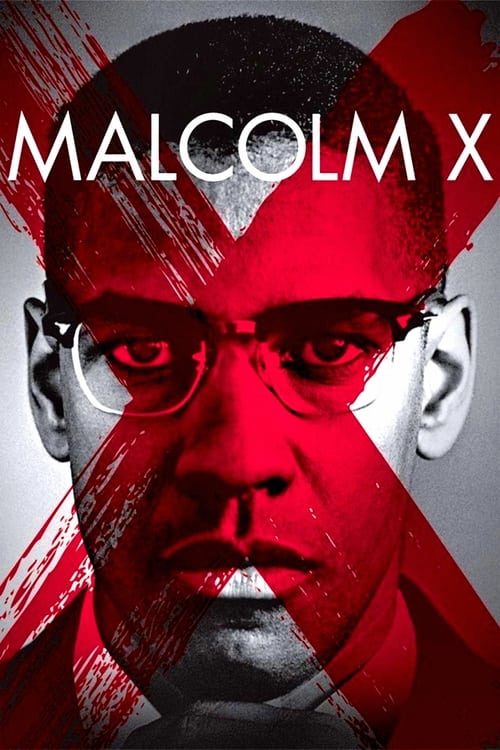
Malcolm X Remains the Great American Biopic
Spike Lee and Washington made a three-and-a-half-hour film that does not feel long because the transformation it documents is genuinely epic. Malcolm Little becomes Malcolm X becomes El-Hajj Malik El-Shabazz, and each stage requires a different performance. Washington delivers three. The film was commercially undersupported on release and has grown steadily in stature since. The Autobiography of Malcolm X, written with Alex Haley, is the source; reading it alongside the film reveals how faithfully Lee trusted the material. Both remain essential.
Denzel Washington: A Career Arc
- 1984Breakthrough on television St. Elsewhere
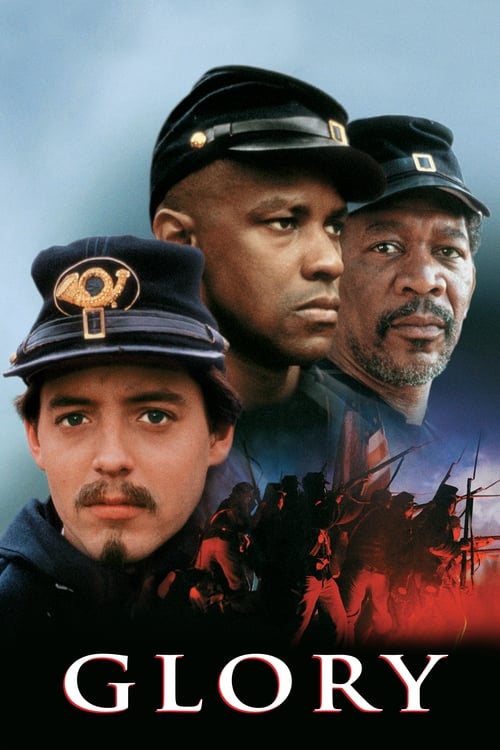
- 1989First Academy Award (Supporting Actor) Glory
- 1992Iconic biopic role Malcolm X
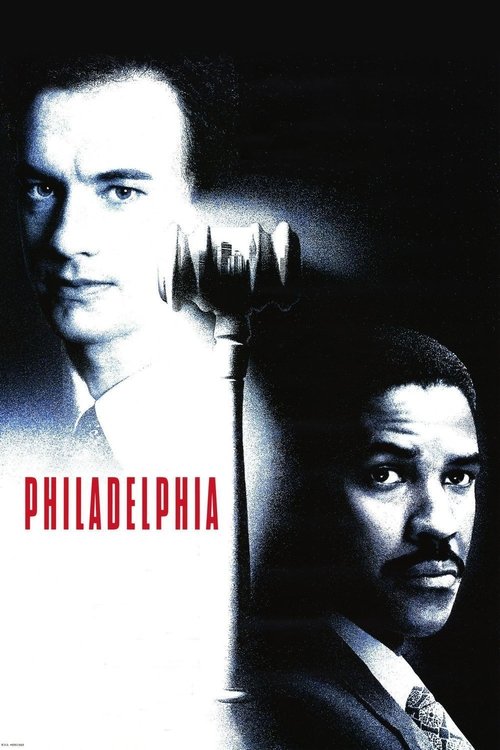
- 1993Mainstream crossover Philadelphia
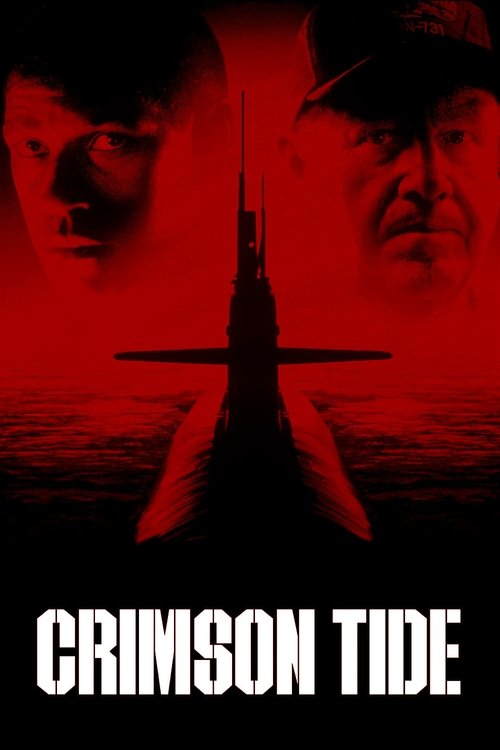
- 1995Submarine-set nuclear thriller Crimson Tide
- 2001Second Academy Award (Lead Actor) Training Day
- 2004Career-defining action role Man on Fire
- 2012A director's self-portrait as actor Flight
- 2016Director and lead in August Wilson adaptation Fences
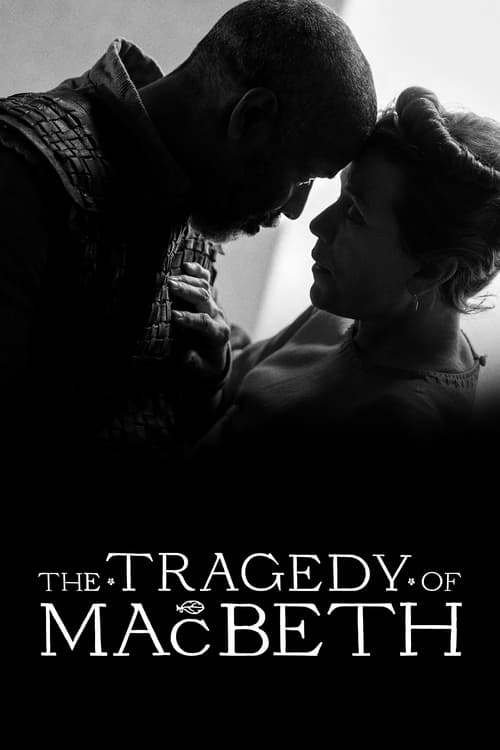
- 2021Shakespeare on film as vehicle for late mastery The Tragedy of Macbeth
Conscience, crime, and righteous fury
For Fans of Antoine Fuqua
Explore the For Fans of Antoine Fuqua guide →He does not play characters who are simply good or simply evil. He plays characters who are deeply human, which is far more frightening and more interesting.CrossBinge