
The strangest band that never became strange enough to ignore
Sparks are Ron and Russell Mael, brothers from Los Angeles who have been making records since 1971 and somehow sound more contemporary with every decade. Ron writes and plays keyboards; Russell sings with a countertenor that can slice glass or seduce a room, depending on the song. Their aesthetic is arch, literary, and relentlessly funny without ever being merely a joke. Lyrically they are closer to short-story writers than lyricists: every song is a compressed character study, a comic disaster, a romance observed from a slight remove. Musically they have moved through glam, art rock, new wave, electronic pop, chamber pop, and grandiose operatic spectacle, never staying long enough in any genre to be owned by it.
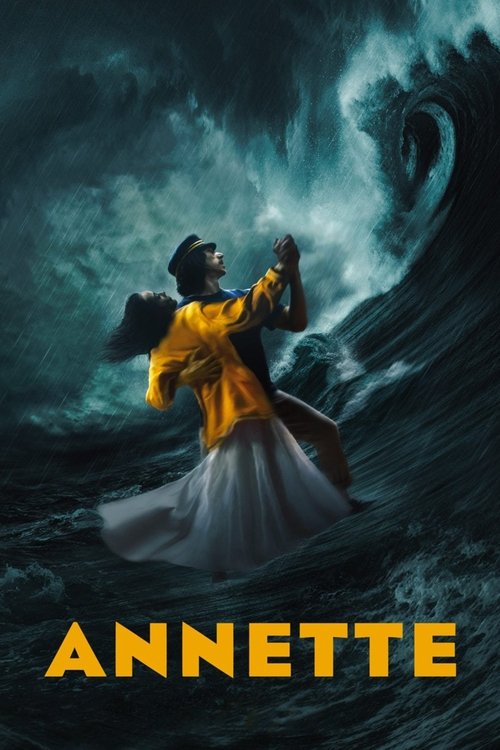
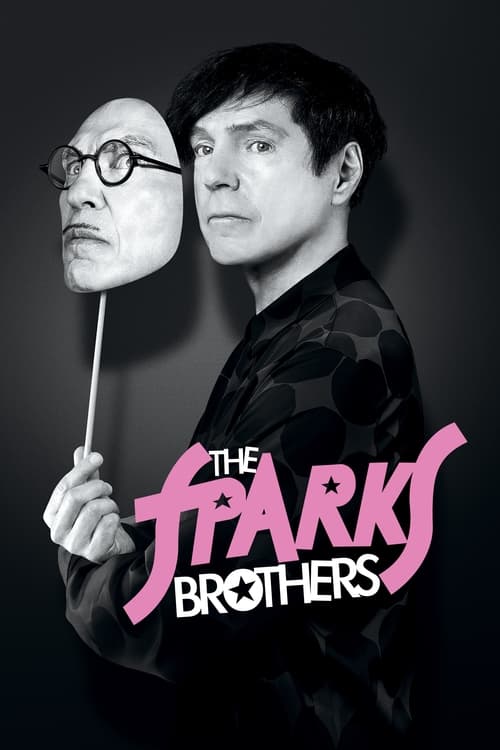
The texture a Sparks fan recognises is wit held at formal distance, melodies too catchy for how odd they are, a slight air of menace or absurdity behind the perfect surface. They are not a cult band in the sense of being obscure. They have charted in Britain, France, and Japan, collaborated with Giorgio Moroder and Franz Ferdinand, and inspired virtually every interesting art-pop act of the last four decades. Edgar Wright made a documentary about them in 2021. Leos Carax adapted their concept into the film Annette. They are one of the genuinely singular things in popular music.
Essential Sparks
The records that define the arc
Art-pop wit and formal strangeness
Music that puts the brain and the body in equal tension
Films that share the Sparks sensibility
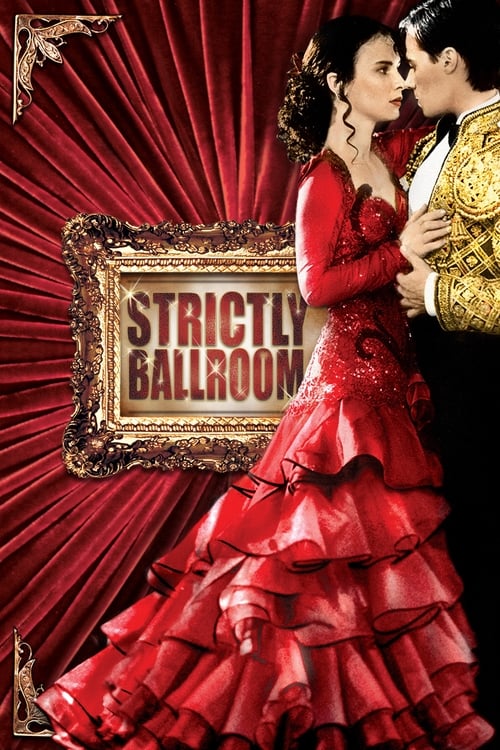
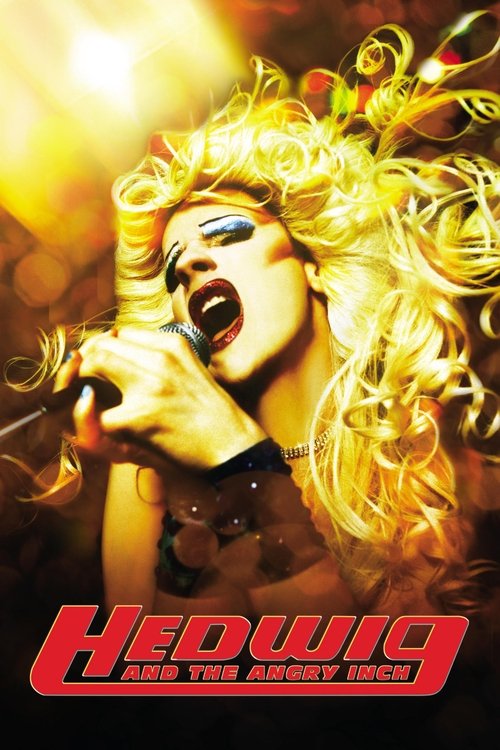
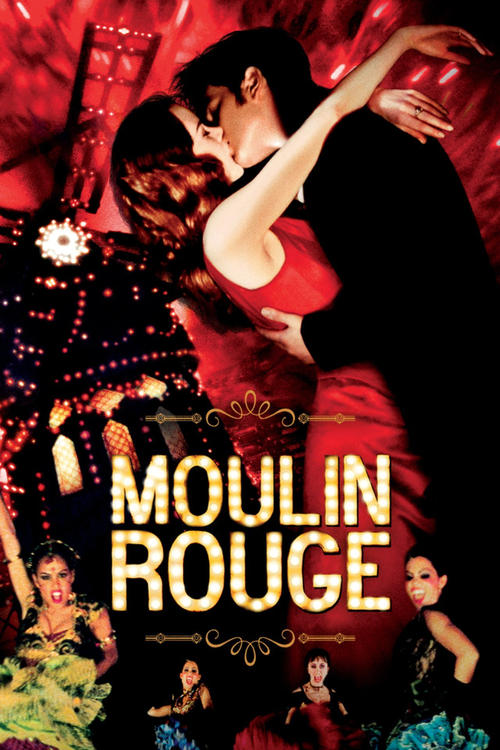
Absurdist comedy, theatrical flourish, and romance made strange

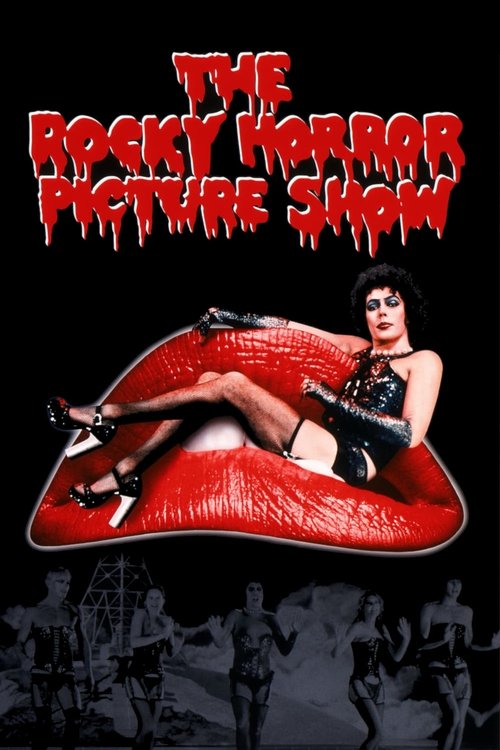
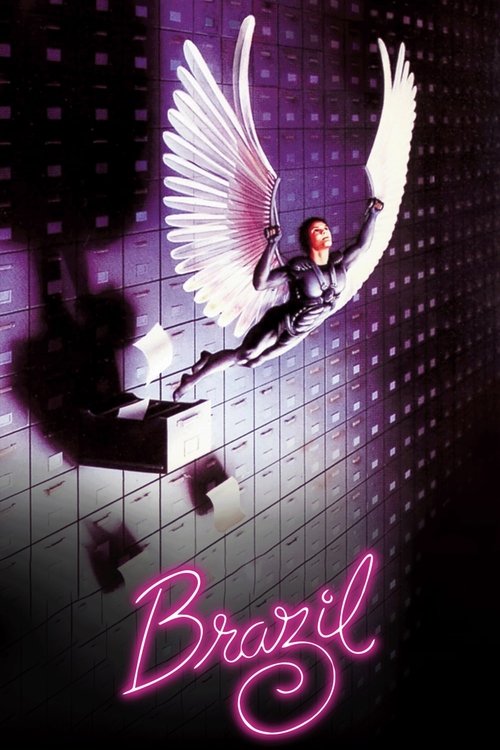
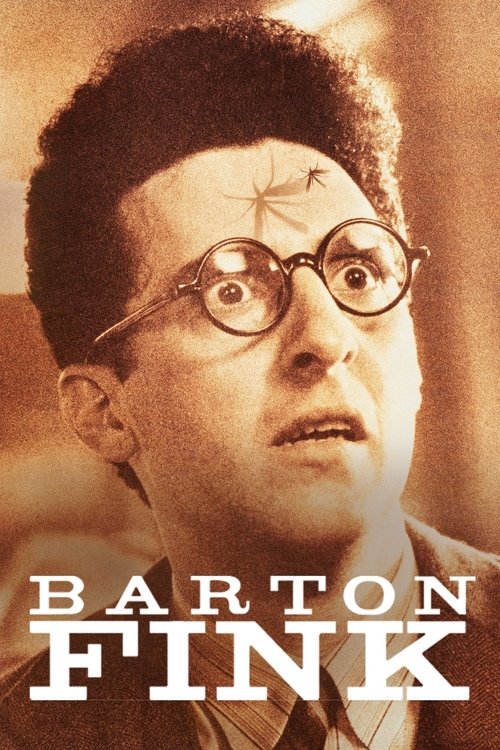
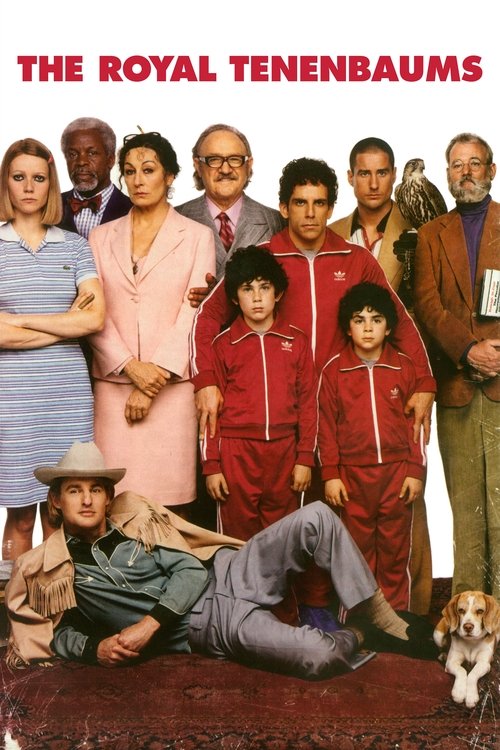
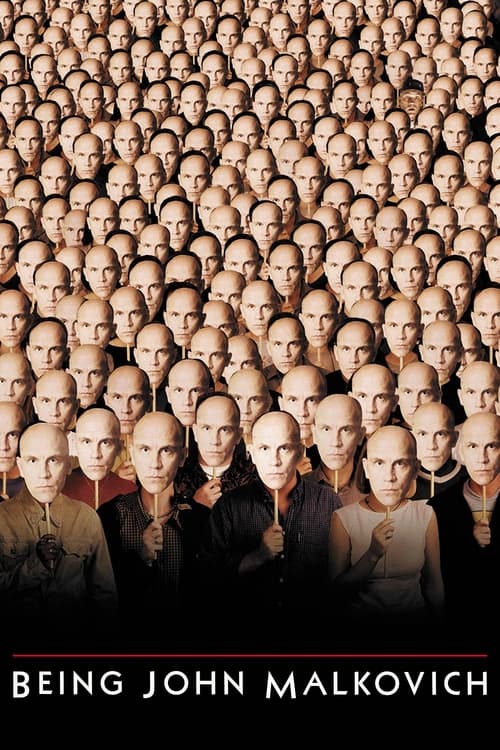
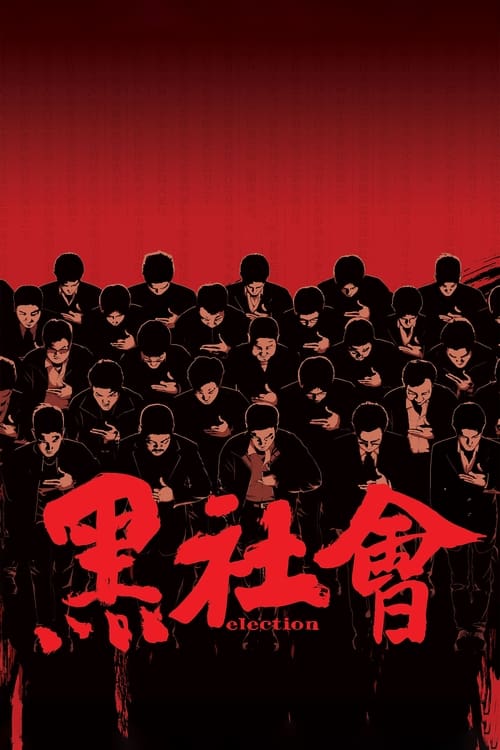
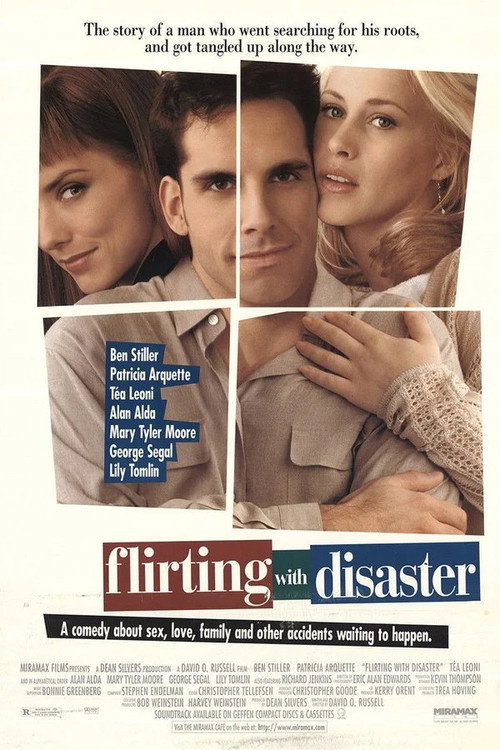
Sparks in motion: concert films and music documentaries
When the visual presentation is half the point
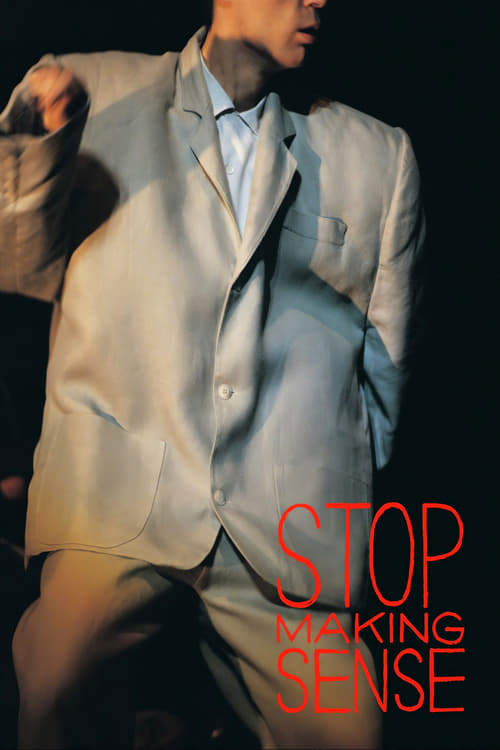
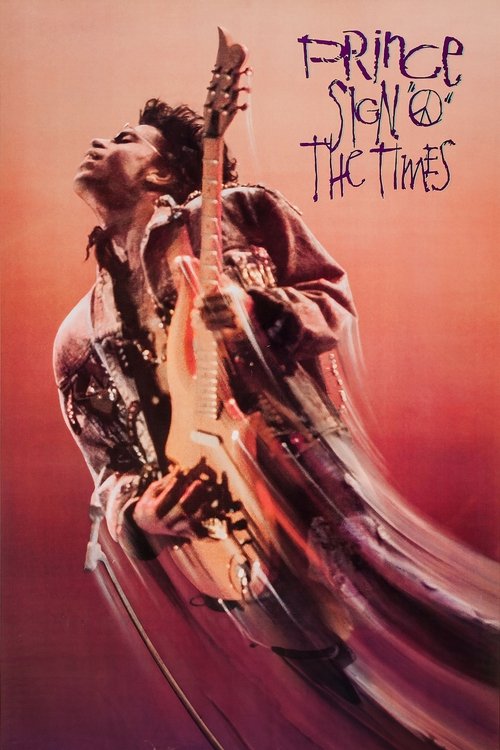
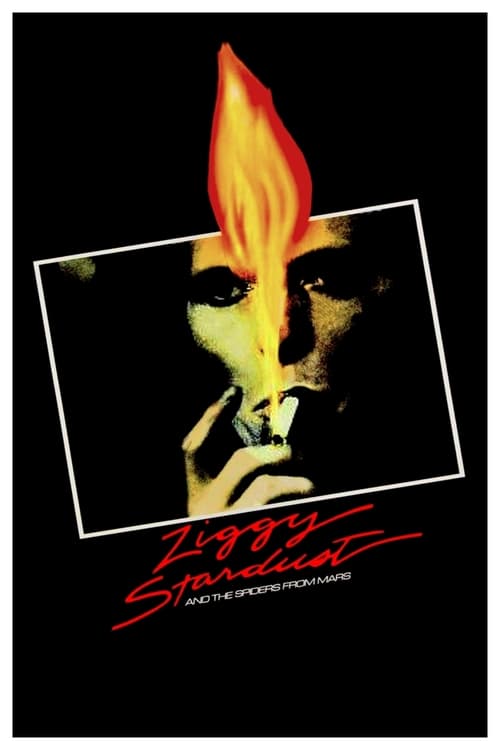
Books with the same compressed, theatrical wit
Novels and collections that find the absurd inside the formal


Start here: Kimono My House is the perfect entry point
Released in 1974 and produced by Muff Winwood, Kimono My House is the record where everything crystallised. Russell's voice is at its most absurdly athletic; Ron's lyrics for songs like This Town Ain't Big Enough for Both of Us pack operatic drama into three minutes. It charted seriously in the UK and still sounds like nothing else from that year, or this one. If you are not sure whether Sparks are for you, this is the cheapest way to find out.
The Giorgio Moroder records are criminally underrated
No. 1 in Heaven (1979) and Terminal Jive (1980) represent Sparks ahead of their moment in a way that still astonishes. Working with Giorgio Moroder before he produced Flashdance or Top Gun, they essentially invented the template for synth-pop before synth-pop had a name. Whomp That Sucker (1981) continued the electronic direction with a new producer and a sharper comic edge. Most people who love New Order, Pet Shop Boys, or Erasure have no idea these records exist. They should.
Lil' Beethoven is where they transcended pop entirely
Lil' Beethoven (2002) uses repeating orchestral loops and choral layers instead of conventional verse-chorus structure. It is the album where the Maels stopped pretending to meet pop halfway. It is also the record that convinced a new generation of critics that Sparks were not merely a nostalgia act but one of the most formally adventurous groups working anywhere. The 2021 Edgar Wright documentary made many people go back to it; going back to it remains a genuinely disorienting experience.
Annette is the riskiest thing they ever put their name to, and it works
When Leos Carax adapted the Sparks opera Annette into a film (2021), the question was whether Ron's conceptual structure would survive the move to cinema. It did. Adam Driver and Marion Cotillard give performances calibrated to the material's deliberate artifice, and the film is gorgeous to look at. It is also wilfully strange in ways that will alienate half the audience and leave the other half talking about it for a week. For a Sparks fan, that ratio feels about right.
Sparks: fifty years of deliberate reinvention
- 1971Debut album released as Halfnelson, soon renamed Sparks
- 1974Kimono My House breaks them in the UK Kimono My House
- 1979Giorgio Moroder collaboration invents synth-pop No. 1 in Heaven
- 1982Angst in My Pants peaks their US commercial moment Angst in My Pants
- 1994Gratuitous Sax and Senseless Violins revives European interest Gratuitous Sax & Senseless Violins
- 2002Lil' Beethoven redefines what a pop record can be Lil’ Beethoven
- 2021The Sparks Brothers documentary and Annette film bring a new audience The Sparks Brothers
- 2023The Girl Is Crying in Her Latte continues, unbothered
Art Pop and Restless Auteurs
For Fans of Pink Floyd
Explore the For Fans of Pink Floyd guide →Every decade they sound like what the next decade is about to sound like. That is not a lucky accident. It is the result of refusing to repeat themselves even when repetition would have been very profitable.CrossBinge editors