
The Auteur From Brooklyn
Spike Lee makes films the way a jazz musician plays: with rhythm at the structural level, with anger and love occupying the same bar, with the audience always in the room. Since his breakthrough with She's Gotta Have It (1986) and the landmark Do the Right Thing (1989), Lee has built one of American cinema's most distinctive bodies of work. His films are set almost always in Black America, frequently in New York, and they move with a nervous, syncopated energy that owes as much to music as to classical filmmaking.
The signature Spike Lee shot (the dolly where the actor glides toward camera as if levitating, the world sliding past behind them) is more than a stylistic flourish. It signals that something is being said directly to you, the viewer, not just observed. His characters break the fourth wall, address the audience, challenge their comfort. His palette is saturated, his editing percussive, his soundtracks meticulously chosen: long collaborations with Terence Blanchard on the score side, and a deep respect for hip-hop and soul as structural elements.
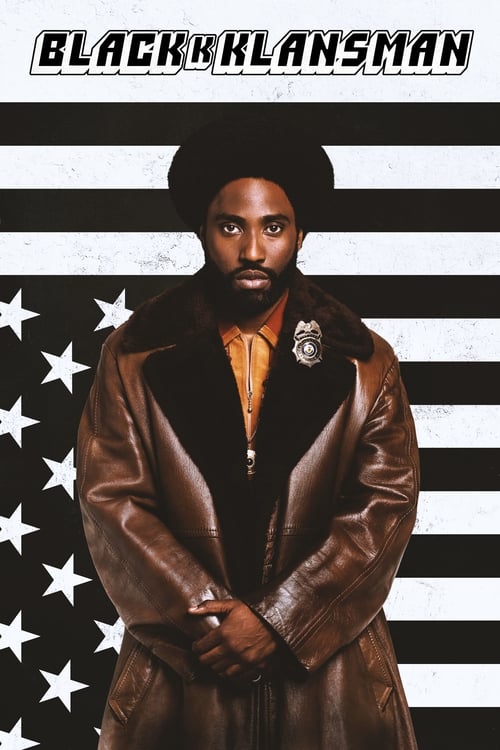
Thematically, Lee keeps returning to race in America, to the psychic cost of racism on Black life, to the complicated interior of Black masculinity, to how history haunts the present. Malcolm X (1992), 25th Hour (2002), Inside Man (2006), BlacKkKlansman (2018): the range is wide, but the moral seriousness never wavers. Fans of his work love the willingness to be uncomfortable, the formal daring, and the genuine fury underneath the craft.
Essential Spike Lee
The films that define his vision, in roughly the order to encounter them
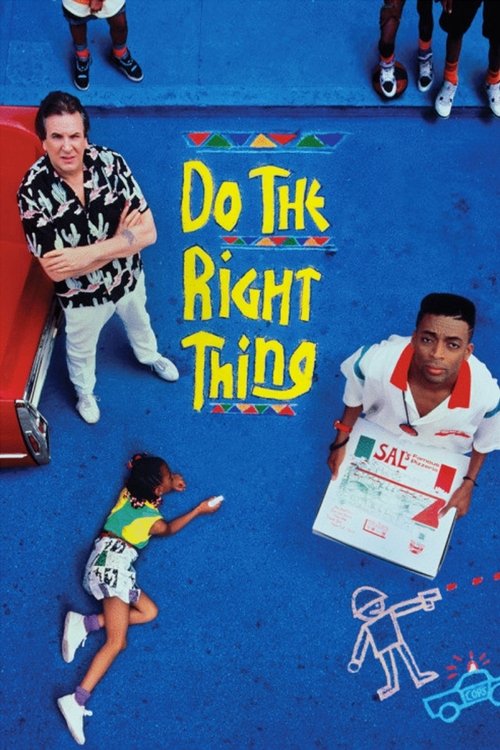
Start here: Do the Right Thing is still the most urgent film America has made about itself
Do the Right Thing arrives at the height of summer and never lets you cool down. Released in 1989, it remains the sharpest single-film argument about race, community, and complicity that American cinema has produced. The ending still provokes real argument, which is exactly the point: Lee refuses to let the audience off with a clean moral verdict. Watch it first, then everything else opens up.
American Rage, American Beauty
Films and series that hold fury and tenderness in the same frame

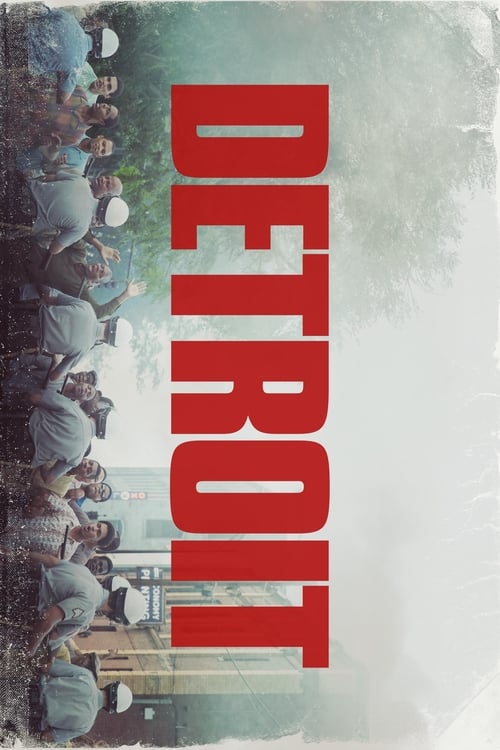
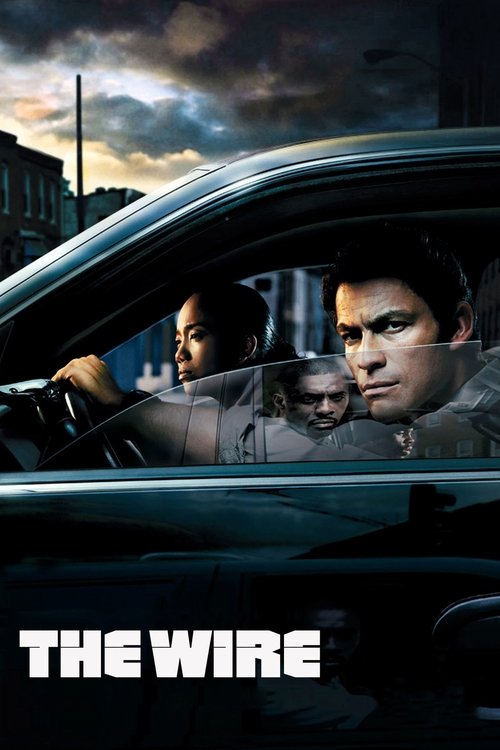
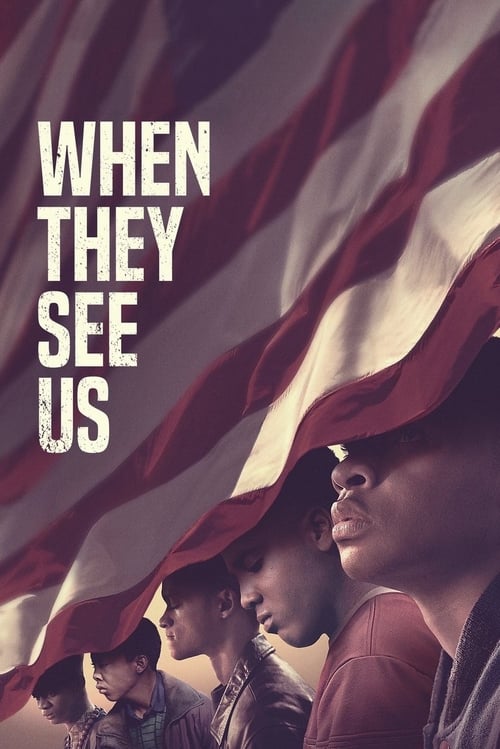
New York, New York
The city as pressure cooker, character, and conscience
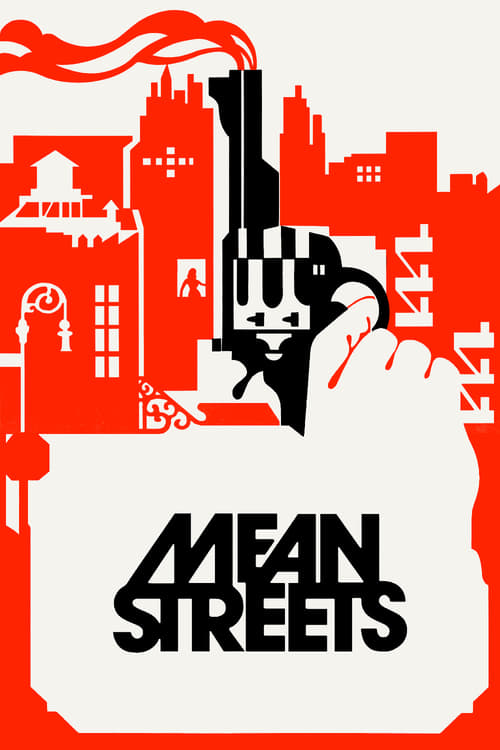
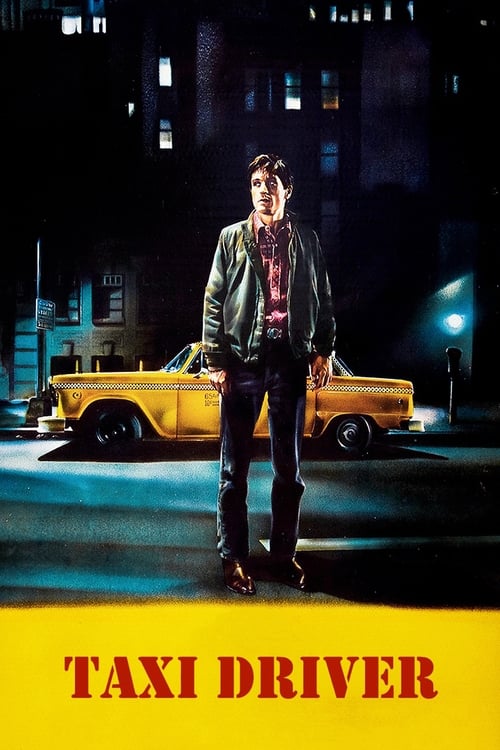

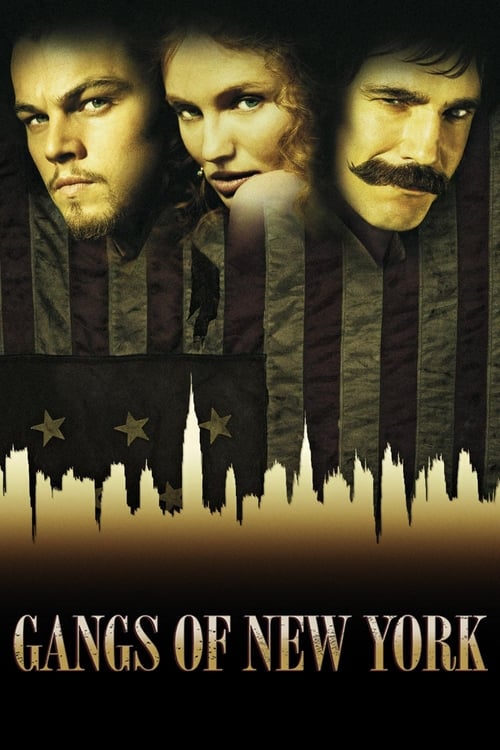
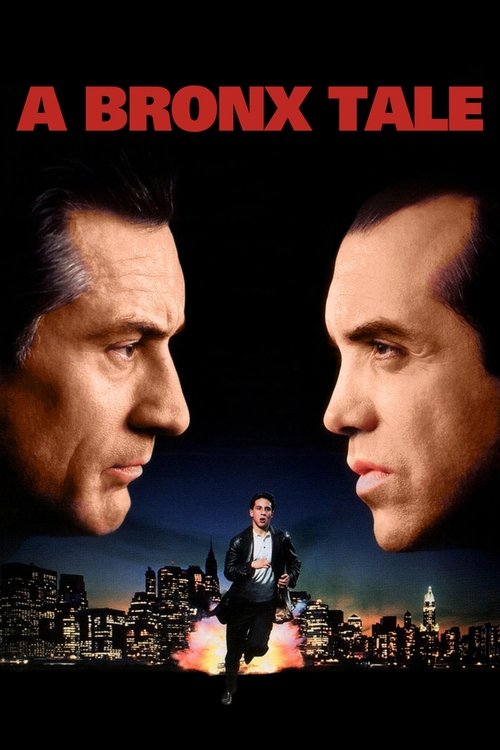

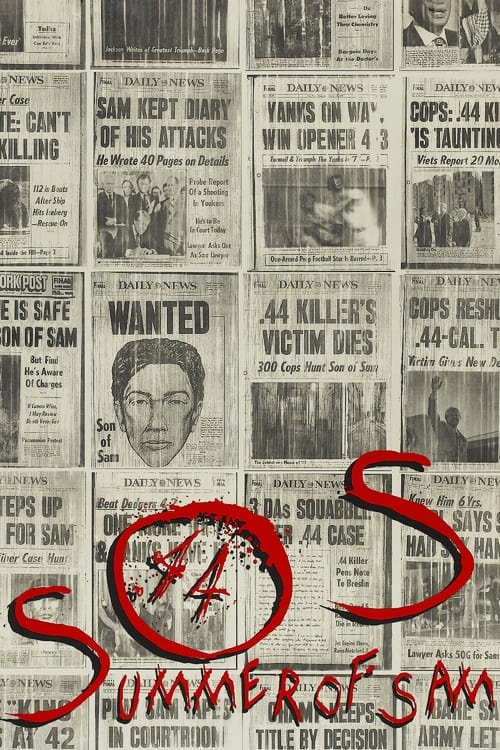
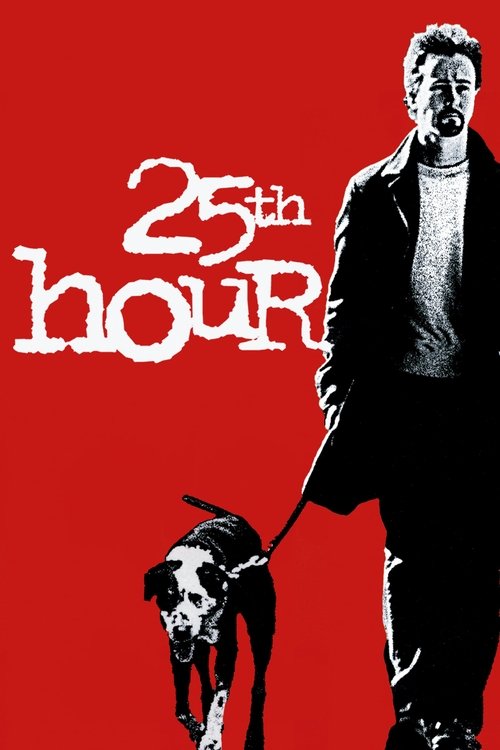
The underrated one: 25th Hour is his most interior film, and one of his finest
Because it centers a white protagonist and came out in the immediate aftermath of 9/11, 25th Hour sometimes gets filed under 'minor Spike Lee.' That is a mistake. Edward Norton's last day of freedom is also a film about a city in grief and a country at a turning point, observed with the kind of cold, elegiac clarity that Lee rarely gets credit for. The monologue in the bathroom mirror is one of the great scenes of American cinema from the 2000s.
History Won't Stay Buried
Novels that reckon with race and memory the way Lee's films do



Music as Structure
Records whose rhythmic and political DNA runs through Lee's soundtracks
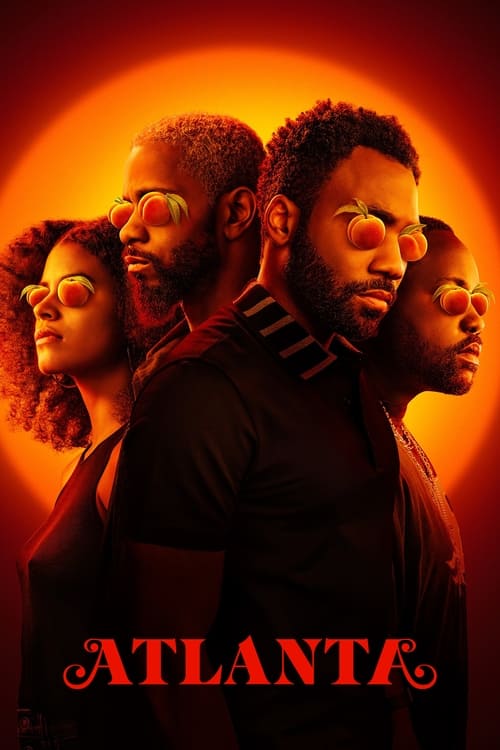
The spiritual successor: Atlanta understands that comedy and dread can occupy the exact same scene
Donald Glover's Atlanta is the television series that most faithfully carries the spirit of Lee's work forward. It is formally restless, politically grounded, deeply funny, and willing to turn surreal without warning. Like Lee at his best, it trusts Black interiority completely and has no interest in explaining itself to anyone who needs explaining. Seasons one and two are essential.
A Career in Key Moments
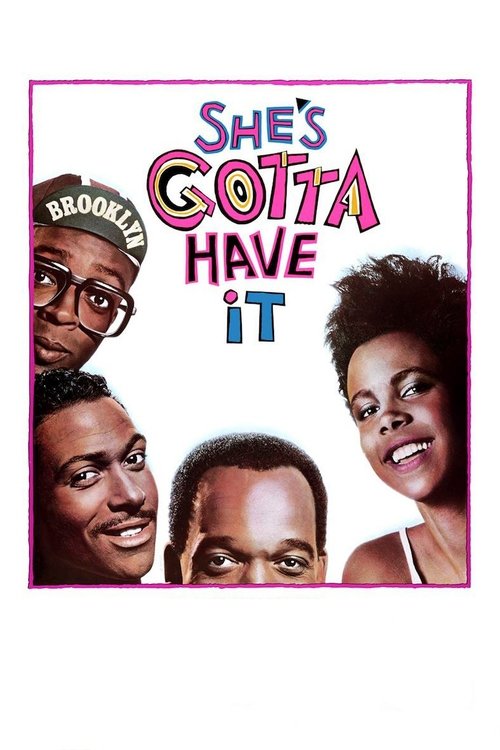
- 1986She's Gotta Have It establishes Lee as a major new voice on a shoestring budget She's Gotta Have It
- 1988School Daze, his second feature, brings musical ambition and intra-community tension School Daze
- 1989Do the Right Thing premieres at Cannes; becomes a cultural flashpoint Do the Right Thing
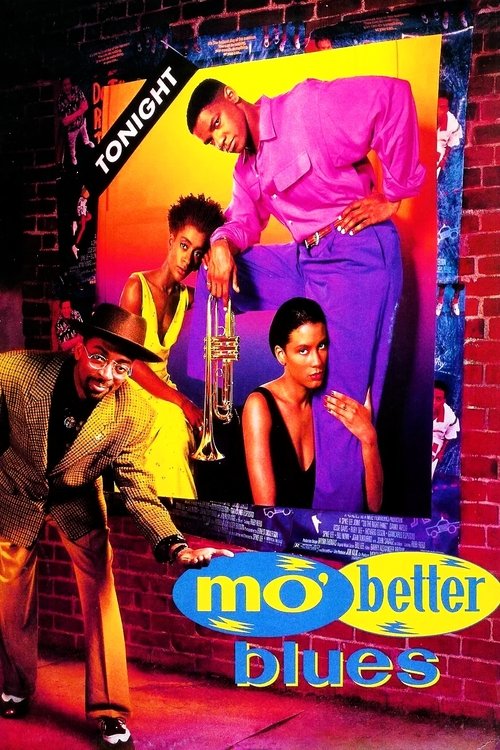
- 1990Mo' Better Blues, his jazz film and a meditation on artistic obsession Mo' Better Blues
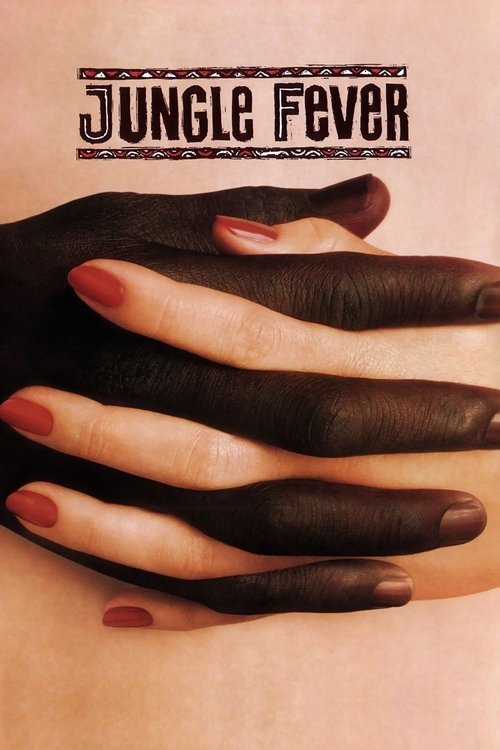
- 1991Jungle Fever opens a sustained exploration of race and desire Jungle Fever
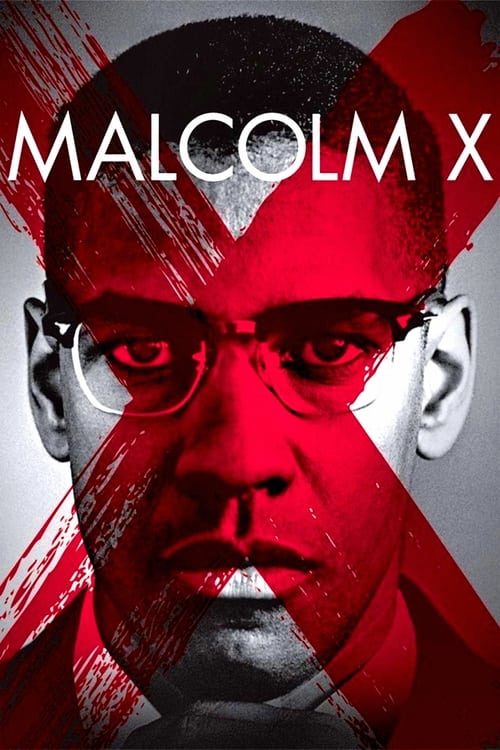
- 1992Malcolm X: a three-hour biography that fights for its subject's complexity Malcolm X
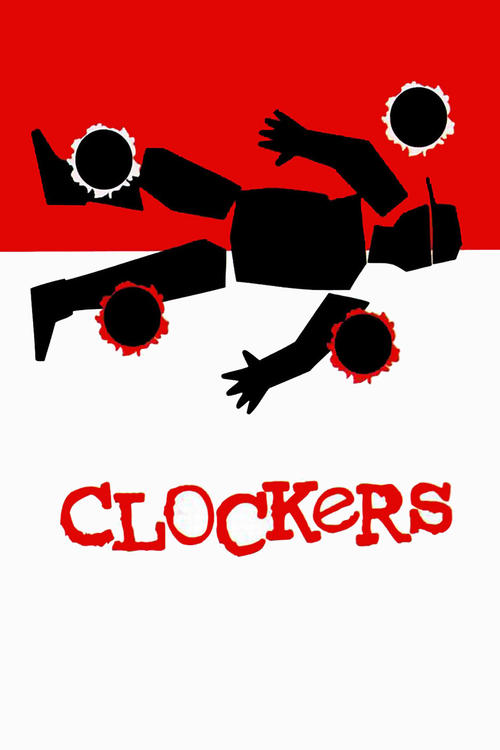
- 1995Clockers marks a shift toward genre forms used as social critique Clockers
- 19974 Little Girls, his documentary about the 1963 Birmingham church bombing, earns an Oscar nomination Little Girl
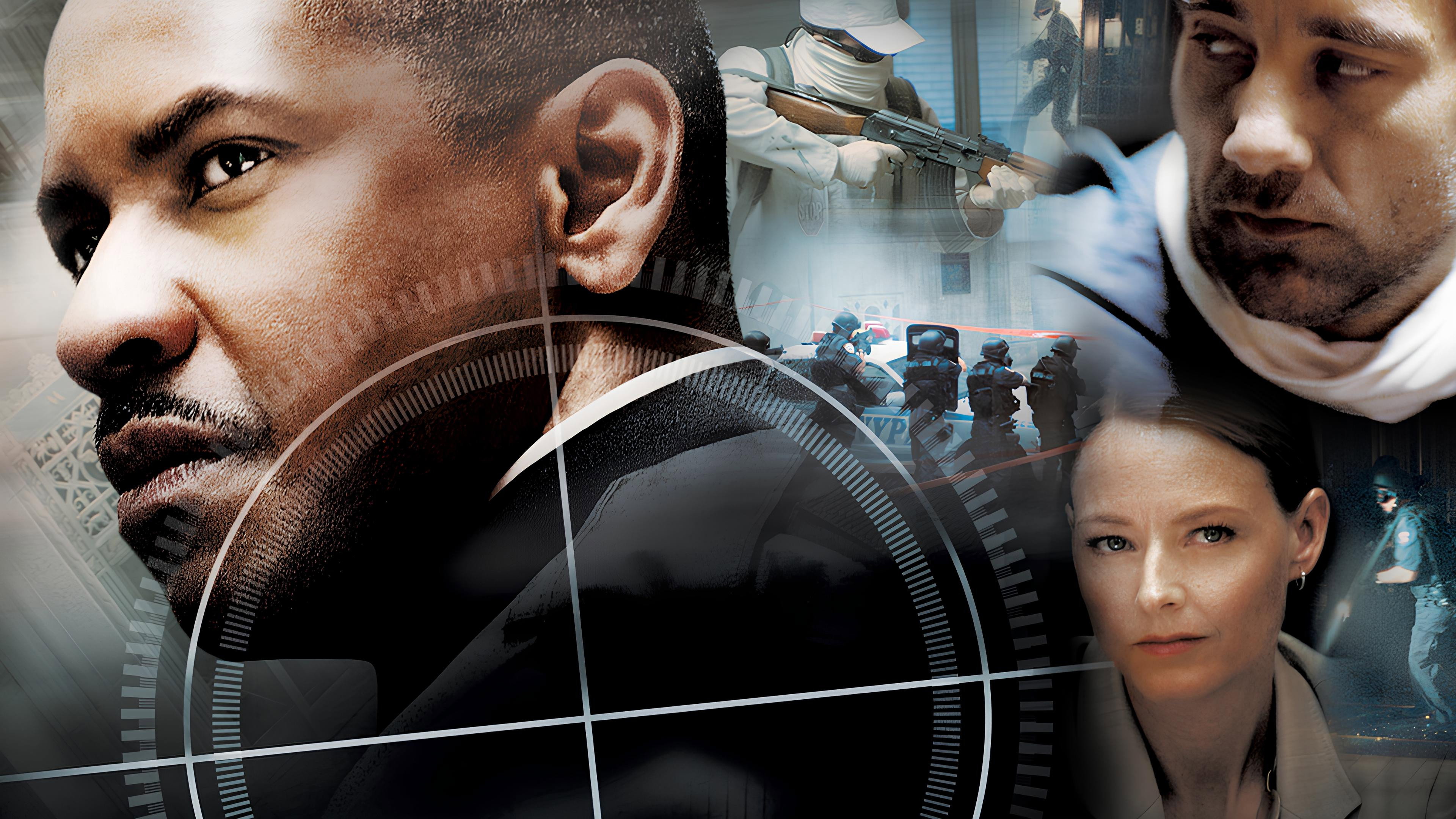
- 200225th Hour, post-9/11 New York grief in a character study 25th Hour
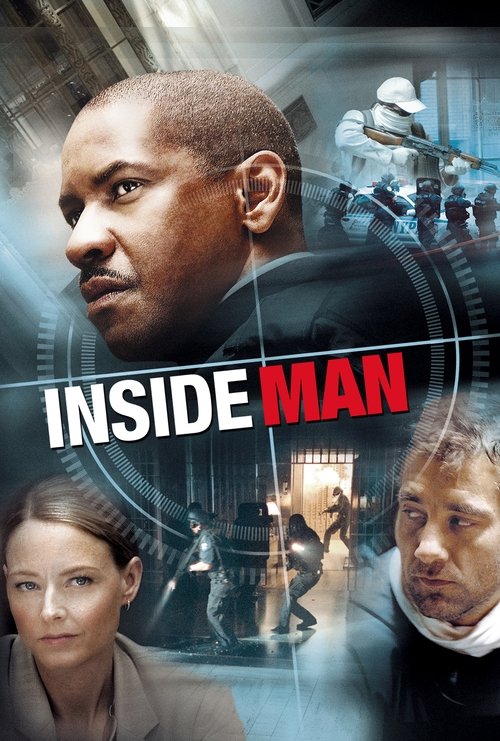
- 2006Inside Man proves Lee can work inside a mainstream thriller without losing himself Inside Man
- 2018BlacKkKlansman wins the Grand Prix at Cannes; finds a new generation of fans BlacKkKlansman
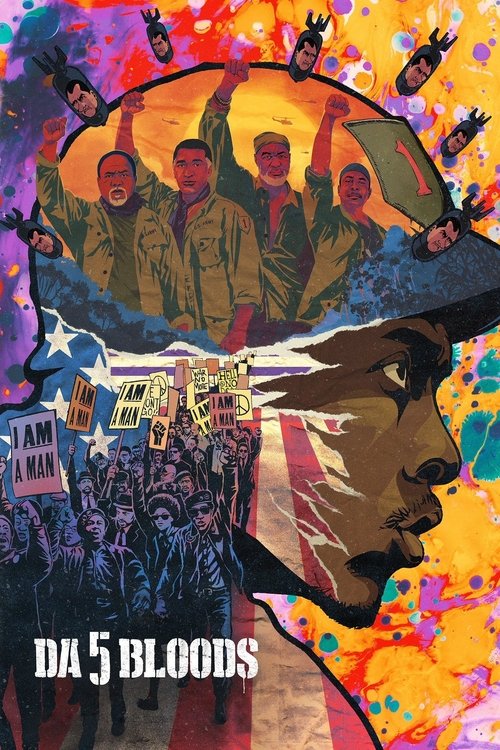
- 2020Da 5 Bloods, Vietnam and Black sacrifice, grief and gold Da 5 Bloods
Streets, rebellion, and rap voltage
Rebellion & Revolution
Explore the Rebellion & Revolution guide →Lee's great subject is the gap between what America says it is and what it actually does to the people living inside it. Every film is a reckoning with that gap.CrossBinge editorial