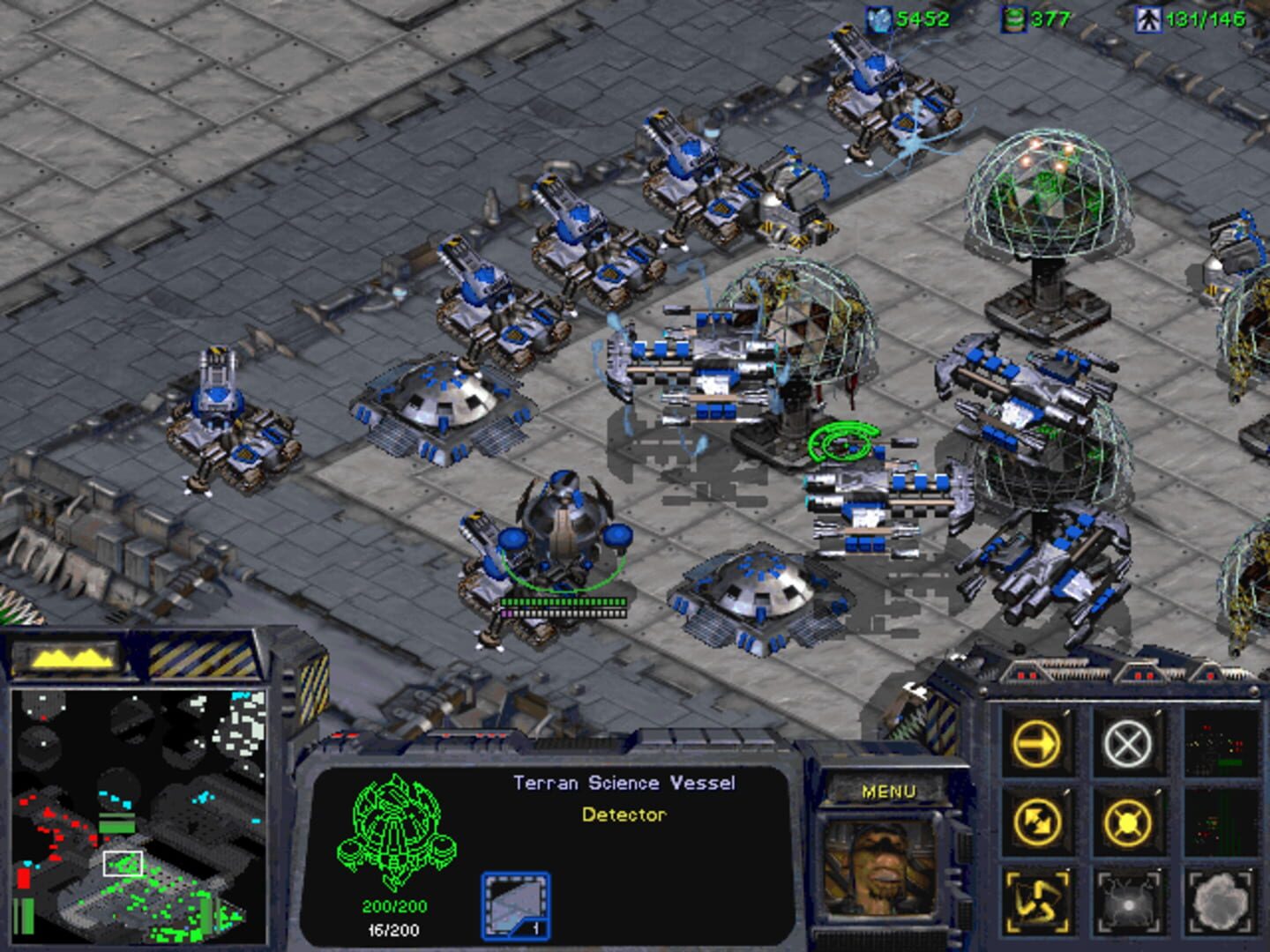

StarCraft arrived in 1998 as a real-time strategy game and immediately rewired what players expected from the genre. Three asymmetric factions, each with radically different unit rosters and playstyles, forced players to master not just one system but three interlocking systems designed to counter one another. The Terran are blue-collar survivalists welding bunkers and lifting-off supply depots; the Zerg are an uncanny biological swarm that overwhelms through numbers and mutation; the Protoss are an ancient civilization with shields and psionic fury. The tension is not merely tactical, it is existential: who owns the galaxy, and what does it cost to find out? That question, stretched across two games, multiple expansion packs, novelizations, and a Korean esports culture that turned StarCraft into a national sport, makes the franchise one of the most fully realized fictional universes in gaming. The appeal is the same as the great military sci-fi novels and war films it echoes: the fog of war, the weight of command, the horror of annihilation at industrial scale.
Essential StarCraft
The core games and expansions, in order

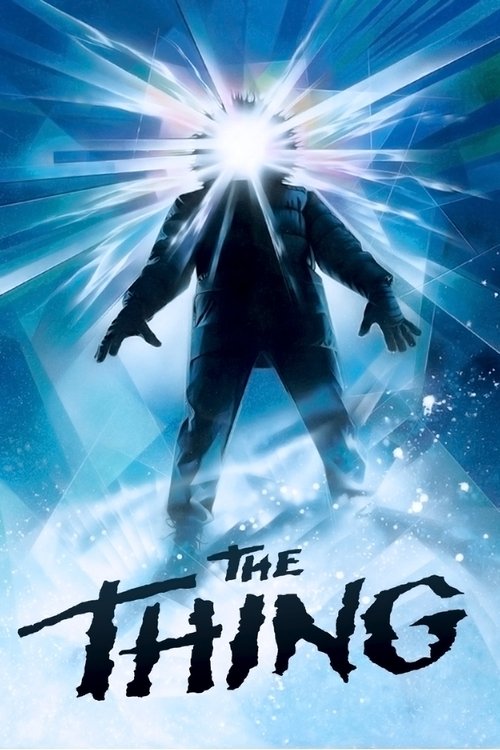
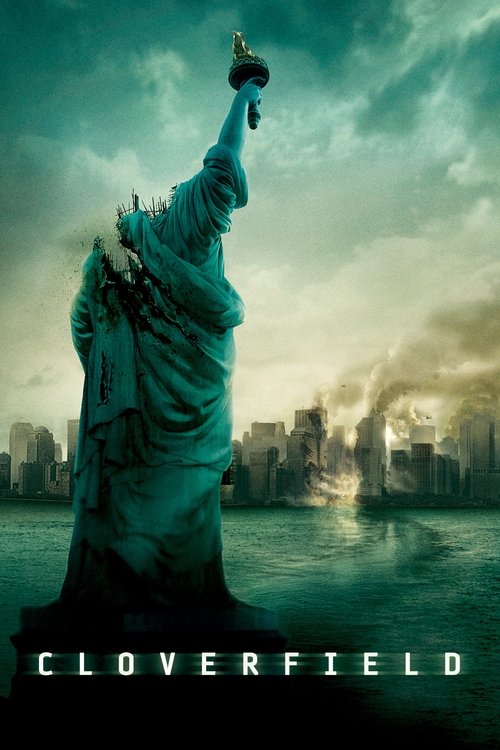
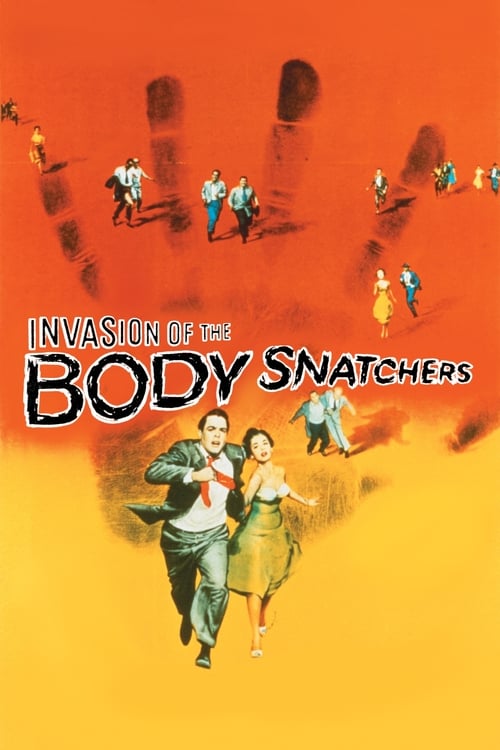
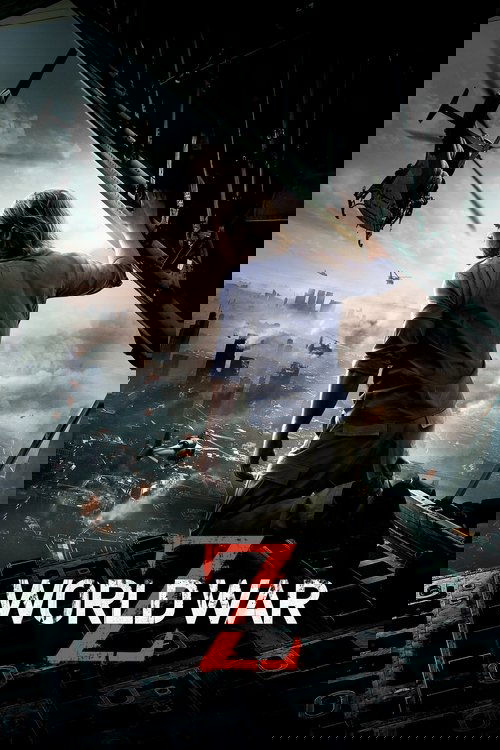
If You Love the Zerg: Swarm Horror and Body Terror
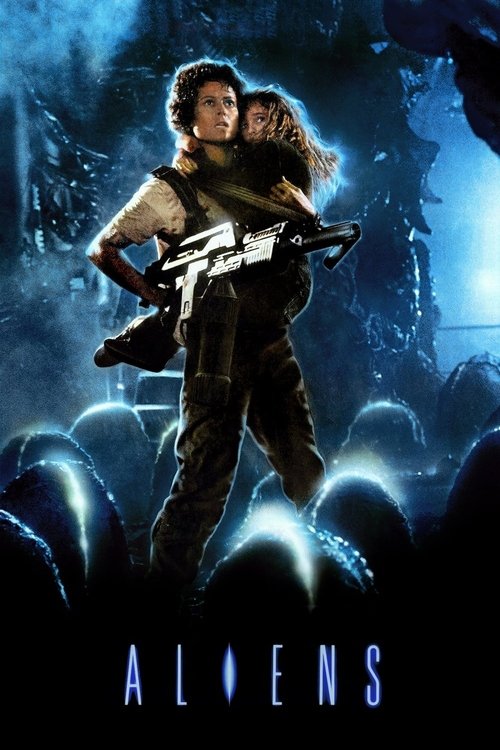
Films and series where the enemy is something that should not exist
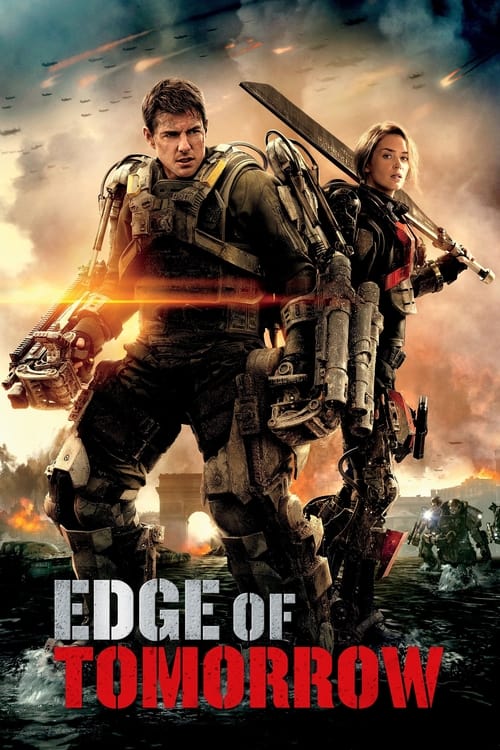
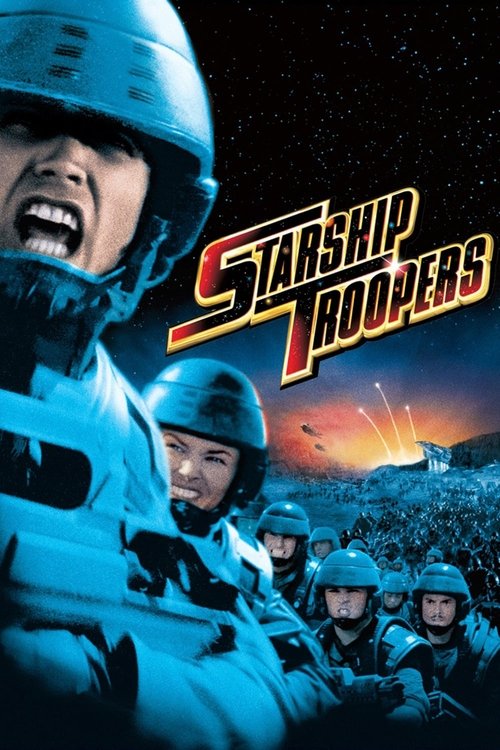


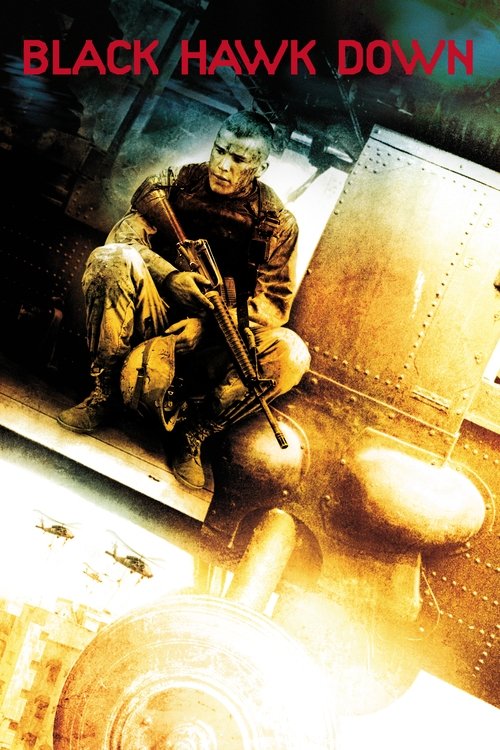
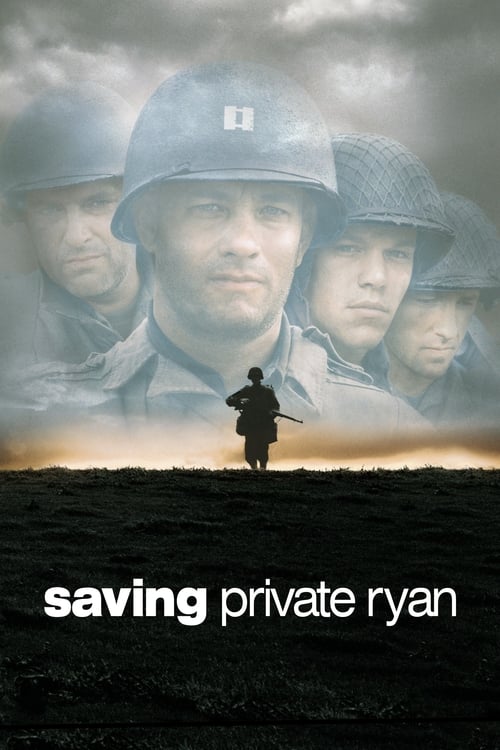
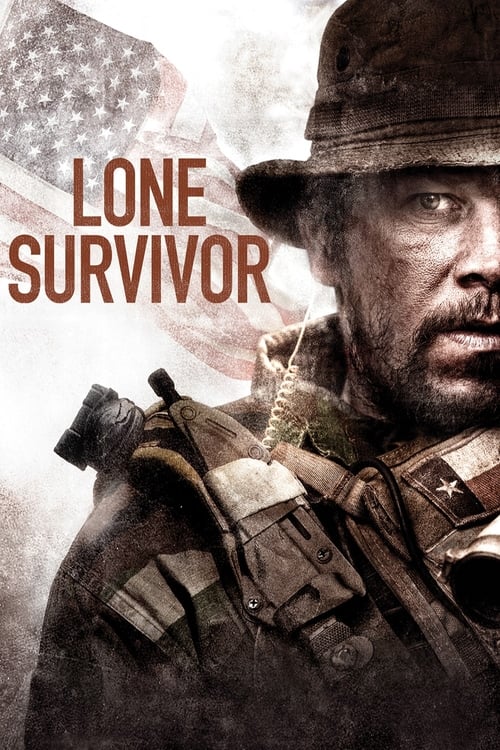
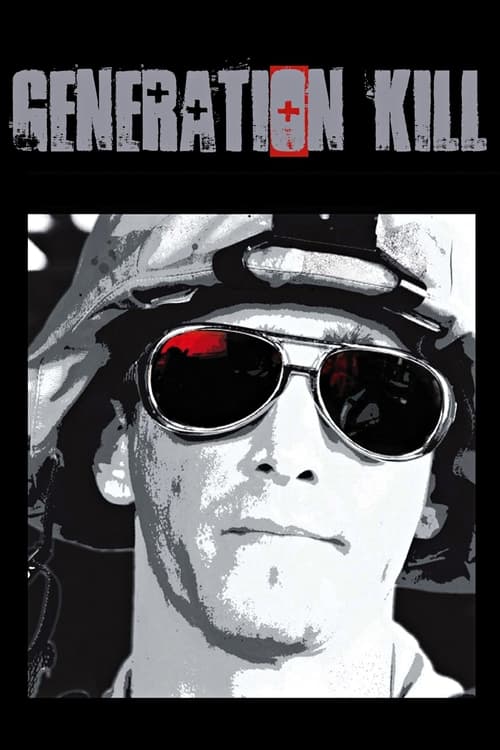
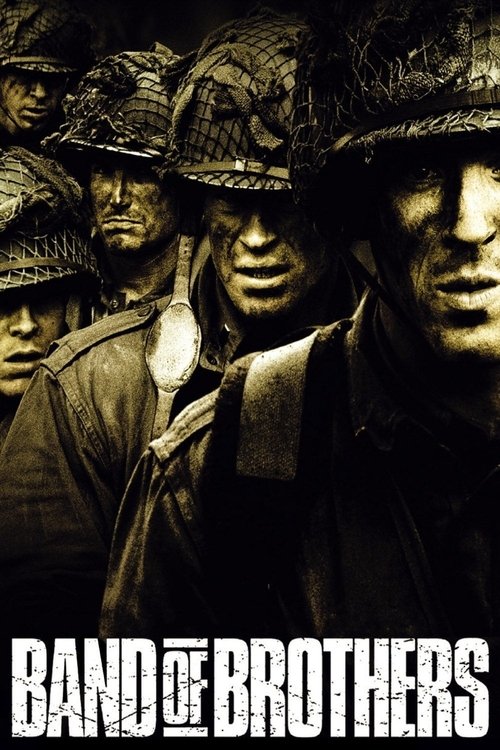
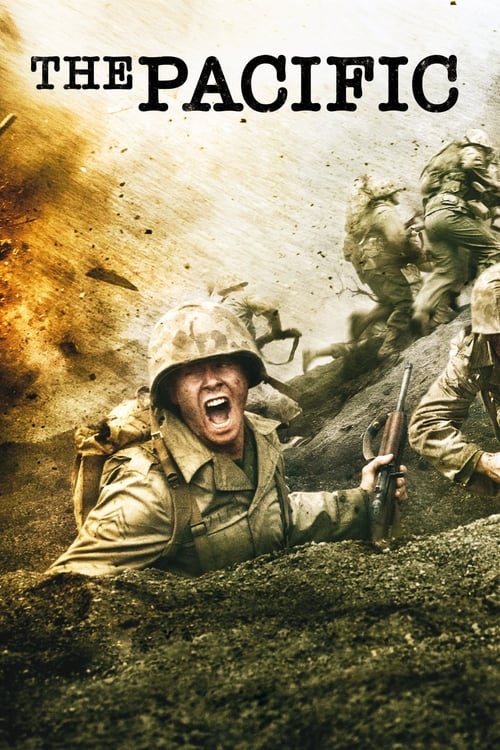
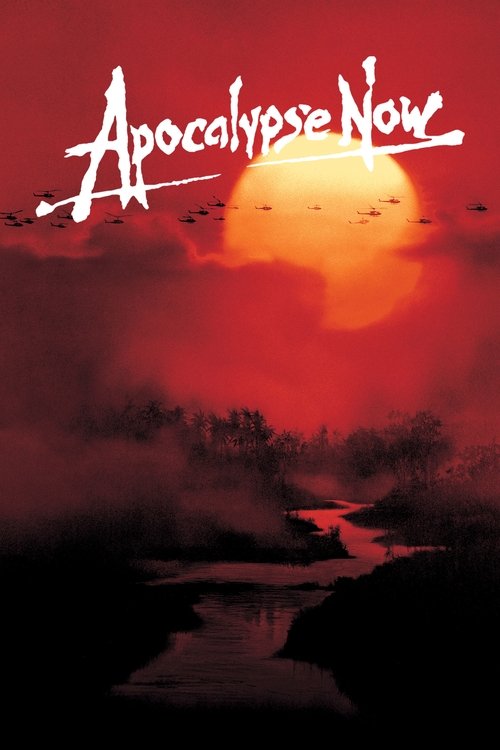
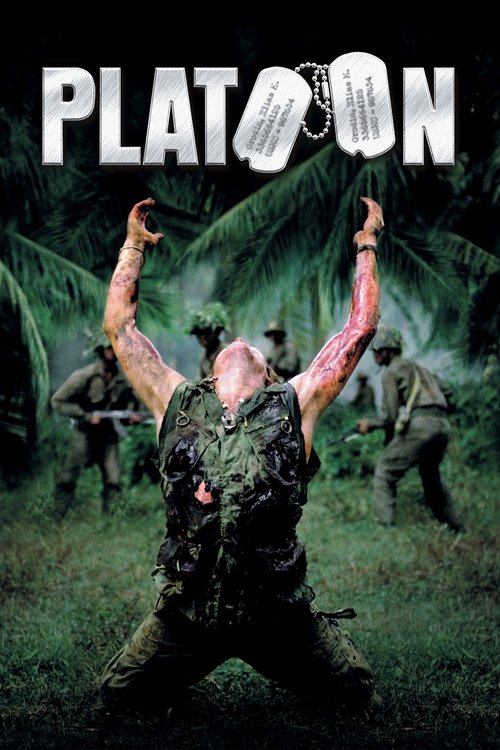
If You Love the Terran: Military Grit and Survival Under Fire
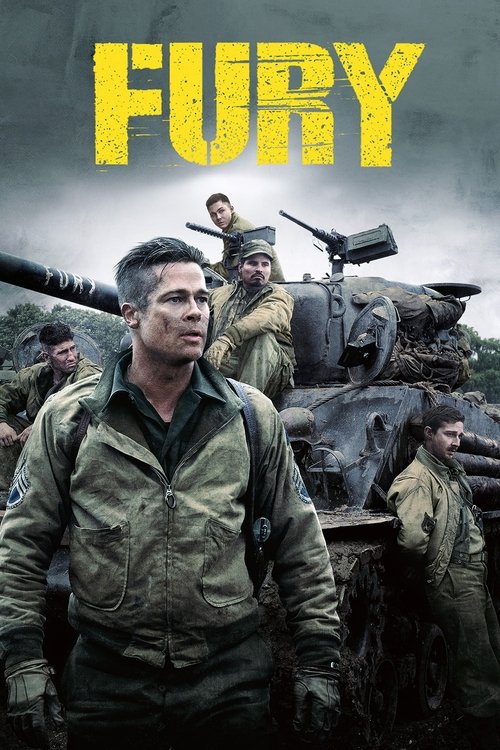
The best war films with the same muddy, desperate energy
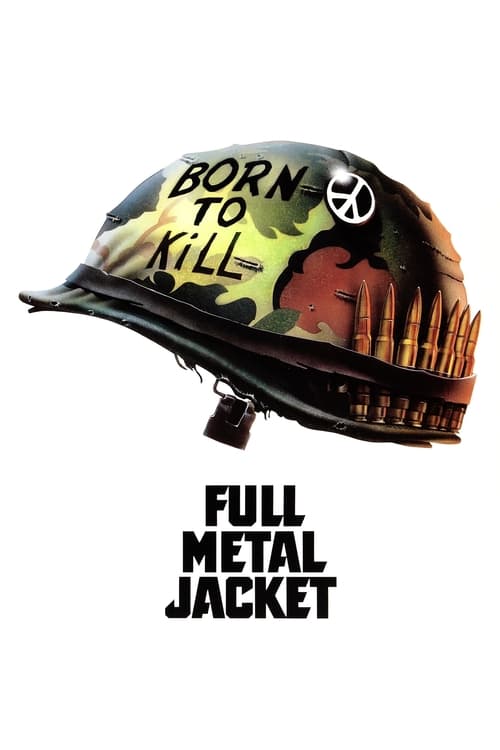
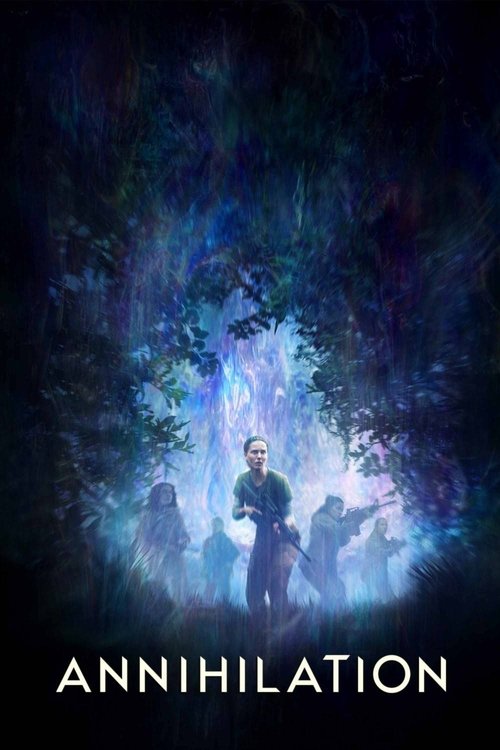
If You Love the Protoss: Ancient Warriors and Space Opera
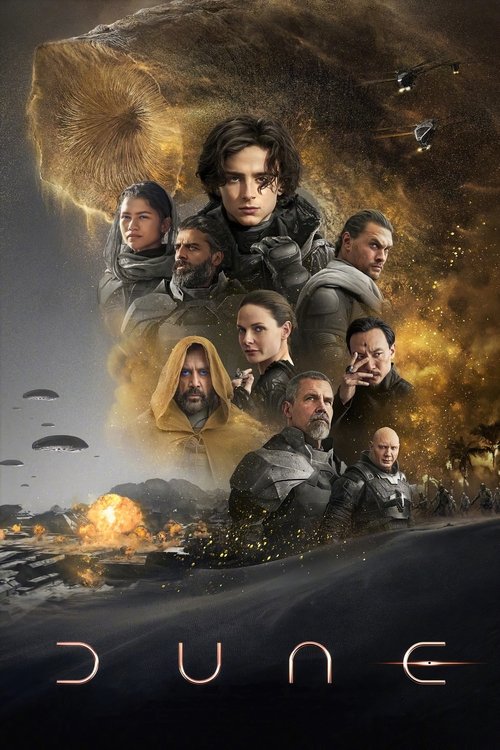
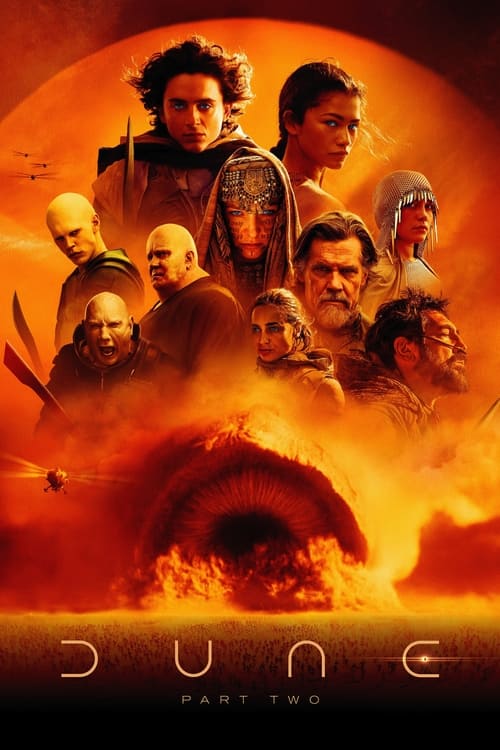
Epic sci-fi with honor codes, psionic power, and civilizations at the edge of ruin



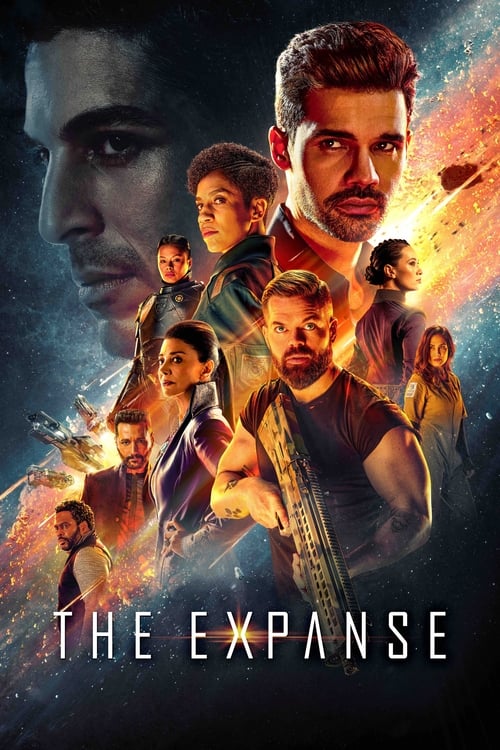
The Command Room: Other Great Strategy and RTS Games
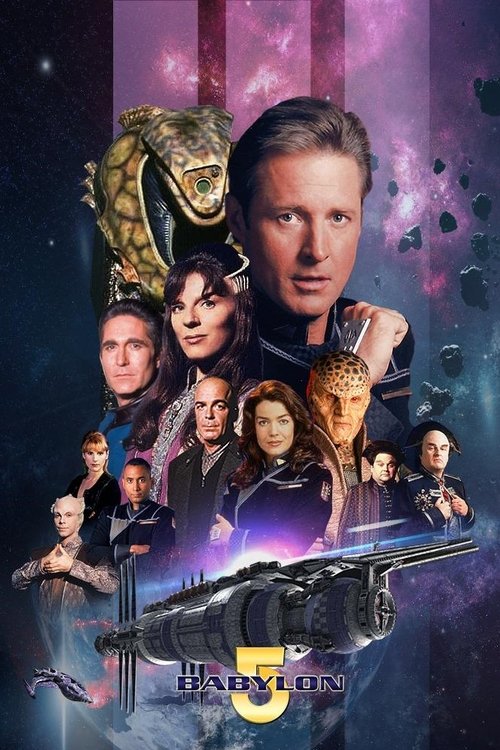
Games that demand the same map awareness, resource pressure, and split-second calls
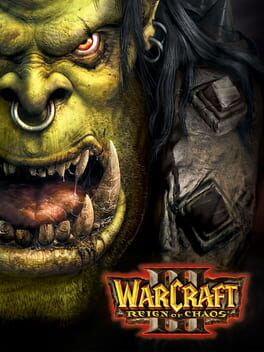
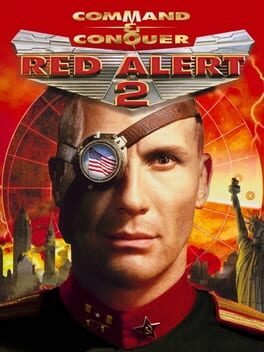
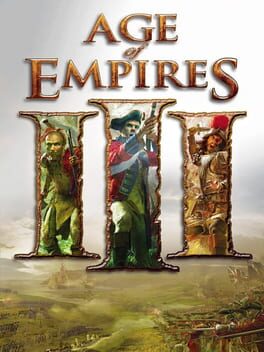
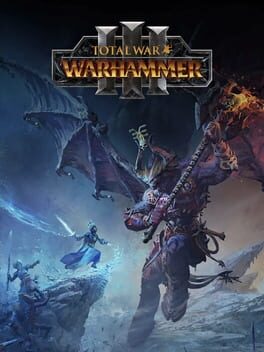

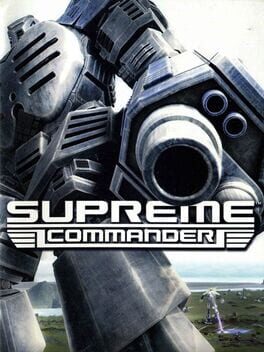
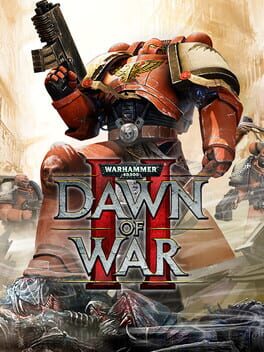
Brood War Is Still the Deepest Competitive Game Ever Made
Twenty-six years after release, StarCraft: Brood War tournaments still run in South Korea with broadcast deals and celebrity players. The game shipped with bugs Blizzard decided not to patch because the competitive community had built entire playstyles around them. Stacking units, worker block AI, lurker hold position, and mineral-only builds all emerged from the gap between intended and actual behavior. No designer planned this. The community built a game on top of the game, and that meta-game turned out to be richer than almost anything designed deliberately. When a player achieves 300 actions per minute to manually stagger tank fire, they are not using an exploit; they are playing the instrument at its ceiling.
The Zerg Are the Most Original Alien Faction in Strategy Gaming
Most alien factions in strategy games are reskinned humans or fantasy elves with laser weapons. The Zerg are neither. They consume genetic material from every species they assimilate and rewrite their own DNA in real time. Their buildings are living tissue. Their workers, the drones, sacrifice themselves to become those buildings. Their queen is both individual general and distributed nervous system for the entire swarm. This biological horror, where the enemy literally incorporates you, sits at the intersection of body horror and grand strategy in a way that almost no other game or film has managed.
Military Sci-Fi Novels Are the Best Companion to the Terran Campaign
The Terran Marine dropping from orbit in a CMC-300 powered combat suit is a deliberate echo of Robert Heinlein's Mobile Infantry from Starship Troopers and Joe Haldeman's Mandella from The Forever War. The novels those characters come from share StarCraft's preoccupations: the dehumanizing scale of interstellar war, the gap between enlisted reality and command ideology, and the specific alienation of soldiers fighting enemies they cannot comprehend. Playing the Terran campaign and then picking up The Forever War or Old Man's War produces an almost seamless continuity of mood.

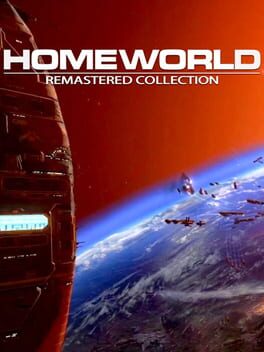
Homeworld Is the Space RTS StarCraft Players Should Play Next
Where StarCraft is about ground-level attrition and micro-management of individual units, Homeworld is about the loneliness of being the last of your people, moving your entire civilization through hostile space with no base to return to. The resource economy is simpler; the emotional weight is heavier. The two games share an understanding that strategy is not just about winning battles; it is about what you sacrifice to survive them. Homeworld Remastered Collection is one of the most visually striking games ever made and the best argument that the strategy genre can carry genuine grief.
StarCraft Universe: Key Moments
- 1998StarCraft launches, redefines the RTS genre with three asymmetric factions StarCraft
- 1998Brood War expansion ships; Korean PC cafes turn it into a national esport
- 2001The licensed novel series begins with Liberty's Crusade
- 2008Ghost: Nova novel fleshes out the covert ops storyline
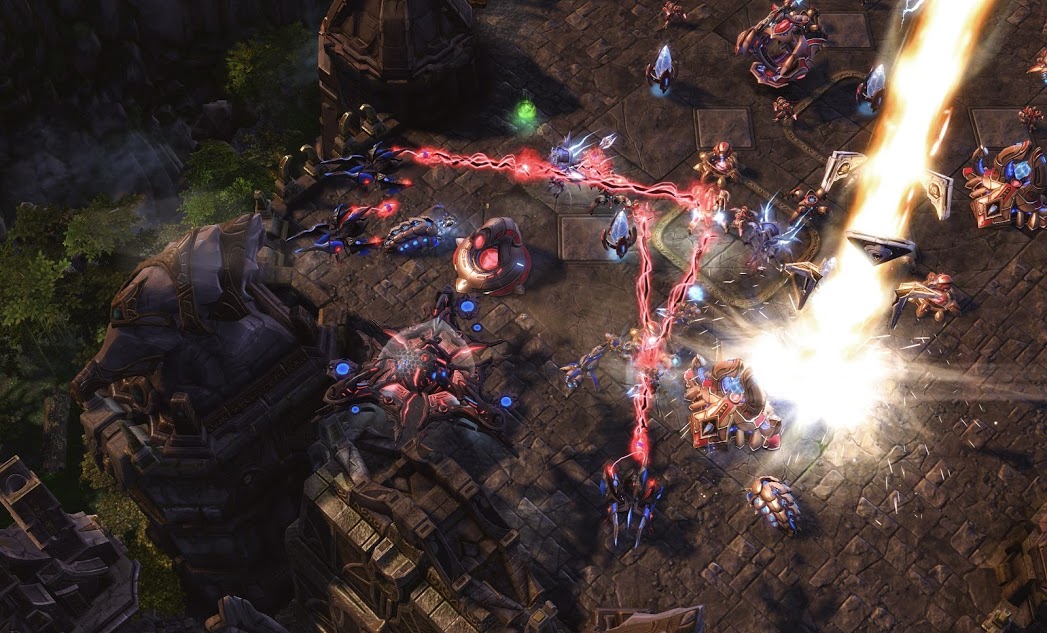
- 2010Wings of Liberty launches after twelve years of anticipation StarCraft II: Wings of Liberty
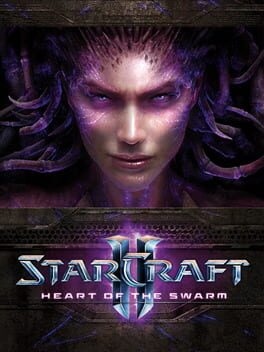
- 2013Heart of the Swarm reframes Kerrigan as tragic anti-hero StarCraft II: Heart of the Swarm
- 2015Legacy of the Void closes the Protoss arc and the Amon arc StarСraft II: Legacy of the Void
- 2016Nova Covert Ops DLC continues the covert-ops storyline in episodes StarCraft II: Nova Covert Ops
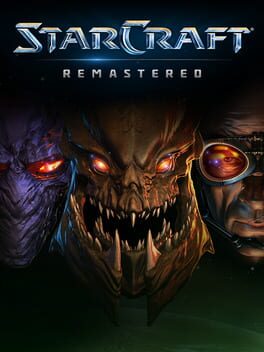
- 2017StarCraft: Remastered ships, preserving Brood War with updated visuals StarCraft: Remastered
- 2017StarCraft II multiplayer goes free to play, widening the competitive audience
Interstellar war and military sci-fi
Military Sci-Fi
Explore the Military Sci-Fi guide →StarCraft is chess that shoots back. The board is alive, the clock is always running, and every decision compounds.common refrain in the Korean esports broadcast community