
Gordon Sumner became Sting, and Sting became something harder to categorize than rock star. The Police era delivered some of the most rhythmically tense pop ever recorded, laced with reggae displacement and literary references. Then he walked away from the biggest band in the world and spent the next four decades following his ear: jazz, lute music, Broadway, Celtic folk, symphonic pop, tango. What connects it all is a restlessness that refuses comfort, a baritone that ages like good whisky, and an almost academic commitment to craft. Fans of Sting are fans of intelligence worn lightly, of world-class musicianship, of the belief that popular music can carry real weight.
Essential Sting
The solo records that define the range, from jazz-pop to orchestral
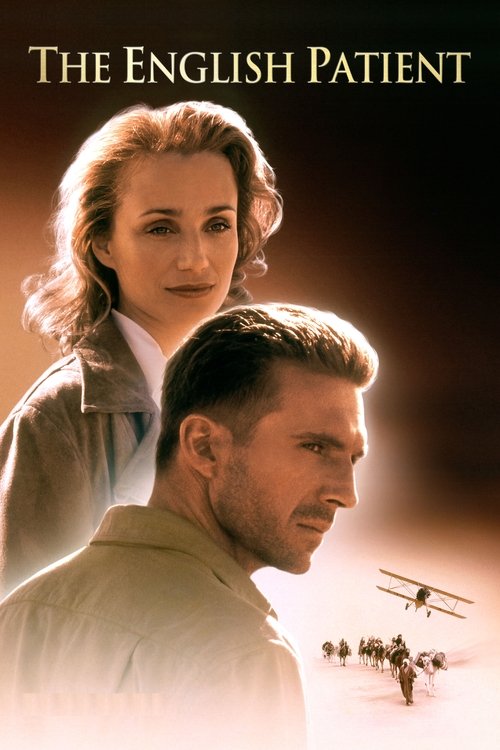
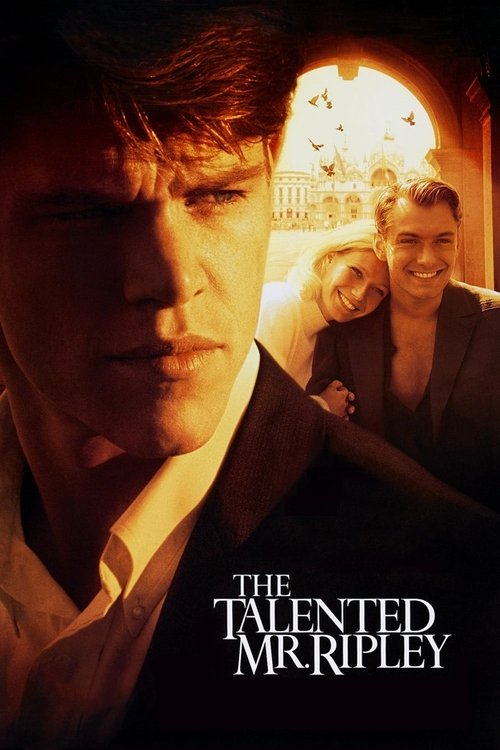
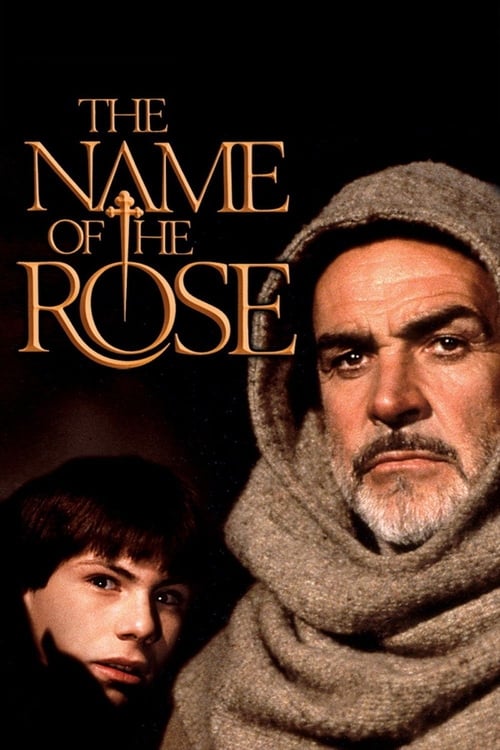
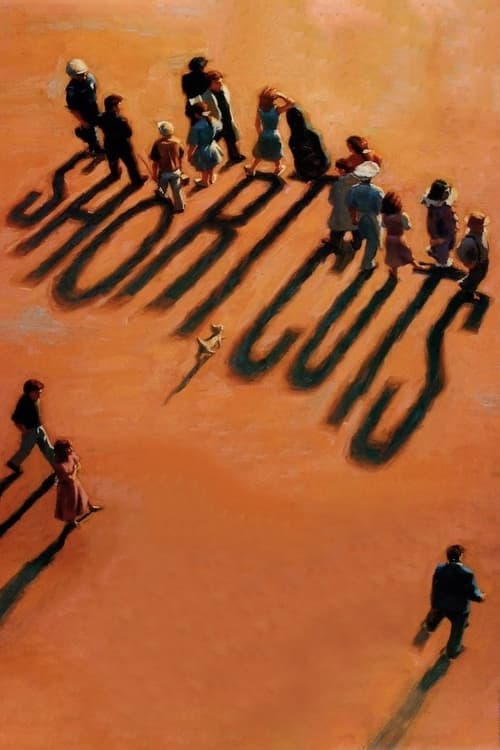
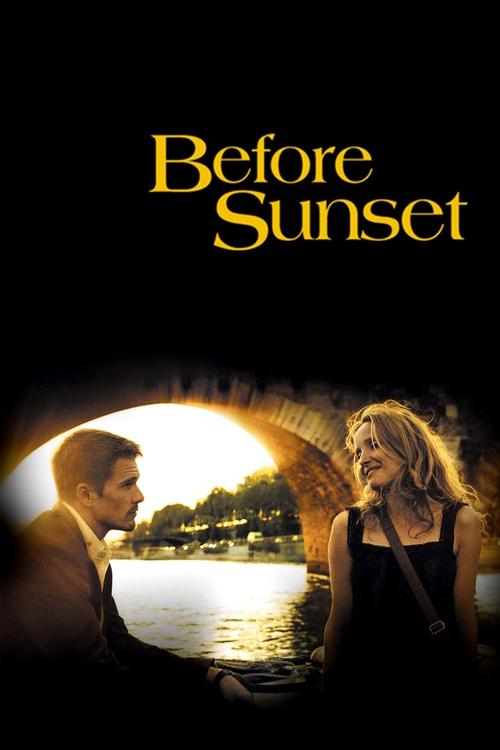
Sophisticated Cinema: World-Weary, Literate, Atmospheric
Films that share Sting's cool intelligence and global sensibility



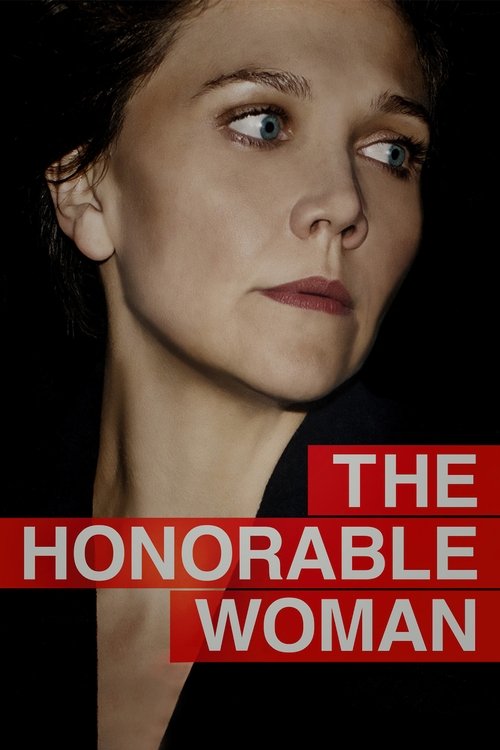
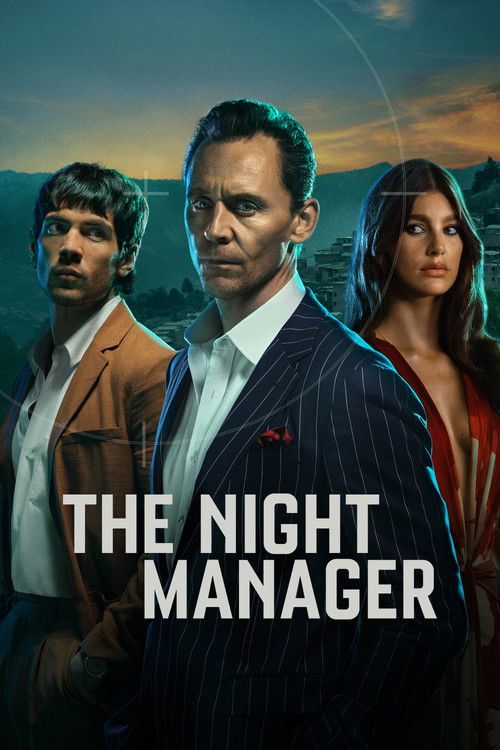
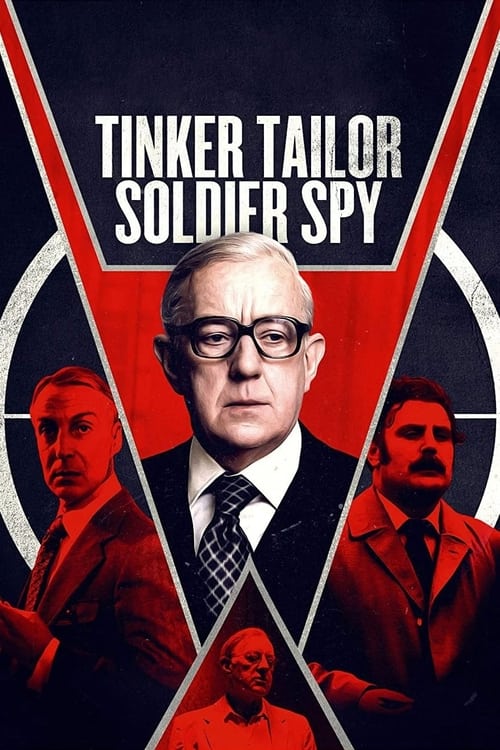
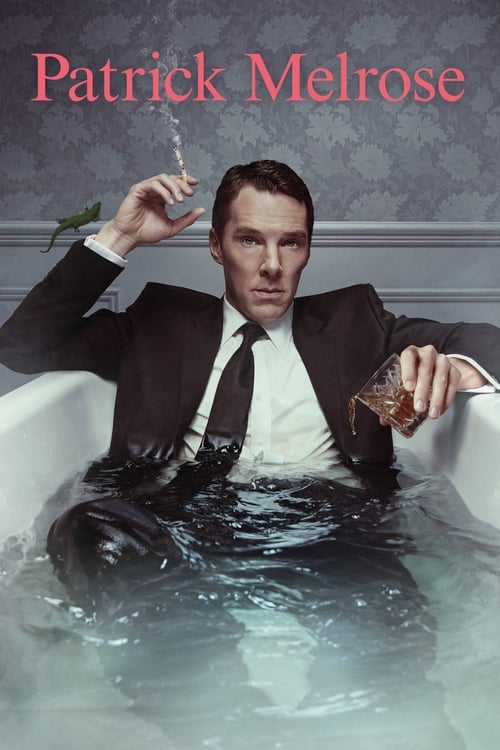
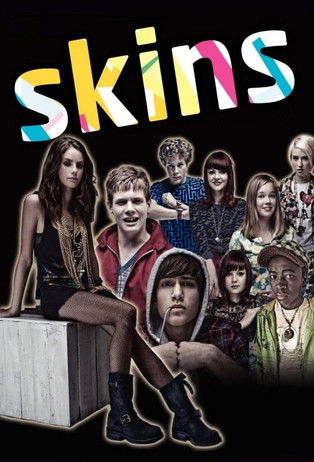
Series with the Same Atmosphere
Television that rewards an adult, global, literary sensibility
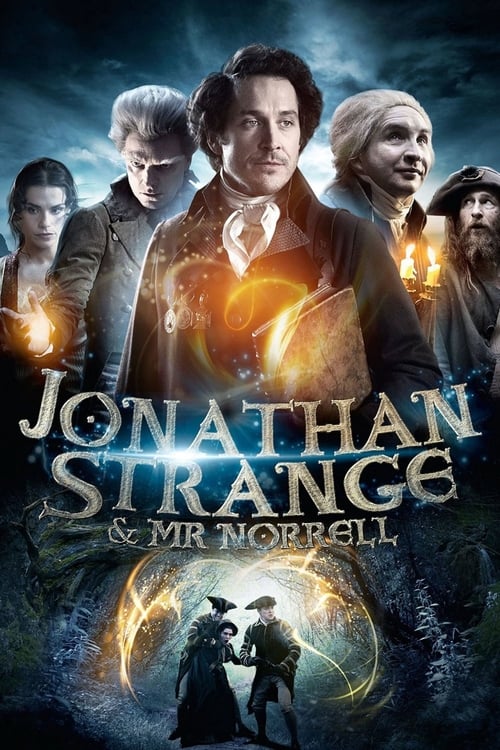
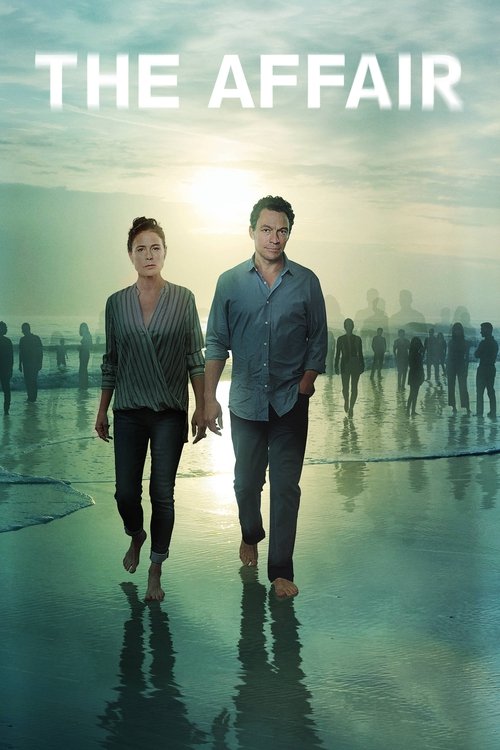
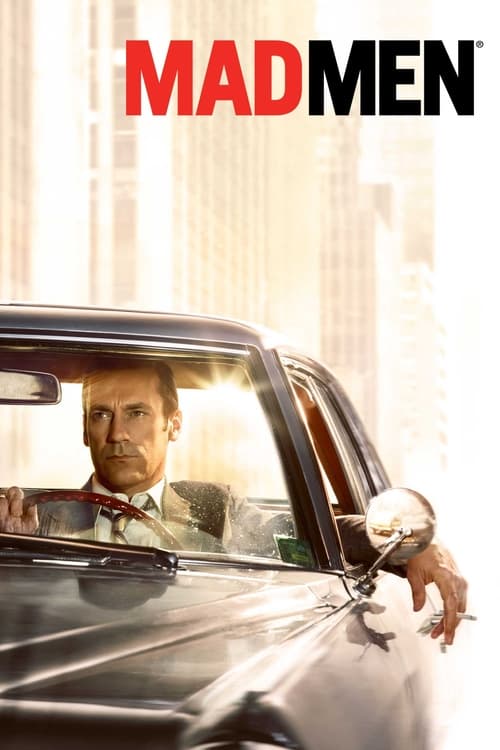
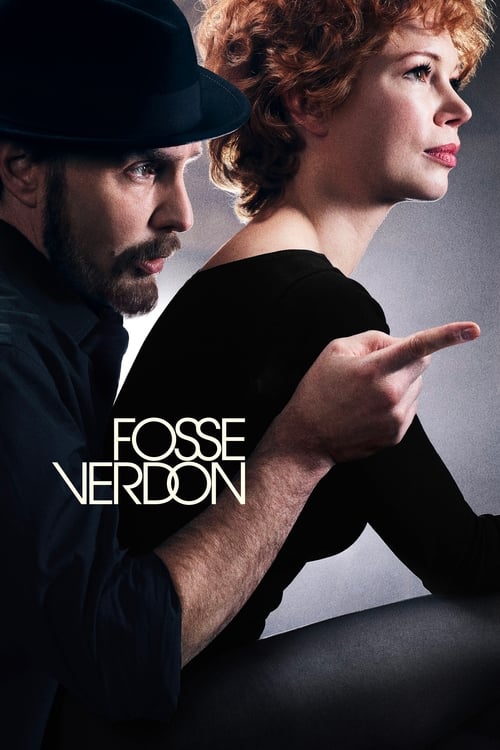

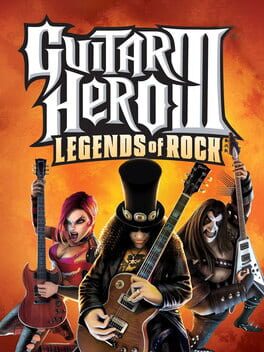
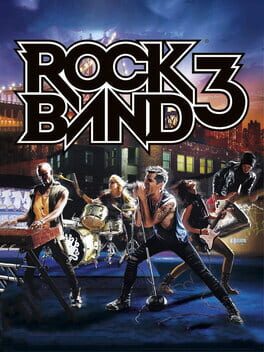
Rhythm, Groove, and Music Games
Games that put musicianship at the center



Books for the Sting Mindset
Literary fiction, memoir, and music writing that match the intelligence and wanderlust



The Blue Turtles Album Changed What a Rock Star Could Be
When Sting walked away from The Police in 1985 to record with Branford Marsalis, Omar Hakim, and Darryl Jones, the critical consensus was that he had lost his mind. The Dream of the Blue Turtles proved otherwise. It was the album that established a template almost no rock musician had attempted: genuine jazz ensemble playing, real harmonic ambition, and a lyrical vocabulary drawn from Jungian psychology, Nabokov, and labor history. Thirty-plus years on it still sounds startling.

Brimstone and Treacle: The Acting Career That Could Have Been
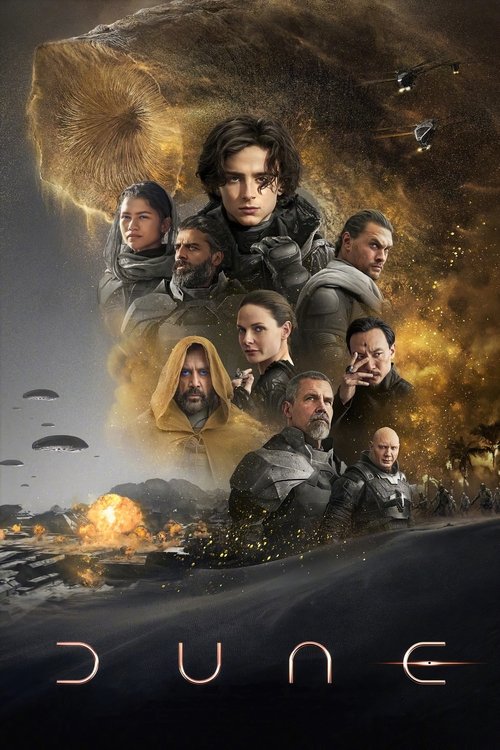
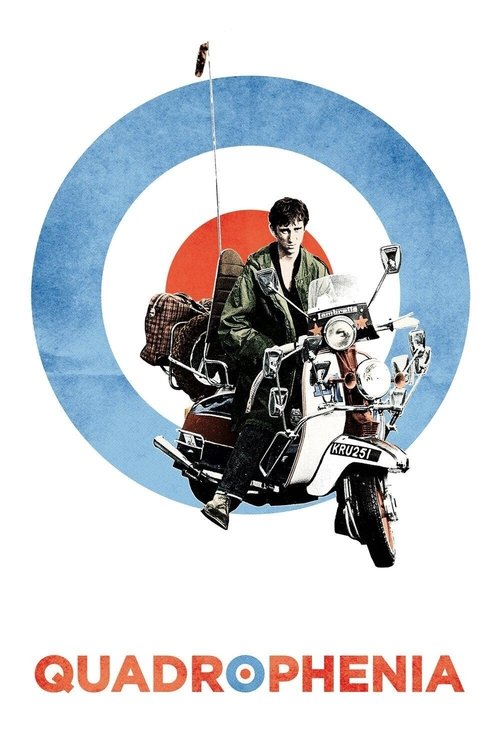
Before Sting became Sting the global pop star, he was a serious actor with an unsettling screen presence. Brimstone and Treacle, the 1982 Dennis Potter adaptation, cast him as a charming sociopath insinuating himself into a grieving household, and he was genuinely frightening. His role in Dune the same year and Quadrophenia before that showed real range. The acting career got eclipsed by the music, but the films hold up.
Songs from the Labyrinth: The Lute Record No One Saw Coming
In 2006 Sting recorded an album of 16th-century lute songs by John Dowland with lutenist Edin Karamazov. It was not a novelty project. The arrangements were immaculate, Sting's voice suited the melancholy modal harmonies perfectly, and the album reached the top of the classical charts in several countries. It is the most direct evidence of how wide his genuine curiosity runs, and a gateway into early music for listeners who never knew they were interested.
The Last Ship: Theater as Autobiography
Sting's 2013 concept album and subsequent Broadway musical drew directly on his Wallsend, Newcastle upbringing and the closure of the Swan Hunter shipyard. It was his most personal project in decades. The music was rooted in English folk and choral tradition, the characters were drawn from his own family, and the themes, economic loss and masculine identity and the meaning of skilled work, had genuine weight. The Broadway production was short-lived, but the album stands as one of his most coherent statements.
A Career That Keeps Refusing Categories
- 1977The Police form in London; Sting moves from Newcastle to pursue music full time
- 1978Debut: Outlandos d'Amour Outlandos d’Amour
- 1979Reggae, prog, and anxiety: Reggatta de Blanc wins first Grammy Reggatta de Blanc
- 1981Synth-rock and world music: Ghost in the Machine Ghost in the Machine
- 1982Acting in Brimstone and Treacle and Quadrophenia; Synchronicity in production Quadrophenia
- 1983Synchronicity goes to number one; Every Breath You Take becomes one of the most-played songs in history Synchronicity
- 1984Appears in Dune; The Police quietly disband Dune
- 1985Solo debut with jazz ensemble; changes what a rock star is allowed to be The Dream of the Blue Turtles
- 1987Nothing Like the Sun: Spanish and Brazilian influences, Quentin Crisp narrates …Nothing Like the Sun
- 1991The Soul Cages: a record about grief for his father The Soul Cages
- 1993Ten Summoner's Tales: the critical rehabilitation, Fields of Gold Ten Summoner’s Tales
- 1999Brand New Day reaches a mainstream pop audience; Desert Rose is everywhere Brand New Day
- 2006Songs from the Labyrinth: Dowland lute songs with Edin Karamazov Songs From the Labyrinth
- 2013The Last Ship: shipyard concept album rooted in Wallsend autobiography The Last Ship
- 201657th and 9th: a deliberate return to stripped-down rock
- 2021The Bridge: reflections on connection and loss during lockdown The Bridge
Restless songcraft and bandmates
For Fans of The Police
Explore the For Fans of The Police guide →I think what I do is make music that is emotionally intelligent. I don't know if that's a good thing or a bad thing, but it's what I do.Sting