
The Police arrived in 1977 dressed as punks but sounding like nothing else: Sting's reggae-locked bass lines, Andy Summers's chiming, effects-drenched guitar, and Stewart Copeland's hyper-precise polyrhythm built a template that dominated the early 1980s without ever fully belonging to it. Five studio albums in six years, a trajectory from cult new-wave act to the biggest band on the planet, then a clean, high-water-mark stop. No decline, no reunion album diluting the legacy. What The Police left behind is a body of work that rewards both the casual listener (the undeniable singles) and the deep listener (the jazz-inflected odd meters, the Nabokov references, the studio discipline). Fans tend to be people drawn to musicianship inside pop, to lyrics that trust the audience, and to a sound with genuine texture -- not manufactured gloss.
Essential The Police
The studio records, ranked by obsessive replays
On Screen: Docs and Concert Films
The Police and the musicians who shaped their world, captured live
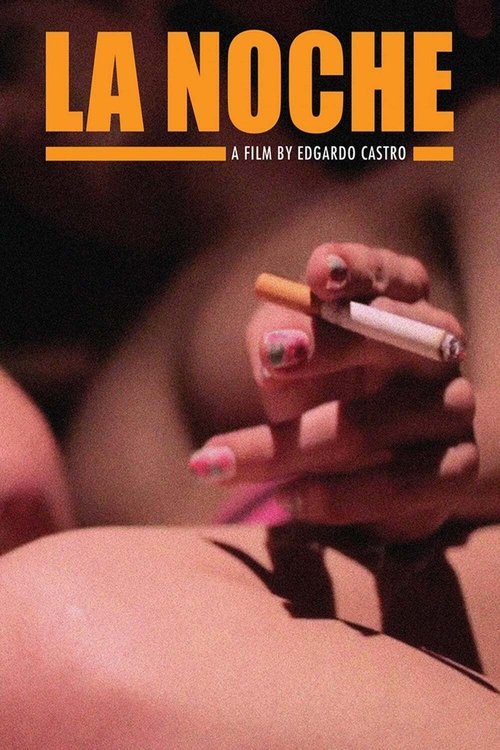
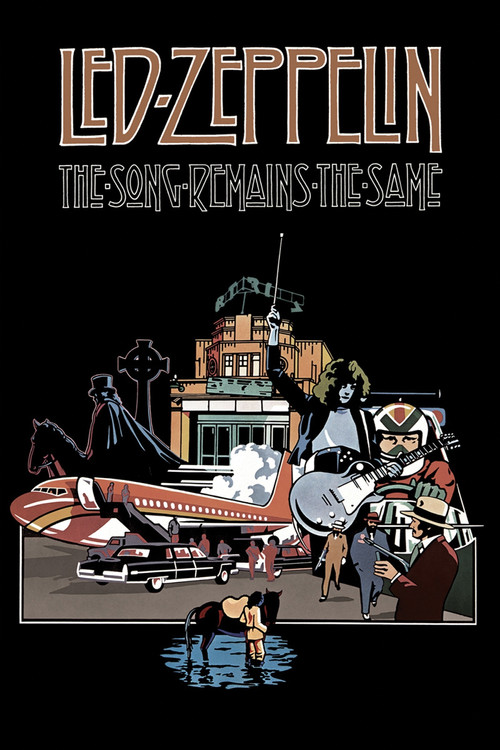
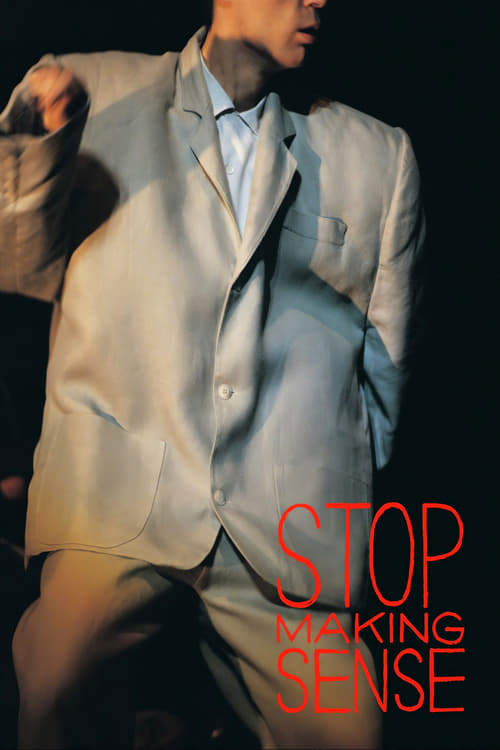
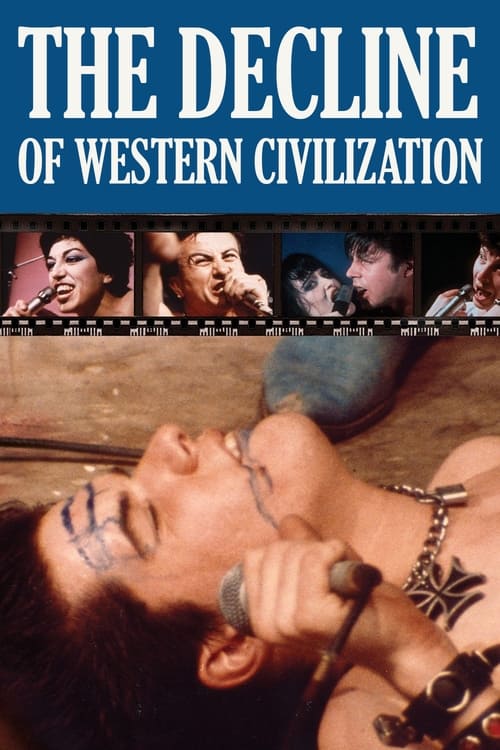
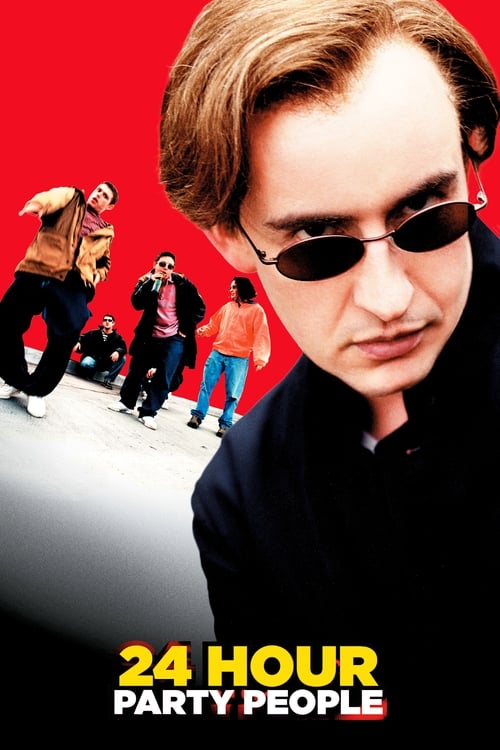
The Same Voltage: New Wave and Post-Punk Films
Cinema that breathes the same era and energy as Roxanne and Message in a Bottle
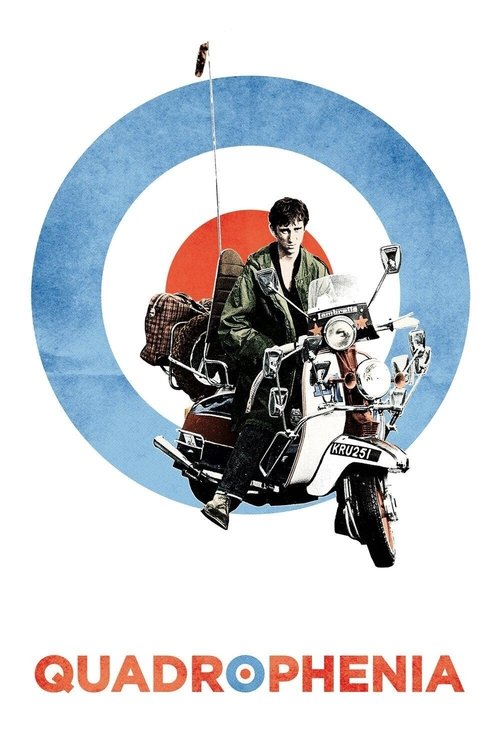
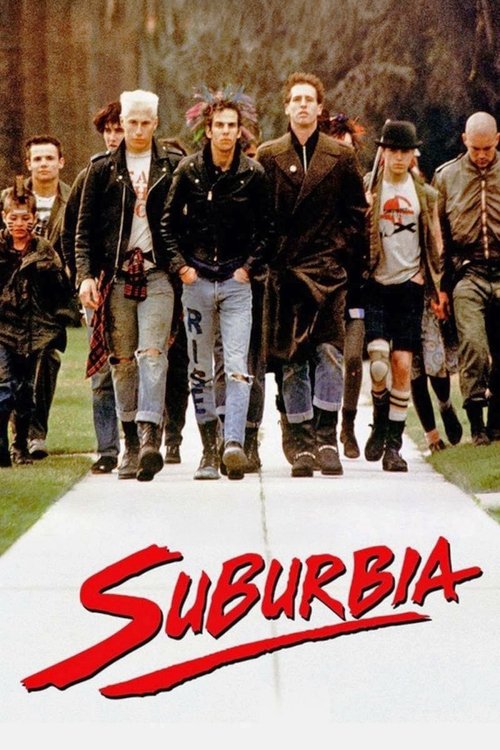

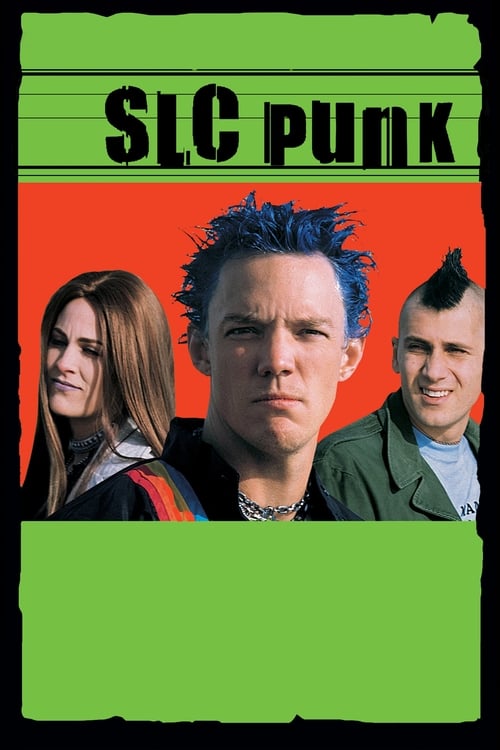
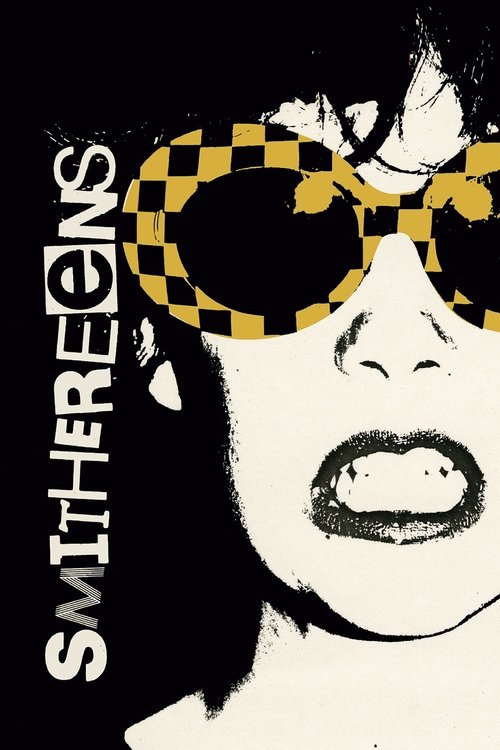
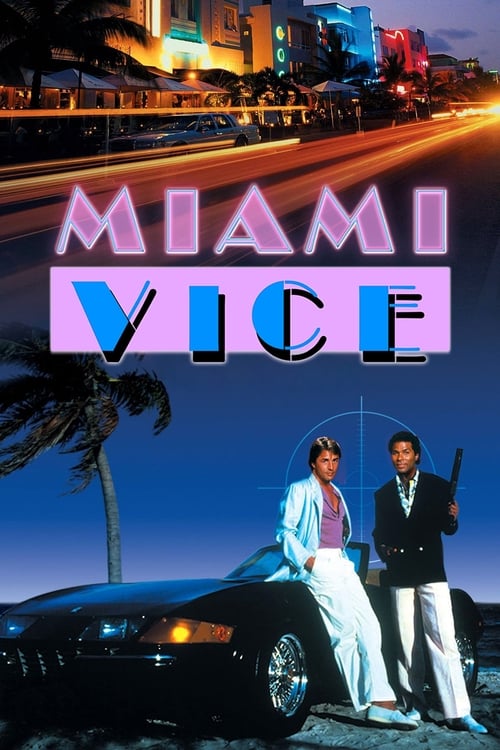
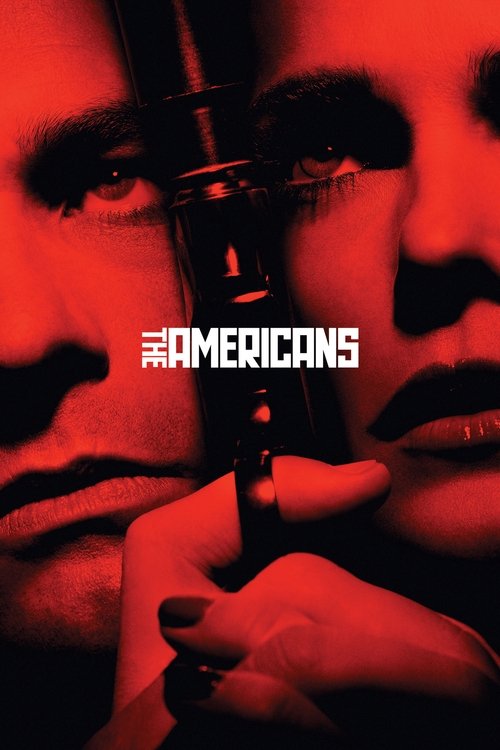
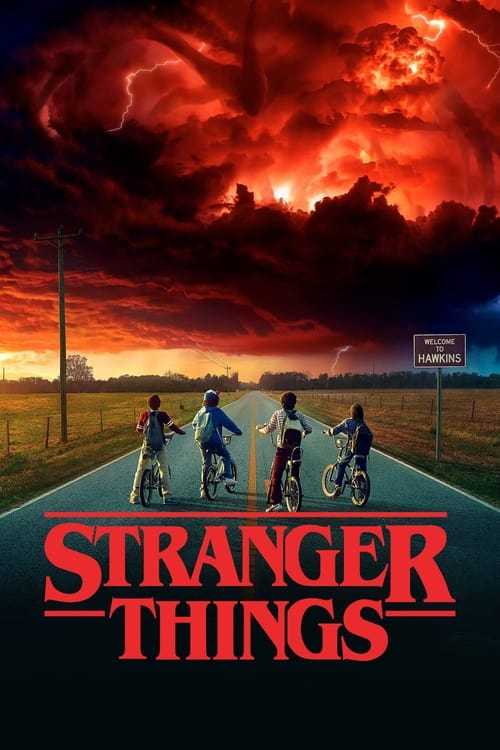
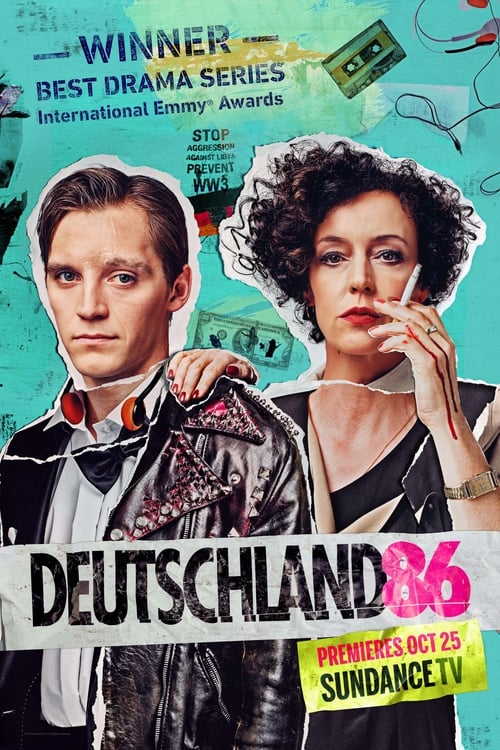
80s Series With That Restless, Neon Edge
TV that captured the decade's tension between cool and anxiety
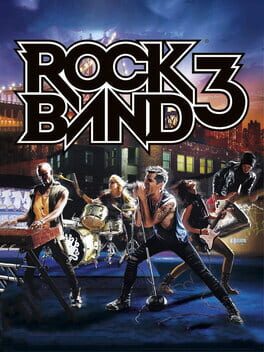
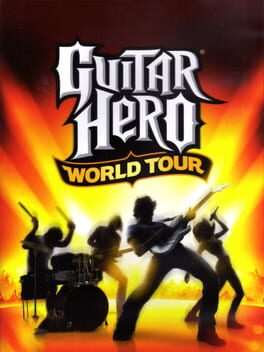
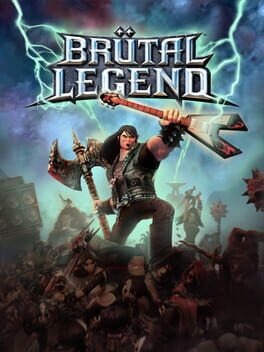
Play the Music: Rhythm and Rock Games
Games that put you inside the kind of tight, electric performance The Police lived for
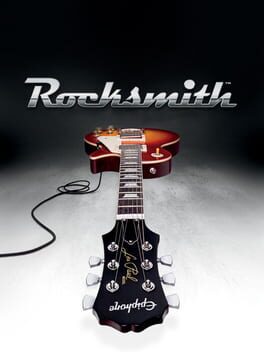
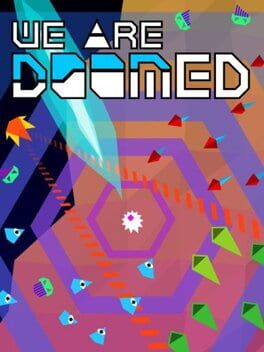
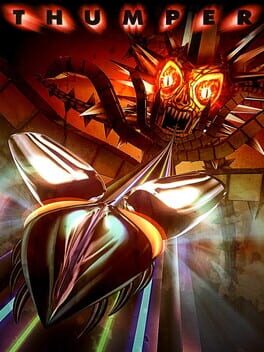
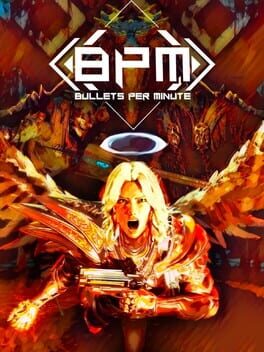
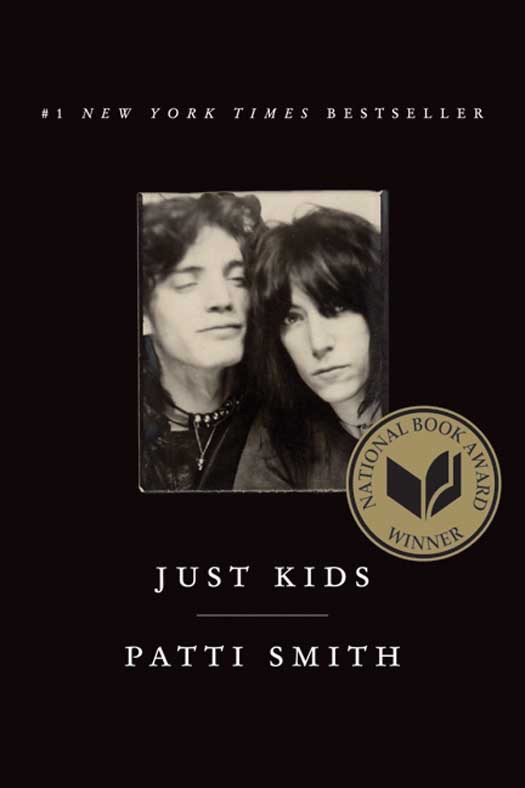
Books for the Thinking Fan
Music journalism, memoirs, and novels that share the intelligence Sting brought to pop



Synchronicity Is One of Rock's Perfect Albums
By 1983 most bands in The Police's position would have coasted. Instead, Synchronicity is austere, almost uncomfortable: the arrangements are stripped back, the lyrics borrow from Arthur Koestler and Nabokov, and the closer is a meditation on isolation disguised as a pop smash. Every Breath You Take is not a love song. Wrapped Around Your Finger name-checks Scylla and Charybdis. The album rewards attention the way the best literary fiction does, and it sounds just as good on headphones at 2 a.m. as it did in a stadium.
Stewart Copeland Deserves More Credit Than He Gets
The Police's rhythm section is the engine that made everything else possible. Copeland's style is a genuine innovation: ska-influenced hi-hat patterns, reggae ghost notes, and military-school precision, all at tempos and densities no one else was doing in pop. Summers's open-tuning guitar voicings left space. Sting's bass lines were melodic and driving simultaneously. The trio format was not a limitation -- it was a discipline that made every part count.
Everyone Stares Captures What Most Rock Docs Miss
Stewart Copeland shot Everyone Stares on Super 8 throughout the Synchronicity tour, and the result is unlike most authorized rock documentaries. There is no hero narrative, no crisis-and-triumph arc. Instead it is just the grind and the strange comedy of being enormously famous in very small rooms -- airports, hotels, soundchecks, the boredom between the spectacle. It demythologizes without being cynical.
Sting's Solo Catalog Is Harder to Dismiss Than It Sounds
Dream of the Blue Turtles divided opinion in 1985 precisely because it was not The Police. Jazz musicians, ambitious arrangements, lyrics about Russians and nuclear anxiety. It is uneven and occasionally self-serious, but Ten Summoner's Tales from 1993 is genuinely excellent: accessible, warm, melodically rich, and the kind of album that rewards long-haul listening in a way Sting's reputation for pretension has unfairly obscured.
The Arc
- 1977Outlandos d'Amour recorded on a shoestring in London; Roxanne rejected by the BBC for suggestive content Outlandos d’Amour
- 1979Reggatta de Blanc goes to number one in the UK; Message in a Bottle becomes their first UK chart-topper
- 1980Zenyatta Mondatta released; Don't Stand So Close to Me wins their second consecutive Grammy for Best Rock Performance
- 1981Ghost in the Machine marks the shift to keyboards and orchestration; Invisible Sun banned by the BBC for its Northern Ireland imagery Ghost in the Machine
- 1983Synchronicity is the year's best-selling album globally; Every Breath You Take spends eight weeks at number one in the US Synchronicity
- 1984The band quietly dissolves after the Synchronicity tour; no announcement, no farewell record
- 1985Sting releases The Dream of the Blue Turtles with a jazz ensemble, beginning a long solo career The Dream of the Blue Turtles
- 2006Everyone Stares released theatrically, reframing the band's history through Copeland's Super 8 footage
- 2007The Police reunite for a full world tour, one of the highest-grossing in history, with no new material
More Sting and new wave
For Fans of Sting
Explore the For Fans of Sting guide →We were three very different people who had very little in common except genius.Stewart Copeland