
Alan Moore arrived on Saga of the Swamp Thing in 1983 with issue 21 and immediately reframed the premise: the creature readers thought was a man transformed into a plant was, in fact, a plant that believed it was a man. That single conceptual pivot opened the book to questions about consciousness, ecology, grief, and the seductive pull of the natural world reclaiming what civilization has damaged. Moore's run, with artists Steve Bissette and John Totleben, made horror comics literary and helped establish the template for what Vertigo imprint would become. What draws readers back is not the monster but the melancholy, the lush prose captions, and the genuine philosophical weight underneath the swamp-water atmosphere.
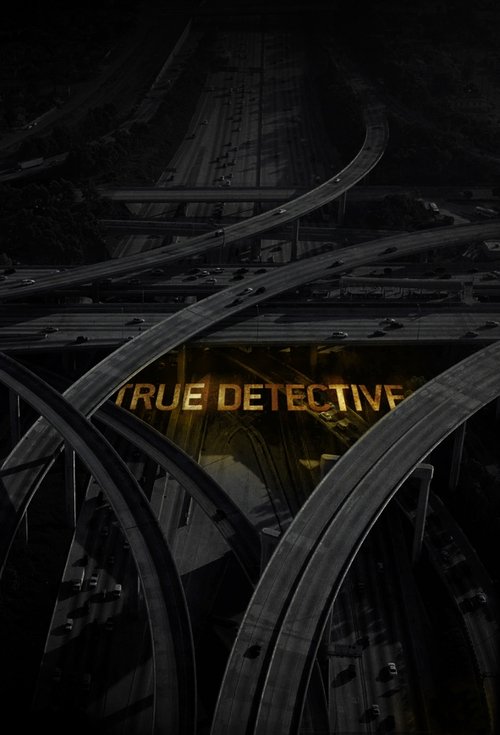
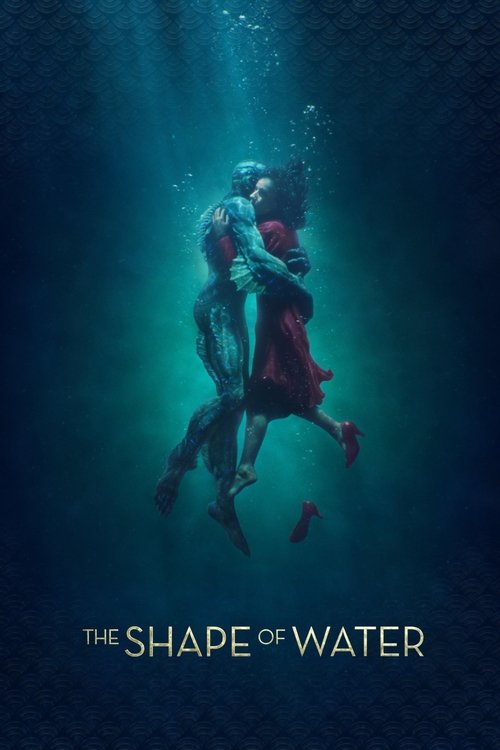
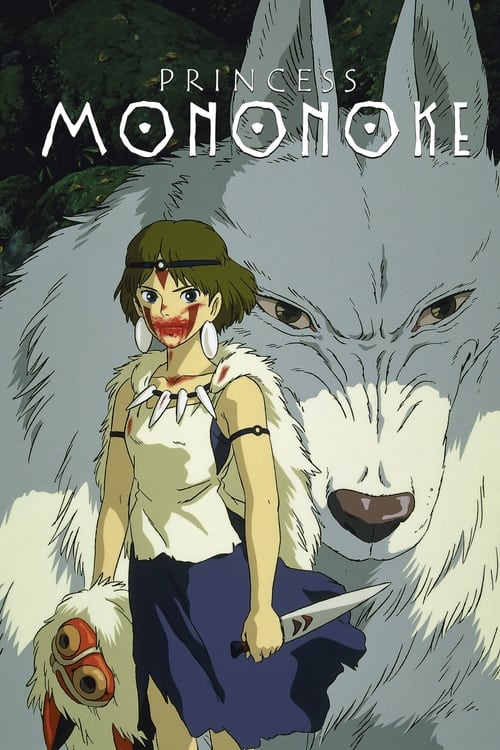
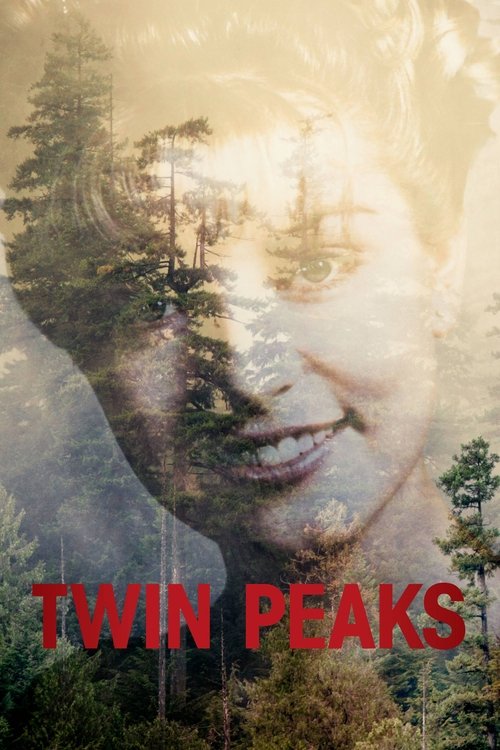
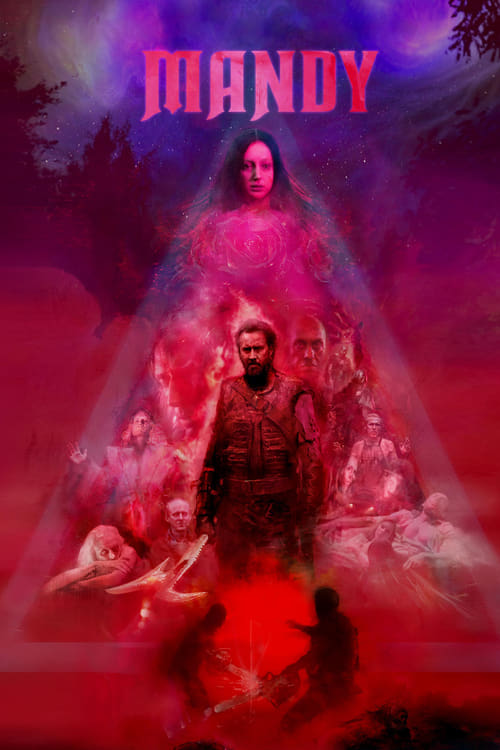
Screen Swamps: Adaptations and Spiritual Kin
Film and TV that draws directly from the source or shares its gothic-ecological mood
If You Love Moore, Read These
Comics writers who share Moore's ambition to push genre into literary territory


Nature as Horror: Novels in the Same Register
Fiction where the natural world is uncanny, threatening, and alive with meaning


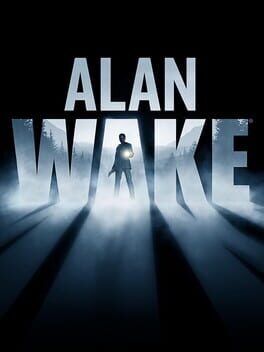
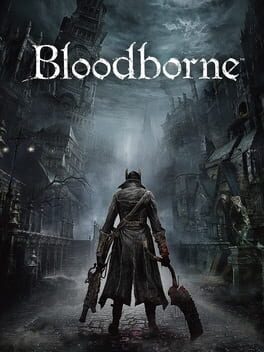
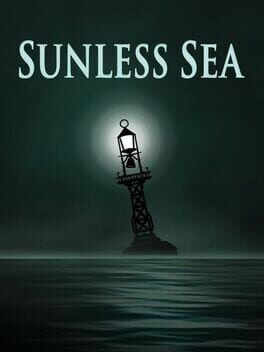
Games That Share the Green and the Dread
Games where nature, body horror, and ecological unease drive the experience

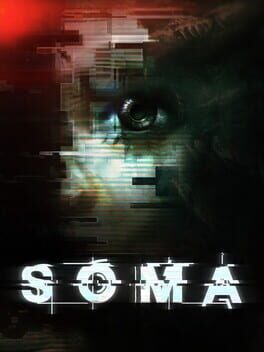

Body Horror as Philosophy
The horror in Moore's Swamp Thing is rarely violent. It is ontological. When the character discovers it is not human, the reader is asked to follow a consciousness working through what identity actually requires: memory, continuity, the stories a mind tells about itself. That puts the book in conversation with Kafka, Borges, and Philip K. Dick more than with most superhero comics. The gross-out imagery is there, but it serves a genuinely unsettling question.
John Constantine's Origin, and Why It Matters
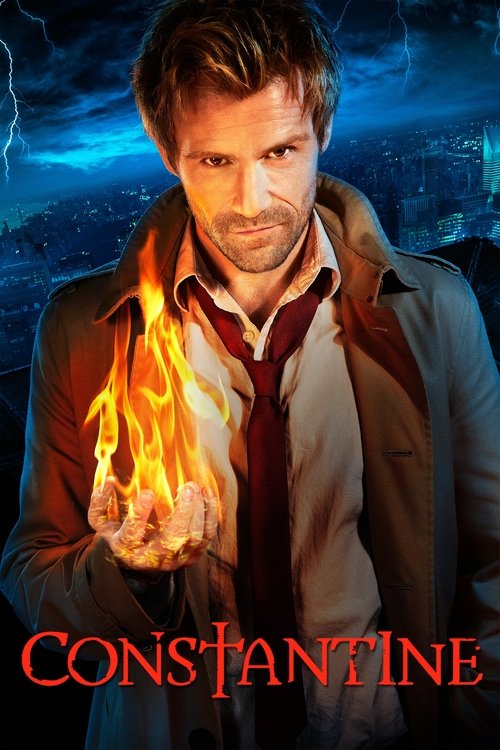
Constantine first appeared in Swamp Thing #37, designed by artist Steve Bissette partly to resemble Sting. What looked like a gimmick became one of comics' most durable characters: a working-class occultist who uses people and knows it, operating in a world where the supernatural is mundane and power always costs something. The Hellblazer series that followed is the longest-running Vertigo title, and it owes its entire premise to the texture Moore built in the Louisiana bayou.
The Shape of an Influence
- 1971Swamp Thing debuts in House of Mystery #92, created by Len Wein and Bernie Wrightson
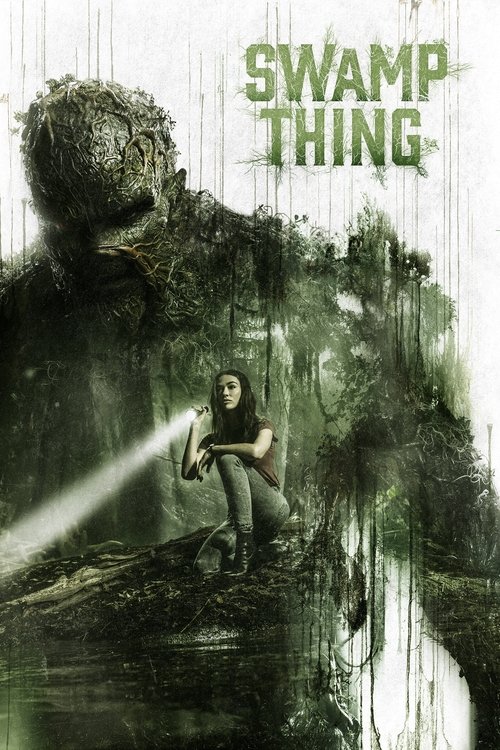
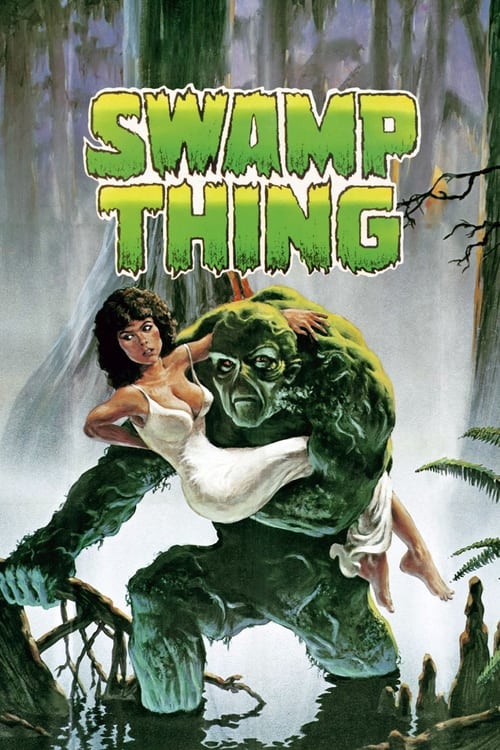
- 1982First Swamp Thing film directed by Wes Craven Swamp Thing
- 1983Alan Moore takes over with issue 21, the transformative retcon issue
- 1986John Constantine spins off; Moore completes his run at issue 64
- 1989Swamp Thing live-action TV series runs for three seasons on USA Network Swamp Thing
- 2019DC Universe streaming series brings the character back with strong reviews before cancellation Swamp Thing
Monsters, nature, and being human
For Fans of Watchmen
Explore the For Fans of Watchmen guide →He is the plant that dreams it is a man. What is more unsettling: that the dream is wrong, or that it may not matter?CrossBinge