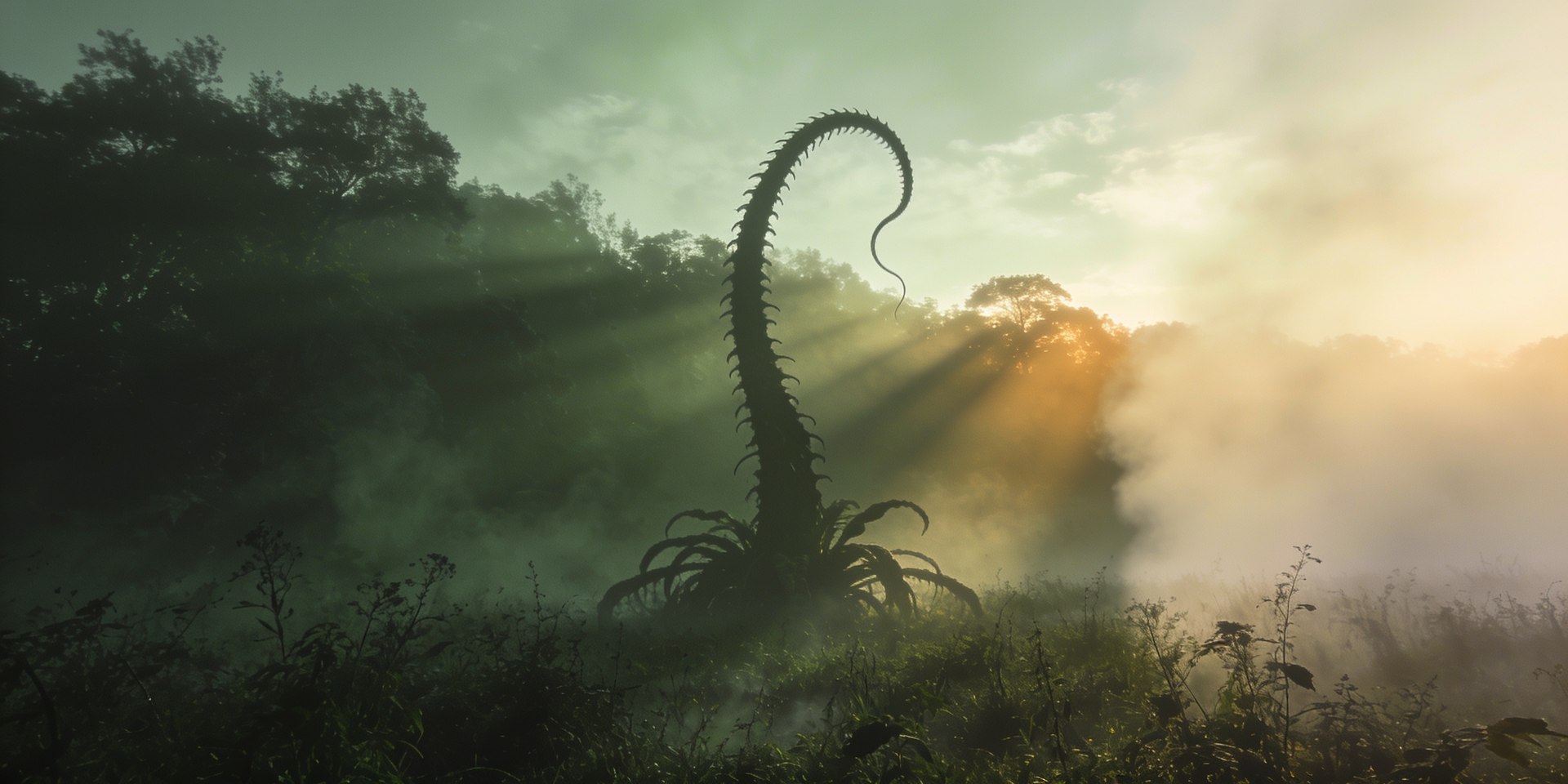

We are not supposed to be afraid of plants. They do not chase, they do not bite, they do not look back at you. That is exactly why botanical horror works so well when it works at all: it takes the most passive thing in the landscape and makes it patient, intelligent and hungry. A vine does not need to run you down. It only needs to wait, and grow, and be there when you stop moving.
The genre splits roughly in two. There is the literal killer plant, the triffid that walks and the venus flytrap the size of a man, played sometimes for terror and sometimes, as in Little Shop of Horrors, for gleeful black comedy. And there is the quieter, stranger strain: the forest that is wrong, the spores that change you, the bloom that rewrites everything it touches. The second kind has aged better. A man-eating flower is a creature feature. A landscape that is slowly turning you into part of itself is something closer to a nightmare you cannot wake from, and the best work in this guide lives in that second register.
Essential botanical horror
The canon of hungry green, across every medium
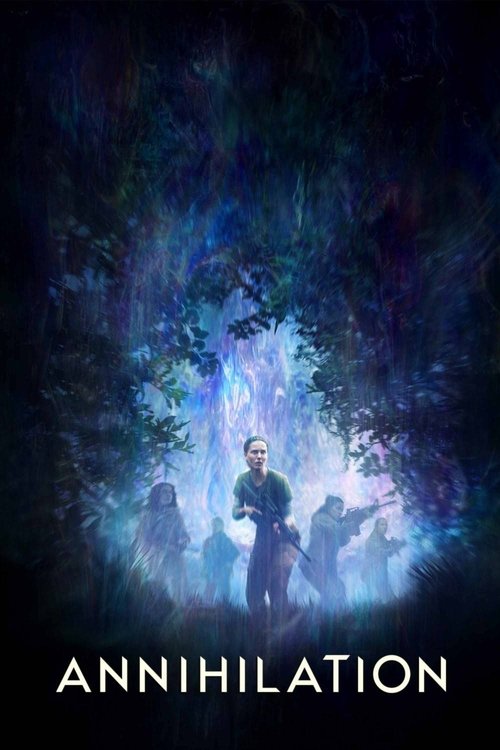

Annihilation is the high-water mark of the genre
Alex Garland's Annihilation (2018) understood that the scariest thing a plant can do is not eat you but rewrite you. Inside the Shimmer, the flora has stopped obeying the rules. Flowers of different species grow from a single stem. A hedge maze of human shapes stands frozen in mid-transformation, leaves erupting from where arms used to be. The film never explains itself, and that restraint is the point: this is biology as cosmic horror, refraction instead of malice.
Jeff VanderMeer's source novel, the first book of the Southern Reach trilogy, is even stranger and more interior. Where Garland gave us a visual spectacle, VanderMeer gives us the slow dread of a biologist realizing that the Area is not a place she is studying but a process that is studying her back. Read the book, then watch the film, and treat them as two takes on the same impossible idea rather than an adaptation.
When the plants attack: horror on film
Triffids, spores, killer blooms and the green that turns on us
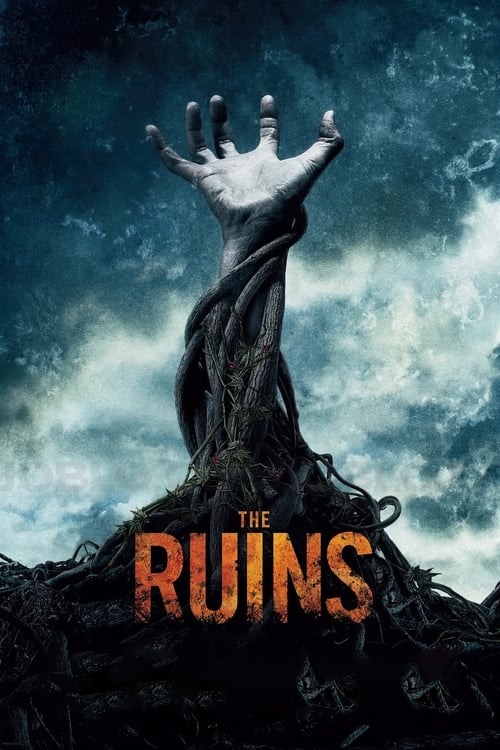
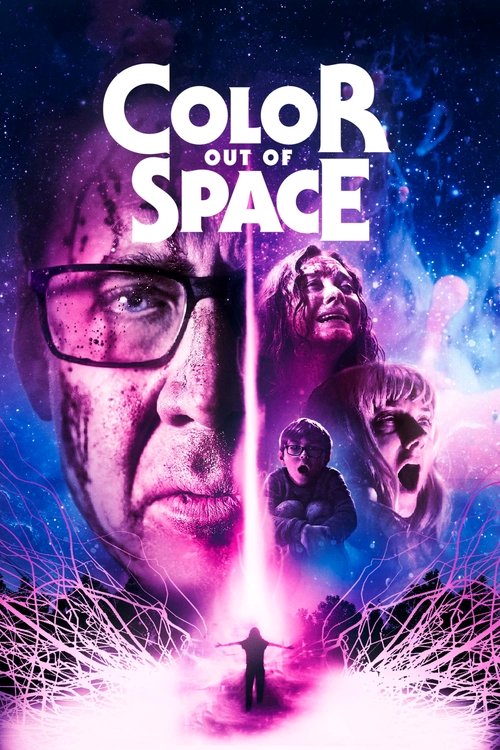
The friendly monster
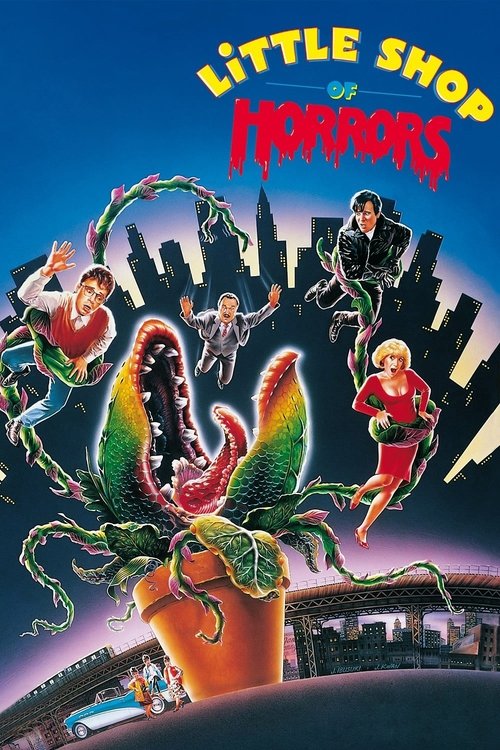
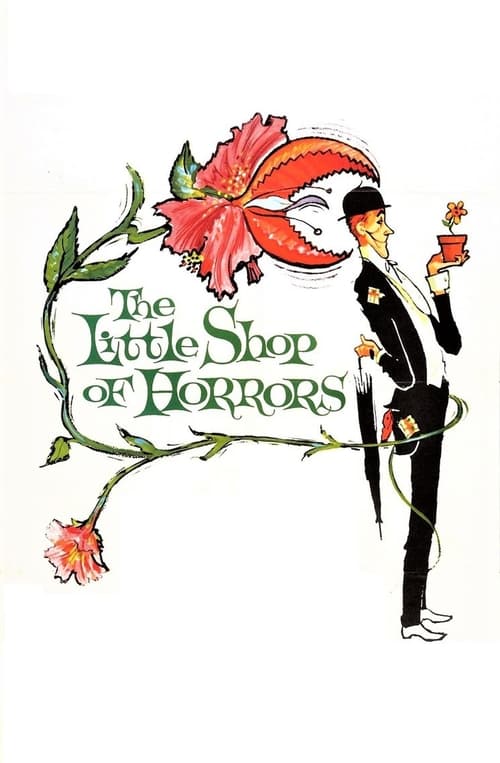
Not all killer plants want to kill the mood. Little Shop of Horrors is the genre's beloved black sheep: a doo-wop musical about a man-eating venus flytrap from outer space that talks like a soul singer and demands to be fed. Frank Oz's 1986 version, built on Howard Ashman and Alan Menken's stage songs, is the definitive one, a film that knows a giant carnivorous plant named Audrey II is inherently ridiculous and leans all the way in. Roger Corman's scrappy 1960 original shot the whole thing in a couple of days and is worth seeing for how much menace it wrings out of almost nothing.
The trick Little Shop pulls is that the comedy never undercuts the horror, it sharpens it. Seymour keeps feeding the plant because it makes him successful, and every escalation is a small moral collapse dressed up as a showstopper. It is the rare killer-plant story that is actually about appetite, ours as much as the plant's.
Comedy, camp and the man-eating bloom
From Audrey II to swamp gods, the green that bites with a grin
Folk horror is where plants get truly sinister
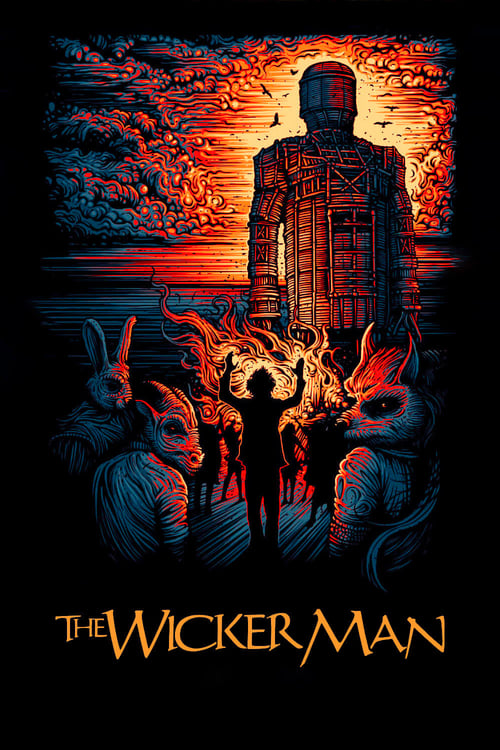
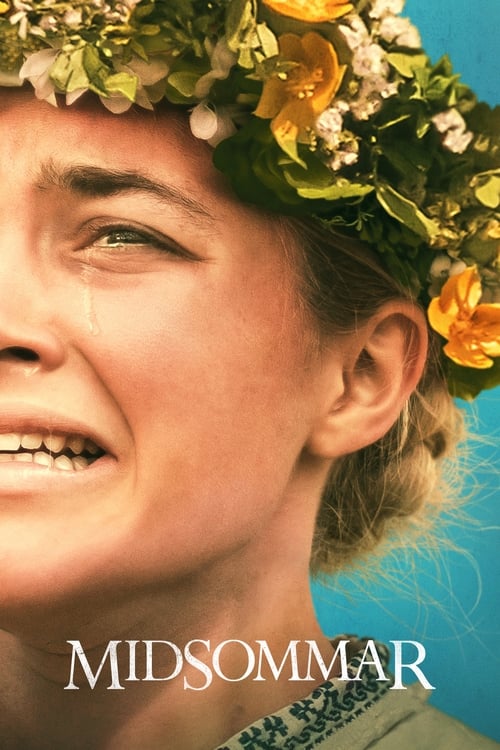
The plants in folk horror rarely attack. They preside. The Wicker Man (1973) is the keystone: a sun-drenched island where the flowers, the orchards and the harvest are all part of a system that needs a sacrifice to keep growing. The horror is agricultural. The land is fertile because something feeds it. Midsommar (2019) takes the same logic into the endless Swedish daylight, where garlands and meadows and ceremonial flowers slowly tighten into a trap, and the greenery is at its most beautiful exactly when it is at its most lethal.
What these films grasp is older than the creature feature. Long before triffids, people understood that the green world keeps its own accounts. Algernon Blackwood wrote it in 1907 in Ancient Sorceries and his willow stories: the vegetation is not evil, it is simply indifferent to us on a scale we find unbearable. That indifference, rendered as a field of flowers, is scarier than any flytrap.

The wrong forest: folk horror and dread in the green
Rituals, harvests and woods that watch you back
Games let you survive the hostile green, hour by hour
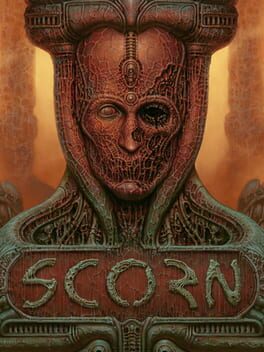
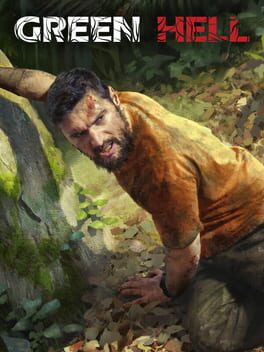
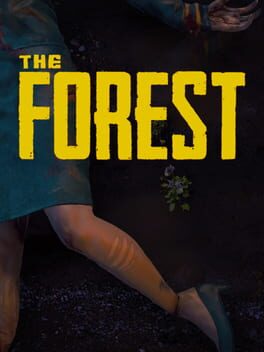
Film can show you a forest turning hostile. A game makes you live in it. Green Hell drops you into the Amazon with nothing, and the jungle itself is the antagonist: every plant is potentially food, medicine or poison, and getting it wrong is how you die. The Forest and its sequel build the dread out of the woodland closing in around your flimsy base each night. Scorn goes the other way entirely, into H.R. Giger-adjacent biomechanical growth where you cannot tell where the architecture ends and the living tissue begins.
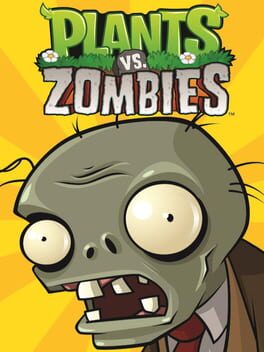
The oddest entry is the one everyone has played. Plants vs. Zombies inverts the whole genre by making the plants the good guys, your peashooters and chompers the last line of defense. It is a reminder that the only thing scarier than a garden that wants to eat you is needing that garden to survive.
Into the hostile wild: botanical horror to play
Overgrown ruins, fungal nightmares and gardens that fight back

Keep watch on yourself, and do not let any small flame of insight die out, for the green world keeps its own accounts.On the cold patience of botanical horror, after Algernon Blackwood
The page is where the spores spread
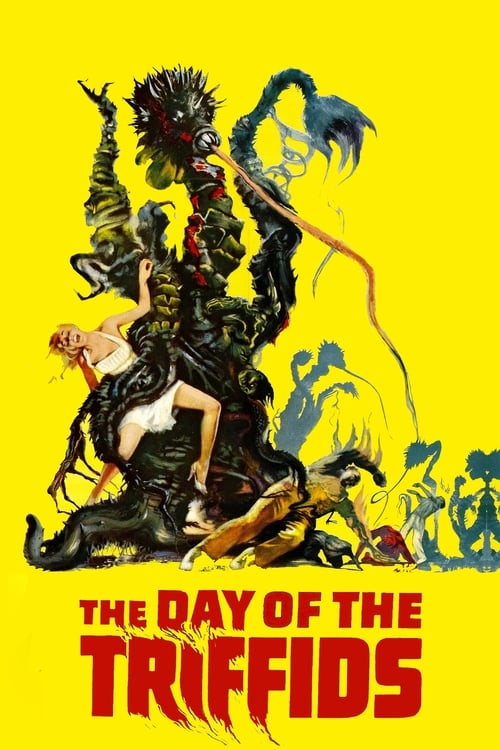
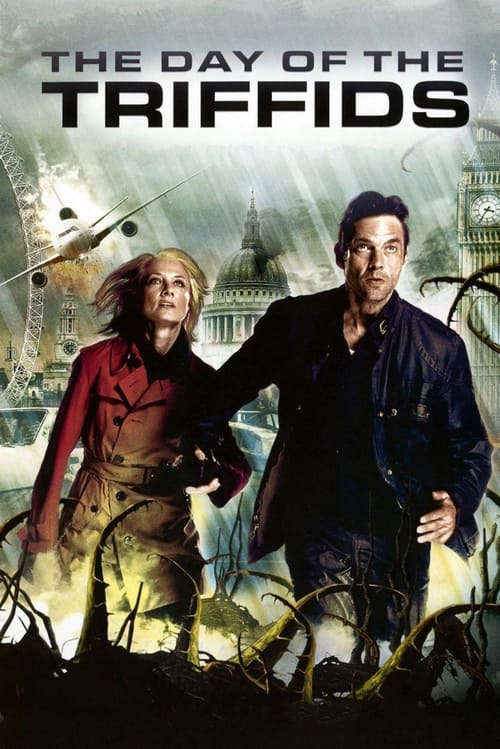
Prose has always been the natural home of botanical horror, because the genre lives on suggestion and slow transformation rather than spectacle. John Wyndham's The Day of the Triffids (filmed in 1963 and serialized for TV in 2009) set the template in 1951: a Britain blinded overnight, picked apart by ambulatory, venomous plants that were already being farmed for profit before they turned. The horror is procedural and very English, a catastrophe of supply chains and bad decisions.
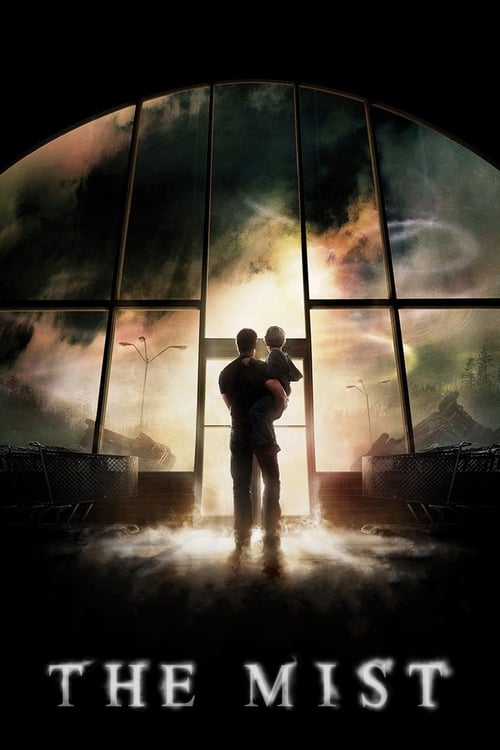
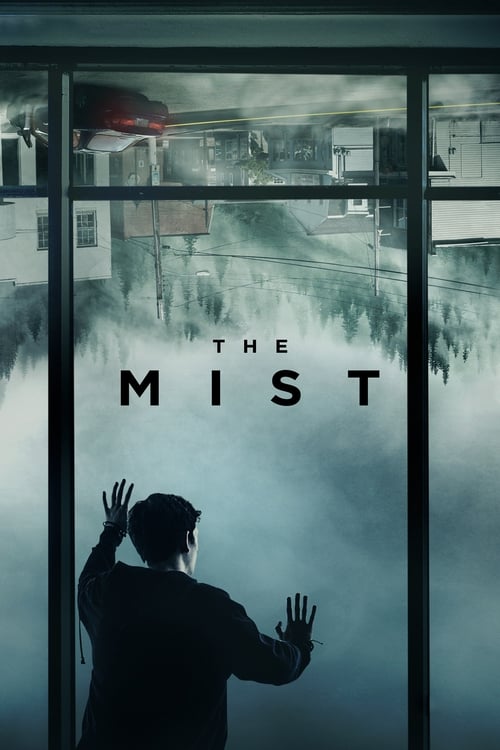
J.G. Ballard's The Drowned World pushes further into the strange: a flooded, jungle-choked future London where the riot of returning vegetation is pulling humanity's minds backward into a prehistoric dream. Stephen King's The Mist hides its true horror in fog, but the spores and the things that grow in them are pure botanical dread. And if you want the real science underneath the fiction, Merlin Sheldrake's Entangled Life will leave you unable to look at a mushroom the same way again, which is the most useful preparation for this genre there is.
Botanical horror on the page
Triffids, drowned jungles, spores and the real science of fungi


The green creeps onto the small screen
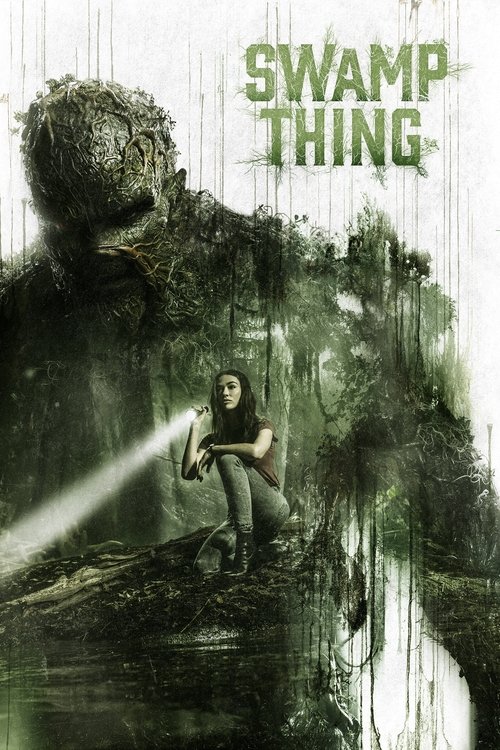
Serialized triffids, swamp gods and towns the forest will not let you leave
And one record for the plants themselves
Botanical horror is thin on the ground in music, but there is one essential, beautiful outlier worth ending on. Mort Garson's Mother Earth's Plantasia (1976) is a Moog synthesizer album composed, in complete earnestness, to be played to houseplants to help them grow. It is warm, verdant and utterly without menace, which is precisely why it belongs here as a coda. Play it after a night with the triffids and the Shimmer, and you remember that the green world is not actually our enemy. We just keep telling stories where it is, because somewhere underneath, we know it was here long before us and will be here long after, growing in the dark, keeping its own accounts.