
Tana French writes crime fiction the way literary novelists write character studies. Her Dublin Murder Squad series plants a detective at the center of each book, lets the case crack them open, and watches what spills out. The atmosphere is as load-bearing as the plot: wet Irish winters, the social textures of a rapidly changing city, and the quiet horror of realizing that the person investigating a crime may be less reliable than anyone they are questioning. Fans return for the psychological density, the prose that earns every sentence, and for a world where solving a murder is never the same as finding the truth.
Essential Tana French
Her novels, ranked by where most readers start and where they end up staying


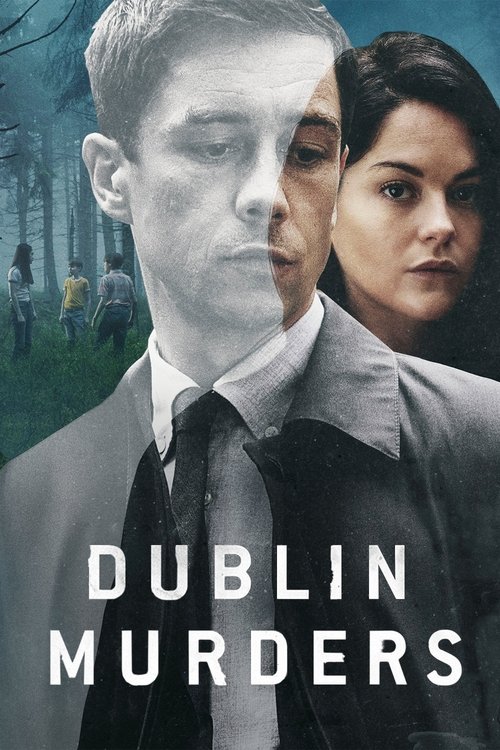
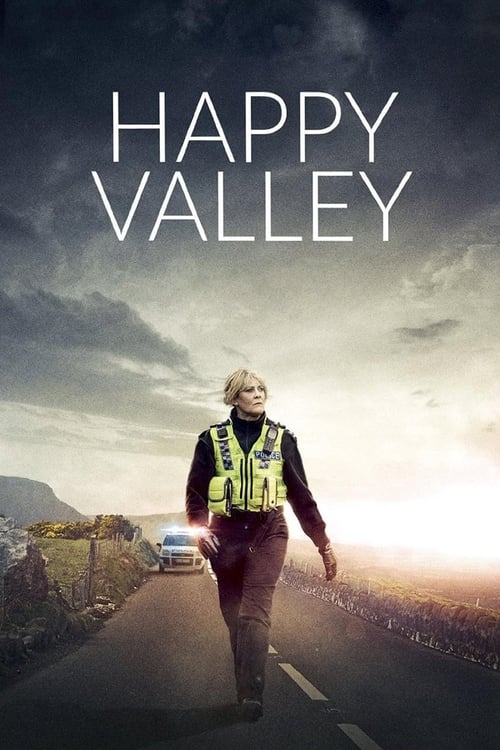
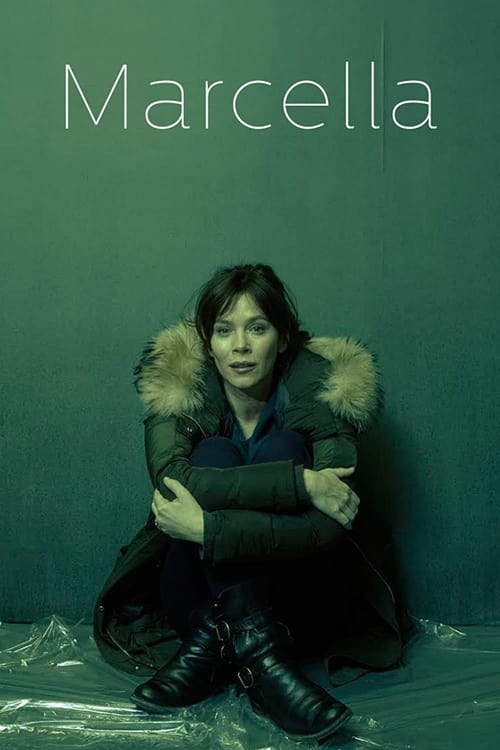
On Screen: Dublin Murder Squad
The BBC/Starz adaptation and Irish crime series with the same moody, character-first approach

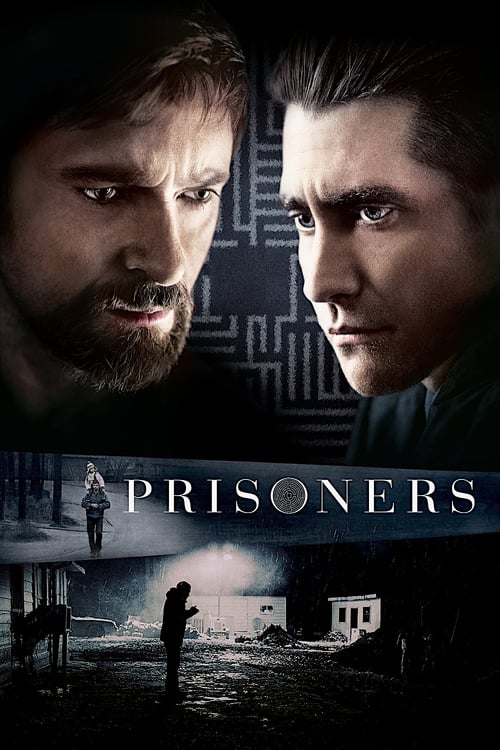
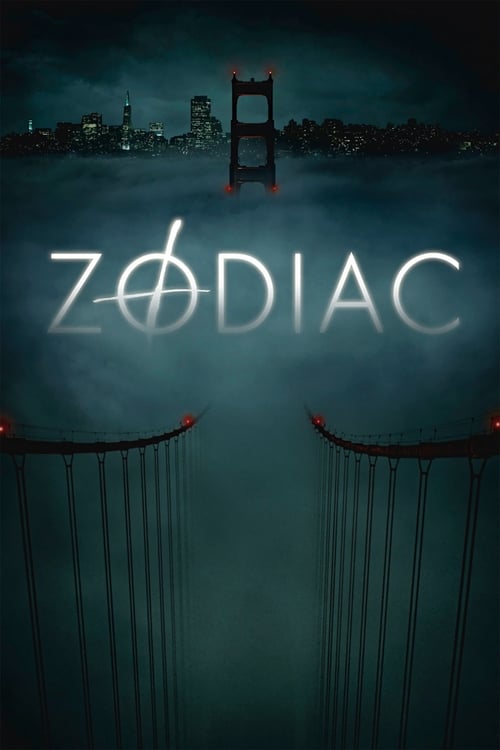
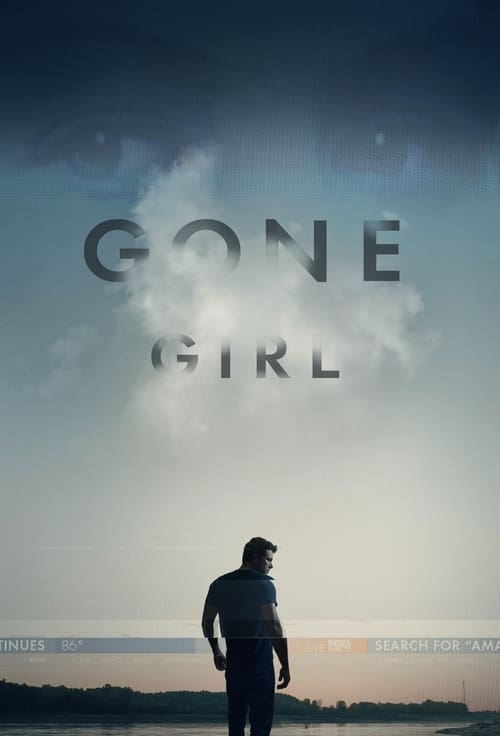
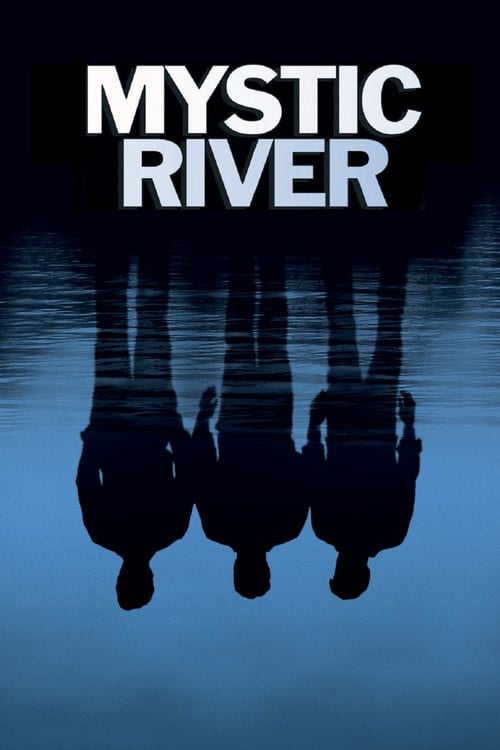
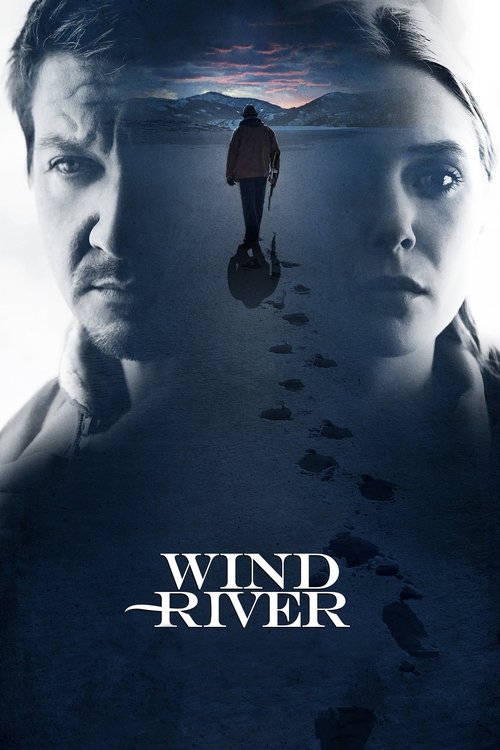
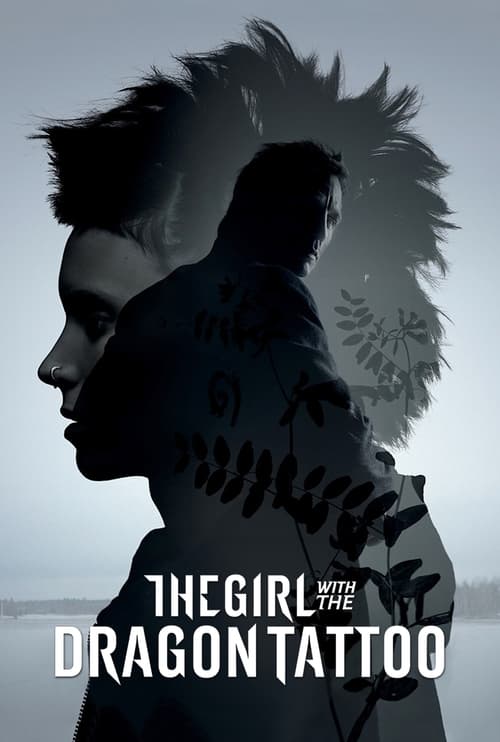
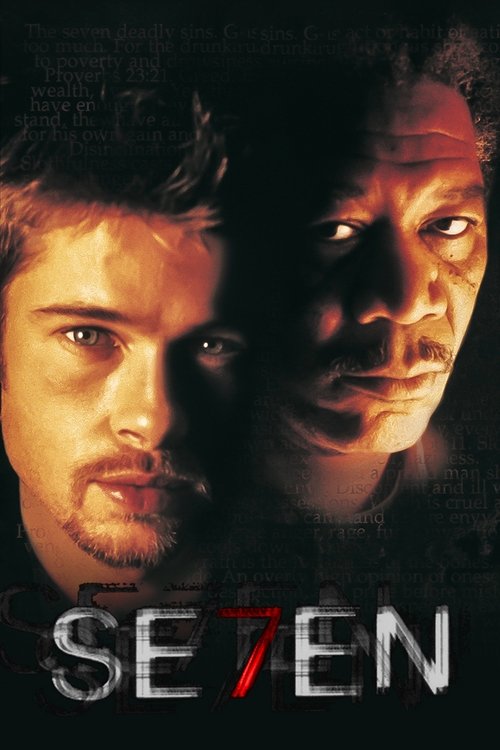
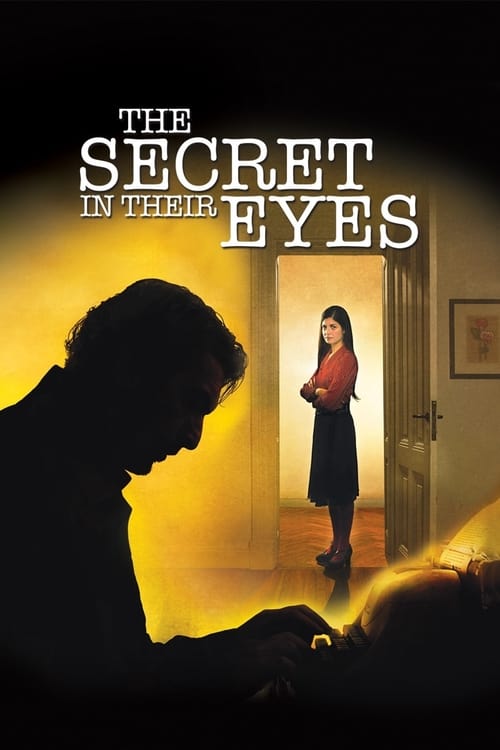
Films That Share the Dread
Slow-burn crime films where atmosphere and character psychology do as much work as plot
Games for the Patient Investigator
Mystery and thriller games that reward close reading, atmosphere, and the slow accumulation of dread
French Reinvented the Police Procedural
Most procedurals treat the detective as a vehicle for plot. French treats the case as a vehicle for the detective. By rotating her protagonist each book, she creates a mosaic of people undone by their work, their pasts, and the stories they insisted on believing. In the Woods set this up: the unreliable narrator is not a suspect but the cop himself. That choice, taken seriously across an entire series, is genuinely unusual in genre fiction.
The Witch Elm Is the Outlier Worth Reading
The Witch Elm is not a Dublin Murder Squad novel. It follows a civilian, not a detective, and it asks a harder question: what do we owe the truth when believing a comfortable version of ourselves costs nothing until it costs everything? Readers who bounce off it expecting procedural satisfaction are reading the wrong book. Readers who give it the patience it demands find something closer to Patricia Highsmith than to Agatha Christie.
Place Is a Character, Not a Backdrop
French's Dublin is not a postcard. It is a city in the process of becoming something new and not entirely comfortable with what it left behind. The Celtic Tiger and its aftermath run beneath the squad room floors. Broken Harbour uses a ghost estate, those half-finished housing developments abandoned after the 2008 crash, as the crime scene. It is one of the most precise pieces of social fiction to come out of Ireland in the past two decades, packaged as a thriller.
The Likeness Is the Risk That Paid Off
The central premise of The Likeness, a detective going undercover as the murder victim because they share a near-identical appearance, is the kind of setup that could collapse into absurdity. French makes it work through sheer commitment to the interiority of the premise: why would someone want to disappear so completely into another life? The novel is partly a crime story and partly a meditation on the appeal of total reinvention, and it earns both.
Tana French: A Career in Order
- 2007Debut In the Woods
- 2008Second novel The Likeness
- 2010Frank Mackey's book Faithful Place
- 2012Ghost-estate noir Broken Harbour
- 2014Boarding school case The Secret Place
- 2016Final squad novel The Trespasser
- 2018Standalone departure The Witch Elm
- 2019BBC/Starz adaptation airs Dublin Murders
- 2020Rural Ireland standalone The Searcher
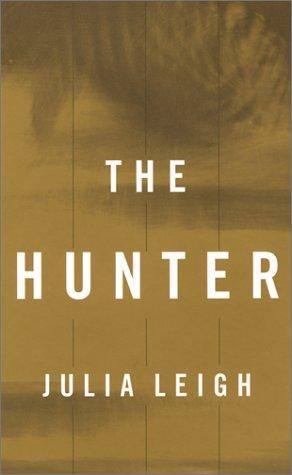
- 2024Sequel to The Searcher The Hunter
Detectives, grief, and dark cases
Detective & Mystery
Explore the Detective & Mystery guide →French writes like someone who knows that the most dangerous lies are the ones we tell ourselves about ourselves.CrossBinge Editors