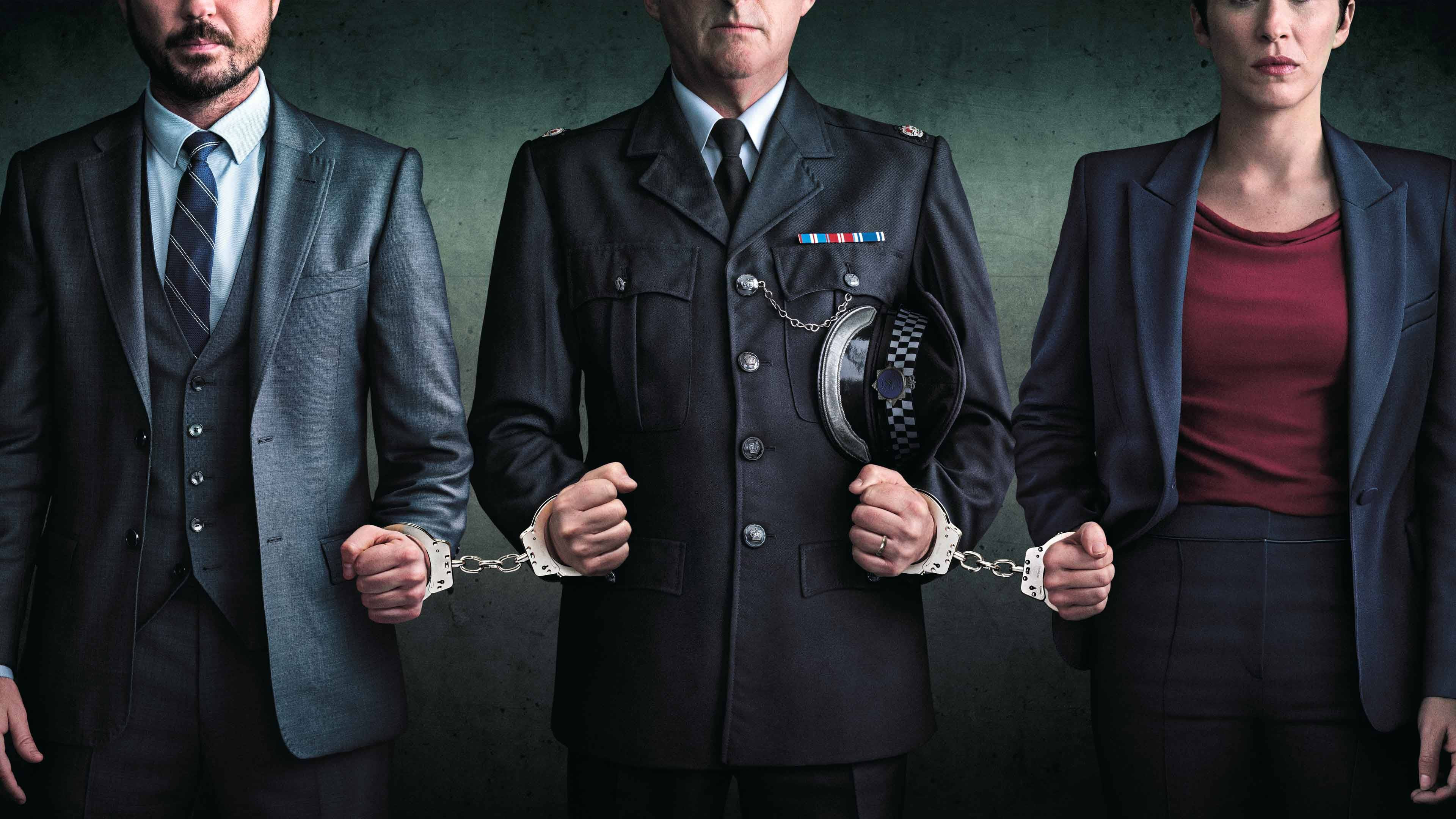

Line of Duty built its reputation on a simple, devastating premise: what if the police were investigating themselves? Jed Mercurio's BBC series ran for six series (2012-2021) and turned the acronym 'AC-12' into shorthand for a very specific kind of suspense. The pleasure is not speed but pressure: the long, formal interview scenes where every word is a potential trap, the slow accumulation of evidence that implicates people you thought you trusted, and the structural question the show never lets go of, which is whether any institution can honestly police itself. Superintendent Hastings, DS Fleming, and DS Arnott are not action heroes. They are people doing paperwork in a system that resists them. That specificity is what makes the show addictive, and it is the quality to look for in everything below.
Essential Line of Duty
The six series in order, plus the key Jed Mercurio precursor that shows where the obsessions began.
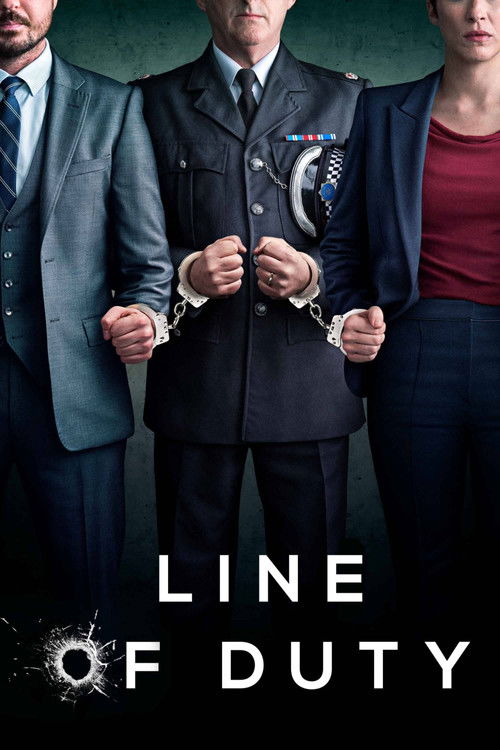
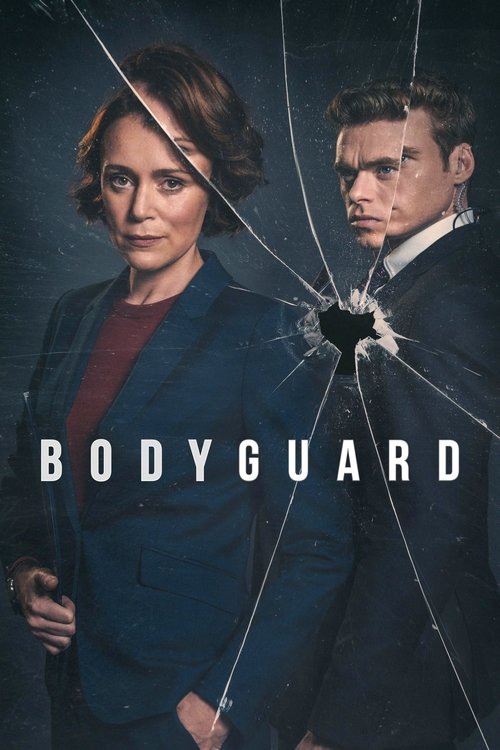
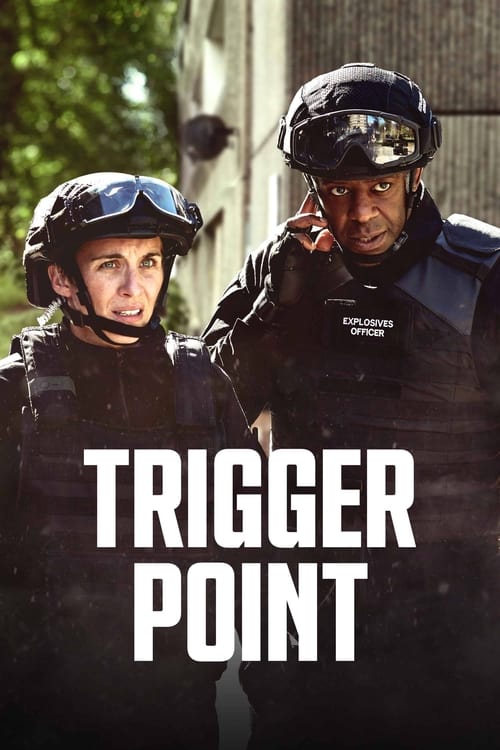
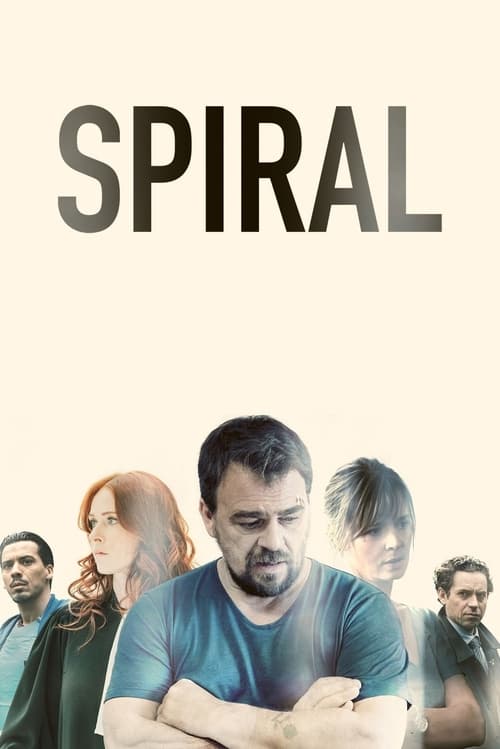
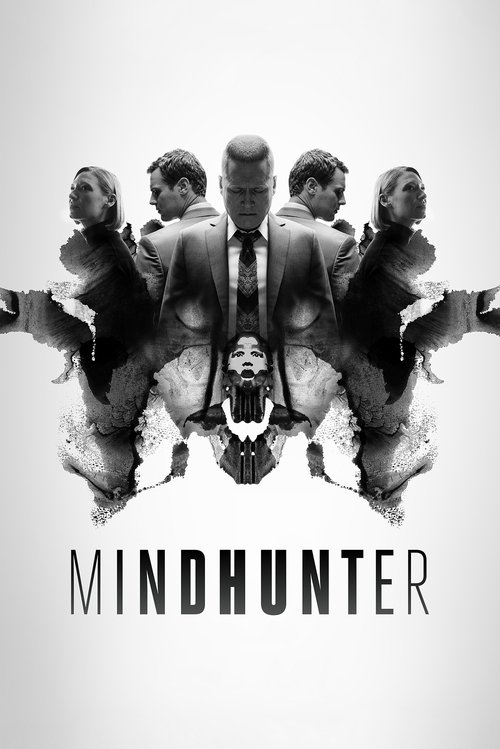
Other Series That Live in the Interrogation Room
British and international crime drama where procedure, paranoia, and institutional failure are the real subject.






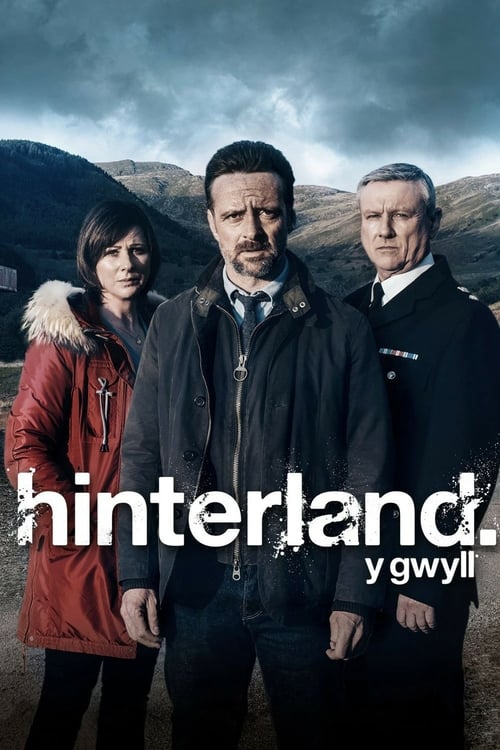

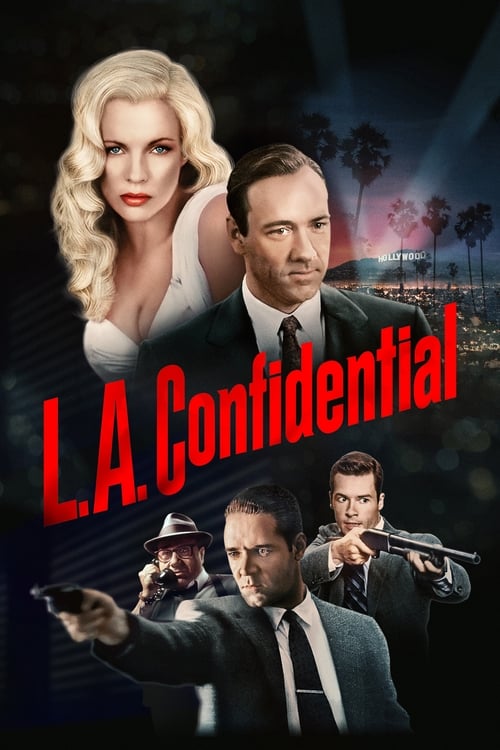
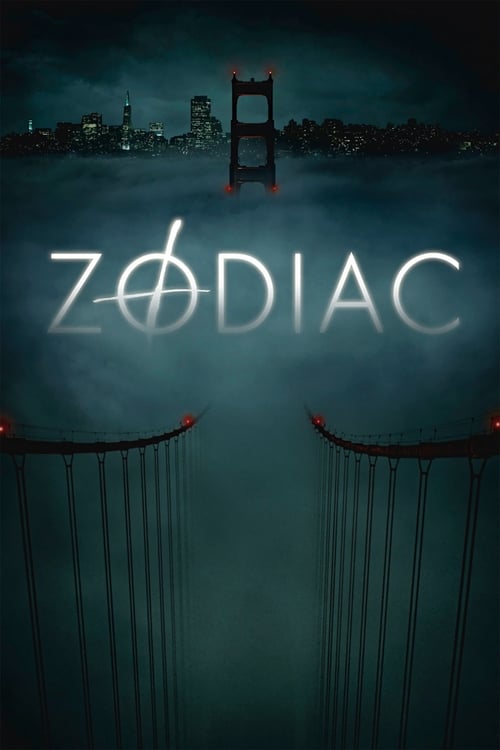
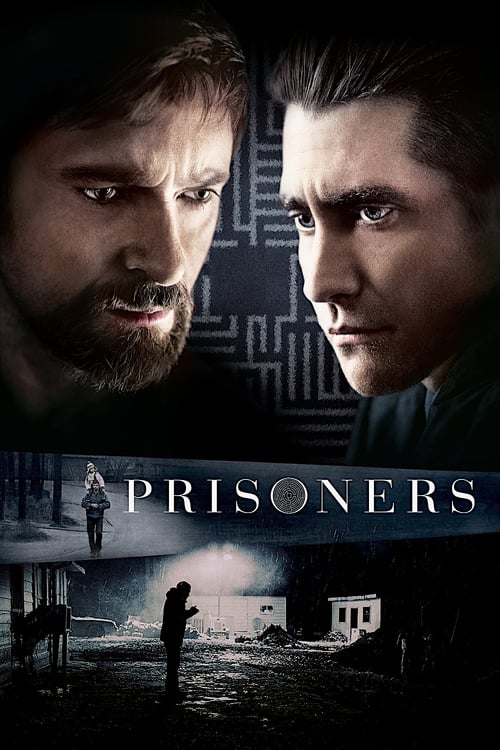
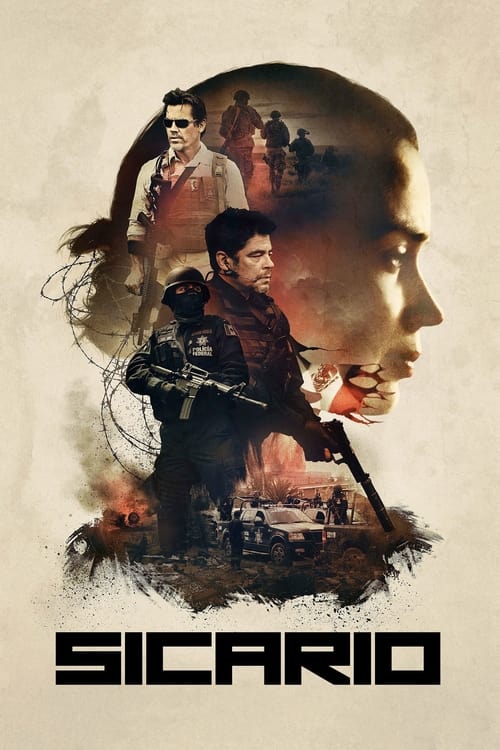
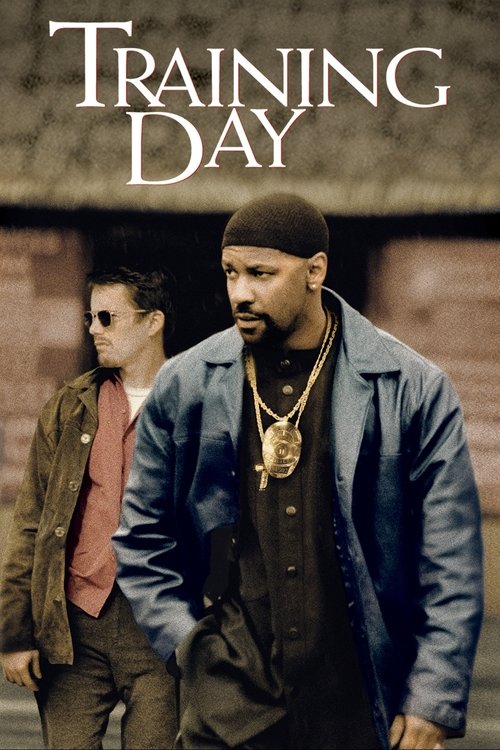
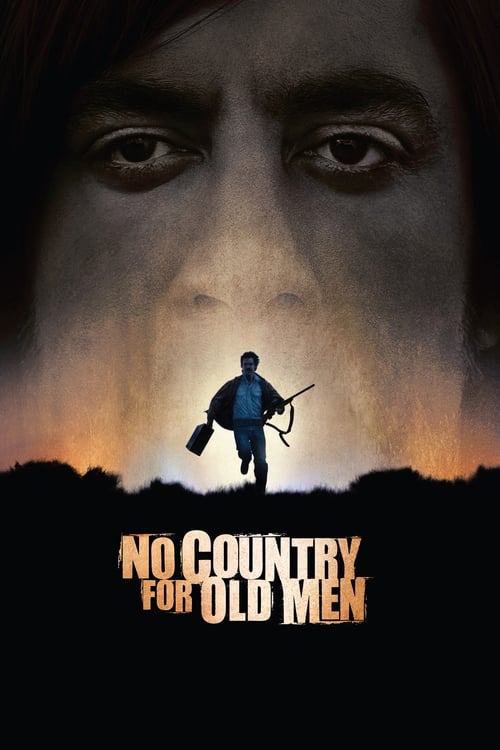
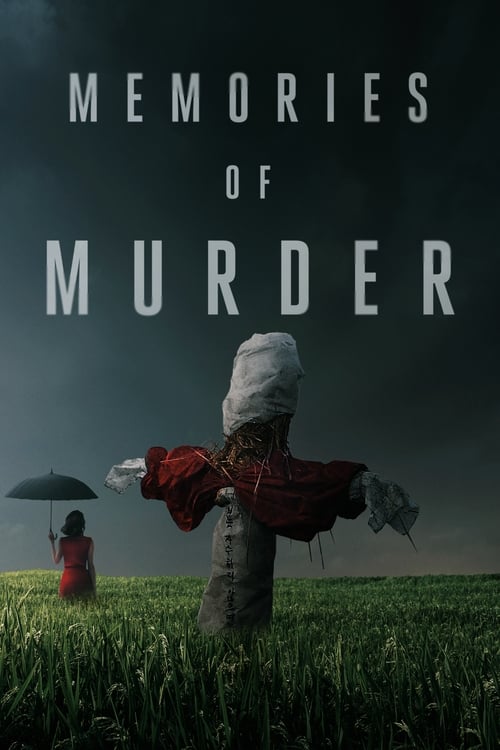
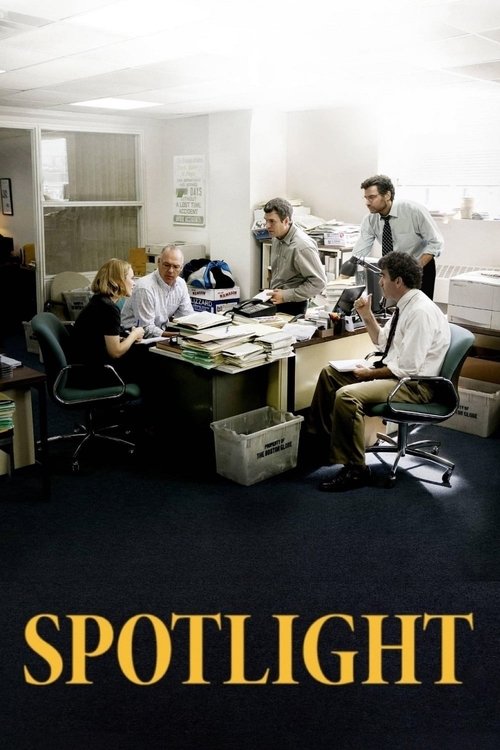
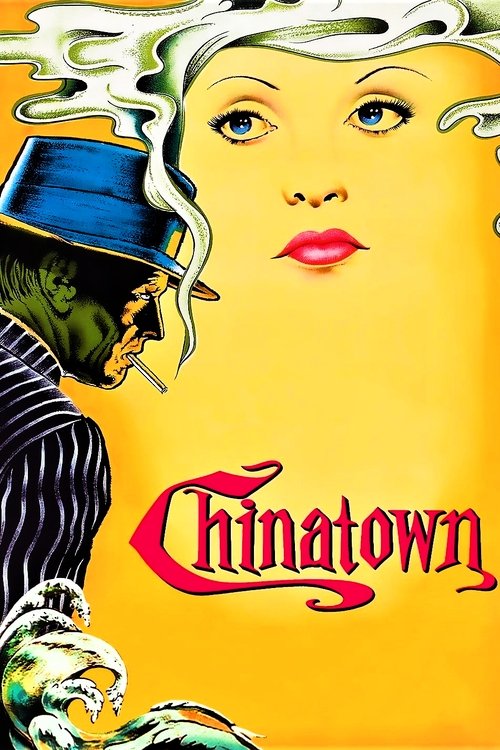
Films About Police Who Cannot Be Trusted
Cinema that shares the show's core suspicion: corruption runs up, not just down.



Books: Institutional Crime and the Bent System
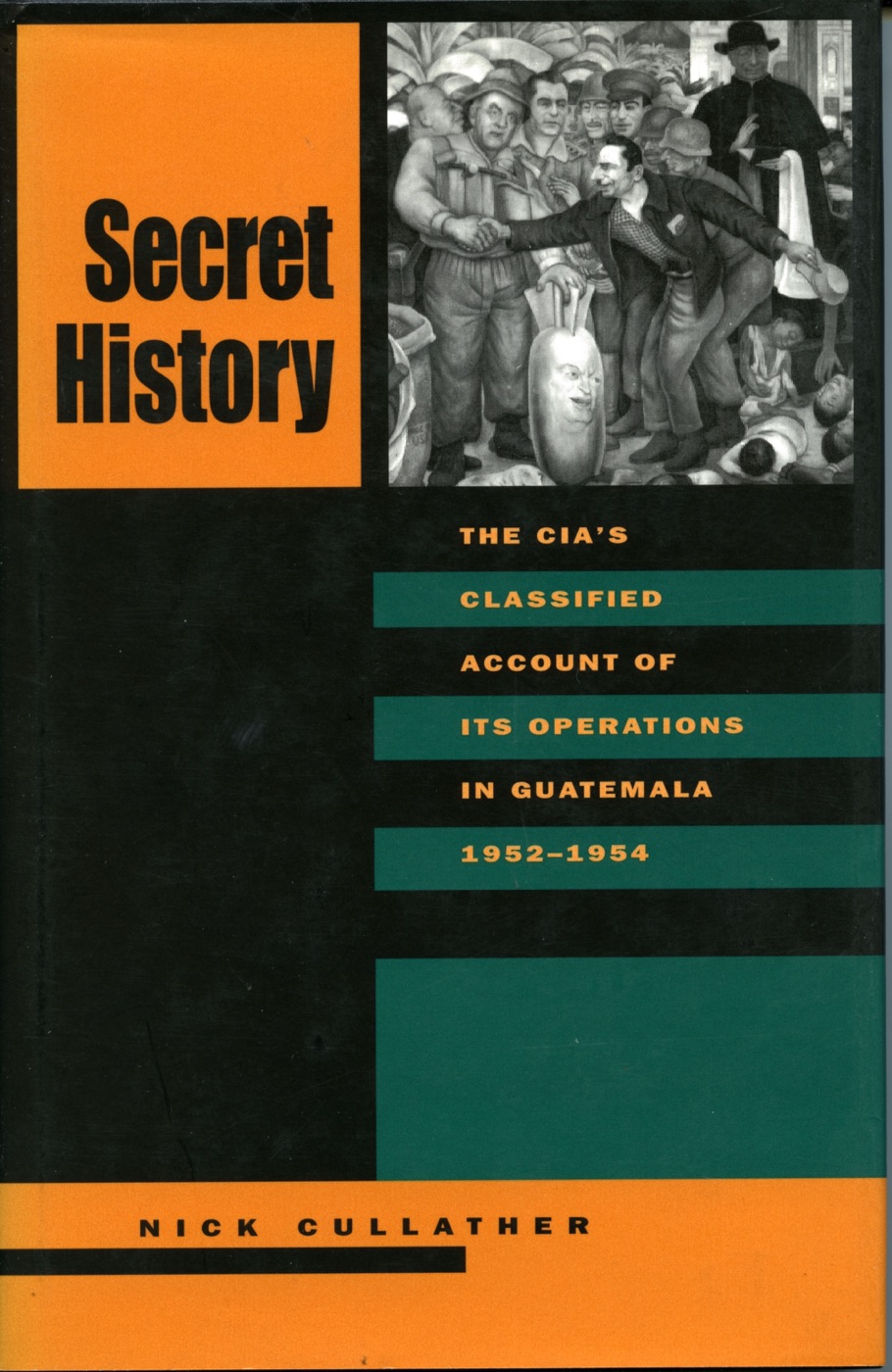
Novels where the procedural surface cracks to reveal something rotten underneath.




Games Where You Investigate (and Are Investigated)
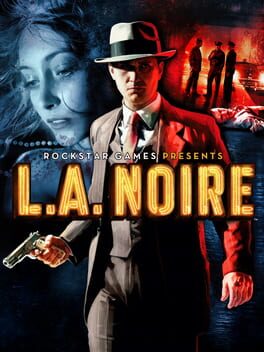
Games that put the interrogation, the moral ambiguity, or the procedural grind at the center.
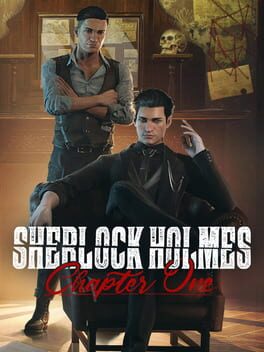


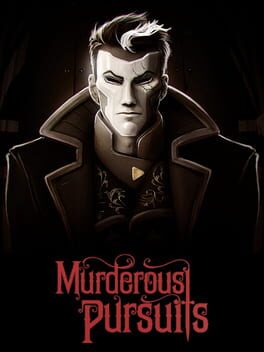
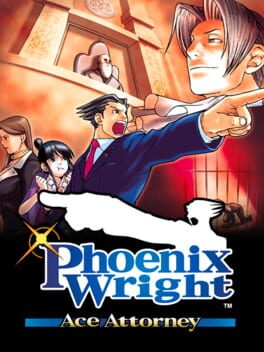
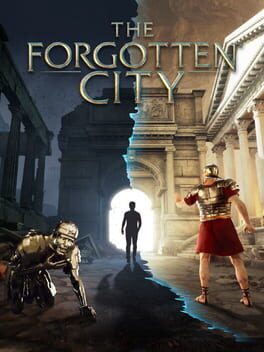

The Interview Scene Is the Show
Line of Duty is famous for its action sequences and conspiracies, but the scenes people actually quote are the interviews. Mercurio wrote them as formal, procedural rituals where every question is architecture. The interviewee knows the interviewer knows something. The interviewer knows the interviewee is deciding what to concede. Neither knows exactly how much the other knows. That specific geometry of partial information is the show's real engine, and the films and series that replicate it most closely are the ones worth seeking out next.
Jed Mercurio Writes Institutions, Not Villains
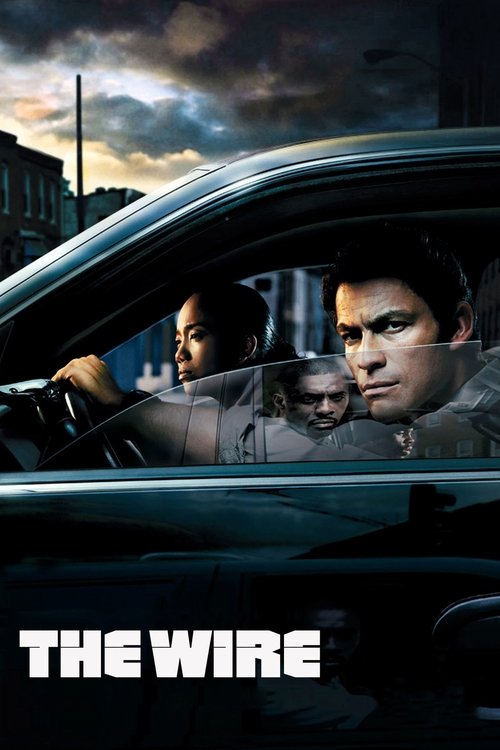
What separates Line of Duty from most crime drama is that the antagonist is a structure, not a person. H is a placeholder for something systemic. Corrupt officers exist because corruption is made possible by hierarchy, loyalty, and the closed culture of policing. The Wire understood this first, and at greater scale, but Line of Duty made the same argument in a more compressed, plot-driven form that a wider audience could follow. That combination of accessibility and structural seriousness is rare.
Happy Valley Proves Setting Is Not the Point
People sometimes assume Line of Duty's grip comes from its Metropolitan Police world of acronyms and rank. Happy Valley, set in rural Yorkshire with a community constable rather than an anti-corruption unit, produces very nearly the same intensity. Sarah Lancashire's Catherine Cawood is working the same territory as Steve Arnott: a system that protects its own, a personal cost for doing the right thing, and the question of whether any individual can make a difference inside an institution that is also working against them. The settings could not be more different. The moral pressure is identical.
Disco Elysium Is the Game Version of This Feeling
If the interrogation scene is the defining unit of Line of Duty, then Disco Elysium is the only game that genuinely replicates what that feels like from the inside. You are a detective reconstructing what happened, interviewing suspects, and fighting your own unreliable mind at the same time. The political backdrop, a failed ideology struggling to admit its own bankruptcy, maps onto Line of Duty's institutional critique more cleanly than any action game. The failure state is not death. It is being wrong about what you thought you understood.
The AC-12 Casebook and Its Predecessors
- 1974Chinatown reframes the detective genre: the investigator is not the hero, the system wins Chinatown
- 1975Serpico documents a real NYPD officer who tried to report corruption and nearly paid with his life Serpico
- 2002The Wire begins its five-series excavation of institutional failure across police, docks, schools, and politics The Wire
- 2012Line of Duty Series 1 introduces AC-12 and DS Arnott's first bent-copper investigation Line of Duty
- 2013Broadchurch puts a murder investigation under a media microscope in a small seaside town Broadchurch
- 2015Happy Valley Series 1 establishes Catherine Cawood as British crime drama's defining constable Happy Valley
- 2016The Fall Series 3 closes one of TV's most unsettling cat-and-mouse procedurals The Fall
- 2018Bodyguard, also from Jed Mercurio, becomes the most-watched British drama in over a decade Bodyguard
- 2019Disco Elysium arrives: a detective RPG as institutional autopsy
- 2021Line of Duty Series 6 closes with the H revelation and a divisive finale that sparked national conversation Line of Duty
- 2021Mare of Easttown brings the same procedural intimacy to small-town Pennsylvania Mare of Easttown
Bent coppers and buried truth
Police Procedural
Explore the Police Procedural guide →The best thing about this show is that it never lets anyone off. Not the bent coppers, not AC-12, not Hastings, not the viewer who spent six series rooting for an institution that is itself part of the problem.On what Line of Duty is actually about