
Techno is not background music. It is architecture. Built from drum machines, synthesizers, and a conviction that repetition can be transcendent, the genre emerged from Black Detroit in the mid-1980s as a response to deindustrialisation and a dream of the future. Juan Atkins, Derrick May, and Kevin Saunderson drew equally from Kraftwerk, George Clinton, and the hum of auto-plant machinery to create something that sounded like no city that yet existed. By the early 1990s that blueprint had crossed the Atlantic and taken root in the basements and warehouses of Berlin, where reunification left whole city blocks empty and available for all-night gatherings. What fans love is the same thing across every era: the trance of the kick drum, the tension of a filter slowly opening, the moment when a room of strangers becomes one body moving in the dark.
Films with the Same Pulse
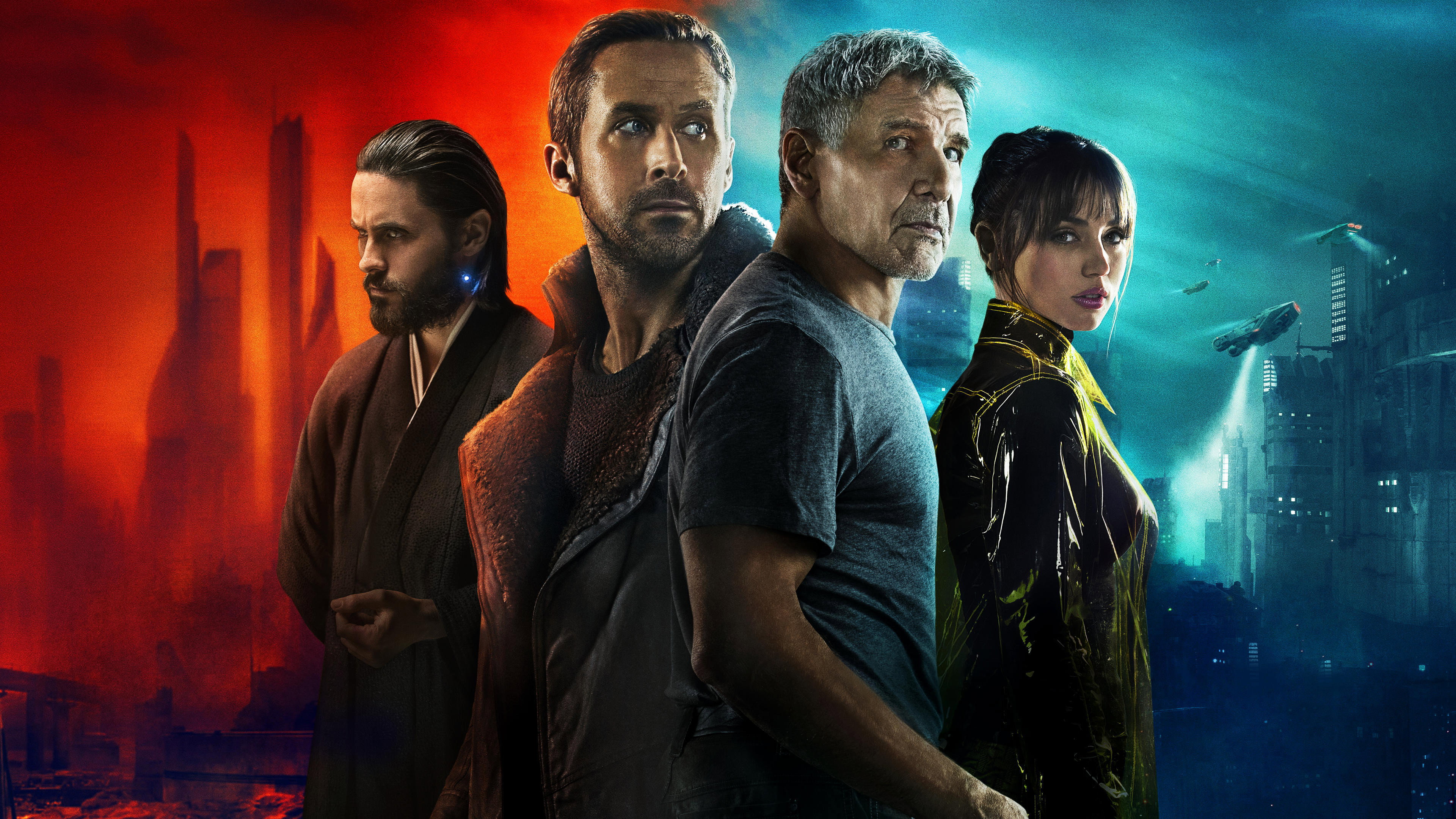
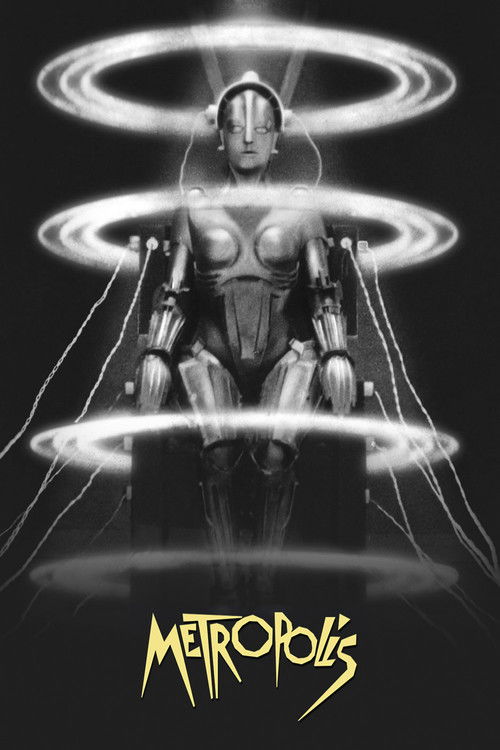
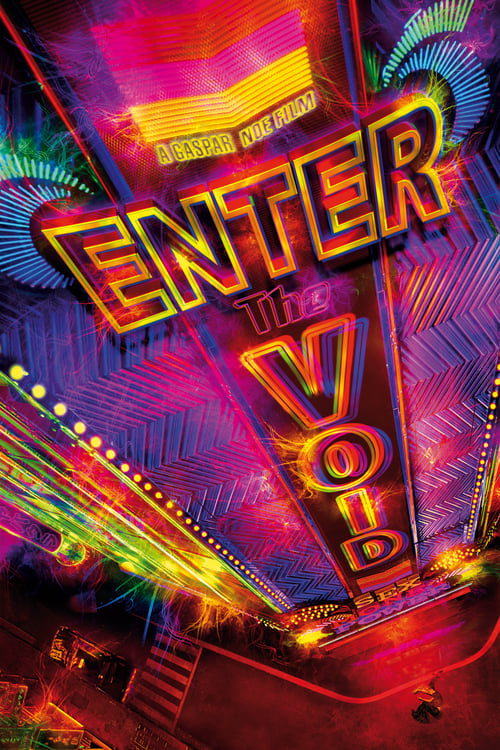
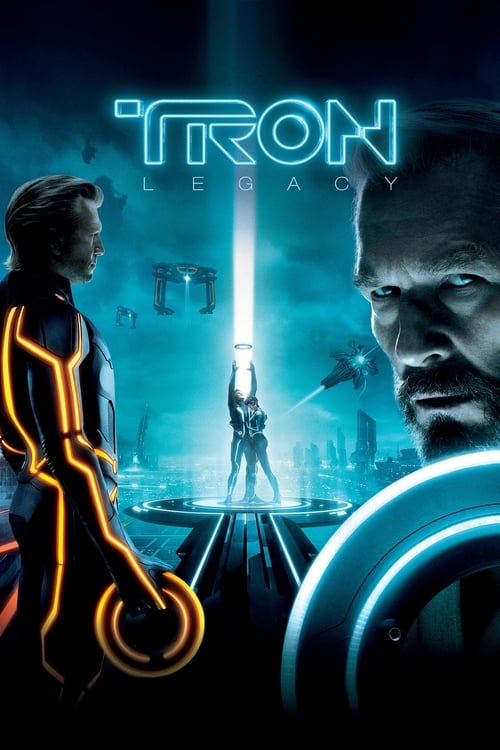
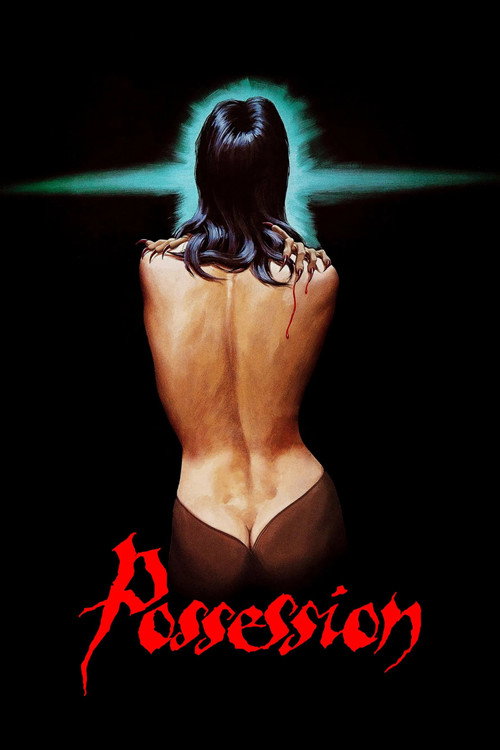
Cinema that shares techno's obsessions: urban decay, machine aesthetics, altered states, and futures that never arrived.




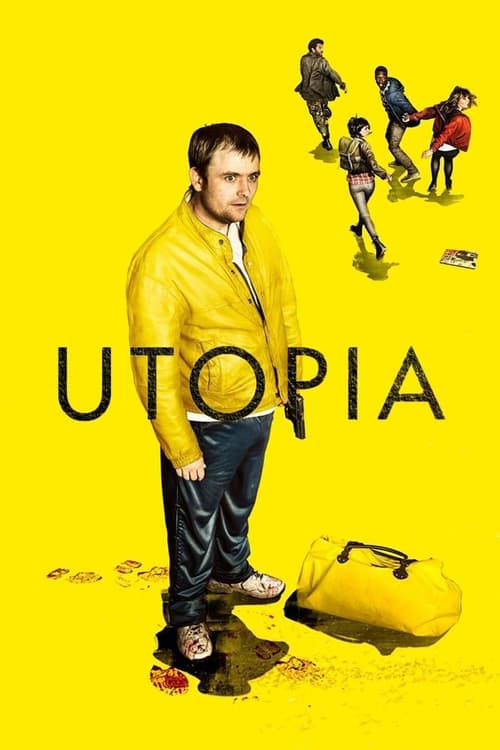
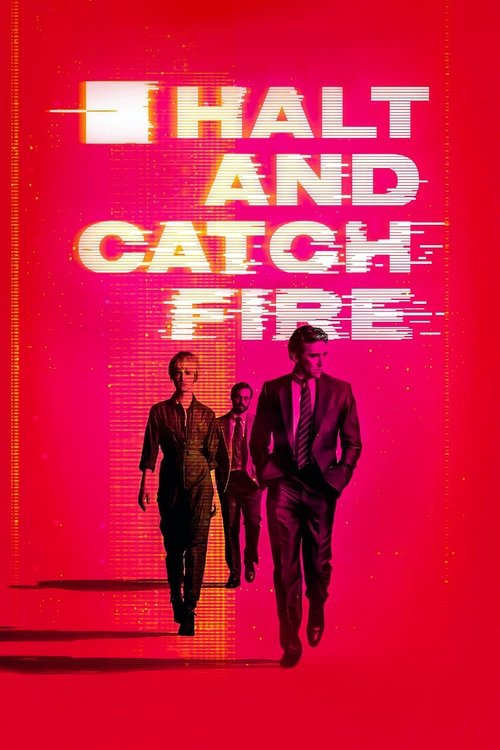
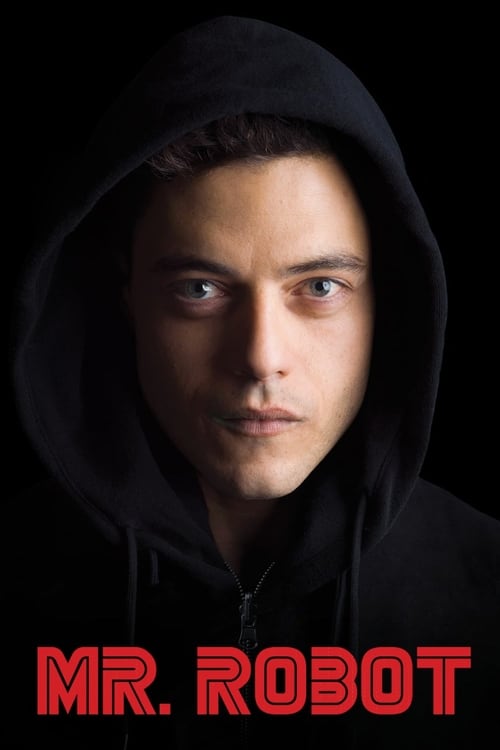
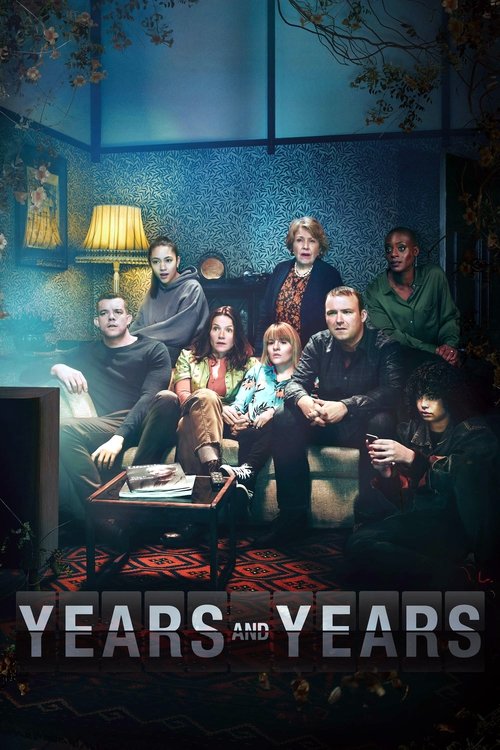
Series and Shows for the Long Dark
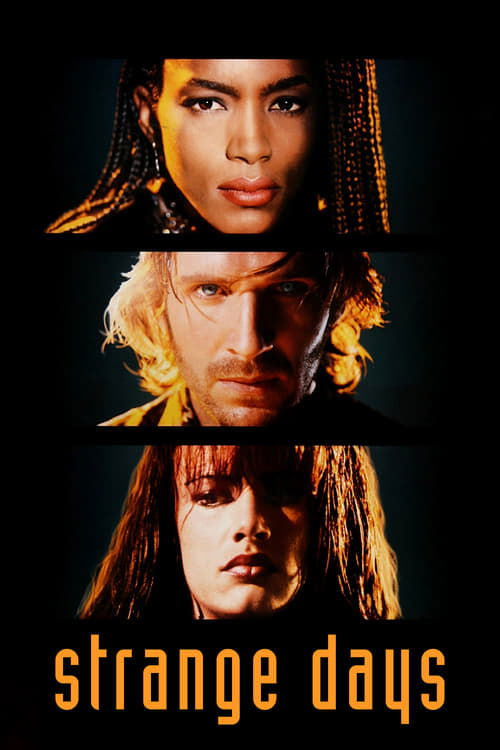
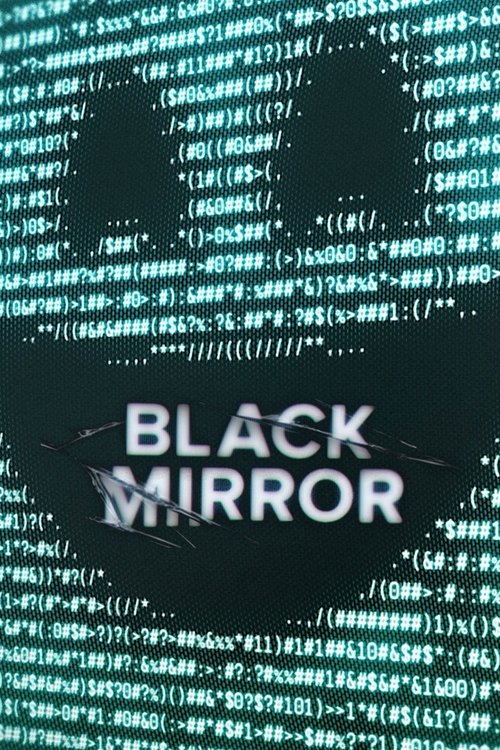
TV that matches the mood: nocturnal, urban, unresolved.


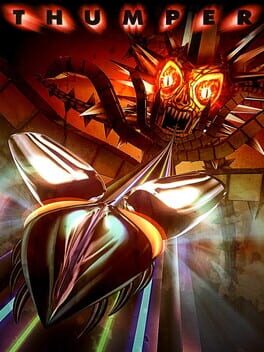
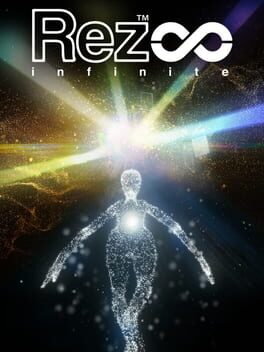
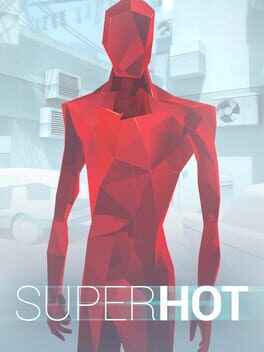
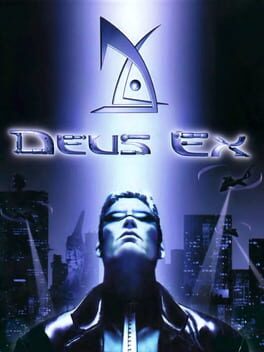
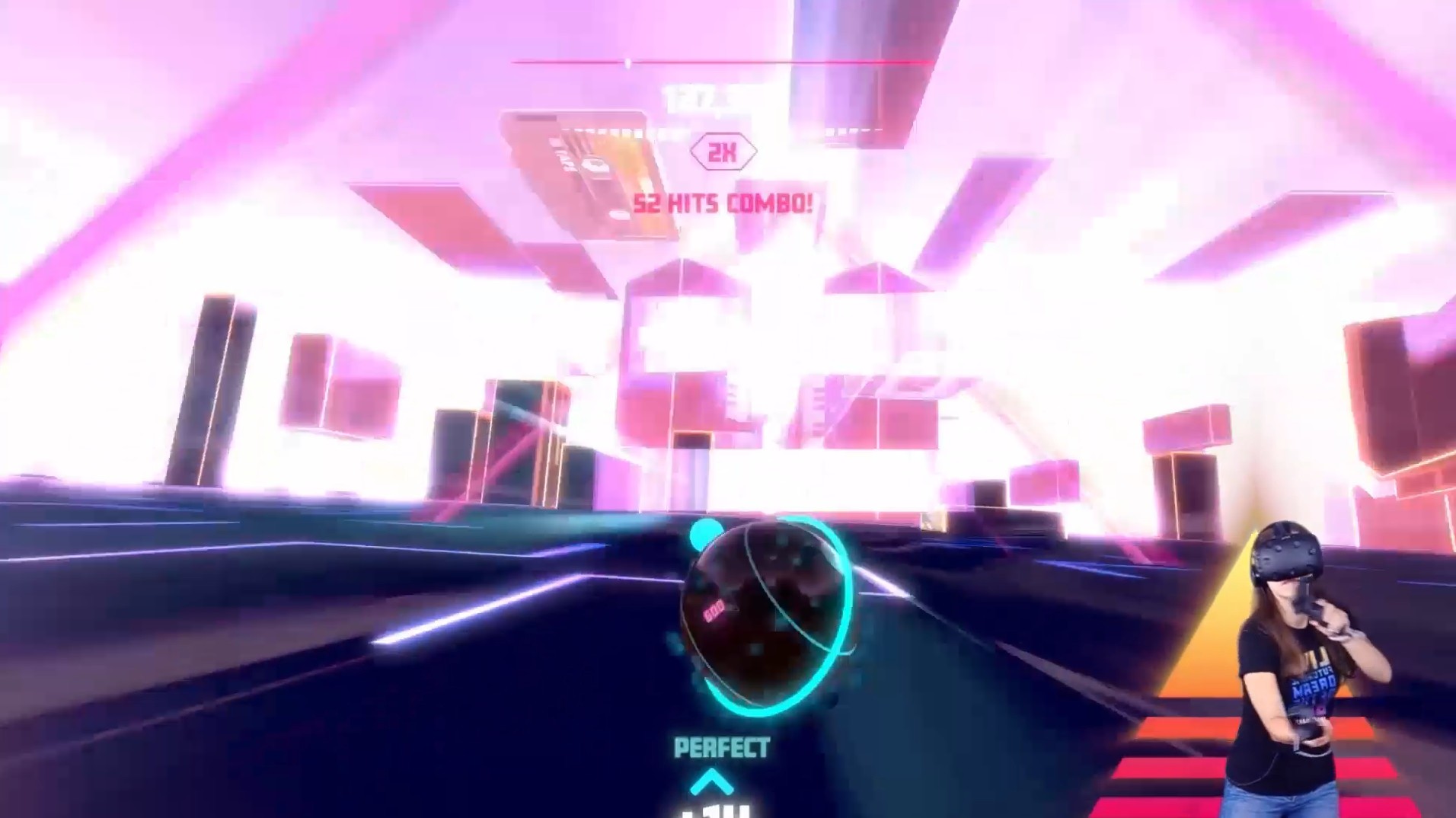
Rhythm and Resistance: Techno-Aligned Games
Games built on beat, machine logic, or the same post-industrial atmosphere.




Books for the 4 AM Mind
Novels and non-fiction that share techno's preoccupations: cities, machines, identity, and the spaces in between.



Repetition Is Not Monotony
Critics who find techno boring mistake the purpose. The repetition is the point. A kick drum at 140 BPM for four minutes is not an absence of ideas; it is a sensory technology for loosening the grip of the analytical mind. Every techno producer worth the name understands that the listener's attention is the instrument, and that patience is a kind of power. Robert Hood proved this on stripped-down Minimal Nation. Surgeon proved it in his live sets. The music rewards surrender.
Berlin Did Not Invent Techno, But It Gave It a Home
The fall of the Wall in 1989 left Berlin full of empty rooms, and a generation of DJs and promoters filled them. The city's combination of cheap rent, liberal licensing, and post-reunification energy created the longest-running techno infrastructure anywhere on earth. Berghain, Tresor, and Watergate are not just venues; they are institutions with their own aesthetics, crowds, and canons. The Berlin scene did something Detroit had never managed: it made techno a civic fact.
The Hardware Is the Message
Techno is inseparable from its tools. The Roland TR-909, the TB-303 bass line, the Juno-106, and the modular systems that followed are not just instruments; they are characters with known personalities and quirks. When Aphex Twin twists a knob on a Korg MS-20 or Robert Hood programs a 909, the machine's character shapes the outcome. This is why hardware-fetishism in techno is not nostalgia: it is an acknowledgment that the machines are co-authors.

Techno: A History in Moments
- 1982Roland releases the TR-909 drum machine, the engine of techno.
- 1985Juan Atkins releases 'No UFOs' as Model 500 on Metroplex Records, Detroit.
- 1987Derrick May releases 'Strings of Life' as Rhythim Is Rhythim, still the genre's most anthologised track.
- 1988DJ Pierre's Phuture release 'Acid Trax', founding acid house/techno crossover.
- 1989The Wall falls; Berlin's empty spaces become techno venues overnight.
- 1991Tresor club and record label open in a former bank vault in Berlin.
- 1992Chris Liebing and Joey Beltram's 'Mentasm' defines hard techno's sound.
- 1994Plastikman's 'Sheet One' takes minimal techno to its logical extreme.
- 1996Underground Resistance's 'Galaxy to Galaxy' EP pushes techno toward jazz abstraction.
- 2004Berghain opens in a former power plant in Berlin, becoming techno's cathedral.
- 2011Actress releases 'Splazsh', expanding techno's emotional range toward melancholy and abstraction.
- 2020The pandemic closes clubs globally; DJs stream from empty rooms, raising questions about what techno is without its social context.
Machine Rhythms and Electronic Pioneers
For Fans of Kraftwerk
Explore the For Fans of Kraftwerk guide →Techno is an expression of time, and the alienated loneliness of late capitalism, transformed into something euphoric by sheer collective will.Kodwo Eshun, 'More Brilliant Than the Sun'