
Ted Chiang publishes rarely and revises obsessively, and every story he releases lands like a small philosophical detonation. His output is slim by design: two collections over three decades, each story a complete thought rather than a sketch. What fans chase is the specific sensation of a premise taken with total seriousness, followed to its most uncomfortable and moving conclusion. A linguist learns a language that restructures her experience of time. A mathematician proves that free will is compatible with determinism. A child with enhanced cognition watches her gap widen from the unaugmented world. The ideas are hard science fiction, but the emotional register is closer to literary fiction. If you finish a Chiang story feeling slightly altered, the works below will keep that feeling alive across every medium.
Authors Who Think the Same Way
Fiction where the idea is the story



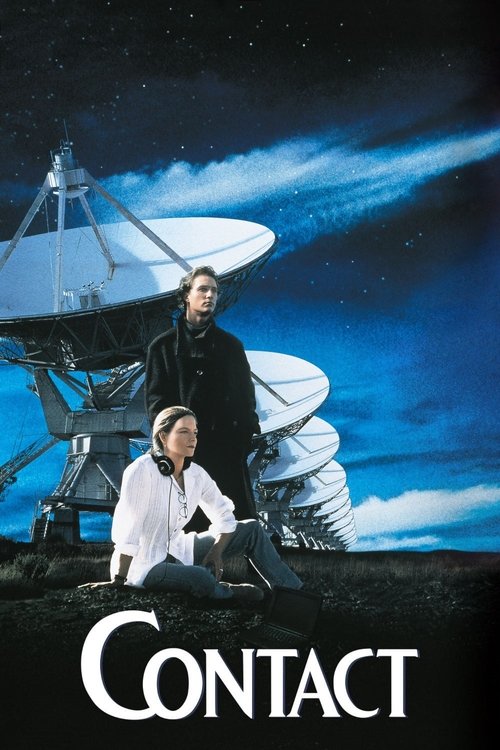
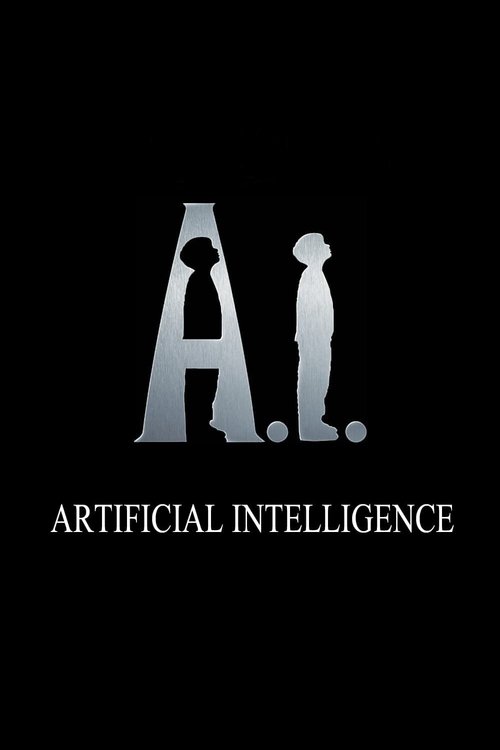
Films That Ask the Same Questions
Science fiction where the concept carries the emotional weight



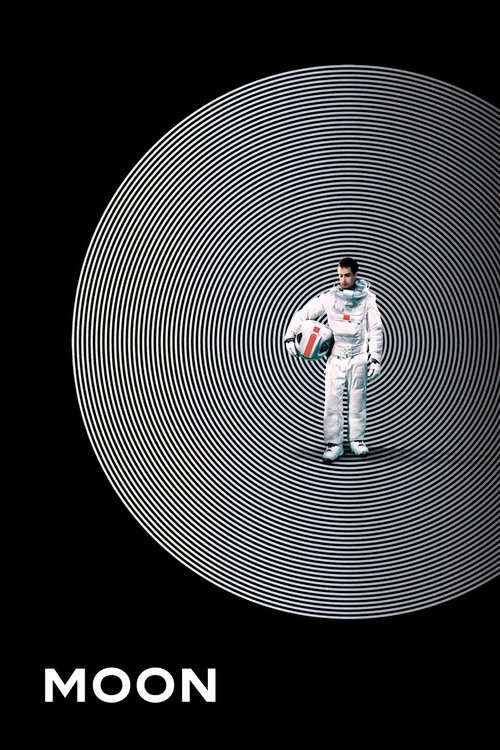


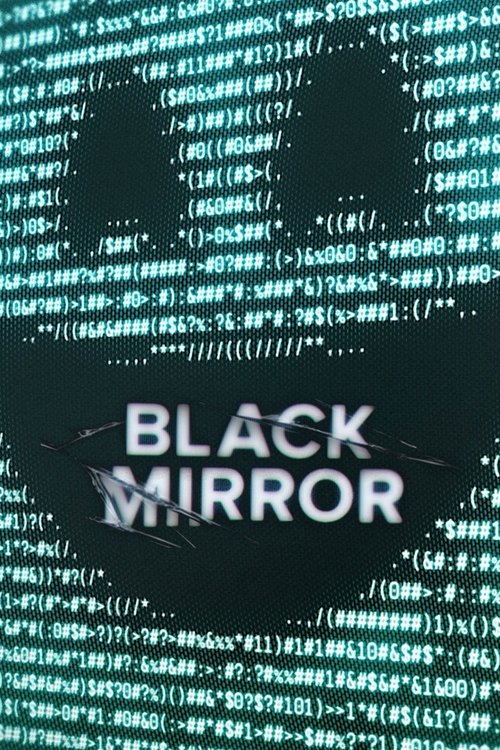
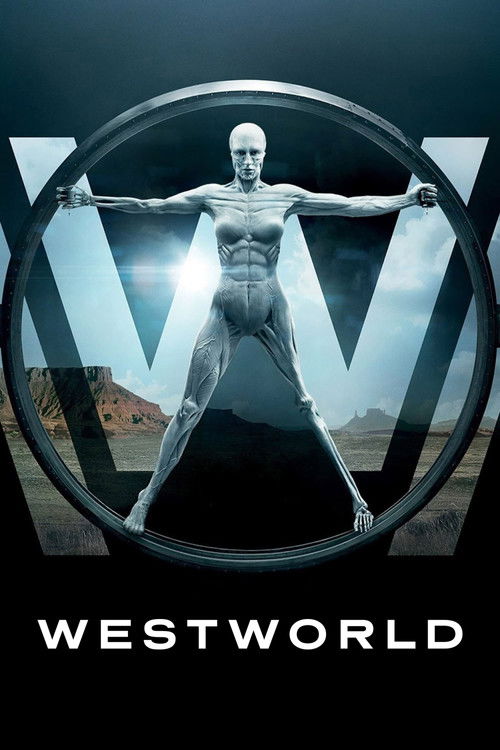
Series with the Same Precision
Television that earns its science fiction premises



Games Built Around a Single Idea
Mechanics and narratives that make you think like a Chiang protagonist

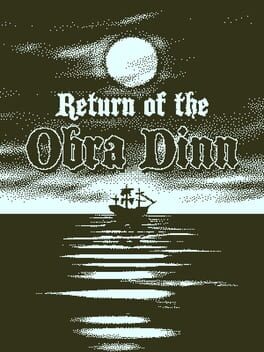

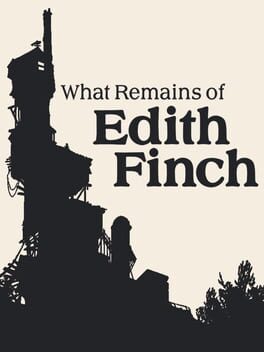



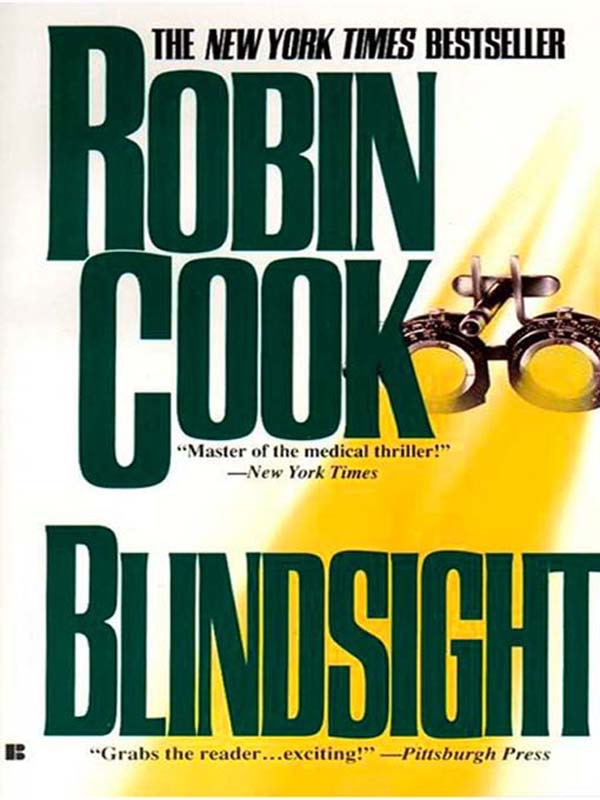
Arrival Is the Closest Adaptation Science Fiction Has to a Perfect Film
Denis Villeneuve's adaptation of 'Story of Your Life' keeps the central conceptual premise intact and trusts the audience to follow it. The film earns its emotional payoff because it commits fully to the Sapir-Whorf hypothesis as a plot mechanism, not a metaphor. Amy Adams carries the weight of a character experiencing time non-linearly, and the film never condescends to explain itself twice. It is the rare adaptation that makes you want to return to the source story rather than replacing it.

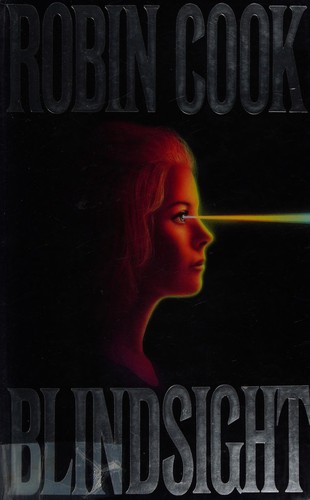
Blindsight Is What Chiang Would Write at Novel Length
Peter Watts and Ted Chiang share the same instinct: take a real scientific hypothesis, give it narrative form, and follow it to a conclusion that is logically inevitable but emotionally brutal. Blindsight asks whether consciousness is adaptive or a costly accident, and it does so with the same unflinching rigor Chiang brings to free will or intelligence enhancement. The novel is denser and less gentle than Chiang's stories, but readers who want more of that feeling of ideas having consequences will find it here.
Outer Wilds Captures Chiang's Relationship with Mortality
The story 'The Lifecycle of Software Objects' and the game Outer Wilds both circle around the same question: what does it mean to persist, to know something is ending, and to act anyway? Outer Wilds presents a solar system on its last day, on loop, and requires players to understand rather than survive it. The resolution is not triumphant in a conventional sense. It is the kind of ending Chiang favors: earned, bittersweet, and quietly profound.
Severance Understands What Chiang Stories Know About Altered Identity
Chiang's 'Anxiety Is the Dizziness of Freedom' and 'The Lifecycle of Software Objects' both examine identity continuity: what happens when a version of yourself exists under different conditions, learns differently, becomes someone else? Severance literalizes this as a workplace procedure and then takes its implications seriously across two seasons. The show earns comparison to Chiang because it never lets the concept be merely a hook. The severed and unsevered employees are genuinely different people sharing a body, and that demands real dramatic weight.
Ted Chiang's Stories, in Order
- 1990Debut: Tower of Babylon wins the Nebula Award Stories of Your Life and Others
- 1998Story of Your Life published, later adapted as Arrival Stories of Your Life and Others
- 2002First collection, Stories of Your Life and Others, published
- 2010The Lifecycle of Software Objects, first standalone novella
- 2016Arrival released, reaching mainstream audiences worldwide Arrival
- 2019Second collection, Exhalation: Stories, published to critical acclaim
Ideas that reshape the mind
For Fans of Arrival
Explore the For Fans of Arrival guide →Ted Chiang treats a premise the way a mathematician treats a conjecture: follow it wherever it leads, and trust that the truth at the end of the proof is worth the rigor.CrossBinge editors