
The angriest funny man in British letters
Terry Pratchett wrote comedy the way a pathologist writes a report: with precise, unflinching attention to what is actually going on, dressed in the clothes of farce so you don't notice until it's too late. Across forty-one Discworld novels and a shelf of other work, he built a world that is simultaneously a satire of every human institution worth satirising and a genuinely loving portrait of ordinary people trying to do their best under ridiculous circumstances.
The surface is jokes. The engine is outrage. Pratchett was furious about authoritarianism, about the way institutions protect themselves at the expense of the people they exist to serve, about the casual cruelty that masquerades as tradition. He wrapped that fury in wordplay and footnotes and characters so vividly specific they feel like old friends, and millions of readers absorbed the philosophy without noticing they were being politicised.
What fans love is the texture: the Ankh-Morpork smell, Death speaking in small capitals, Granny Weatherwax refusing to be impressed by anything, Sam Vimes polishing his boots at midnight. The feel of a world that is ridiculous and real at the same time. If you want more of that, the trail leads through British satirical fiction, through humane fantasy that takes its characters seriously, through horror that finds comedy in mortality, and through the long tradition of asking: what if the institutions we trust are run by the worst possible people?
Essential Terry Pratchett
The books that define the range, from City Watch to witches to Death himself


The satirical tradition: Britain's other angry comedians
Fiction that uses absurdity to dissect power, bureaucracy, and human self-deception




Death is funny, apparently: stories that find comedy in mortality
The tradition Pratchett belongs to, where Death is a character worth knowing
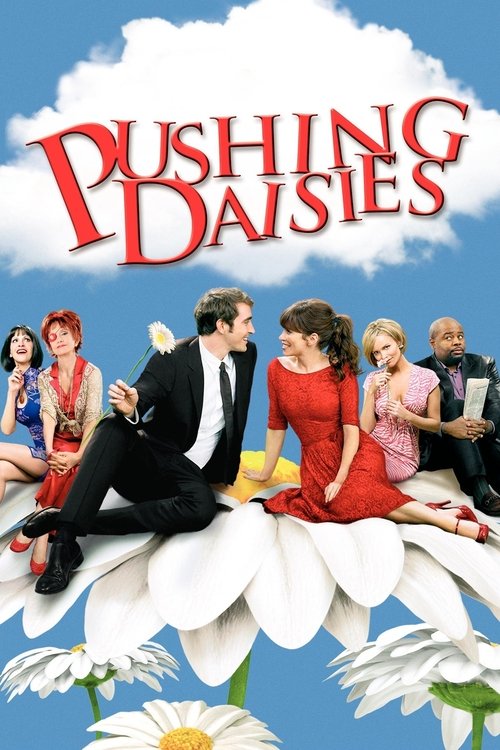

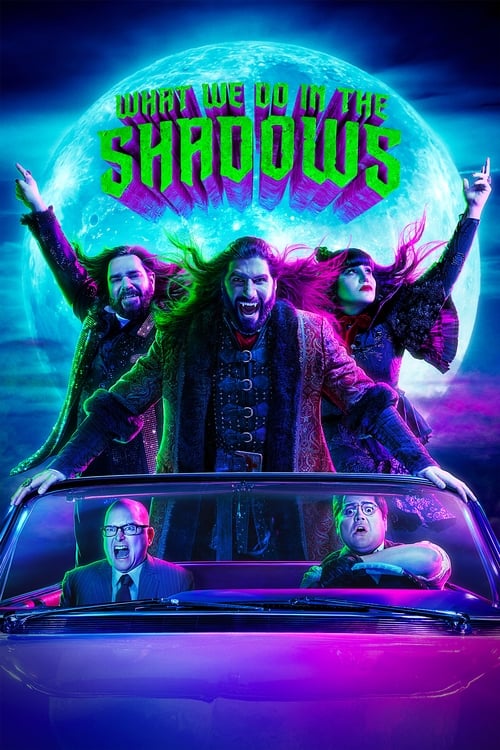
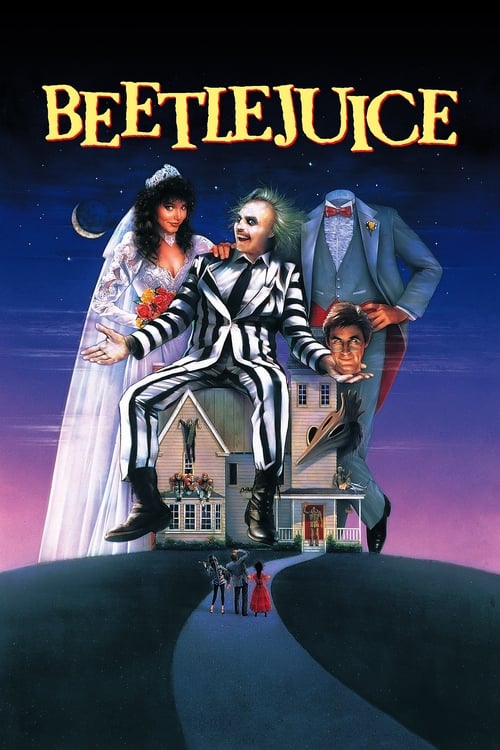
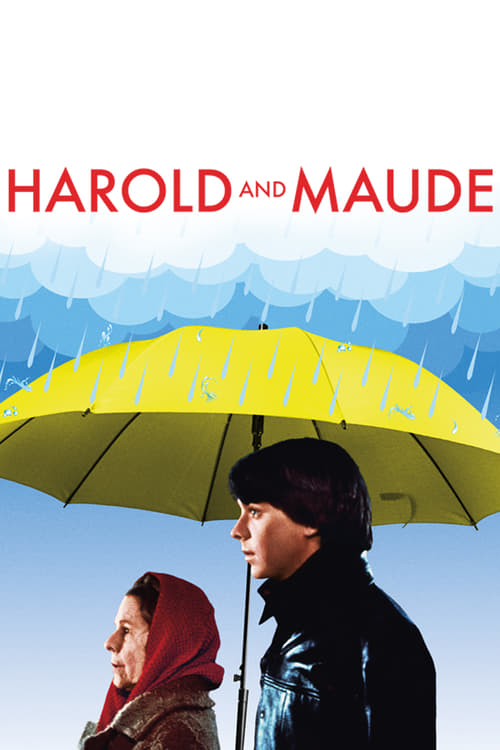
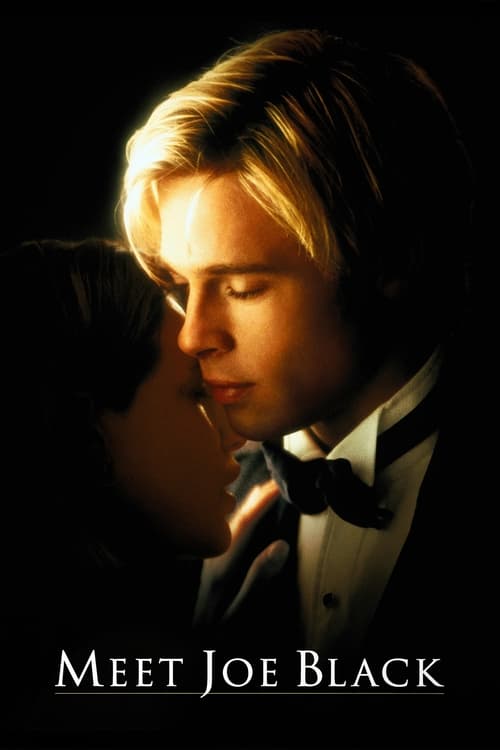
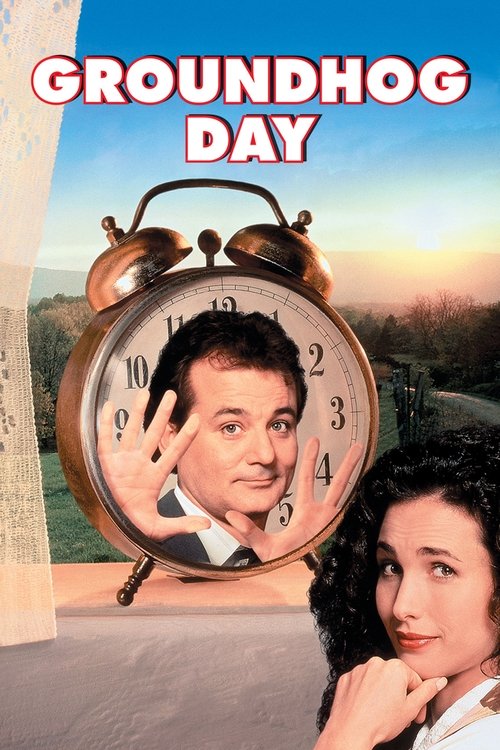
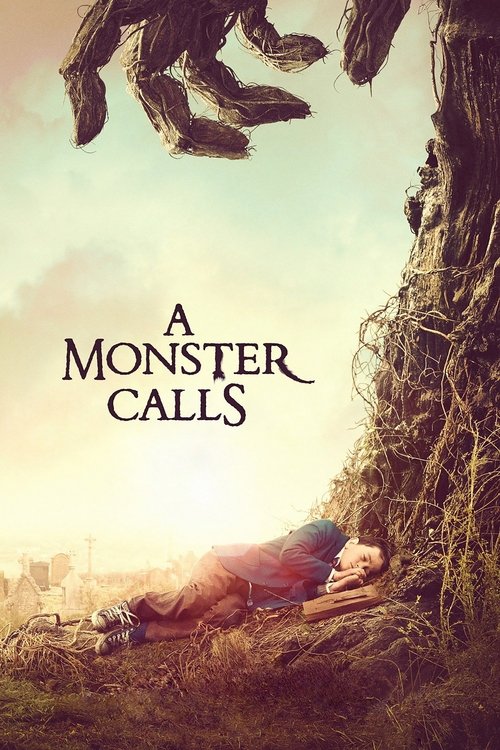
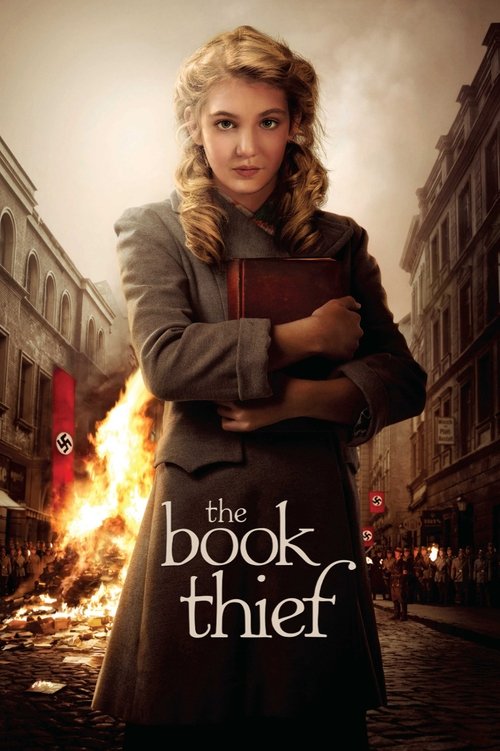
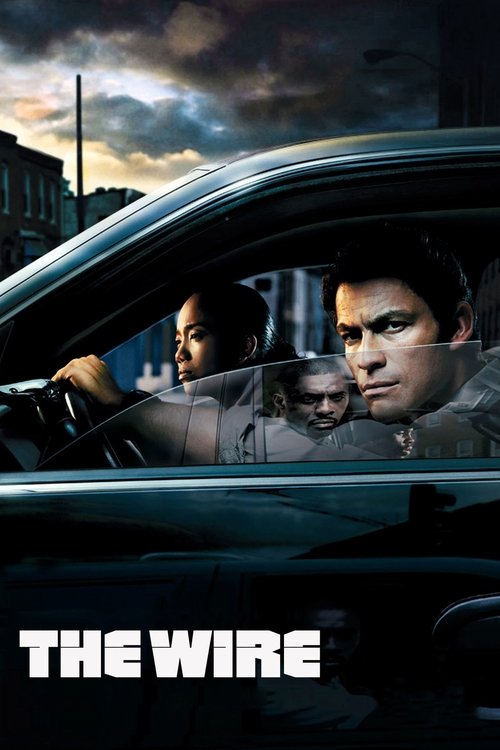
The City Watch extended universe: procedural fiction with moral weight
Stories about keeping order in places where order is a negotiation
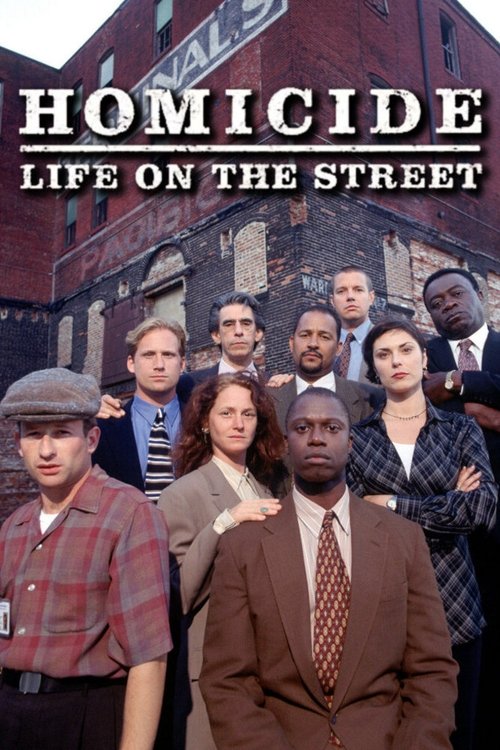
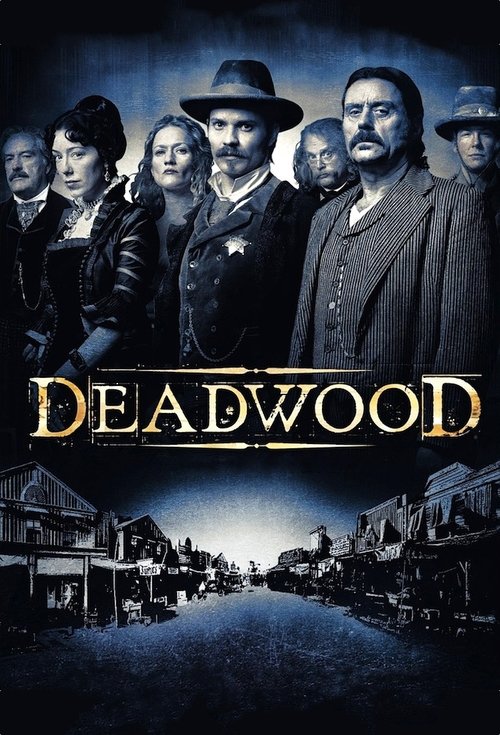
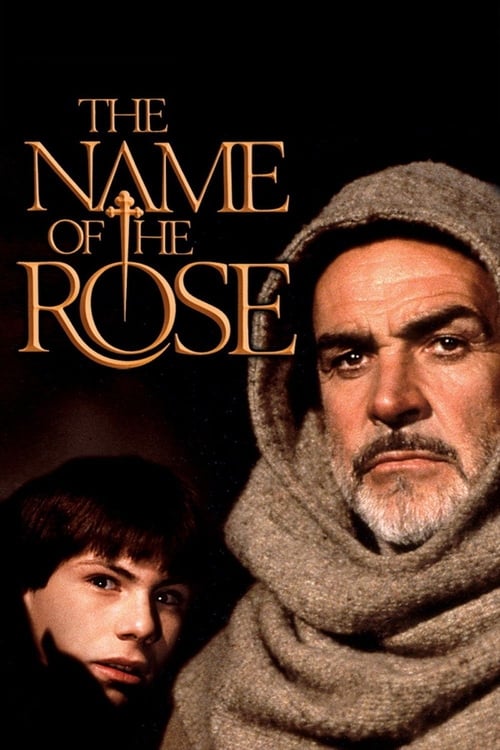
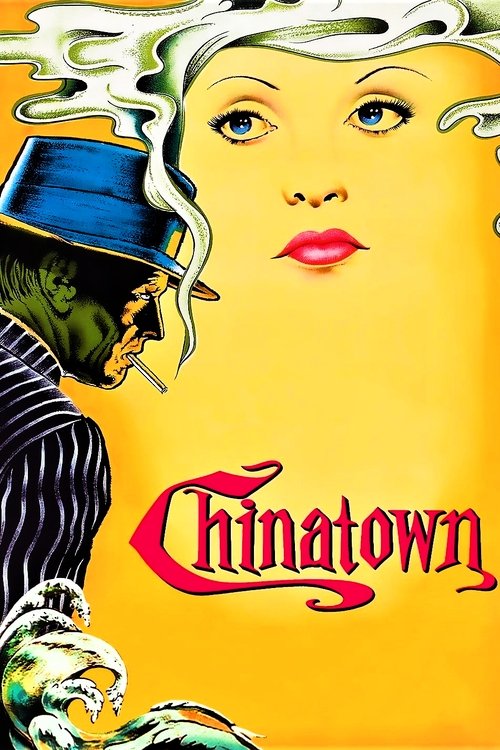
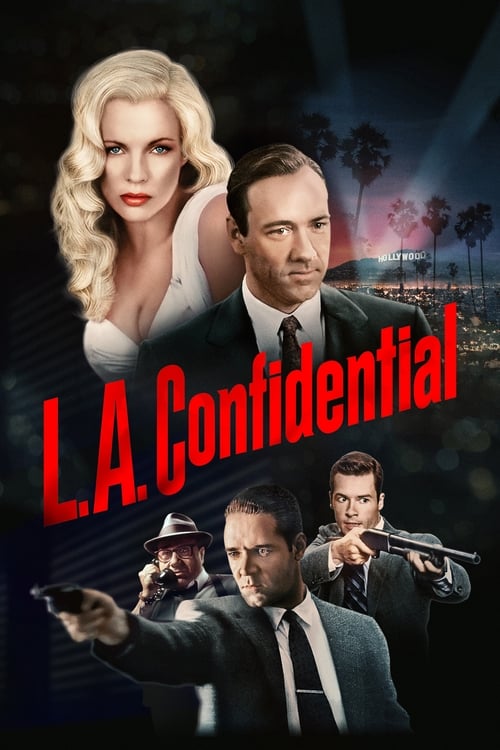

Humane fantasy: when the genre treats people like people
Fantasy that cares more about characters than about chosen-one mechanics


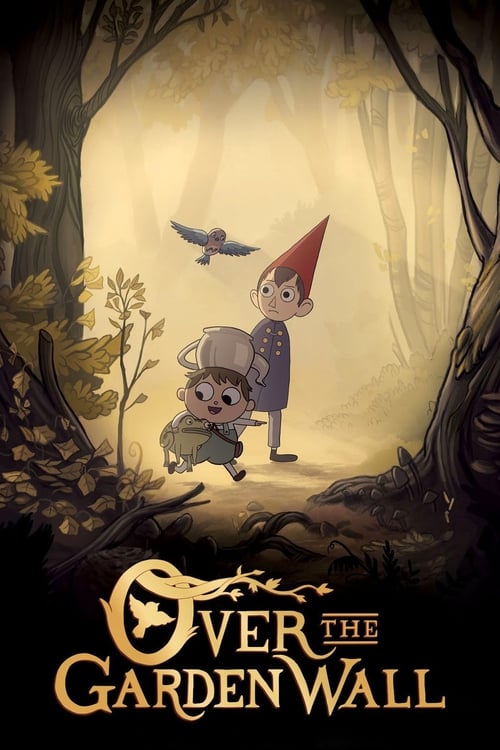
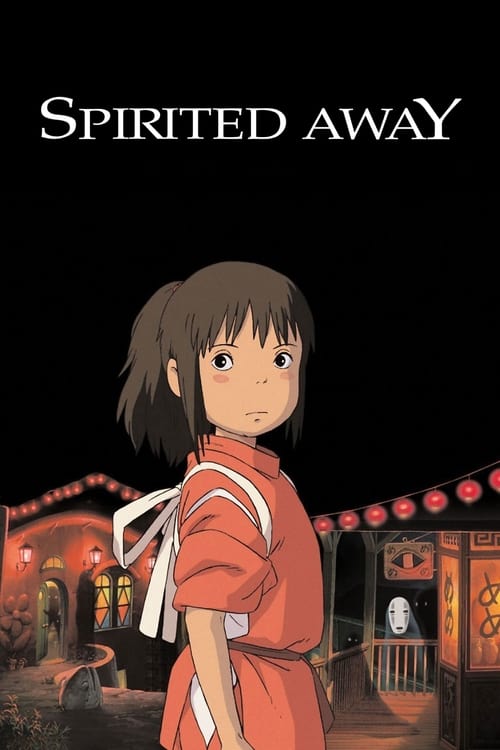
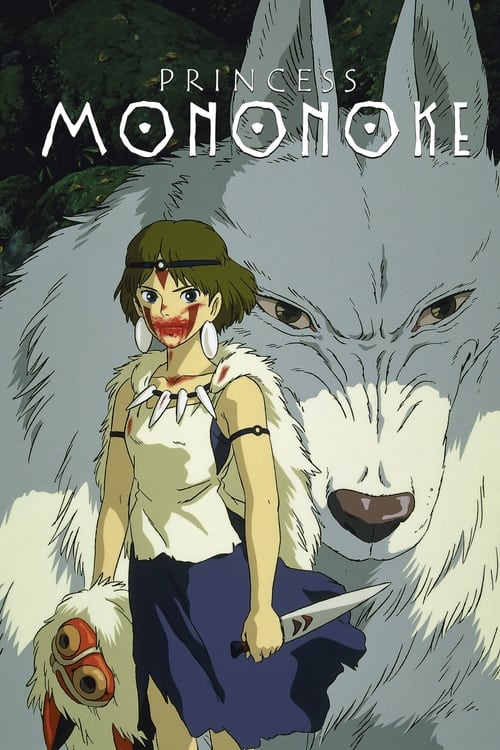
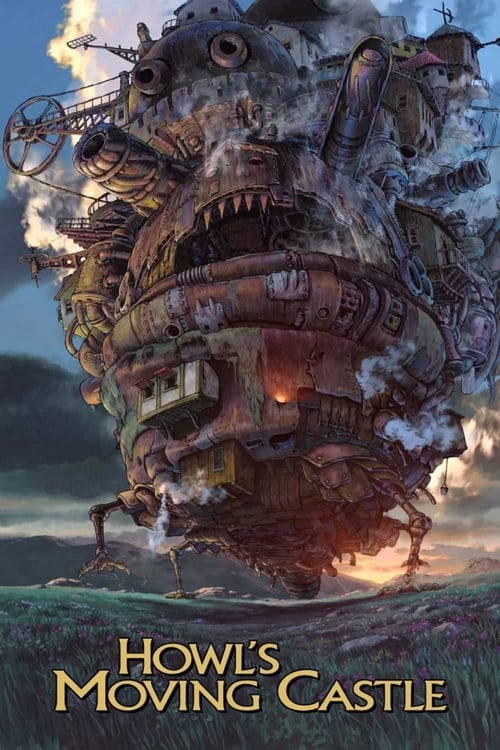
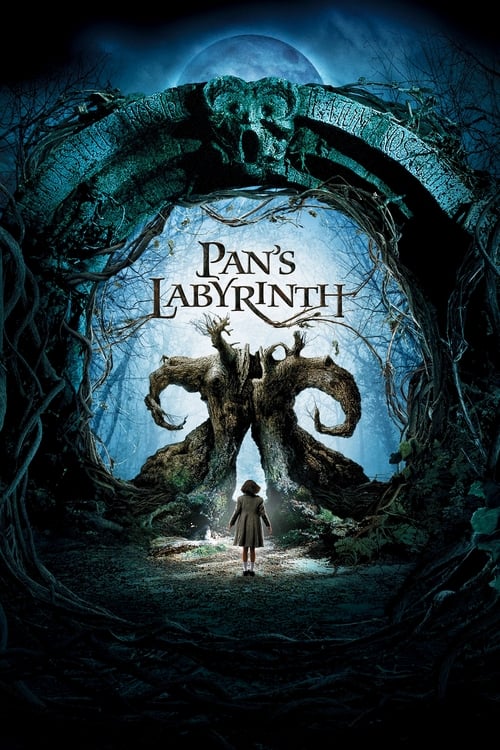
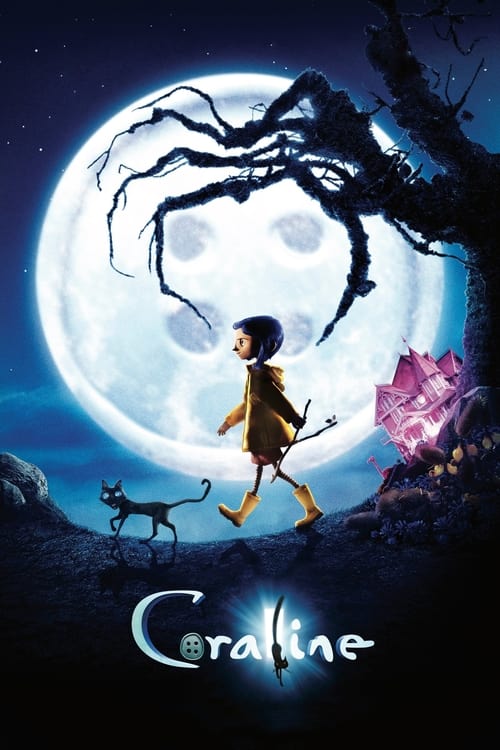
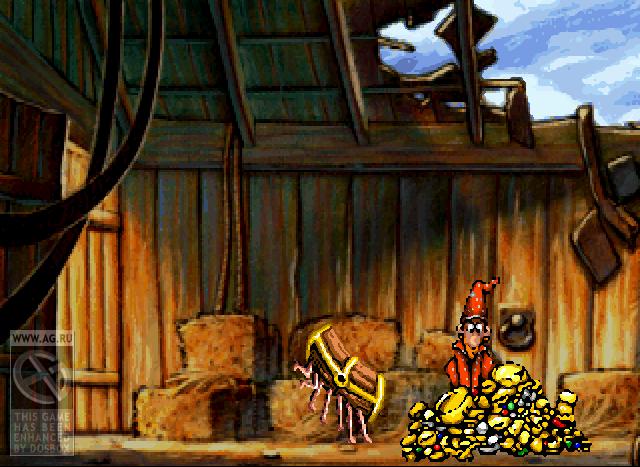
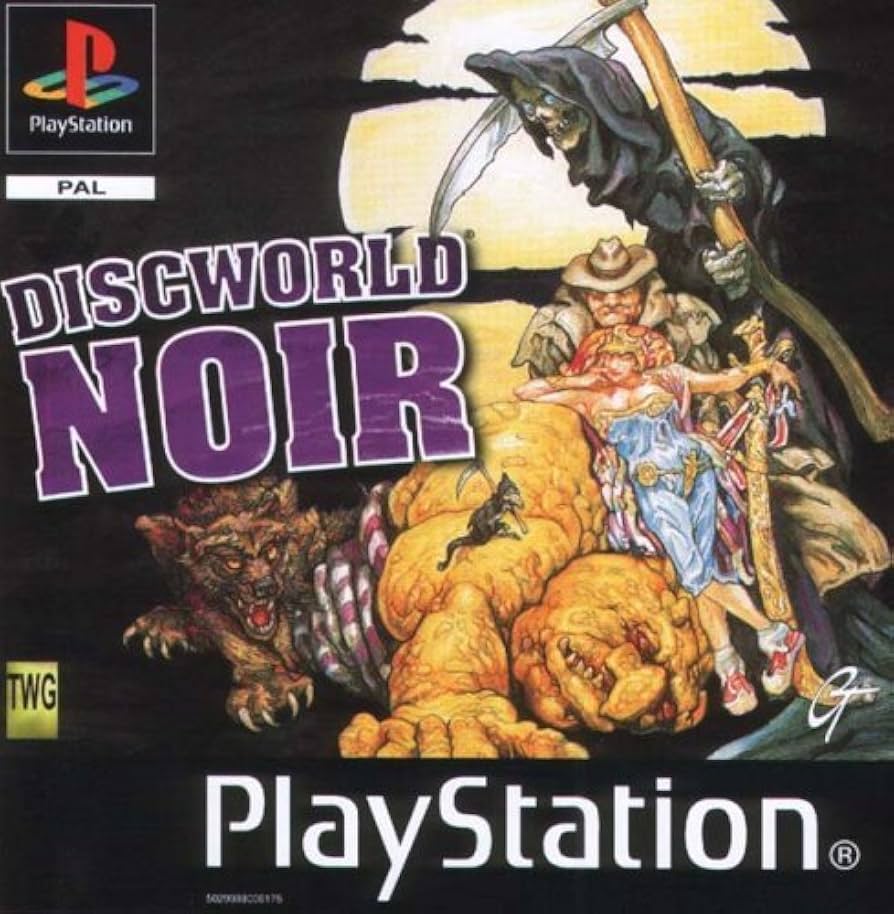
For Discworld players: games with the same voice
Games where the writing is the point, the world has opinions, and nothing is what it appears

The perfect entry point is not the first book
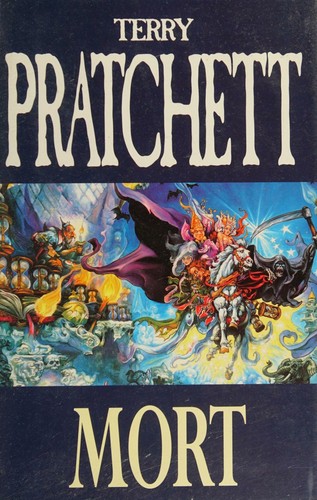
Night Watch is where Pratchett's City Watch arc reaches its peak, and it works as a standalone if you are patient with the setup. But for a first taste of Discworld, Mort is the better entry: shorter, funnier, and it gets Death right immediately. Death is always the character Pratchett was most honest with. The Colour of Magic, despite being first, is still finding its feet. Start with Mort, then go straight to Small Gods if you want to understand what he was actually angry about.
The most underrated Pratchett is the one about religion
Small Gods is the novel where Pratchett takes apart organised religion and puts it back together with his bare hands. No Watch, no witches, just one very confused tortoise and a novice monk discovering that institutions can murder the very ideas they claim to protect. It stands alone, it has nothing cute about it, and it contains some of the most genuinely moving pages he ever wrote. Anyone who knows Pratchett only through the comedy should read this one first.
The spiritual successor is on television and it involves a lot of swearing
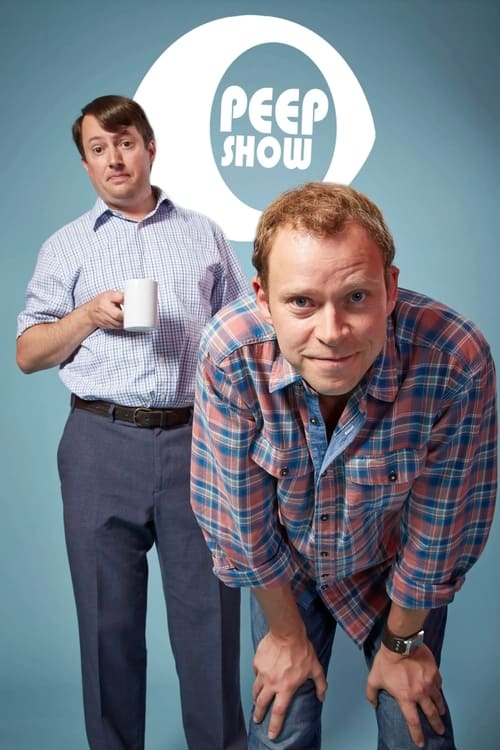
Peep Show occupies the same moral space as the Ankh-Morpork novels: institutions that exist to perpetuate themselves, staffed by people who are both ridiculous and complicit. Where Pratchett built a fantasy city to make you see real cities clearly, Jesse Armstrong and Sam Bain built two men's skulls. The delivery is different but the diagnosis is the same: people know exactly what they are doing wrong and do it anyway, and the comedy is watching them justify it in real time.
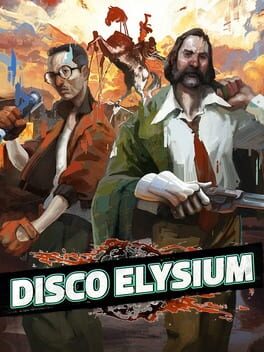
Disco Elysium is the game Pratchett would have written
Disco Elysium is the closest any game has come to the Pratchett method: a world with strongly held opinions about politics, history, and human failure, delivered through characters who are funny precisely because they are tragic. The protagonist is an amnesiac disaster of a detective trying to solve a murder in a city that is itself a failed ideology. Pratchett would have recognised the form immediately. The Discworld games from the 1990s are also genuinely good, built directly from the books, but Disco Elysium is where the spirit landed.
Pratchett's career in landmarks
- 1971First published story, 'The Hades Business', sold at age 13
- 1983The Colour of Magic launches Discworld
- 1987Equal Rites introduces the witches
- 1989Guards! Guards! opens the Watch arc
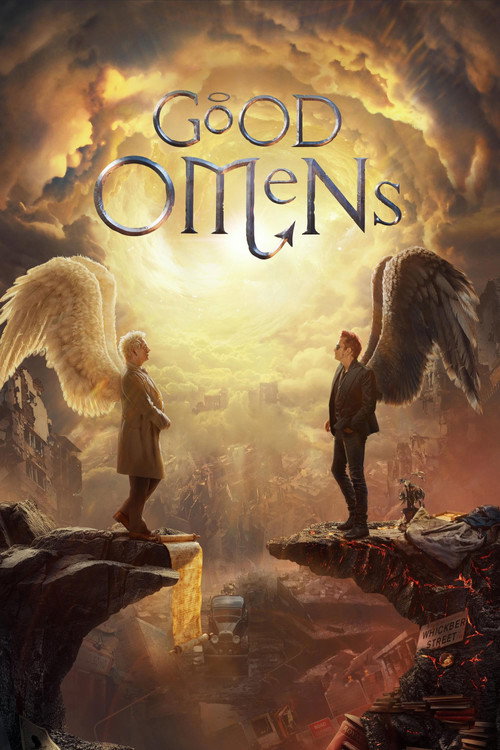
- 1990Good Omens co-written with Neil Gaiman
- 1992Small Gods, the standalone masterwork
- 2002Night Watch, widely cited as his finest novel
- 2007Publicly announces early-onset Alzheimer's diagnosis
- 2010Raises over one million pounds for Alzheimer's research
- 2015Dies in March; the final Discworld novel published posthumously
The Watch, the city, the comedy
For Fans of Good Omens
Explore the For Fans of Good Omens guide →Real stupidity beats artificial intelligence every time.Terry Pratchett, Hogfather