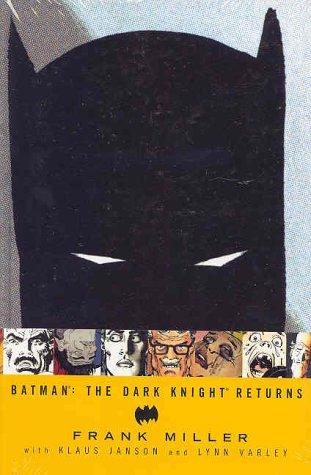

Frank Miller did not revive Batman in 1986. He buried the old one and replaced him with something rawer: a 55-year-old Bruce Wayne dragged back to the cowl by a Gotham that has grown feral, by a government that has neutralized Superman, and by his own violence that he can no longer suppress. The Dark Knight Returns is a four-issue miniseries that reads as a referendum on American power, media spectacle, and the question of whether a man with no superpower except will can still matter in an age of nuclear anxiety. Miller's art, inked in black slabs, is as much statement as storytelling. If you love what this book does, you are chasing a specific feeling: moral ambiguity without comfort, city-as-battlefield, and heroes who cost something.
Essential Frank Miller
The key works from the architect of modern comics noir


On Screen: Batman Reimagined
Films and series that carried Miller's DNA into live action and animation
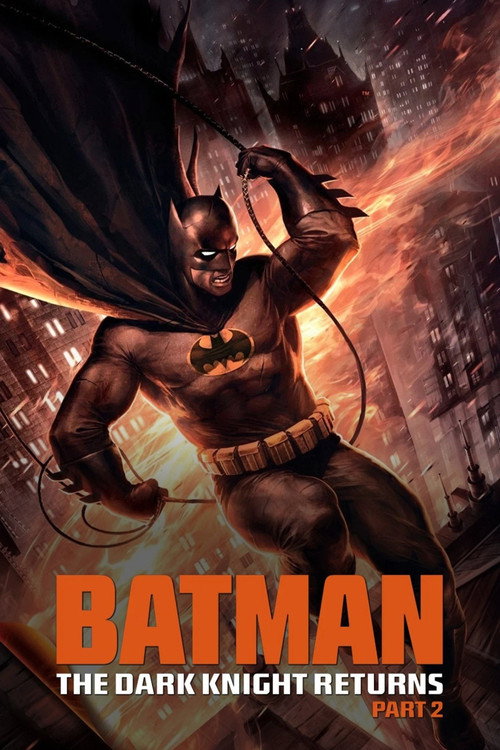
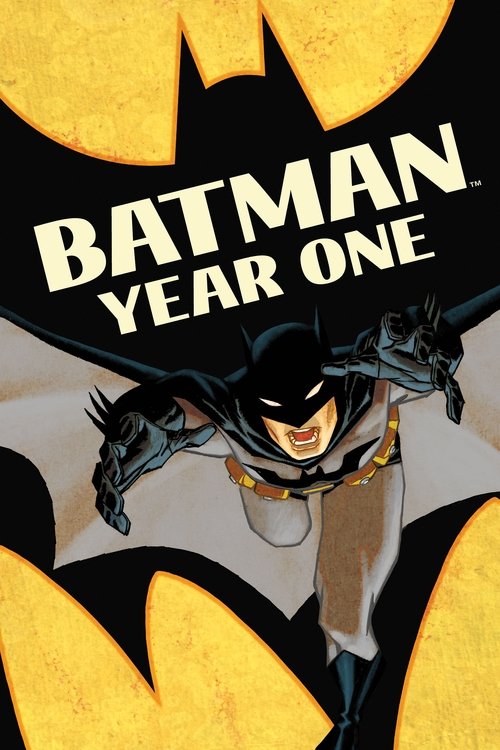
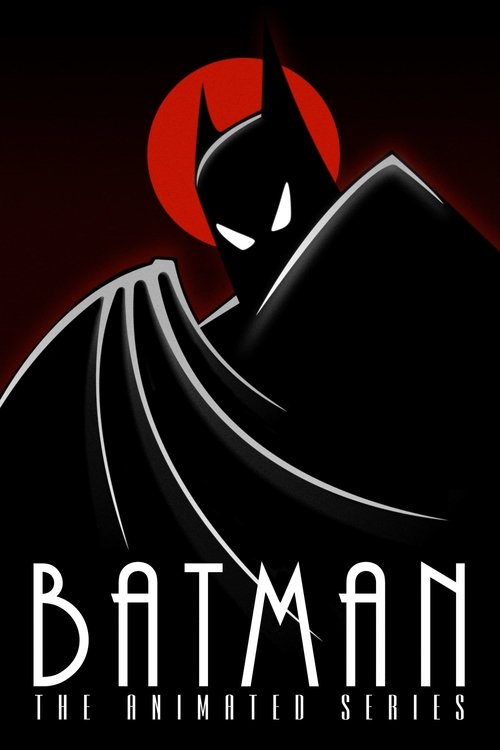
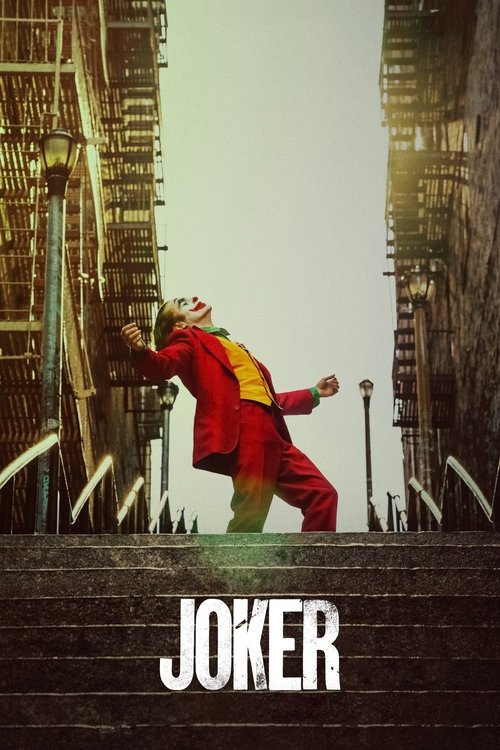
Graphic Novels in the Same Register
Comics and graphic novels that treat the superhero as a civic or moral problem


Films and Series That Share the Darkness
The same bruised, political, city-as-arena feeling in moving pictures
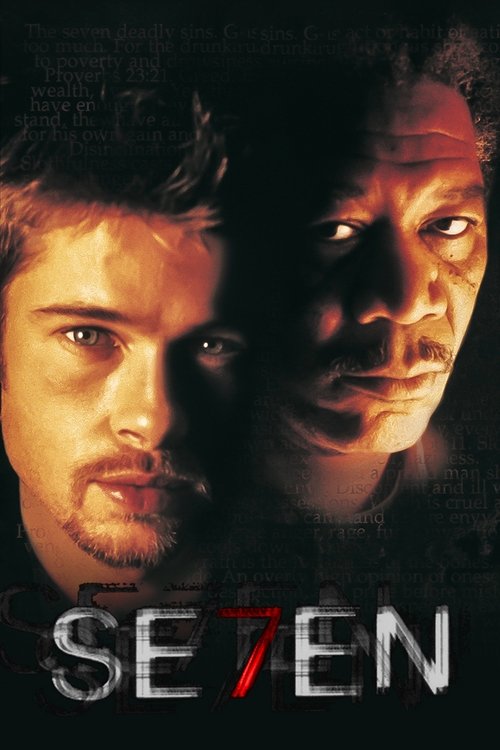
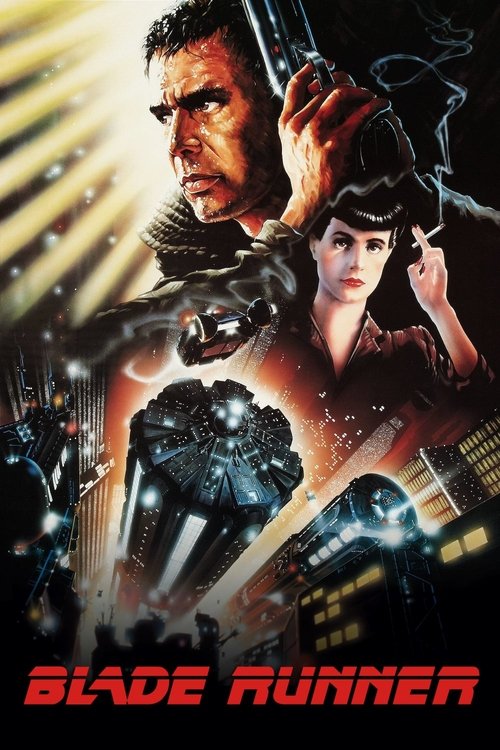
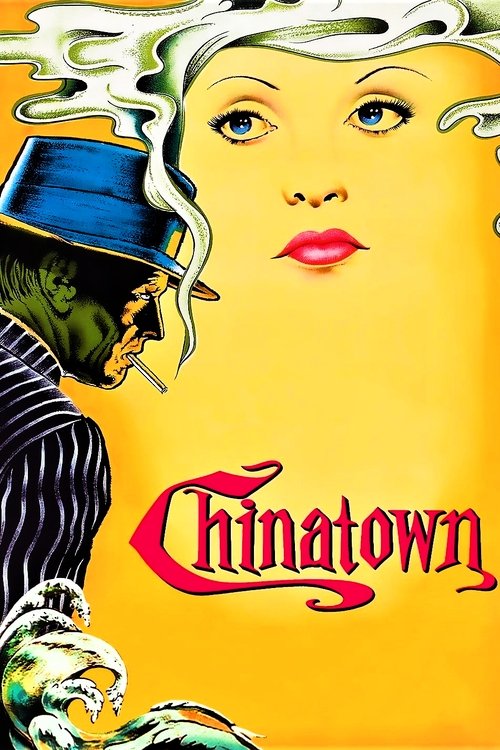
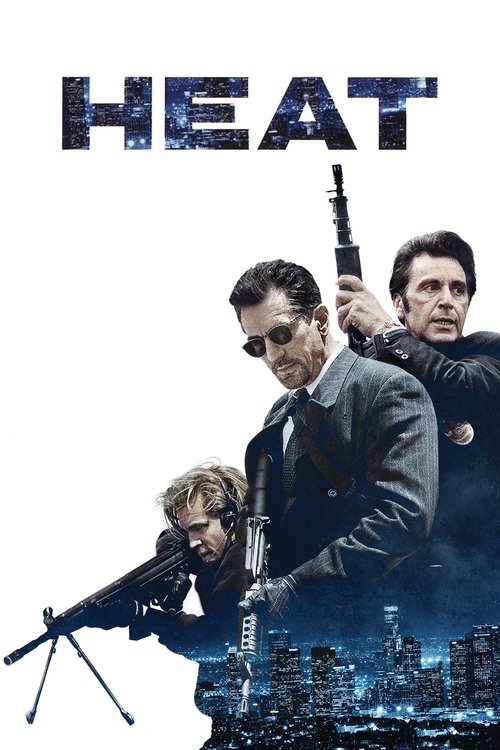
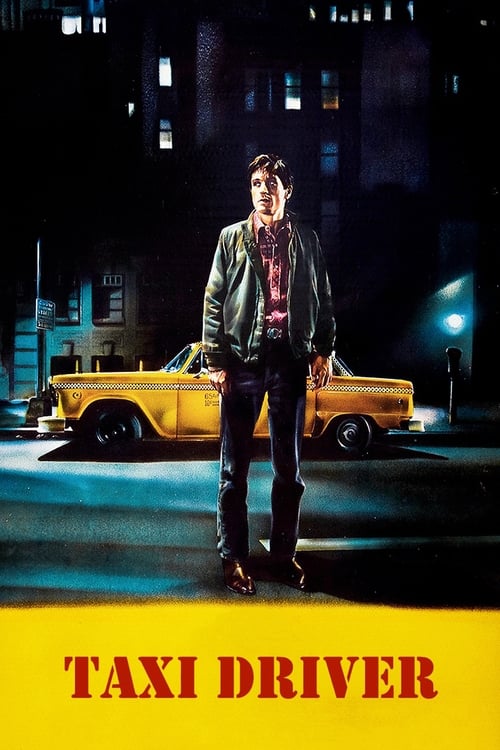
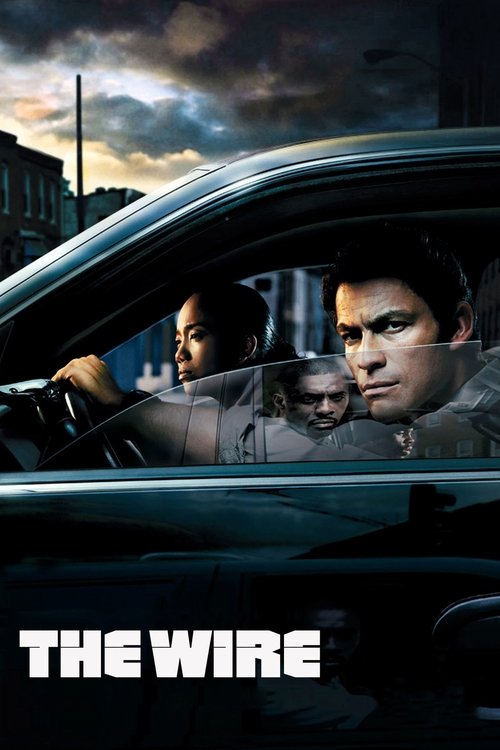
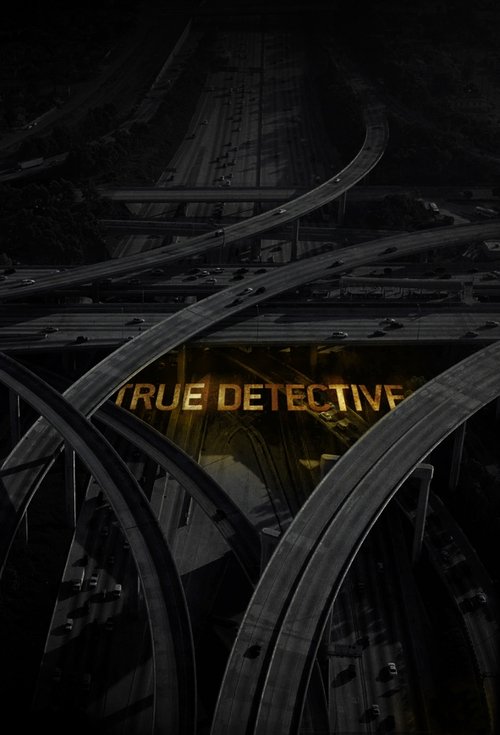
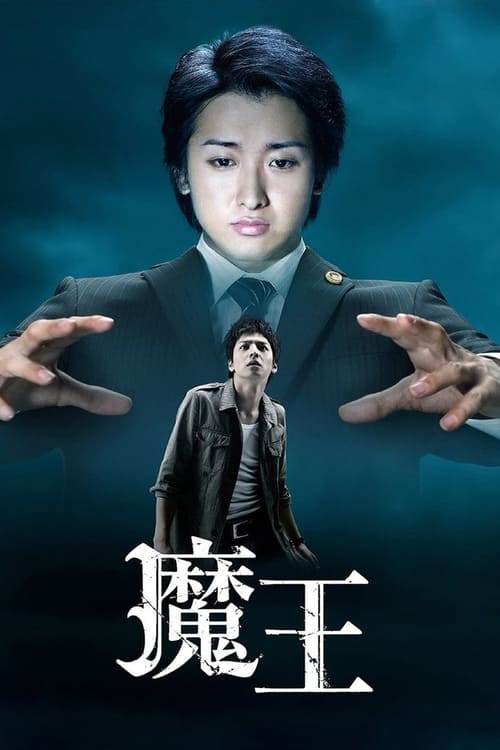
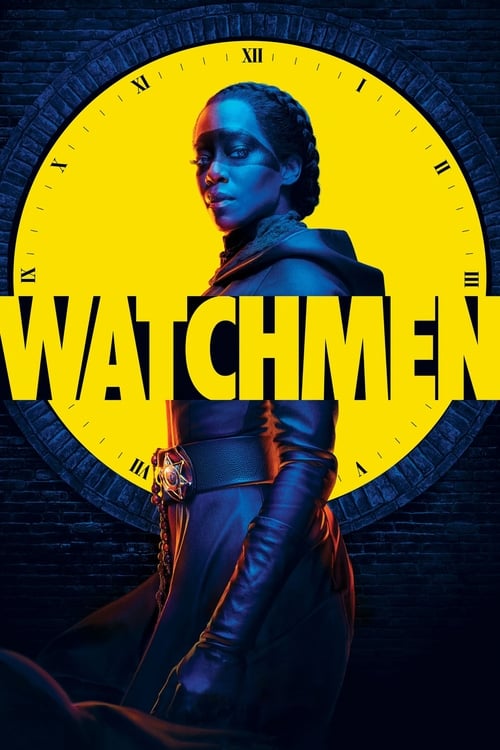
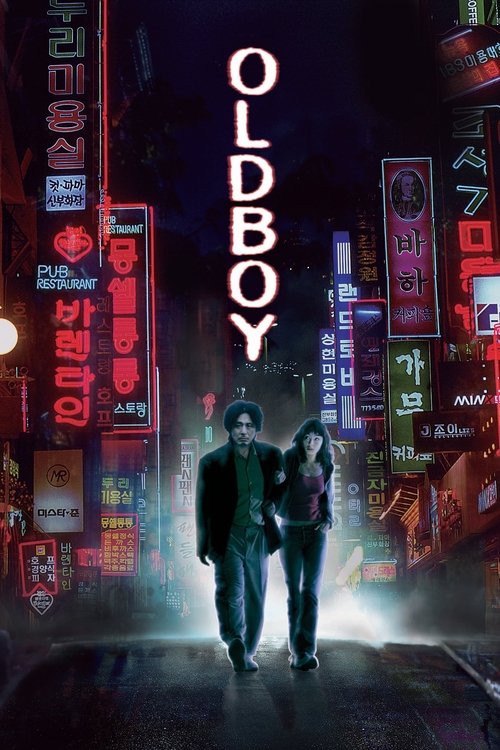
Games That Chase the Same Tone
Brutal, morally weighted, and city-bound
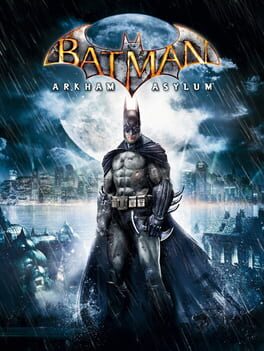
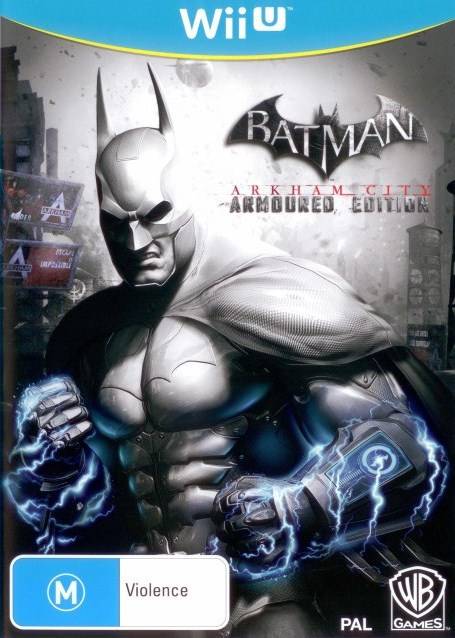
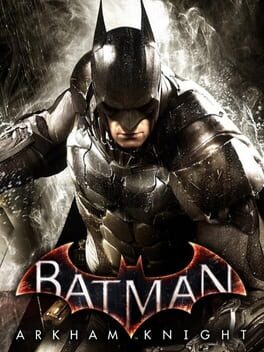
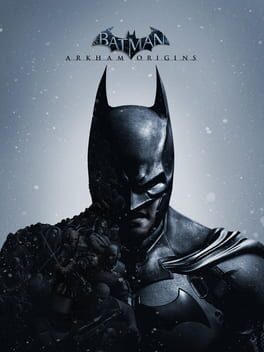

Miller Broke the Fourth Wall Before It Was Fashionable
The Dark Knight Returns is saturated with television: pundits debate Batman's return in real time, the Joker weaponizes media coverage, and Superman operates as government property under a president who sounds suspiciously telegenic. Miller was diagnosing 1986 America, but the critique has only sharpened. The book understood that spectacle is part of the violence, not incidental to it. Almost nothing published since has processed that insight as cleanly.
The Ageing Hero Is the Real Genre
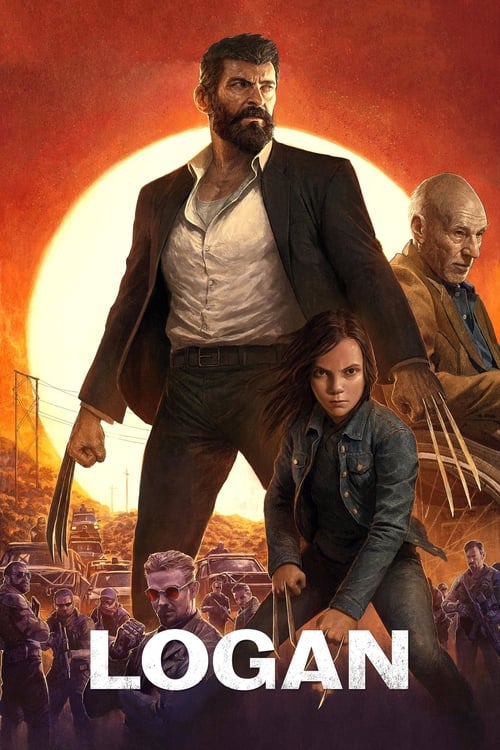
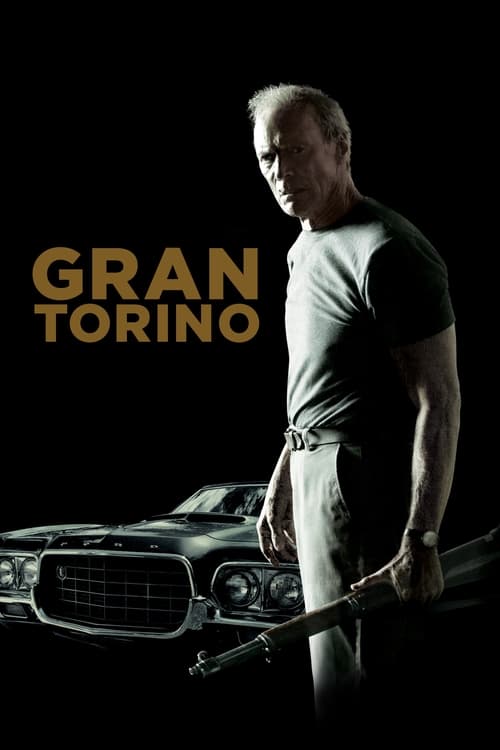
What Miller actually wrote is a story about a body that refuses to stop. Bruce Wayne is not recapturing glory; he is dragged back by compulsion, and the physical cost is present on every page. That template, the hero who has no exit, surfaces in Logan, in The Wrestler, in Gran Torino. The genre of the reluctant return is one of the richest in popular fiction, and The Dark Knight Returns is its blueprint.
Year One Is the Essential Companion
Batman: Year One, released the same year, is the opposite pole of the same argument. Where The Dark Knight Returns is apocalyptic and maximalist, Year One is almost procedural: the origin stripped down to failure, corruption, and compromise. Together they form a diptych. Fans who have read only one have read half the argument Miller was making about what it costs to put on the suit at all.
Watchmen Answered It, Kingdom Come Mourned It
Alan Moore read The Dark Knight Returns and responded with Watchmen, a demolition of the same premise from the opposite direction: if Miller's Batman proves that will can triumph, Moore's Rorschach proves it curdles into fascism. Mark Waid and Alex Ross's Kingdom Come arrived a decade later with a third take: grief. These three works are not in competition; they are a conversation, and it is one of the best the superhero genre has ever had.
The Dark Knight in Time
- 1939Batman debuts in Detective Comics #27
- 1966The campy Batman TV series cements the character as light entertainment Batman
- 1979Denny O'Neil and Neal Adams reinstate a darker Batman in the comics
- 1986The Dark Knight Returns publishes as a four-issue miniseries
- 1987Batman: Year One completes the Miller diptych
- 1989Tim Burton brings the darker Batman to cinemas Batman
- 1992Batman: The Animated Series adopts the noir visual language Batman: The Animated Series
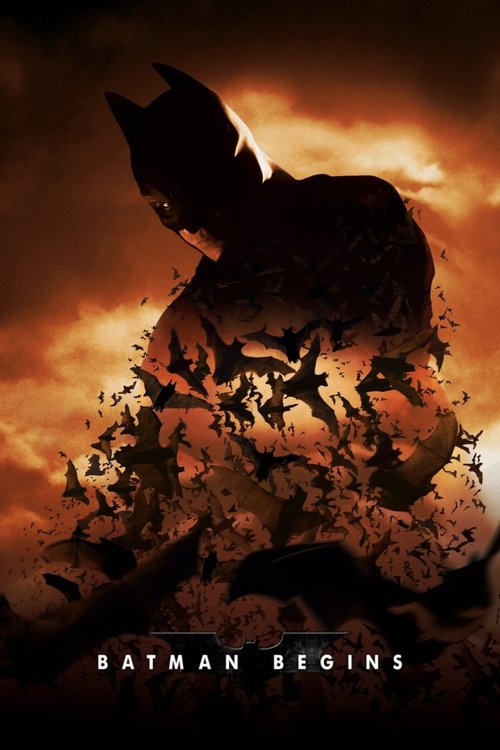
- 2005Christopher Nolan begins his realist trilogy Batman Begins
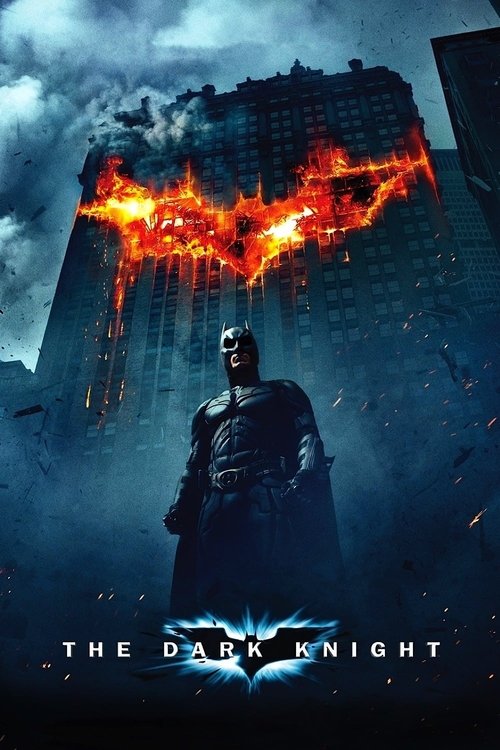
- 2008The Dark Knight is released, drawing heavily on Miller's themes The Dark Knight
- 2012Rocksteady's Arkham City reaches the peak of the games lineage Batman: Arkham City Armored Edition
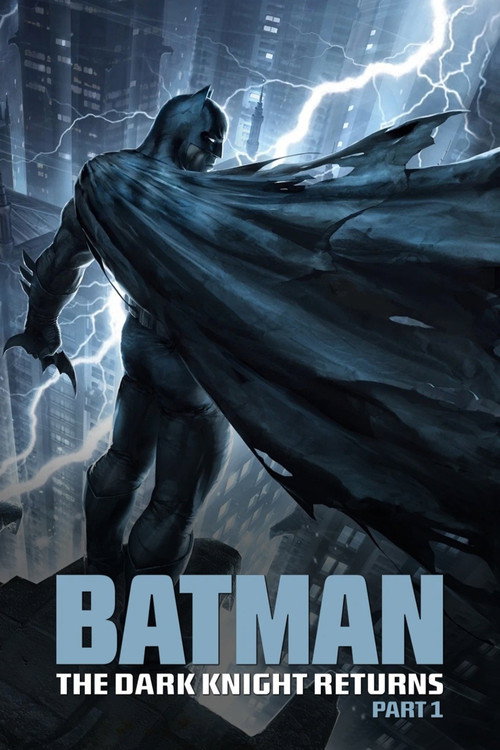
- 2013Animated film adaptation of the miniseries arrives in two parts Batman: The Dark Knight Returns, Part 1
Grim vigilantes and noir comics
For Fans of Watchmen
Explore the For Fans of Watchmen guide →The Dark Knight Returns did not make Batman grim. It made grimness earn its keep.CrossBinge