
Trent Reznor spent two years recording The Downward Spiral in the rented house where Sharon Tate was murdered, and that detail isn't tabloid colour, it's the whole atmosphere: a beautiful, violent space saturated with someone else's horror. The album follows an unnamed protagonist's methodical dismantling of every anchor, faith, love, identity, and finally the body itself, across 14 tracks that move between whispered electronics and full-frequency industrial assault. What fans chase is a very specific thing: confessional darkness delivered with absolute sonic precision, the feeling that ugliness has been crafted into something almost unbearably gorgeous. The aesthetic runs through a particular lineage of art that treats disintegration as subject matter rather than backdrop.
Essential Nine Inch Nails
Reznor's studio records ranked by obsession, not accessibility
The Same Frequency: Industrial and Dark Rock
Records that occupy the same psychological space
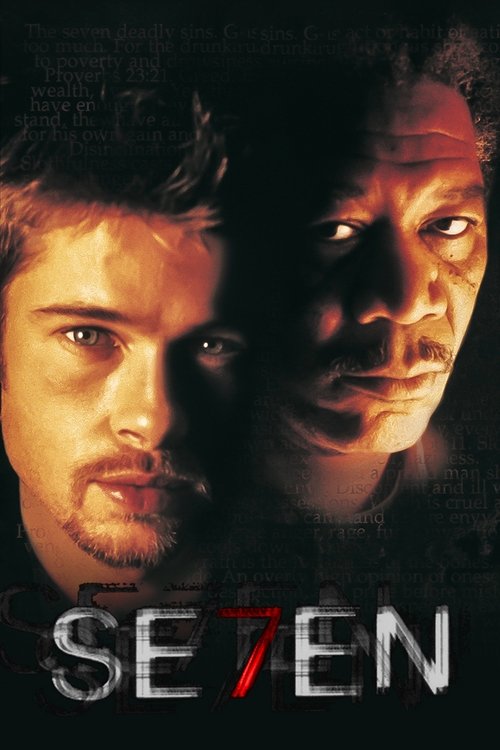
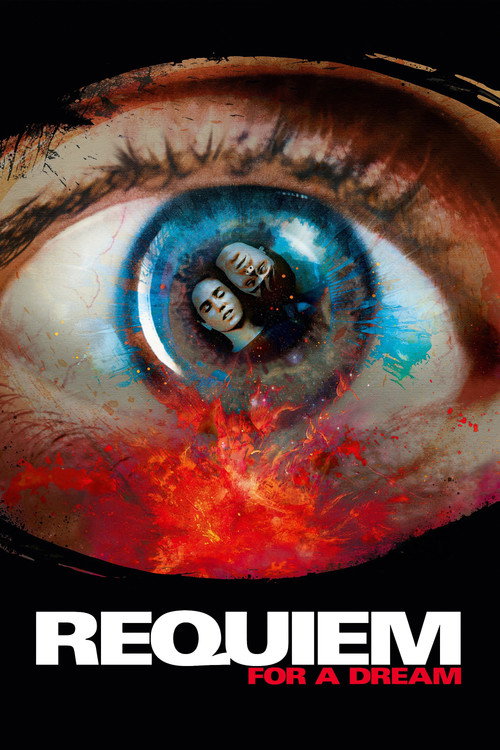
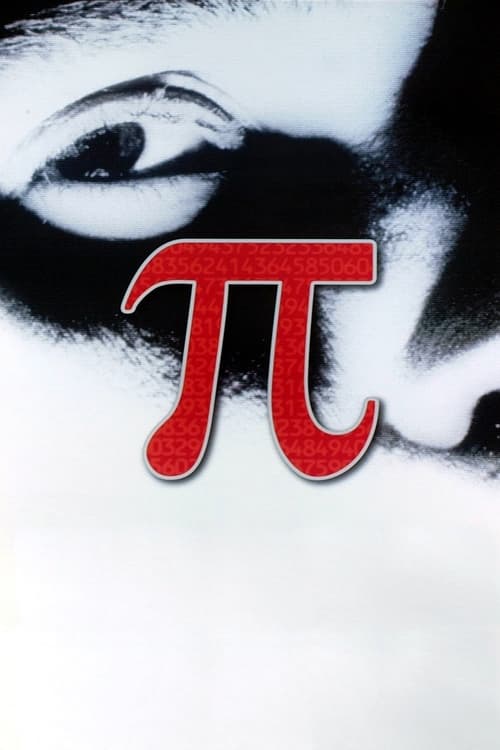
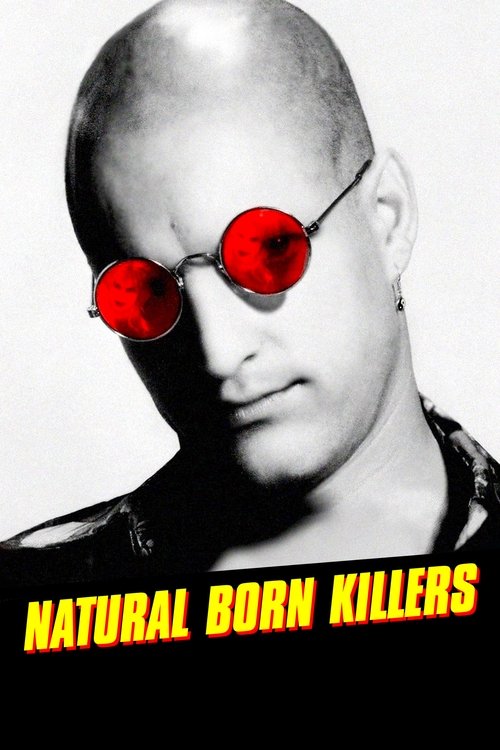
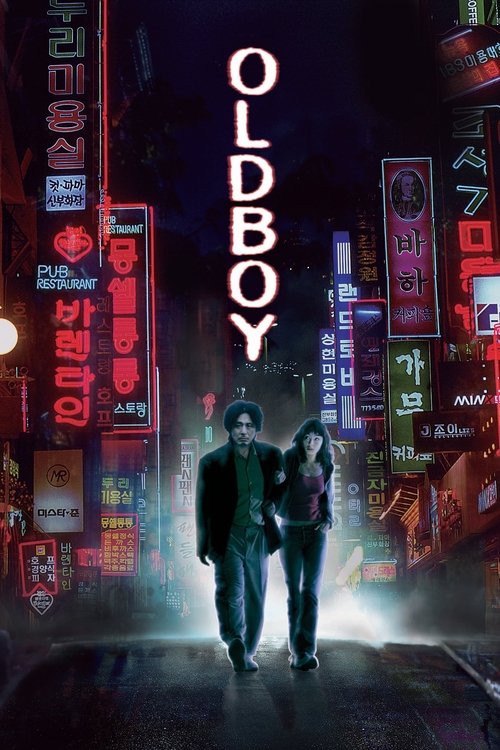
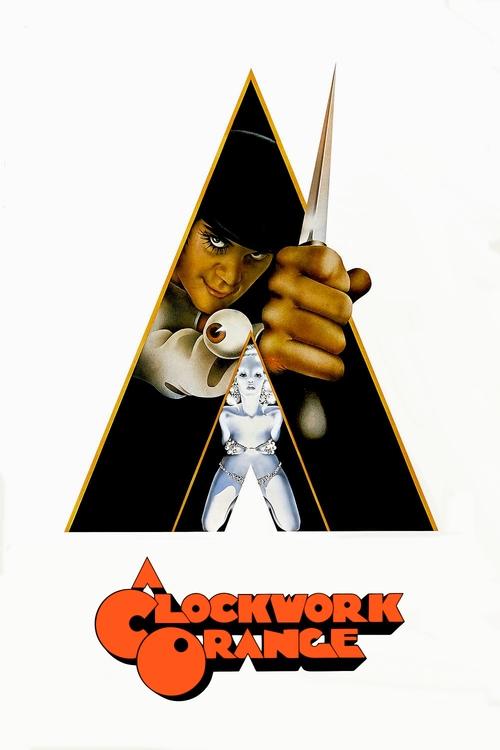
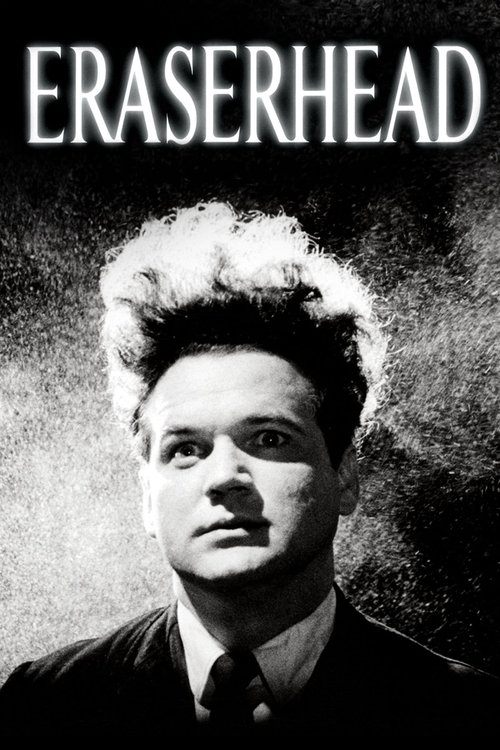
Films That Live in That Same Dark Room
Cinema sharing the album's obsessive, claustrophobic tone



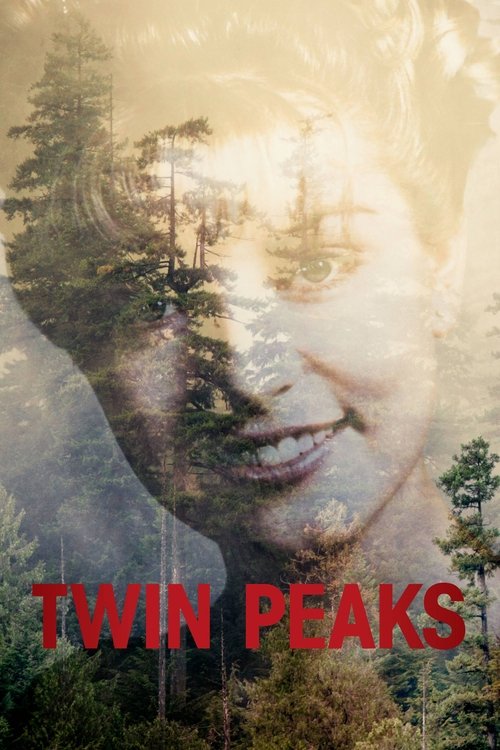
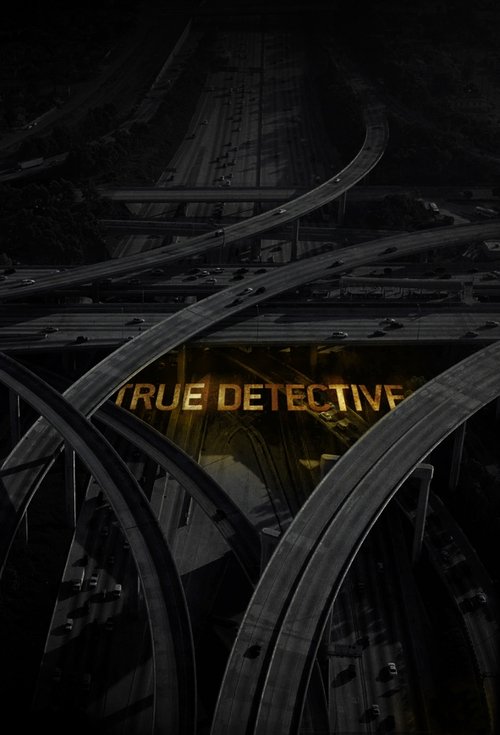
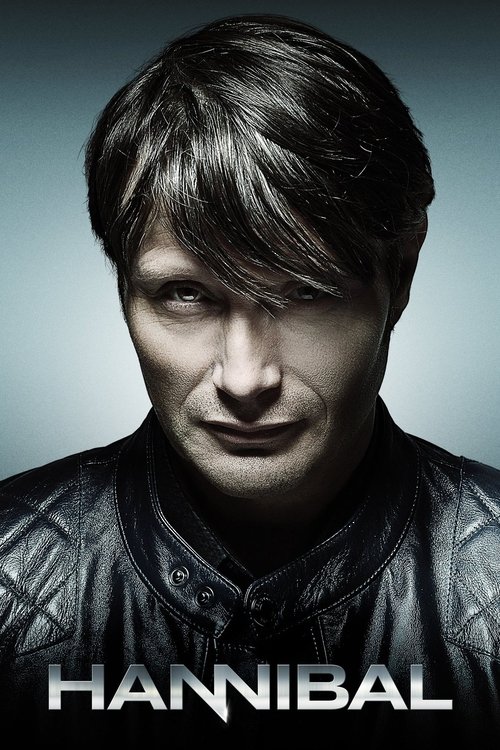
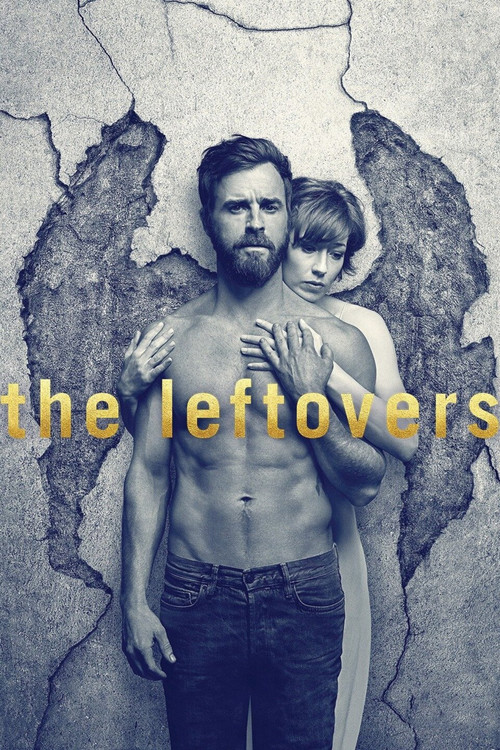
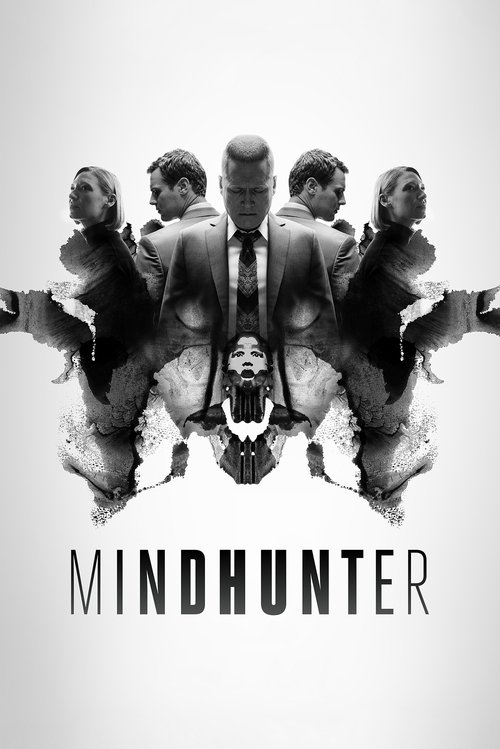
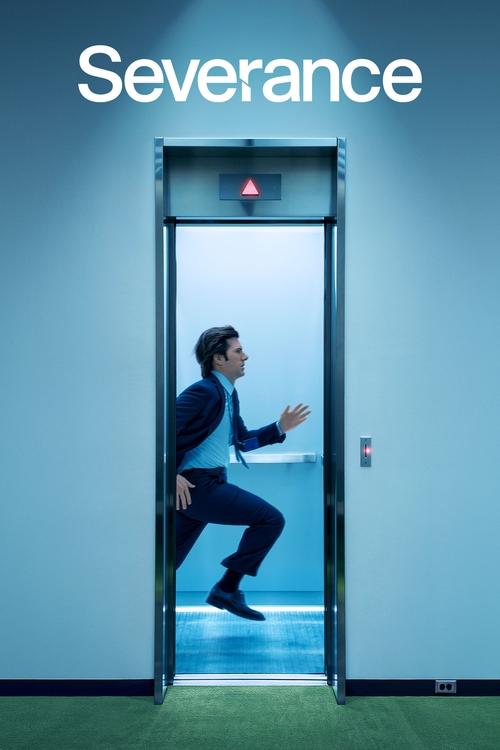
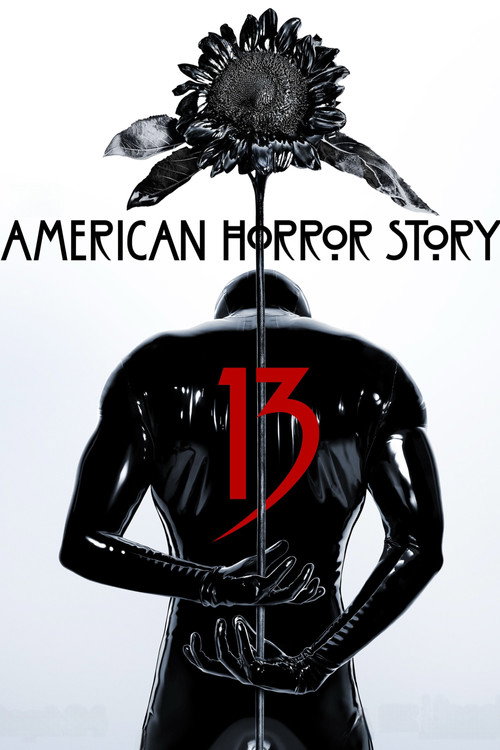
Television That Goes to the Edge
Series with the album's appetite for psychological unravelling

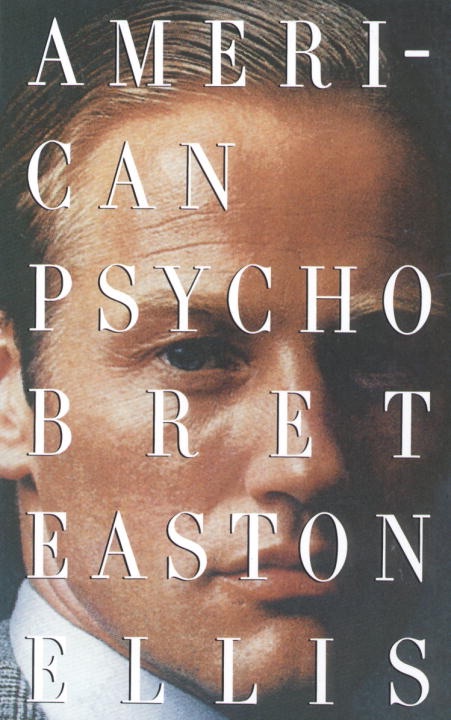
Books That Match the Spiral's Interior Monologue
Fiction and memoir for readers who find consolation in unflinching self-examination


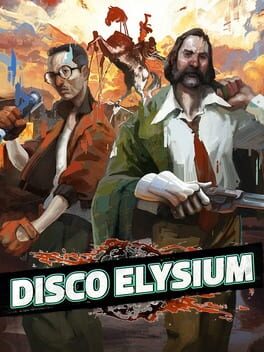
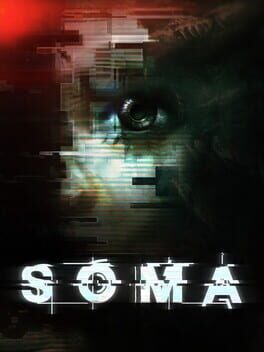
Games That Share the Dread
Titles where atmosphere, control, and psychological horror converge
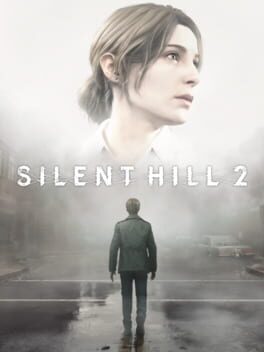
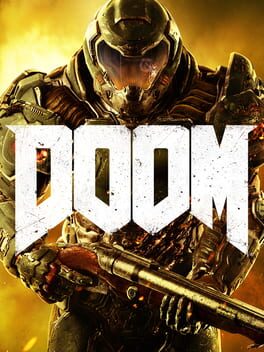
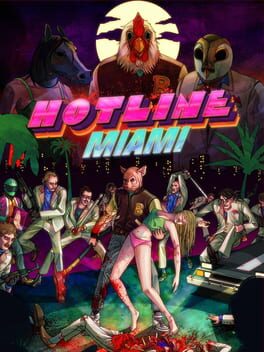
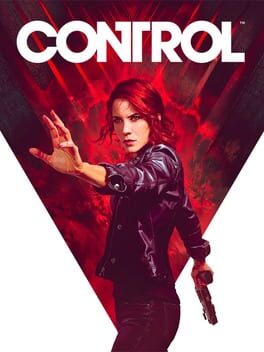


The Sound Design Is the Argument
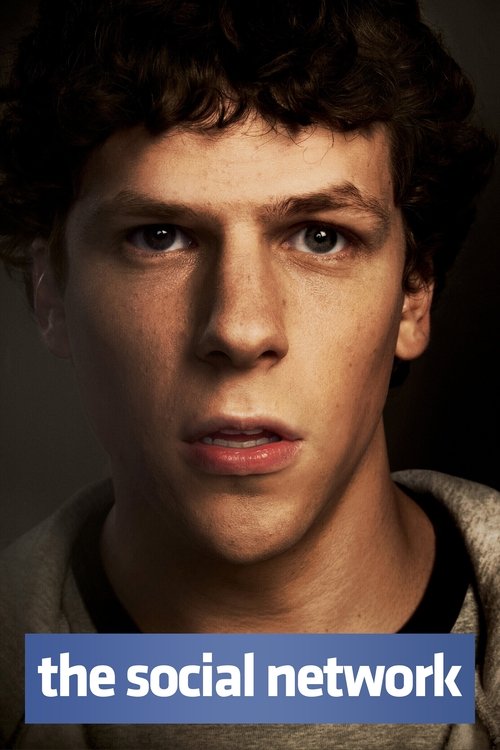
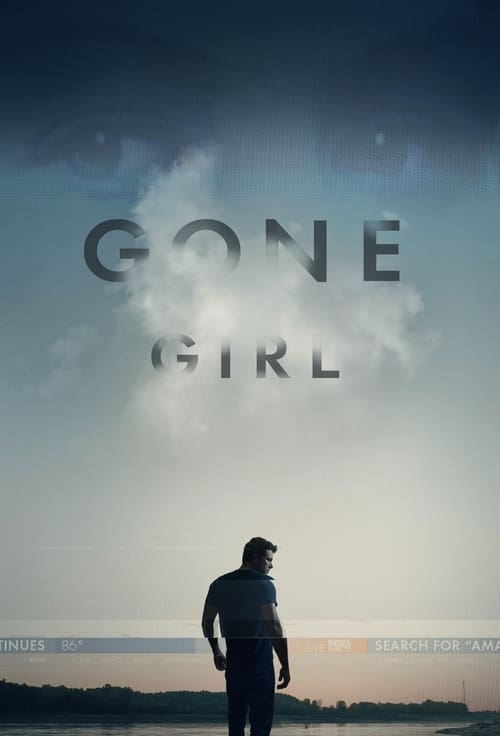
Most rock albums tell you about pain. The Downward Spiral builds a sonic architecture that makes you inhabit it. Reznor's compression choices, the way percussion sounds like machinery eating itself, the sudden amplitude drops that feel like dissociation, these aren't production flourishes. They are the thesis. Trent Reznor and Atticus Ross later did the same thing for cinema in The Social Network and Gone Girl, which is why those scores feel so unnerving: the same technique, different medium.
Marilyn Manson Took the Aesthetic Mainstream and That's a Complicated Thing
Manson was literally Reznor's protege and Antichrist Superstar (produced by Reznor) is the closest sonic relative to The Downward Spiral that exists. But where Reznor's nihilism reads as genuine and suffocating, Manson theatricalised it into something deliberately outrageous and much easier to market. Neither version is wrong, but they are doing very different things. Fans who want the real darkness stay upstream.
David Fincher Is the Film Director Who Operates in This Exact Register
The collaboration between Reznor, Ross, and Fincher on The Social Network, The Girl with the Dragon Tattoo, and Gone Girl is not a coincidence of taste; it is a formal fit. Fincher's cinema is cold, procedural, obsessive, and rewards re-watching because the horror is structural, not jump-scare. He is the closest thing to a The Downward Spiral auteur that film has produced.
Mr. Robot Is the Album as Television
Mr. Robot is what happens when a writer (Sam Esmail) treats The Downward Spiral as a structural template rather than a playlist choice. The unreliable narrator, the self-destruction dressed as ideology, the way the series weaponises its own form against the viewer: it maps note for note. The show also has Reznor and Ross's music in it, which is not subtle, but it is correct.
The Industrial Lineage: Key Moments
- 1969Iggy and the Stooges release Fun House, setting the template for rock self-destruction as art. Fun House
- 1979Joy Division records Unknown Pleasures. Post-punk's cathedral of despair. Unknown Pleasures
- 1982Throbbing Gristle and their peers codify industrial music as a genre. The sonic toolkit is now assembled.
- 1989Nine Inch Nails debut with Pretty Hate Machine, grafting industrial textures onto pop song structures. Pretty Hate Machine
- 1992Ministry's Psalm 69 brings industrial metal to mainstream audiences, clearing the path.
- 1994The Downward Spiral is recorded at 10050 Cielo Drive and released. The album defines the decade's darkest register. The Downward Spiral
- 1995Reznor produces Antichrist Superstar for Marilyn Manson, industrialising an entirely new persona. Antichrist Superstar
- 1999Reznor scores NIN's live aesthetic on And All That Could Have Been. The Fragile expands the sonic palette to two discs. The Fragile
- 2010Reznor and Ross win the Academy Award for Best Original Score for The Social Network. Industrial sound reaches the mainstream via prestige cinema. The Social Network
- 2015Mr. Robot premieres. Television finds its Downward Spiral analogue. Mr. Robot
He couldn't believe how easy it was. He put the gun into his face. Bang.Nine Inch Nails, A Warm Place / Eraser, The Downward Spiral (1994)