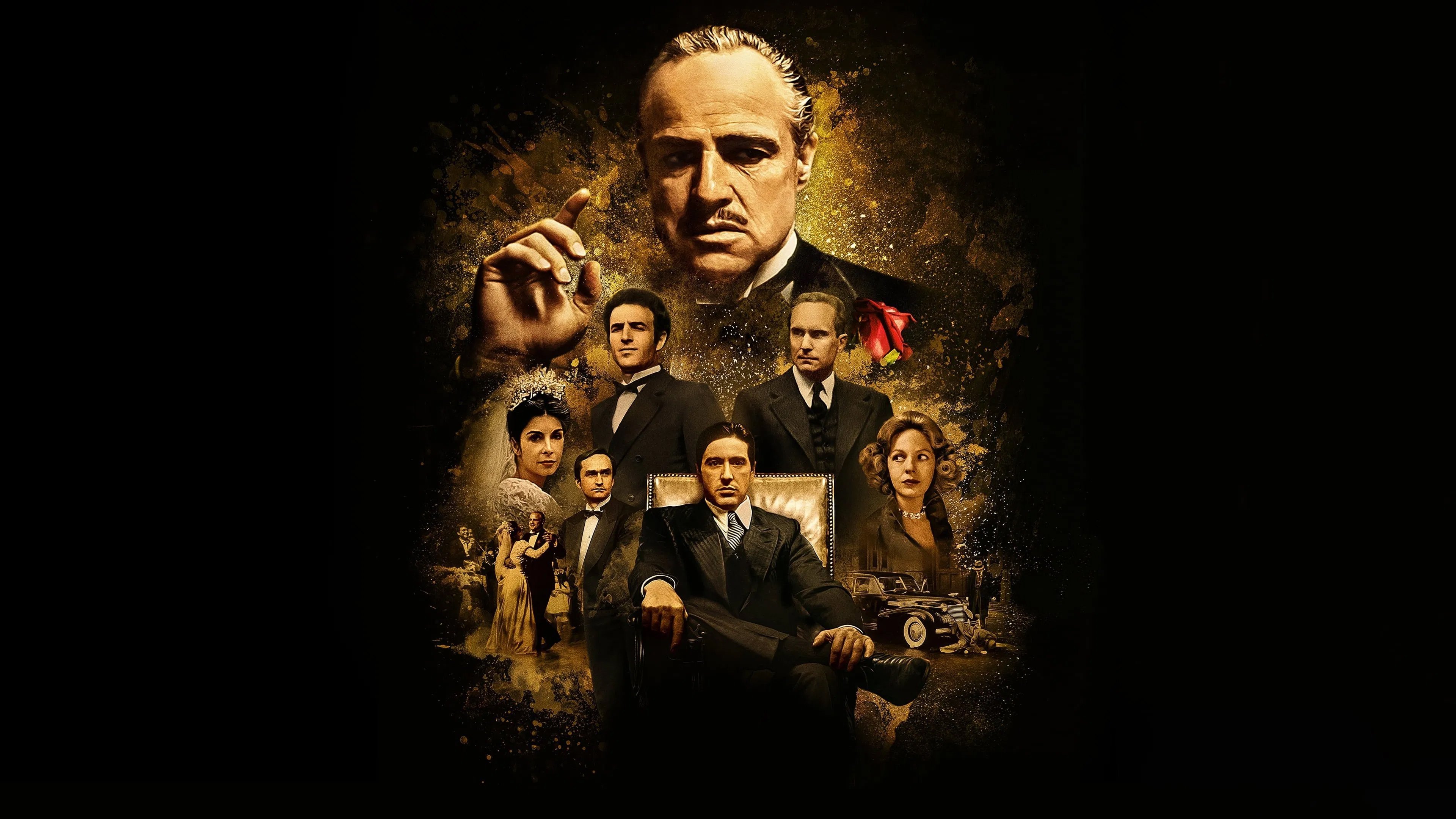

What Francis Ford Coppola achieved with The Godfather (1972) and its sequel is not simply a crime story. It is a portrait of how power reshapes identity, how family loyalty curdles into complicity, and how America's promise eats itself from the inside. Michael Corleone's arc from reluctant outsider to ruthless patriarch is one of cinema's most devastating character studies. The score by Nino Rota, the amber cinematography by Gordon Willis, the measured pace that never mistakes silence for emptiness: all of it adds up to a grammar of seriousness that serious storytelling still borrows from. The works below share at least one strand of that grammar.
Essential Godfather
The Corleone saga and Coppola's closest kin
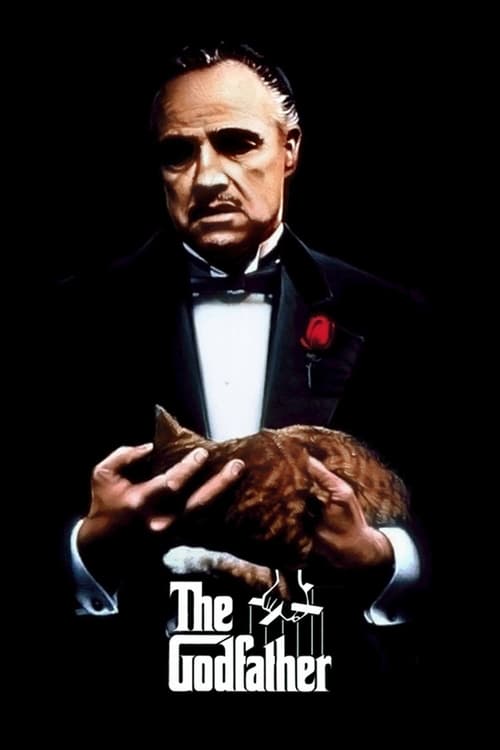
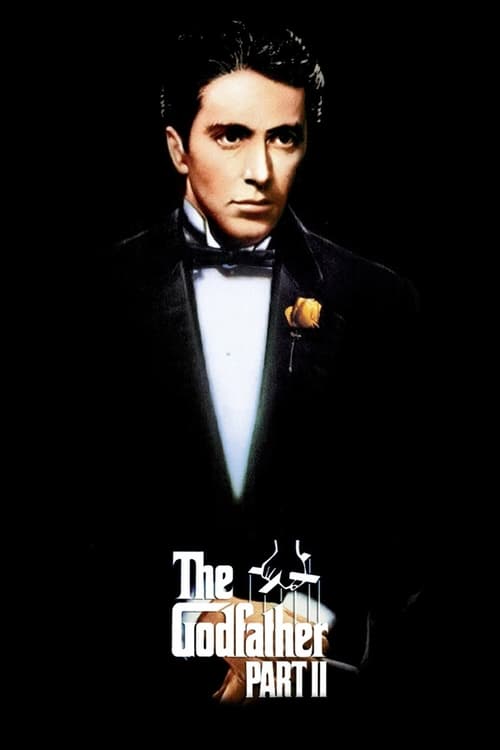
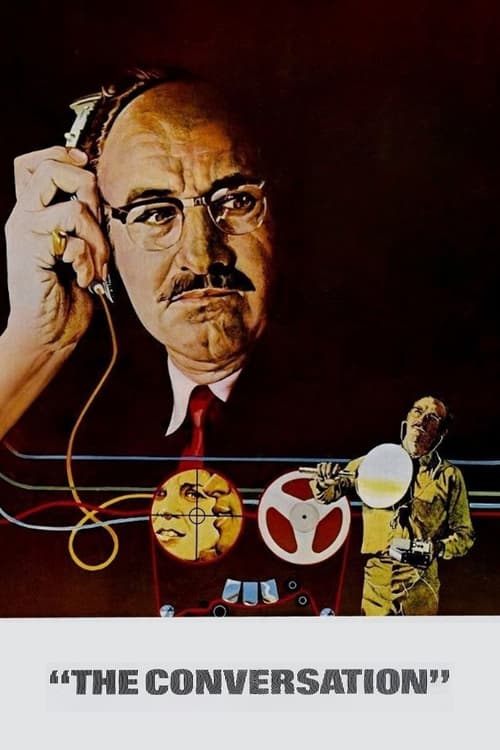
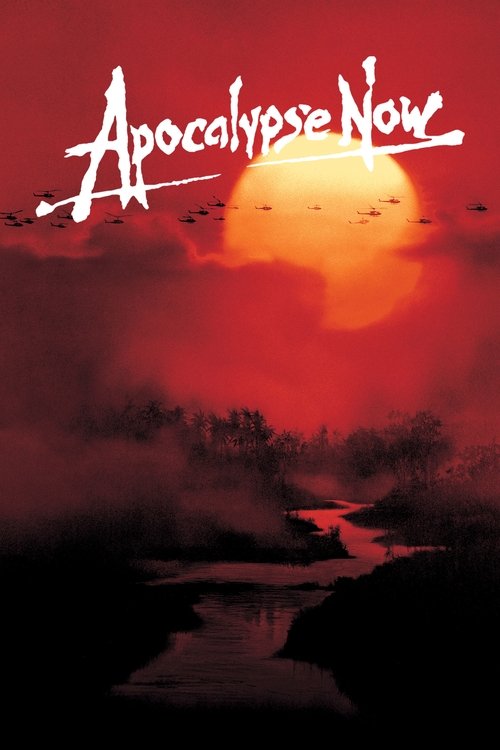


Films That Match the Weight
Crime epics and moral tragedies with the same slow-burn gravity
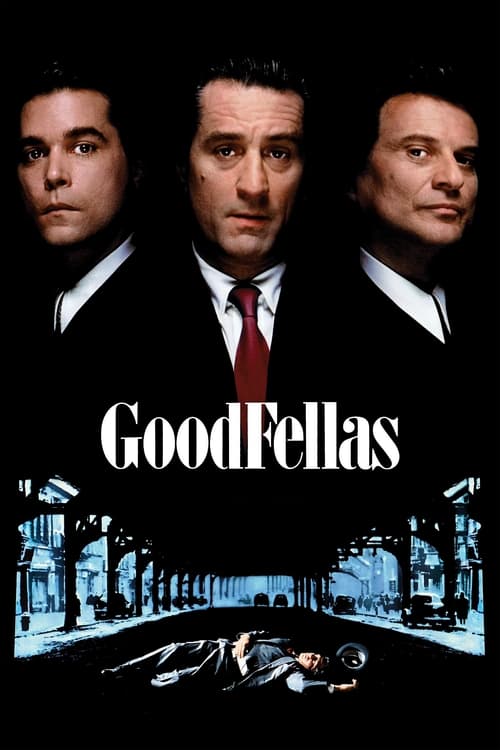
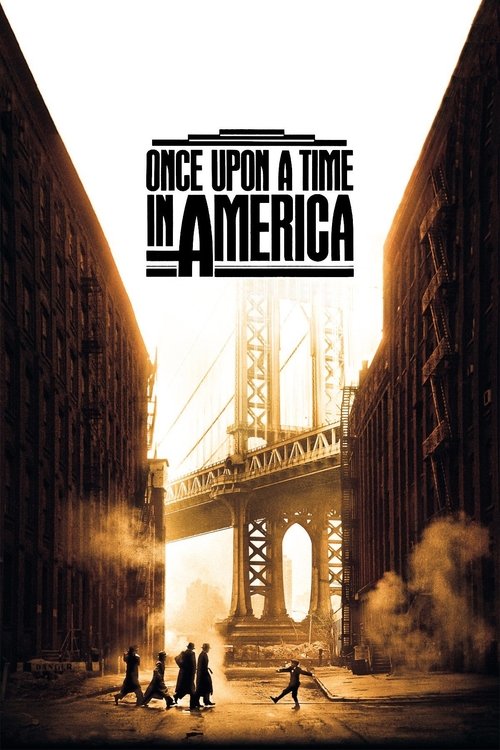

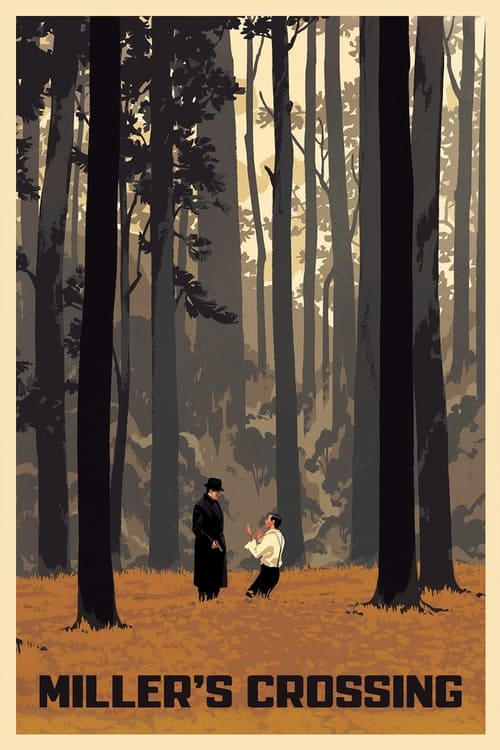
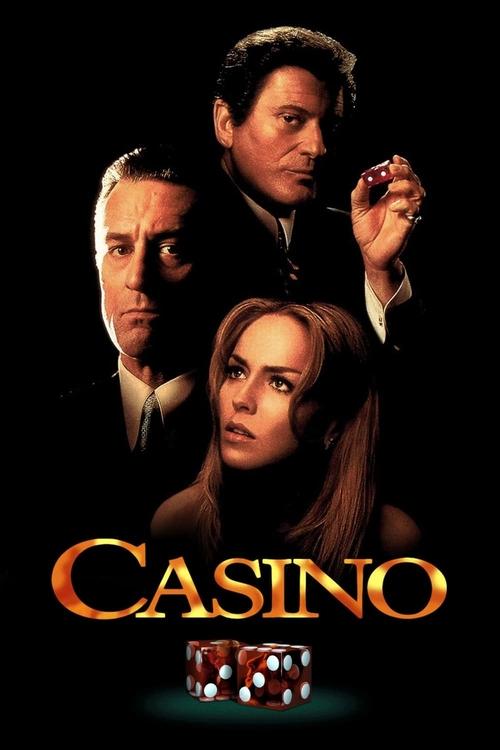
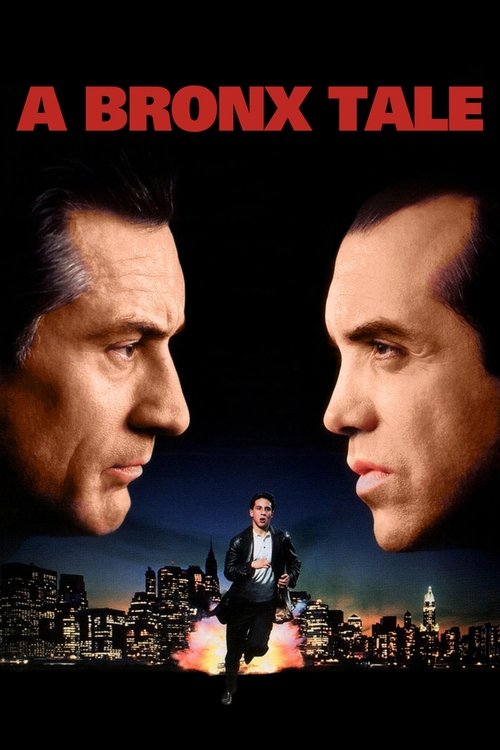
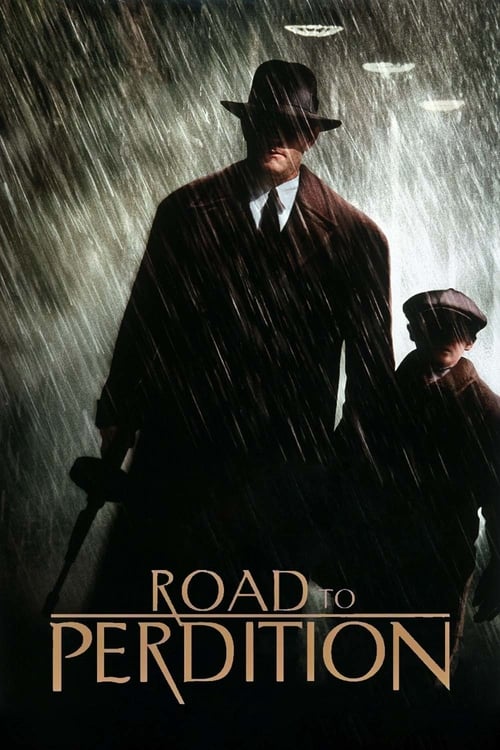
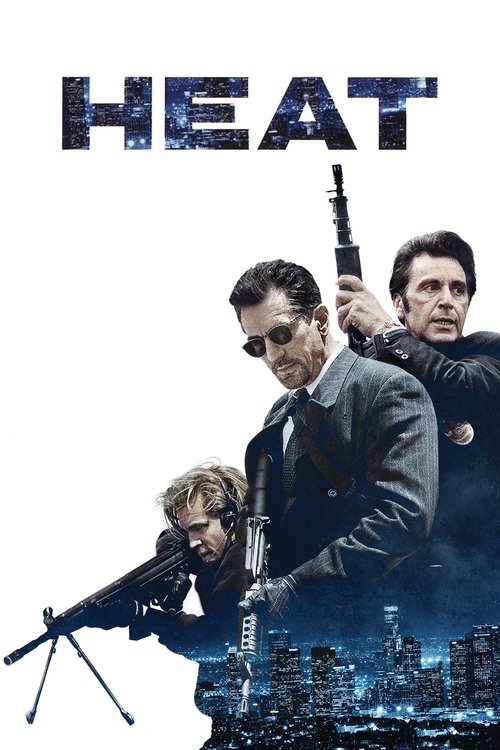
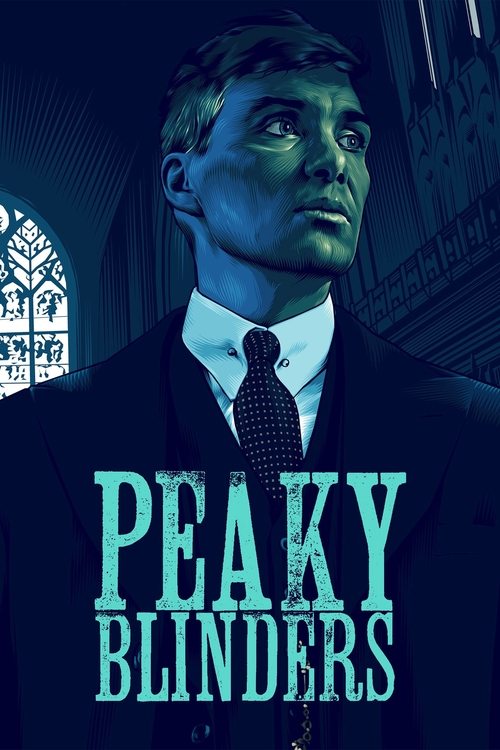
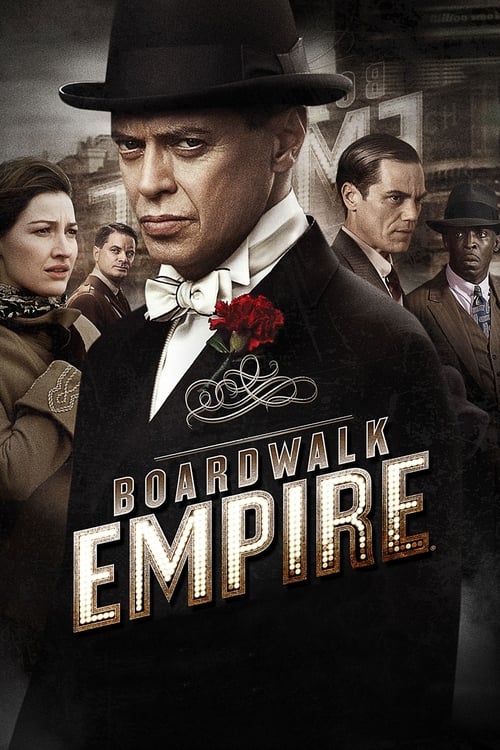
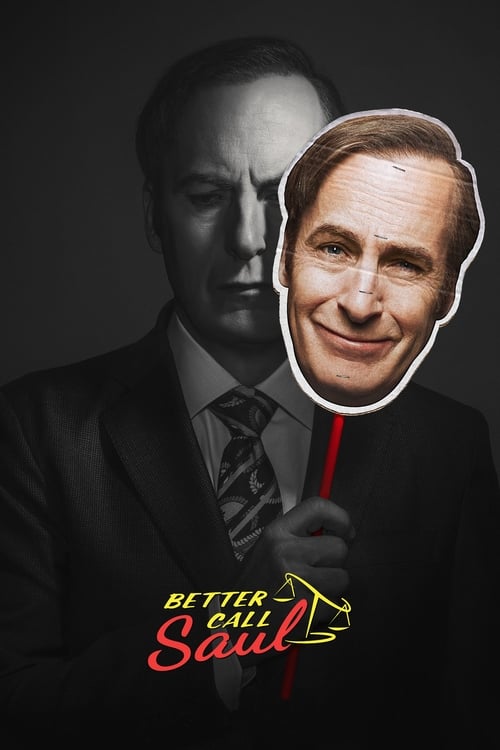
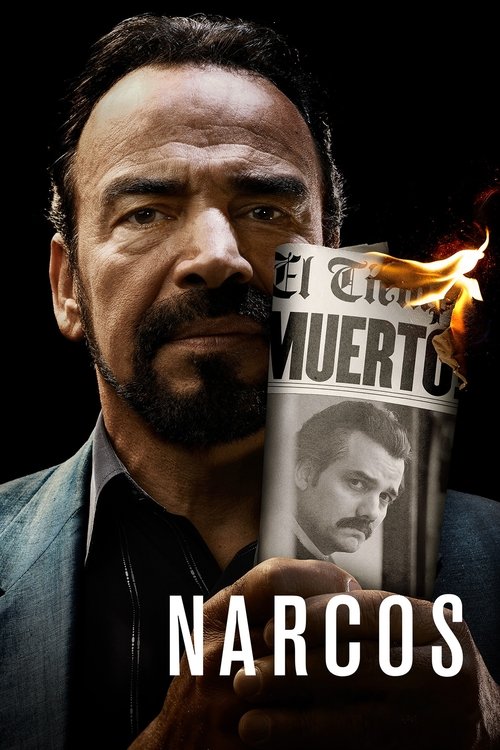
Series That Earn the Same Respect
Television crime sagas built on family, power, and consequence

Novels Behind the Power
Books that share the Godfather's obsessions: family dynasties, moral compromise, and the machinery of crime


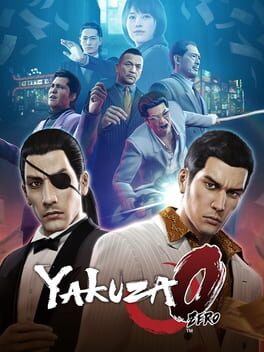
Games With the Same DNA
Crime, power, and family loyalty played out in interactive form
The Sequel Is the Better Film
Part II splits its attention between the rise of Vito Corleone in 1910s New York and the ice-cold consolidation of Michael's empire in the 1950s. The structural gamble pays off because it turns the first film inside out: where The Godfather made you understand the seduction of the family, Part II shows you the rot beneath. By the time Michael sits alone on that dock, the film has made his isolation feel not tragic but earned. The double Oscar win was correct.
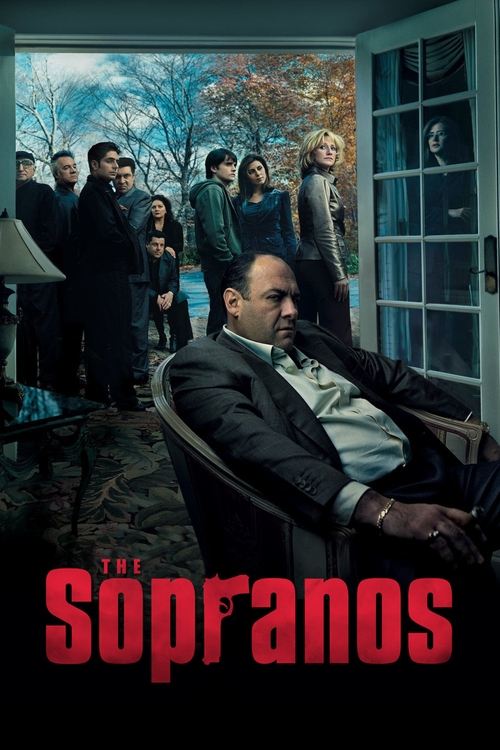
The Sopranos Did Not Replace The Godfather. It Answered It.
David Chase built The Sopranos with one eye on Coppola's films and one on the American suburbs. Tony Soprano is what happens to Michael Corleone's type when the mythology is stripped away: a middle manager of violence who sees a therapist and panics about ducks. The genius is that Chase refuses the epic register and forces the crime boss into mundane indignity. These are works that need each other.
Mario Puzo's Novel Is Not a Lesser Version of the Film
Puzo wrote the source novel in 1969, then co-wrote both scripts with Coppola. The book gives more time to characters the film compresses: Sonny, Fredo, and the Las Vegas subplot. It is pulpier than the film, less solemn, but that pulp energy is its own pleasure. Reading it after watching the films reveals what Coppola chose to slow down, what he chose to omit, and how much of the film's dignity came from what was left on the page.
The Mafia Games Series Got One Thing Right
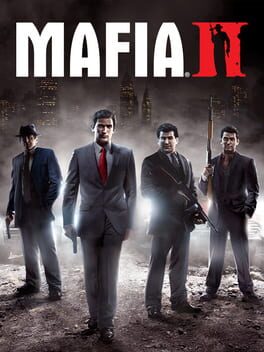
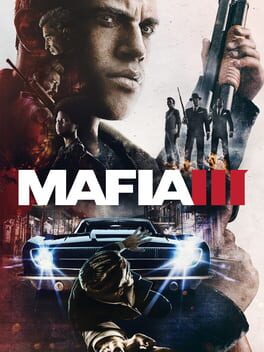
Mafia II (2010) is the closest a video game has come to the feel of the Godfather films: a period setting (1940s and 50s), a rising-star narrative that ends in betrayal, and a genuine interest in what the life costs the people living it. It plays shorter than it should and the open world is underused, but the cutscenes and the score take the source material seriously. It belongs in any Godfather fan's queue.
A Corleone Century
- 1901Vito Corleone arrives in America as a boy (depicted in Part II) The Godfather Part II
- 1920Vito builds his operation in Hell's Kitchen, depicted in Part II's flashback strand The Godfather Part II
- 1945The novel begins: Vito at the height of his power, refusing Sollozzo The Godfather
- 1972Coppola's film released, wins Best Picture, Best Director, Best Adapted Screenplay The Godfather
- 1974Part II released, wins six Oscars; first sequel to win Best Picture The Godfather Part II
- 1990Part III released; charts Michael's failed attempt at legitimacy The Godfather Part III
- 1999The Sopranos premieres, entering into open dialogue with the Corleone legacy The Sopranos
- 2006The Godfather video game (EA) released, covering events of the first film The Godfather
- 2020Coppola cuts The Godfather Coda, a re-edited version of Part III, restoring his original ending
Crime dynasties and slow corruption
Mafia & Organized Crime
Explore the Mafia & Organized Crime guide →Leave the gun. Take the cannoli.Peter Clemenza, The Godfather (1972)