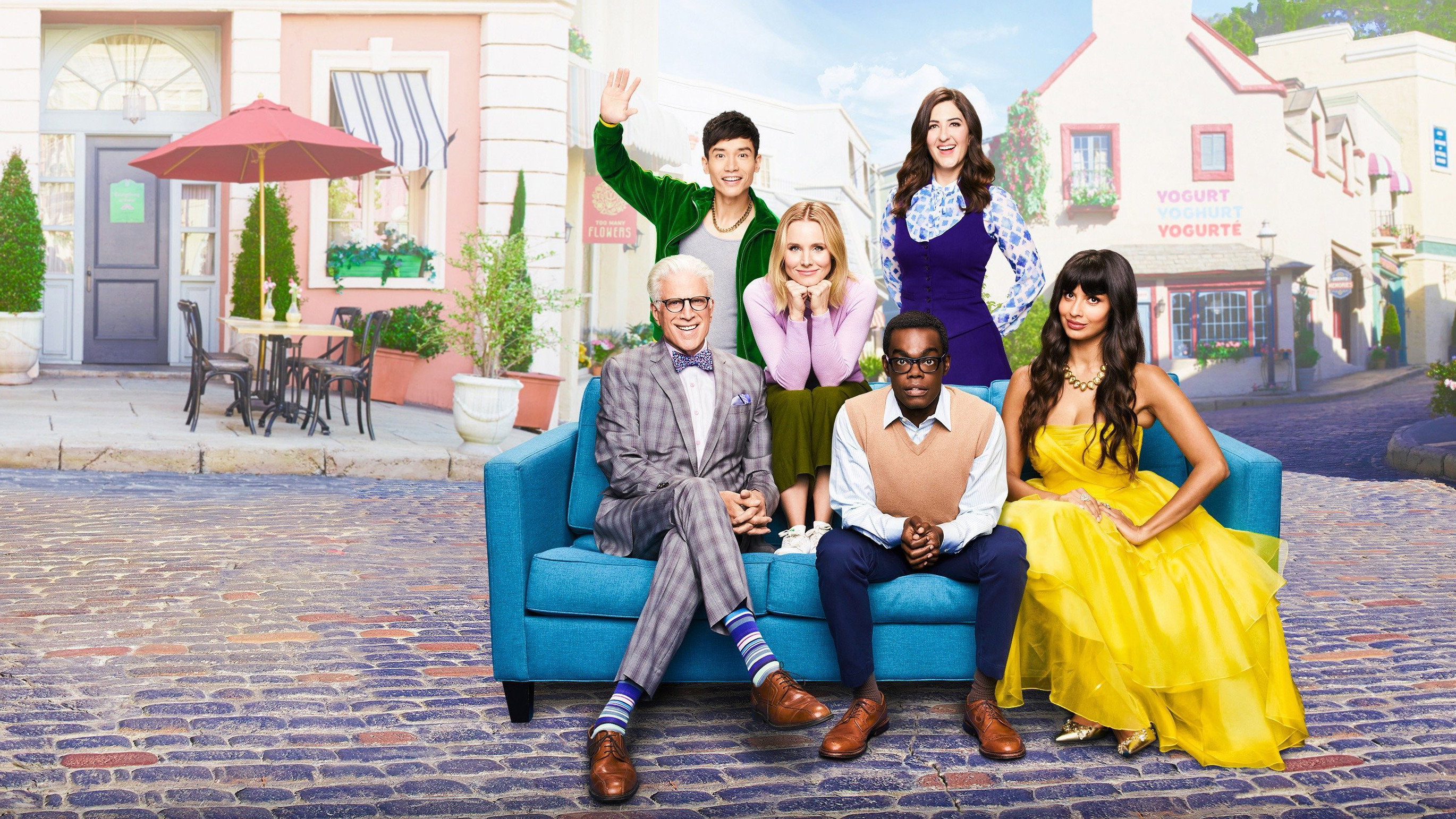

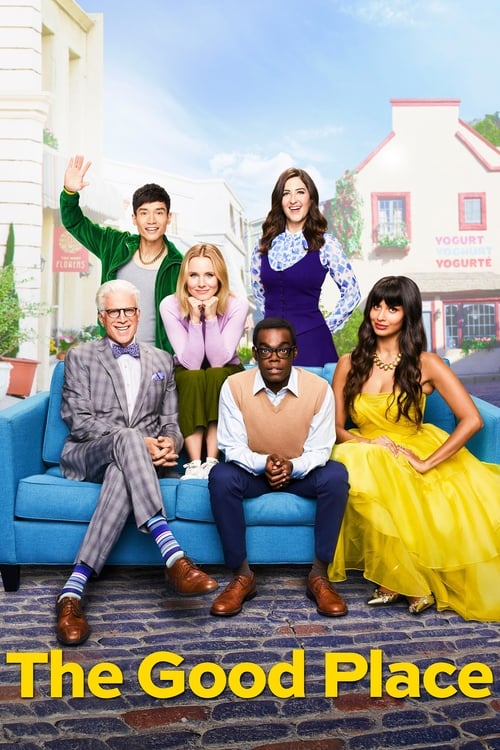
The Good Place ran four seasons on NBC (2016-2020) and became one of the rare comedies that gets smarter as it gets funnier. Created by Michael Schur, it drops a recently dead woman named Eleanor Shellstrop into what appears to be a heaven-like paradise, only to reveal, layer by layer, that nothing is what it seems. The show builds its laughs from genuine ethics: Kant, Aristotle, Scanlon, and the trolley problem aren't punchlines, they're the engine. What holds it together is a tight ensemble of characters who arrive as strangers and become, slowly and messily, something like a family. If you love The Good Place, you love comedy that earns its warmth, storytelling that rewards patience, and worlds that keep pulling the rug out at exactly the right moment.
Other Series That Earn Their Warmth
Comedies built on genuine stakes, real character growth, and surprising depth.

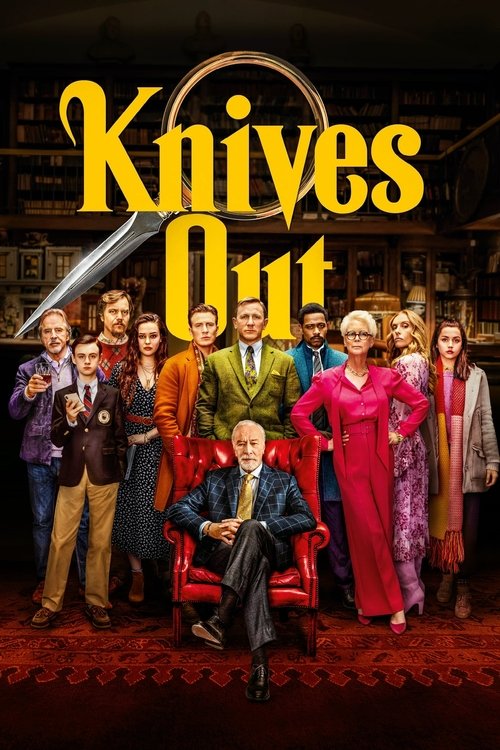
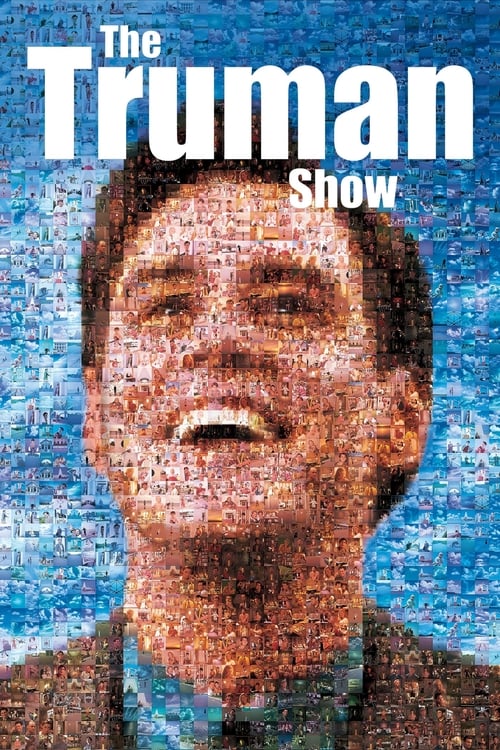
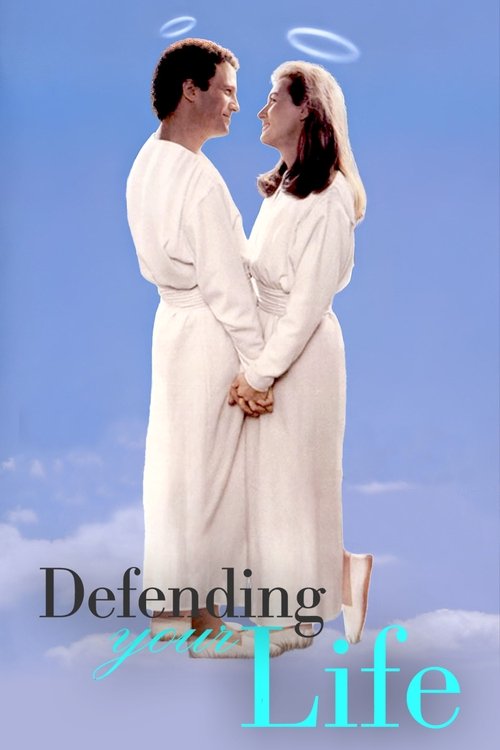
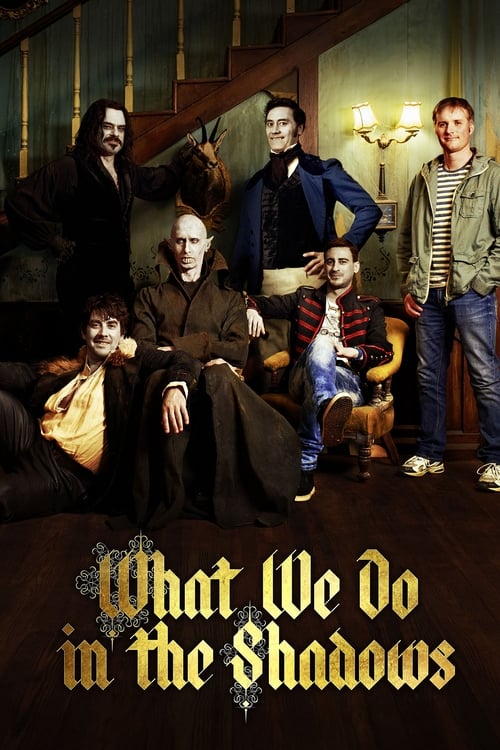
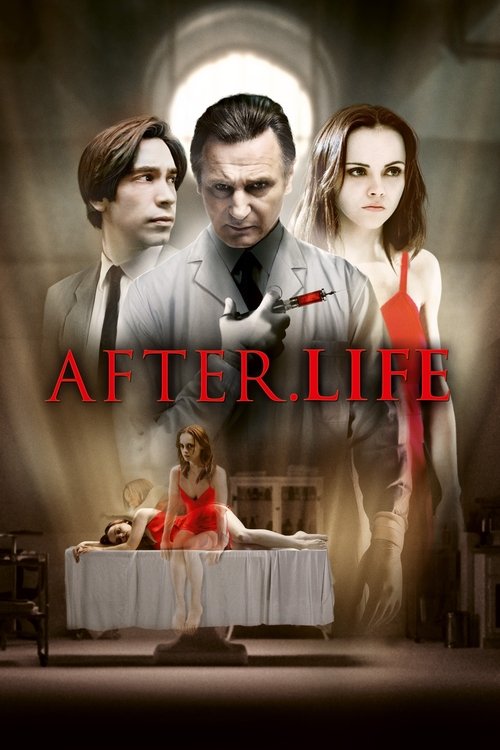
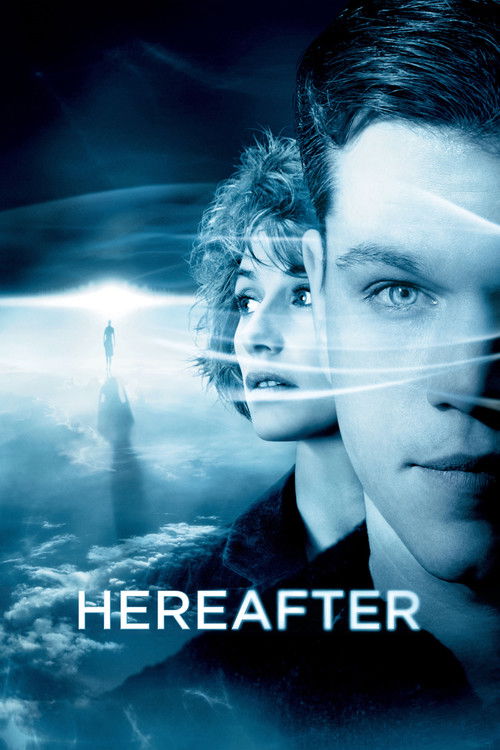
Films With the Same Afterlife Energy
Movies that treat mortality, redemption, and second chances with wit and heart.
Games About Choice, Morality, and Consequence
Games where the decisions you make about how to treat people actually matter.


The Twist Is Not the Point
The Good Place is famous for a season-one finale twist that reset everything viewers thought they knew. But the show never mistook the twist for its purpose. Every revelation served the central question: can a genuinely selfish person become good, and does it count if the circumstances are artificial? The show keeps asking that question even after the mechanics are stripped away, which is why the finale, years later, still hits harder than most dramas.
Michael Schur Keeps Building Found Families
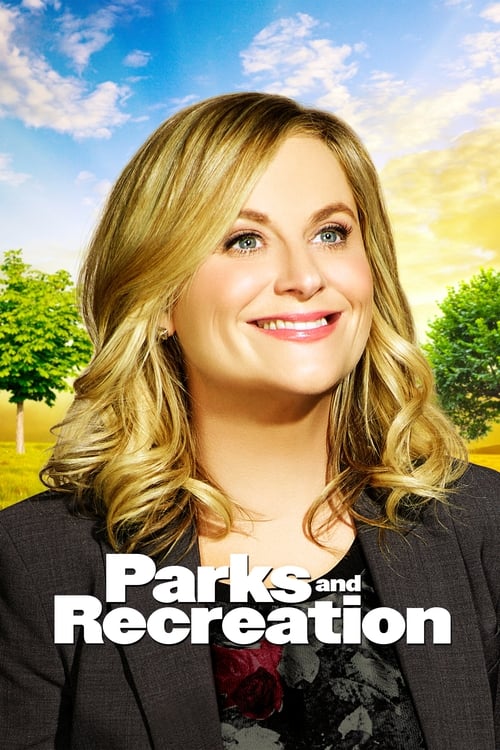
Parks and Recreation and Brooklyn Nine-Nine share the same DNA as The Good Place: Schur builds workplaces and groups where people who would never choose each other are forced into proximity and, eventually, into something real. The humor comes from friction; the feeling comes from watching that friction slowly become trust. If you finished The Good Place and felt the absence of that ensemble, both of those shows will fill it.
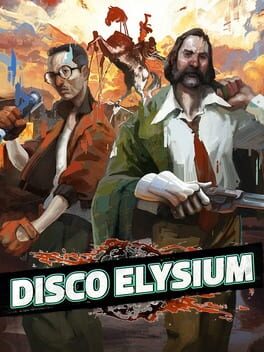
Disco Elysium Is the Game Version of This
Disco Elysium is not a comedy, but it shares The Good Place's conviction that moral philosophy belongs in popular entertainment. It forces the player to confront who their character is and who they could become, through choices that have real weight. It is also, at times, extremely funny. If you loved The Good Place's willingness to put trolley problems in prime-time television, Disco Elysium will feel like a kindred spirit.
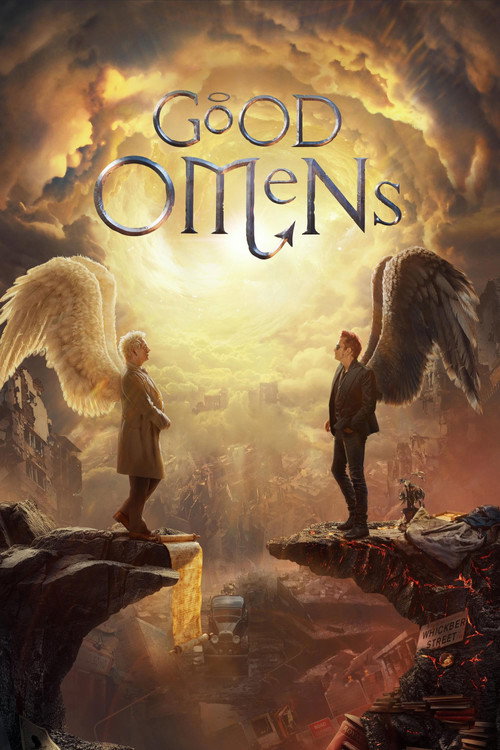
Good Omens Walks the Same Line
Terry Pratchett and Neil Gaiman's novel and its TV adaptation both treat heaven and hell as bureaucracies staffed by characters who have started to find the whole arrangement a bit tiresome. The comedy is sharp, the mythology is inventive, and the friendship at the center carries enormous weight. It is, like The Good Place, a story about what it costs to be good when the institution you work for has other ideas.

A Short History of Afterlife Comedy
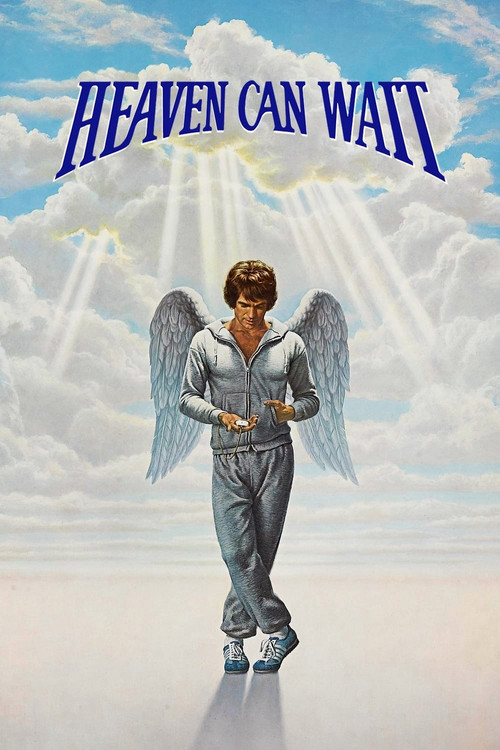
- 1943Heaven Can Wait reimagines the afterlife as a polite mix-up Heaven Can Wait
- 1978Douglas Adams inverts cosmological purpose with absurdist glee
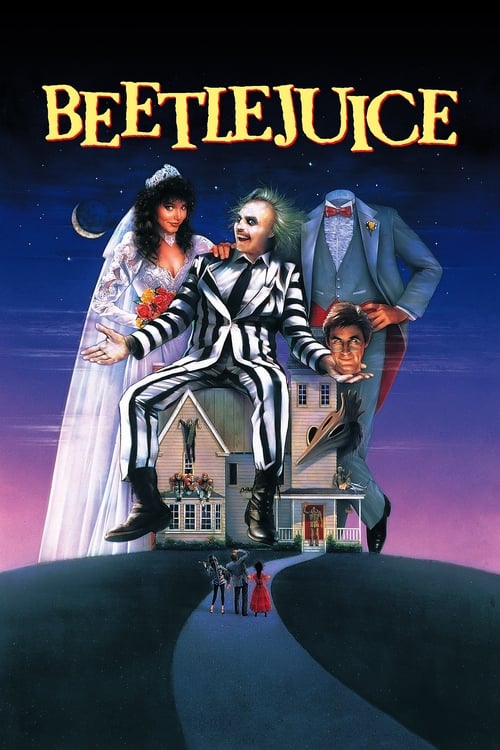
- 1988Beetlejuice makes the dead more alive than the living Beetlejuice
- 1991Defending Your Life puts mortality on trial in the funniest way Defending Your Life
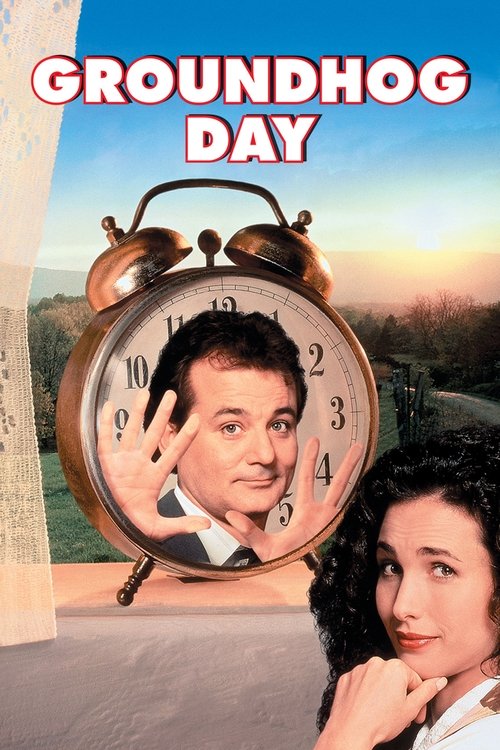
- 1993Groundhog Day poses the question: what do you do with infinite time? Groundhog Day
- 2001Good Omens published in paperback, reaches a wider audience Good Omens
- 2016The Good Place premieres and reinvents the premise entirely The Good Place
- 2019Disco Elysium brings philosophical weight to the RPG format Disco Elysium
- 2020The Good Place ends on its own terms, rare for any comedy The Good Place
Afterlife, philosophy, found family
Heaven, Hell & the Afterlife
Explore the Heaven, Hell & the Afterlife guide →The show's final argument is the oldest one in philosophy: it is not whether you arrive good that matters, but what you do with the time you have to become so.CrossBinge editors