

The Night Of (HBO, 2016) begins with a single act of reckless freedom: a college student takes a cab, meets a stranger, wakes up to find her dead. What follows across eight episodes is not a whodunit but something more corrosive: a portrait of how the criminal justice machine dismantles a person before a verdict is ever reached. Creator Richard Price and director Steven Zaillian studied the British series Criminal Justice and built something distinctly American from it, anchoring every scene in procedural texture and moral unease. John Turturro's rashy-footed defense attorney and Riz Ahmed's slow transformation inside Rikers Island are the twin poles. The question the show asks is not whether Naz Khan killed Andrea Cornish. The question is what it costs a man, a family, and a system to find out.
Essential The Night Of
The series itself and its closest spiritual sources

Procedural Dread: Series That Live Inside the System
TV that treats law enforcement and justice as a grinding, imperfect machine






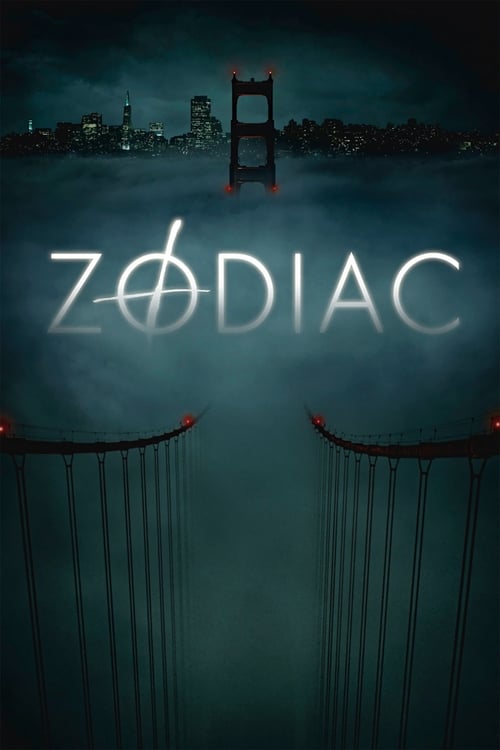
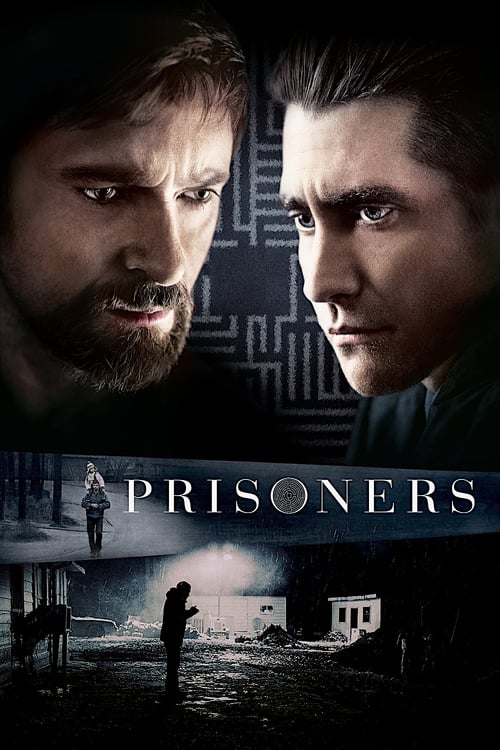
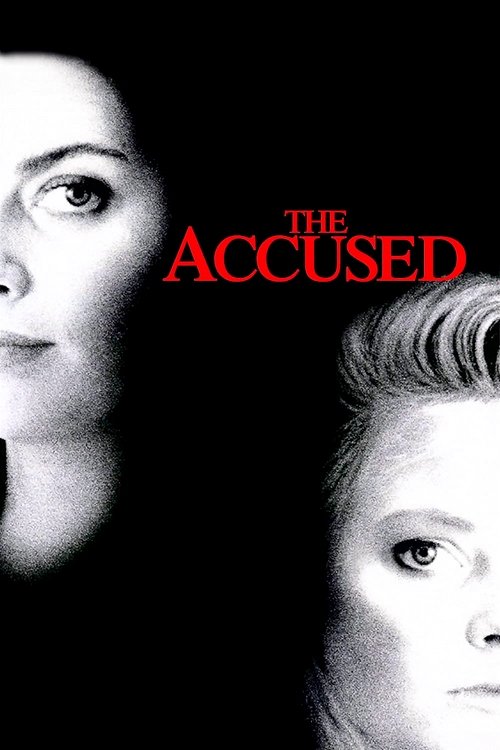
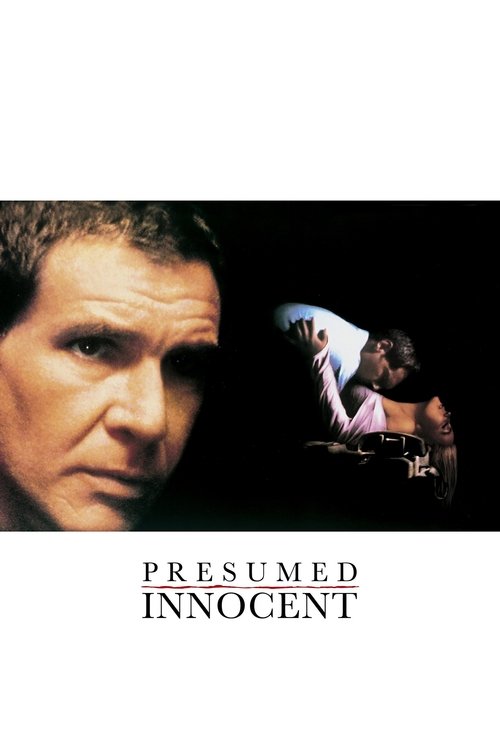
Courtroom and Crime: Films That Refuse Easy Verdicts
Movies where guilt, innocence, and institutional failure blur together



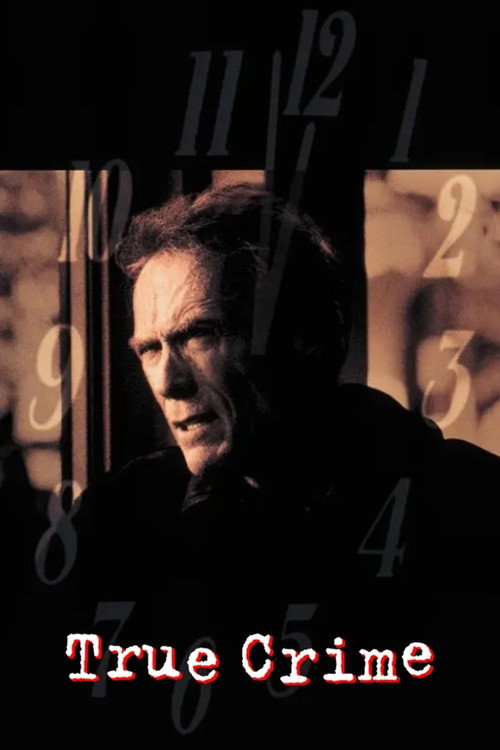
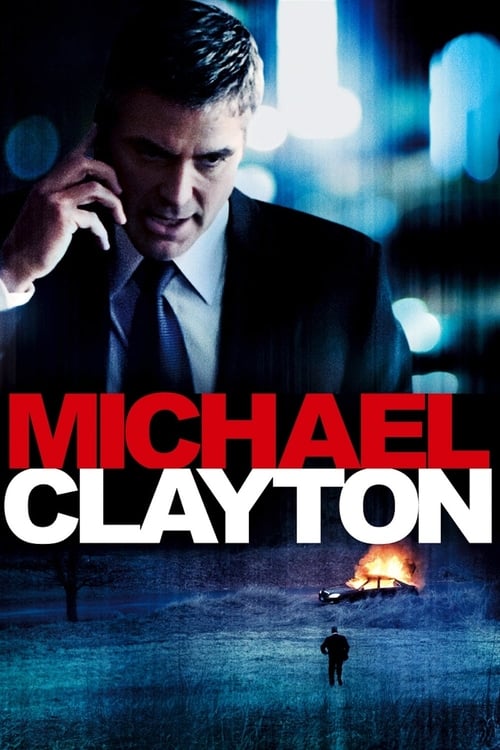
Source Material and Legal Thrillers: Books in the Same Register
Novels that sit with institutional rot and the impossible position of the accused


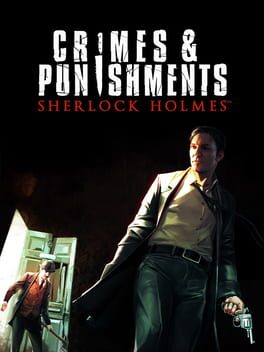
Under Pressure: Games About Interrogation, Guilt, and Moral Choice
Games where you sit with uncertainty and pay for every decision



Rikers Is the Second Protagonist
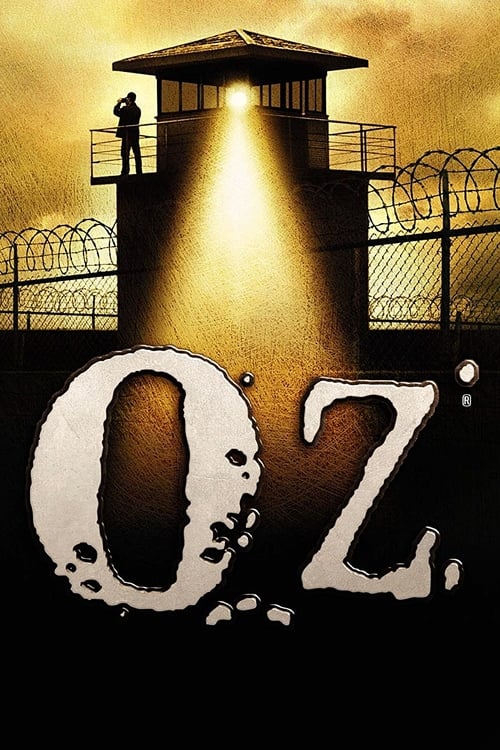
Most legal dramas use prison as a backdrop. The Night Of makes Rikers Island a character with its own logic, economy, and moral code. Naz's arc inside the facility, his body literally changing, his alliances shifting, runs parallel to the courtroom drama and carries equal weight. The show refuses the shorthand of prison brutality in favor of something slower and more permanent: the way confinement reshapes a person's sense of what is acceptable, what is necessary, who they can afford to be.

John Stone Is the Real Heart of the Show
Richard Price originally conceived the Stone role for James Gandolfini, who died before production. John Turturro inherited it and built something entirely his own: a man defined by minor indignities (the eczema, the cat, the discount clients) who turns out to be the only person in the story with genuine moral clarity. The show's secret argument is that competence and care exist in the system's margins, not its center. Stone's arc from nuisance lawyer to true advocate is the show's quiet emotional spine.


The Show Trusts the Audience With Ambiguity
The Night Of never withholds information to manufacture suspense. It withholds it because the truth may be permanently out of reach. The finale does not deliver a courtroom revelation. It delivers something harder: the recognition that a life can be broken by an event no one fully understands, and that the system designed to adjudicate that event will leave everyone worse than it found them. Shows willing to sit in that discomfort are rare.
Legal Drama in Television: A Lineage
- 1993NYPD Blue redefines the procedural with moral ambiguity and raw precinct texture NYPD Blue
- 2002The Wire begins its five-season examination of Baltimore's institutions The Wire
- 2008Criminal Justice airs on BBC One, the direct source for The Night Of Criminal Justice
- 2013Broadchurch fuses community grief with procedural precision across three seasons Broadchurch
- 2015Making a Murderer puts the documentary lens on wrongful conviction and public doubt
- 2016The Night Of airs on HBO, eight episodes, one catastrophic night expanded to a season The Night Of
- 2019When They See Us reconstructs the Central Park Five case with harrowing fidelity When They See Us
- 2021Mare of Easttown earns comparisons to The Night Of for its procedural restraint and community grief Mare of Easttown
Crime, courtrooms, and legal siege
Courtroom & Legal Drama
Explore the Courtroom & Legal Drama guide →The criminal justice system is not a machine for finding truth. It is a machine for producing verdicts. The Night Of is about what happens to everyone caught inside it.CrossBinge editorial