
Christopher Wallace made Brooklyn feel like the center of the universe. On "Ready to Die" he was a street-level confessor; on "Life After Death" he was a cinematic narrator with the range of a novelist. What his fans love is the specific gravity of his voice, the storytelling that balanced comedy and menace without blinking, and the way he turned the rhythms of Bed-Stuy into something timeless. The works collected here share that weight: stories told from the margins with big-picture clarity, cultures captured at a turning point, and the particular electricity of New York in the 1990s.
Essential Notorious B.I.G.
The albums and singles that define the canon
If You Love Biggie: Hip-Hop Documentaries
Films and series that capture the culture, the era, and the men who shaped it
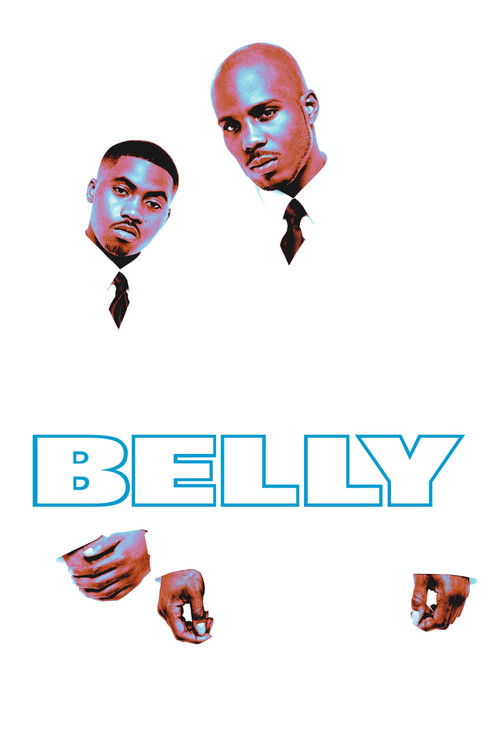
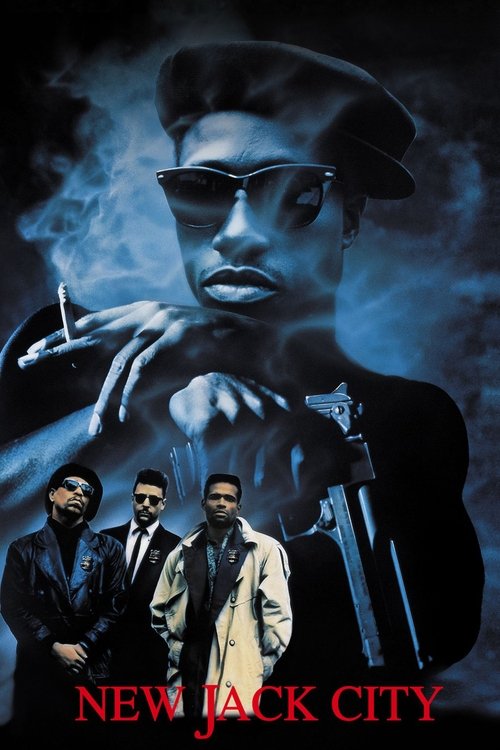
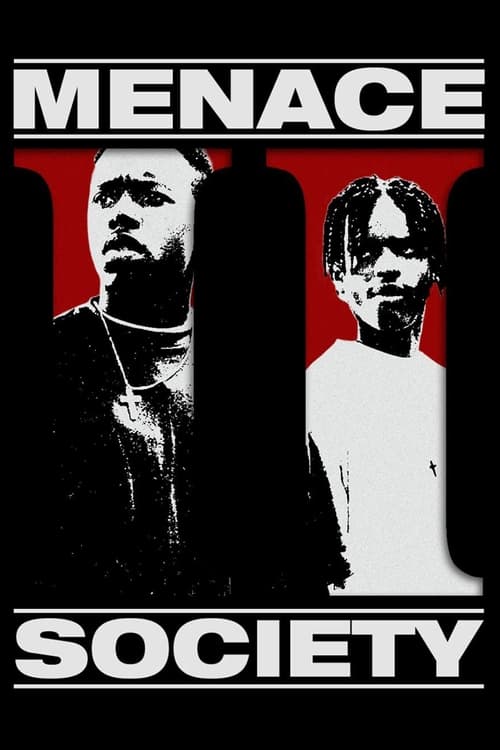
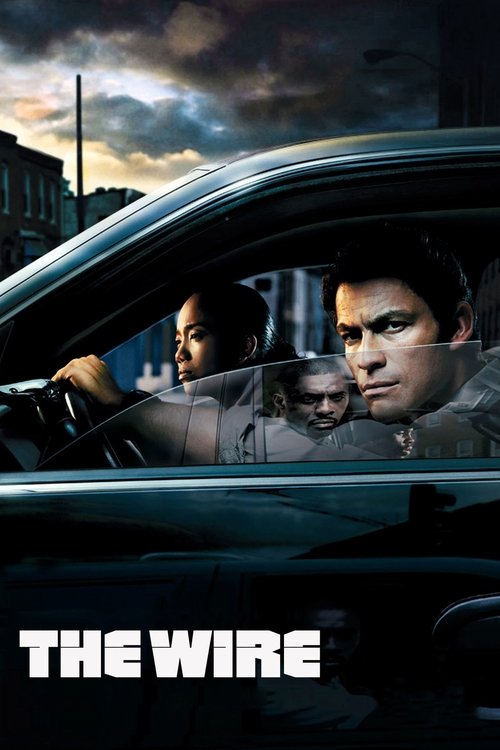
If You Love Biggie: 90s New York on Screen
Films and series that breathe the same Brooklyn and Harlem air
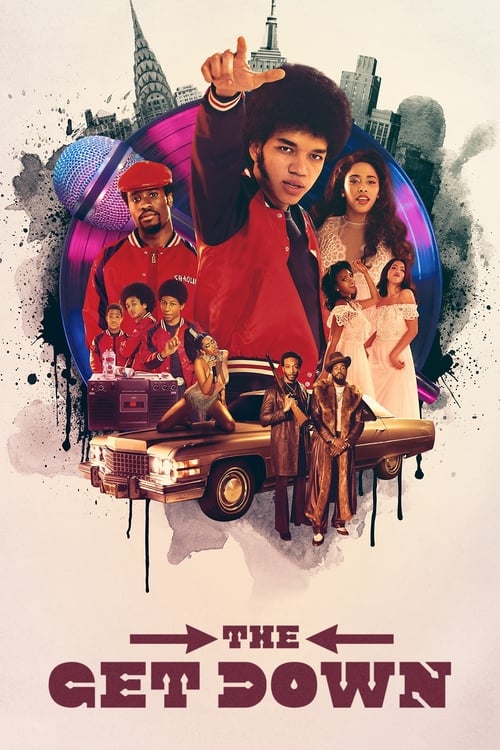
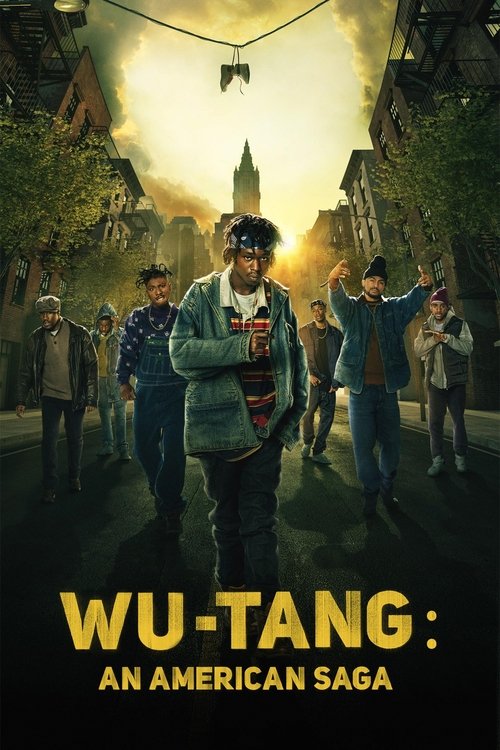
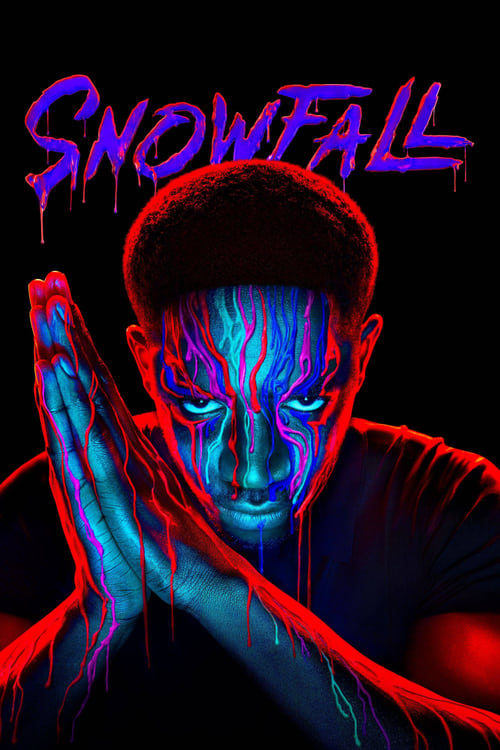
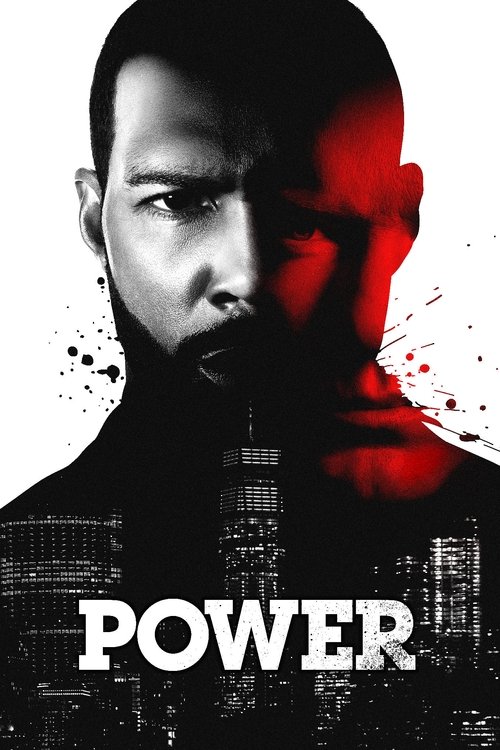
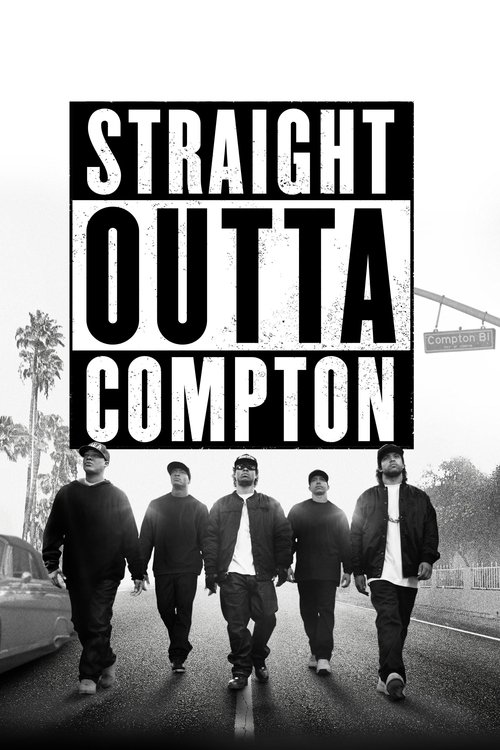
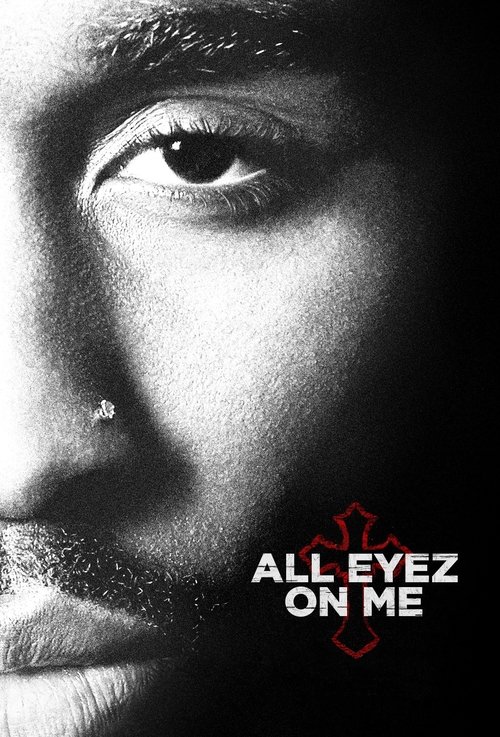
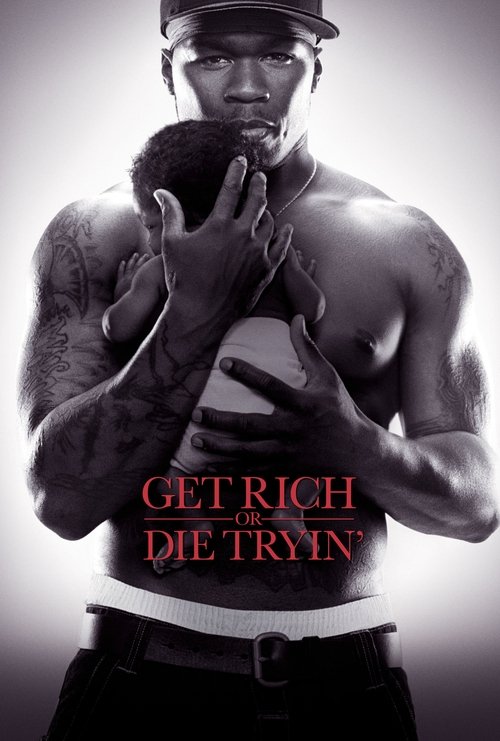
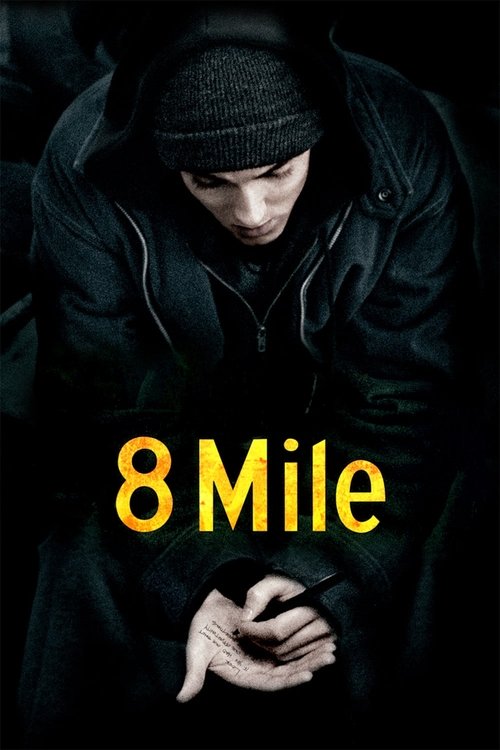
If You Love Biggie: Music Biopics and Rise Stories
From the streets to the stage, on screen
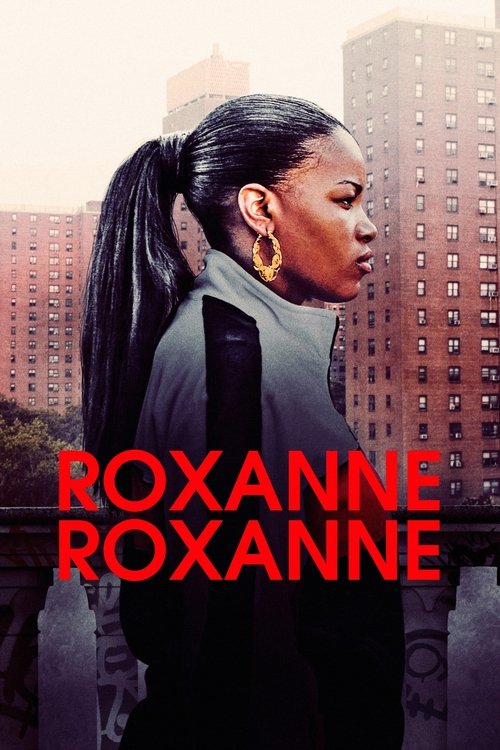
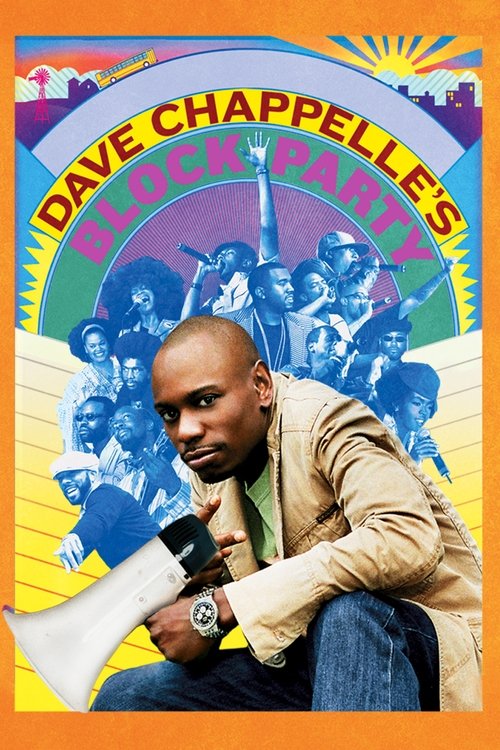
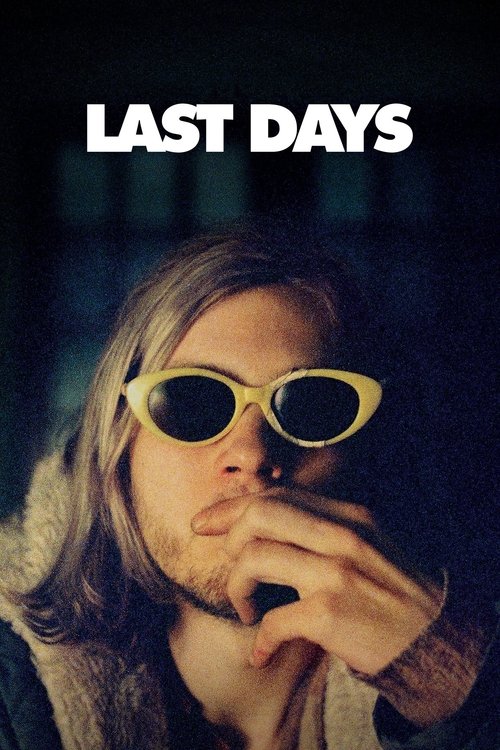
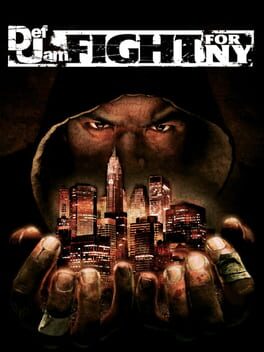
If You Love Biggie: Music and Rhythm Games
Games that put hip-hop, beats, and street culture at the center

"Ready to Die" Is Still the Perfect Debut
In 1994, Christopher Wallace arrived fully formed. "Ready to Die" did not sound like a debut: the production was immaculate, the storytelling was novelistic, and the protagonist's contradictions (devotion and menace, humor and tragedy) were already fully rendered. Albums like this reframe what introduction means. It is not a warm-up. It is the argument.
The East Coast/West Coast Conflict Was a Media Story and a Real One
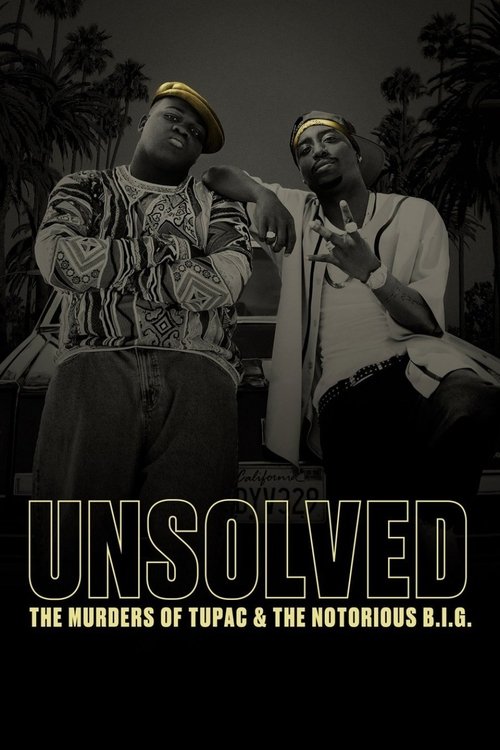
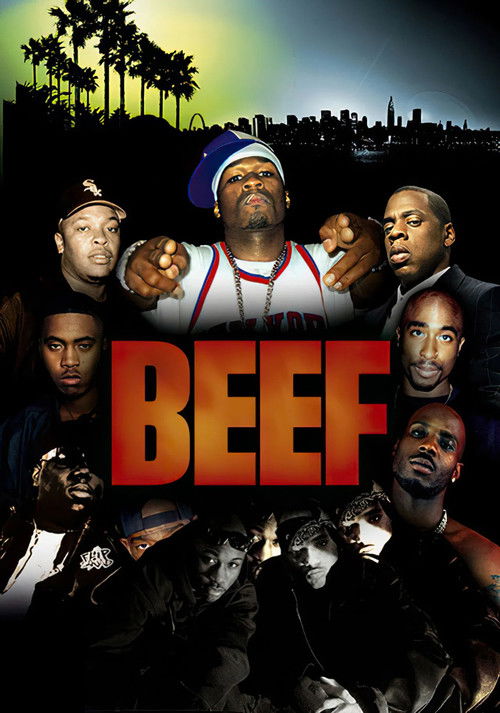
The beef between Bad Boy and Death Row Records was not just publicity: it defined the mid-90s rap industry, divided radio playlists, and ultimately cost two of the greatest artists in the genre's history their lives. "Biggie and Tupac" and "Unsolved" treat it as the tragedy it was. The best 90s rap documentaries resist easy mythology while acknowledging that the mythology itself became part of the art.
Brooklyn Noir: The City That Made the Voice
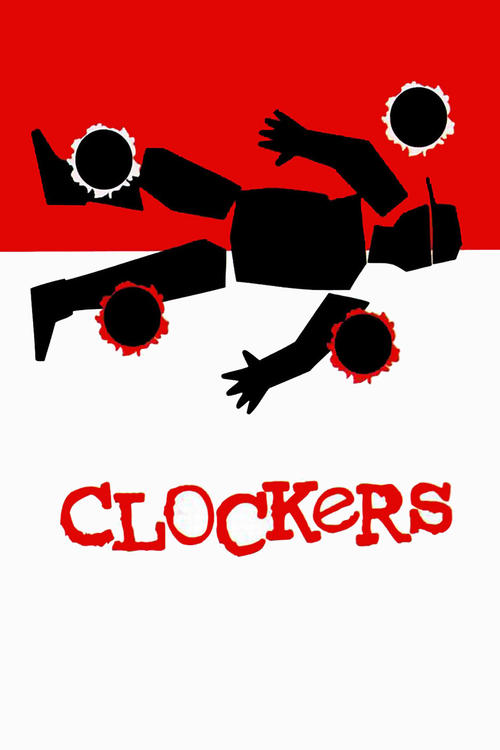
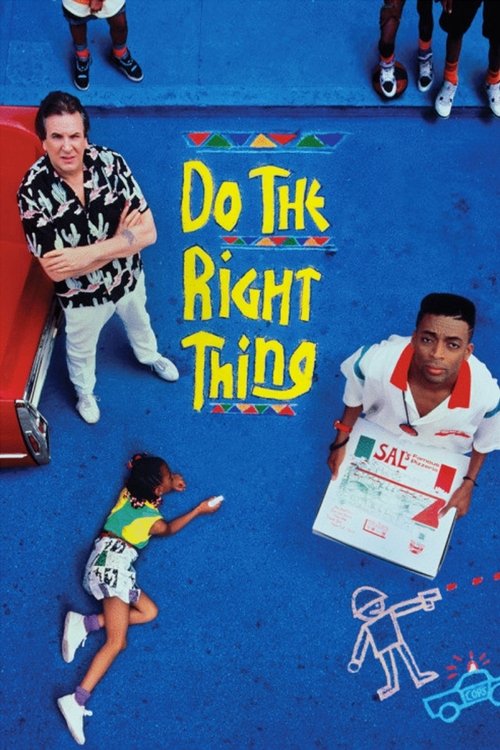
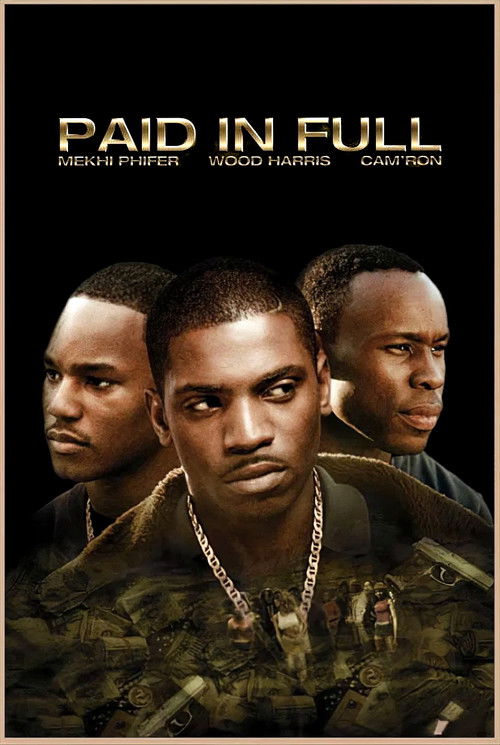
Biggie's geography is not background. Bed-Stuy, Fulton Street, the corners and stairwells of his childhood are the subject. The films that get closest to that register, like "Clockers," "Do the Right Thing," and "Paid in Full," treat the neighborhood as a protagonist with its own logic, its own beauty, and its own rules. Brooklyn as a moral universe. That is the lens.
Biggie: A Life and a Legacy
- 1972Christopher George Latore Wallace born in Brooklyn, New York, to Jamaican immigrant parents.
- 1989First freestyle recording circulates in Bed-Stuy; he begins performing as Biggie Smalls.
- 1993Signs with Bad Boy Records; Sean Combs introduces him to a national audience.
- 1994Debut album released; immediately establishes him as one of the defining voices in rap. Ready to Die
- 1995Collaborative work with junior Bad Boy artists cements the Bad Boy sound; featured on junior label projects.
- 1997Shot in Los Angeles on March 9; dies hours later at age 24. 'Life After Death' released two weeks later. Life After Death
- 1999Posthumous album released, drawing on unreleased recordings from his prolific studio sessions. Born Again
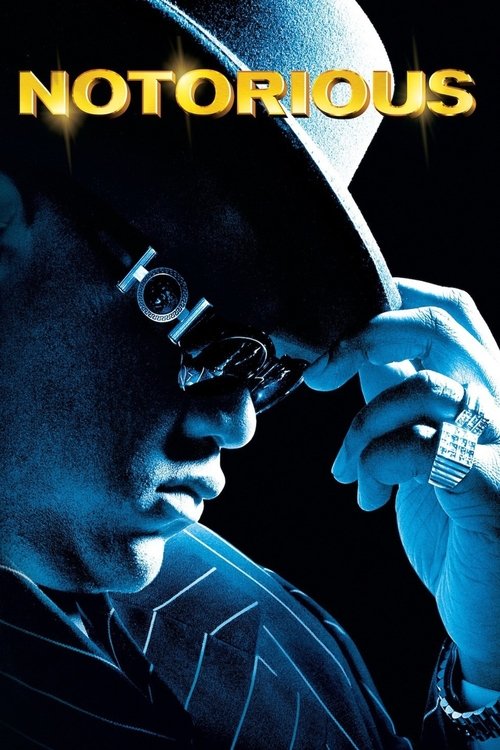
- 2009Biopic brings his story to a wide audience, based on accounts from Voletta Wallace and close collaborators. Notorious
- 2018Ten-episode crime series revisits the unsolved murders and the East Coast/West Coast conflict. Unsolved: The Murders of Tupac and The Notorious B.I.G.
More East Coast hip-hop icons
For Fans of Nas
Explore the For Fans of Nas guide →The thing about Biggie is that you always believed him. Every line felt like testimony from someone who had actually lived it.Jeff Chang, hip-hop historian