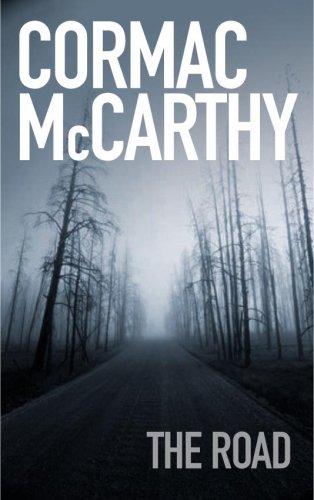

Cormac McCarthy's 2006 novel does something most apocalyptic fiction refuses to do: it strips away the genre machinery and leaves only the irreducible fact of a parent trying to keep a child alive in a world that has stopped deserving either of them. There are no factions, no chosen ones, no explanation for the ash-covered sky. What readers chase in The Road is a specific register of devastation and tenderness held in the same breath, prose so pared that each sentence feels load-bearing, and a moral question posed without sentiment: what does it mean to carry the fire when there is nothing left to carry it toward? This guide follows that feeling across film, television, games, books, and music.
The Road and the McCarthy canon
The novel and its closest relatives in McCarthy's own body of work, tracing the same bleak moral vision.


Novels that share the ash and the ache
Literary post-apocalyptic fiction that earns its bleakness and finds something human inside it.


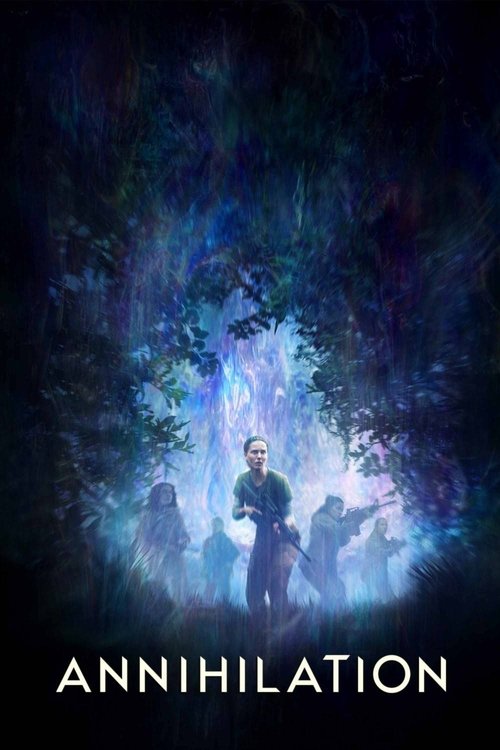
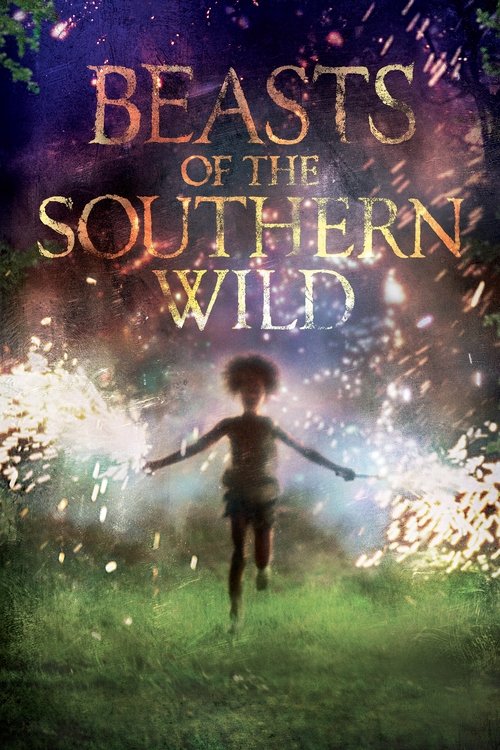
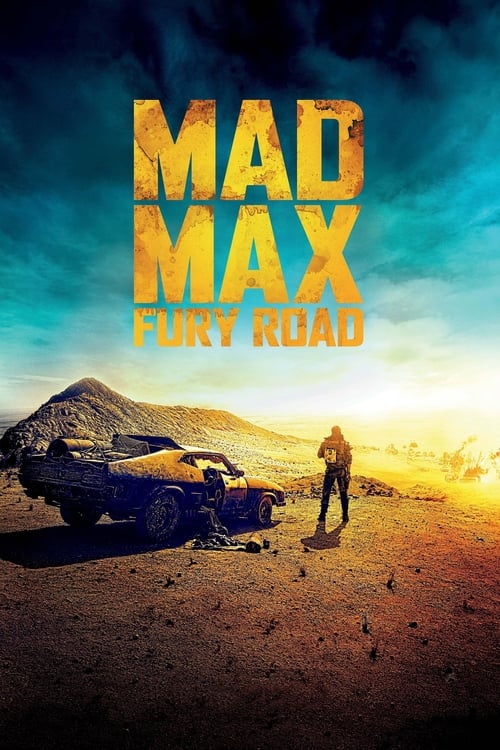
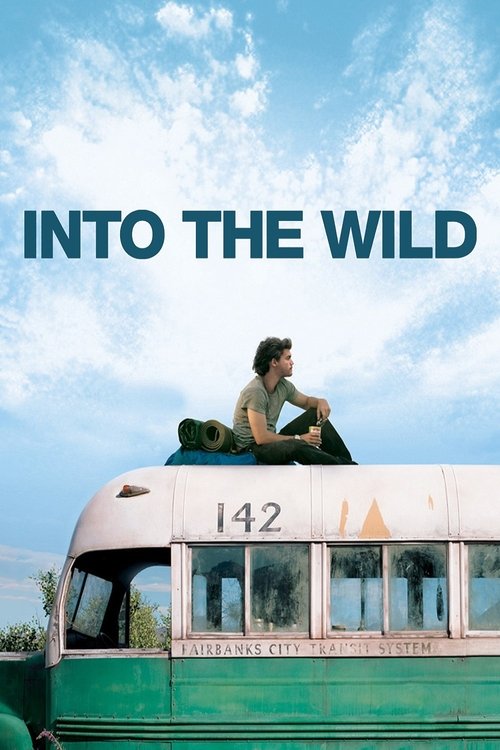
On screen: survival stripped to the bone
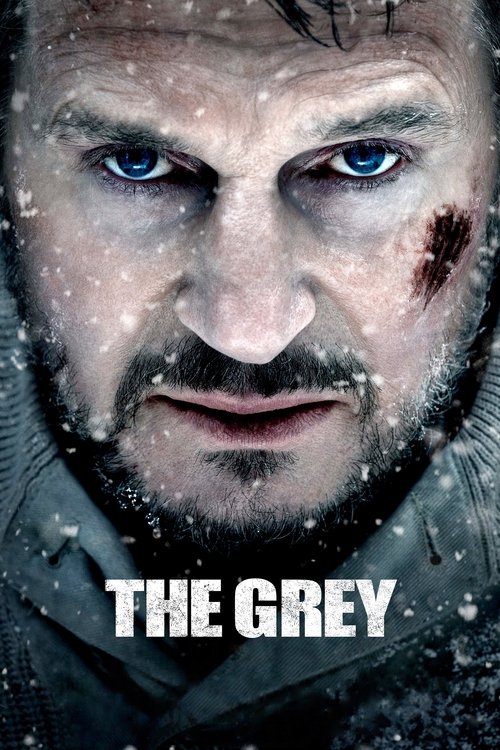
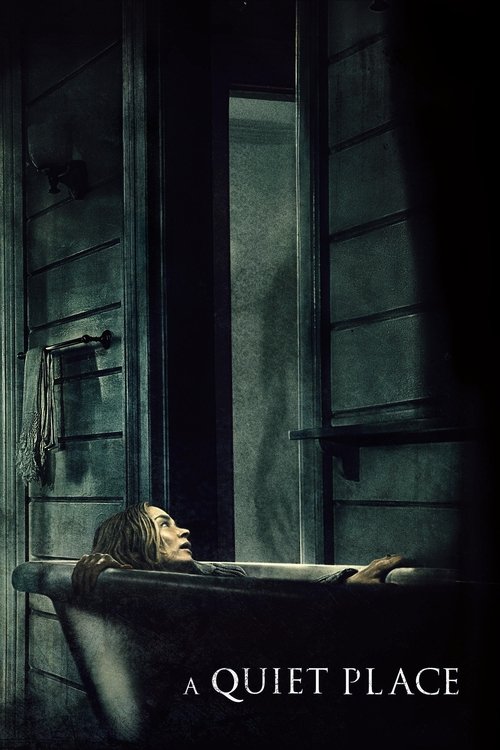
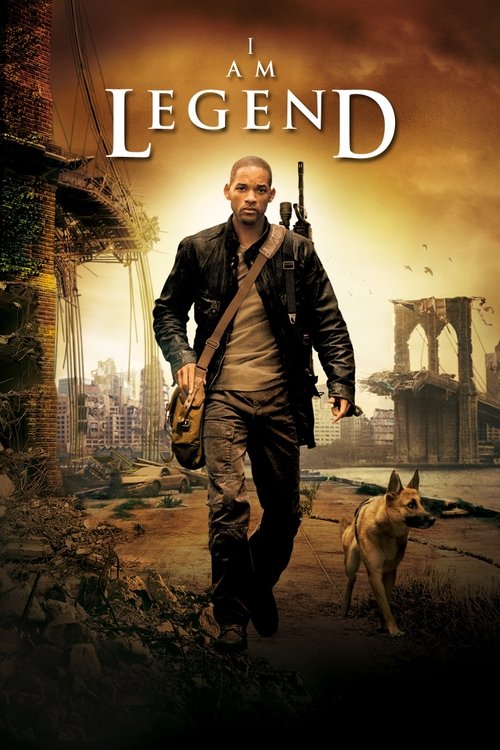
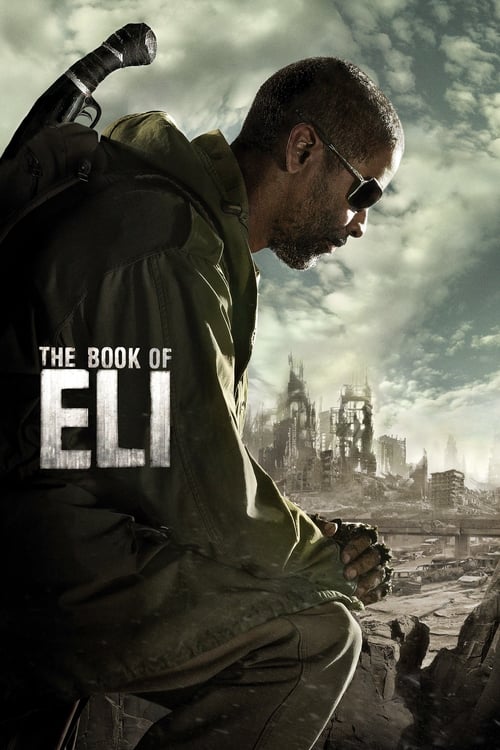
Films and the direct adaptation that translate The Road's visual silence and moral weight.

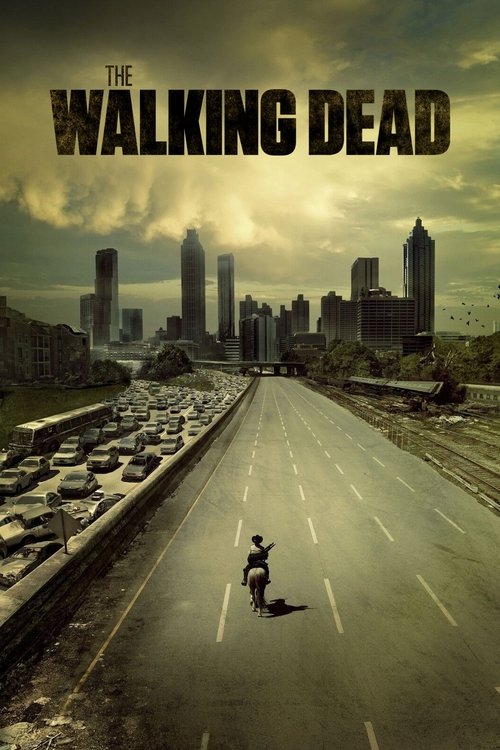
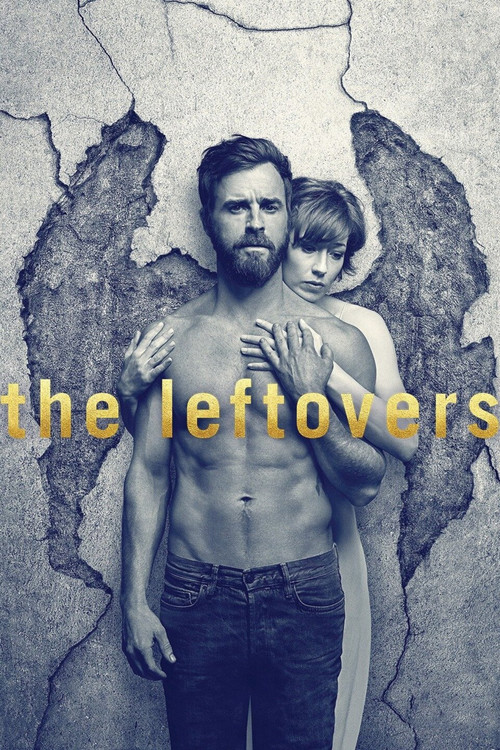
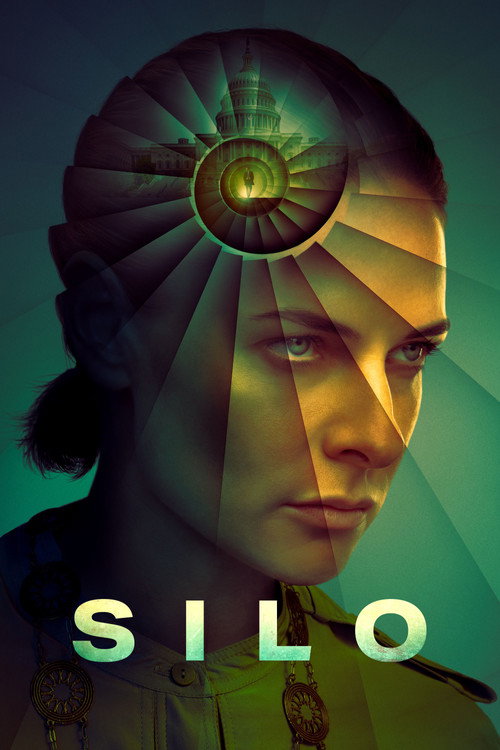
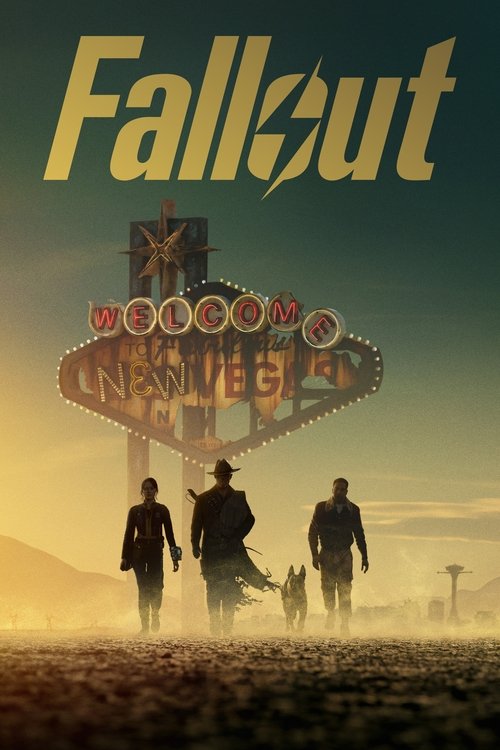
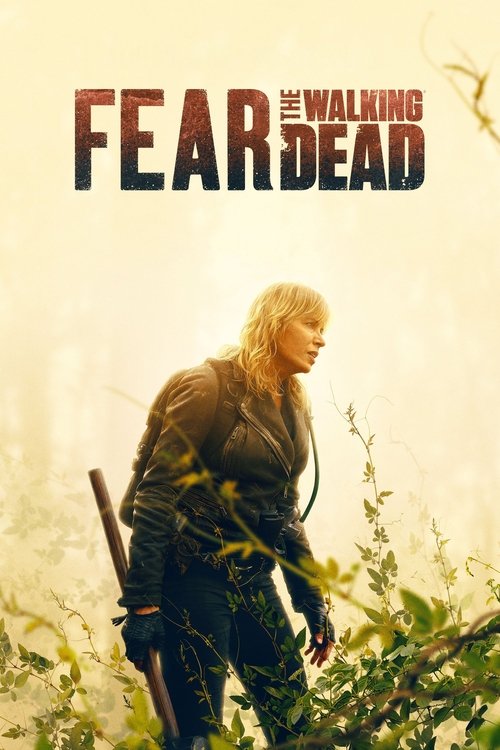
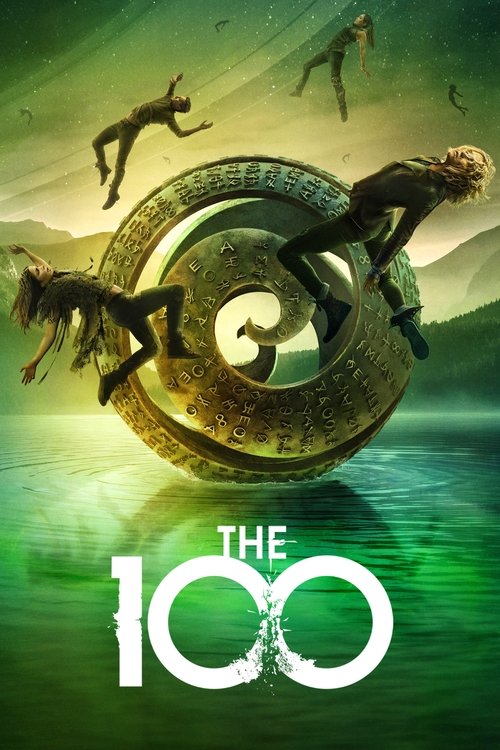
Television that lives in the long aftermath
Series that commit to the slow burn of a world after collapse, where survival is psychological as much as physical.
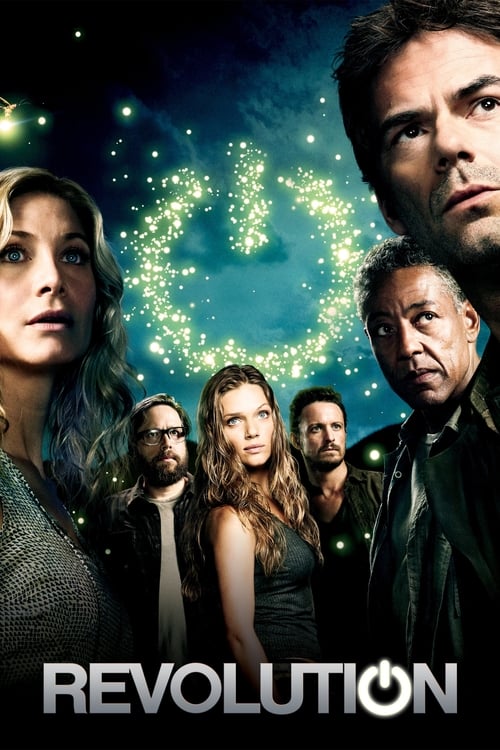
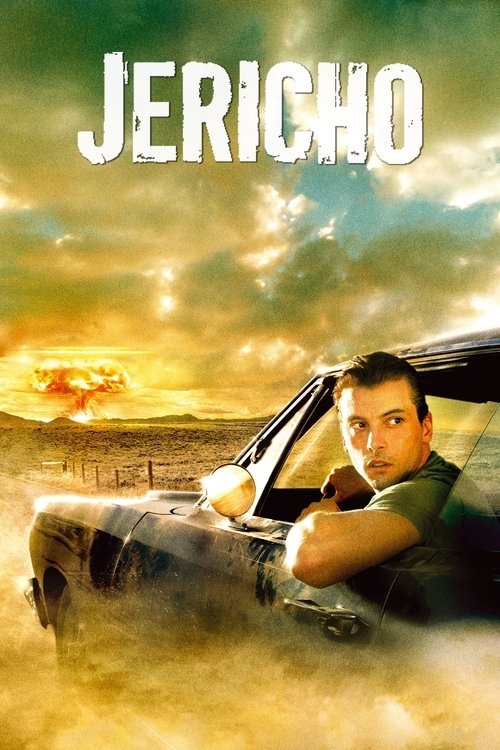
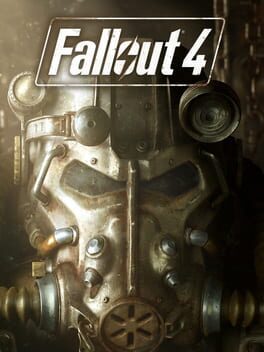
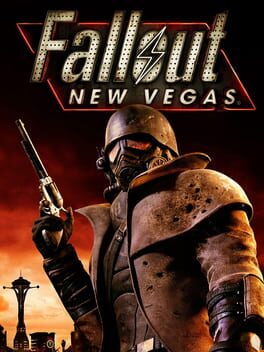
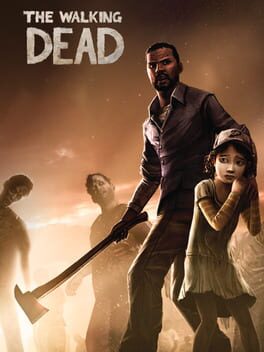
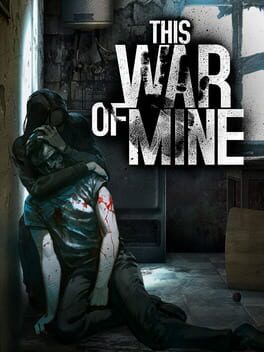
Games where the world has already ended
Games that use the post-apocalyptic setting not as a power fantasy but as an emotional and moral space to inhabit.
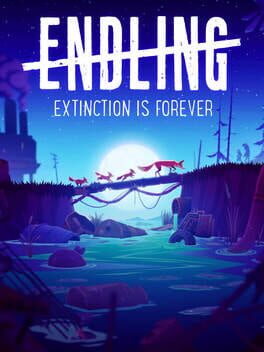
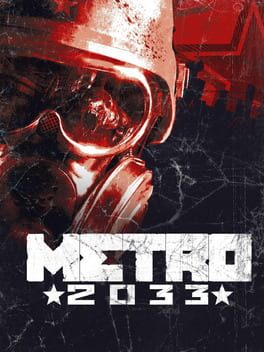
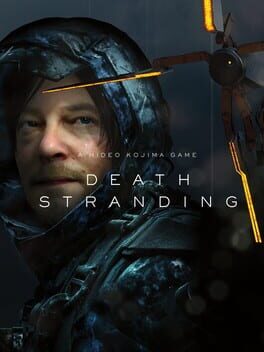
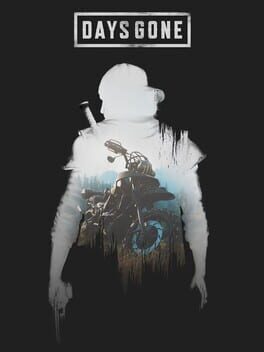
Music: scores and albums that sound like the end
Soundtracks and records that carry the same elemental grief and quiet endurance as the novel.
The Road is not really about the apocalypse
The ash-covered landscape is not the subject of the novel; it is the condition that removes every distraction. McCarthy has no interest in explaining what happened or what comes next. The apocalypse is a pressure chamber that isolates the relationship between a father and son from everything else that would normally crowd out such pure attention. Readers who go in looking for world-building or a plot of survival will find it thin. Readers who go in willing to sit with two people walking in the cold will find it devastating.
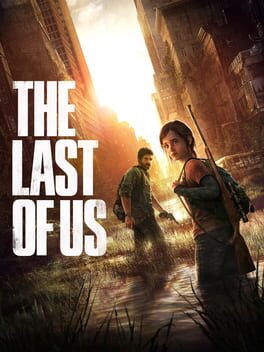
The Last of Us is the most faithful heir to The Road's spirit
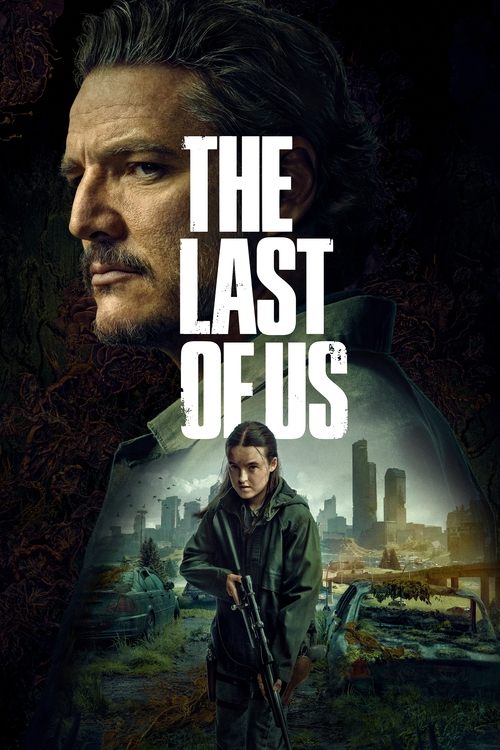
Neil Druckmann and Craig Mazin's television adaptation of Naughty Dog's game is the closest any screen work has come to replicating what The Road achieves in prose: a parent-child bond under impossible pressure, rendered with restraint rather than spectacle. The show earns its violence by making you feel the cost of each choice, which is exactly what McCarthy's sentences do. The game itself was already in this lineage, but the HBO series makes the debt explicit, slowing down, lingering in the silence between moments of horror.
Children of Men achieves the same thing on film that McCarthy achieves in prose
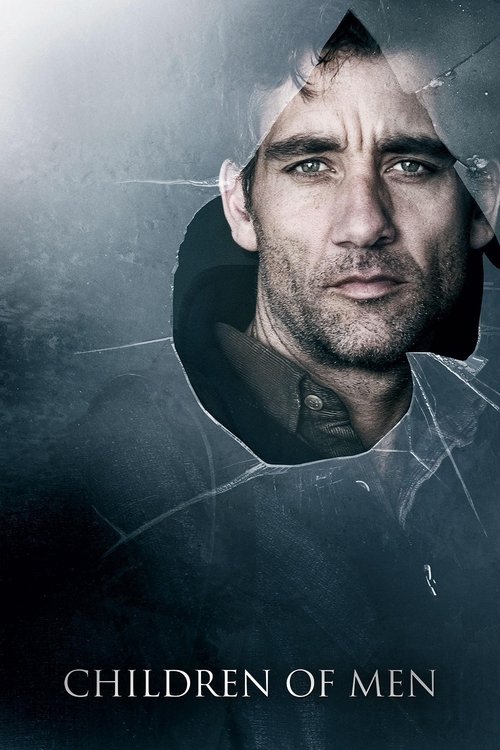
Alfonso Cuaron's 2006 film arrived the same year as the novel and shares its exact emotional core: a world that has lost the will to continue, and one man who finds a reason to keep going. Both works are relentlessly grey and refuse easy hope. The long unbroken takes in Children of Men serve the same function as McCarthy's stripped-down prose: they force you to be present, without the relief of a cut or a paragraph break. Together they constitute the defining vision of quiet apocalypse from that decade.
This War of Mine is the only game that captures the moral texture of survival
Most post-apocalyptic games give players power: better weapons, more territory, rising stats. This War of Mine does the opposite. You manage a group of civilians in a besieged city, making choices that are genuinely bad on both sides, watching characters break down psychologically under the weight of what survival requires. It is the game most directly in conversation with The Road's central question: what do you have to become in order to endure, and is the cost worth it.
A lineage of literary apocalypse
- 1949George Stewart publishes Earth Abides, one of the first literary post-apocalyptic novels focused on psychological and social collapse rather than action.
- 1957Nevil Shute's On the Beach imagines the slow, inevitable end of Australia's last survivors after nuclear war, with McCarthy-like resignation.
- 1985McCarthy publishes Blood Meridian, establishing the voice and moral severity that would eventually produce The Road. Blood Meridian
- 1992P.D. James writes The Children of Men, the direct literary predecessor to The Road's lone-guardian structure.
- 2003Fallout: Brotherhood of Steel releases, but Fallout: New Vegas (2010) will later become the deepest literary engagement with survival ethics in games. Fallout: New Vegas
- 2006The Road published. Alfonso Cuaron's Children of Men releases the same year. Two visions of the same despair, in different media. The road
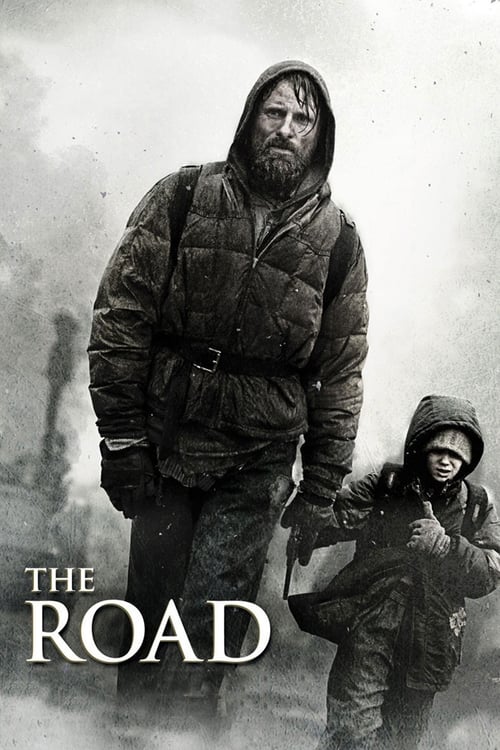
- 2009John Hillcoat adapts The Road for the screen with Viggo Mortensen and Kodi Smit-McPhee. The Road
- 2013The Last of Us (game) releases, bringing The Road's parent-child survival bond to interactive media and becoming the most acclaimed game of its generation. The Last of Us
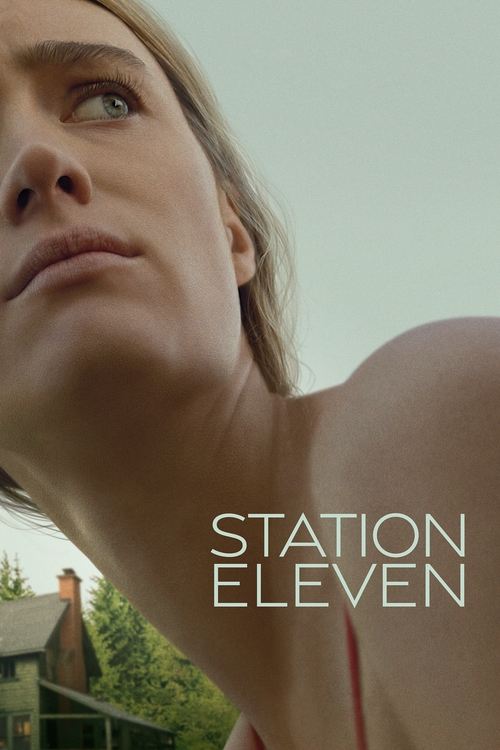
- 2014Emily St. John Mandel's Station Eleven becomes the decade's defining literary post-apocalypse: quieter, more elegiac, more interested in what is worth preserving. Station Eleven
- 2022Station Eleven becomes an HBO series. The Last of Us follows in 2023, cementing the post-apocalyptic prestige TV moment. Station Eleven
He knew only that the child was his warrant. He said: If he is not the word of God God never spoke.Cormac McCarthy, The Road (2006)