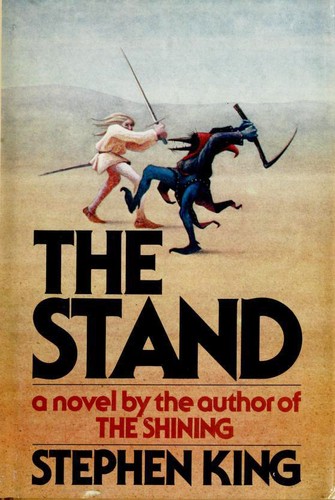

Stephen King's The Stand (1978; expanded 1990) does something that almost no other novel attempts: it kills off most of humanity in the first quarter and then rebuilds civilization from scratch, using the survivors as a moral referendum on the species. The plague, Captain Trips, is not the story; the story is what happens after, when the remnant self-selects into two camps drawn by dreams. Randall Flagg, the Walking Dude, is one of King's great American monsters, a force of entropy disguised as charisma. Readers who love The Stand are chasing a specific combination: scope that feels genuinely world-ending, an ensemble large enough to constitute a society, the sense that the apocalypse is also a spiritual reckoning, and a villain whose evil is banal and seductive rather than cartoonishly supernatural. This magazine maps that territory across every medium.
Start Here: The Stand Itself
The editions and adaptations that define the canon, before branching out.



After the Plague: Novels That Go the Distance
Post-apocalyptic fiction with the same long-haul, society-rebuilding ambition.


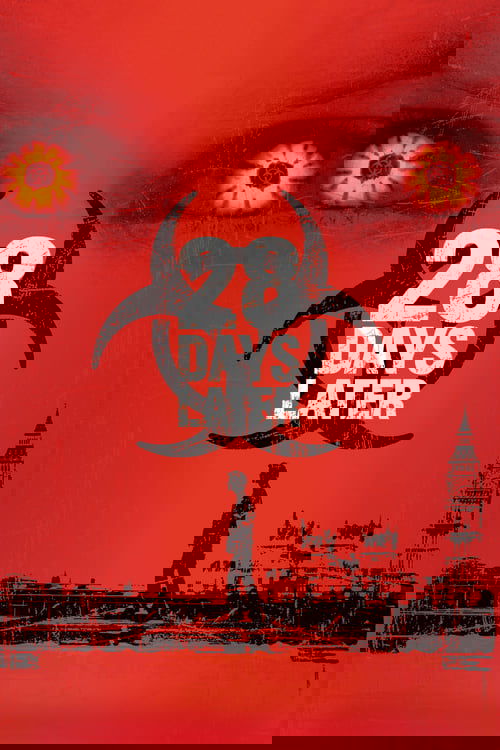
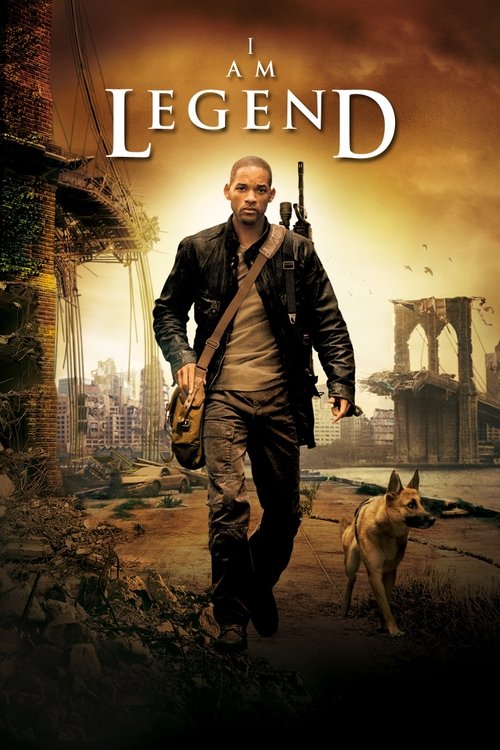
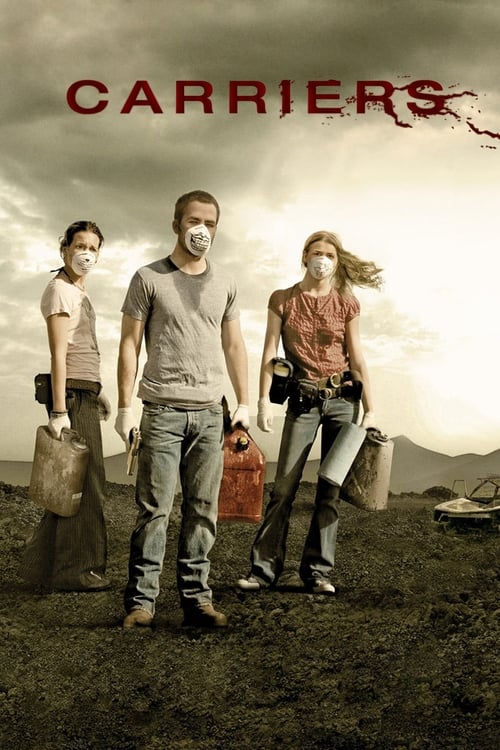
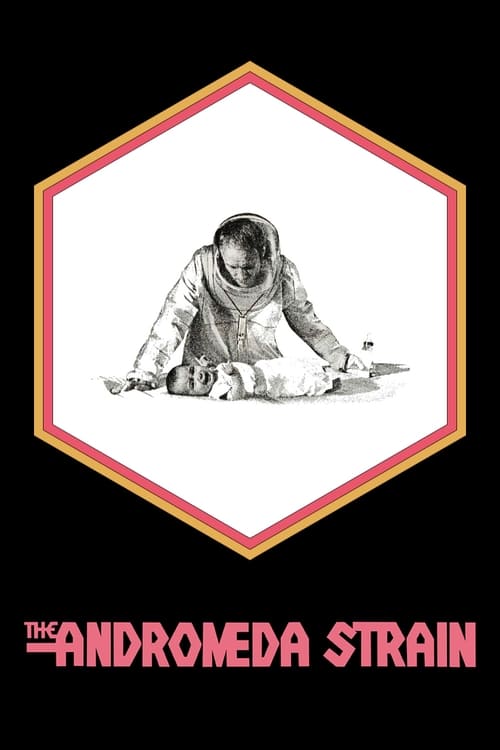
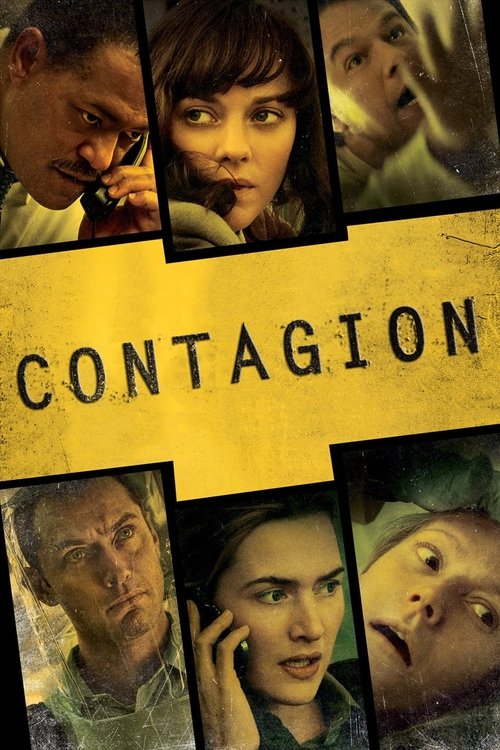
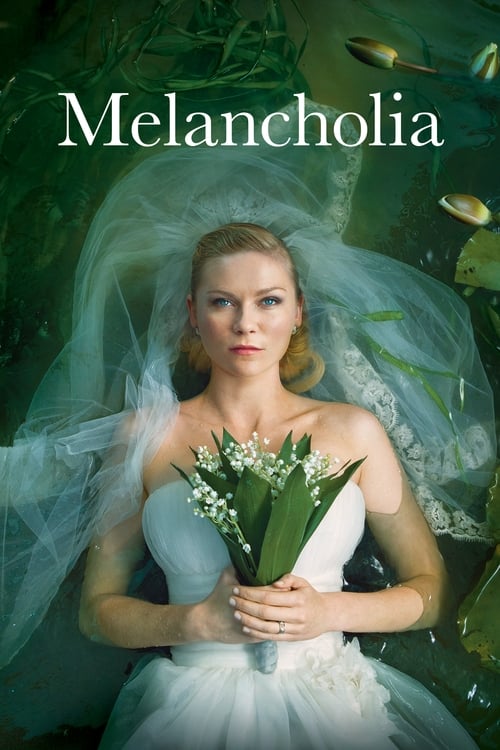
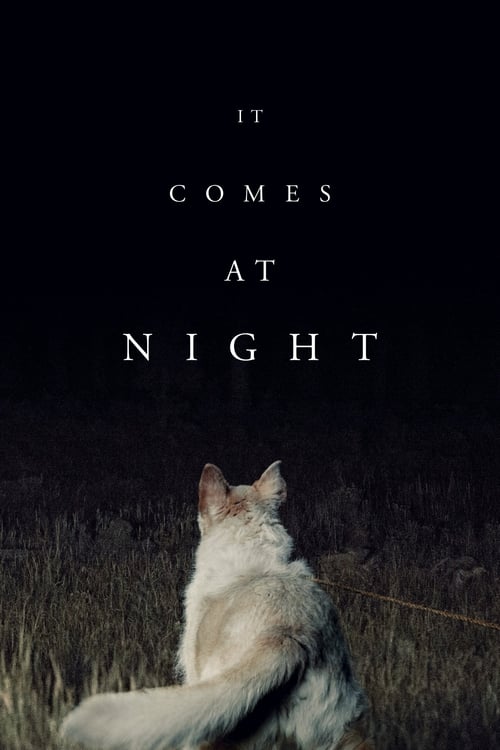
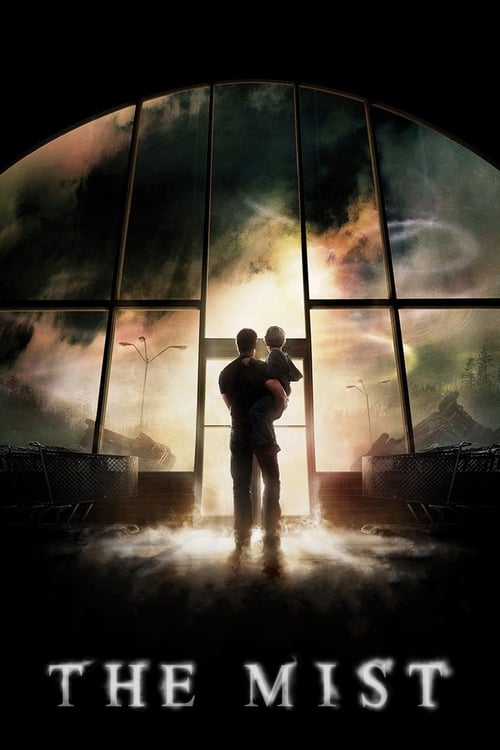
Screen Visions of the End
Films that capture the haunted aftermath, the moral tribalism, or the viral apocalypse.
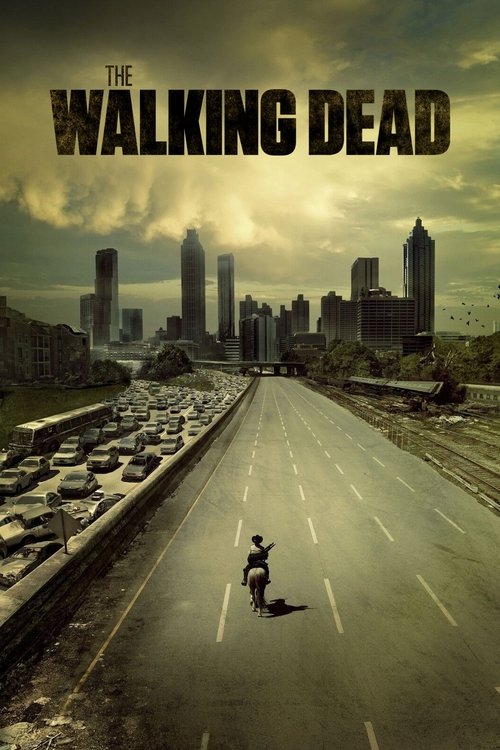
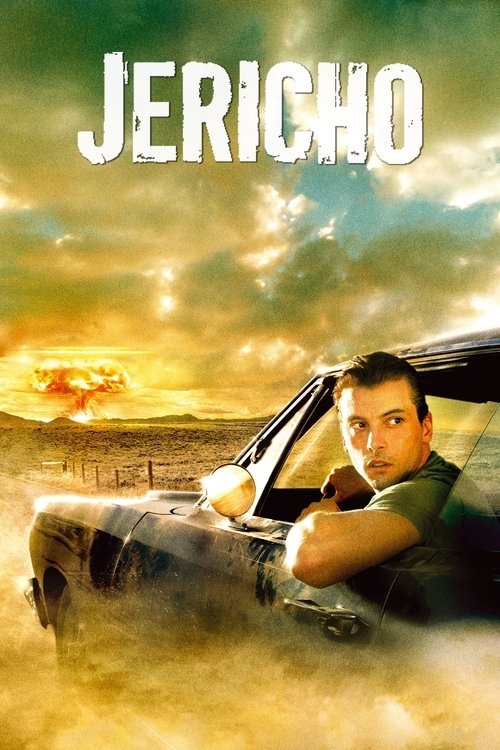
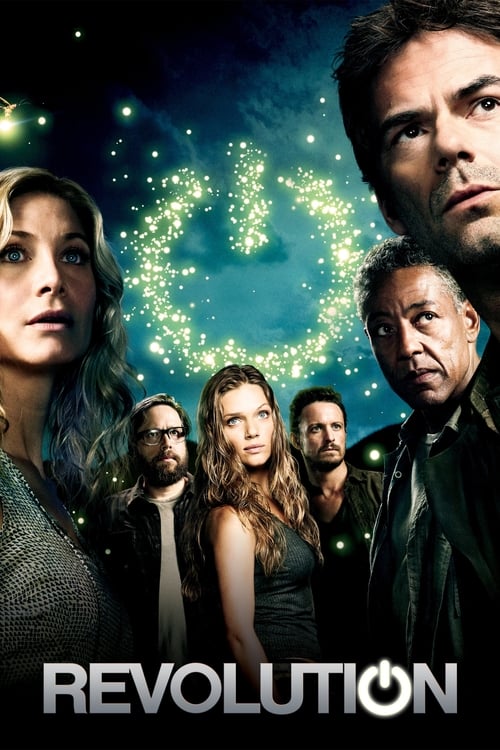
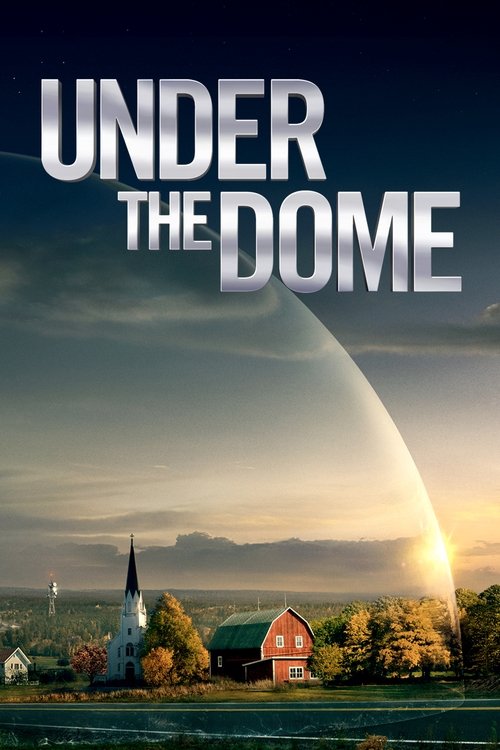
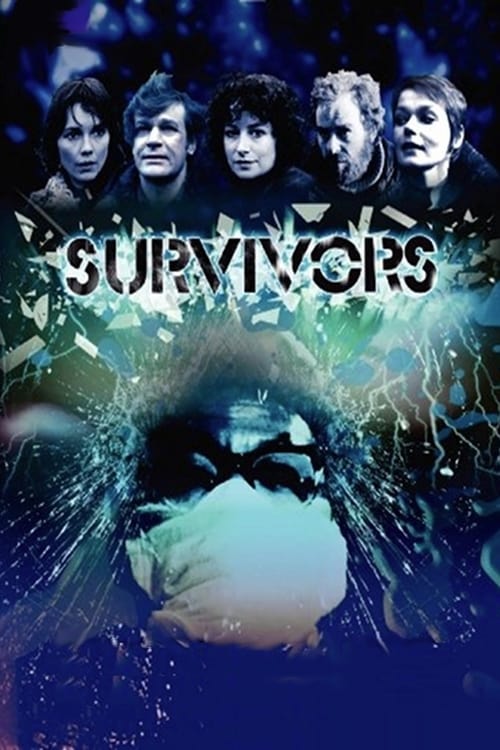
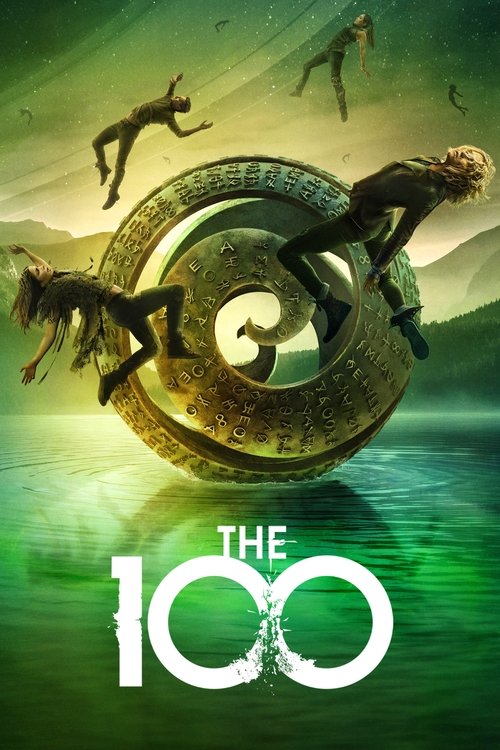
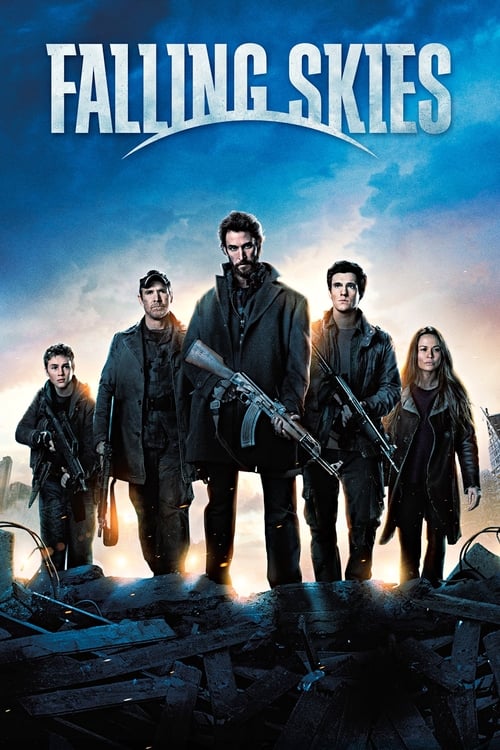
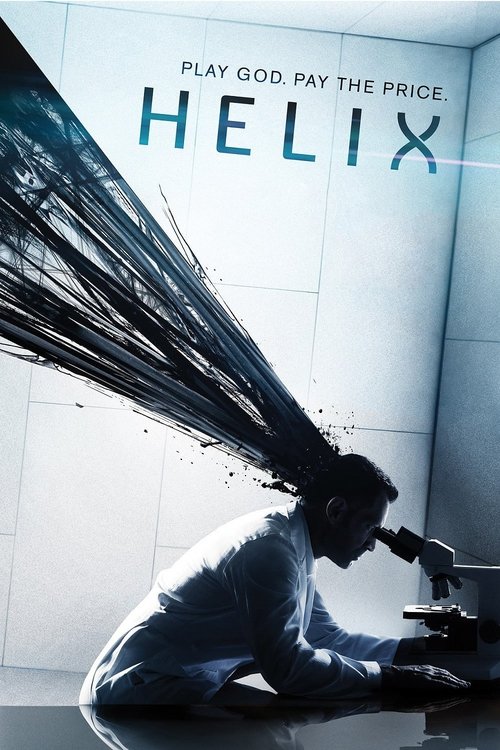
Series That Rebuild the World
Television with the ensemble depth and slow-burn civilization-collapse that The Stand demands.

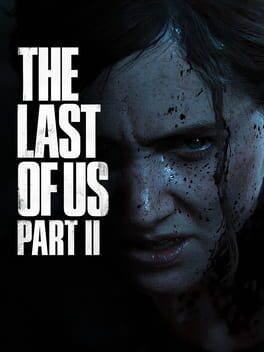
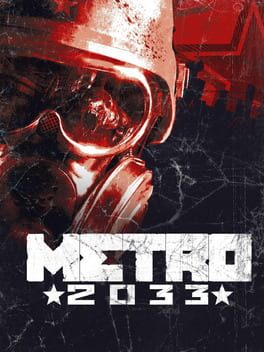
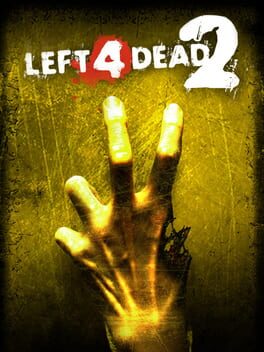
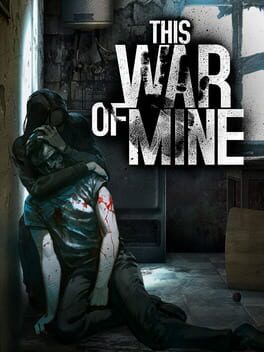
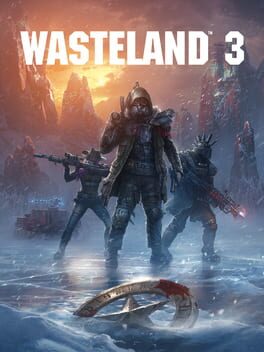
Games Where Society Collapses and You Choose a Side
Survival games built around moral allegiance, community-building, and the infected.

Music for Empty Highways
Scores and albums that evoke the desolation, the spiritual weight, and the flickering hope at the end of the world.
Swan Song Is the Novel That Should Be in Every Stand Fan's Hands
Robert McCammon's 1987 novel covers almost identical ground: a plague-triggered apocalypse, a cross-country American survivor odyssey, a battle between a redeemer figure and a supernatural villain. Where King's book leans into the mythic and the biblical, McCammon's is rawer, more grounded in physical survival horror. The two read as companion novels, and fans who know only one are genuinely missing half the conversation.
The 1994 Miniseries Holds Up Better Than Its Reputation Suggests
The ABC four-part miniseries from 1994, starring Gary Sinise, Rob Lowe, and Molly Ringwald, is routinely dismissed as a product of its era, and the budget shows. But Jamey Sheridan's Randall Flagg is genuinely unsettling, and the miniseries captures the novel's sense of a country-sized reckoning in a way the 2020 Paramount+ reboot, for all its resources, largely fumbles. Neither is the book, but the 1994 version earns its place.
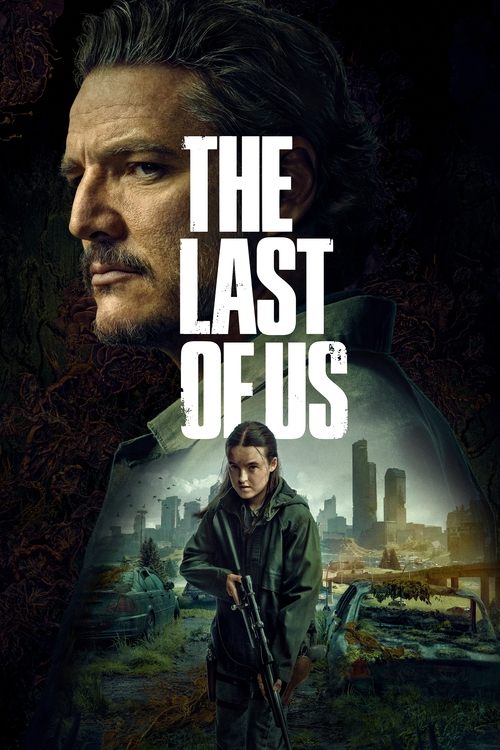
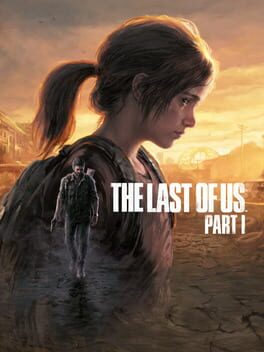
The Last of Us Is the Game That Finally Achieved What The Stand Achieves in Fiction
Naughty Dog's 2013 game is not a plague-and-factions story in the same explicit way, but it operates on the same emotional logic: a road trip through the ruins, a relationship that becomes more important than any political allegiance, and an ending that refuses the comfort of a clear moral verdict. The game borrows freely from post-apocalyptic film grammar, but the depth of its world-building puts it in the company of the novel form, not just genre cinema.
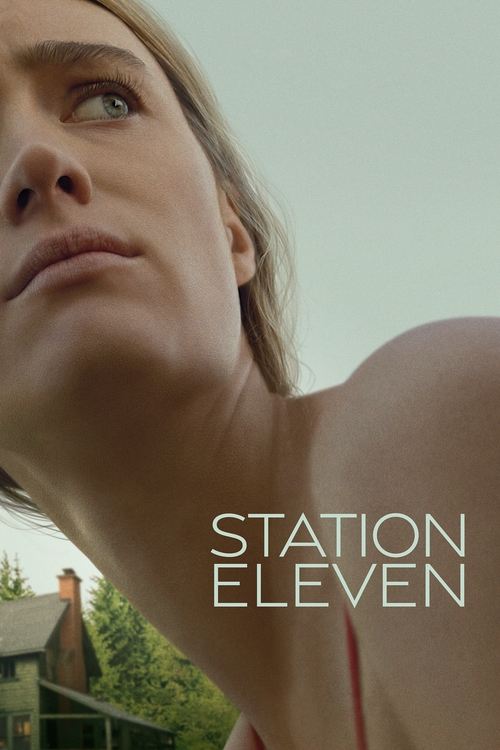
Station Eleven Earns Comparison to The Stand by Taking the Same Spiritual Risk
Emily St. John Mandel's novel and the HBO adaptation both argue that civilization is worth preserving not for practical reasons but for aesthetic and relational ones. That is a risky argument and most post-apocalyptic fiction avoids it. The Stand makes a similar bet, dressing it in religious allegory. Station Eleven makes it in the language of theatre and memory. The two works have more in common than a shared genre.
The Stand's Long Shadow
- 1978Stephen King publishes the original, truncated edition, cut by roughly 400 pages at the publisher's insistence. The Stand
- 1979George Romero's Dawn of the Dead extends the zombie-as-social-commentary genre that will cross-pollinate with King's apocalypse. Dawn of the Dead
- 1987Robert McCammon's Swan Song arrives as the closest rival to King's vision: same scale, same spiritual stakes, different outcome. Swan Song
- 1990King restores the cut material, adding new scenes and updating the setting. The Complete and Uncut Edition at 1,153 pages becomes the definitive text. The Stand
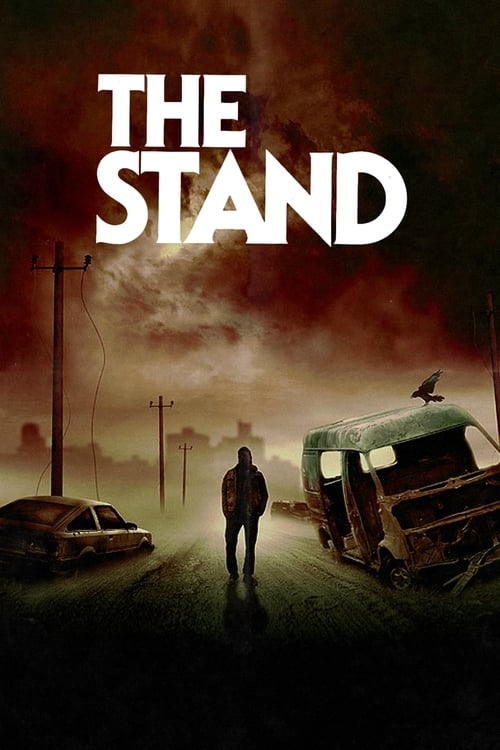
- 1994ABC airs the four-part miniseries. Gary Sinise plays Stu Redman; Jamey Sheridan's Flagg becomes the cultural reference point for the character. The Stand
- 200328 Days Later resets the infection-apocalypse genre for the 21st century, influencing every survivor narrative that follows. 28 Days Later
- 2013The Last of Us ships and redefines what post-apocalyptic storytelling can do inside a game. The Last of Us Part I
- 2014Emily St. John Mandel's Station Eleven is published, becoming the literary counterpoint to King's maximalism: quieter, but equally concerned with what survives. Station Eleven
- 2020Paramount+ airs a new Stand miniseries with Whoopi Goldberg and Alexander Skarsgard, to mixed reviews. The Stand
- 2023The Last of Us premieres on HBO, bringing the game's post-outbreak world to a mainstream television audience and renewing interest in the whole genre. The Last of Us
A book doesn't have to be about the end of the world to feel that way. The Stand feels that way because it takes seriously what most fiction flinches from: that people will sort themselves by belief, not just by survival instinct, when the pressure is high enough.CrossBinge Editors