

The Terror works on two registers at once. On the surface it is the story of the doomed 1845 Franklin Expedition: two ships, HMS Erebus and HMS Terror, locked in the Canadian Arctic ice for years, their crews slowly destroyed by cold, scurvy, lead poisoning, and something hunting them in the dark. Beneath that, it is a study in command, class, and the particular English arrogance that sent men into an environment they refused to understand on its own terms. Dan Simmons's 2007 novel expanded the historical record into a horror novel of real weight. AMC's 2018 first season (showrunner David Kajganich, with Ridley Scott producing) translated it faithfully, then the series pivoted in Season 2 to a wholly different Japanese-American internment story sharing only the title and a taste for quiet dread. Fans of The Terror tend to chase a specific feeling: historical immersion, creeping psychological horror, ensemble casts under impossible pressure, and settings so hostile they become characters.
If You Love The Terror: Polar and Survival Horror on Screen
Films and series that put humans against hostile environments and let the ice win
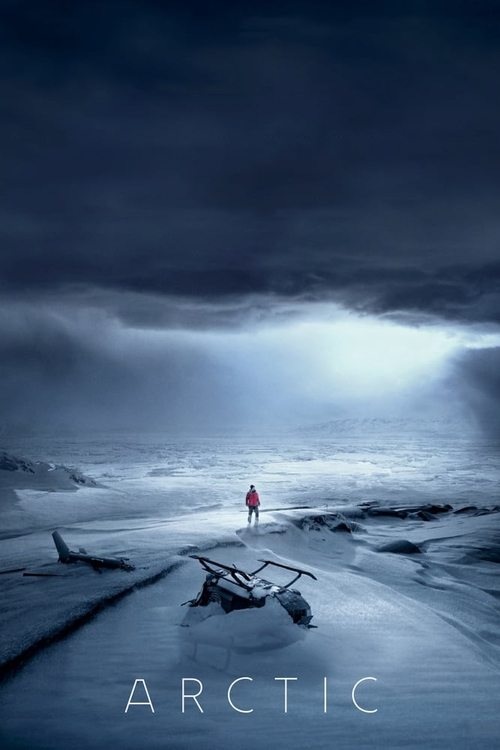
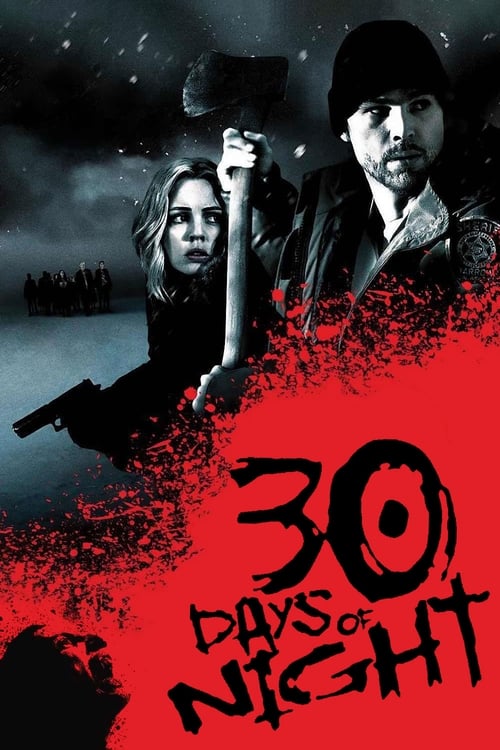
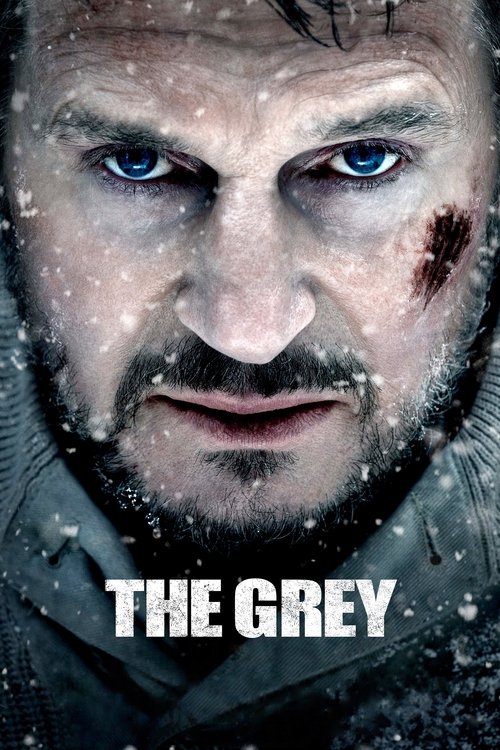
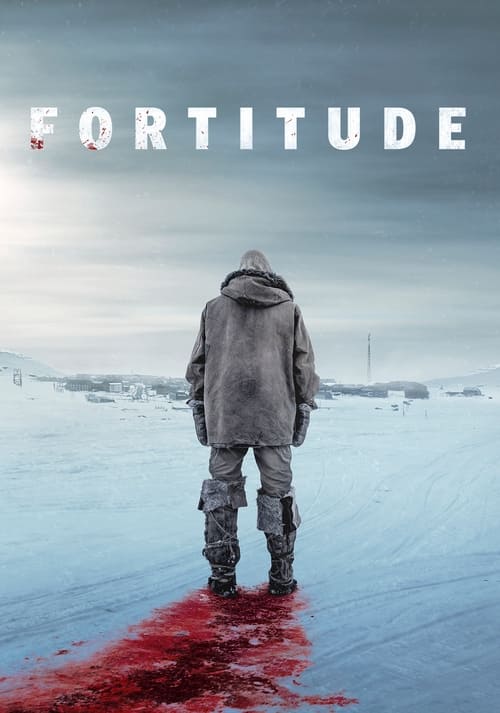
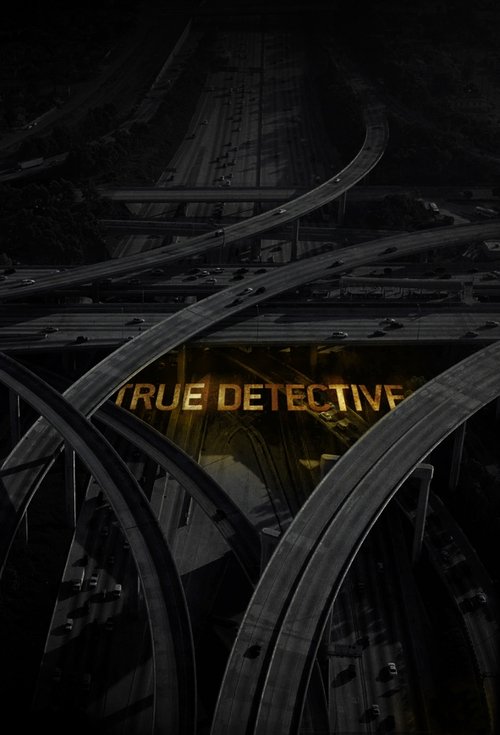
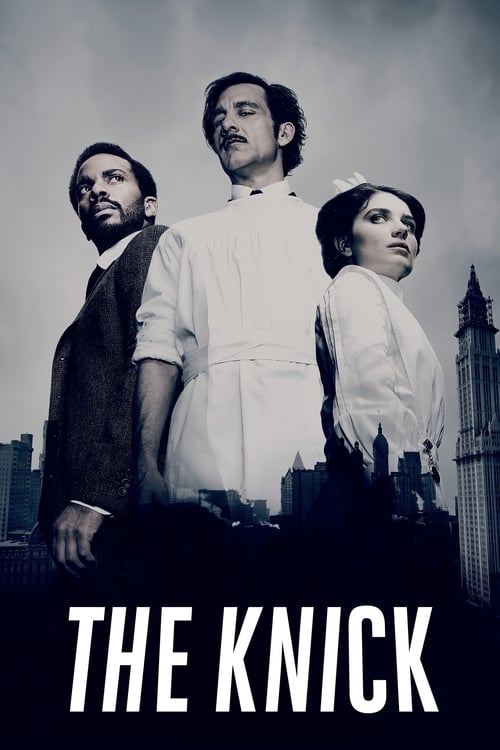
If You Love The Terror: Historical Ensemble Dread on TV
Series built on period immersion, slow-burn tension, and groups of people cracking under pressure
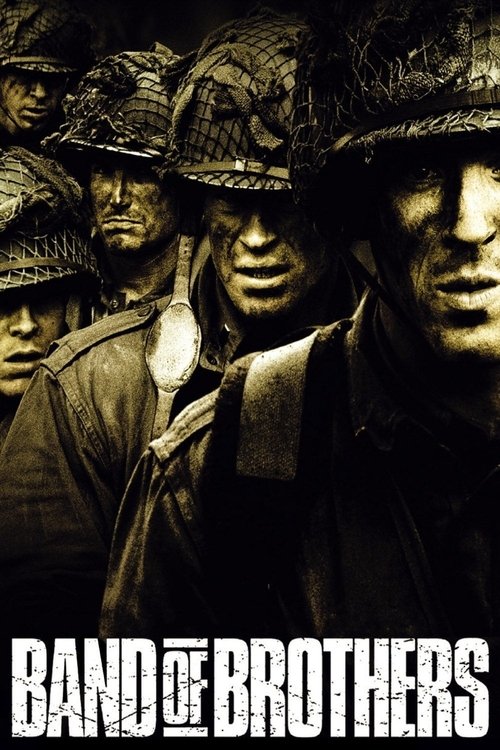
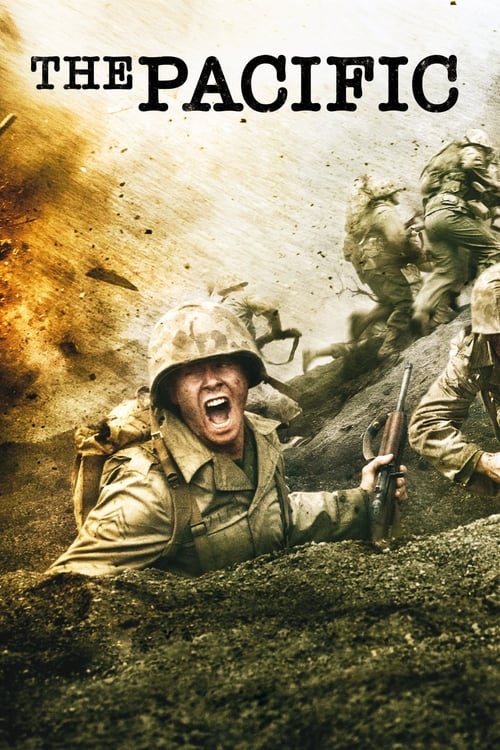
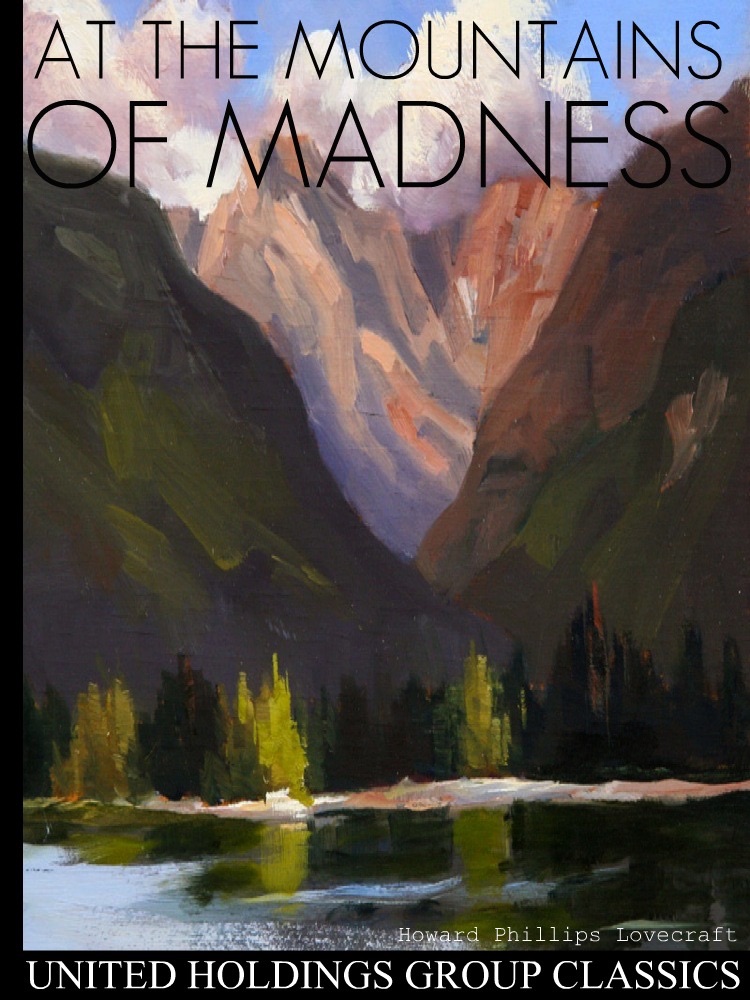
If You Love The Terror: Novels of Expedition, Isolation, and the Uncanny
Books that share the expedition-horror and historical dread of Dan Simmons's novel




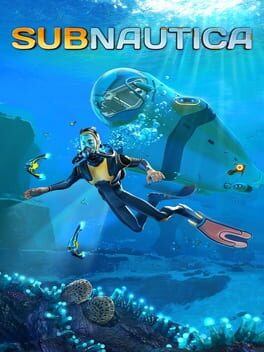
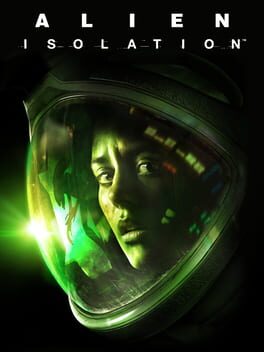
If You Love The Terror: Games of Survival, Dread, and Hostile Environments
Games where the setting is the antagonist and resource management has real stakes


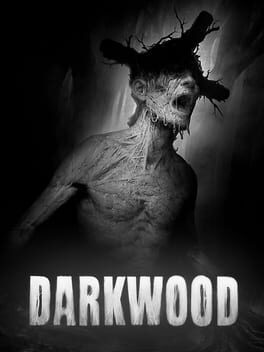
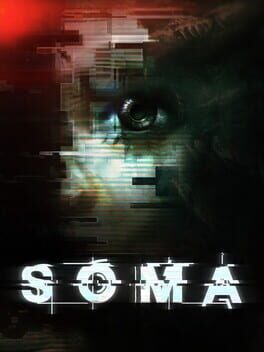
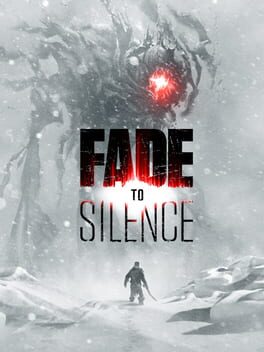

Frostpunk is The Terror as a city-builder
Frostpunk puts you in command of the last city on earth, huddled around a coal generator as temperatures plunge. You make the same decisions Franklin's officers made: how much authority justifies survival, when does rationing become cruelty, what does it cost to keep order when the cold is winning. The Long Dark strips the question further, dropping you alone into a Canadian wilderness winter with no supernatural element at all. Both games earn their horror the same way The Terror earns its: they make the environment feel genuinely indifferent.
The history behind the show is bleaker than the fiction
The real Franklin Expedition ended in documented cannibalism, hundreds of miles from any rescue, with officers still dressed in their naval uniforms against all rational sense. Archaeological work on King William Island confirmed much of what Simmons imagined. Gillian Turner's research into the lead poisoning from canned goods, the Inuit oral testimony, the ghost ships eventually found decades apart: all of it is stranger and darker than drama usually permits itself to be. Hampton Sides's 'In the Kingdom of Ice' covers a later Arctic disaster (the USS Jeannette) with the same granular horror.
The Thing is the companion film
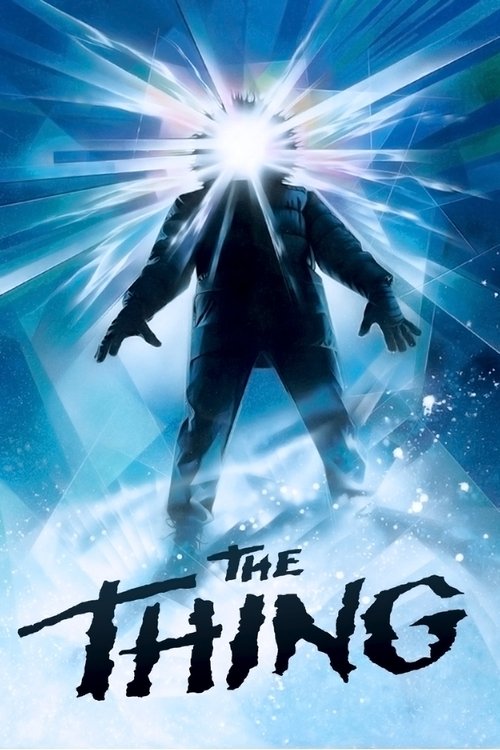
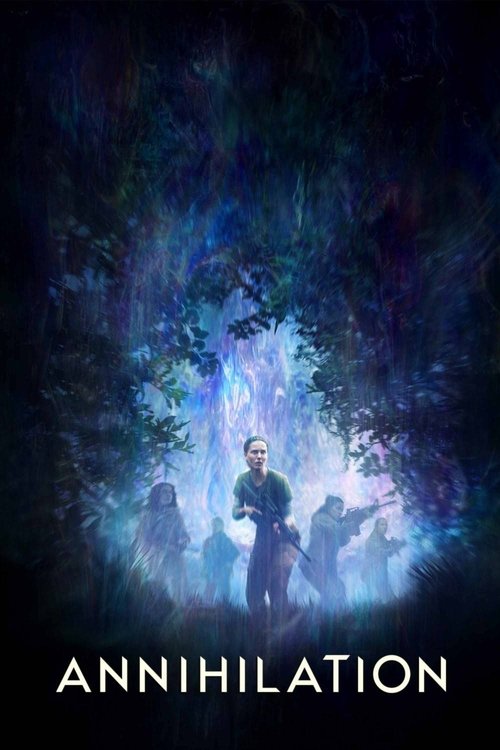
John Carpenter's 1982 film shares nearly every structural concern with The Terror: an isolated base, dwindling resources, an inhuman predator, and a group of men who stop trusting each other well before the monster finishes them. The Antarctic setting is functionally identical to the Arctic, and both works treat paranoia as a more interesting problem than the monster itself. Annihilation extends the lineage into something stranger: the hostile environment is not hostile in any legible way, which is what genuine wilderness actually is.
Chernobyl shares the show's real horror: institutional failure
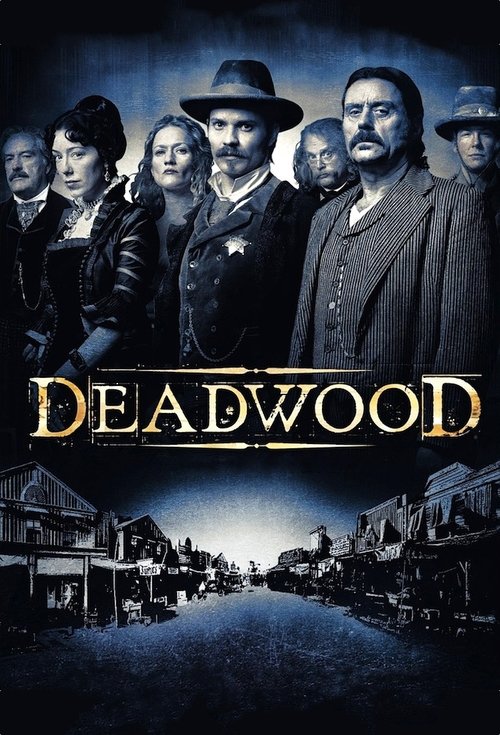
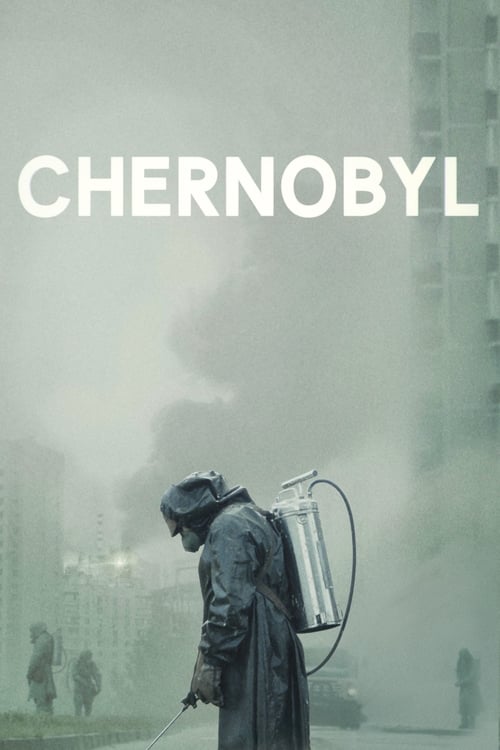
What makes Craig Mazin's Chernobyl land as hard as it does is the same thing that makes The Terror so effective: both are stories about the cost of leaders who cannot admit they are wrong. In The Terror, British naval hierarchy prevents the obvious survival choices. At Chernobyl, Soviet bureaucracy delays the obvious safety measures. The catastrophe is not an accident, it is the logical endpoint of a culture. Deadwood is a different register but shares the ensemble chaos: a group of people building order from nothing, constantly one catastrophe away from losing it.
From Expedition to Adaptation
- 1845HMS Erebus and HMS Terror depart England under Sir John Franklin, entering Lancaster Sound
- 1846Both ships become icebound near King William Island; the expedition never escapes
- 1848Survivors abandon the ships; documented death marches south leave no survivors
- 1984First exhumations on King William Island; forensic evidence of lead poisoning and scurvy
- 2007Dan Simmons publishes The Terror, the novel that rewrites the expedition as Arctic horror
- 2014HMS Erebus found on the seabed by Parks Canada; HMS Terror located in 2016
- 2018AMC's The Terror Season 1 airs to critical acclaim; Ridley Scott produces The Terror
- 2019The Terror: Infamy (Season 2) reimagines the title as Japanese-American internment horror The Terror
Frozen dread at the ends of the Earth
For Fans of The Thing
Explore the For Fans of The Thing guide →The cold does not hate you. That is what makes it so difficult to fight.Dan Simmons, The Terror