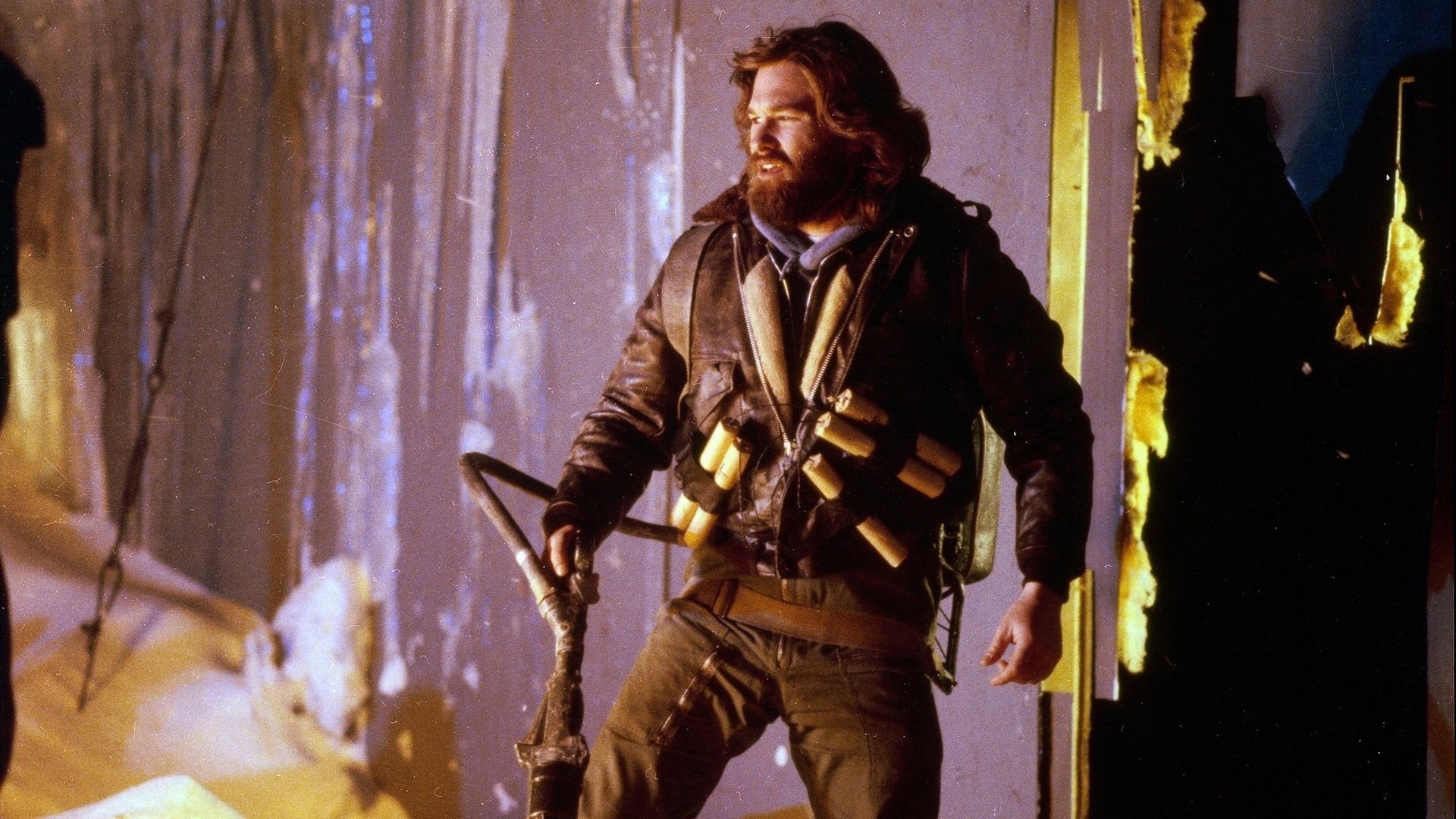

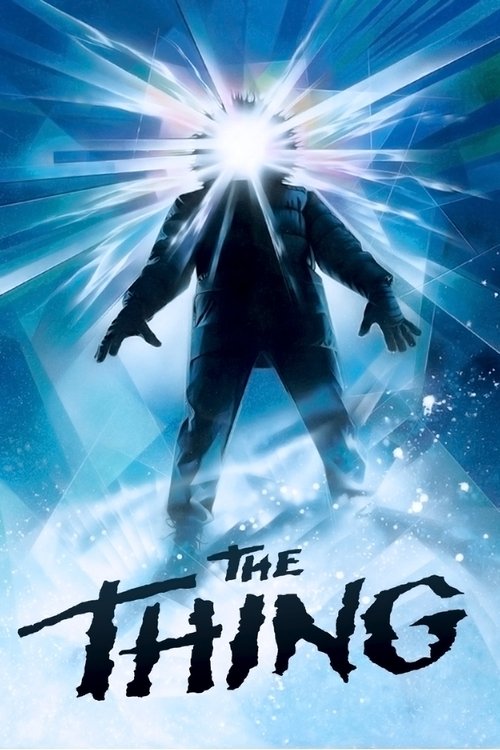
What The Thing does that almost nothing else does: it makes the monster out of uncertainty. John Carpenter's 1982 film drops twelve men in an Antarctic research station and asks a question the audience cannot answer alongside them: which one of them is no longer human? Rob Bottin's practical creature effects remain some of the most viscerally disturbing ever put on screen, but the real horror is the silence between confrontations, the glances, the blood tests, the votes. The film trusts its audience to sit in discomfort rather than providing cheap release. Fans of The Thing are fans of a specific feeling: paranoia weaponized by isolation, dread that builds through logic rather than jump scares, and a cold, unsparing ending that refuses to offer comfort. Everything on this page chases that same temperature.
Essential The Thing
The film and the works closest to its own universe

Same-Director Carpenter Films
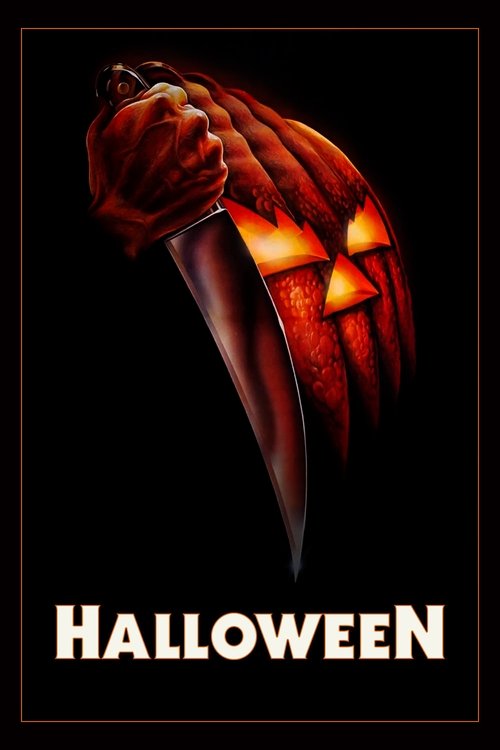
John Carpenter at his most focused and unnerving
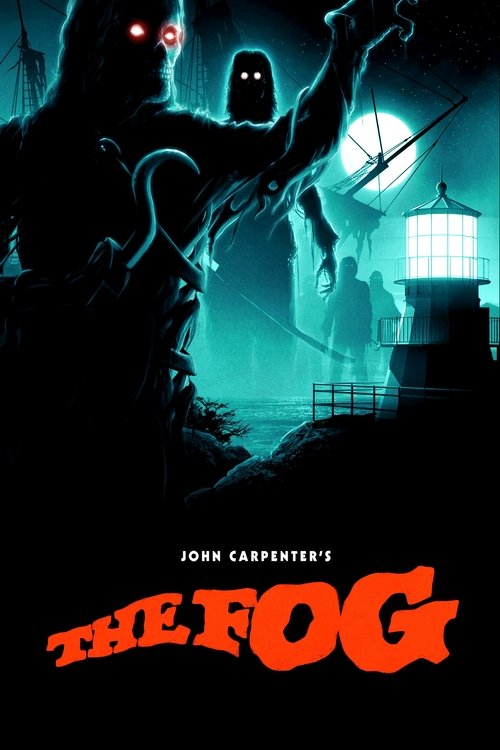
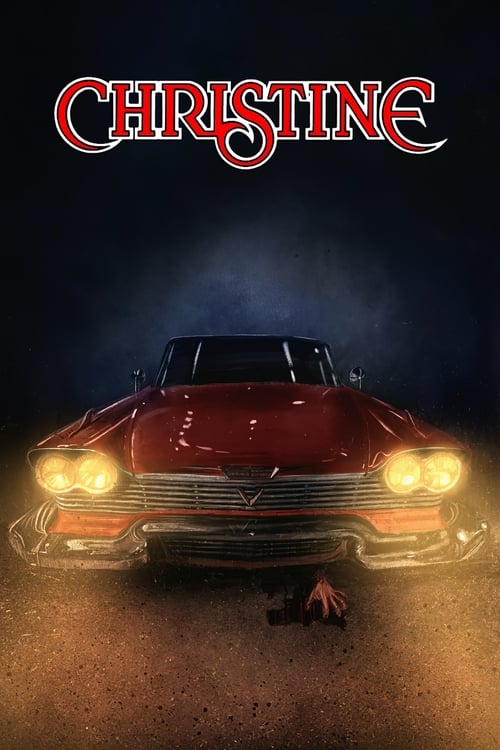
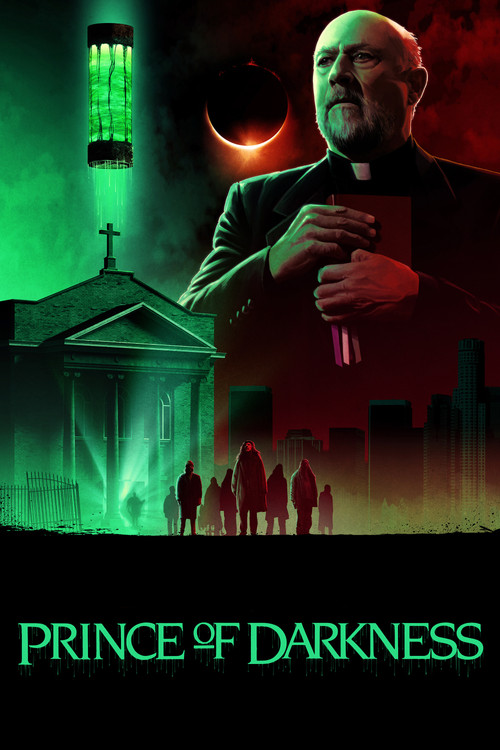
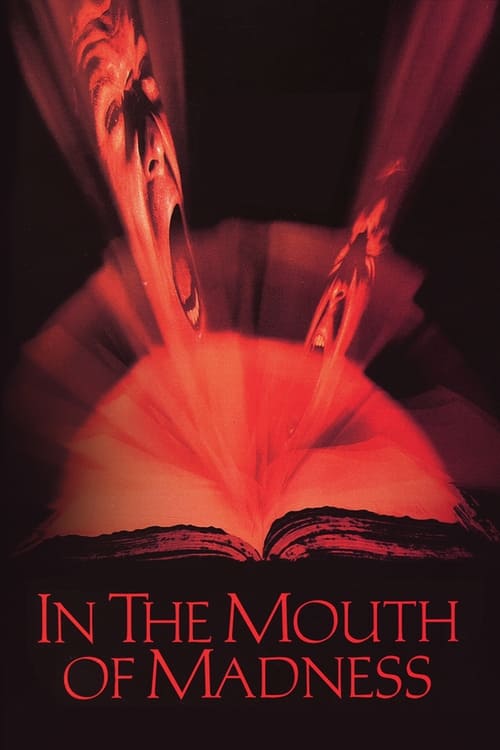
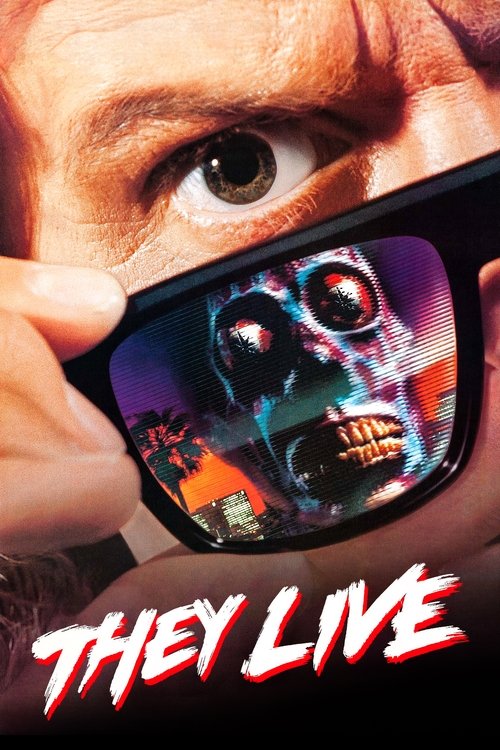
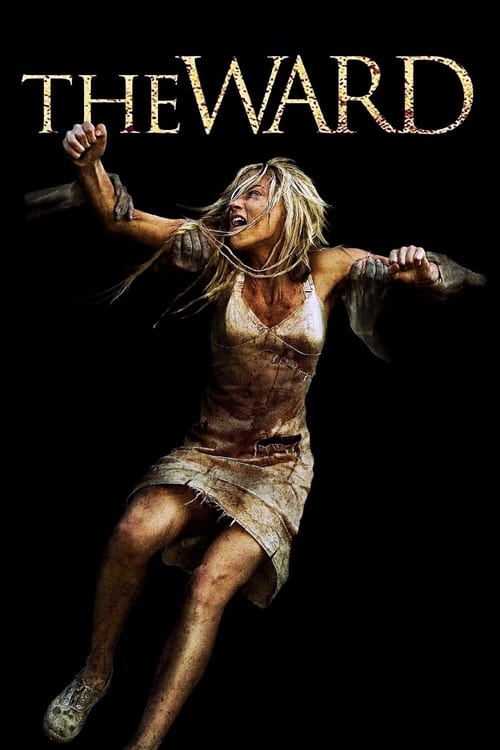
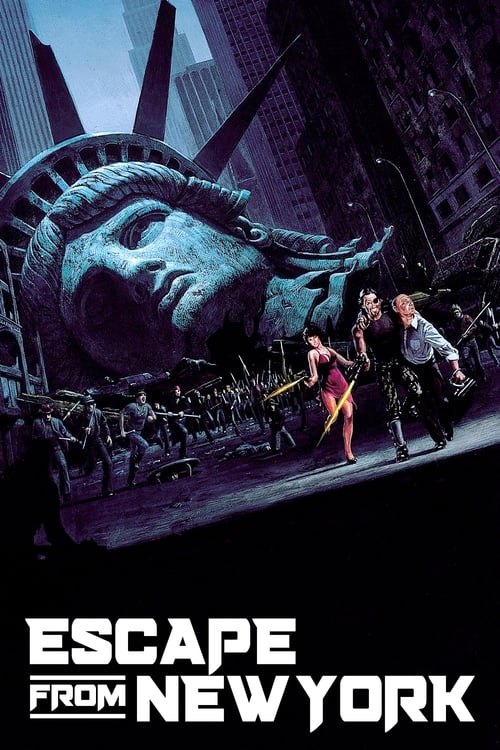
Paranoia and Isolation: Films in the Same Vein
When you cannot trust anyone and there is nowhere to run
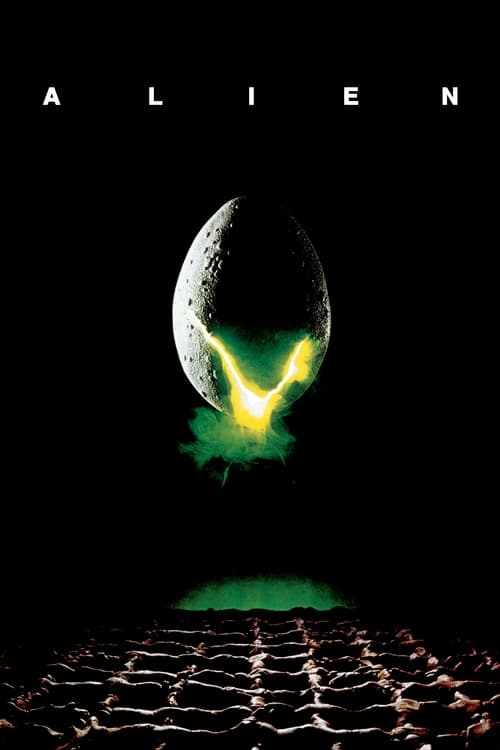
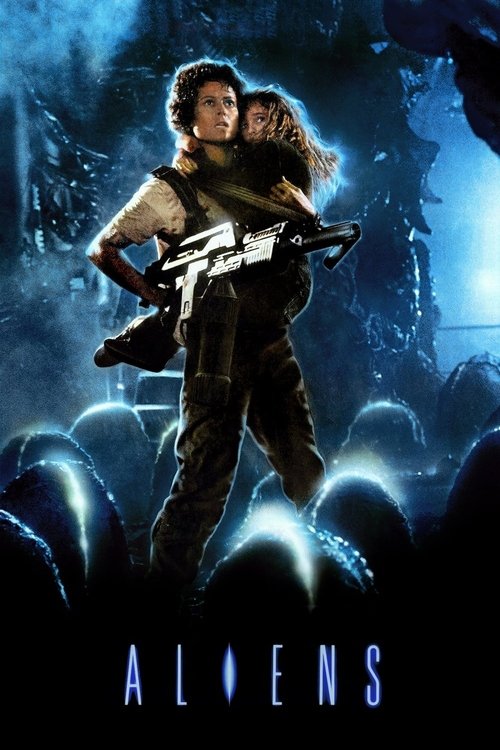
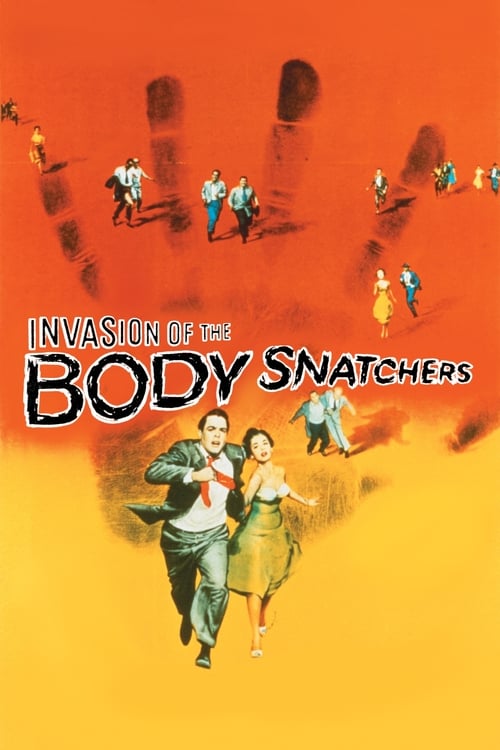
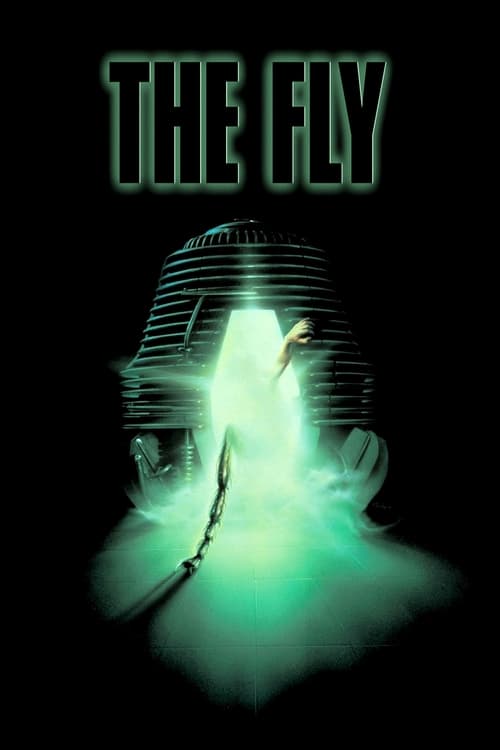
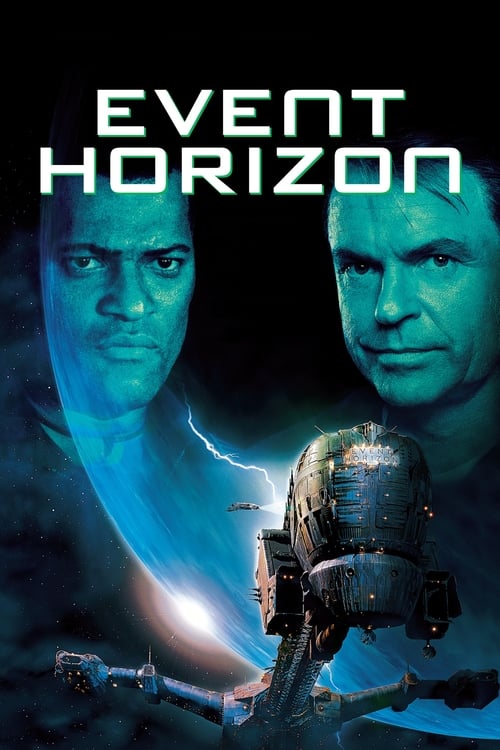
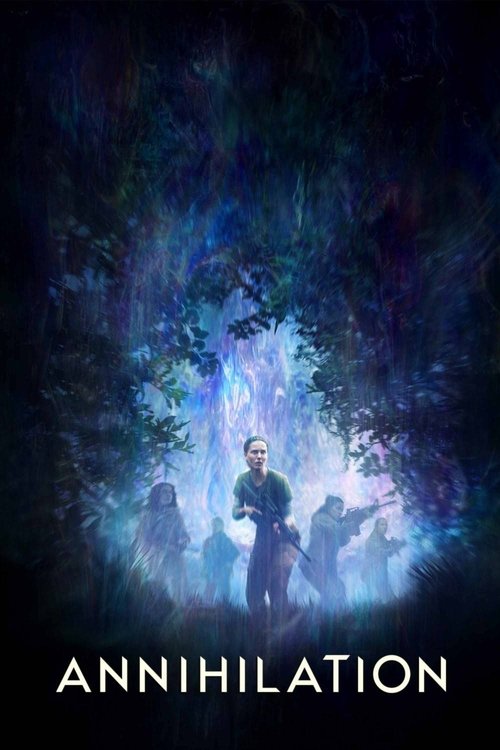
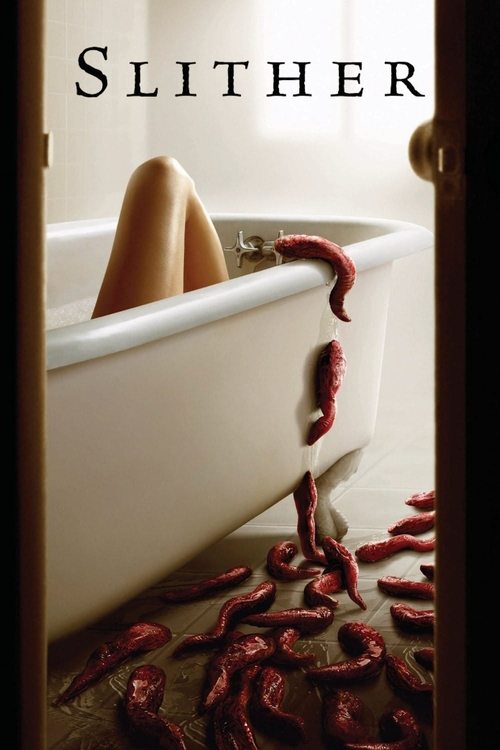
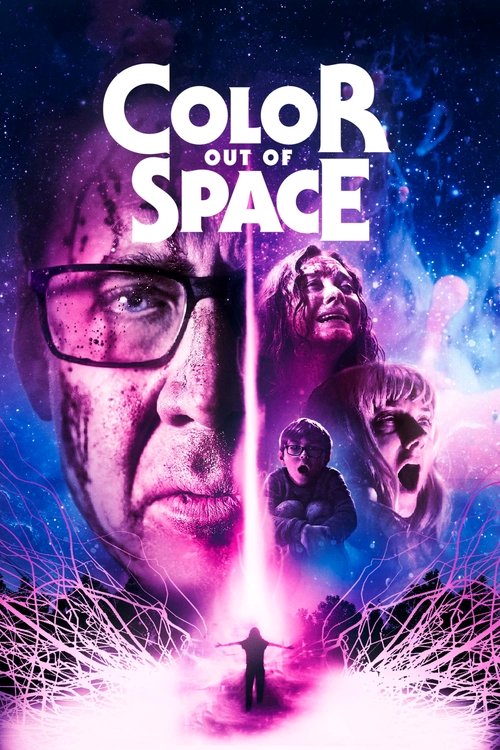
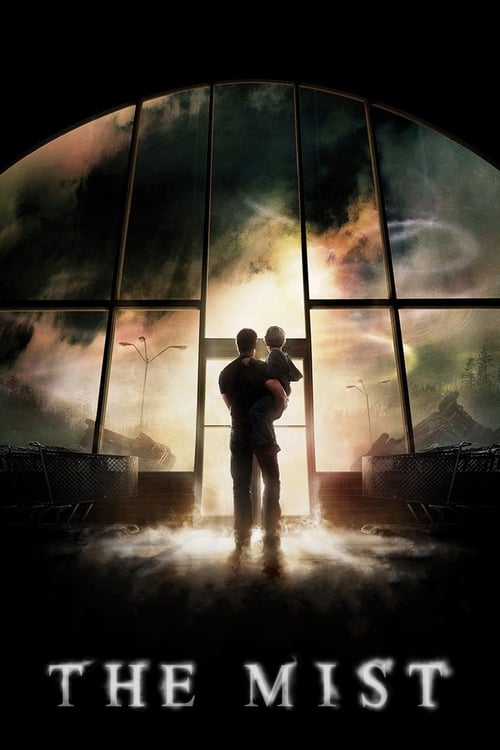
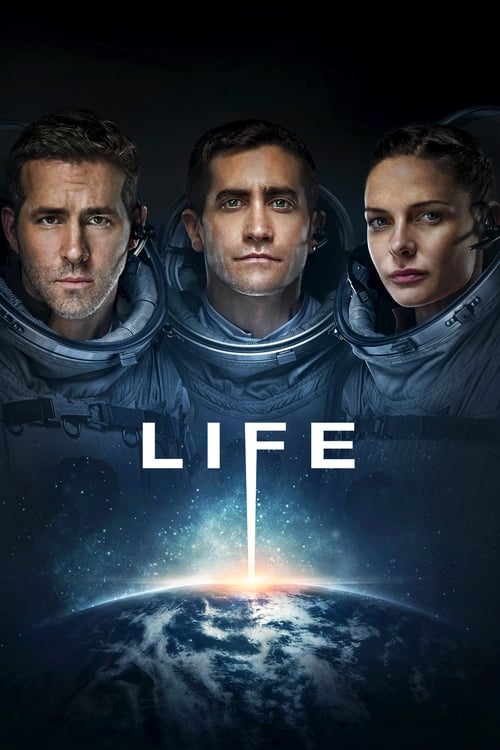
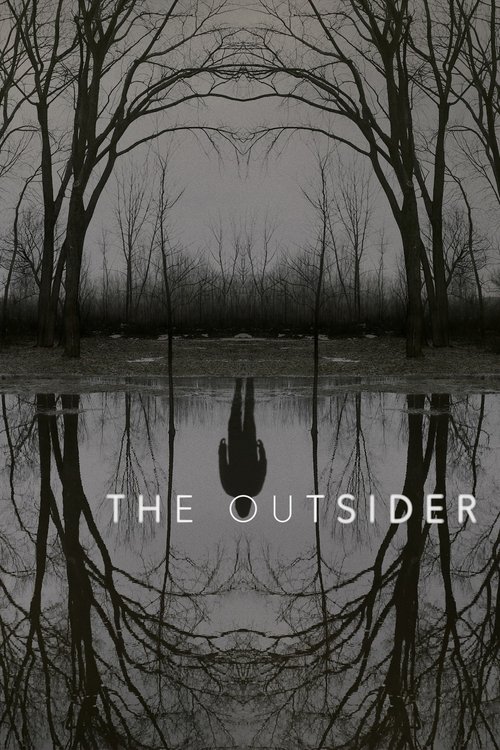
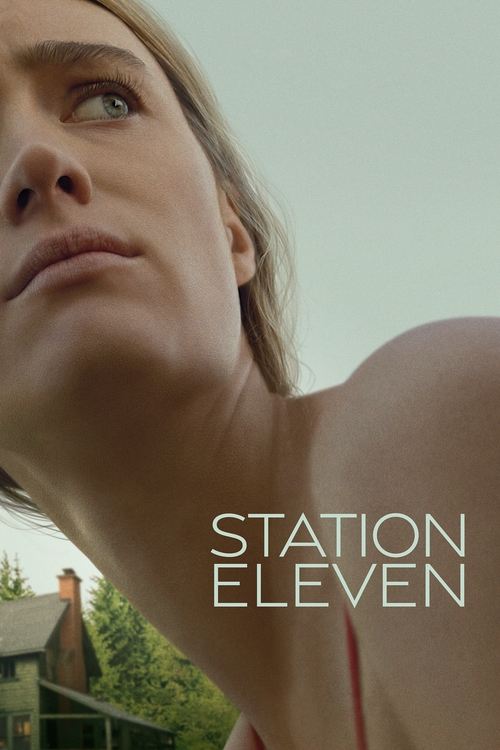
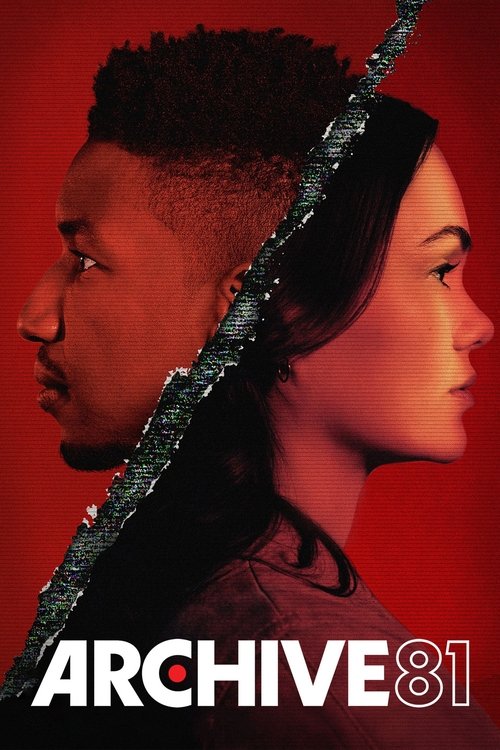
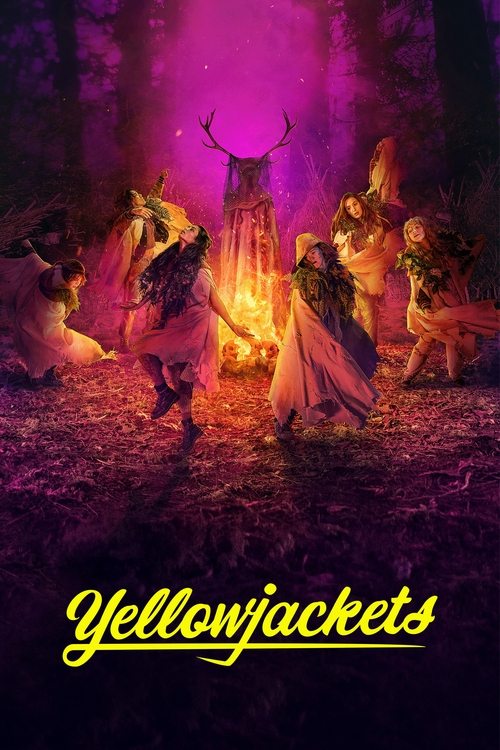
Closed-Room Dread: Series That Hold the Same Tension
TV that locks characters in a space and asks who can be trusted
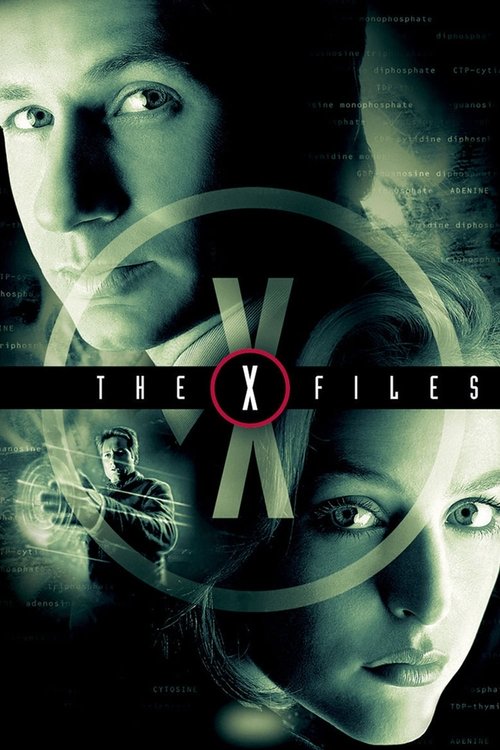
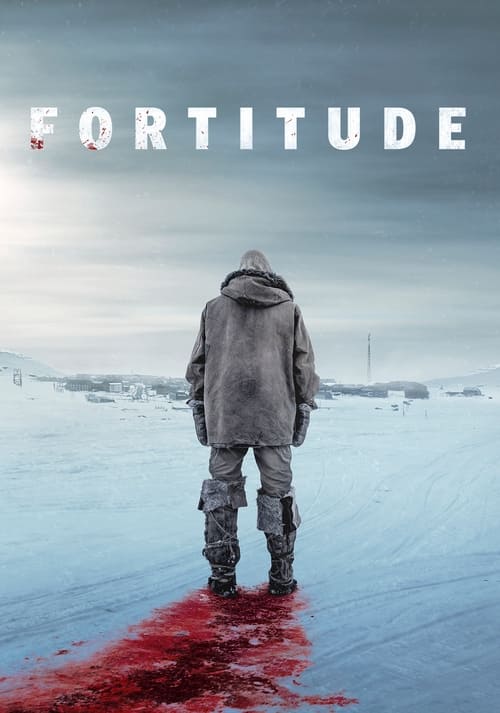

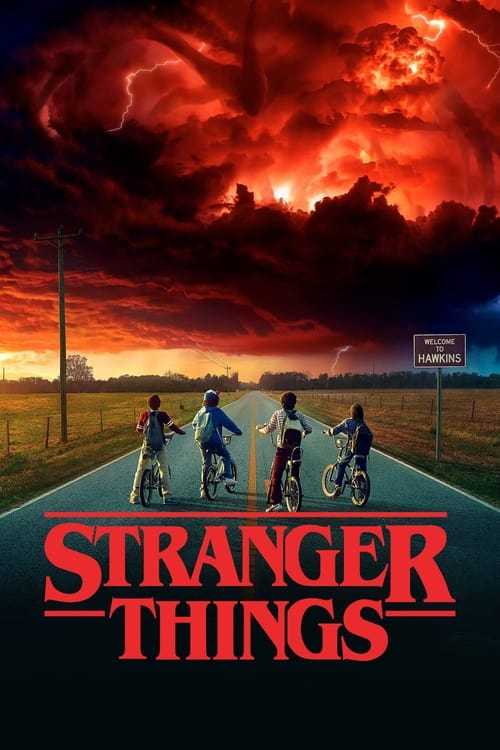
Books That Live in the Cold and the Unknown
Fiction where isolation and something wrong tear people apart
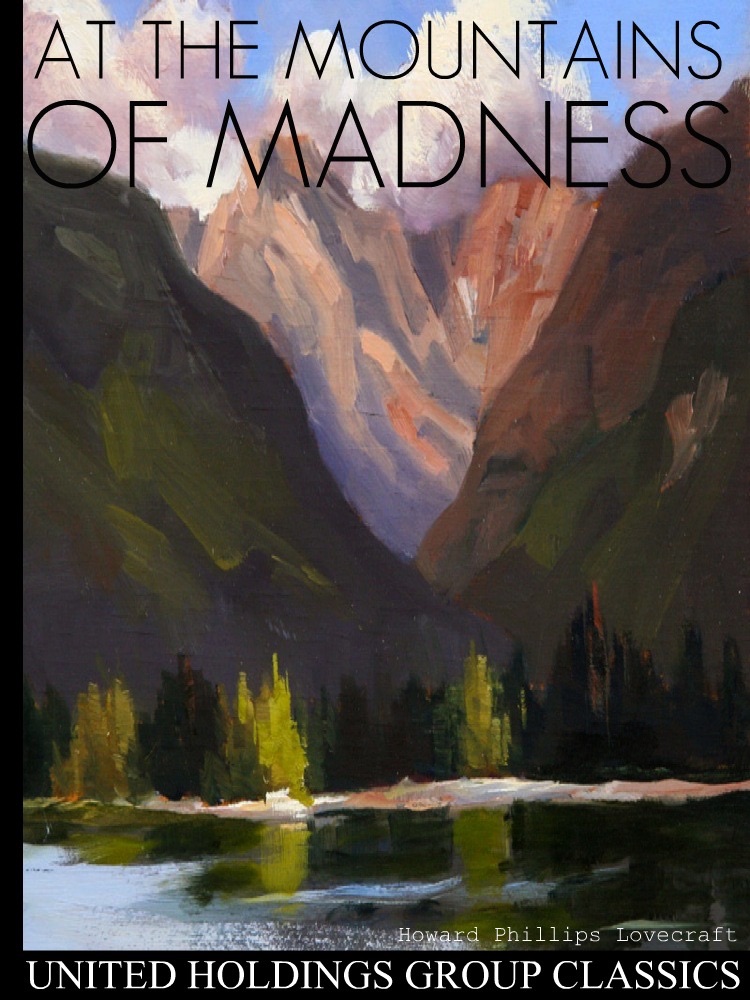


Games That Capture the Paranoia
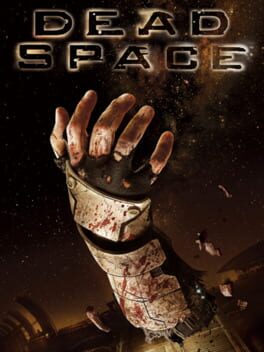
Interactive dread: games where trust is the first casualty
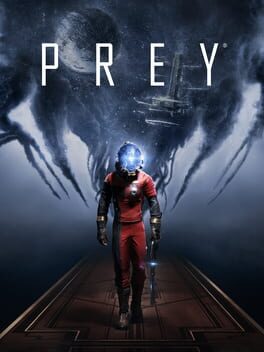
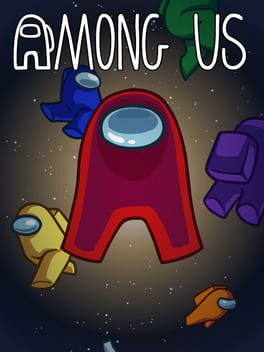
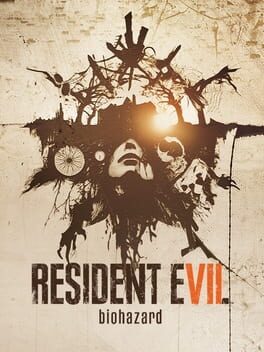
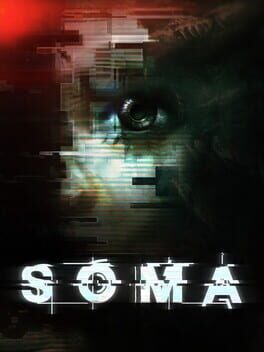
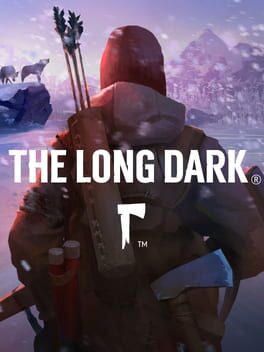
The Sound of Cold Dread: Scores and Music
Ennio Morricone's score and the music that shares its frequency
Practical Effects Are Still the Ceiling
Rob Bottin was 22 when he designed the effects for The Thing. What he and his team built in 1982 has never been equalled for sheer visceral wrongness. The 2011 prequel leaned on digital effects and felt immediately hollow by comparison. The lesson is not nostalgia: it is that latex, foam, and cable-pulled mechanics produce results that register as physically real to the human eye in ways CGI still does not. Carpenter let the camera linger, trusting the work. That trust is why the chest-defibrillator scene still makes people flinch.
Ennio Morricone Understood Carpenter Better Than Anyone
Carpenter usually scores his own films, but he handed The Thing to Ennio Morricone, and the result sounds exactly like a Carpenter score: minimal, percussive, built on repetition rather than melody. That is a compliment to both of them. Morricone understood that the film needed dread to accumulate rather than punctuate. The main theme is four notes descending, barely anything, but it compounds across the runtime until it feels inevitable. It is one of the great horror scores precisely because it refuses to tell you how to feel.
The Antarctic as Perfect Horror Setting
The Arctic and Antarctic appear repeatedly in horror and dread fiction because they do something deserts and haunted houses cannot: they cut off escape completely and make the outside as lethal as whatever is inside. Dan Simmons understood this in The Terror. Ridley Scott echoed it in the Nostromo's deep-space corridors. The geography enforces the stakes. In The Thing, the helicopter at the start of the film is the last reminder that a world outside exists, and once it is gone, the station becomes the entire universe. Few horror films are as architecturally smart about their own location.
John W. Campbell Jr. Invented a Genre in 36 Pages
John W. Campbell Jr. published "Who Goes There?" in 1938 under the pseudonym Don A. Stuart, and it contains almost everything The Thing (both the 1951 and 1982 adaptations) uses: the Antarctic setting, the alien that copies its host perfectly, the blood test, the paranoia structure. The novella is tighter and more scientific than either film. It also spawned a direct genre of "hidden among us" body-horror fiction that runs through Invasion of the Body Snatchers, The Faculty, Annihilation, and dozens of games and series. One short story, enormous shadow.
The Thing Across Time and Media
- 1938John W. Campbell Jr. publishes "Who Goes There?" in Astounding Science-Fiction
- 1951Howard Hawks produces the first adaptation, The Thing from Another World The Thing from Another World
- 1982John Carpenter's The Thing releases to poor box office but becomes a horror landmark The Thing
- 1982Ennio Morricone's score released, one of the great minimalist horror soundtracks The Lion King: Original Motion Picture Soundtrack
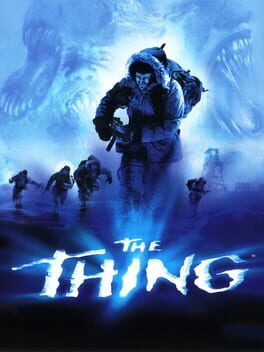
- 2002The Thing video game releases as a direct sequel to the 1982 film, using the same paranoia mechanic The Thing
- 2007Dan Simmons publishes The Terror, an Arctic horror novel sharing the film's DNA
- 2011Prequel film The Thing released, relying on digital effects and widely considered inferior The Thing
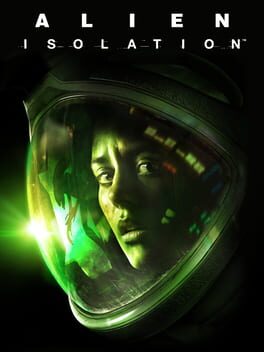
- 2014Alien: Isolation brings The Thing's claustrophobic single-predator dread to games Alien: Isolation
- 2018Jeff VanderMeer's Annihilation trilogy completed, the closest contemporary fiction to The Thing's mood Annihilation
- 2018AMC's The Terror series adapts Simmons' Arctic horror novel to screen The Terror
More paranoia in the cold
Shapeshifters
Explore the Shapeshifters guide →The film trusts its audience to sit in discomfort rather than providing cheap release. That is rarer than it should be.CrossBinge Editors