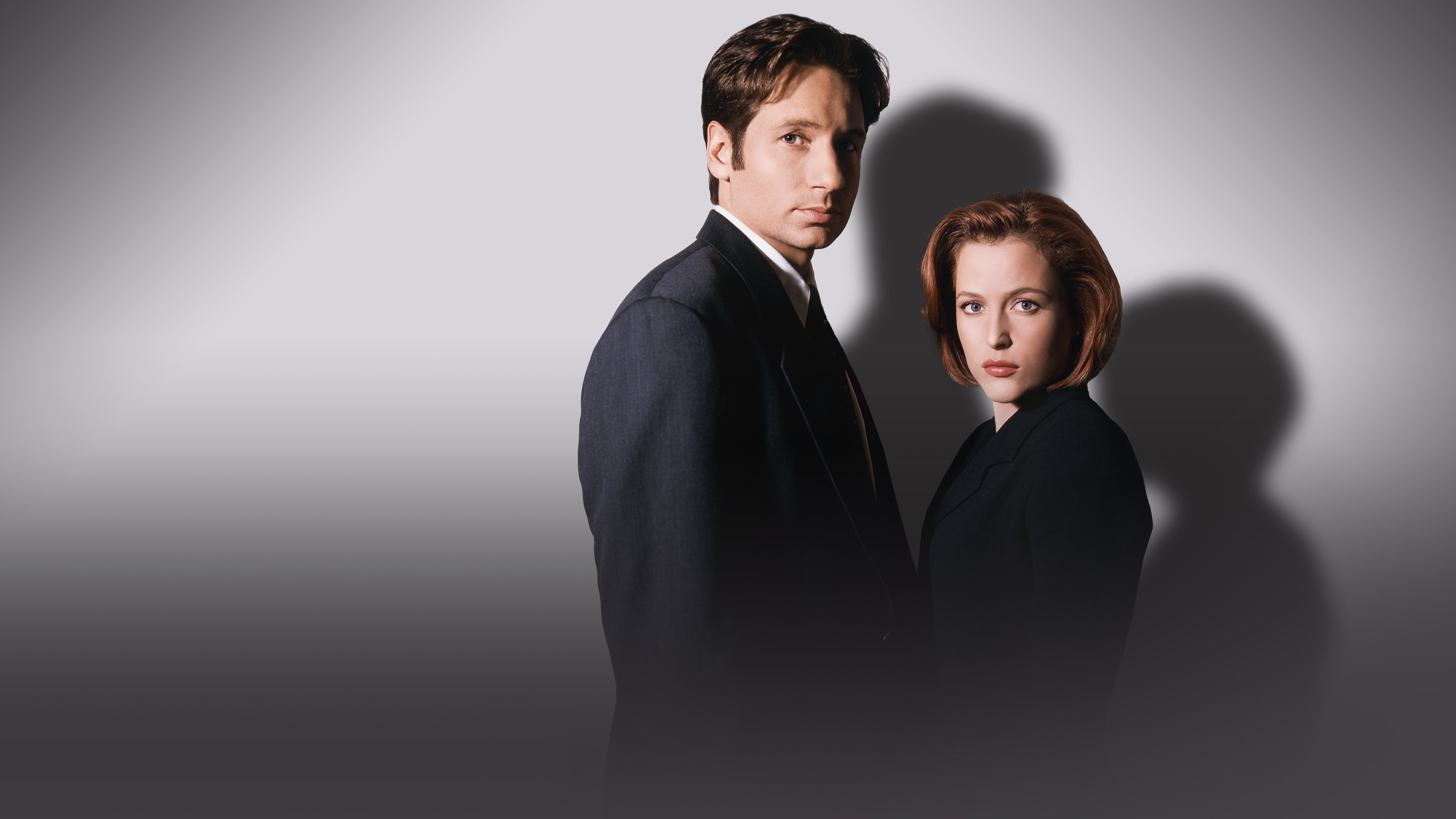

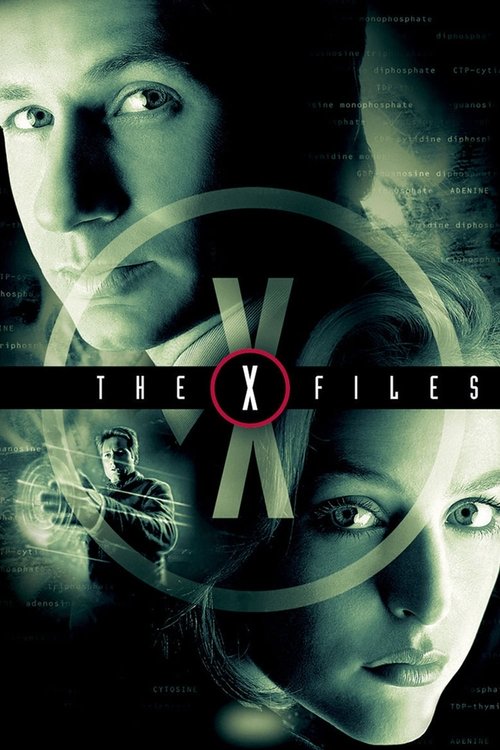
The X-Files ran for eleven seasons across three decades and never stopped asking the same question: what if the institutions you rely on to keep you safe are the ones hiding the danger? Fox Mulder and Dana Scully became one of television's defining partnerships precisely because they stood for opposing things, science versus faith, skepticism versus need, and kept colliding into cases where neither framework was enough. The show built a mythology dense enough to sustain forums for years while also delivering some of the most unsettling standalone horror episodes in the medium's history. The through-line a fan loves is not any single conspiracy: it is the texture of dread, the feeling that ordinary roads lead somewhere the government mapped and chose not to share, and two people relying on each other when everything else is unreliable.
Series That Live in the Same Dread
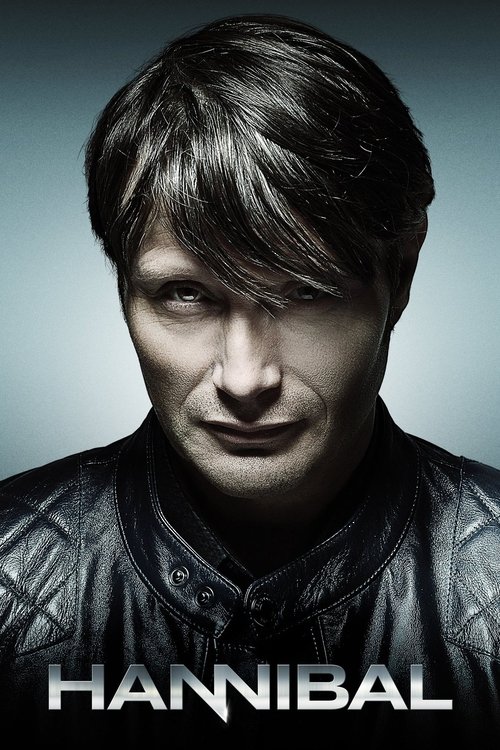
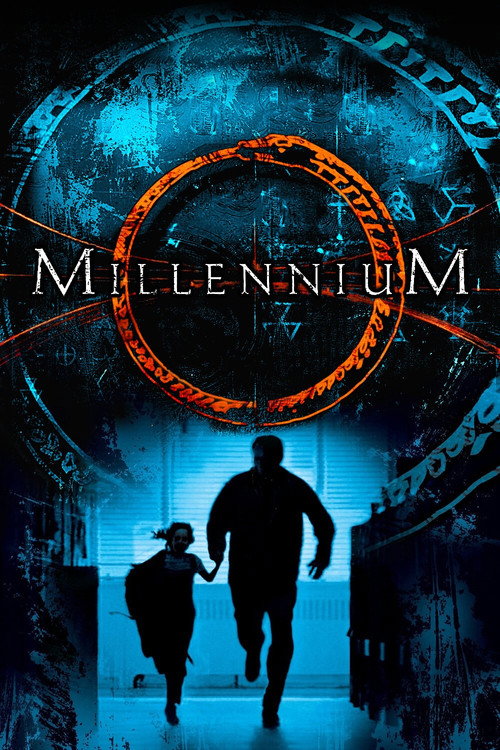
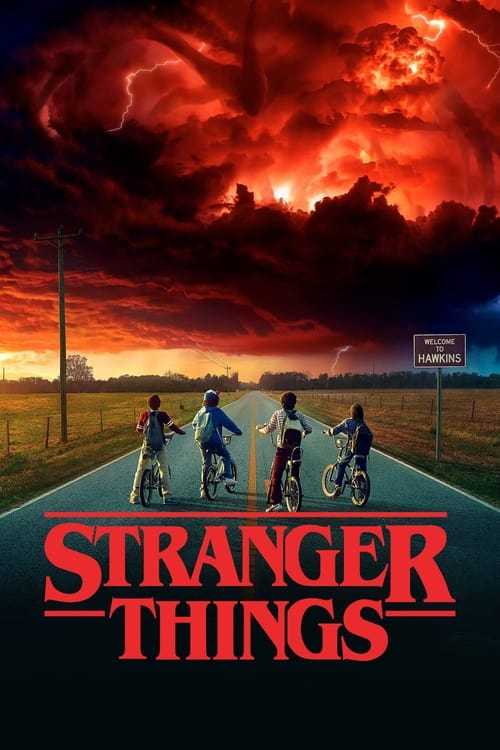
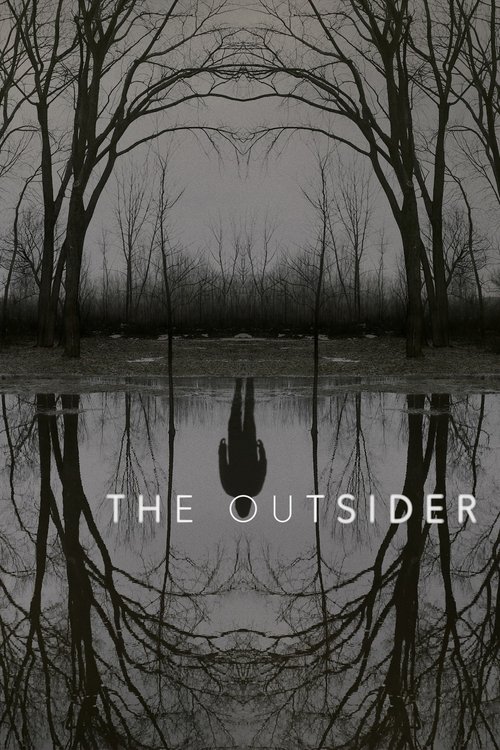
TV shows built on government secrets, paranormal cases, and detective partnerships under pressure


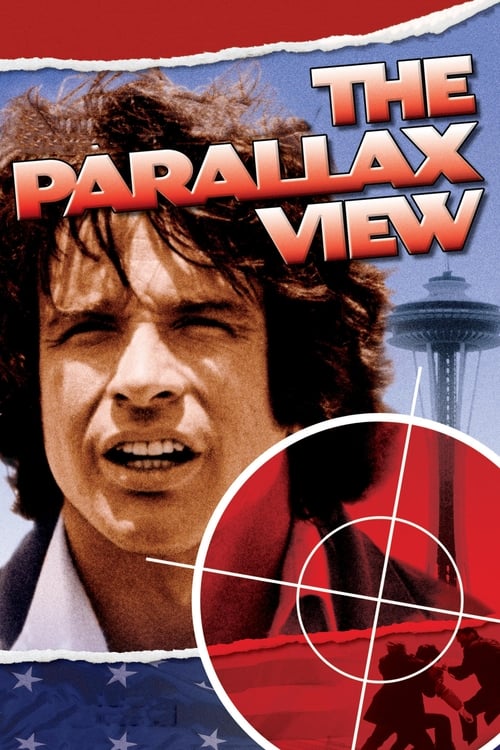
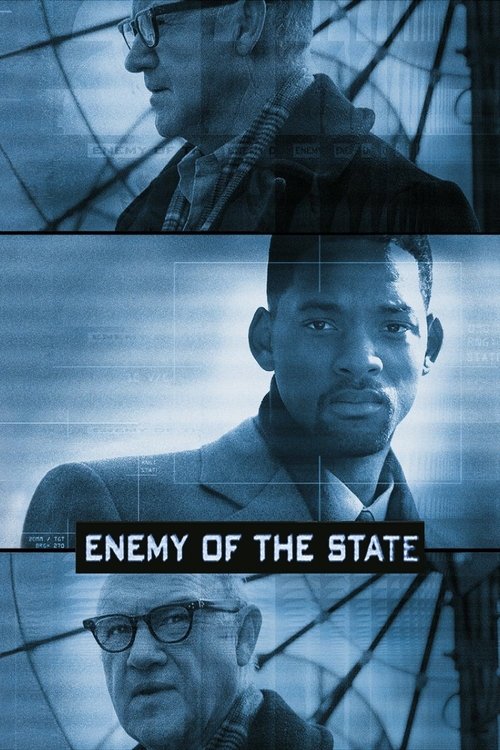
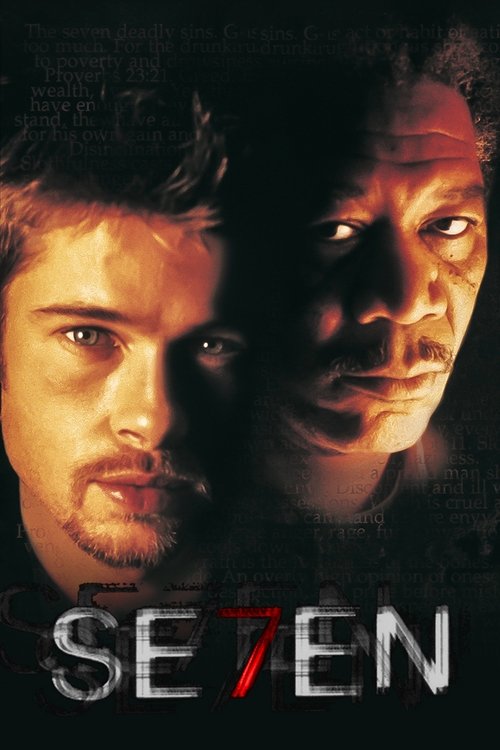
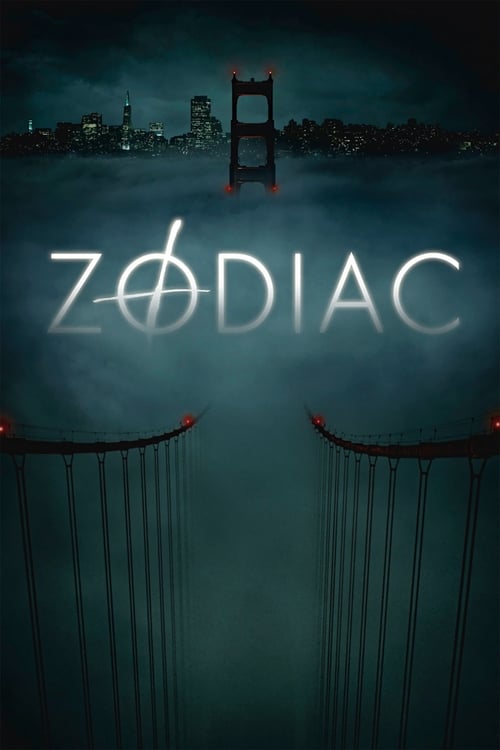
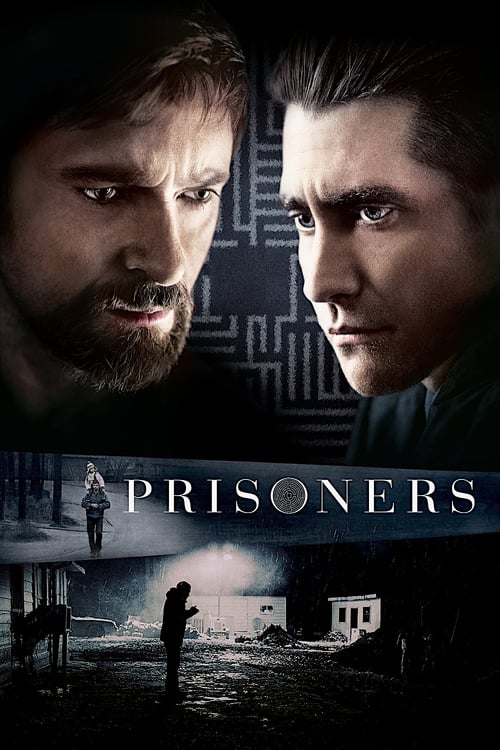
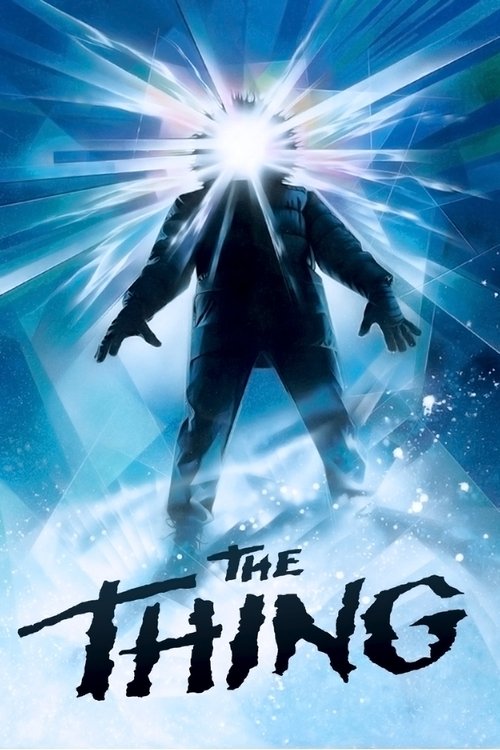
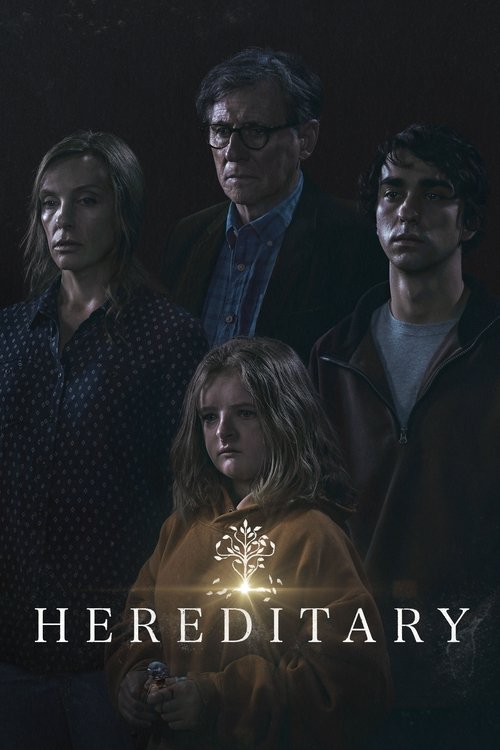
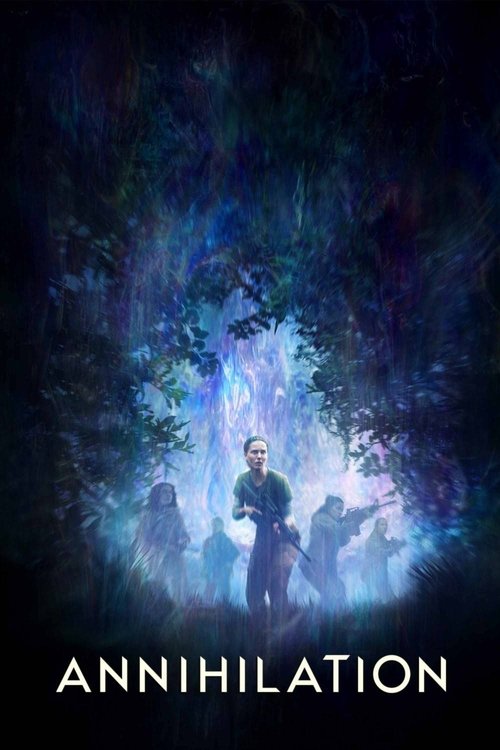
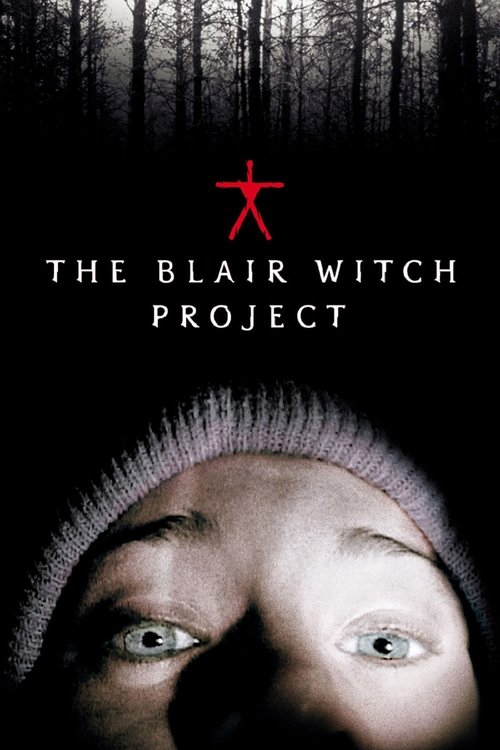
Films That Earned Your Paranoia
Movies about conspiracies, cover-ups, and the terror beneath the ordinary


Books That Feed the Conspiracy
Novels of paranoia, secret histories, and investigators who see too much


Games for the True Believer
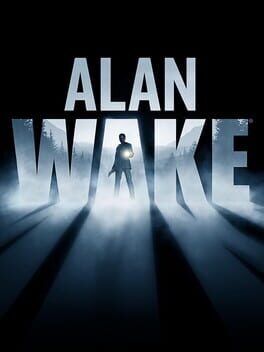
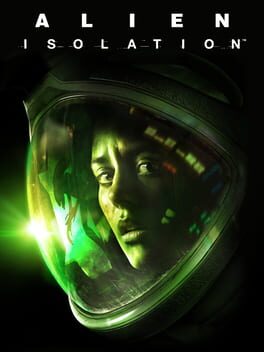
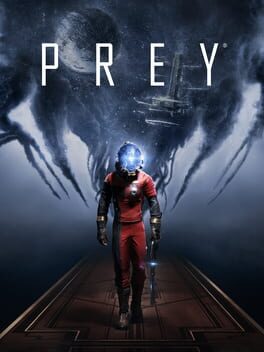
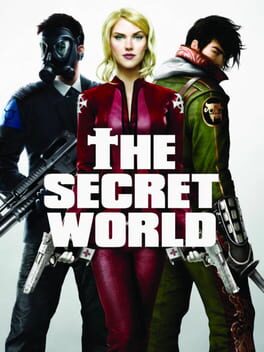
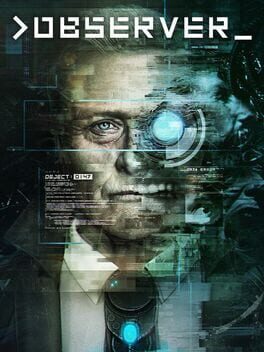
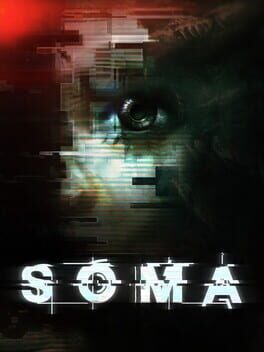
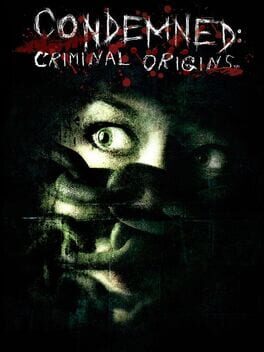
Games built on investigation, alien dread, and conspiracies that swallow you whole
The Monster-of-the-Week Episodes Are the Heart of It
The mythology arc gave the show its spine, but the standalone episodes, Flukeman, Eugene Tooms, the Home episode, Arcadia, Bad Blood, are where The X-Files proved what it could do. They are short horror films assembled fast, on television budgets, by a writers room that knew the genre well enough to bend it. Skinner keeping the lights on while two agents disappeared into American backcountry every week was a structural gift: the mythology could drift and retcon, but the procedural format kept delivering. If you burned out on the alien conspiracy, go back to the standalones.
Scully Is the Real Protagonist
Mulder gets the catchphrases, but Scully is the moral and structural center of the show. She is the one who has to account for what she sees, file the reports, testify, and hold a rational framework against evidence that keeps breaking it. Her faith in medicine and procedure does not make her naive; it makes her a harder-won convert when the evidence demands it. Dana Scully demonstrably influenced a generation of women into science and medicine, an effect researchers actually measured and named. That is a character doing real work in the world.
Control Is What a Video Game X-Files Looks Like
Remedy's Control posits a secret government bureau that collects objects with unexplained properties, employs psychics, and keeps very careful files about things it cannot explain. The Federal Bureau of Control is the Mulder-and-Scully mythology fully realized as a building you walk through. The tone is not the same (Control is weirder, more New Weird fiction than procedural horror), but the premise runs on exactly the same fuel: bureaucracy as a container for the inexplicable, and a lone investigator who is more entangled with the phenomena than she realizes.
House of Leaves Is the Novel the Show Was Afraid to Write
Mark Z. Danielewski's House of Leaves builds its horror the same way The X-Files does: through documentation. Case files, transcripts, footnotes, competing accounts. The house in the novel does not behave by any physical rules, and the people investigating it keep producing more paper about it rather than answers. If the show's procedural framing (field reports, government memos, Scully's autopsy dictations) was part of what hooked you, House of Leaves takes that structural trick all the way to its logical, terrifying extreme.
A Brief History of Believing
- 1993The X-Files premieres on Fox. Mulder and Scully meet. The X-Files
- 1995Millennium launches, Chris Carter's darker companion show. Millennium
- 1998The mythology reaches the big screen between seasons 5 and 6.
- 2000House of Leaves redefines what horror fiction can do with documents. House of Leaves
- 2008A standalone film tries to bring Mulder and Scully back without the mythology. The X-Files: I Want to Believe
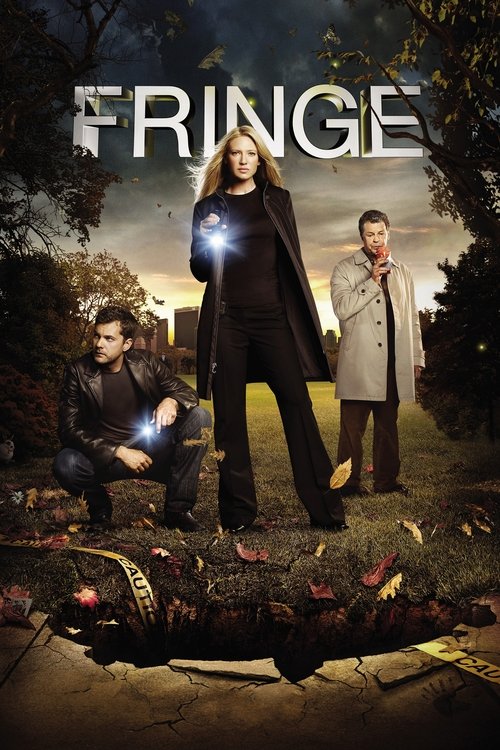
- 2010Fringe ends its run as the most successful spiritual heir to the franchise. Fringe
- 2016Control's Federal Bureau of Control puts the mythology in a brutalist tower.
- 2016The X-Files returns for a revival season, then a second revival in 2018. The X-Files
- 2019Annihilation extends the alien-incomprehensibility premise into literary sci-fi. Annihilation
More paranormal mystery and aliens
Every Version of The X-Files
Explore the Every Version of The X-Files guide →Trust no one. Not even the part of yourself that wants an explanation.The X-Files fan principle