
An Original That Grew Outward
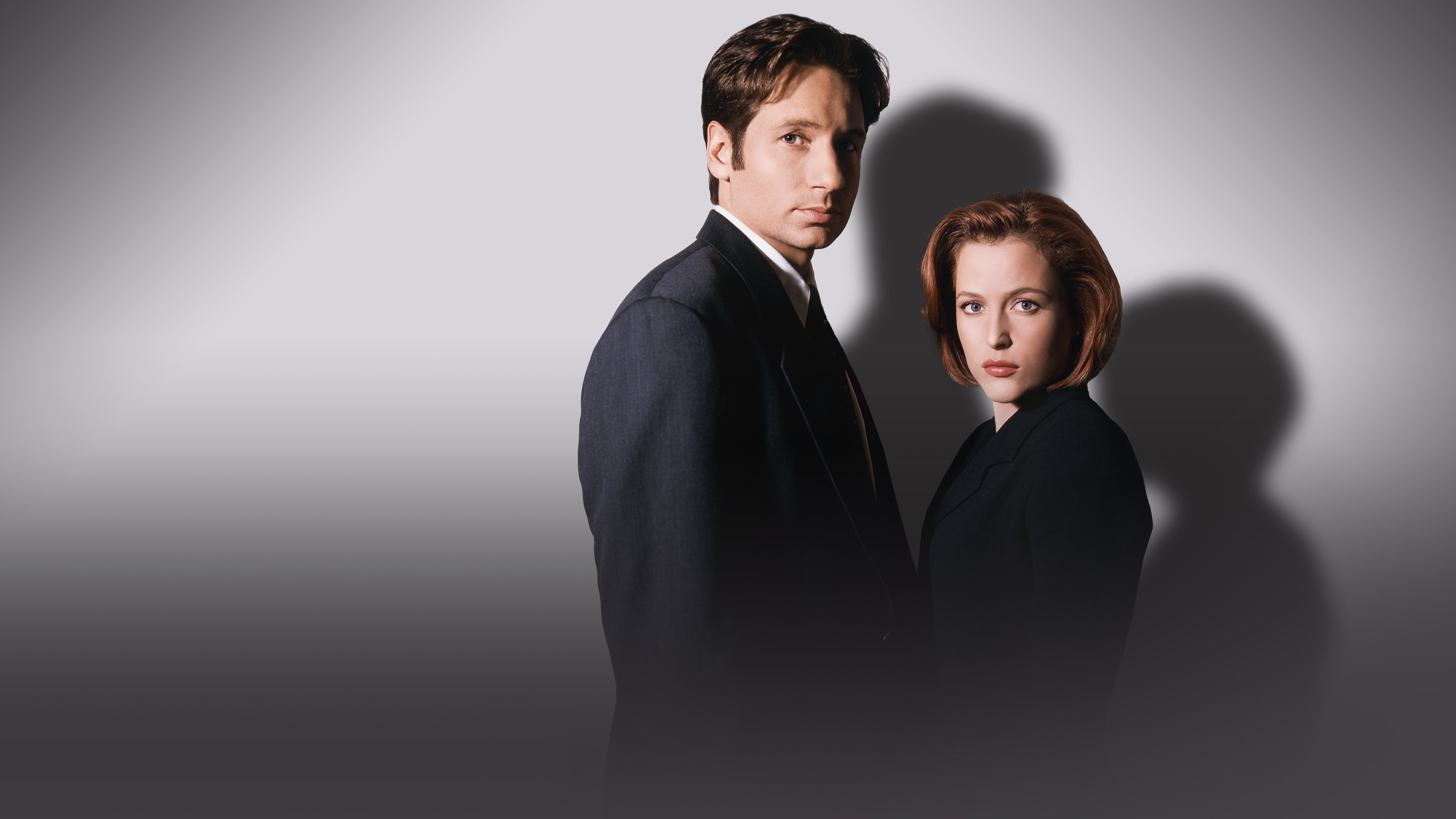
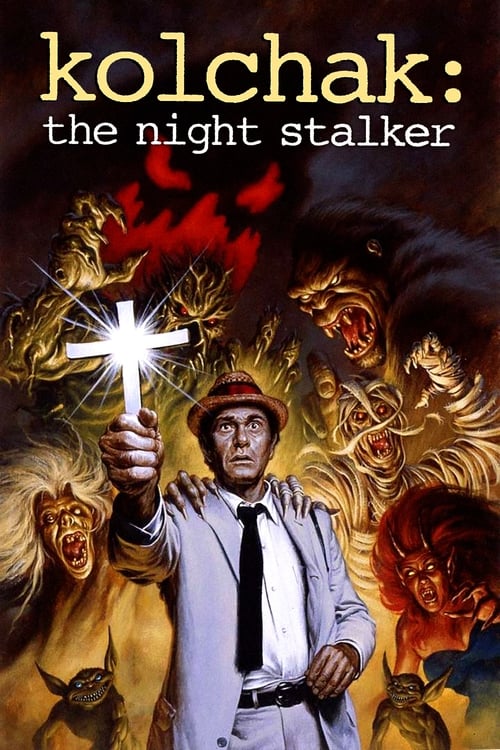
The X-Files is not an adaptation of anything. It was conceived whole by writer-producer Chris Carter and premiered on Fox on September 10, 1993. Carter has cited Kolchak: The Night Stalker (1974), the paranoid thrillers of the 1970s, and a real-life FBI unit that investigated unexplained phenomena as his inspirations, but the show itself was the source. What makes its transmedia history unusual is that the core story never came from a book or a comic: it was always television first, and everything else grew outward from that center.
Over the following three decades, the mythology of Fox Mulder, Dana Scully, and the Syndicate expanded into two theatrical films, a 2016 revival series, a canonical comic continuation, a line of tie-in novels, video games, and a spin-off TV series. The property has also been rebooted, revisited, and kept alive by its fandom in ways few shows from that era managed. What follows is every version, ranked by how much it actually matters.
Every Version of The X-Files
The original run, films, revival, spin-off, games, comics, and novels
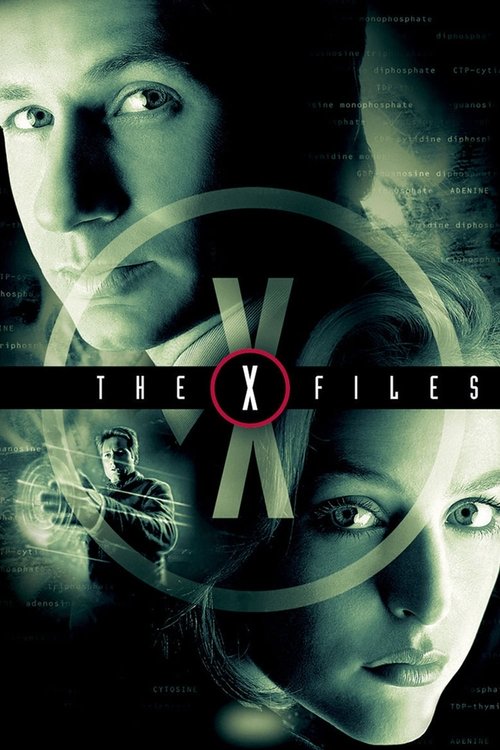
The X-Files Across the Decades
- 1993TV series premieres on Fox The X-Files
- 1995First tie-in novels: Goblins (1994) and Ground Zero (1995)
- 1998FMV point-and-click PC adventure game The X-Files Game
- 1998First theatrical film, set between seasons 5 and 6
- 2001Spin-off series about the Lone Gunmen The Lone Gunmen
- 2002Original series ends after nine seasons The X-Files
- 2004PS2 and Xbox survival-horror game set in season 8
- 2008Standalone second film, a self-contained supernatural thriller The X-Files: I Want to Believe
- 2013IDW Publishing canonical comics revival
- 2016Six-episode event revival series on Fox The X-Files
- 2018Ten-episode final season on Fox The X-Files
The definitive version is still the original run, seasons 1 to 7
Seasons 1 through 7 remain the complete argument for why The X-Files mattered. The show invented a template for serialized genre television that almost every prestige drama since has borrowed from: a mythology arc sustained across seasons, standalone episodes that doubled as social commentary, and two leads whose relationship was the real story all along. Season 5 into Fight the Future into Season 6 is the peak. The film deepens the conspiracy instead of diluting it, and Season 6 arrives with the confidence of a show that knows exactly what it is.
The one to skip: the 2016 revival's mythology episodes
The 2016 six-episode revival has four strong standalone episodes and two mythology episodes that retroactively damage the original series. The conspiracy revision introduced by My Struggle I and II serves no one who cared about the original arc, and the season's cliffhanger ending is the worst kind: one that Season 11 cannot satisfyingly resolve. Watch the standalones, skip the mythology.
If you love the monster-of-the-week cases
Paranoid, procedural, and deeply weird



If you love the government conspiracy mythology
Secrets, cover-ups, and shadow institutions

If you love Scully and Mulder specifically
Partnerships built on skepticism and belief
If you love alien encounter and paranormal fiction
From pulp horror to literary science fiction