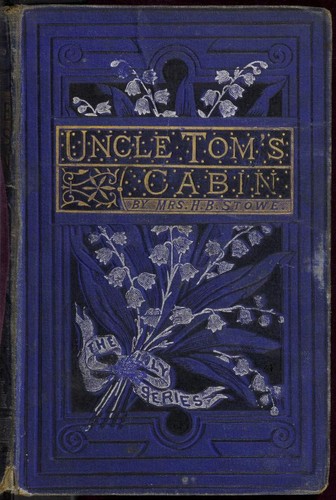

Harriet Beecher Stowe published Uncle Tom's Cabin in 1852 as a serial, and by the time it appeared in book form it had already cracked the culture open. What readers chased then and still chase now is the novel's central wager: that empathy, rendered at close range and in full emotional detail, could do what political argument could not. Stowe did not write a pamphlet. She wrote a family saga, a chase narrative, a death scene, a comedy of manners, and a righteous fury, all at once, and she aimed every page at the reader's gut. Fans of this book tend to love fiction that carries a moral weight without becoming a lecture, stories where the political is inseparable from the personal, and narratives that refuse to look away from suffering while still insisting on dignity. The through-line across every medium that follows is the same: injustice made legible through specific lives.
Essential Stowe and the Abolitionist Shelf
The novel itself plus the nonfiction and fiction that share its moral universe


Novels That Carry the Same Moral Weight
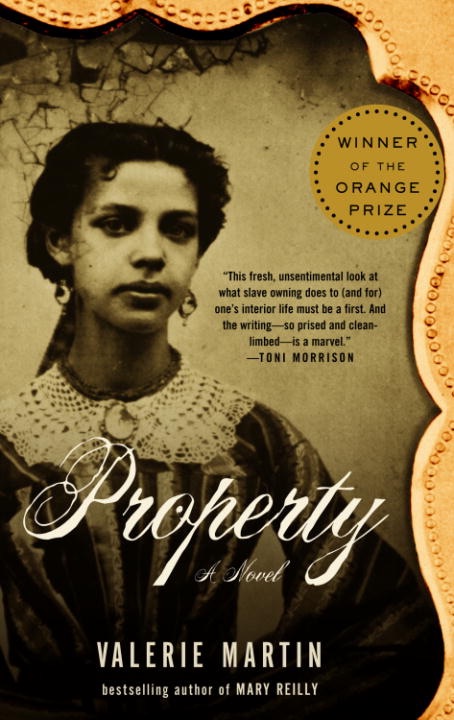
Fiction where the personal and the political are inseparable




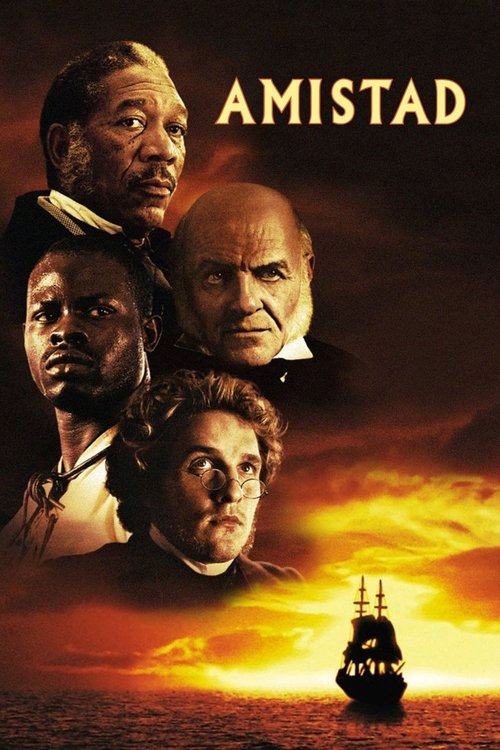
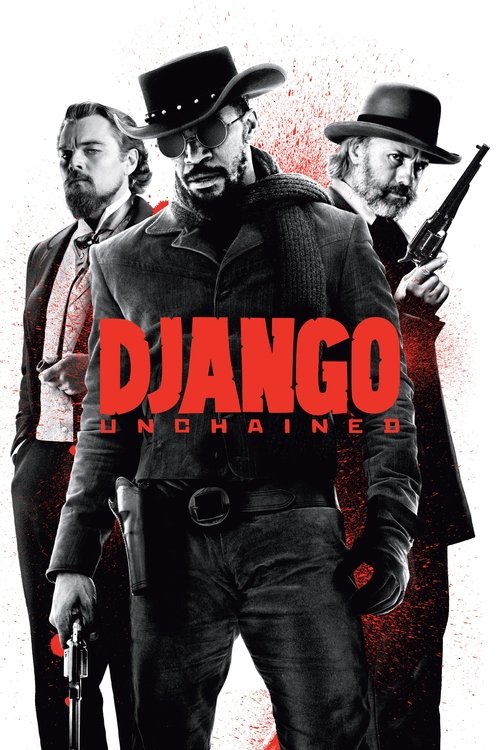
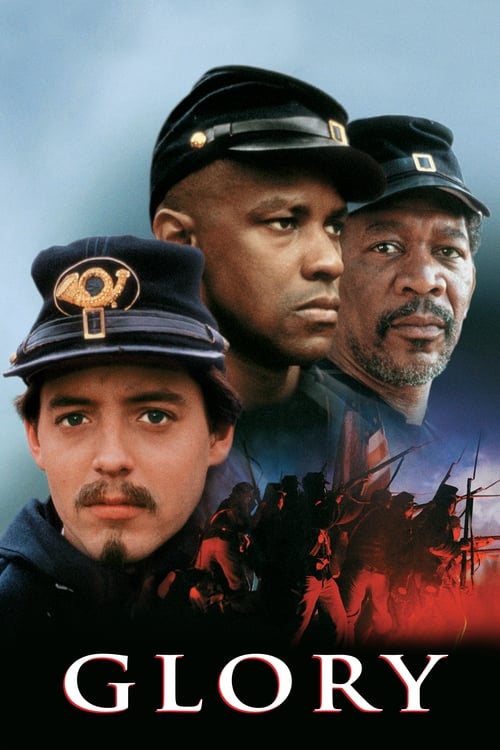
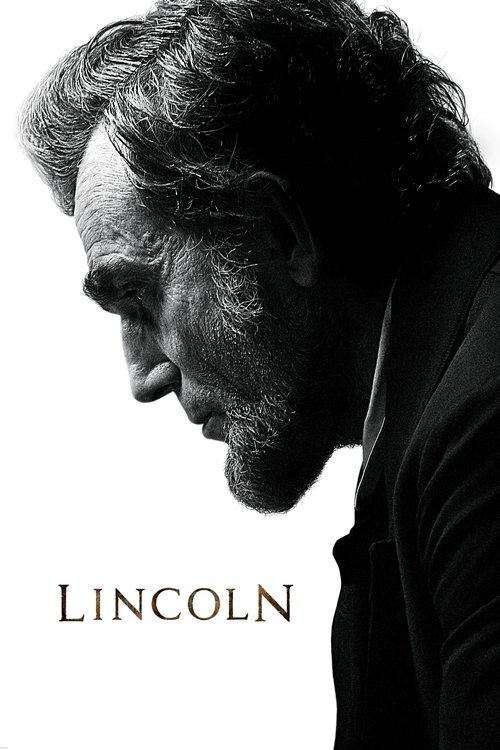
On Screen: Slavery, Freedom, and the Fight to Be Seen
Films that take the same unflinching approach to systemic injustice
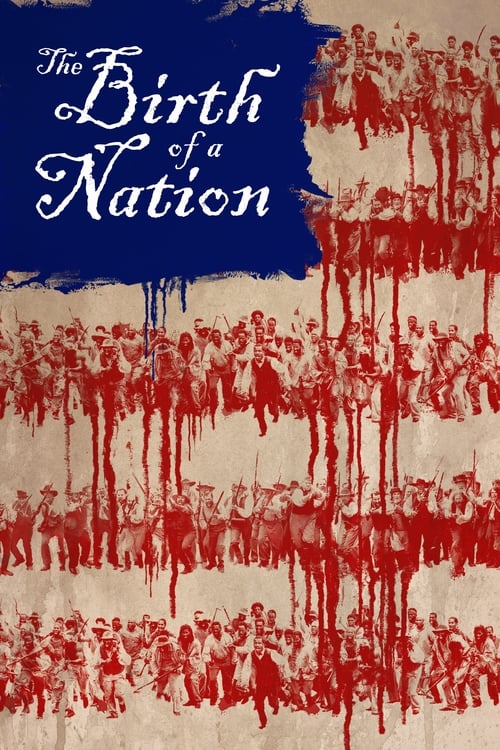
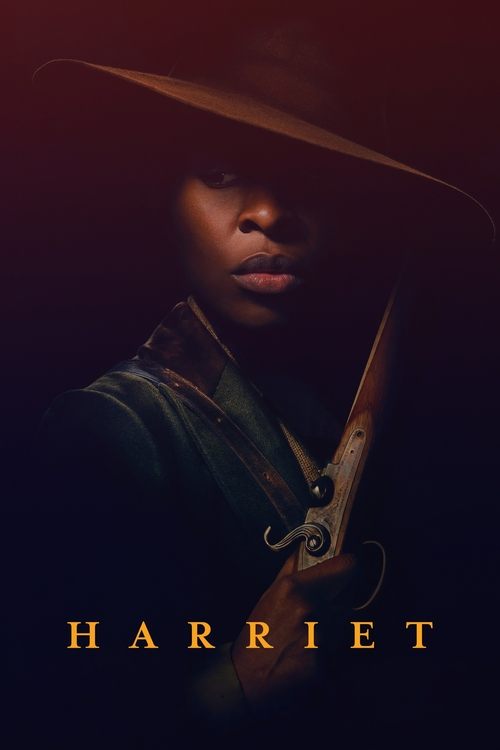
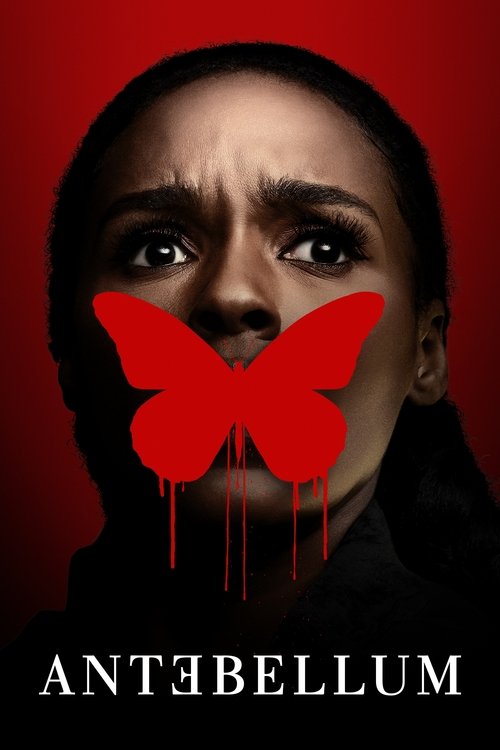
Series That Live in the Same Moral Territory
Television that refuses to simplify injustice

Stowe Did Not Write a Polemic. She Wrote a Trap.
The mistake readers make is categorizing Uncle Tom's Cabin as a political document. It is a novel of extreme emotional precision. Stowe understood that the reader who might dismiss an argument would not be able to dismiss a child's death or a mother's flight across river ice. The book works by making abstraction impossible. Every major 19th-century protest novel owes it a structural debt, even when the authors would rather not admit it.

Beloved Is the Necessary Reckoning With What Stowe Could Not Access
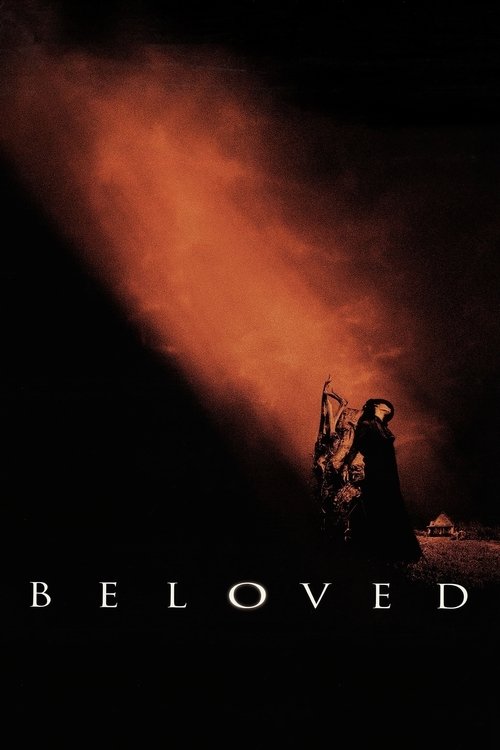
Toni Morrison wrote Beloved partly in conversation with the limitations of the abolitionist tradition: the white gaze, the sentimentality that could tip into objectification, the way suffering was sometimes deployed to move white readers rather than to center Black interiority. Morrison gives the enslaved person a subjectivity so interior and so demanding that there is no comfortable position for the reader to occupy. The two novels are not in opposition; they complete each other.
The Film That Actually Matches Stowe's Ambition Is 12 Years a Slave
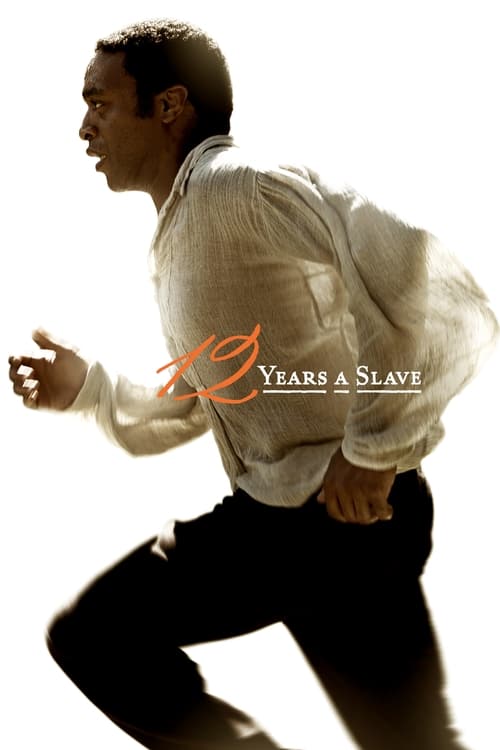
Steve McQueen's 2013 adaptation of Solomon Northup's memoir is the closest cinema has come to the emotional method of Uncle Tom's Cabin: the refusal to cut away, the insistence on duration, the camera that holds long past the point of comfort so that the audience cannot pretend they have simply witnessed. It is not a pleasant film, and neither was Stowe's novel. That is the point.
A History of Conscience on the Page and Screen
- 1852Harriet Beecher Stowe publishes the novel serially, then as a book; it sells 300,000 copies in its first year in the US Uncle Tom's Cabin
- 1853Solomon Northup's memoir of his kidnapping into slavery appears, supplying testimony that Stowe's fiction had prepared readers to receive Twelve years a slave
- 1861The Civil War begins; the cultural groundwork Stowe's novel laid is frequently cited as a contributing factor in Northern mobilization
- 1901Early silent film adaptations begin appearing, making Uncle Tom's Cabin one of the first American novels adapted for cinema
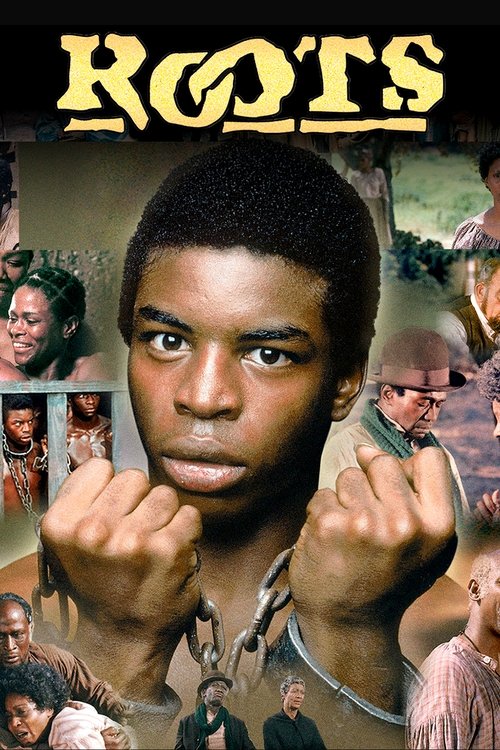
- 1977Alex Haley's Roots becomes a landmark television event, applying Stowe's empathy-at-scale method to a new generation Roots
- 1987Toni Morrison publishes Beloved, interrogating and expanding what the abolitionist literary tradition could and could not see Beloved
- 2003Octavia Butler's Kindred, originally published 1979, gains wide readership in new editions, cementing its place as the speculative heir to Stowe Kindred
- 2013Steve McQueen's film adaptation of Northup's memoir wins Best Picture, introducing the antebellum narrative to a new global audience 12 Years a Slave
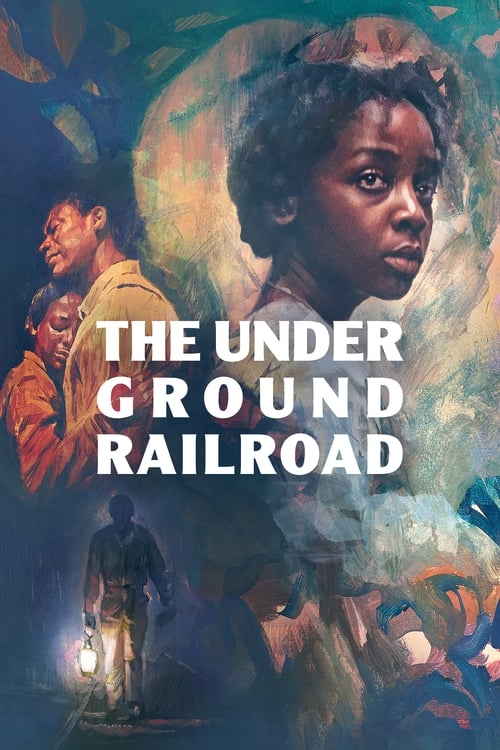
- 2016Colson Whitehead's The Underground Railroad wins the Pulitzer and the National Book Award, proving the tradition's continued vitality The Underground Railroad
- 2021Barry Jenkins adapts Whitehead's novel for Amazon, extending the lineage into prestige streaming The Underground Railroad
So you are the little woman who wrote the book that started this great war.Attributed to Abraham Lincoln on meeting Harriet Beecher Stowe, 1862