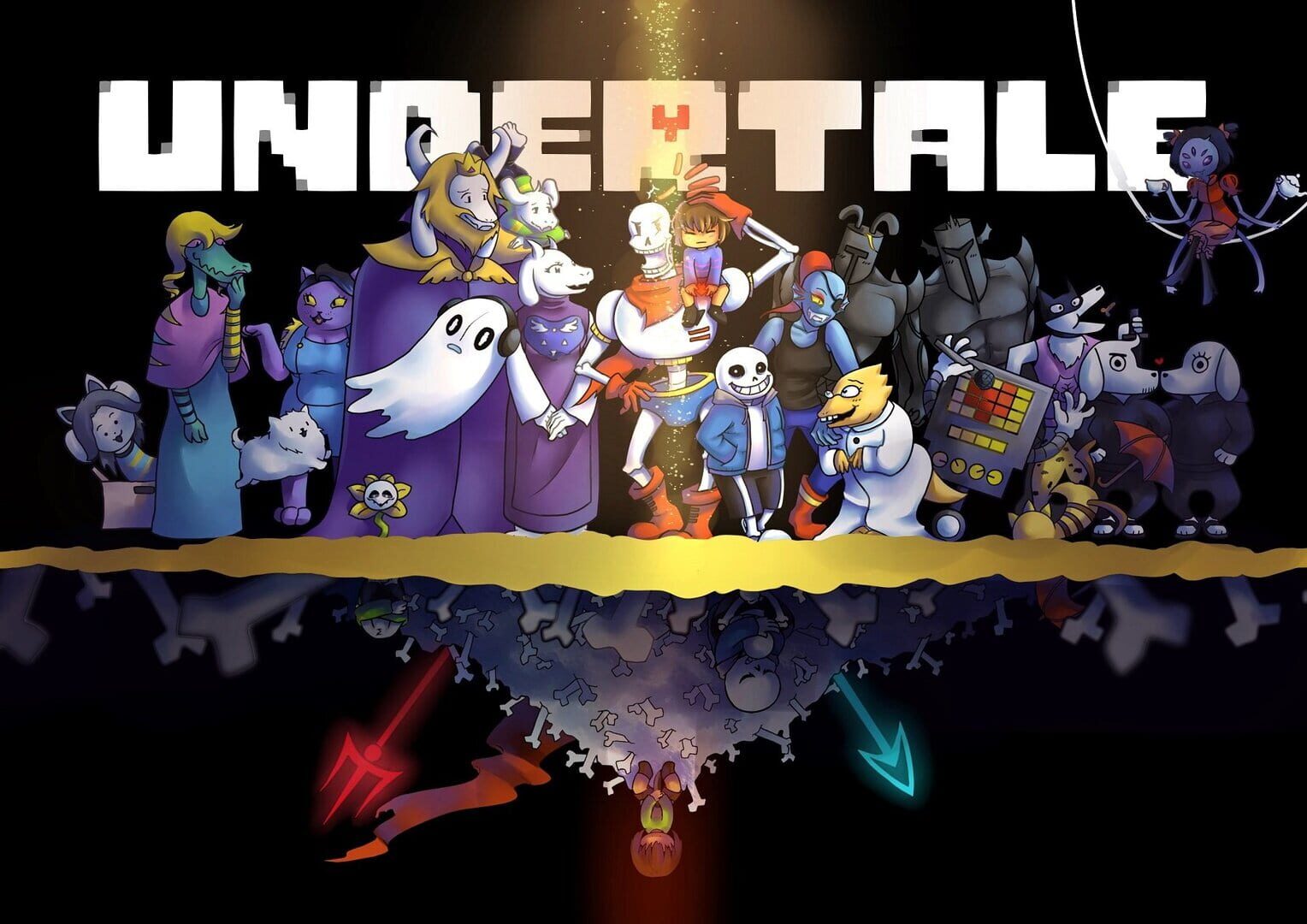

Undertale arrived in 2015 as a one-person project from Toby Fox and quietly dismantled the grammar of the RPG. The through-line a fan loves is not the battle system or the retro pixel art (though both hit hard): it is the refusal of cruelty as default. You can complete the game without killing anyone. The monsters have names, backstories, bad jokes, and feelings that change depending on what you did two hours ago. Every route through the underground recontextualizes the others, and the pacifist path is not the easy one. Fans of Undertale tend to love games and stories where the rules themselves are the subject, where kindness costs something, and where a small, handmade world burns brighter than any open-world blockbuster.
Games that bend their own rules
RPGs and adventures that treat genre conventions as something to question
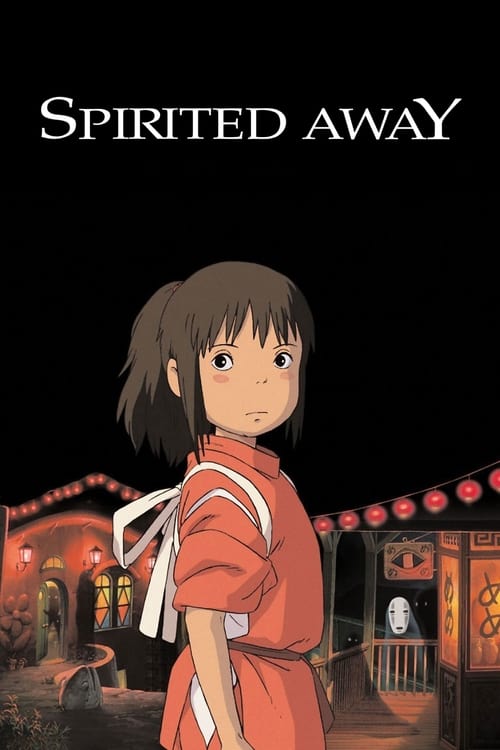
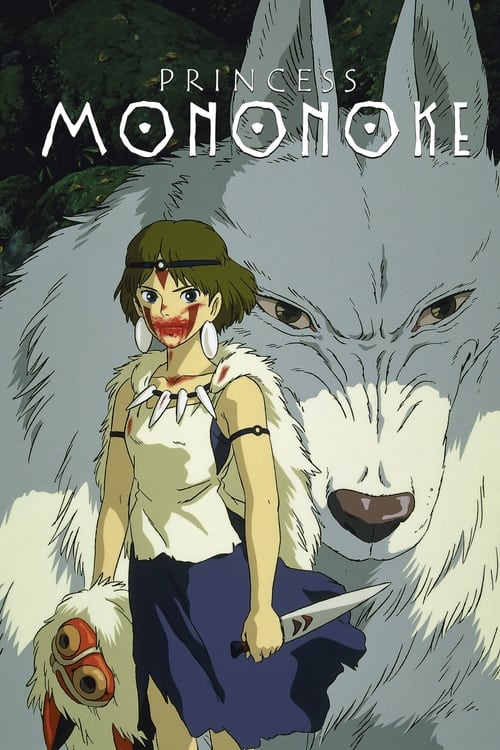
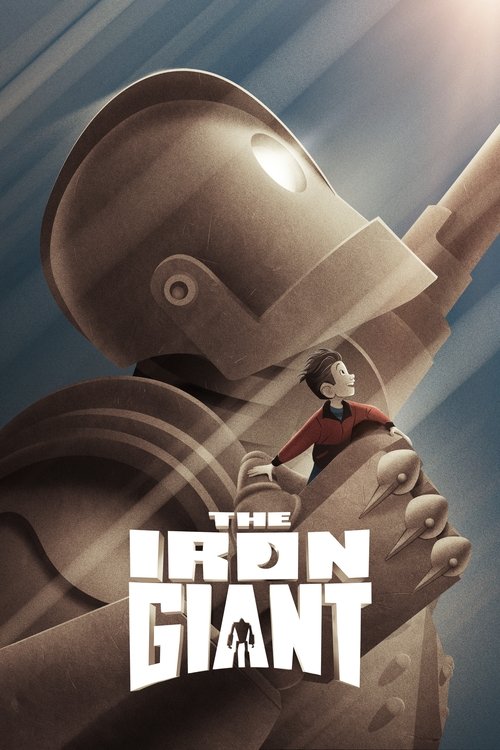
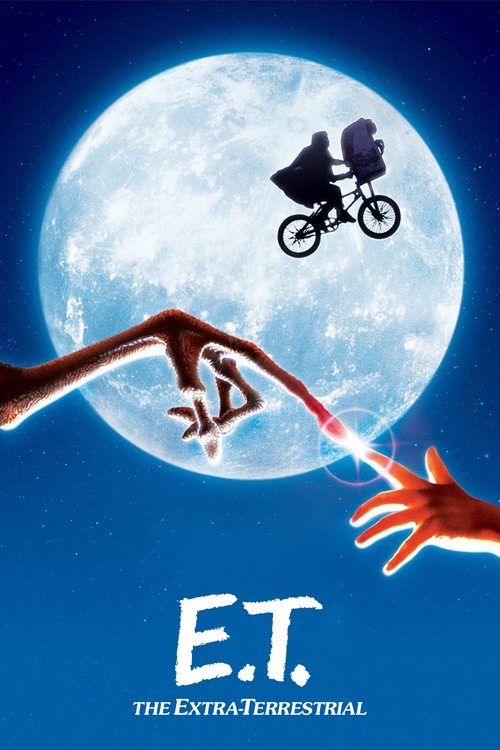
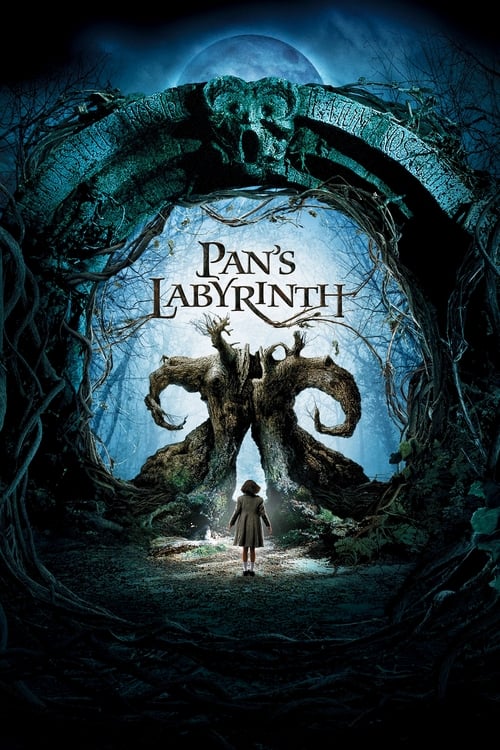
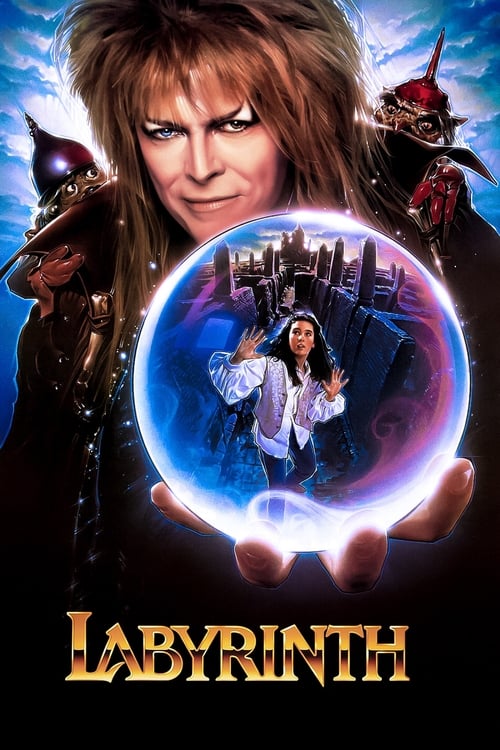
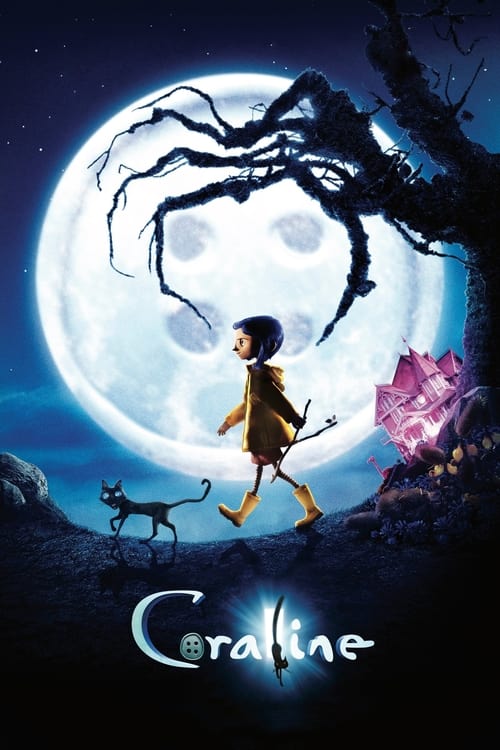
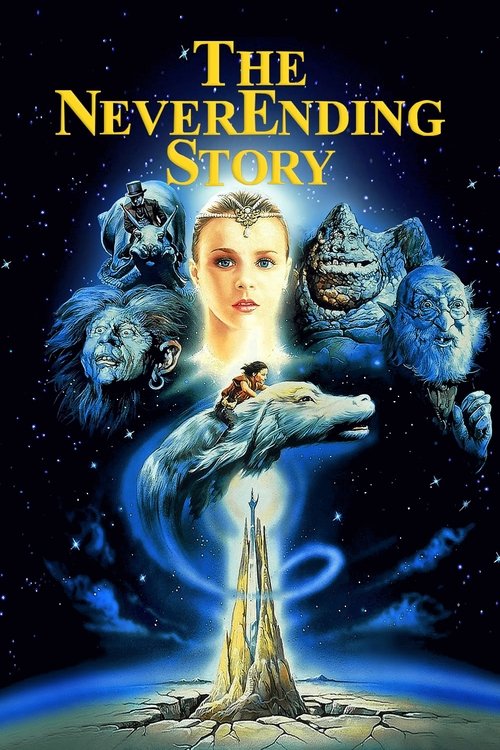
Films where kindness is the hardest move
Movies that make mercy or empathy the central dramatic act
TV series with the same underground warmth
Shows that build small, strange worlds full of heart and moral weight


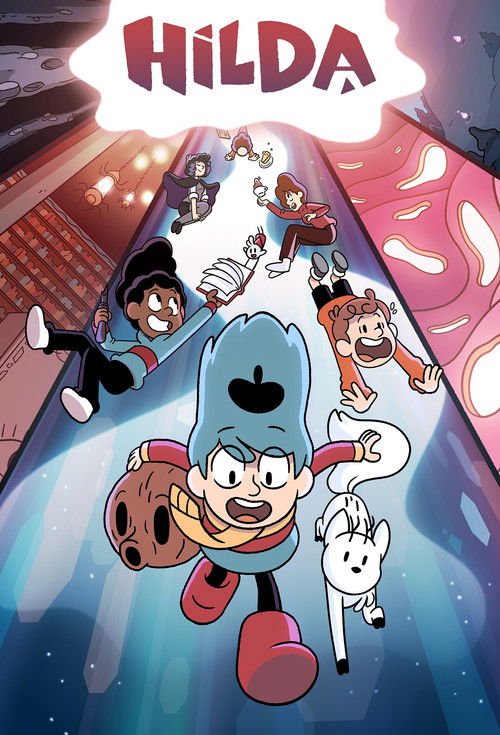
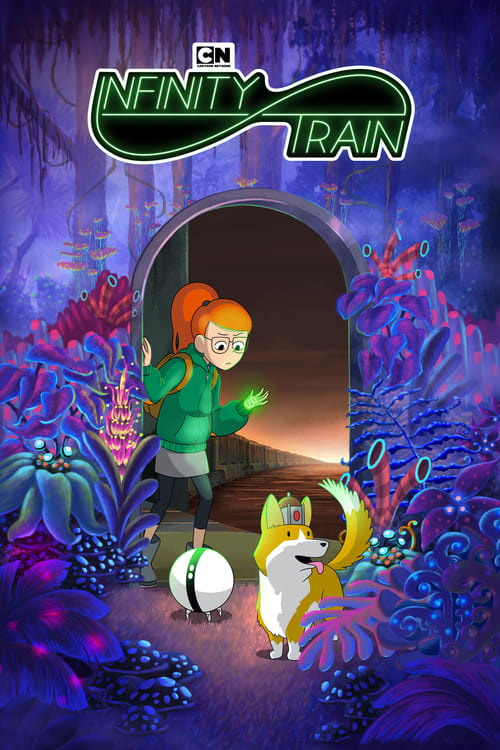
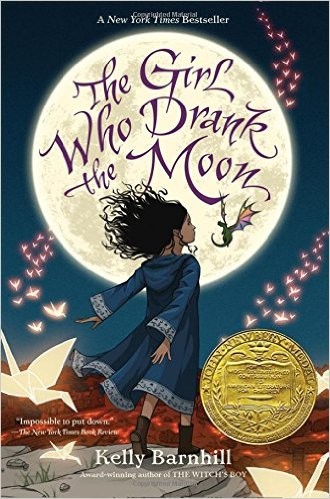
Books where the monster is someone you should have listened to
Novels and graphic works about empathy, found families, and rethinking who the villain is


Music with the same emotional frequency
Albums and soundtracks that use simple melodies to carry enormous weight
The genocide route is not the dark side: it is the mirror
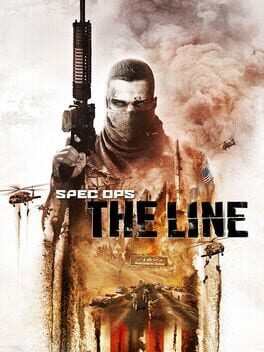
Undertale's pacifist path gets most of the praise, but the genocide route is the game's sharpest move. It is not optional darkness for the edgelord; it is what happens when you treat every interaction as a resource to exhaust. Completing it forces you to sit with what you did, because the game remembers. The lesson is structural, not moral lecturing. Few works in any medium pull this off: Spec Ops: The Line does it with military shooters, Disco Elysium does it with political identity, and certain moments in Nier: Automata do it with sacrifice. The game you thought you were playing asks you to reconsider the player you are.
Toby Fox scored Homestuck before Undertale existed
The Undertale soundtrack did not appear from nowhere. Toby Fox (then known online as Radiation) composed large portions of the Homestuck webcomic soundtrack, including the iconic Megalovania, which only later migrated to Undertale as Sans's battle theme. The Homestuck musical universe, spanning fan albums and official releases on Bandcamp, is the direct predecessor of the Undertale sound: chiptune melodies over jazz harmony, dramatic leitmotifs, and tunes that shift meaning when you understand the context. If you love Undertale's music, the Homestuck discography is a natural next stop.
EarthBound is the ancestor that never got its due
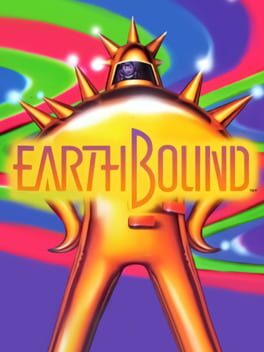
EarthBound (Mother 2) did almost everything Undertale would later be celebrated for: quirky humor puncturing real emotional darkness, enemies you can reason with before fighting, a final boss that requires not a weapon but a prayer from everyone you met. It sold poorly in North America in 1995 and became a cult legend. Undertale is, in some ways, the game EarthBound deserved to be in a world that was paying attention. Mother 3, never officially localized in the West, goes even darker and is arguably the sadder masterpiece. Both are essential context for any Undertale fan.
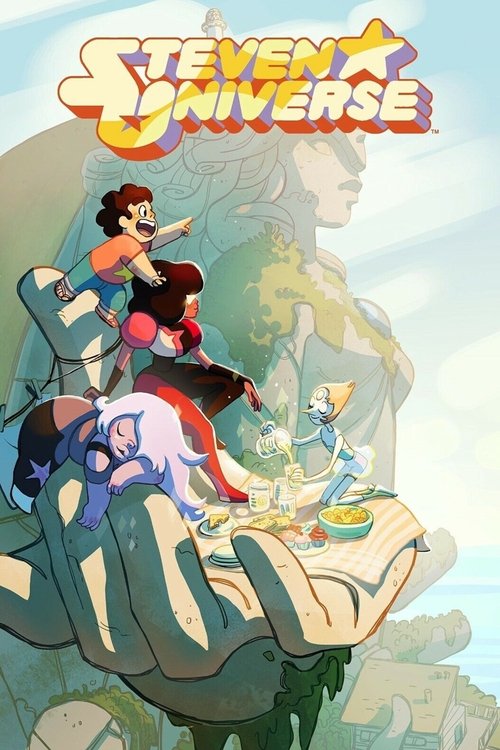
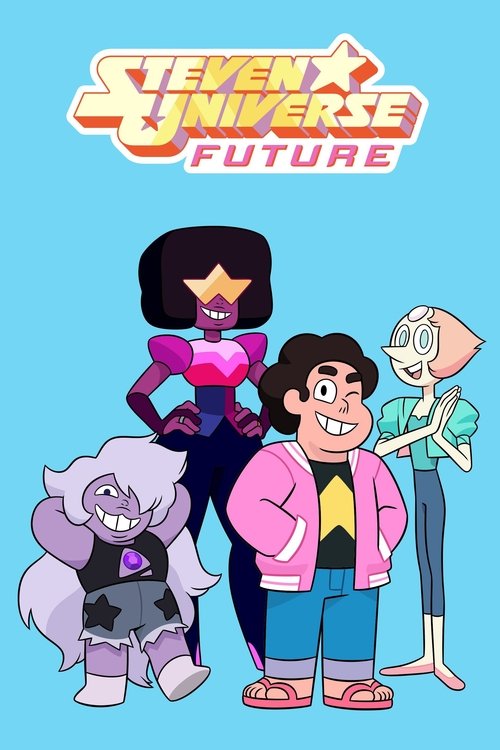
Steven Universe ran the same experiment on TV
Steven Universe launched in 2013 and, like Undertale two years later, built its entire moral architecture around the idea that even the enemy has a story worth hearing. The Crystal Gems are refugees, the Homeworld Gems are traumatized, and the resolution of nearly every major conflict is redemption rather than defeat. Creator Rebecca Sugar came up in a musical theater background, and the show's original songs carry the same emotional freight as Toby Fox's leitmotifs. Fans cross between the two constantly, and the overlap is not accidental: both are small creative visions that trusted their audience to handle genuine feeling.
A brief history of the underground
- 1994EarthBound (Mother 2) ships in Japan, introducing the monster-as-person RPG and the humor-as-coping-mechanism template EarthBound
- 2003Mother 3 development restarts; the game ships in Japan in 2006, never officially reaching the West Mother 3
- 2009Andrew Hussie begins Homestuck; Toby Fox (Radiation) joins as composer and contributes hundreds of tracks over the next seven years
- 2013Steven Universe premieres on Cartoon Network, establishing empathy-first storytelling as a viable animated format Steven Universe
- 2015Undertale launches on PC after a Kickstarter campaign; Megalovania and Hopes and Dreams become instant cultural touchstones Undertale
- 2018Deltarune Chapter 1 releases as a free standalone; Toby Fox describes it as a different story with familiar faces Deltarune
- 2021Deltarune Chapters 1 and 2 ship together as an expanded free release; Chapter 2 introduces Spamton, who becomes a major fandom focus Deltarune
More Worlds Worth Sparing
For Fans of Kirby
Explore the For Fans of Kirby guide →It's a wonderful world, but it's also a terrible world. And we're all just trying to survive it.Toriel, Undertale