
Kirby arrived in 1992 as Nintendo's gentlest proposition: a round pink creature from Dream Land who could inhale almost anything and make its power his own. What looked like a concession to younger players turned out to be something more interesting. The copy-ability system is one of the most versatile design frameworks in platformer history, and each new entry uses it to go somewhere different, from puzzle platformers to action-RPGs to rhythm games to co-op adventures built around sharing abilities with friends.
The through-line fans love is adaptability without anxiety. Kirby games let you experiment freely: eat a fire enemy, become a fire Kirby, see what opens up. The aesthetics reinforce the feeling. Dream Land is relentlessly cheerful on the surface and subtly strange underneath, full of bosses that reveal dark lore in their flavor text if you bother to look. The franchise rewards curiosity and punishes almost nothing. That combination of visual warmth, mechanical creativity, and low-stakes exploration is what the recommendations below follow.
Essential Kirby
The core games, from genesis to modern peak
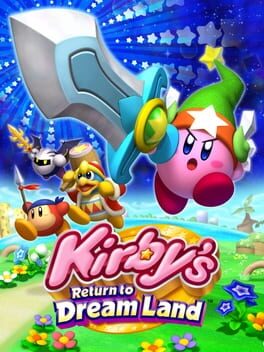
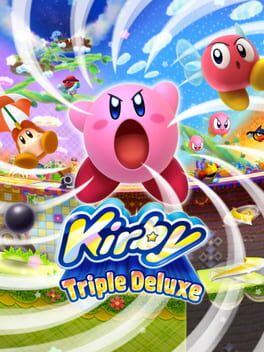
Same spirit, different worlds: platformers with heart
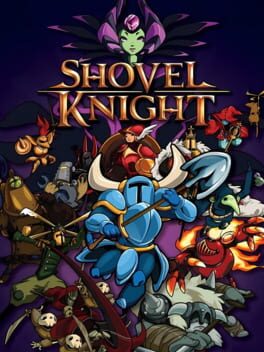
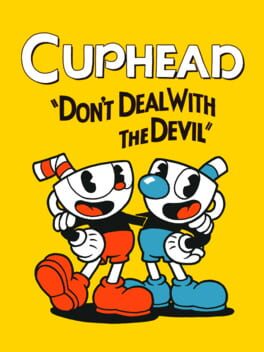
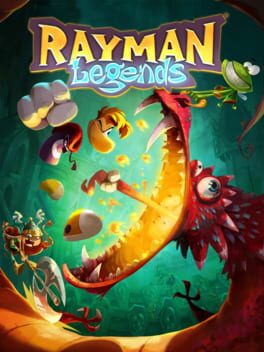
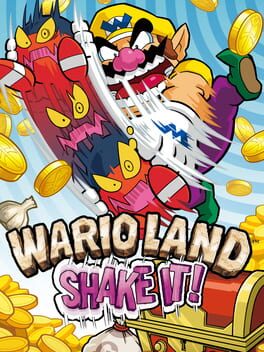
Games that share Kirby's warmth, creativity, and joyful experimentation


Gentle adventurers on screen: films and series for Dream Land devotees
Animation and family adventure with the same cozy wonder Kirby perfects
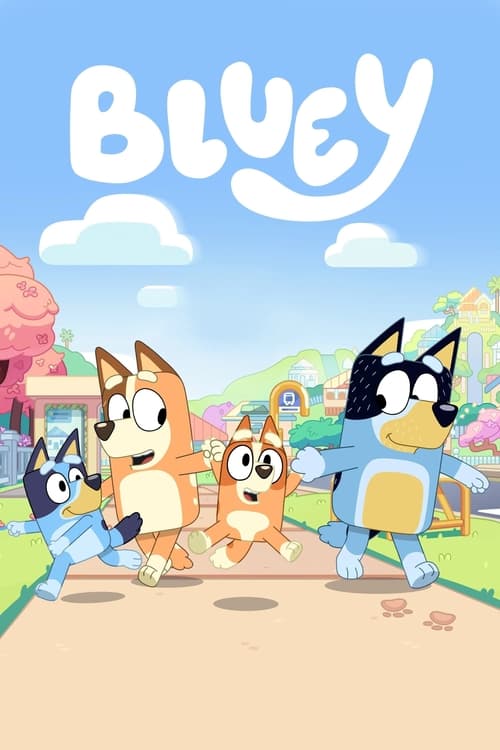
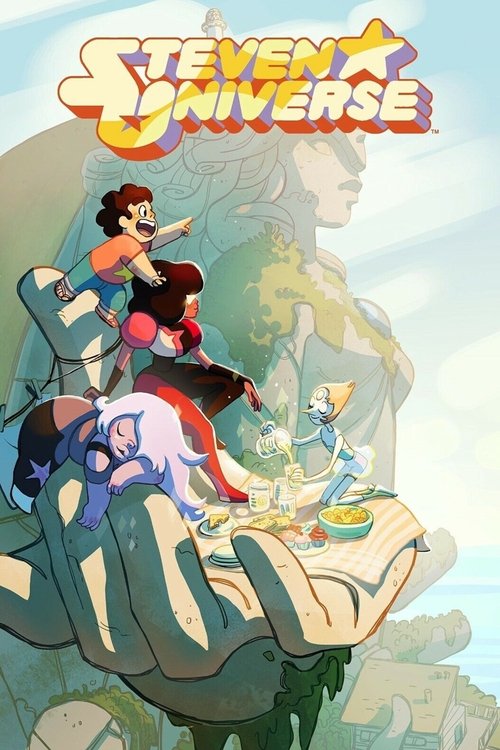
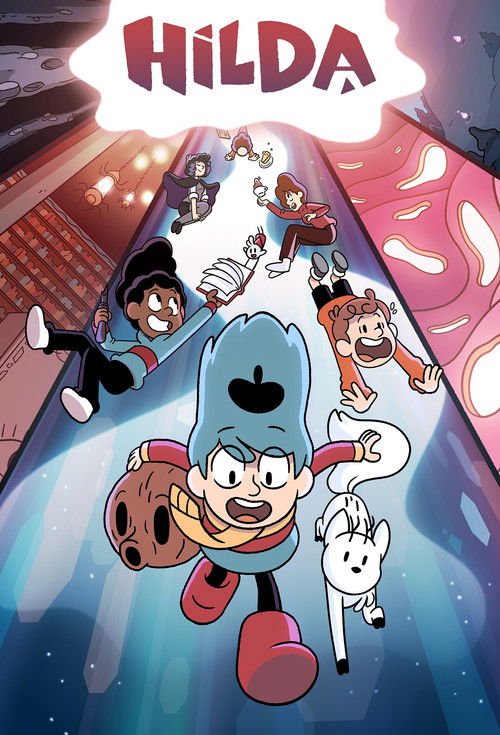
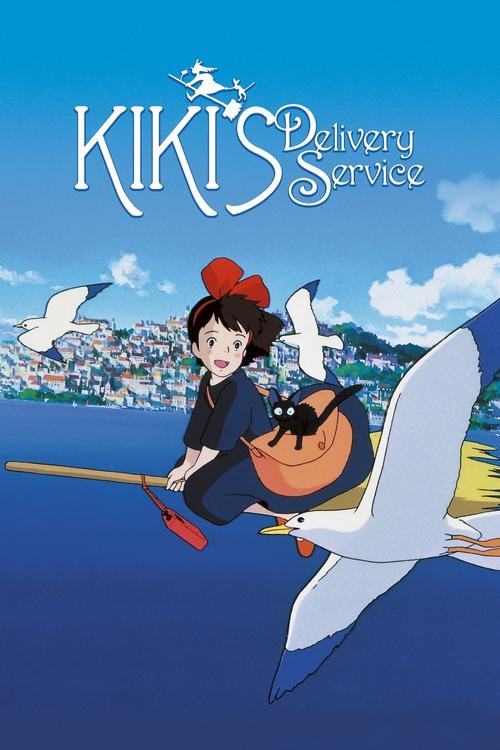
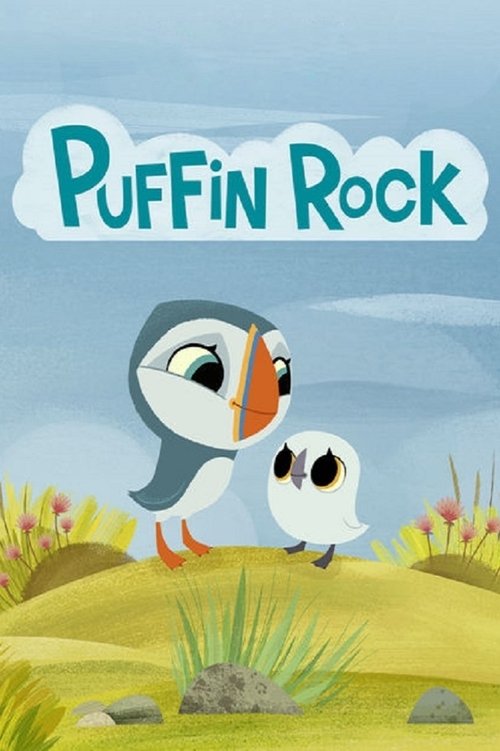
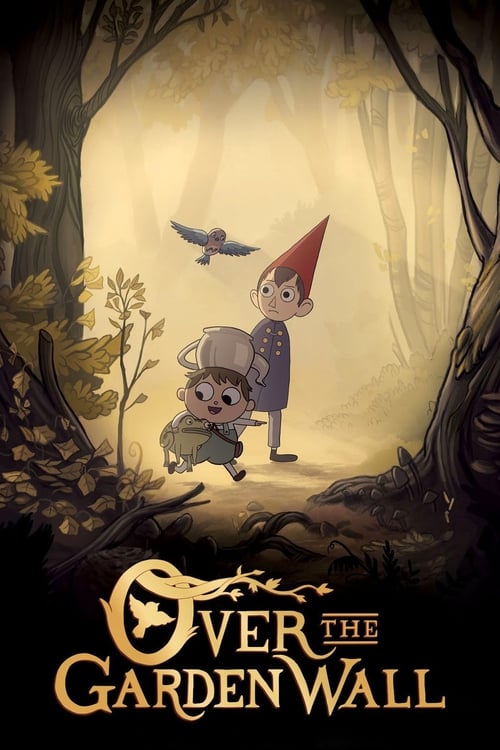
Hidden depths in a cheerful package: dark lore disguised as children's fare
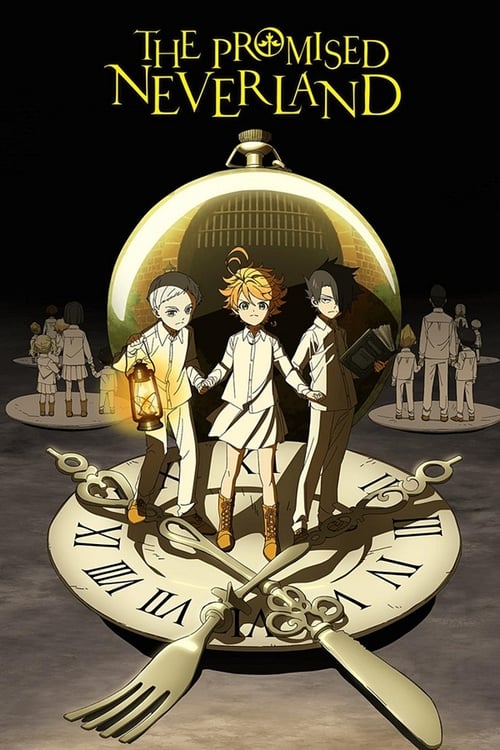
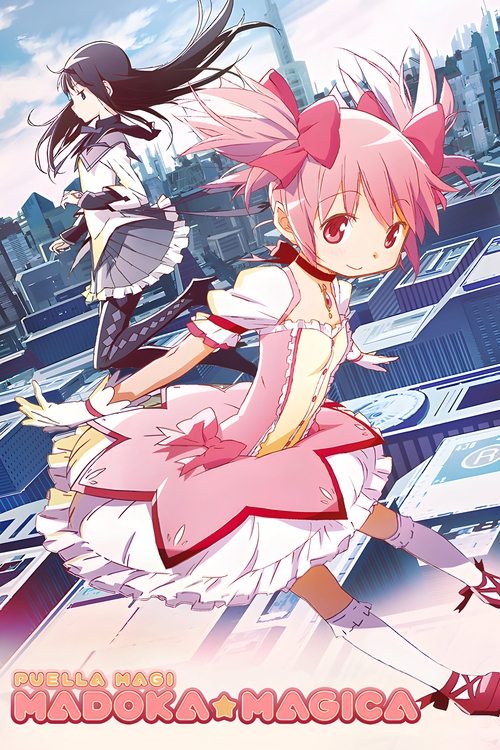
Stories that look sweet on the surface and quietly go somewhere much stranger

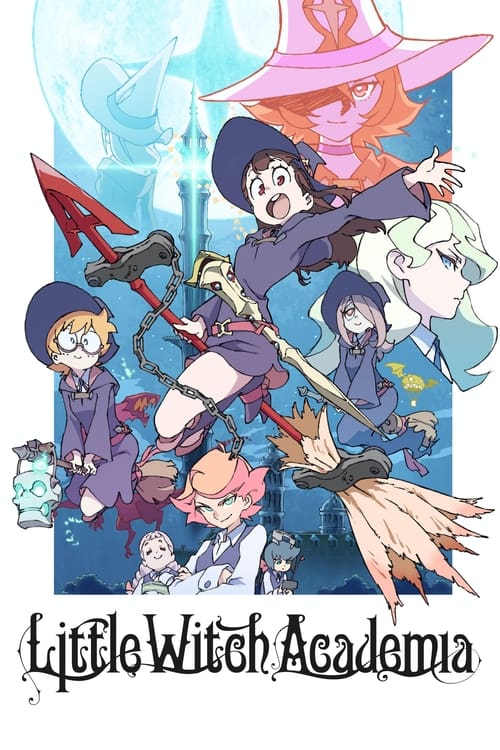
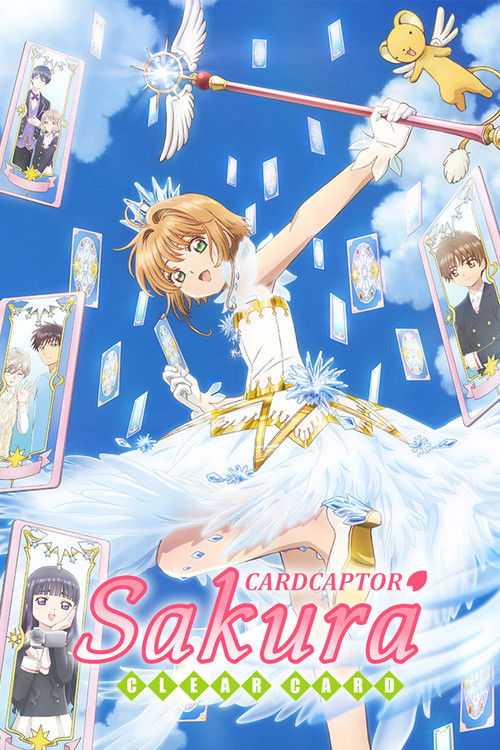
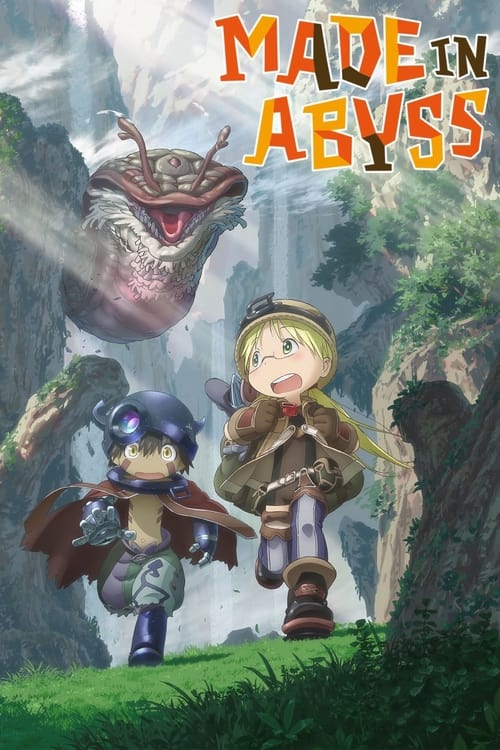
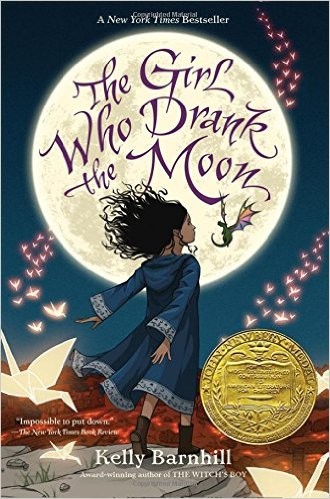
Dreamy worlds in print: books for the curious and the cozy
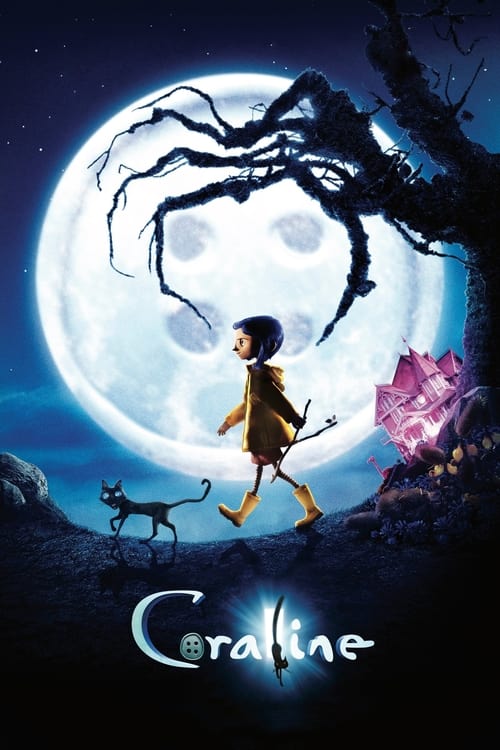
Novels and children's books that carry Kirby's sense of wonder and safe adventure




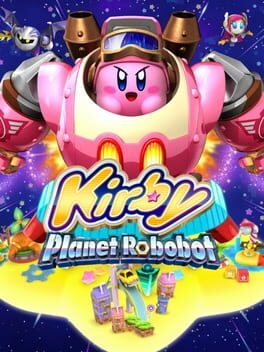
Kirby: Planet Robobot is the series at its smartest
The Kirby franchise is often filed under 'easy Nintendo game,' and that reputation makes Planet Robobot one of gaming's best-kept secrets. The 2016 3DS entry gives Kirby a mech suit that can scan enemy robots and inherit their abilities, layering a second copy-ability system on top of the first. The level design uses both systems constantly and inventively, and the story, told almost entirely through environmental detail and item descriptions, ends up being one of the darker things Nintendo has quietly shipped under a children's banner.
The real competition is Hollow Knight, not Mario
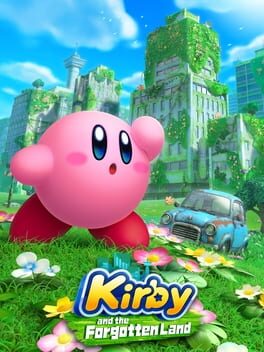
Kirby and Hollow Knight seem like opposites: one is pastel and forgiving, the other is gothic and punishing. But both games are built on the same premise: a small, mostly silent hero who absorbs abilities from enemies, navigating a world that is far larger and stranger than it first appears. Fans who finish Kirby and the Forgotten Land and want something that takes the exploration-and-absorption formula into much darker territory will find Hollow Knight is the natural next step, not another Nintendo platformer.
Studio Ghibli is Kirby's closest visual cousin
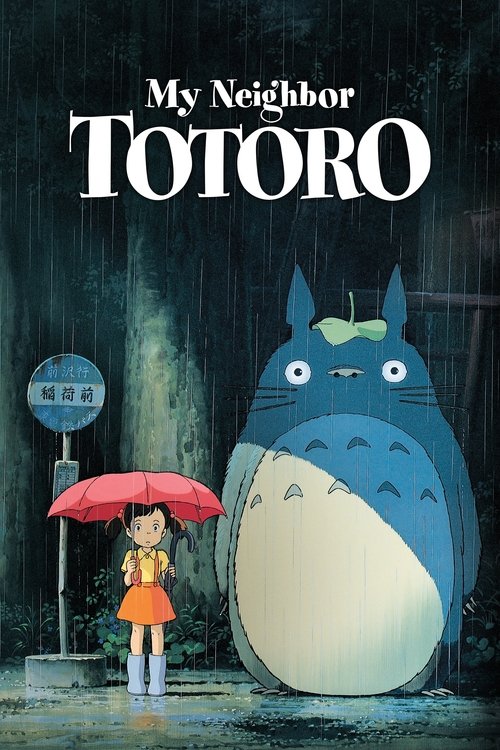
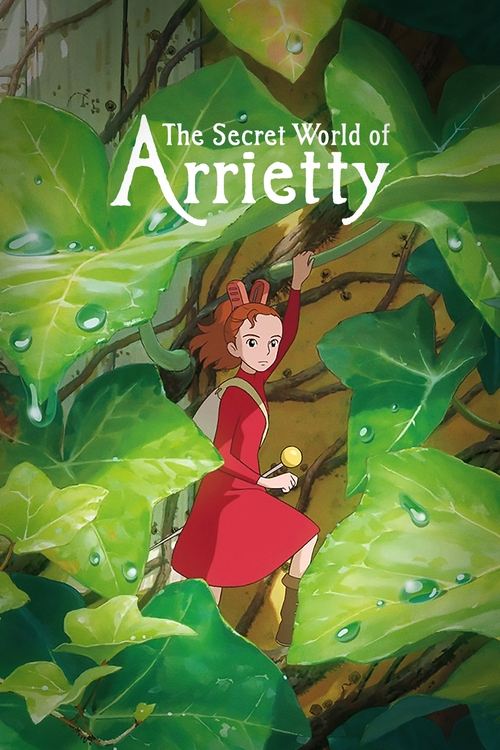
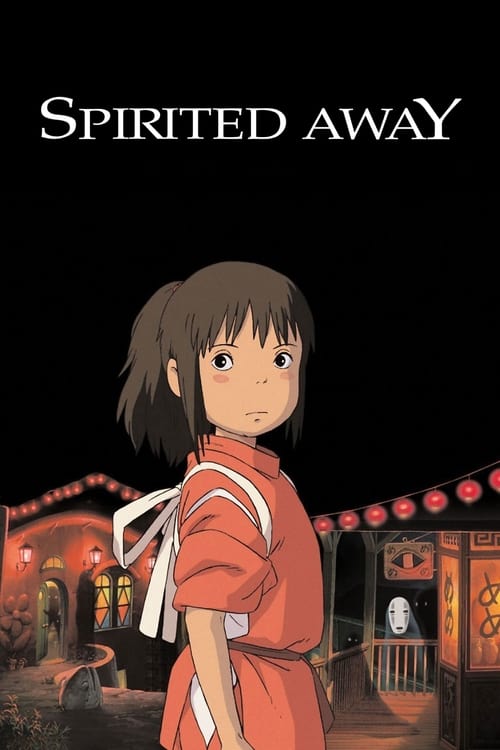
The comparison gets made often because it is accurate. Both Kirby games and Studio Ghibli films build worlds where small creatures exist in enormous, indifferent environments and are nonetheless treated as capable of great things. The color design is strikingly similar: pastels that deepen at dusk, whites that feel physically soft. My Neighbor Totoro is the obvious pairing, but Kiki's Delivery Service and The Secret World of Arrietty both carry the specific Kirby quality of a tiny protagonist finding their footing in a world built at someone else's scale.
The Phantom Tollbooth is Kirby in book form
Norton Juster's 1961 novel and Kirby share a structural philosophy: both use an apparently simple premise (a bored child drives through a magic tollbooth; a pink blob inhales things) to build elaborate systems of puns, transformations, and concealed depth. Milo travels through a world organized by concepts and finds that paying attention changes everything. Kirby inhales enemies and discovers what they were made of. Both are books or games about curiosity as a survival skill, written or designed for children but built to outlast that demographic.
Kirby through the years
- 1992Kirby's Dream Land launches on Game Boy, designed by Masahiro Sakurai as an accessible entry point to platformers Kirby's Dream Land (3DS)
- 1993Kirby's Adventure on NES introduces the copy ability system that defines the franchise Kirby's Adventure
- 1996Kirby Super Star packs eight distinct game modes into one cartridge, still considered the series high point by many fans Kirby Super Star (1996)
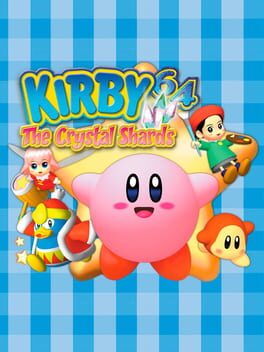
- 2000Kirby 64: The Crystal Shards introduces ability combination, letting players fuse two powers into one Kirby 64: The Crystal Shards
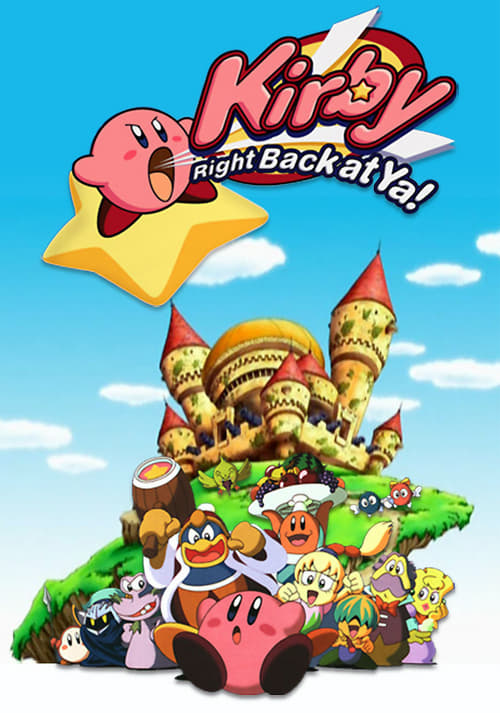
- 2001Kirby: Right Back at Ya! anime series premieres in Japan, running 100 episodes Kirby: Right Back at Ya!
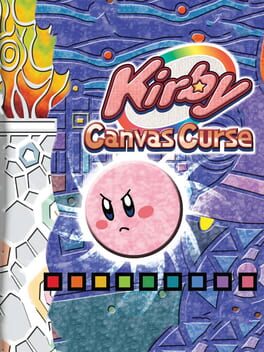
- 2005Kirby: Canvas Curse reinvents the franchise on Nintendo DS using touch controls as the primary mechanic Kirby: Canvas Curse
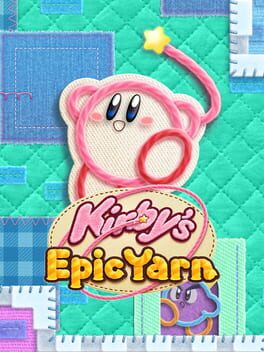
- 2010Kirby's Epic Yarn transforms Dream Land into a world of fabric and thread in one of the franchise's most visually distinctive entries Kirby's Epic Yarn
- 2016Kirby: Planet Robobot adds a mech suit and arguably the series' most ambitious story, largely hidden in item descriptions Kirby: Planet Robobot
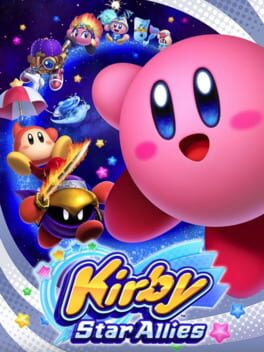
- 2018Kirby Star Allies brings four-player co-op and the ability to recruit former bosses as companions Kirby Star Allies
- 2022Kirby and the Forgotten Land moves the series into full 3D for the first time, to widespread acclaim Kirby and the Forgotten Land
Soft, adaptable, quietly profound worlds
For Fans of Shigeru Miyamoto
Explore the For Fans of Shigeru Miyamoto guide →Kirby is proof that the most inviting entry point and the most interesting design can be the same game. Nobody gets left behind, and nobody gets bored.CrossBinge