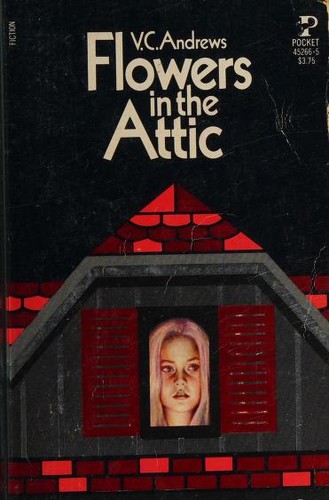

The Attic, the Mansion, the Lie
Virginia Cleo Andrews was a commercial artist and late-blooming novelist from Portsmouth, Virginia, who published her first book, Flowers in the Attic, in 1979 and inadvertently invented a genre. She died in 1986, but her publisher, Simon and Schuster, has continued the series under ghostwriter Andrew Neiderman ever since, producing dozens of books under the V.C. Andrews brand name.
What she actually wrote herself, between 1979 and her death, is a compact and ferocious body of work: the first four Dollanganger books, the Heaven series opener, and a handful of standalone novels. That core holds something genuinely strange. Andrews wrote about children and teenagers locked away by adults who were supposed to love them. She wrote about class aspiration rotting into cruelty, about mothers who choose wealth over their own offspring, about the suffocating heat of family mythology. Her prose is lurid, operatic, and completely sincere, and that sincerity is everything.
The mood is unmistakable: a beautiful house that is also a prison. A secret that will corrode everything if it ever gets out. A young woman who is smarter and stronger than anyone around her gives her credit for, navigating a world that keeps closing in. The melodrama is not incidental, it is the method. Andrews understood that gothic excess strips away social pretense and gets at something true about power and family and the damage adults do to children while telling themselves a story about love.
Essential V.C. Andrews
The novels she actually wrote, in the order to read them


Trapped in the House
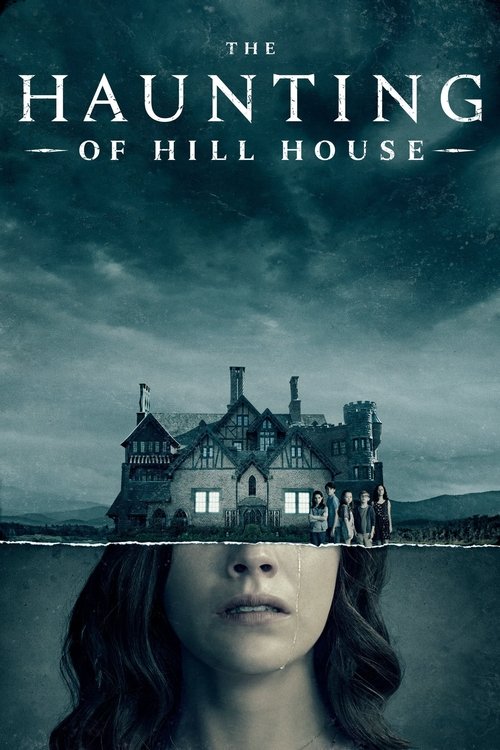
Gothic fiction where the building itself becomes the antagonist


Family Secrets on Screen
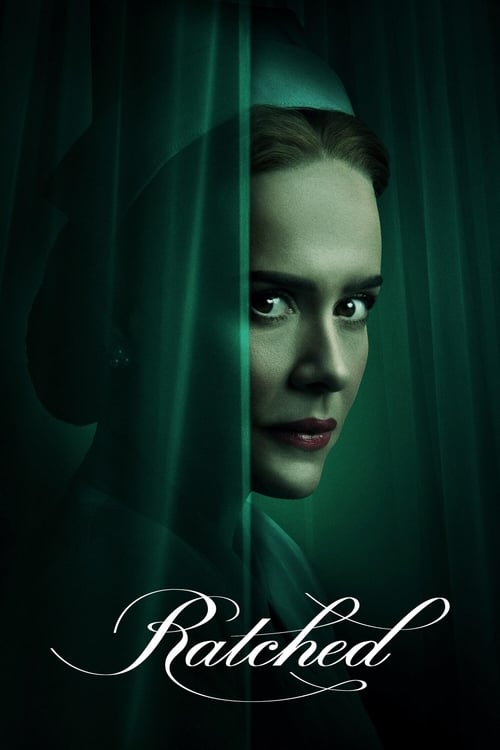
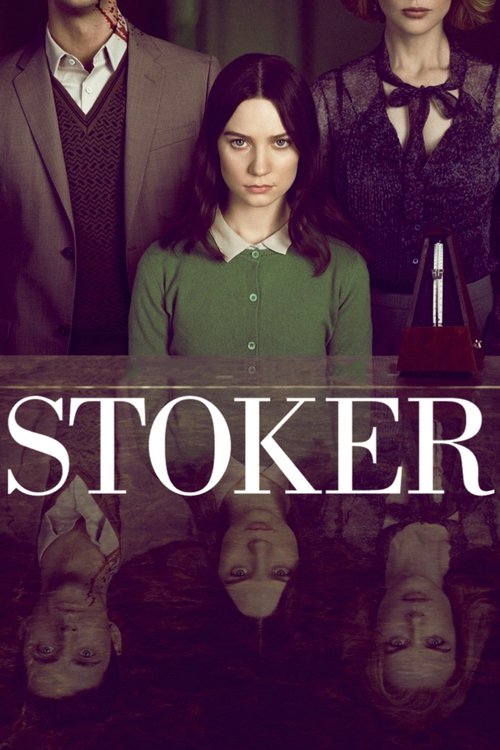
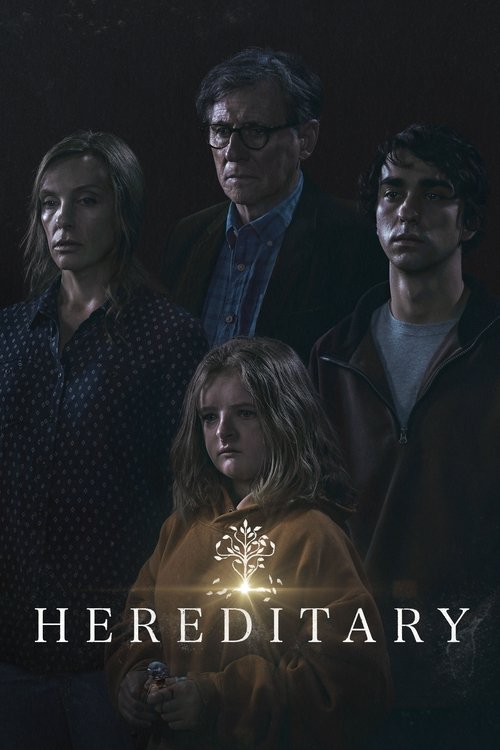
Films and series where the domestic becomes monstrous
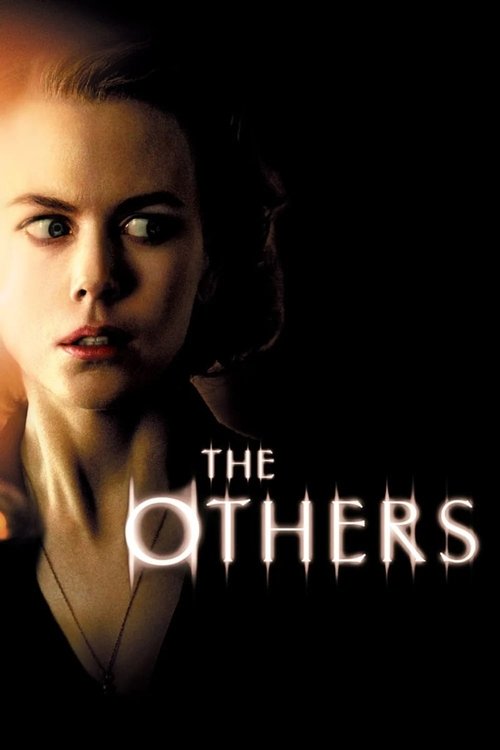

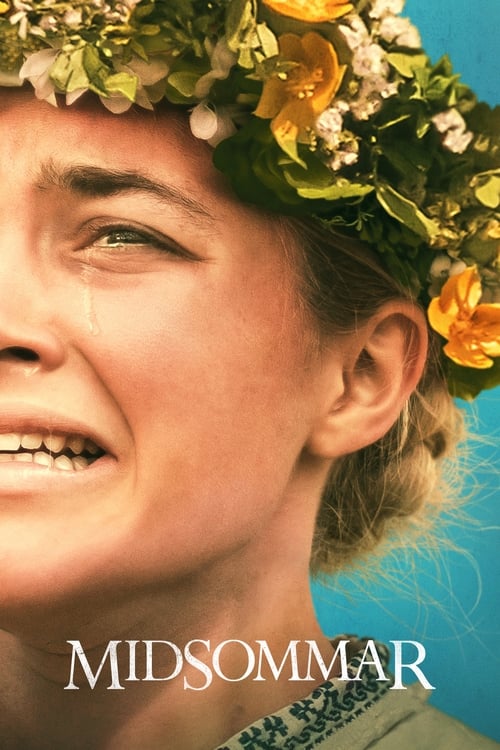
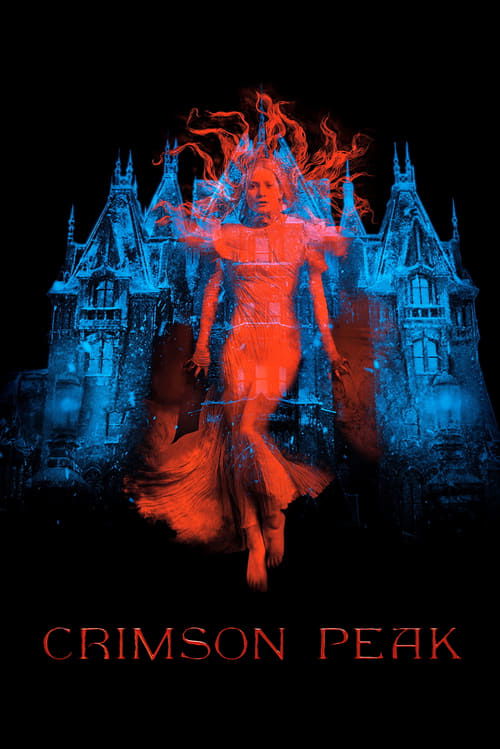
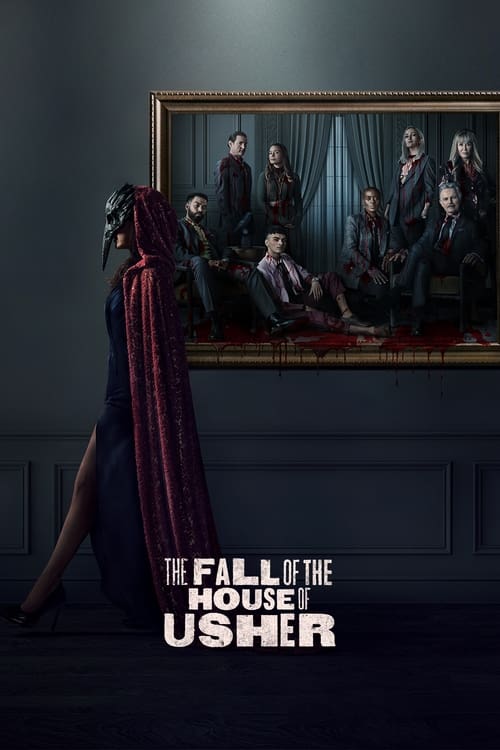
Class, Cruelty, and Ambition
Stories about money, status, and the violence underneath both



Surviving Adults Who Should Have Known Better
Games and interactive fiction about uncovering buried truths
Start here, not at the beginning
My Sweet Audrina (1982) is the book to hand someone who has never read Andrews. It is a standalone, so there is no series commitment. It is also the most controlled thing she wrote: a single unreliable narrator, a single house, a slow accumulation of dread that lands a real gut-punch ending. The Dollanganger books are iconic but they ask you to commit. Audrina earns it in one sitting.
The adaptation that actually got it right
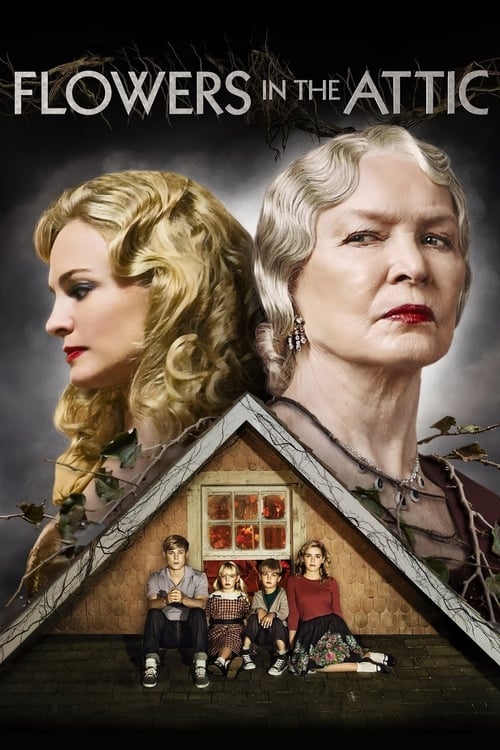
The 2014 Lifetime Flowers in the Attic is not prestige television. It is also the only screen version that plays the material completely straight, without flinching and without camp, and Heather Graham's performance as the mother is genuinely chilling. The 1987 film version blinked at the last moment and rewrote the ending to avoid the novel's central transgression. The Lifetime version does not blink. That matters.
The spiritual successor that arrived forty years later
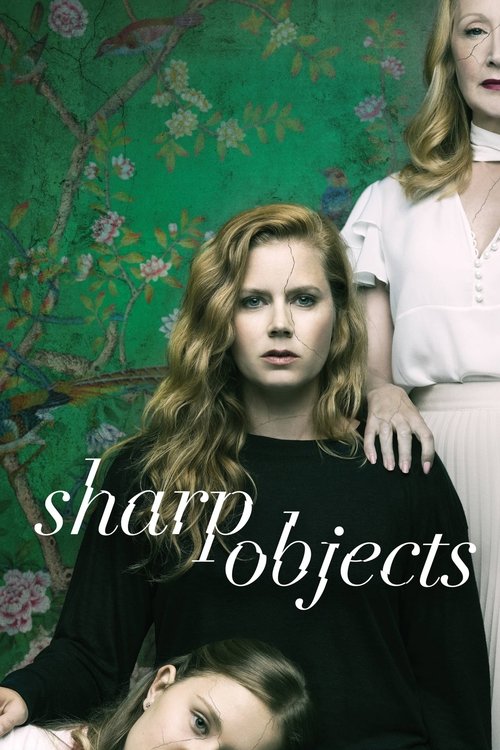
Jean-Marc Vallee's Sharp Objects (HBO, 2018) is the television work that carries the Andrews inheritance most faithfully: a woman protagonist defined by what was done to her in a house she cannot quite leave, a mother who is the real source of horror, and a mystery structure that exists to excavate psychological damage rather than solve a plot. Gillian Flynn's source novel sits directly in the Andrews tradition of women writing about women being destroyed by other women. If you came to Andrews through the books, start with the novel. If you came through the Lifetime adaptations, go straight to the series.
The underrated one the Andrews readership mostly missed
Garden of Shadows (1987) was finished by Andrew Neiderman from Andrews's notes after her death, which is why it gets skipped. That is a mistake. It is a prequel to Flowers in the Attic told from Olivia Foxworth's point of view, and it does something the original never does: it makes the monster comprehensible. You understand exactly how Olivia became Olivia. It is darker in some ways than anything Andrews wrote herself, and far better than most of the official continuation novels that followed it.
Andrews understood that the gothic house is not a metaphor for family dysfunction. It is family dysfunction, made literal and inescapable.CrossBinge editorial
V.C. Andrews: The Real Books
- 1979Flowers in the Attic published Flowers in the Attic
- 1980Petals on the Wind Petals on the Wind
- 1981If There Be Thorns If There Be Thorns
- 1982My Sweet Audrina (standalone) My Sweet Audrina
- 1984Seeds of Yesterday
- 1985Heaven (new series begins) Heaven, Texas
- 1986Dark Angel published; Andrews dies in December Dark Angel
- 1987Garden of Shadows published posthumously; first film adaptation released Parade of Shadows
- 2014Lifetime remakes Flowers in the Attic Flowers in the Attic