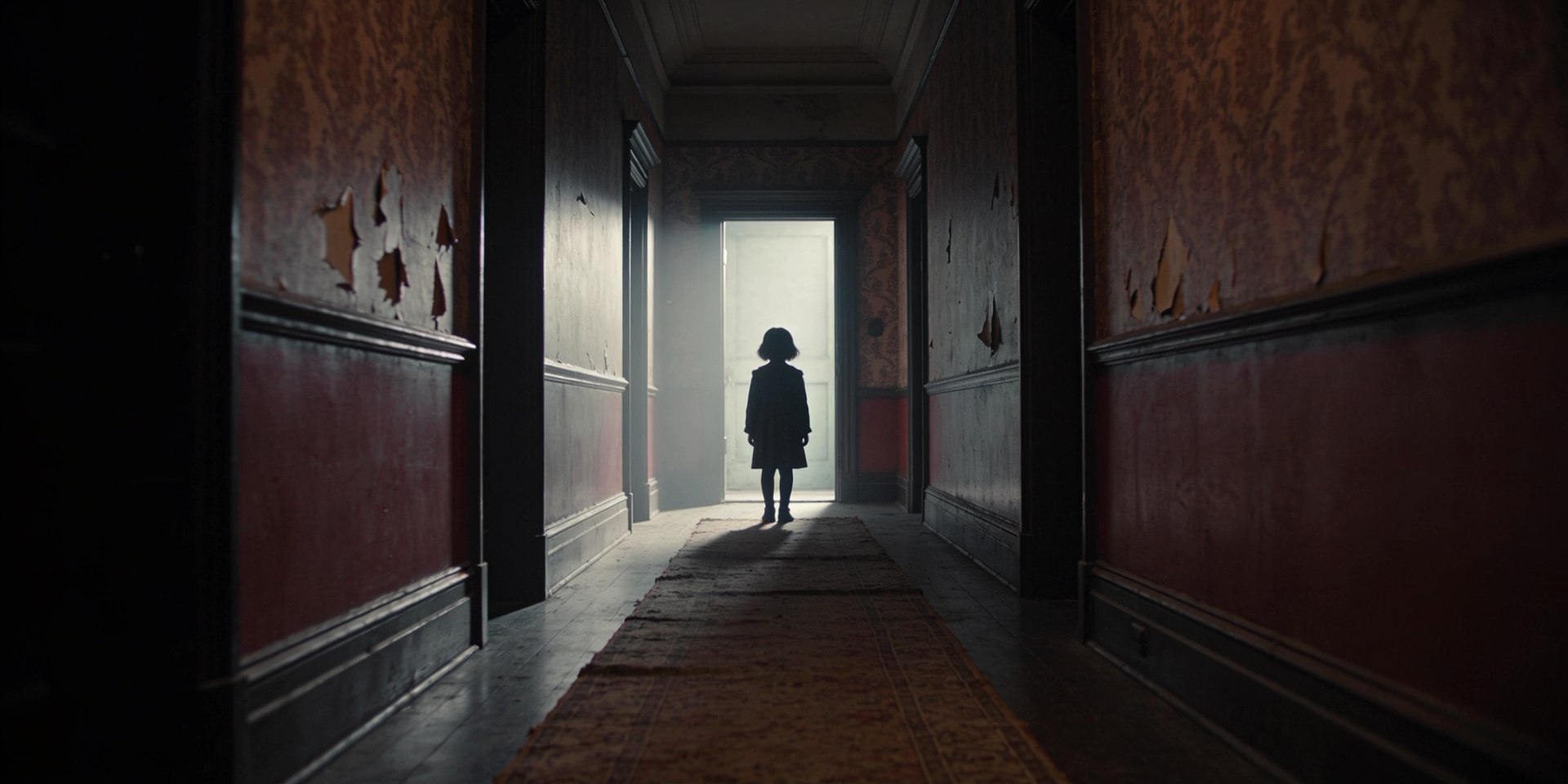

There is a reason horror keeps coming back to the child. A monster in the dark is frightening because it is other. A child who turns on you is frightening because it is yours. The genre understood early that the most efficient way to violate an audience is to take the one figure we are biologically wired to protect and make it the thing we should fear. Every parent watching a demonic-child film is being asked the unaskable question: what if the worst thing in the house is the person you would die for?
The canon splits along a hidden fault line. On one side sit the supernatural children, vessels for something ancient: Damien with the birthmark under his hair, Regan strapped to a bed in Georgetown, the blank-eyed brood of Midwich. On the other side sit the children who are simply, terrifyingly, themselves. Rhoda Penmark in her perfect braids. Kevin Khatchadourian. The boy who watches you across the playground and feels nothing. The first kind asks whether evil can be born. The second is far worse, because it suggests evil does not need a demon at all. It only needs a child who never learned to stop.
Essential demonic children
The films that built the subgenre, from the antichrist to the orphan
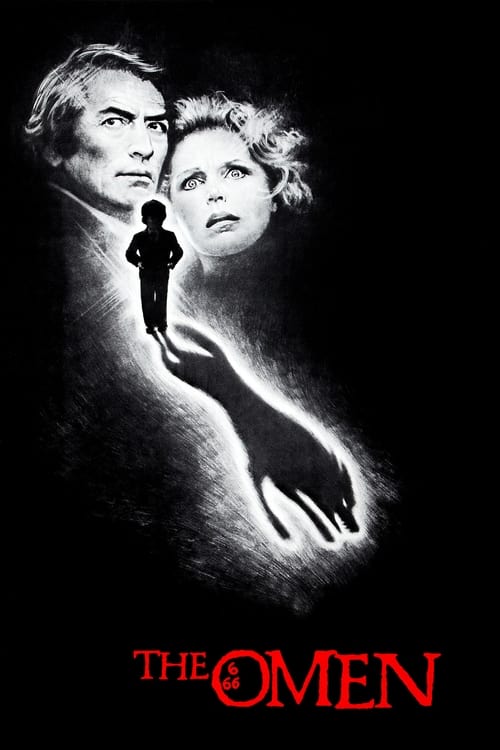

The Omen made the antichrist a custody problem
Richard Donner's The Omen (1976) is the film that fixed the template, and its genius is how mundane it keeps the horror. Damien Thorn is not a snarling monster. He is a quiet, well-dressed boy in a good home, and the terror arrives through other people: the nanny who hangs herself at his birthday party, the priest impaled in a freak storm, the photographer who keeps noticing things in his pictures. Gregory Peck plays a father slowly forced to accept that his son is the enemy of the human race, and the film makes you feel the obscenity of that realization. Jerry Goldsmith's Latin choir, the only Oscar he ever won, turns a nursery into a cathedral of dread.
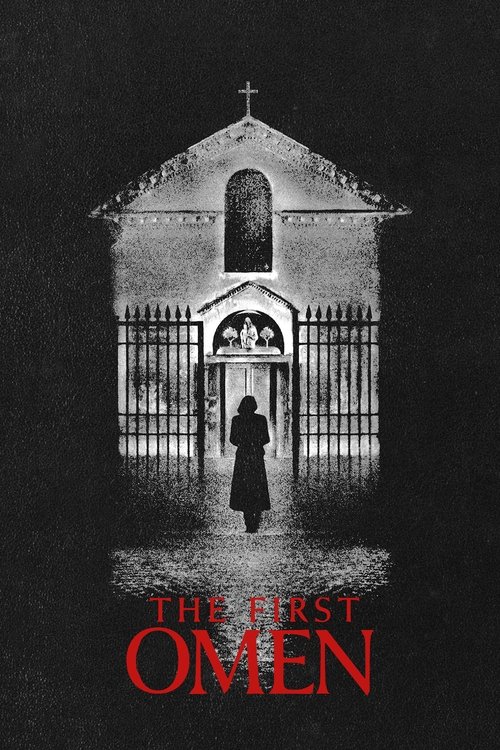
What keeps it potent is restraint. Damien does almost nothing himself. The evil is structural, woven into the world around him, which is exactly how the worst real-world harm works. The First Omen (2024) went back to the conception and, against all odds for a legacy prequel, found genuine body-horror nerve in the question of how you manufacture a vessel for the end of the world.
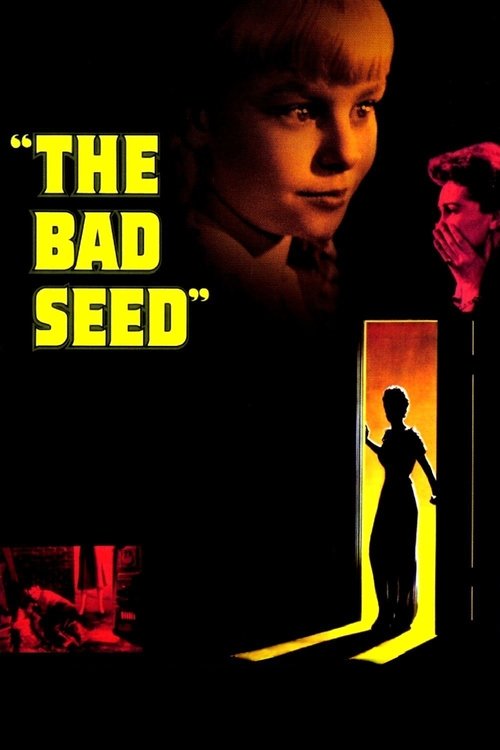
Bad seeds: the child who is simply evil
No demon required, only a kid who feels nothing


The cuckoo strategy
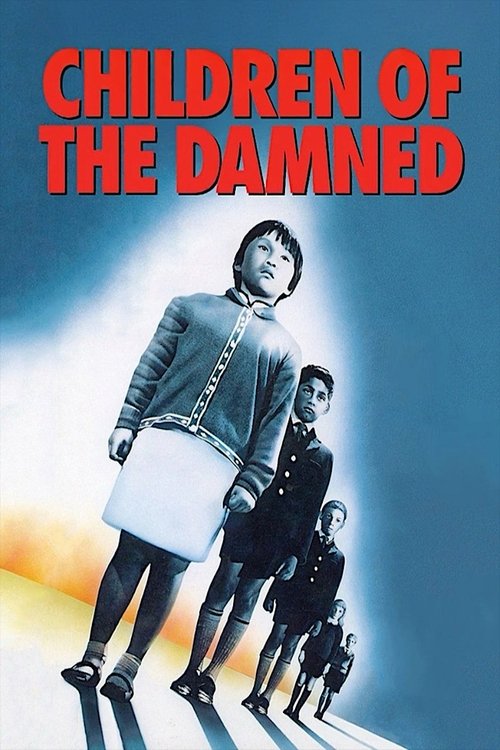
The scariest demonic children rarely come alone. John Wyndham named the pattern in 1957 when he called his novel The Midwich Cuckoos: the cuckoo lays its egg in another bird's nest, and the host raises a killer that does not belong to it. Village of the Damned gave the idea its definitive image, a row of platinum-haired children with eyes that glow when they want to make you do something. The horror of the collective child is that there is no reasoning with a hive. They share one will, they protect each other, and they regard the adults around them as livestock.
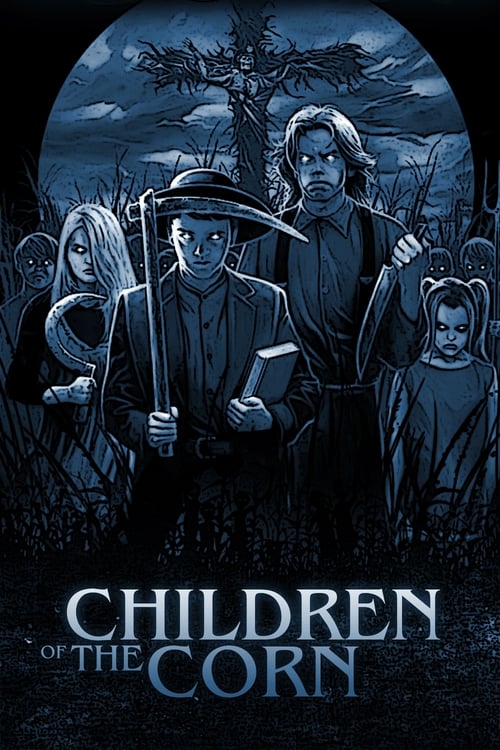
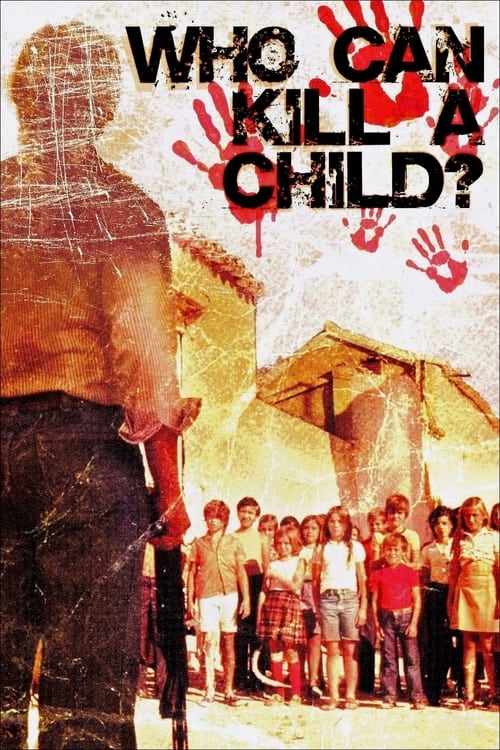
Children of the Corn relocated the idea to rural Nebraska and a cult that murders everyone over eighteen. Narciso Ibanez Serrador's Who Can Kill a Child? (1976) is the bleakest of all, a sun-drenched Spanish island where the children have quietly killed the grown-ups and are simply waiting for the tourists. It opens with documentary footage of real atrocities against children, then flips the moral universe: now they are the ones doing the killing, and the film dares you to lift a hand against them.
Cuckoos in the nest: evil in numbers
When the children act as one and the adults are outnumbered
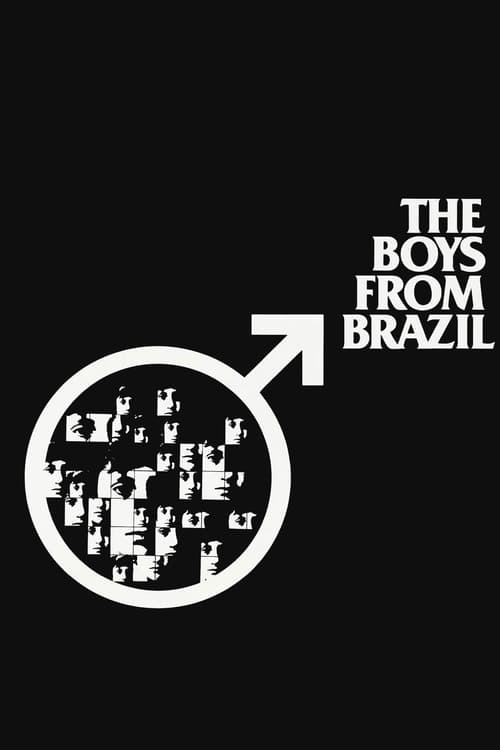
We Need to Talk About Kevin is the genre at its most honest
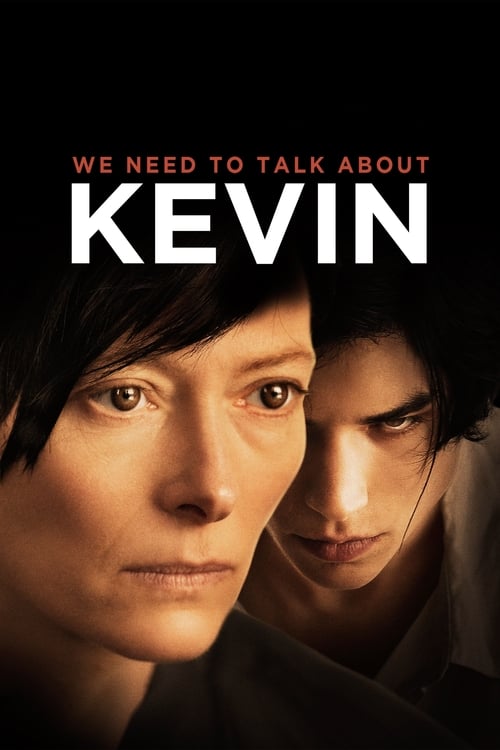
Lynne Ramsay's We Need to Talk About Kevin (2011) strips out every supernatural alibi and leaves only the unbearable core: a mother who never bonded with her son, a son who seems to have been born wrong, and the slow, dawning horror that neither of them can fix it. Tilda Swinton plays Eva as a woman serving a life sentence of looking, drenched in red imagery the film never lets you forget. There is no demon, no birthmark, no Latin choir. There is just a boy who watches his mother with a flat, knowing contempt and grows up to do something monstrous.
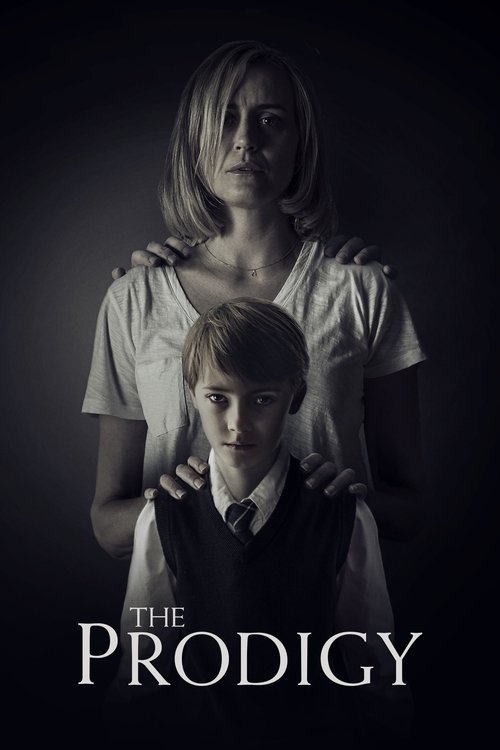
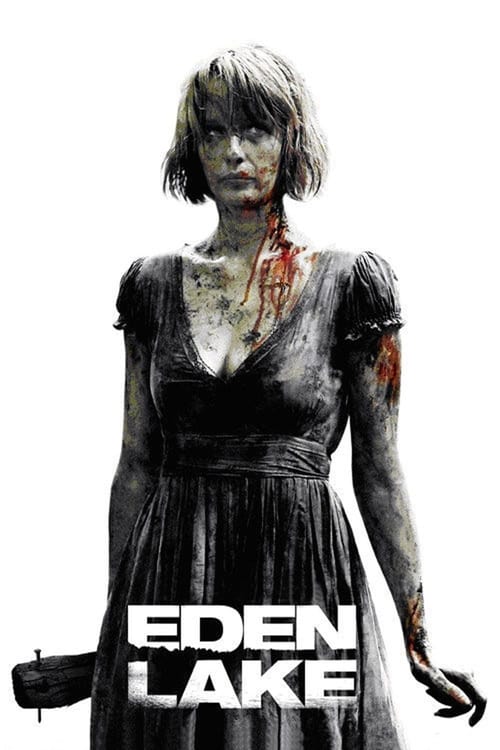
What makes it the most disturbing entry in this whole tradition is that it refuses to answer the question the others lean on. Did Eva make Kevin, or was Kevin always Kevin? The film holds both possibilities open and lets them grind against each other. The Prodigy and Eden Lake play in adjacent territory, but Ramsay's film is the one that stays, because it makes the nightmare domestic, ordinary, and impossible to exorcise.
The bad child on the small screen
Television takes its time, and that is its own kind of dread
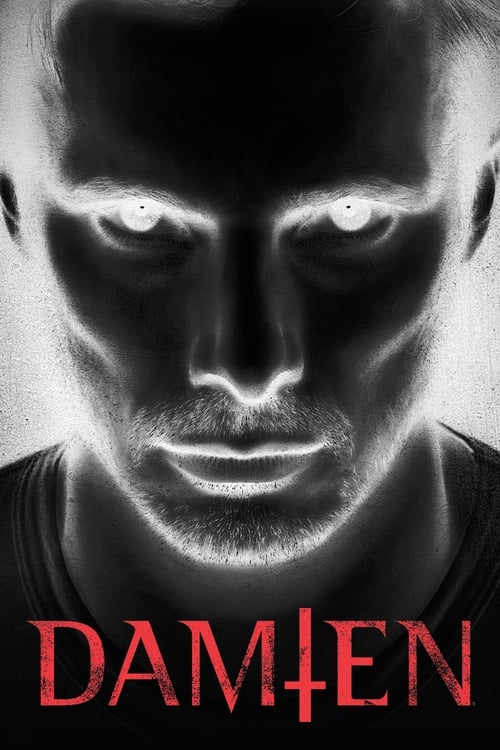
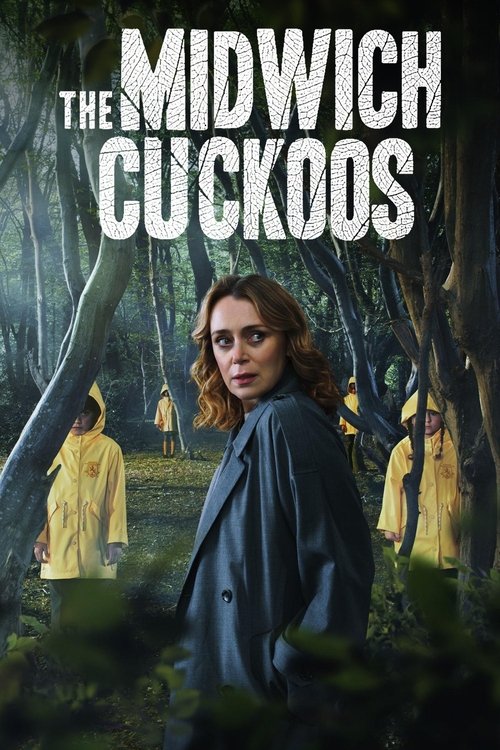
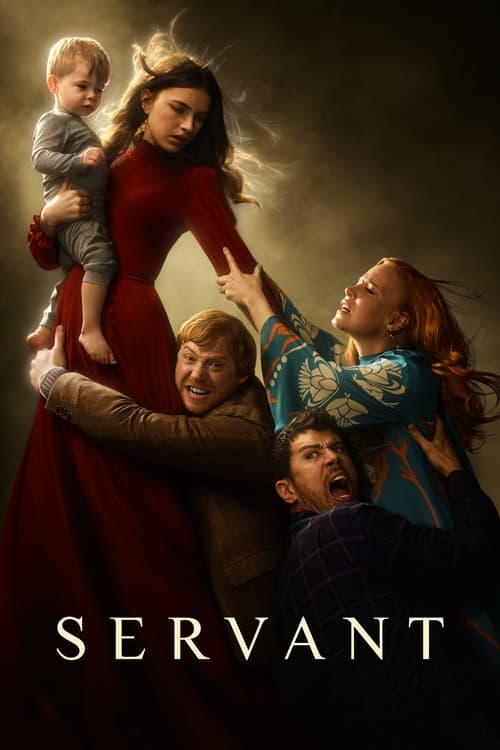
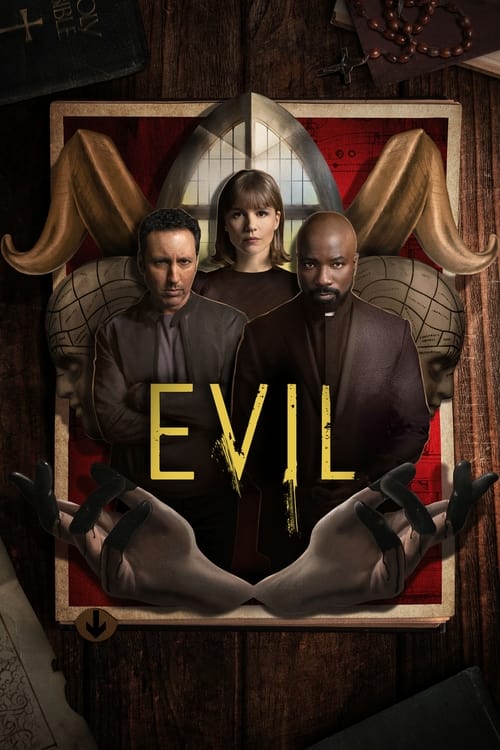
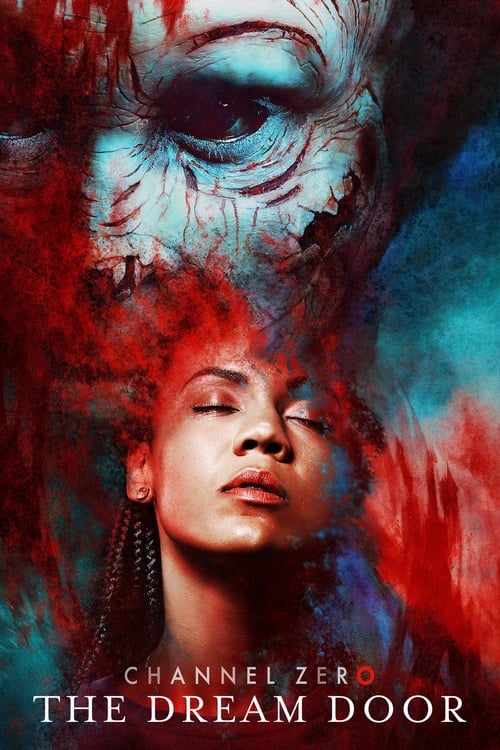
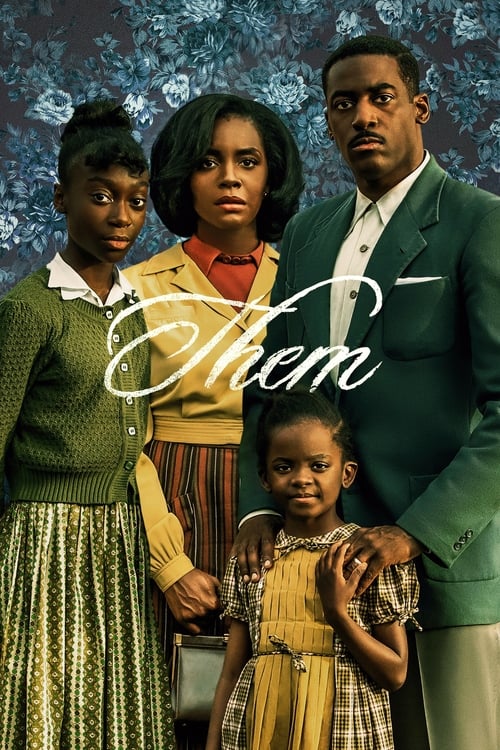
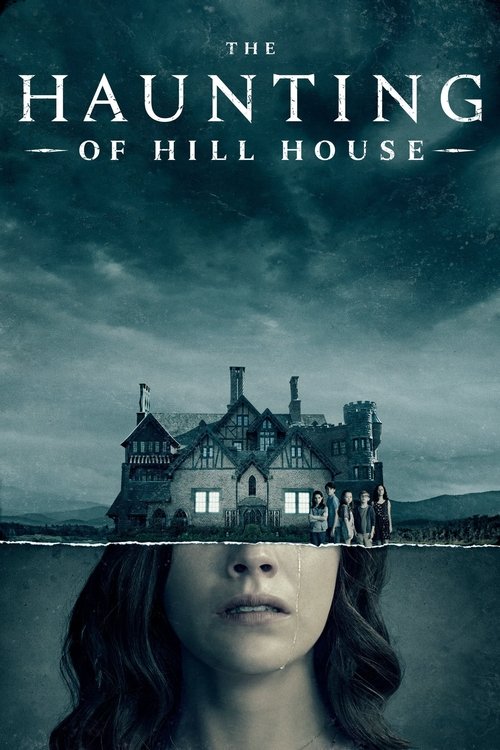
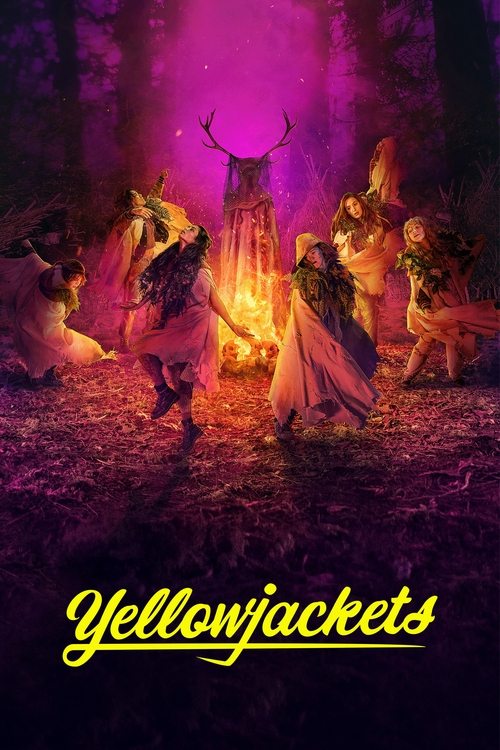
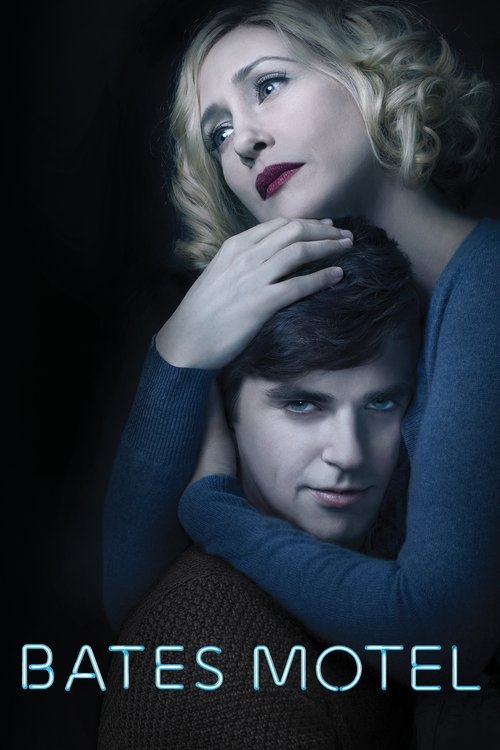
What can you do against an enemy who is your own child, who you cannot bring yourself to hate, and who feels nothing for you at all?The question every demonic-child story is really asking
The novels that birthed the nightmares
The screen owes most of these terrors to the page. William March's The Bad Seed and John Wyndham's The Midwich Cuckoos set the two poles, the natural and the supernatural killer child, that everything since has orbited. Doris Lessing's The Fifth Child is the literary masterpiece of the form: a happy family is shattered by the arrival of Ben, a son who seems less a baby than a throwback to something pre-human, and the novel is merciless about a mother's love curdling into fear and finally resentment. It is short, plain, and devastating.
William Golding's Lord of the Flies widened the lens to ask what children become with no adults at all, and arrived at the bleakest answer in the canon. Susan Hill's I'm the King of the Castle needs no monster either: it is two boys in an old house, one tormenting the other, and it ends somewhere genuinely terrible. Neil Gaiman's Coraline turns the screw the other way, putting the child in danger from an other-mother who wants to sew buttons over her eyes. And Stephen King's Pet Sematary delivers the most primal version of the fear, a parent who cannot accept a child's death and brings back something that wears the child's face.
Read at your own risk
The novels where the youngest character is the most dangerous


Games let you stand inside the small body in the dark
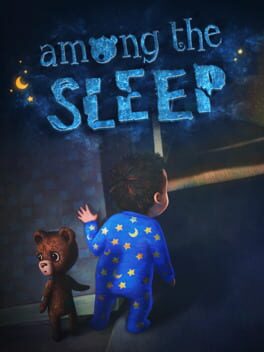
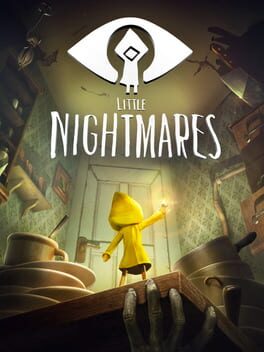
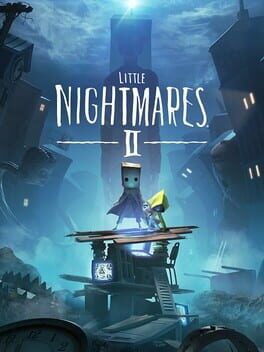
Horror games approach the demonic child from two directions, and both are nastier than film can manage. Krillbite's Among the Sleep puts you inside a two-year-old, crawling through a house where the furniture looms and a beloved teddy bear is your only guide, and the real horror is slowly understanding what the toddler cannot. Tarsier's Little Nightmares sends you the other way, making you the small, hungry, yellow-raincoated child fleeing through a world of monstrous adults, until the sequel forces you to confront what survival turns a child into.
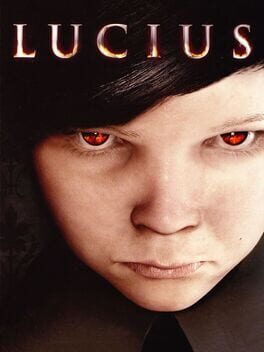
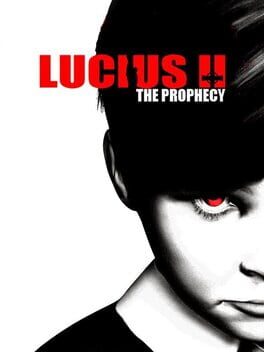
Then there is Lucius, which simply hands you the part nobody else will let you play. You are the antichrist, a six-year-old with the powers of hell, and the game tasks you with murdering everyone in the mansion one staged accident at a time. It is the demonic-child film told entirely from Damien's point of view, and the discomfort of being good at it is the whole point. Taiwanese standout Detention and the hand-drawn Yomawari round out a medium that understands a child alone in the dark better than any other.
Play as (or against) the child
Horror games where childhood is the scariest place to be
Six decades of dangerous children
- 1956The Bad Seed puts a perfect little girl on trial and decides nurture had nothing to do with it The Bad Seed
- 1960Village of the Damned gives the collective-child nightmare its glowing eyes Village of the Damned
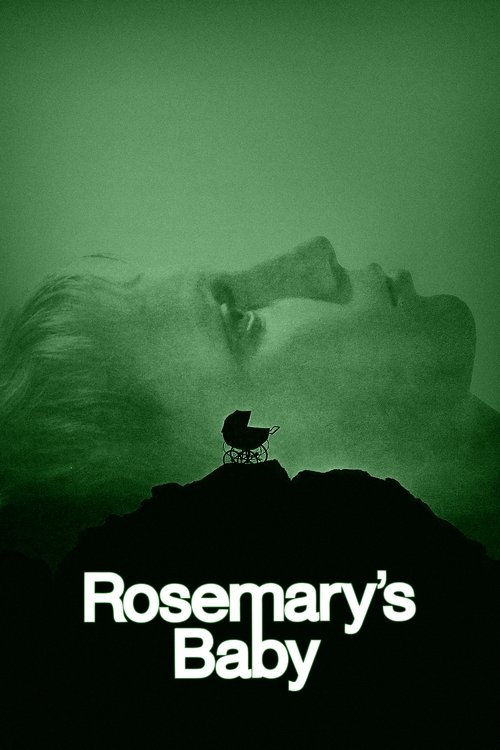
- 1968Rosemary's Baby makes the pregnancy itself the haunted house Rosemary's Baby
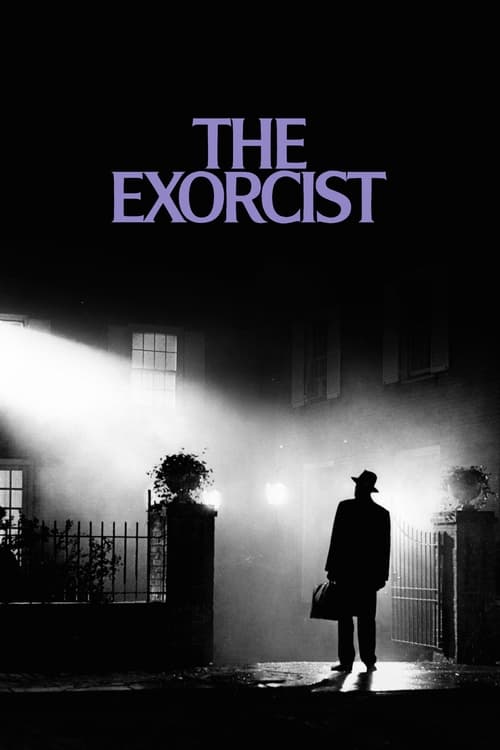
- 1973The Exorcist drags possession into the home of a single mother The Exorcist
- 1976The Omen fixes the antichrist template for a generation The Omen
- 1988Doris Lessing's The Fifth Child reclaims the form for literary fiction The fifth child
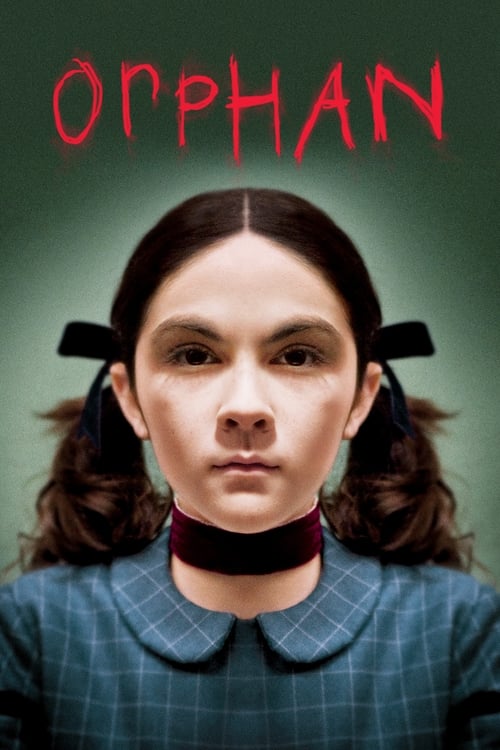
- 2009Orphan reinvents the killer kid with one of horror's great twists Orphan
- 2011We Need to Talk About Kevin strips away the supernatural for good We Need to Talk About Kevin
- 2017Little Nightmares makes you the small body running from the giants Little Nightmares
- 2024The First Omen proves the oldest dread still has nerve The First Omen