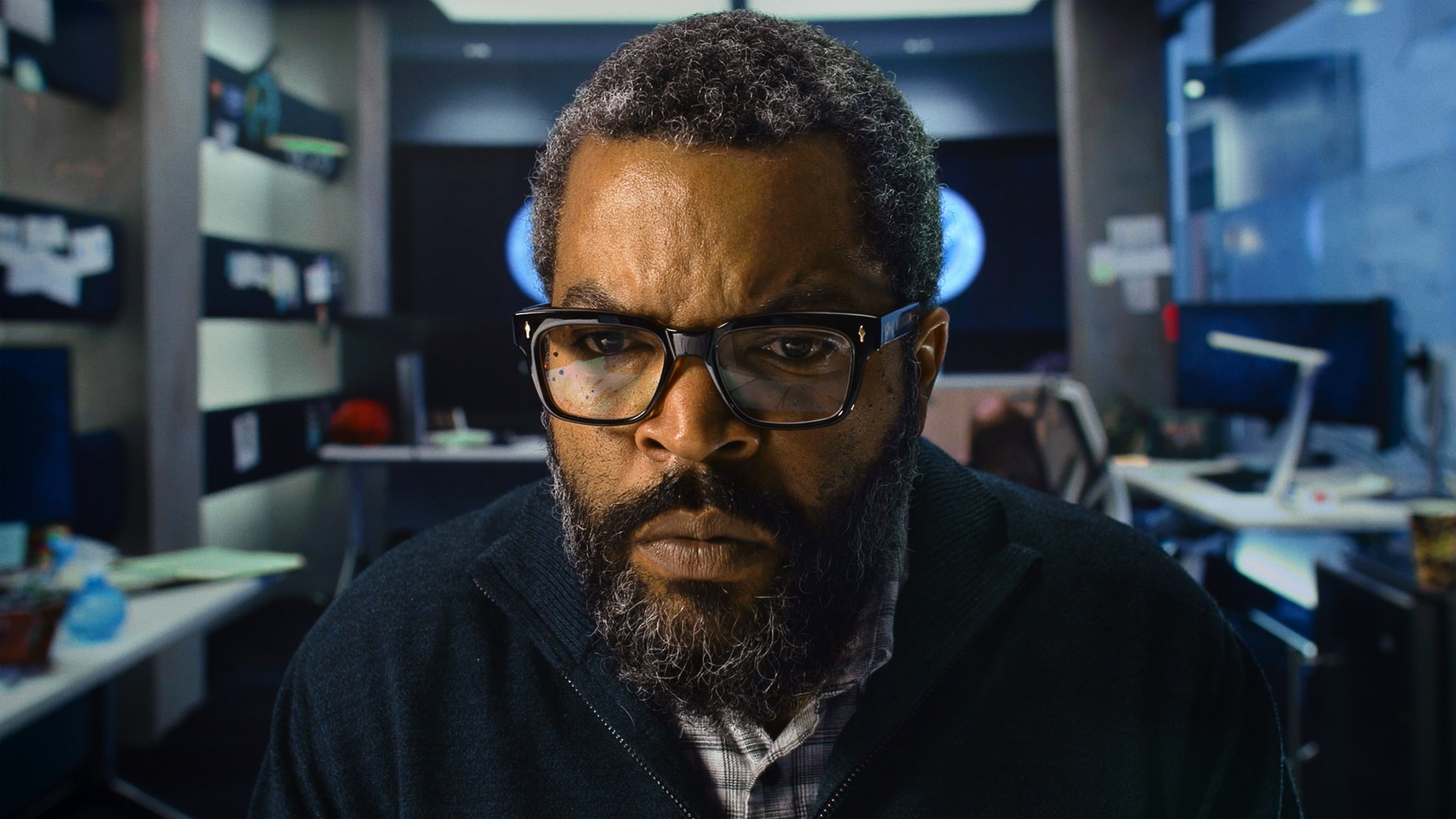

War of the Worlds works because it refuses to let humanity win cleanly. H.G. Wells's 1898 novel and every adaptation since keep returning to the same terrifying premise: what happens when the apex predator discovers it is prey? Spielberg's 2005 film strips the story down to one panicked father and his children, turning a planetary catastrophe into something claustrophobic and personal. The scale is cosmic; the experience is intimate. Fans keep chasing that specific feeling: spectacle that makes you feel small, survival stories where competence is never enough, and the unsettling suggestion that civilization is a thin crust over something far more fragile than we admit.
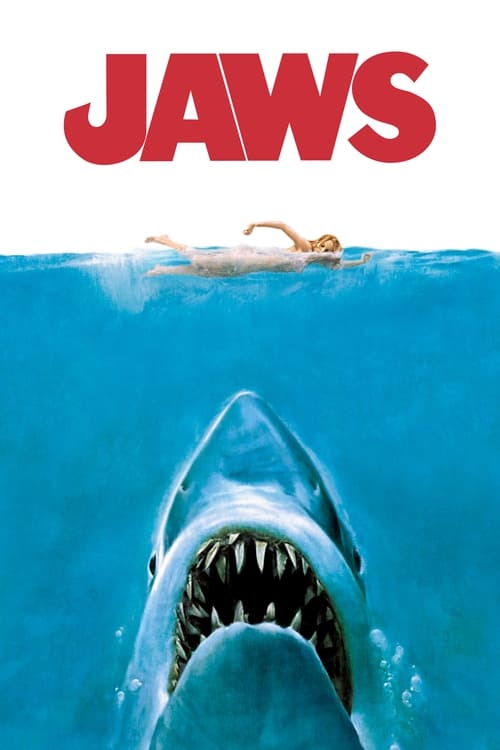
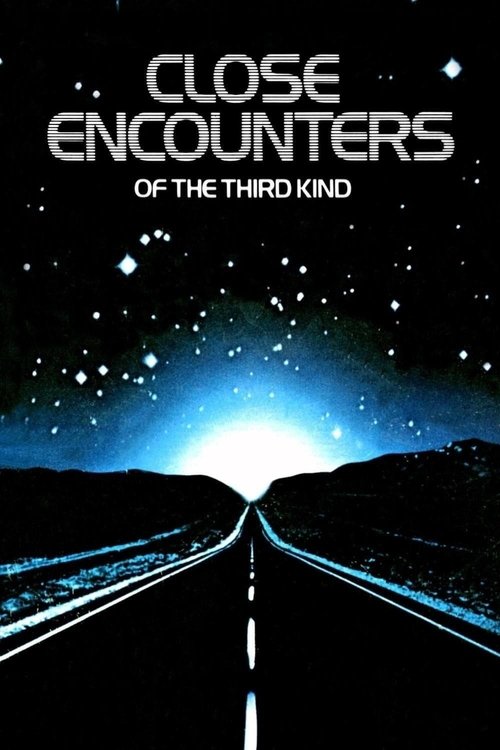
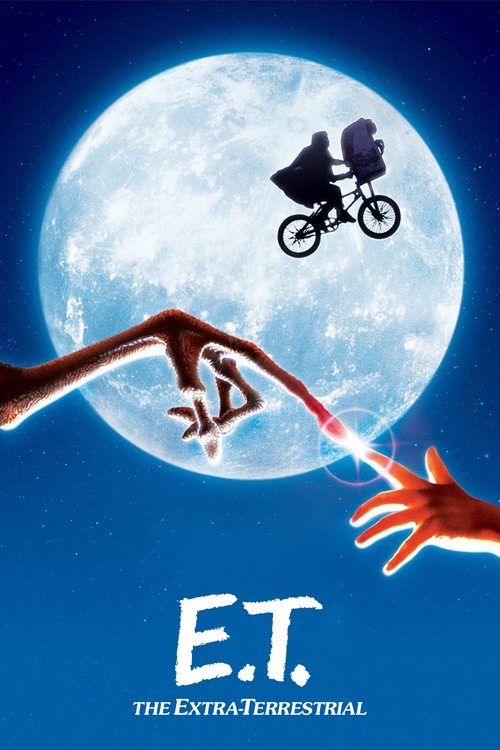
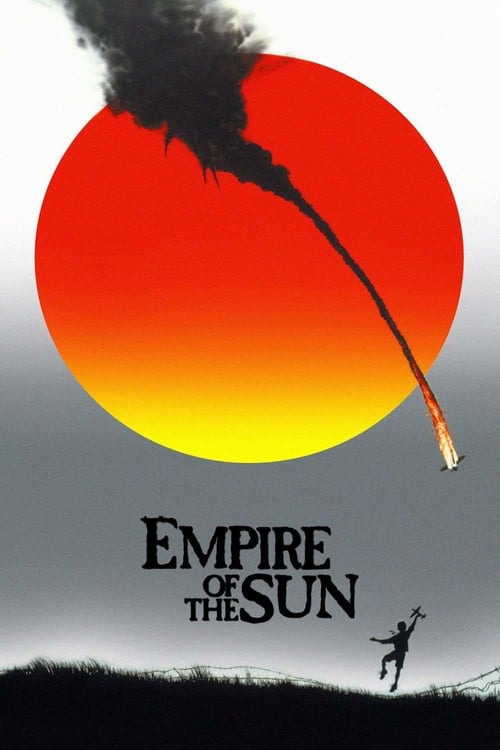
Spielberg's Other Nightmares
Films from the same director where wonder curdled into dread
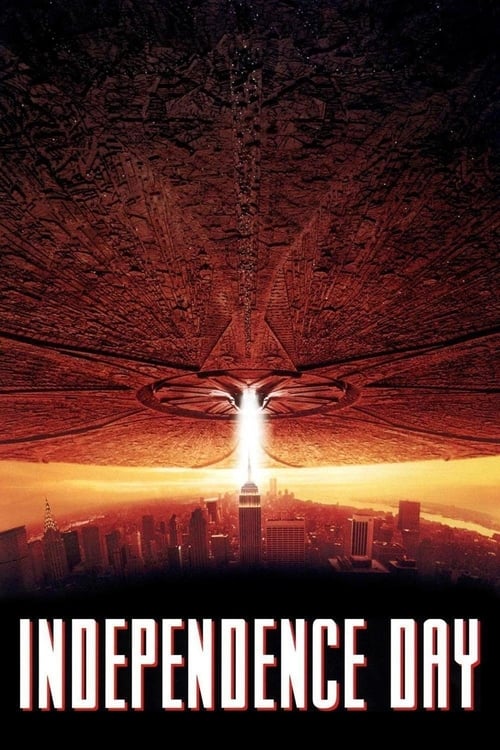
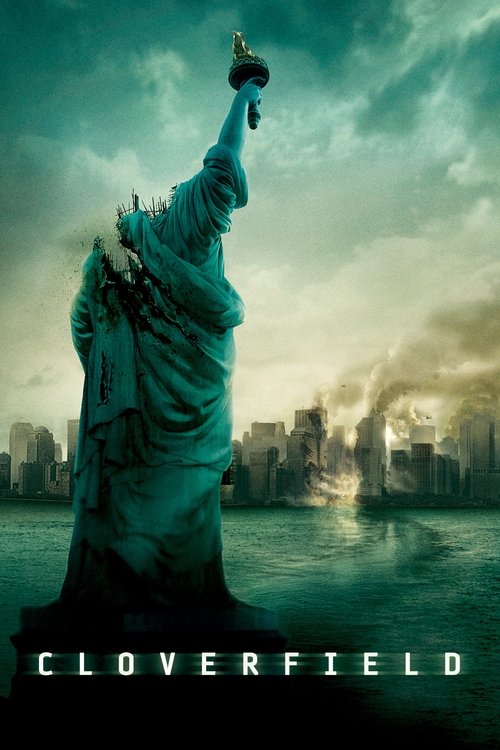
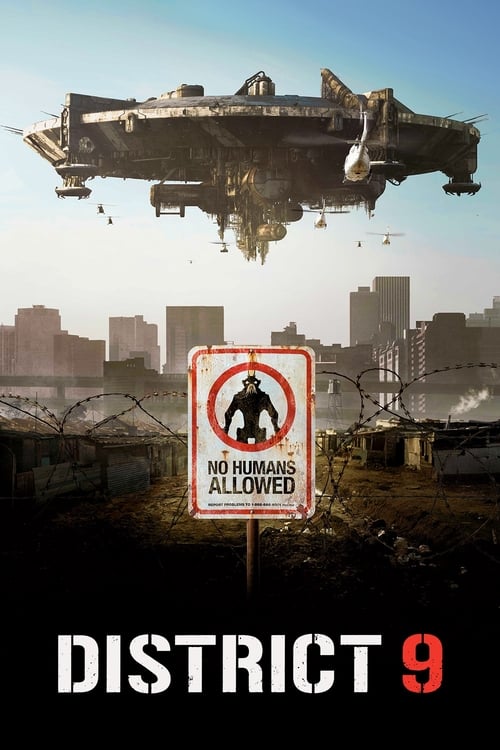
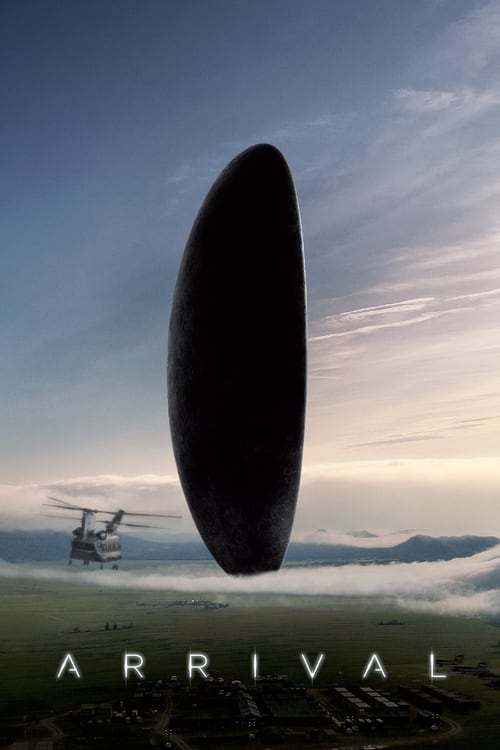
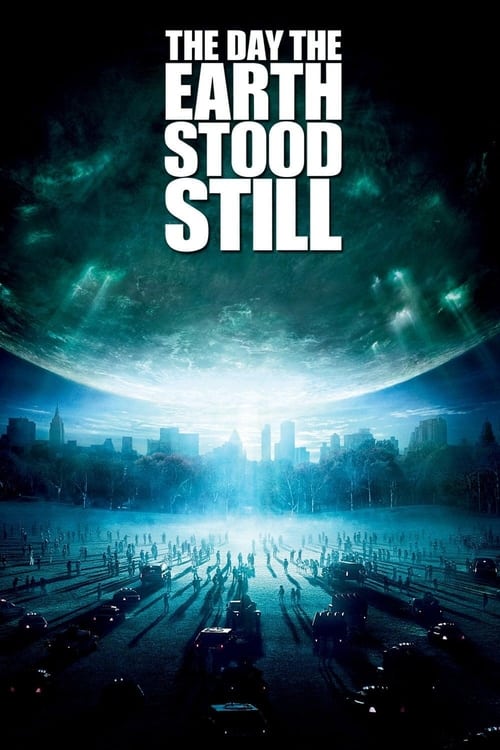
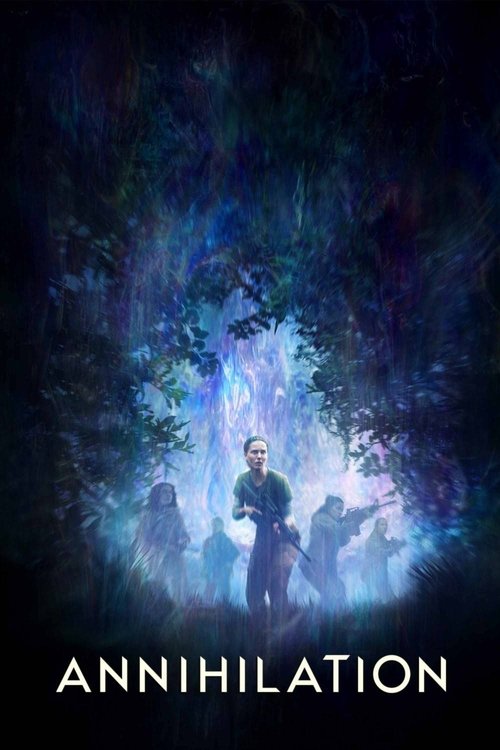
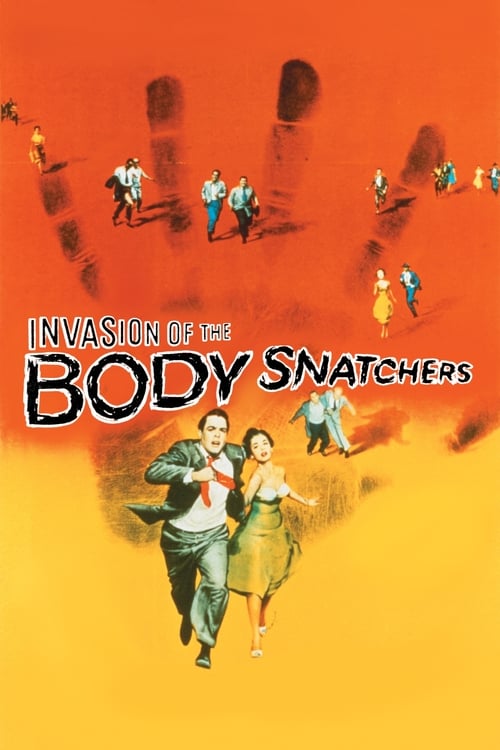
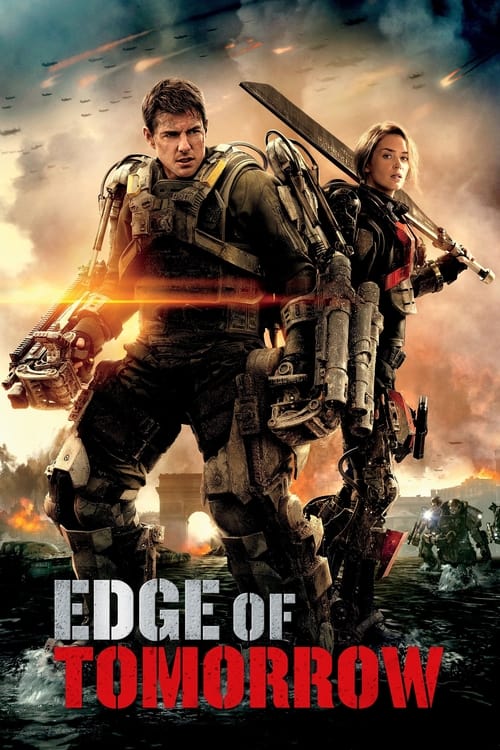
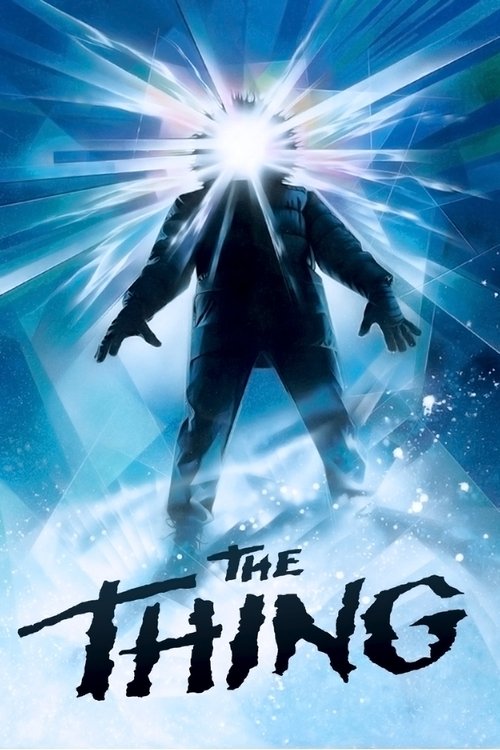
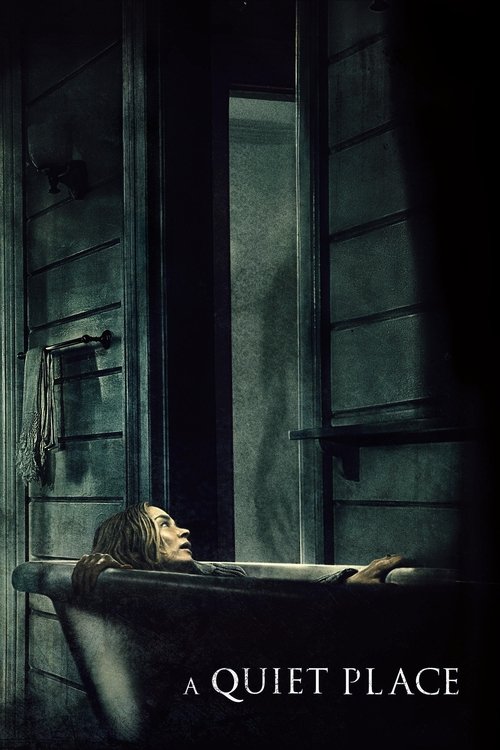
Humanity Outgunned: Invasion Cinema
Films where the alien or the unknown arrives and the outcome is far from certain


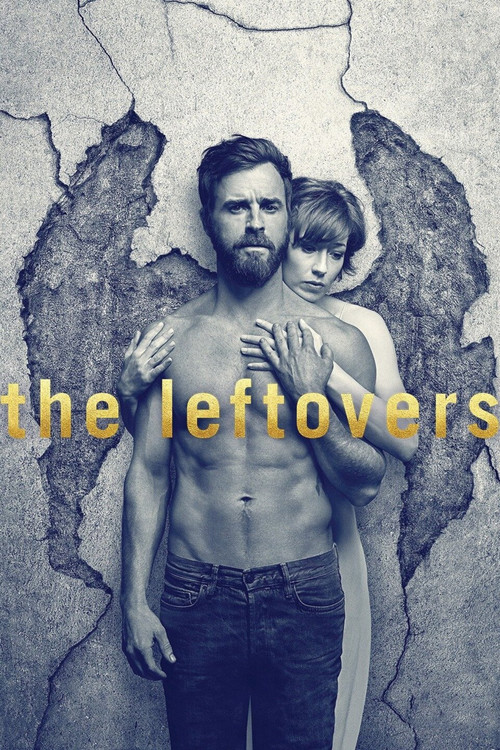
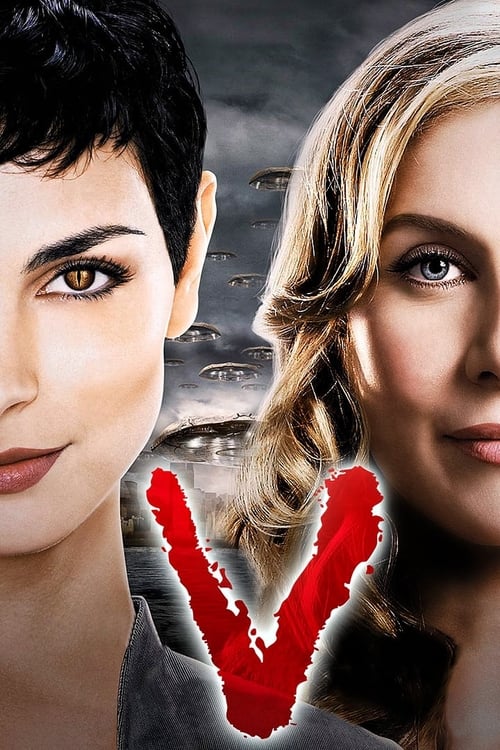
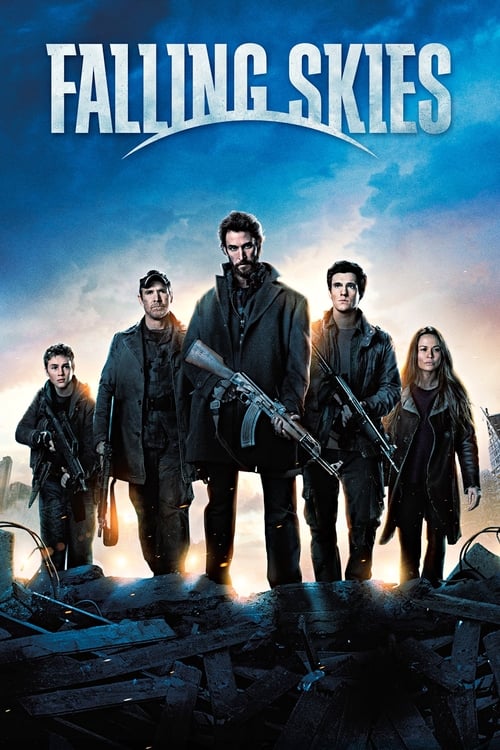
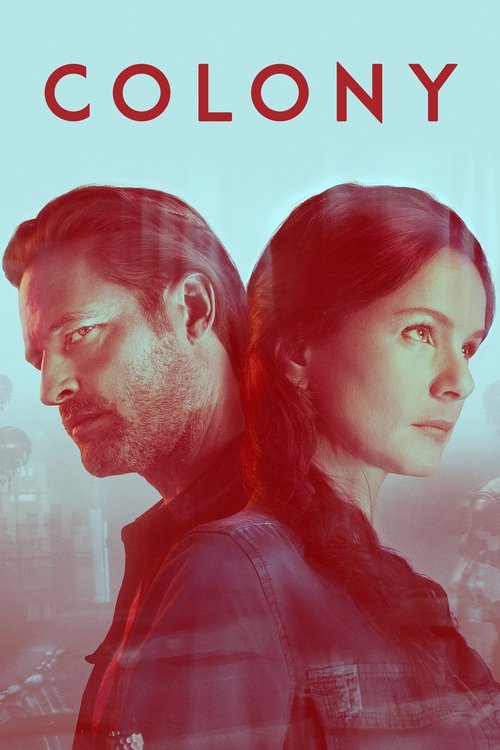
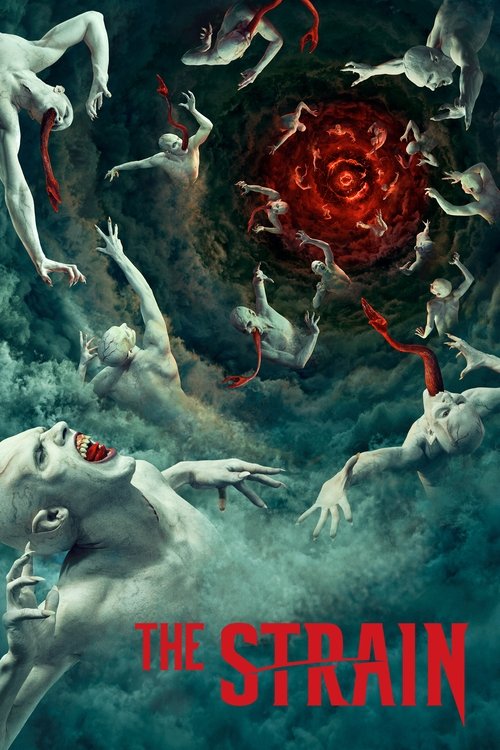
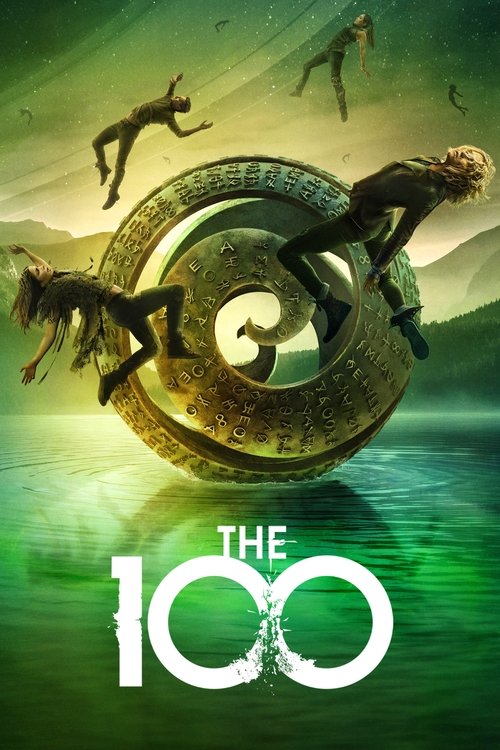
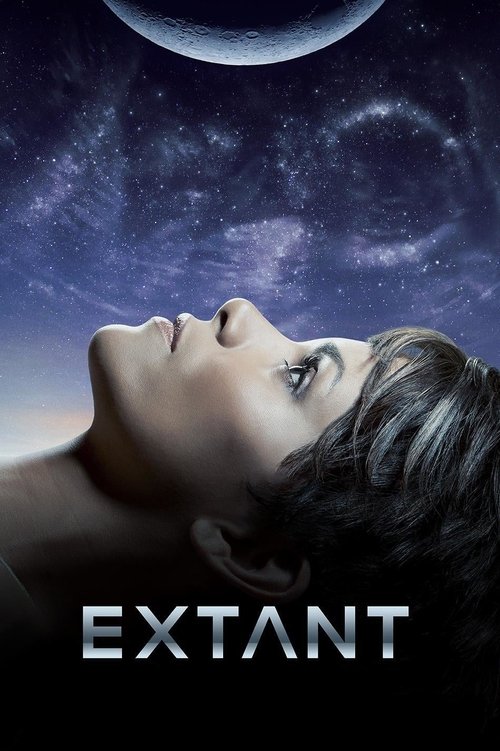
The Invasion on the Small Screen
TV series that sustain the dread of contact over multiple episodes


The Literature of Last Stands
Novels and classics that share Wells's vision of civilization under siege


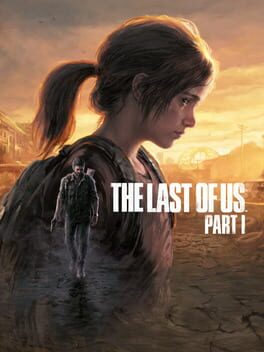
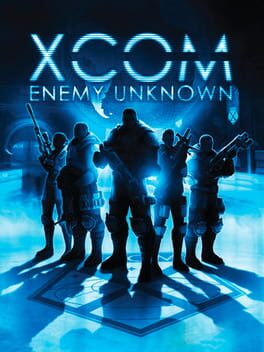
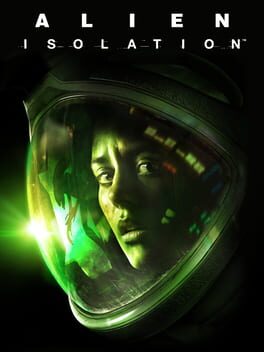
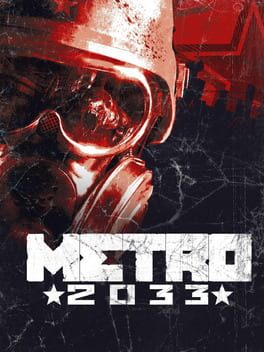
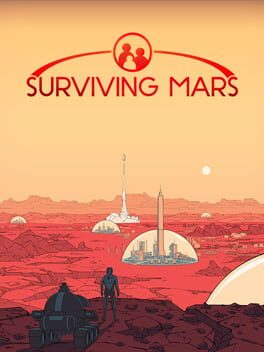
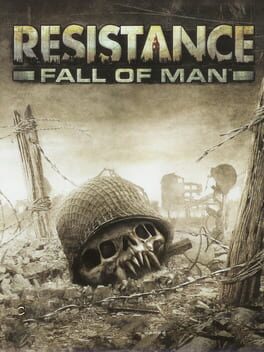
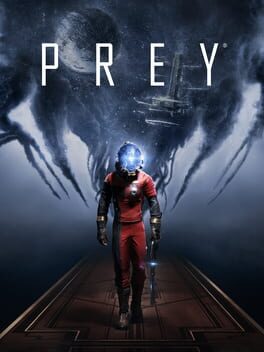
Games Where You Are the Survivor
Games that put you on the ground during civilizational collapse

The 2005 film's real subject is parenthood under impossible pressure
Spielberg's War of the Worlds is not a story about aliens. It is a story about a father who has failed his children at every ordinary turn, suddenly forced to protect them through the extraordinary. Tom Cruise's Ray Ferrier is not a hero; he is barely competent, frequently wrong, and driven by panic more than strategy. That is what makes it stick. The horror of the invasion is inseparable from the private horror of a parent who does not know if he is enough.

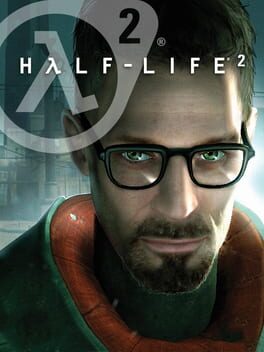
Half-Life 2 is the best interactive War of the Worlds adaptation that never admits it
Valve's 2004 masterpiece takes every structural beat of Wells's story and rebuilds it as a first-person survival journey: an occupying alien force that has already won, a human population ground down into compliance, and one ordinary man crossing a ruined landscape toward uncertain resistance. The Combine tripod-walkers are not subtle. Neither is the debt to Wells, and neither should it be.
Arrival is what the genre looks like when it trusts the audience completely
Denis Villeneuve's 2016 film is the anti-War of the Worlds in the best sense: first contact handled with patience, ambiguity, and linguistic precision instead of violence. Where Spielberg gives you fleeing crowds and collapsing overpasses, Villeneuve gives you silence and slow comprehension. The two films make a perfect double bill because they share the same starting point, the same weight of scale, and almost nothing else.
A Century of Martian Terror
- 1898H.G. Wells publishes the source novel, serialized in Pearson's Magazine
- 1938Orson Welles's radio broadcast causes widespread panic across the United States
- 1953George Pal's Hollywood adaptation wins the Oscar for Visual Effects War of the Worlds
- 1978Jeff Wayne releases his prog-rock concept album, still a bestseller decades later
- 1988A television sequel series continues from the 1953 film's events War of the Worlds
- 2004Half-Life 2 builds an occupation narrative deeply indebted to Wells Half-Life 2
- 2005Spielberg and Cruise remake the story as a post-9/11 survival thriller War of the Worlds
- 2019A new BBC/Canal+ series reimagines the invasion in a contemporary European setting War of the Worlds
Yet across the gulf of space, minds that are to our minds as ours are to those of the beasts that perish, intellects vast and cool and unsympathetic, regarded this earth with envious eyes, and slowly and surely drew their plans against us.H.G. Wells, The War of the Worlds (1898)