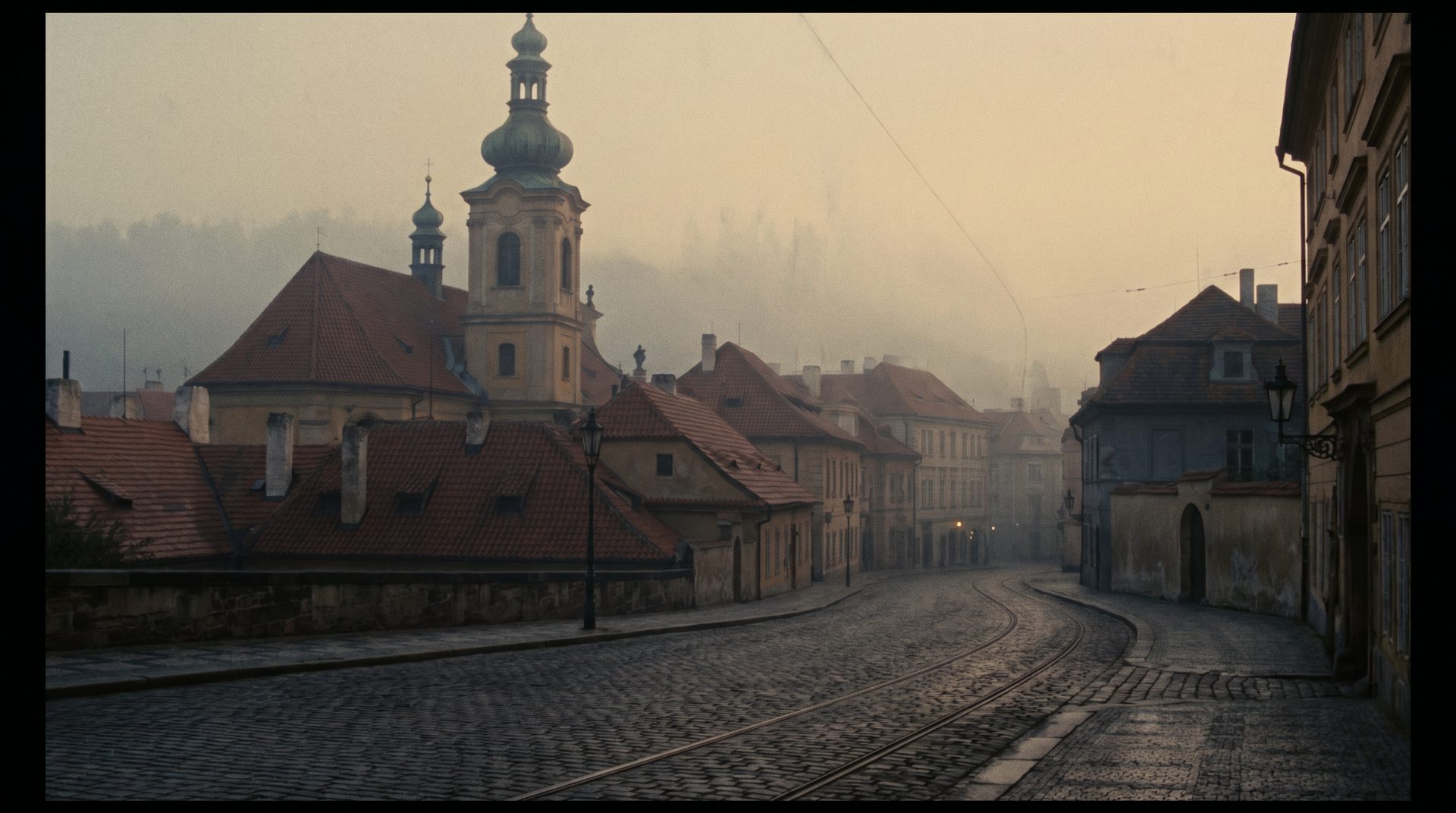

A cinema that learned to laugh sideways
Czech film has spent most of its life under one regime or another, and that pressure produced a peculiar genius: the ability to say everything while appearing to say nothing. The defining mode is the deadpan, the small humiliation, the ordinary man crushed by the gears of an absurd system. Where other national cinemas reached for tragedy, the Czechs reached for the shrug and the wry smile, which often cut deeper.
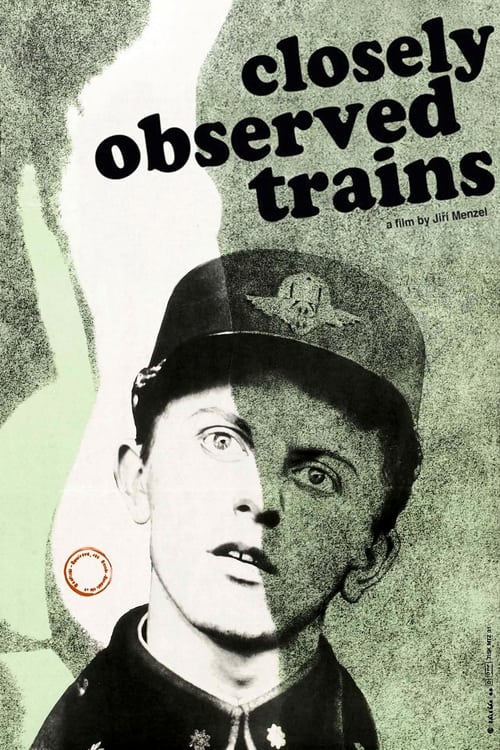
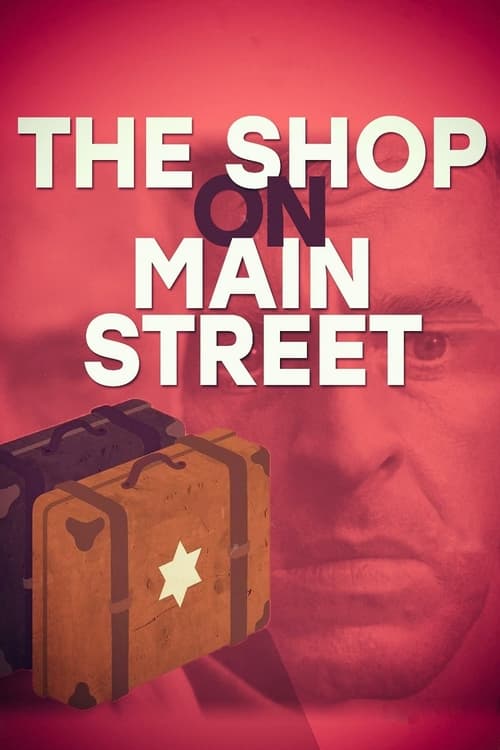
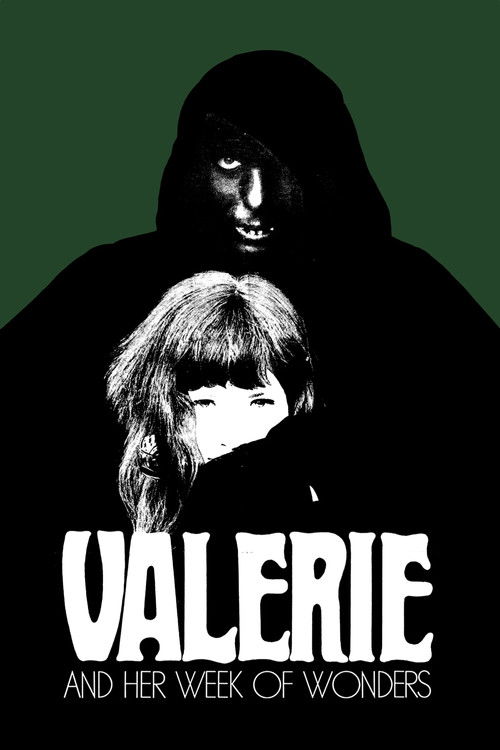
The high point came in the early 1960s. The Czechoslovak New Wave (Nova vlna) emerged from the FAMU film school in Prague and ran until the Soviet-led tanks rolled in during the 1968 invasion. Milos Forman, Vera Chytilova, Jiri Menzel, Jan Nemec, Ivan Passer and Evald Schorm made films of startling freedom: non-actors, improvisation, sexual frankness, political satire so dry it could pass the censors and still detonate. Two of these films, Menzel's Closely Watched Trains and the Slovak-set The Shop on Main Street, won the Foreign Language Oscar within a few years of each other.
Then there is the other Czech tradition, just as essential: animation and puppetry. Karel Zeman built impossible Jules Verne worlds out of engravings, and Jan Svankmajer turned stop-motion into a tool of surrealist terror. No account of this cinema is complete without the things that move when no one is looking.
The New Wave, in full
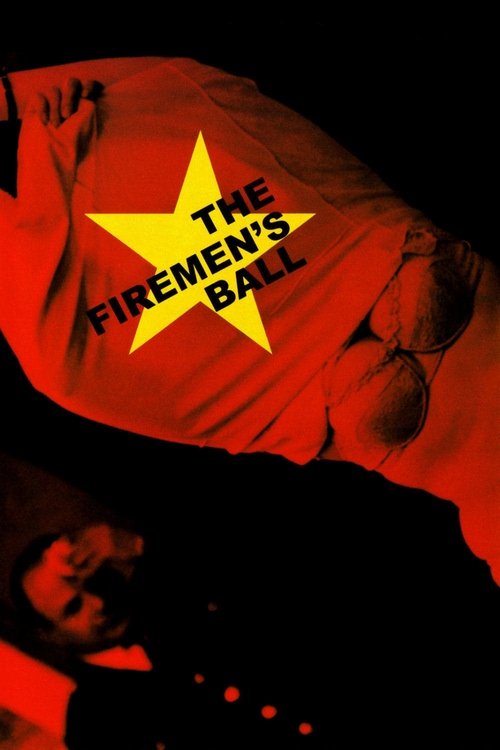
FAMU graduates who remade cinema between 1963 and the 1968 invasion
The Czechs never needed a hero. They needed a railway clerk who fails at everything, including dying, and somehow that told you more about totalitarianism than any martyr ever could.CrossBinge editors
Surrealism that bleeds
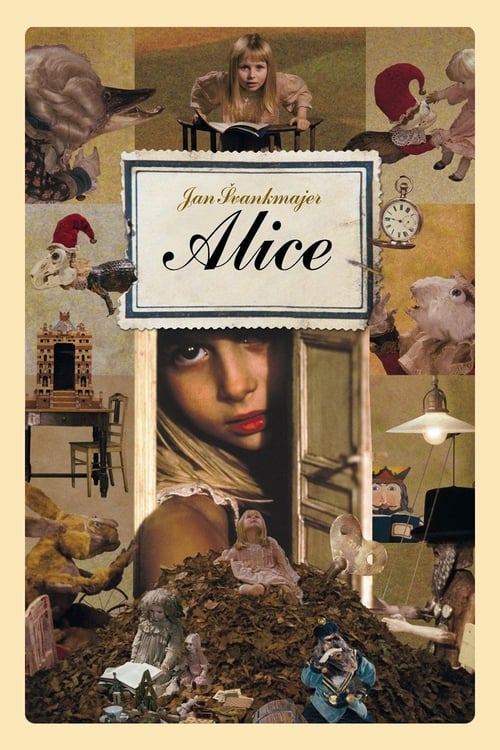
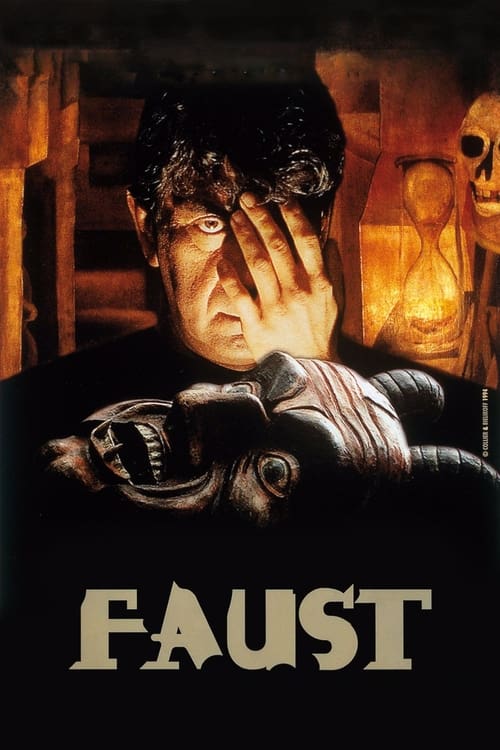
If the New Wave is the daylight Czech cinema, Jan Svankmajer is the basement. A lifelong surrealist, he treats stop-motion animation as a way to film the unconscious directly: meat that crawls, clay heads that devour each other, objects with menacing private lives. His Alice is among the most genuinely unsettling versions of Carroll ever made, and Conspirators of Pleasure and Little Otik prove the obsession never softened.
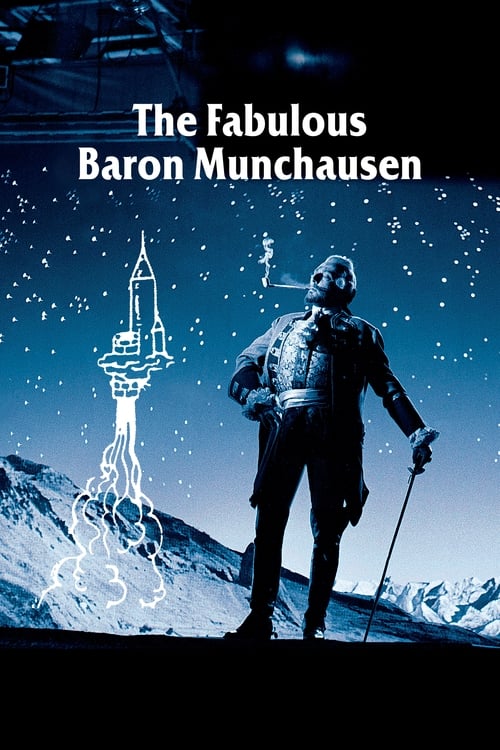
Before him came Karel Zeman, the gentler magician, who married live action to animated engravings to build the steampunk dream-worlds of Invention for Destruction and The Fabulous Baron Munchausen. And running through the whole century is the Czech love of the puppet, a tradition stretching back to the marionette theatres of the 19th century and forward into Jiri Trnka's films. This is one of the few cinemas where animation is not a children's ghetto but a serious adult art.
Things that move when no one is looking
Czech animation, surrealism and the puppet tradition
A century in tanks, thaws and Oscars
- 1933Gustav Machaty's frank, near-wordless erotic drama becomes an international scandal Ecstasy
- 1958Karel Zeman fuses live action with Verne-style engravings
- 1965Kadar and Klos win the Foreign Language Oscar The Shop on Main Street
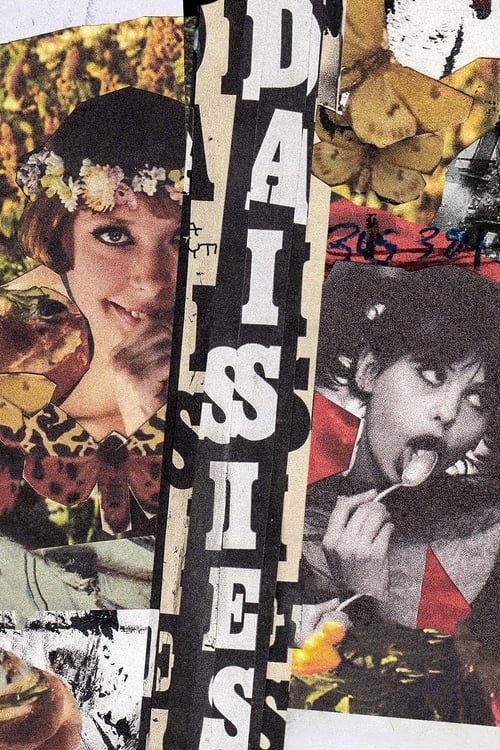
- 1966Chytilova's anarchic feminist provocation is promptly banned Daisies
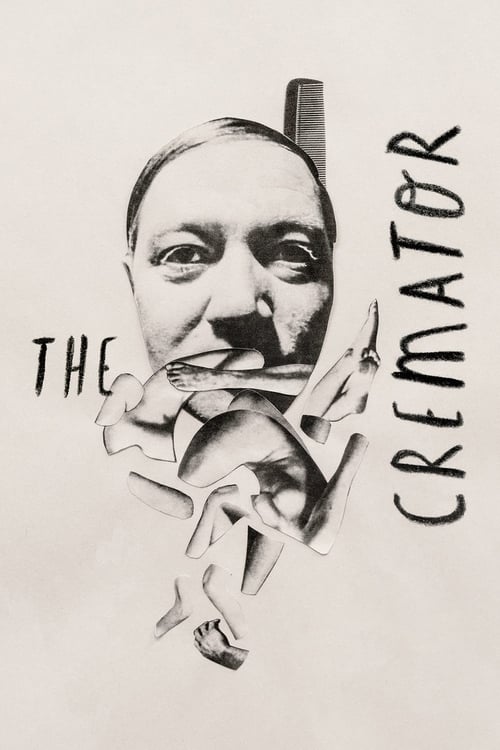
- 1967Menzel's railway tragicomedy takes the Foreign Language Oscar Closely Watched Trains
- 1968The Soviet-led invasion ends the Prague Spring; the New Wave is shut down and many directors emigrate
- 1996Jan Sverak's post-Communist crowd-pleaser wins the Foreign Language Oscar Kolya
- 2000Svankmajer's feature-length cautionary fairytale
After the tanks, and after the Wall
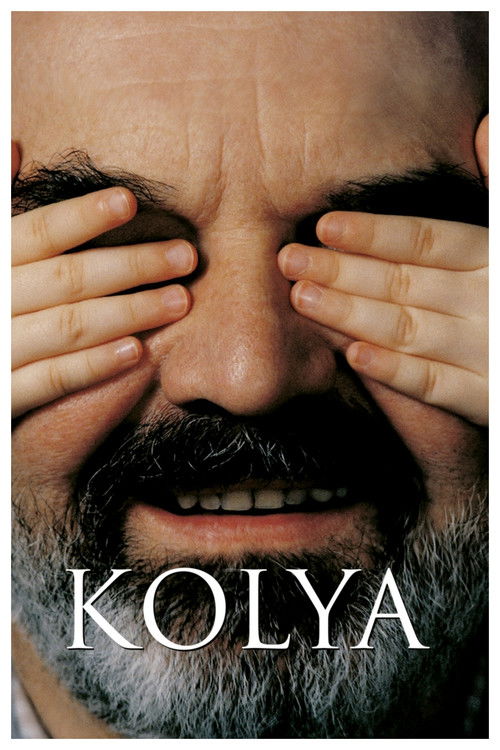
Normalization in the 1970s flattened much of what the New Wave had built. Forman and Passer were already in Hollywood; Chytilova kept fighting the censors at home. But the tradition did not die. After the Velvet Revolution of 1989, Jan Sverak (often working from scripts by his father, the actor Zdenek Sverak) brought the warm, melancholy, human comedy back to the world stage with Kolya, another Oscar winner. Jan Hrebejk's Divided We Fall and Ondrej Trojan's Zelary kept the Academy nominating Czech films into the 2000s.
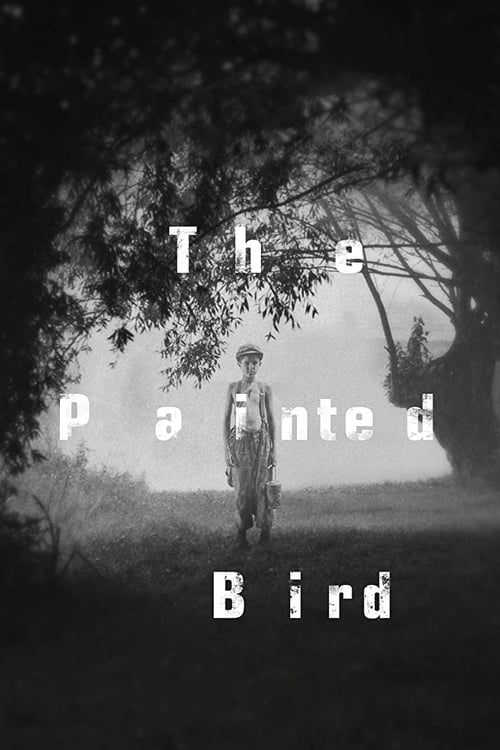
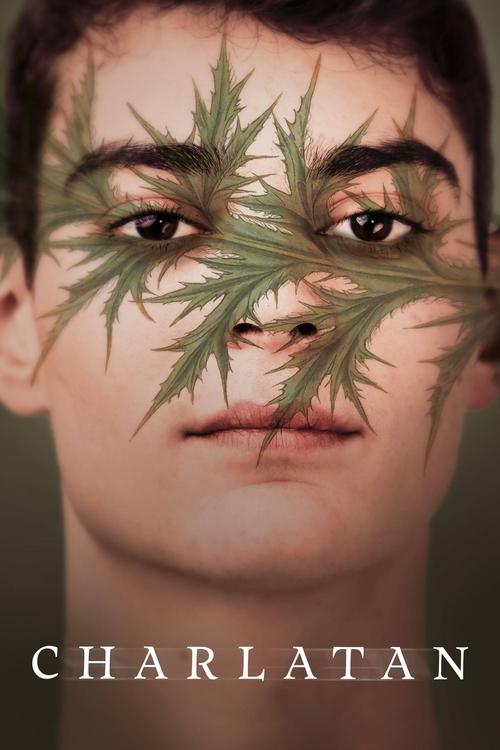
The contemporary scene is darker and more international. Vaclav Marhoul's The Painted Bird is a brutal black-and-white war epic, and Agnieszka Holland's Charlatan mines real history. The wit is still there, just colder, more European, less forgiving of the audience.
The post-1989 cinema
From Velvet Revolution warmth to a harder modern edge
The literature underneath the films
Prague writers whose absurdism and irony shaped the screen


Daisies is the most radical film this cinema ever made, and it still feels dangerous
Closely Watched Trains won the Oscar and Forman became a Hollywood institution, but Vera Chytilova's Daisies is the New Wave at its purest and least domesticated. Two girls named Marie decide that since the world is spoiled, they will be spoiled too, and the film dissolves into collage, food fights and pure formal anarchy. The Communist authorities banned it not for its politics but for wasting food, which tells you exactly how nervous it made them. Sixty years on it is still funnier, angrier and more formally inventive than almost anything being made now. If you only watch one Czech film, watch the Oscar winner. If you want to understand why this cinema mattered, watch Daisies.