
Aldous Huxley spent fifty years building one of the twentieth century's strangest careers: society satirist, prophetic dystopian, philosophical mystic, and psychedelic pioneer -- sometimes all at once. Readers who arrive via Brave New World often discover that the deeper Huxley is even more unsettling. The man who invented the Feelies and Soma as satire also genuinely believed that consciousness could be expanded, that beauty was a moral force, and that the conditioning he mocked in fiction was already well underway in real life. That double vision -- cool ironic distance plus urgent spiritual longing -- is the through-line his fans love. It turns up in the best dystopian fiction, in psychedelic cinema, in philosophical games and in the music of artists trying to name the thing lurking behind consensus reality.
Essential Aldous Huxley
The key books: where to start, where to go deep





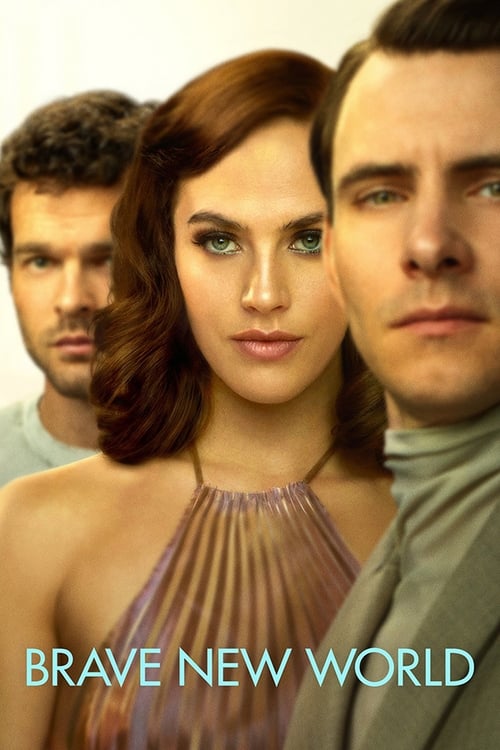
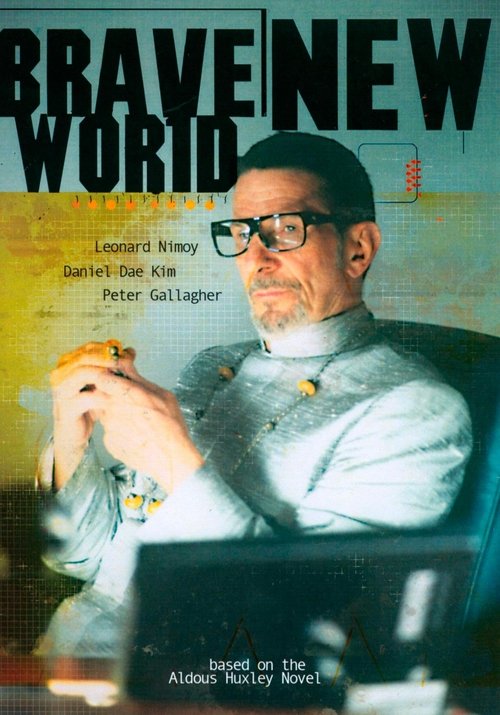
Brave New World on Screen
Adaptations of Huxley's work and the films made in his orbit

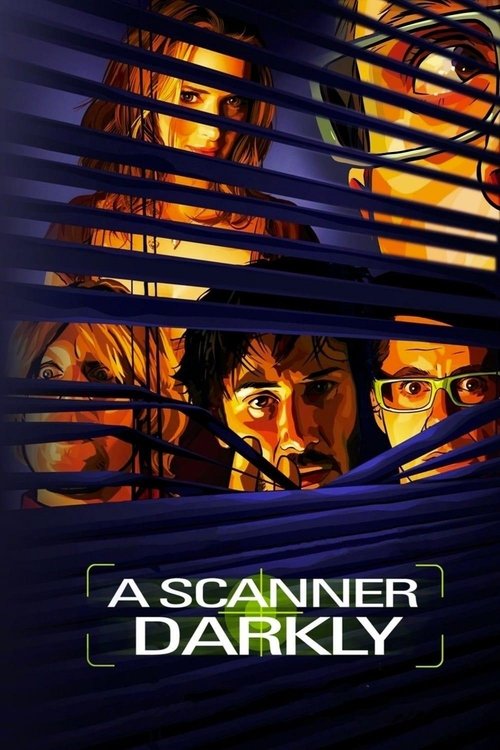
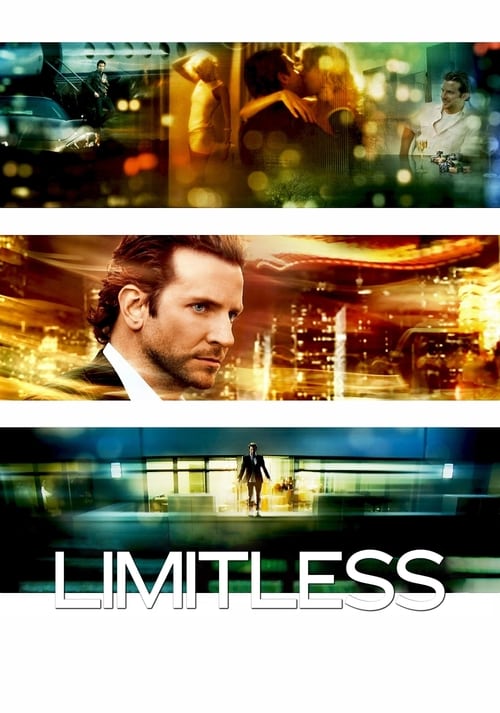

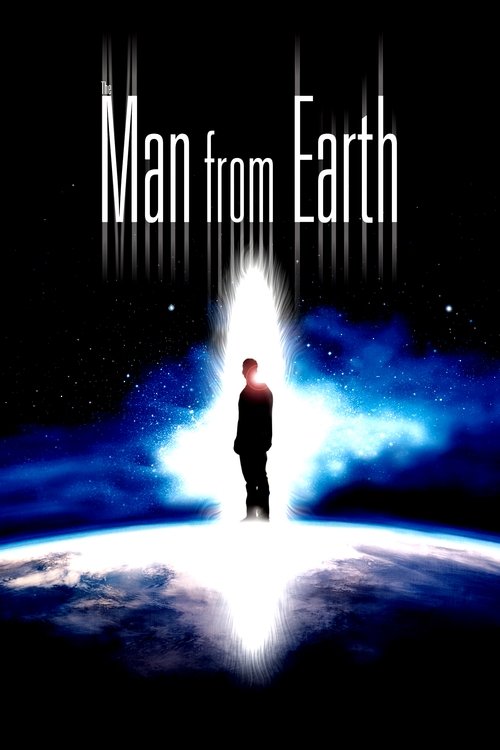
If You Love the Dystopian Satire
Novels and series that share Huxley's cold eye on engineered conformity


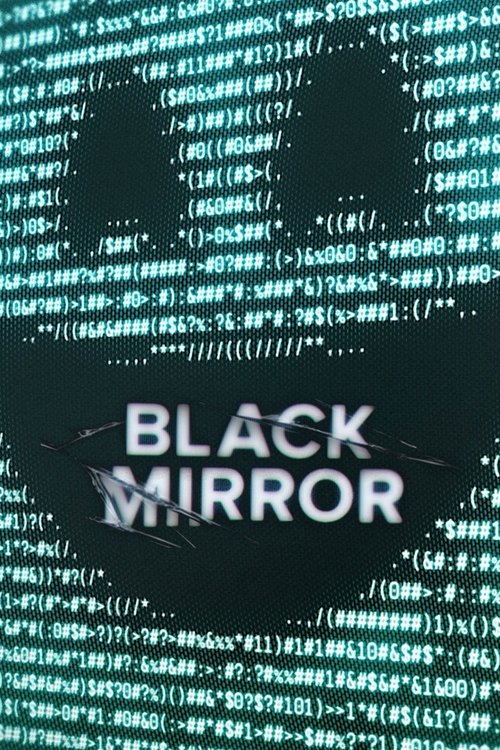

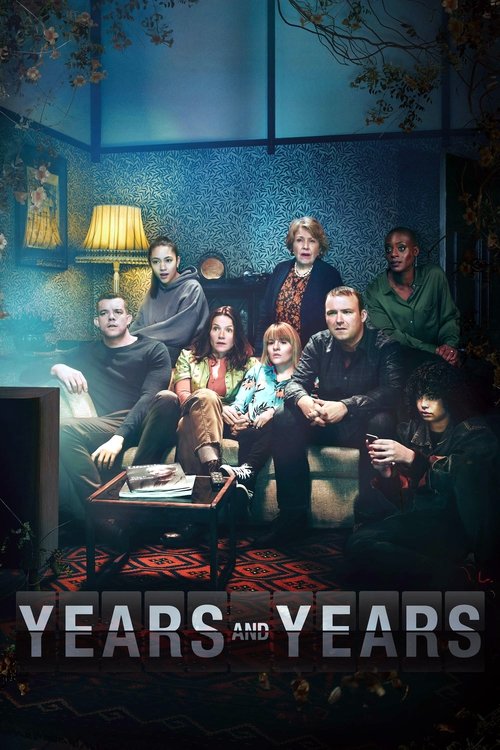
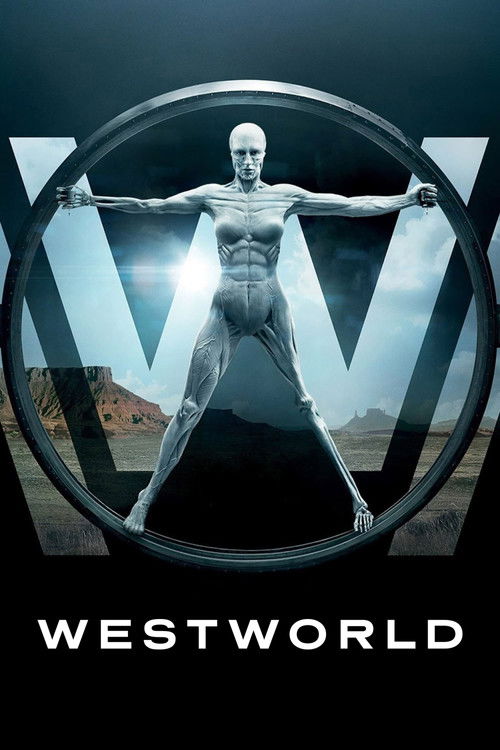
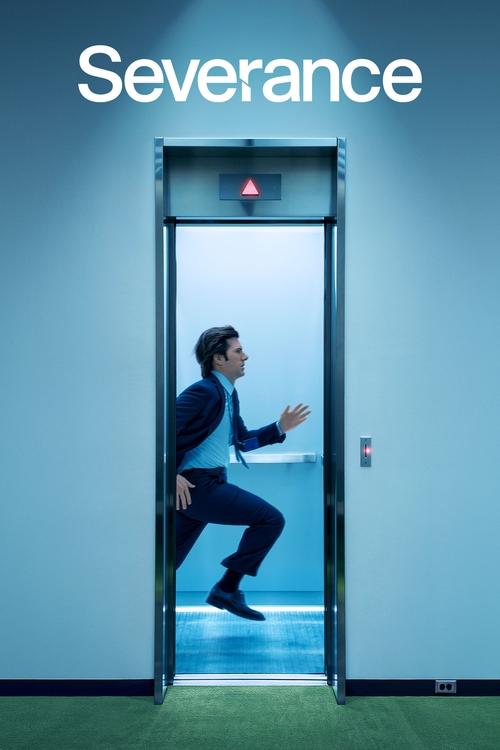
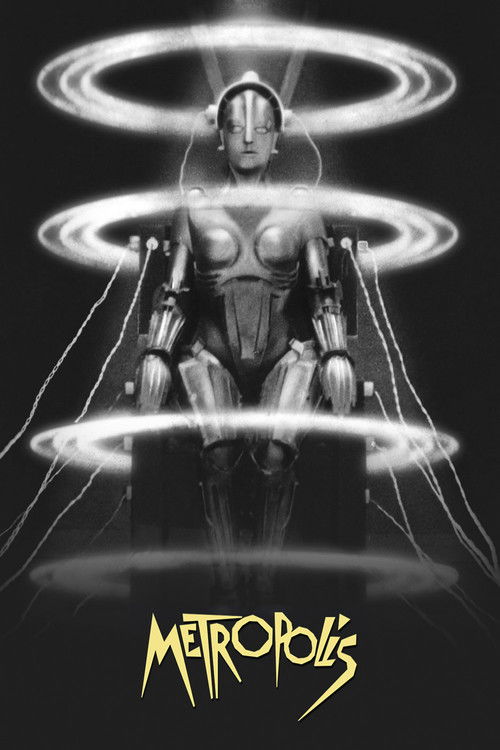
If You Love the Psychedelic Philosophy
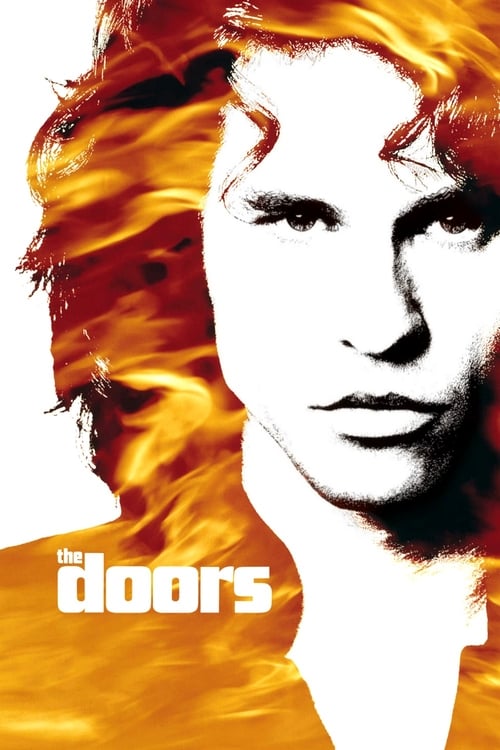
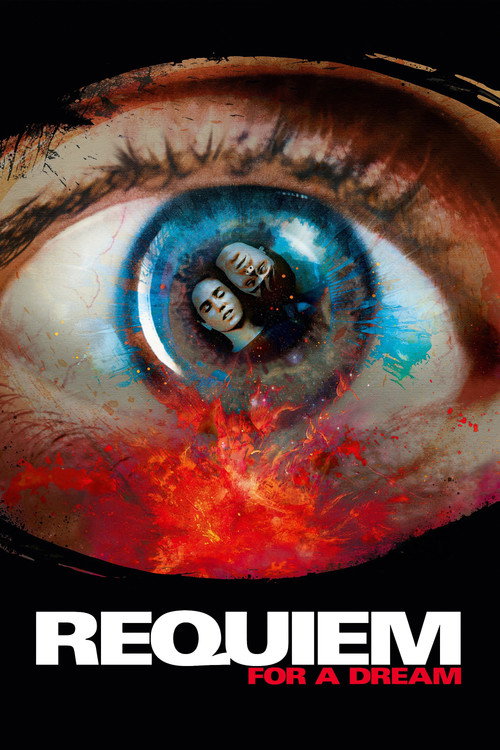
Films, series, and music that chase the same expanded-consciousness territory as The Doors of Perception
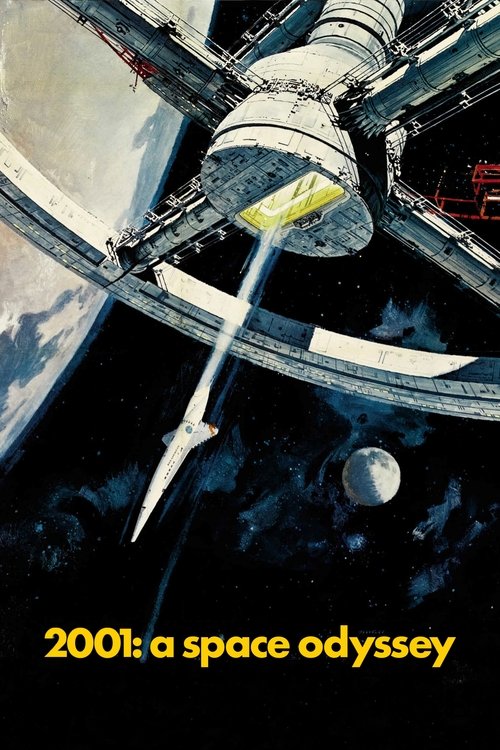
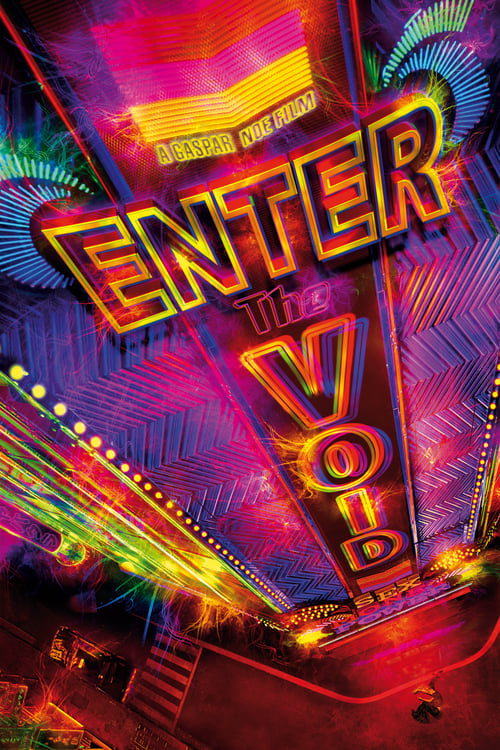

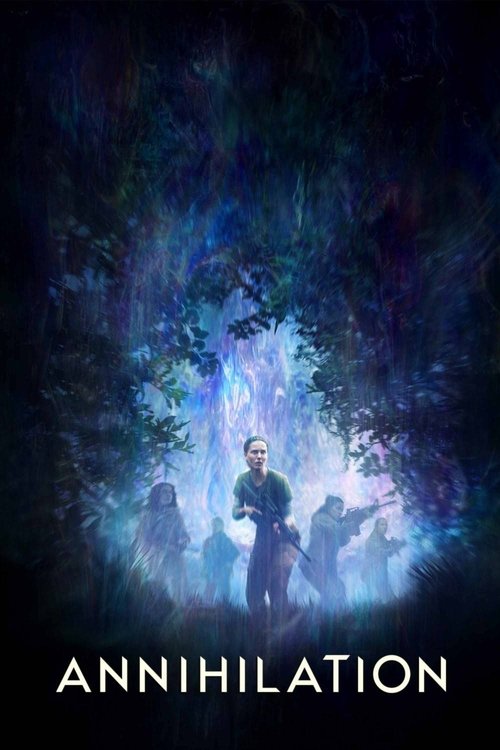
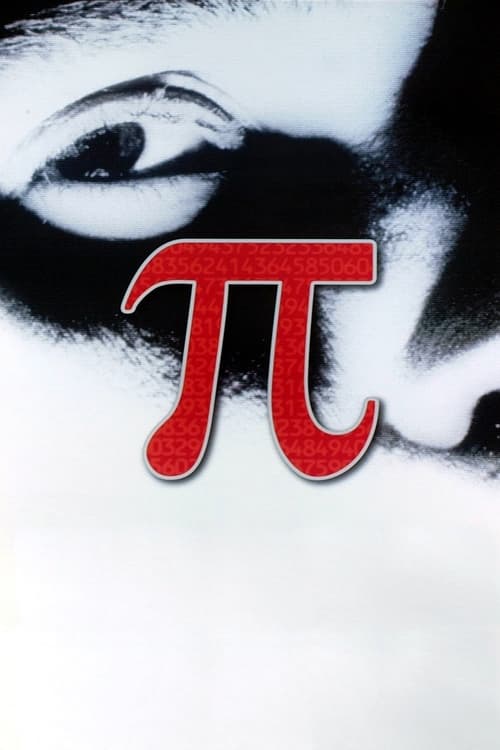


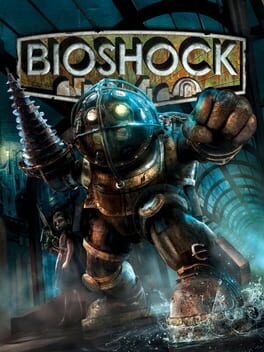
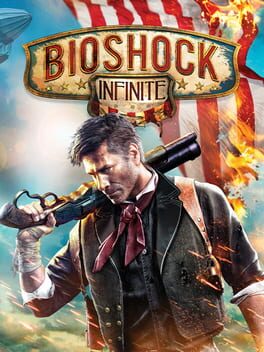
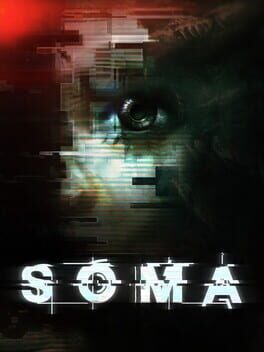
Games for the Philosophically Restless
Games that engage with control systems, consciousness, and the price of engineered utopia

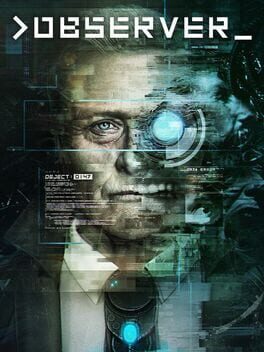
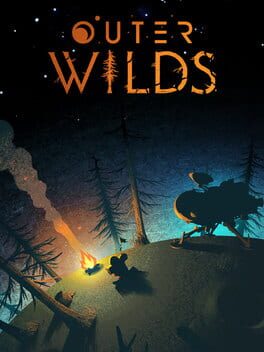
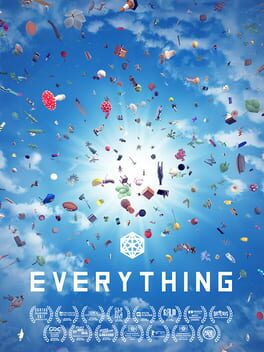
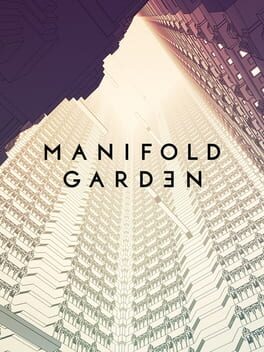
Fellow Visionary Writers
Authors who share Huxley's range: biting satire, speculative philosophy, or both


Brave New World Has Already Arrived
Huxley's dystopia has aged more unnerving than Orwell's precisely because it doesn't depend on jackboots. The conditioning is pleasant, the sedation is voluntary, the entertainment is genuinely enjoyable. Critics who read Brave New World as a Cold War allegory missed the sharper target: consumer capitalism's ability to generate consent through comfort. The forty years of hindsight Huxley assembled in Brave New World Revisited (1958) read today like a live wire. He wasn't predicting a possible future -- he was describing an accelerating present.

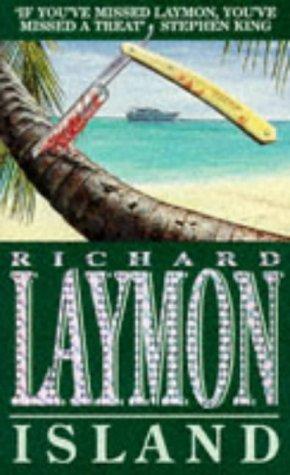
Island Is the Novel Huxley Actually Believed In
Island (1962) is the shadow twin of Brave New World, written thirty years later by a man who had taken mescaline and decided to describe what a sane society might actually look like. It is idealistic, sometimes naive, and completely sincere -- which is why it gets less attention than the bleaker masterpiece. But for serious Huxley readers, it is the emotional key to everything: the positive programme behind the satire. The utopia of Pala doesn't survive the novel's ending, but Huxley makes sure you feel the weight of what is lost.

The Doors of Perception Changed What Art Was Allowed to Be
When The Doors of Perception was published in 1954, it was a polite English essay. Within fifteen years it had detonated through popular culture -- naming a rock band, seeding psychedelic art, legitimising subjective experience as a subject for serious writing. Huxley was not the first intellectual to take mescaline, but he was the first to write about it in plain, honest prose that a wide audience could follow. That directness is what made it dangerous. He didn't promise transcendence; he reported exactly what he saw, including the parts that were banal, and let readers draw their own conclusions.
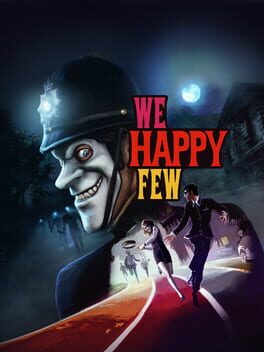
We Happy Few Is the Purest Huxley Game
We Happy Few borrows Huxley's central premise so directly it amounts to an interactive adaptation: a 1960s alternative England where the population stays docile on a mandatory happiness drug called Joy, and the horror is precisely that most people choose not to see past it. The game's commentary on wilful blindness, on the social cost of opting out of consensus unreality, is more sustained than its reviews suggested. For Huxley readers, playing it is a genuinely unsettling experience -- the mechanics of consent and conditioning made tactile.
Huxley's Arc: Satire to Mysticism
- 1921Crome Yellow: the satirist debuts Crome yellow
- 1928Point Counter Point: the great English novel of ideas Point Counter Point
- 1932Brave New World published -- the dystopia that changed everything Brave New World
- 1936Eyeless in Gaza: the pacifist crisis Eyeless in Gaza
- 1944The Perennial Philosophy: the mystical synthesis The perennial philosophy
- 1948Ape and Essence: post-nuclear nightmare Ape and essence
- 1954The Doors of Perception: mescaline, vision, and the start of the psychedelic canon The Doors of Perception / Heaven and Hell
- 1958Brave New World Revisited: the prophecy updated Brave New World Revisited
- 1962Island: the hopeful utopia, his final novel Island
- 1963Huxley dies; The Doors name themselves after his essay the following year
Soft cages and engineered humans
Dystopian Societies
Explore the Dystopian Societies guide →Every man's memory is his private literature.Aldous Huxley