
Albert Camus built a body of work around a single confrontation: life is absurd, death is certain, and meaning is not given to us. What follows from that, he insisted, is not despair but revolt. The sun-scorched Algeria of his childhood runs through his fiction as heat, light, and a kind of moral nakedness. His characters, from Meursault to Dr. Rieux, refuse comfortable lies. Readers who love Camus are drawn to that combination of limpid prose and philosophical weight, to stories that feel both spare and infinite. The works below reach across every medium for the same qualities: moral seriousness, existential clarity, and the insistence that lucidity is its own form of courage.
Essential Albert Camus
The novels, essays, and plays that define his vision


Camus on Screen
Adaptations and films that carry his moral atmosphere
Writers in the Same Register
Authors who share Camus's existential clarity and moral urgency


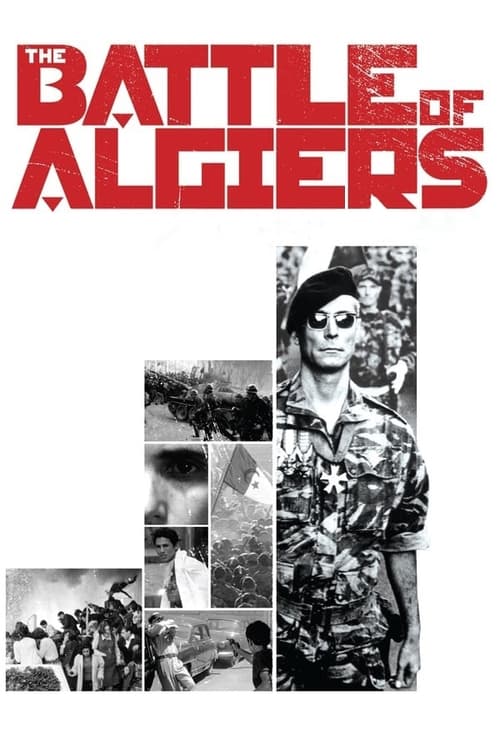
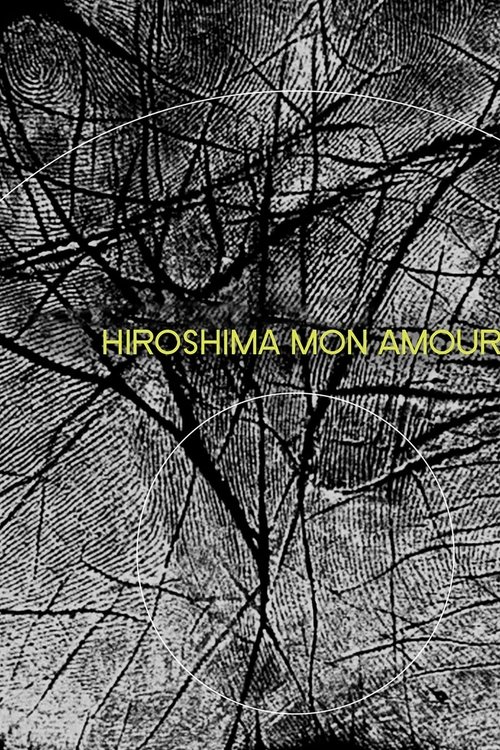
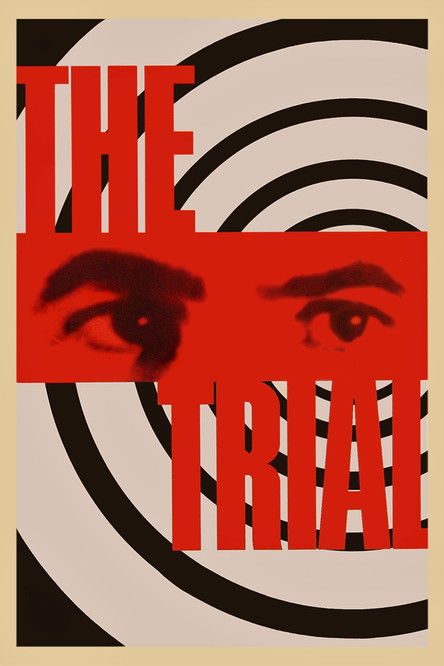
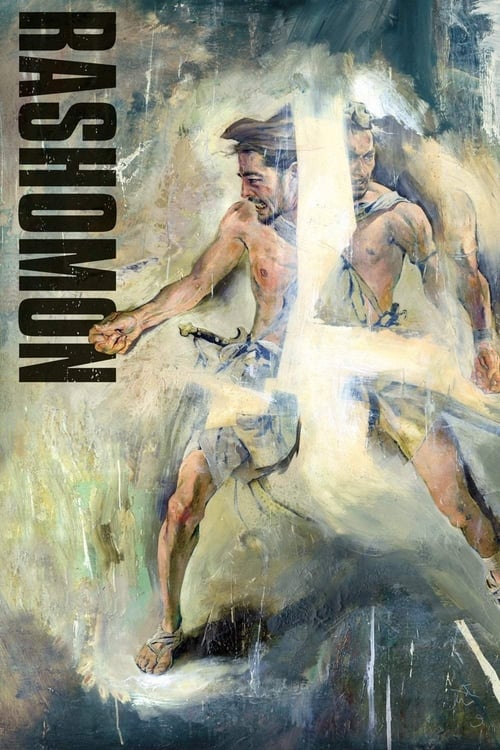
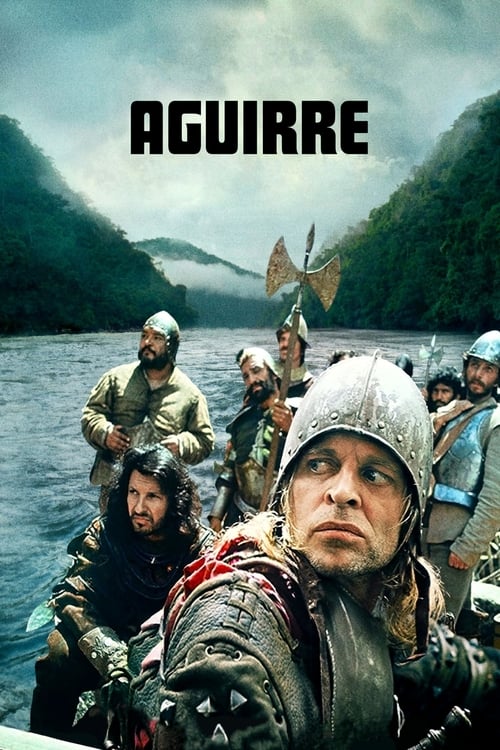
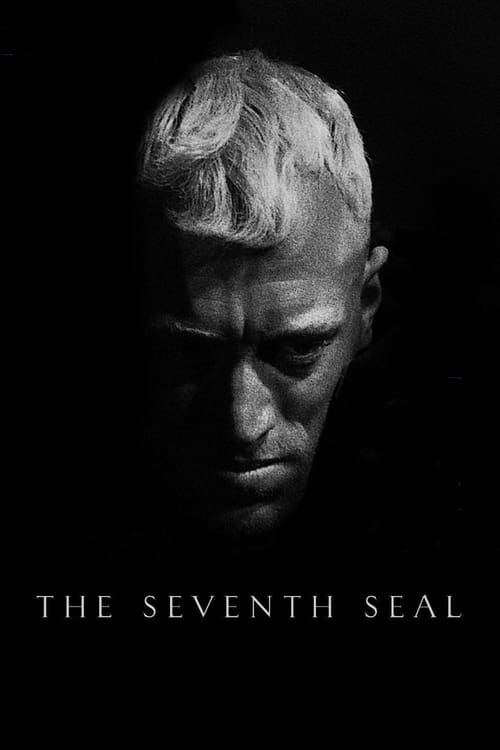
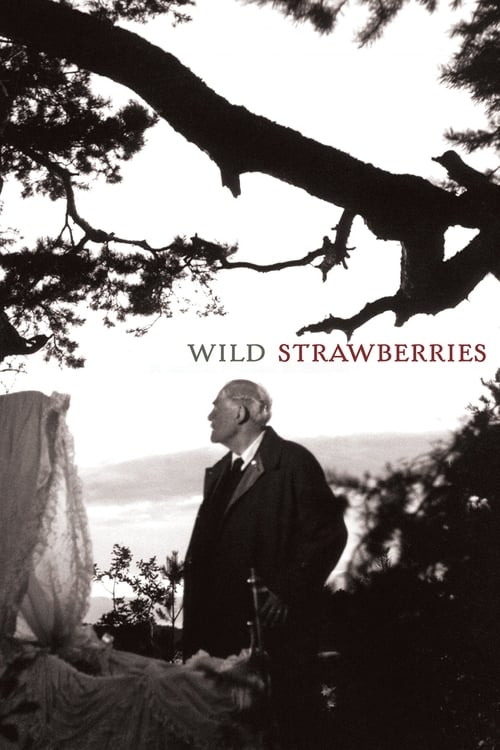
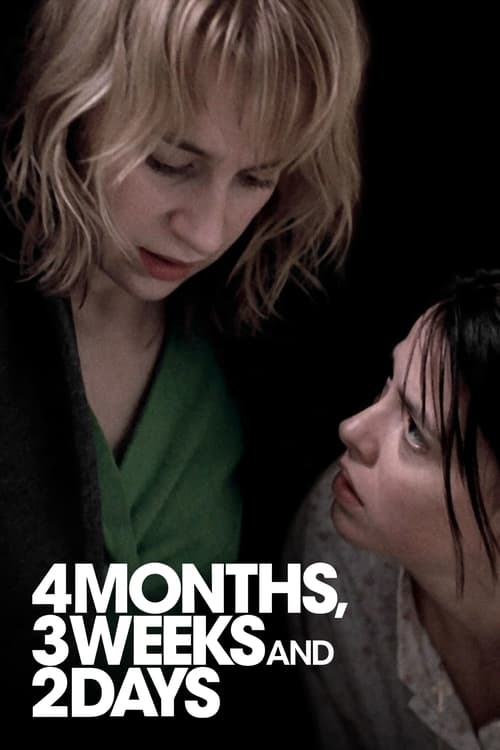
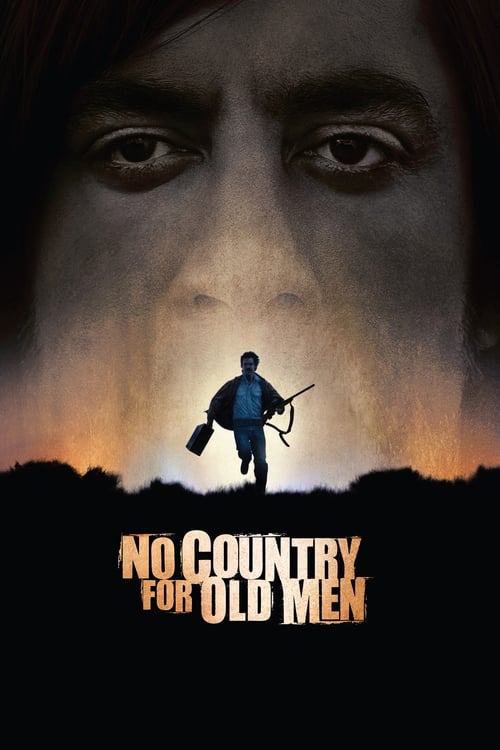
Films That Live in the Absurd
Cinema with the same sense of moral isolation and human defiance



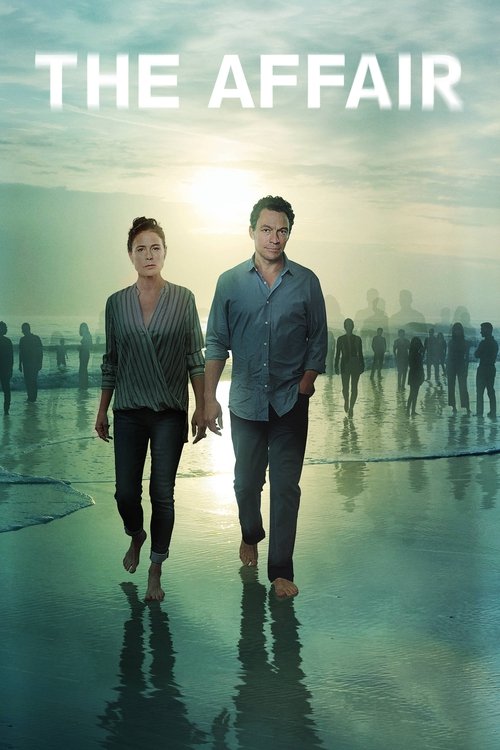
Series with Existential Gravity
Television that sits with moral ambiguity the way Camus did





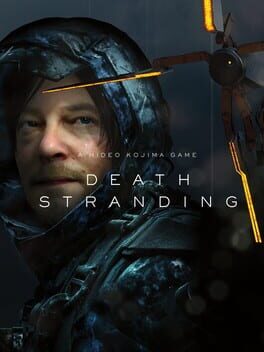
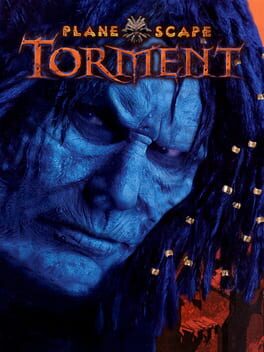
Games for the Philosophically Restless
Worlds that wrestle with meaning, mortality, and rebellion
The Plague Is Always Now
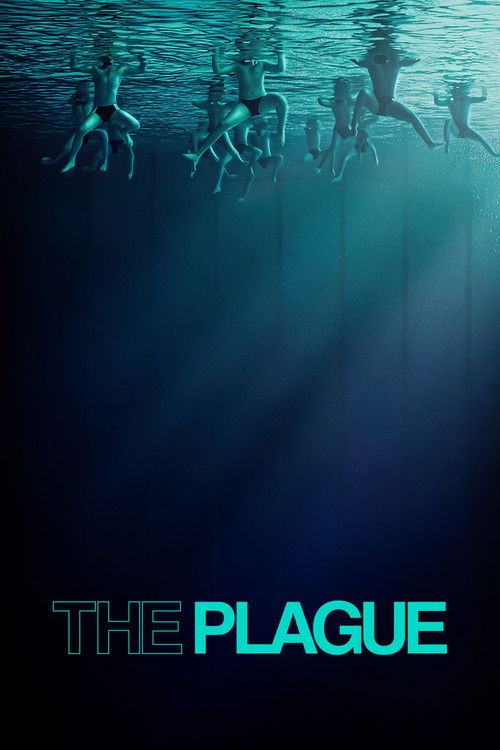
Camus wrote 'The Plague' as an allegory for the Nazi occupation, but readers keep finding it newly relevant. The novel's power comes from its refusal of heroism as a category. Dr. Rieux does not fight the plague because he is brave or noble; he fights it because it is in front of him and he is a doctor. That stripped-down sense of duty, without metaphysical reward, is what Camus called revolt. It is the most practical philosophy in the canon.

Meursault and the Problem of Feeling Nothing
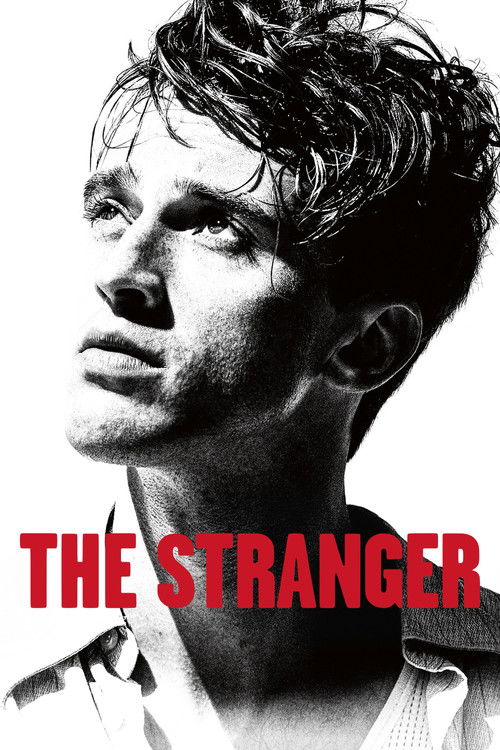
Meursault does not mourn his mother and does not pretend to. Camus was not celebrating emotional vacancy; he was showing what happens when a man refuses society's script for how to feel. The Stranger is short enough to read in an afternoon and long enough to argue about for a lifetime. Its violence is sudden and banal in exactly the way violence usually is, which is part of what makes it so unsettling.
Sisyphus, Happy
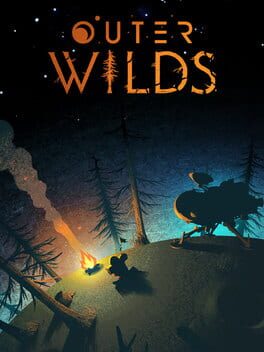
The Myth of Sisyphus ends with the assertion that we must imagine Sisyphus happy. This is not irony and it is not resignation. Camus is arguing that the full acknowledgment of futility, without the escape hatch of faith or ideology, is the only honest form of freedom. 'Outer Wilds' reaches the same conclusion through sixty hours of planetary exploration and a time loop. The two works share a final beat that is both devastating and oddly cheerful.
Algeria Is Not a Backdrop
Camus loved Algeria and could not resolve the colonial question at its center. 'The First Man', the autobiographical novel left unfinished at his death, is the most direct account of his origins: working-class, pied-noir, formed by poverty and by light. Readers who approach it after 'The Stranger' will find a different register, warmer and more personal, and a writer in the middle of understanding where he actually came from.
Camus: A Life in Works
- 1937First published essays on the Mediterranean and Algerian landscape
- 1942The novel that made his name, published during the Occupation The Stranger
- 1942The philosophical essay on the absurd, written alongside the novel The Myth of Sisyphus and Other Essays
- 1944The play performed clandestinely in occupied Paris
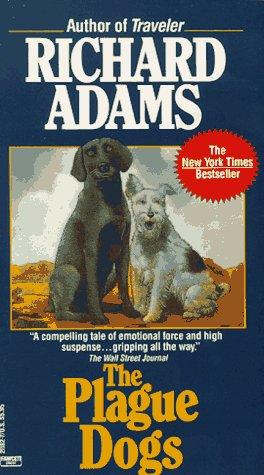
- 1947His most widely read novel, a collective portrait of solidarity and limits The Plague Dogs
- 1951A philosophical history of revolt against tyranny and nihilism The rebel
- 1956A darker, more self-lacerating novel set in Amsterdam The Falls
- 1957Awarded the Nobel Prize in Literature at age 44
- 1960Died in a car accident; 'The First Man' manuscript found at the scene
- 1994The unfinished autobiographical novel published posthumously First Man
Existential dread, bleak landscapes
For Fans of Franz Kafka
Explore the For Fans of Franz Kafka guide →One must imagine Sisyphus happy.Albert Camus, The Myth of Sisyphus (1942)