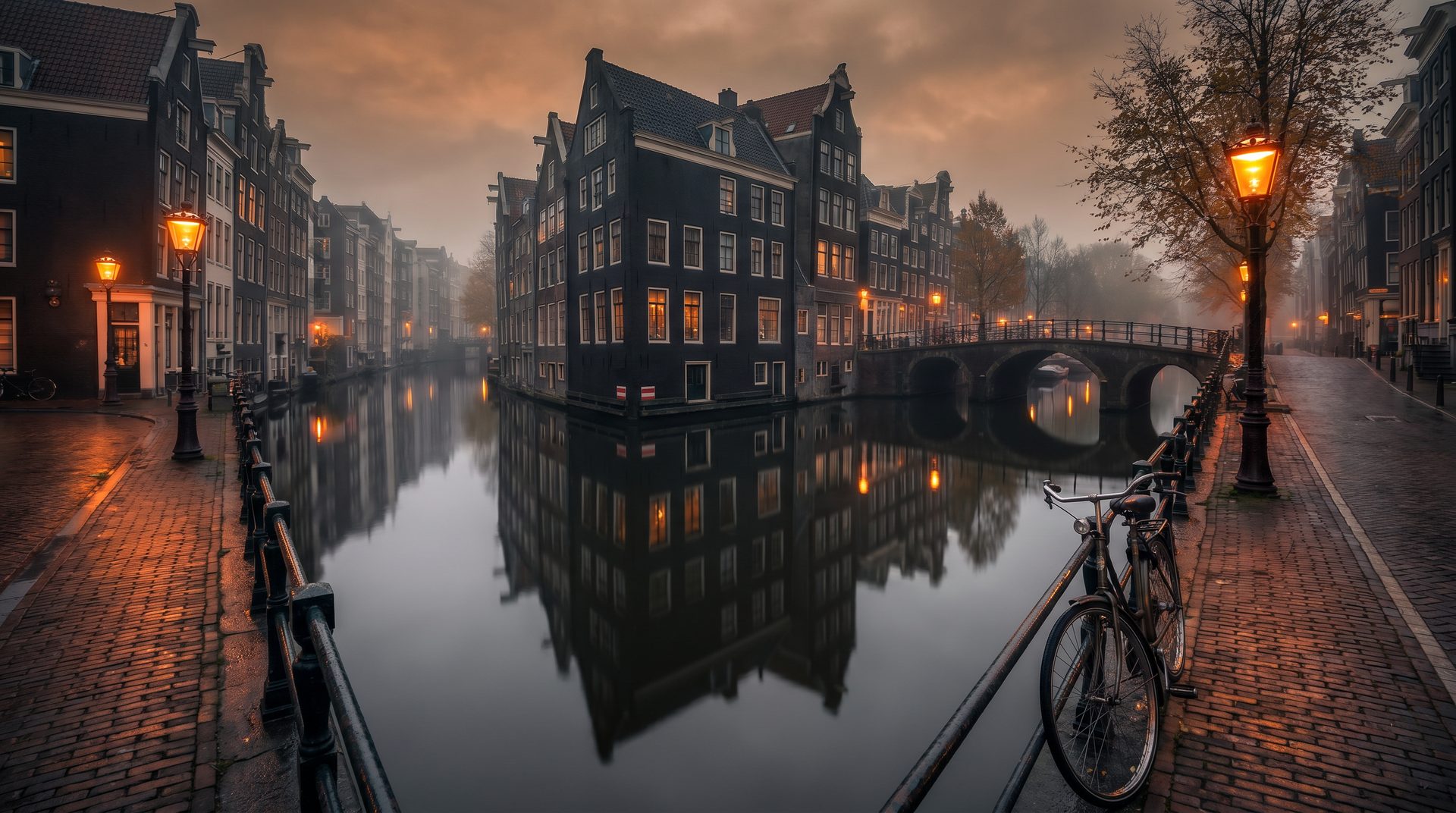

A blunt cinema for a blunt culture
Dutch-language film has never been precious about taste. The country that gave the world Rembrandt and the cool, unsentimental light of the Golden Age painters also produced a cinema that stares hard at bodies, money, sex, and death without flinching. Paul Verhoeven made his name in the Netherlands with sweaty, frank dramas before Hollywood handed him RoboCop and Basic Instinct, and the through-line is consistent: provocation in service of moral seriousness. This is a cinema that distrusts good manners.
It is also genuinely two cinemas under one language. The Netherlands and Dutch-speaking Flanders (Belgium) share the tongue but not the temperament. The Dutch tend toward the satirical, the absurd, the icy; the Flemish toward the earthy, the rural, the tragicomic. Both punch far above their population, and both have a documentary backbone, from Joris Ivens, the globe-trotting communist poet of the camera, to Bert Haanstra, whose mirror-of-Holland films won an Oscar.
The auteurs who define it
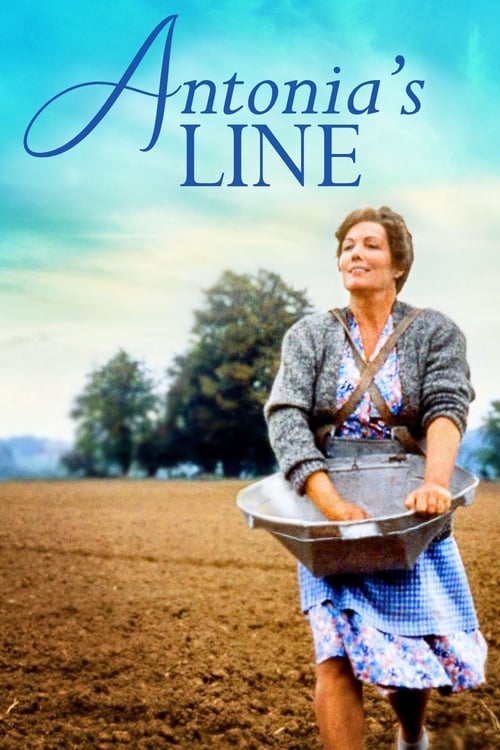
Four names carry most of the weight. Paul Verhoeven built the template for transgressive Dutch realism. Alex van Warmerdam turned deadpan absurdism into a national signature, his films looking like Magritte paintings that have started to misbehave. Marleen Gorris won the Foreign Language Oscar for Antonia's Line and made feminist anger cinematic. And in Flanders, Felix van Groeningen brought a raw emotional maximalism that travels.
The Verhoeven Netherlands
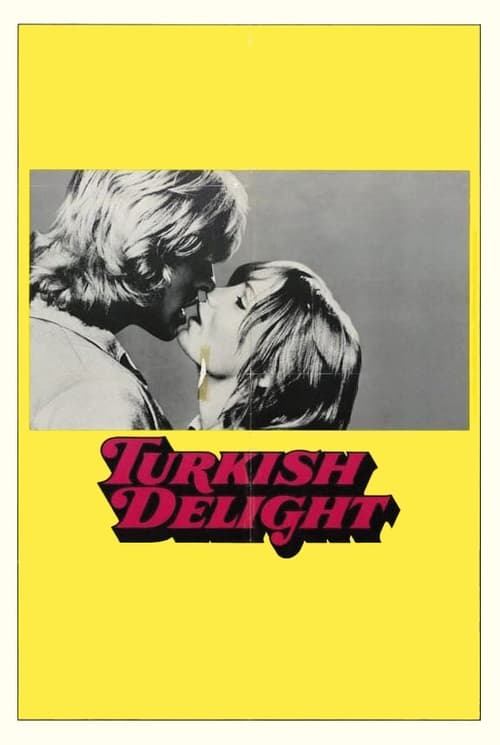
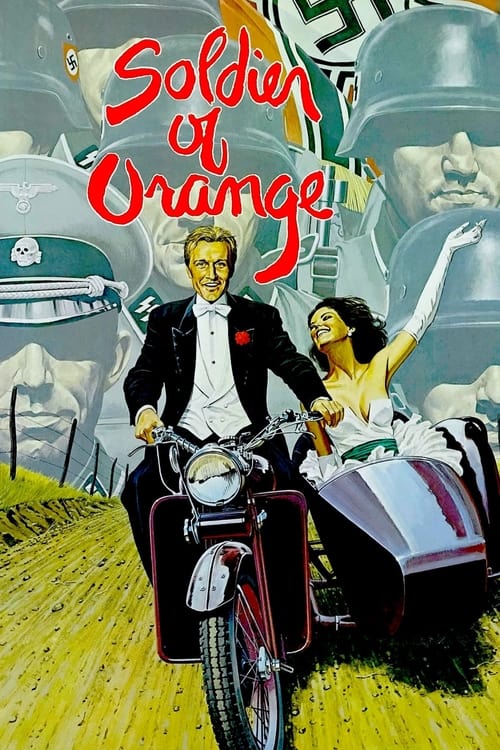
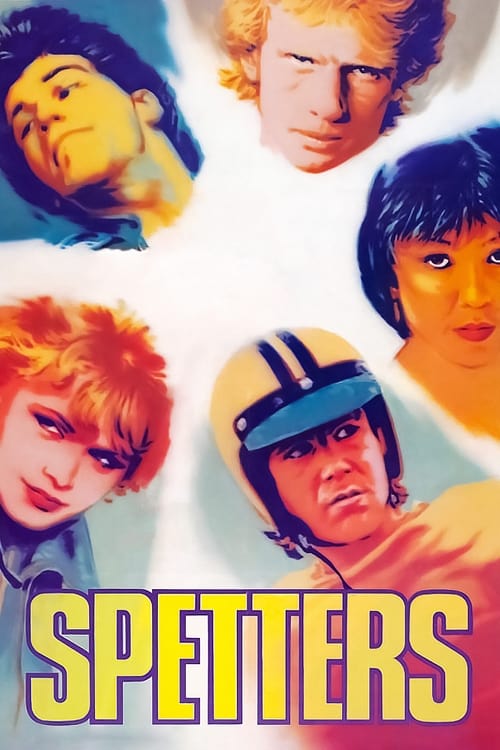
Before Hollywood, his Dutch films set the tone: frank, physical, morally unsparing.
The Dutch do not make films to be liked. They make films to be argued with.CrossBinge editors
Oscar gold and the festival circuit
The Netherlands has won the Foreign Language Oscar three times, more than its size suggests.
The absurd and the unbearable
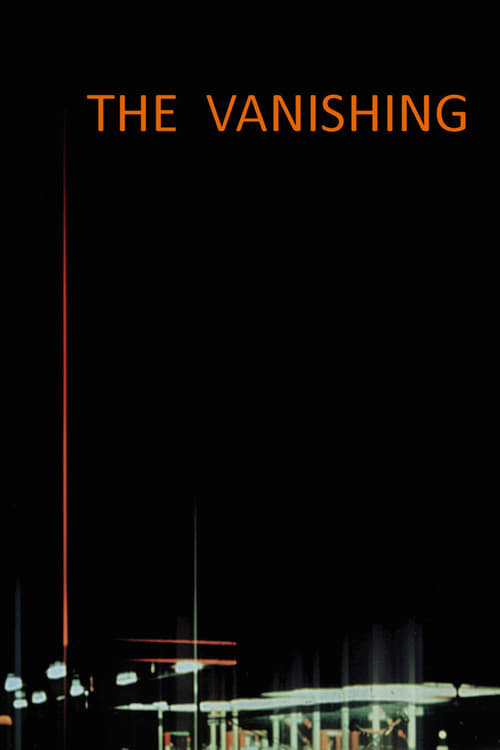
The single most chilling film this language has produced is George Sluizer's The Vanishing (Spoorloos), a study of evil so methodical that Stanley Kubrick reportedly called it the most terrifying film he had seen. It works because it is patient and ordinary, which is the Dutch mode: horror that wears a cardigan.
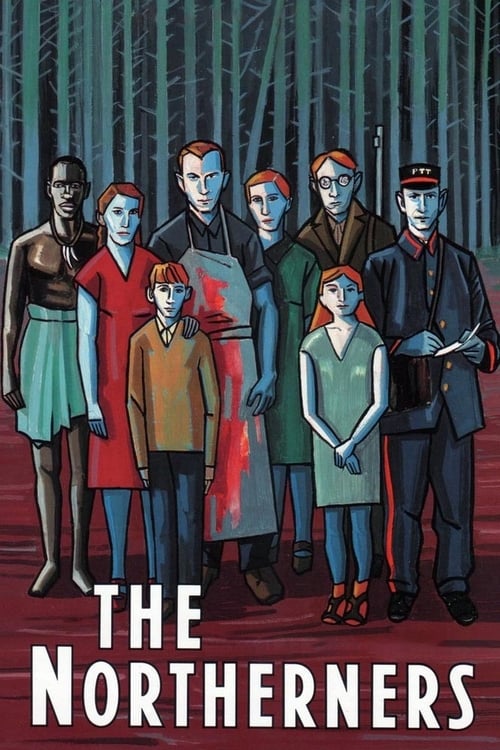
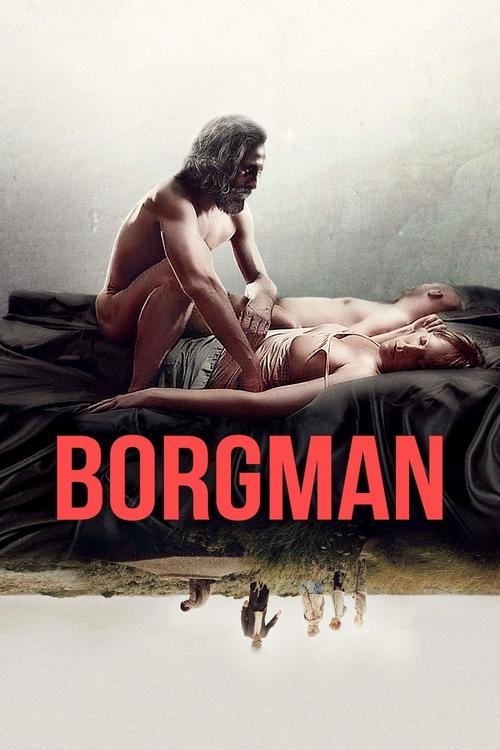
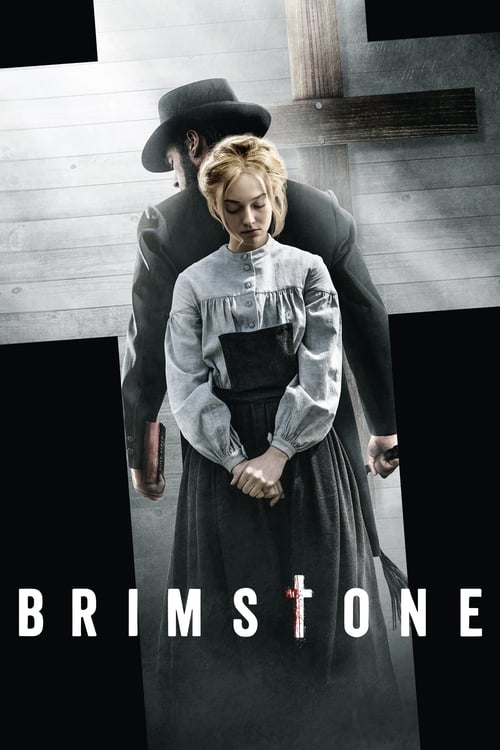
Against that, Alex van Warmerdam offers the comic flip side. The Northerners, The Dress, Borgman: tidy frames, suburban order, and something deeply wrong crawling underneath. Van Warmerdam is the closest thing Dutch cinema has to a Buñuel, and Borgman (2013) brought him back to Cannes competition. Martin Koolhoven's Brimstone later proved the Dutch could do American-scale genre brutality with a European brain attached.
Deadpan and the deeply wrong
Van Warmerdam's absurdism and the darkest corners of the Dutch imagination.
A century of Dutch-language film
- 1929Joris Ivens completes the rhythmic city symphony Rain, launching a documentary tradition. Rain
- 1959Bert Haanstra's Glass wins the Academy Award for short documentary. Glass
- 1973Verhoeven's Turkish Delight becomes the most-attended Dutch film ever and earns an Oscar nomination. Turkish Delight
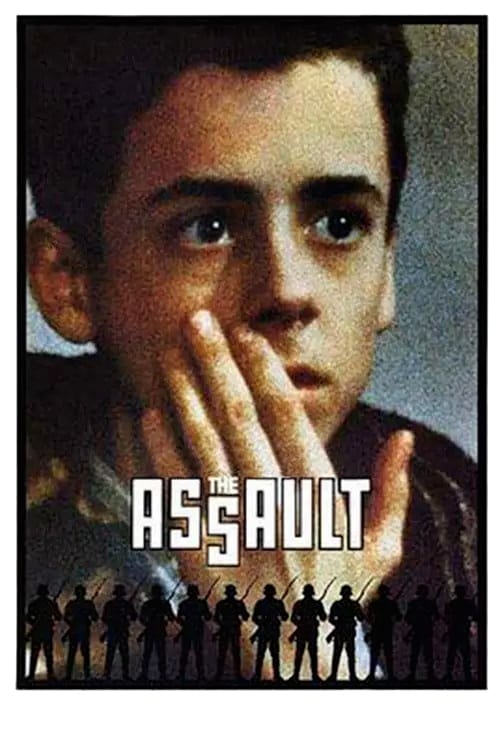
- 1986Fons Rademakers' The Assault wins the Foreign Language Oscar. The Assault
- 1988George Sluizer's The Vanishing redefines the slow-burn thriller. The Vanishing
- 1995Marleen Gorris' Antonia's Line takes the Foreign Language Oscar. Antonia's Line
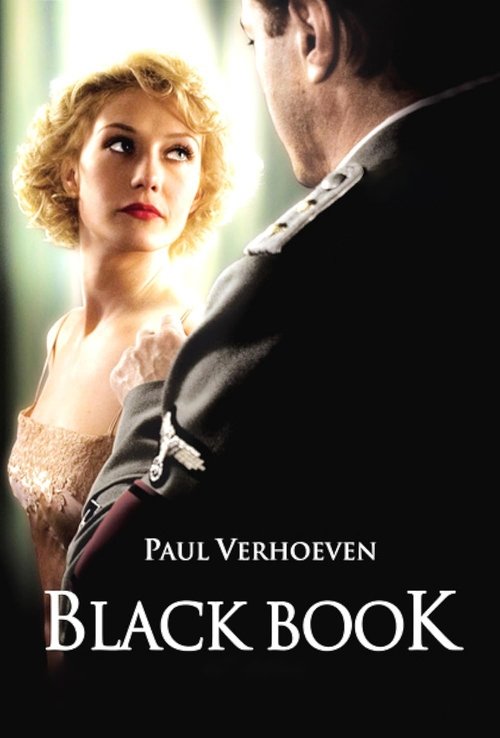
- 2006Verhoeven returns home for the WWII epic Black Book. Black Book
- 2012Flanders' Felix van Groeningen breaks out with The Broken Circle Breakdown. The Broken Circle Breakdown
- 2013Van Warmerdam's Borgman competes for the Palme d'Or. Borgman
Flanders: the southern voice
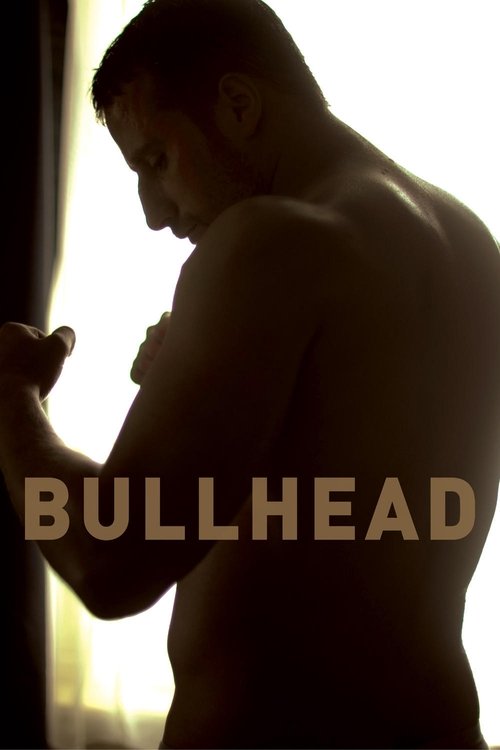
Dutch-speaking Belgium runs its own engine. Felix van Groeningen's The Broken Circle Breakdown married bluegrass music to grief and earned an Oscar nomination; his The Misfortunates is rowdier and just as tender. Michael R. Roskam's Bullhead (Rundskop), a noir about cattle hormones and masculinity gone septic, also reached the Oscar shortlist and launched Matthias Schoenaerts into international stardom. Flemish cinema tends to be wetter, sadder, and more rooted in soil and family than its northern cousin.
Television, the new arena
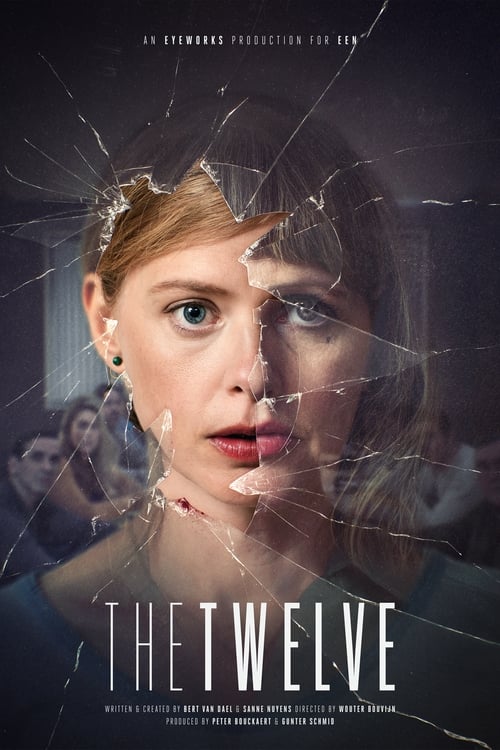
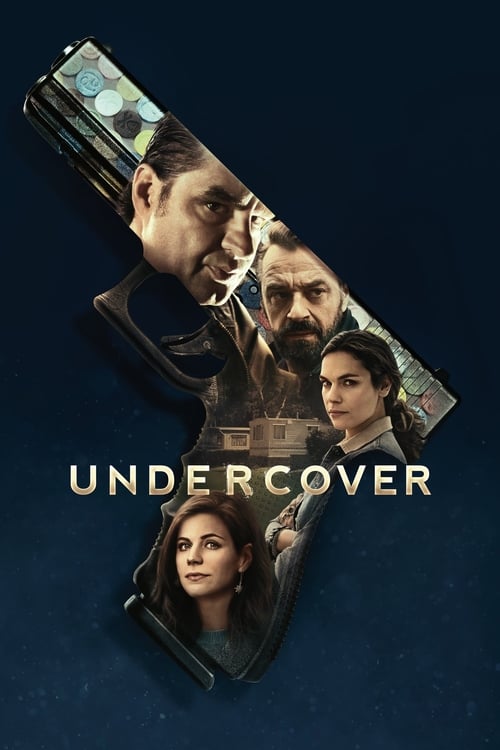
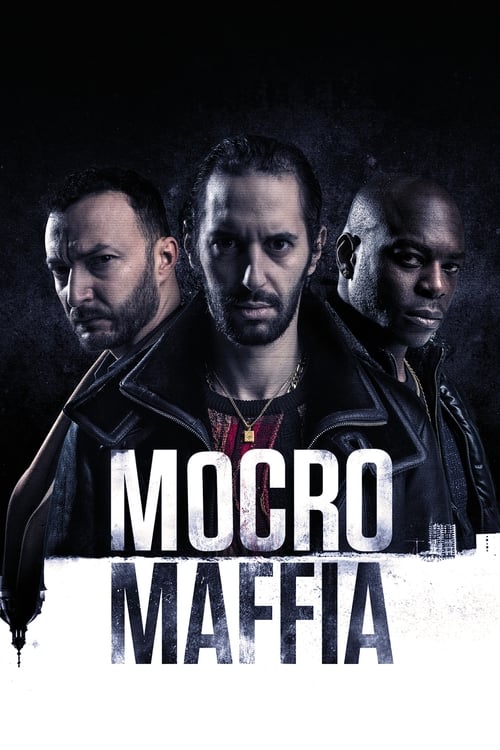
The Low Countries learned what the Nordics learned: prestige drama travels. The Flemish thriller series The Twelve (De Twaalf) became a Netflix property, and the Belgian Beau Séjour (Hotel Beau Séjour) found a global audience with its supernatural murder premise. Dutch television has long had a hard satirical streak too.
Flanders on screen
The southern, earthier half of the language.


Dutch and Flemish series worth subtitles
Prestige TV from the Low Countries.
The page behind the screen
Dutch and Flemish literature, some of it filmed, all of it foundational.


The Vanishing is the best thing this language ever filmed, and you should refuse the remake
Sluizer made The Vanishing twice: once in Dutch in 1988, and once in Hollywood in 1993 with a happy ending grafted on at the studio's insistence. The original is a masterpiece of dread precisely because it denies you relief. The remake is a cautionary tale about what gets lost when you sand the edges off Dutch bluntness for an American audience. Watch the 1988 one. Then never speak of the other.