

Paul Verhoeven makes films that look like mainstream entertainment and operate as something far sharper. The Dutch director spent the 1970s and early 80s in the Netherlands making bruising, sexually frank dramas before Hollywood handed him the largest budgets of the Reagan era, which he used to smuggle left-wing satire inside blockbusters. RoboCop is a film about media, privatization, and the disposability of labor. Starship Troopers is a fascism parody shot as recruitment propaganda. Basic Instinct is a manipulation thriller that refuses to condemn its manipulator. The through-line fans chase is the double image: something viscerally exciting on the surface and something caustic underneath, delivered without a wink. His late-career return to European filmmaking produced Black Book, one of the best World War II films made in the 2000s, and Elle, which arrived fully formed as one of the strangest, most assured films of the 2010s. This is a body of work for viewers who want their genre films to mean something uncomfortable.
Essential Paul Verhoeven
His own films, from the Dutch period through to his European return



Directors Who Share the Double Vision
Genre films with satirical or political teeth
Television That Shares the DNA
Series with the same satirical charge, provocateur energy, or genre-as-critique approach



Source Material and Thematic Companions
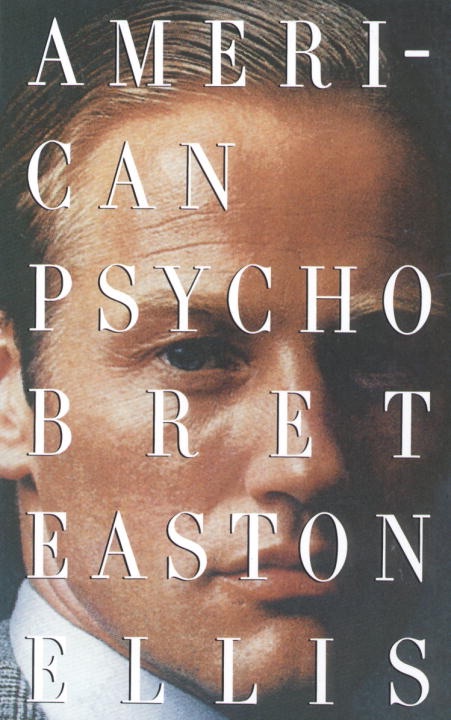
The novels whose sensibility Verhoeven's films share or directly adapt



Games With the Same Satire and Spectacle
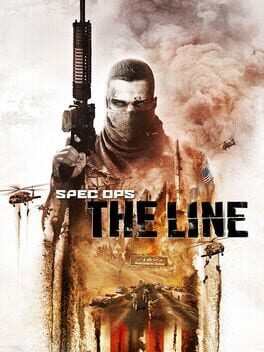
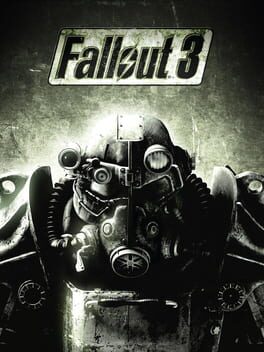
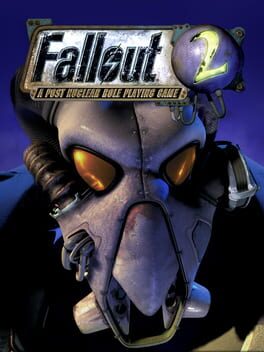
Games that weaponize genre conventions or use violence as critique

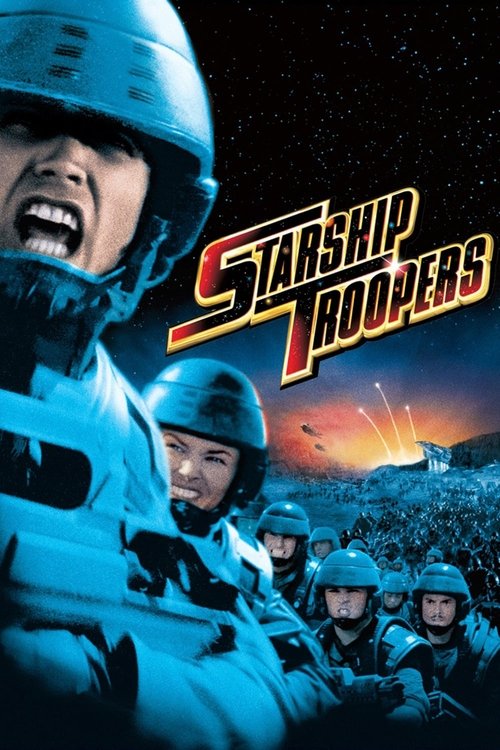
Starship Troopers Is the Funniest Anti-War Film Ever Made
When Starship Troopers opened in 1997, critics largely missed it. Audiences thought they were watching a dumb bug shoot-em-up. Verhoeven, a Dutch director who lived through Nazi occupation as a child, knew exactly what he was making: a point-by-point recreation of Leni Riefenstahl aesthetics wrapped in a summer action movie, daring viewers to enjoy it. The film's 'Would you like to know more?' recruitment ads are so well-crafted as propaganda that they actually persuade. That's the trap. Buenos Aires gets destroyed to justify a war, citizens earn rights through military service, and the heroes never question any of it. The film is most disturbing when it's most fun.
RoboCop Predicted Privatization Before Anyone Was Talking About It
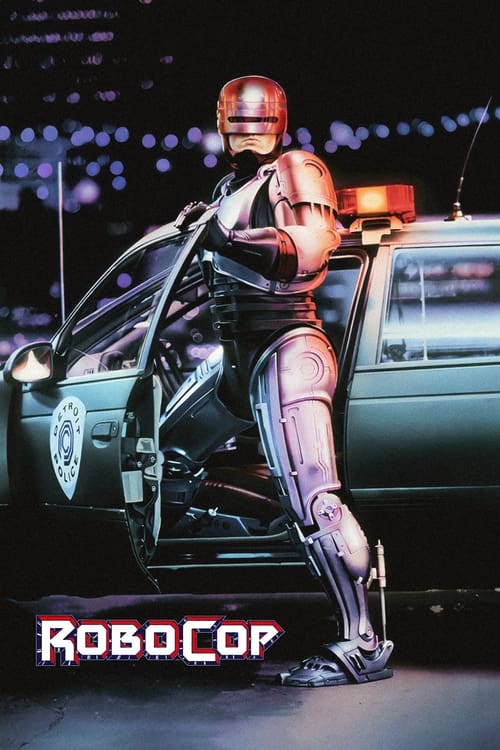
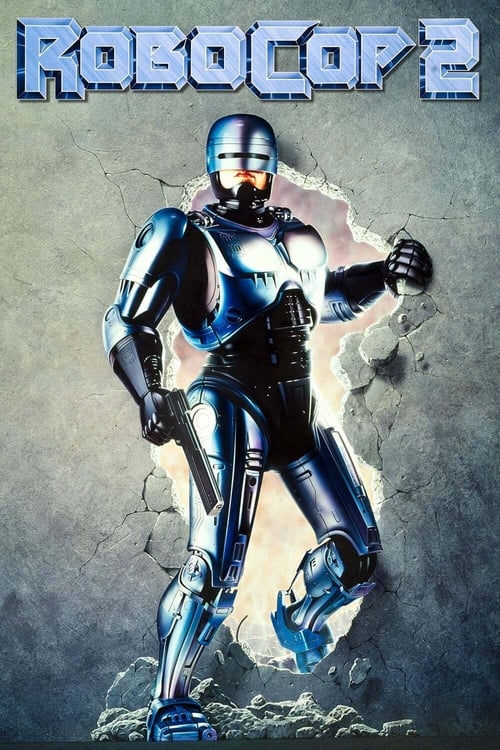
The ED-209 boardroom scene tells you everything about how Verhoeven sees corporate America. A prototype law-enforcement robot malfunctions and kills an OCP executive, and management's first response is to discuss liability. RoboCop came out in 1987 and imagined a city so bankrupt it outsourced its police force to a weapons company. It imagined media so degraded it reduces murders to comedy. The hero is a man whose humanity has to be reclaimed against the corporation that owns him. Thirty-five years later none of this requires explanation.
Elle Is the Film That Vindicates His Whole Career
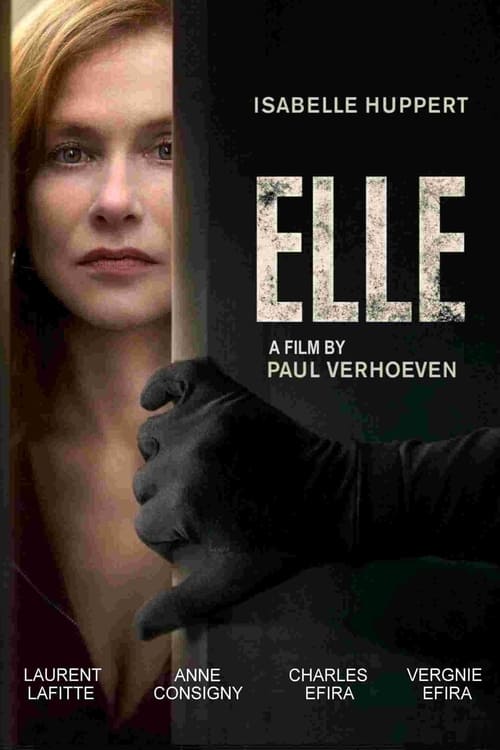
For decades Verhoeven was accused of exploiting women on screen rather than serving them. Elle, released in 2016 with Isabelle Huppert in the lead, answered that charge with the most controlled and complex performance in any of his films. The character is a rape survivor who refuses to behave the way narrative convention demands: no helplessness, no obvious trauma arc, no outsourcing of agency. The film is uncomfortable precisely because it will not simplify her response. It is arguably the most mature work Verhoeven has made, and it arrived forty years into his career.
Black Book Shows What He Can Do Without American Money
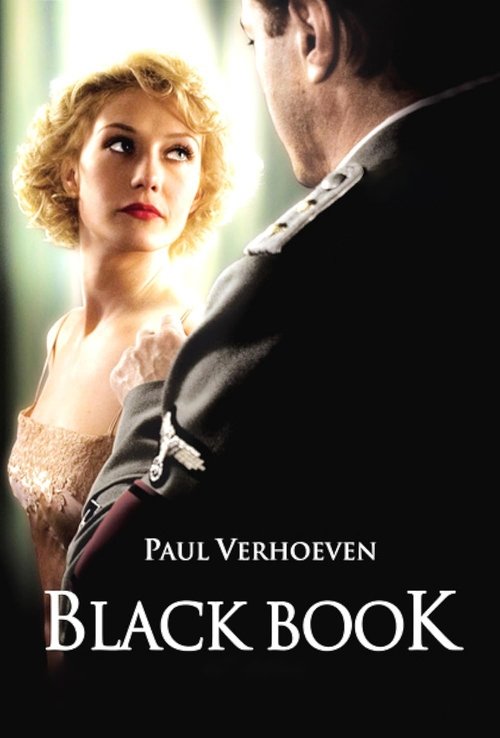
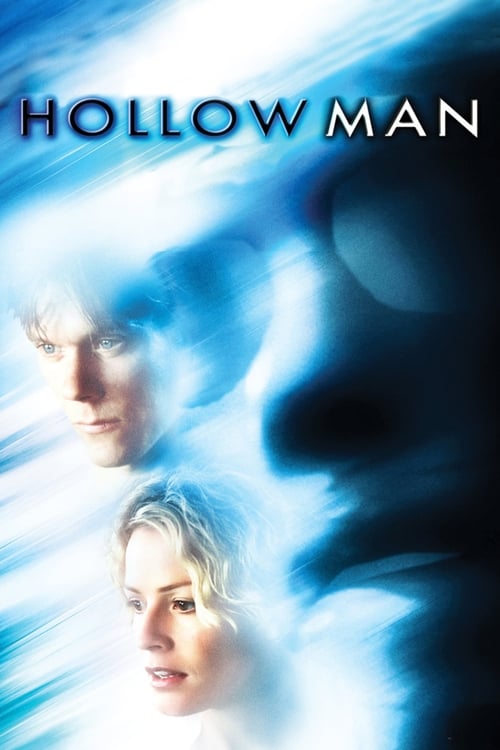
After the commercial failure of Hollow Man, Verhoeven returned to the Netherlands and made Black Book, a Dutch-language World War II thriller released in 2006. It is a corrective to the kind of WWII film that divides the world cleanly into heroes and monsters. His protagonist works as a spy inside Nazi headquarters, and the film is interested in moral compromise on every side: Dutch collaborators, self-interested resistance fighters, corrupt liberators. It moves with the momentum of a thriller and the weight of a reckoning. It is the film that should be on the syllabus alongside his American work.
A Career in Provocations
- 1971Debut feature
- 1977Dutch breakthrough Soldier of Orange
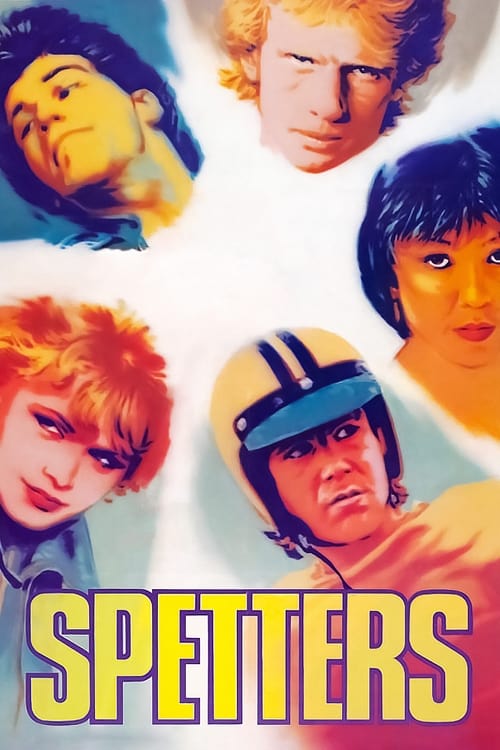
- 1980Controversy at home Spetters
- 1983International art-house hit The Four
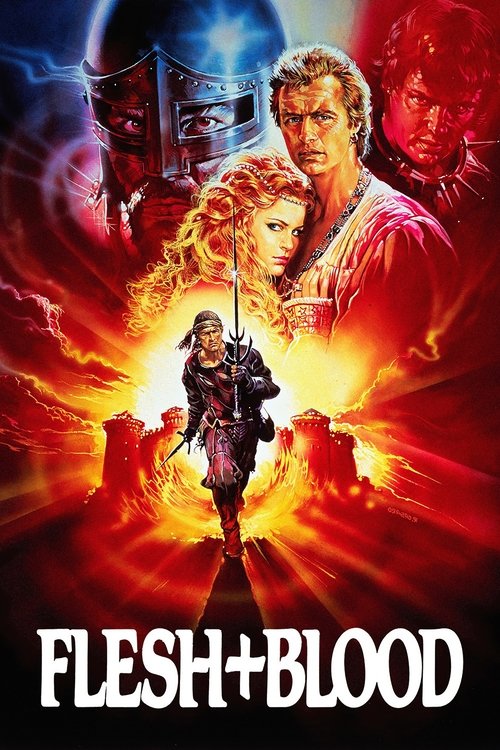
- 1985First Hollywood film Flesh + Blood
- 1987Satirical blockbuster RoboCop
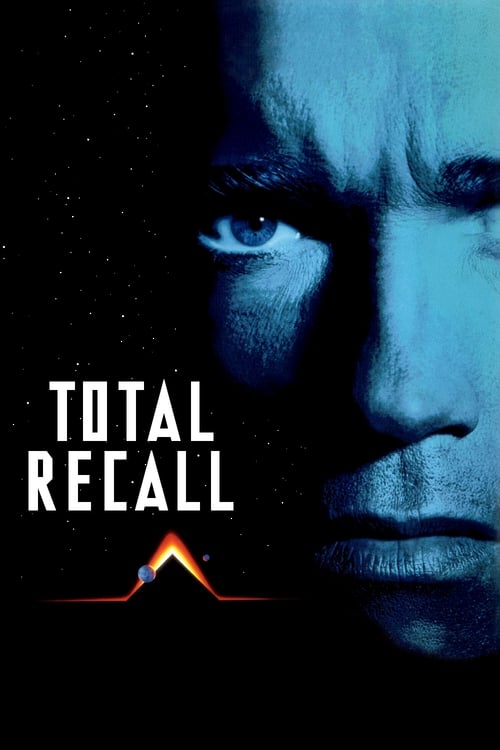
- 1990Philip K. Dick adaptation Total Recall
- 1992Erotic thriller Basic Instinct
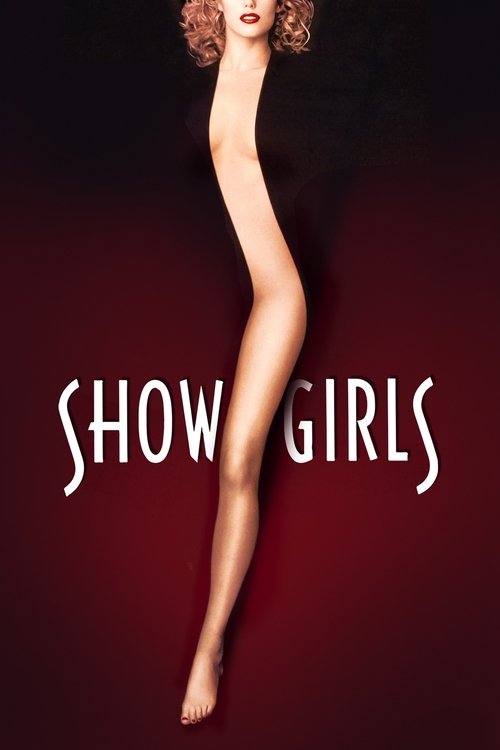
- 1995Biggest commercial failure Showgirls
- 1997Misread masterpiece Starship Troopers
- 2000Invisible-man horror Hollow Man
- 2006Dutch return, WWII thriller Black Book
- 2016Career peak in France Elle
- 2021Medieval convent provocation Benedetta
Verhoeven's dystopias and satire
Dystopian Societies
Explore the Dystopian Societies guide →I was a child during the German occupation of the Netherlands. I saw what propaganda does to people who think they are immune to it. I kept making the same film about that ever since.Paul Verhoeven, paraphrased from multiple interviews