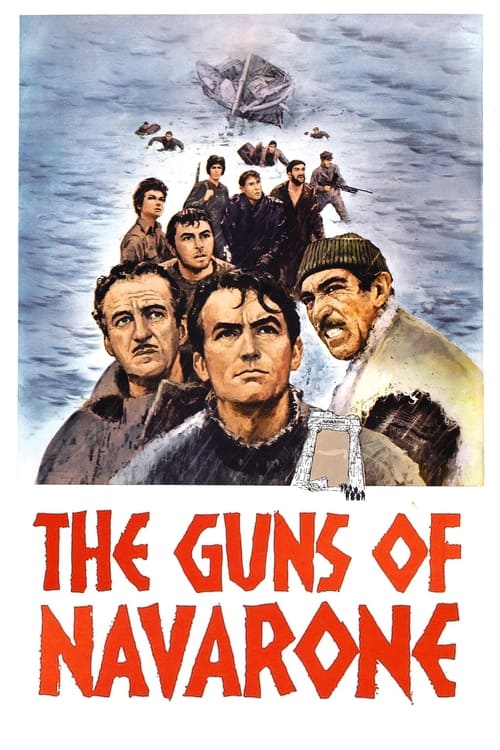

The war film loves its generals and its beaches. The resistance story keeps to the back rooms. It is about the printer in the cellar running off a forbidden newssheet, the housewife who learns to fall silent under questioning, the schoolteacher who hides a stranger in the attic and tells the children nothing. Occupation is the war that does not end at sundown. It moves into your street, your stairwell, your kitchen, and it asks the quietest, hardest question a person can be asked: when the law itself has become the enemy, what are you willing to risk, and for whom.
This is a guide to the works that take that question seriously, across film, television, games and books. It is mostly the Europe of the 1940s, the France of curfews and ration cards, the Netherlands of the hidden annexe, the Poland of the ghetto wall and the Norway of the heavy-water raids. But the underground is older and wider than one war, and the best of these stories know it. They are less interested in heroics than in the texture of fear: the held breath at a checkpoint, the knock that comes at the wrong hour, the friend who may already have talked.
Essential resistance
The works that define defiance under occupation, across every medium

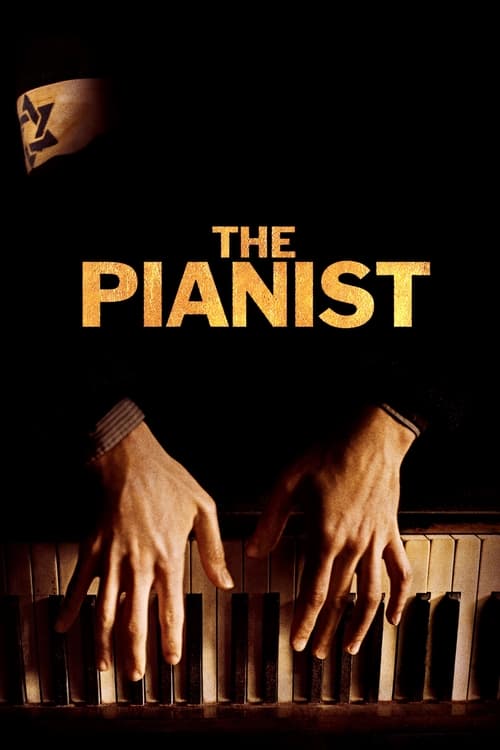

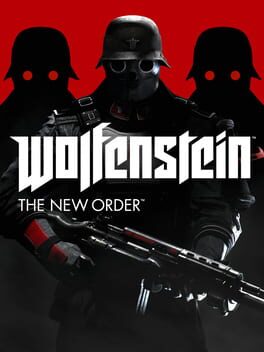
Army of Shadows is the truest film ever made about the Resistance
Jean-Pierre Melville fought in the French Resistance, and his 1969 film carries the weight of a man who was there. Army of Shadows has almost no triumph in it. The network does not win battles; it survives, barely, and the price of survival is the slow corrosion of everyone in it. The most devastating sequence in the film is not a shootout but the group decision to execute one of their own, a young man who talked, carried out in a rented room with their bare hands because a gunshot would be heard. Melville films it without music and without comfort.
What makes it the definitive work is its refusal of the heroic register entirely. These are not adventurers. They are frightened, tired people who have accepted that they are probably going to die and have decided to be useful first. The film flopped on release, dismissed in the political climate of 1969 France, and was rediscovered decades later as the masterpiece it is.
Occupied Europe on film
Networks, betrayals and the long shadow of the curfew
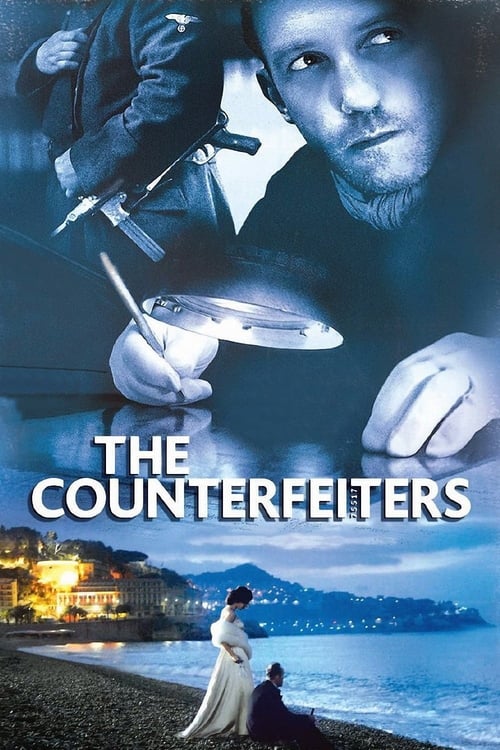
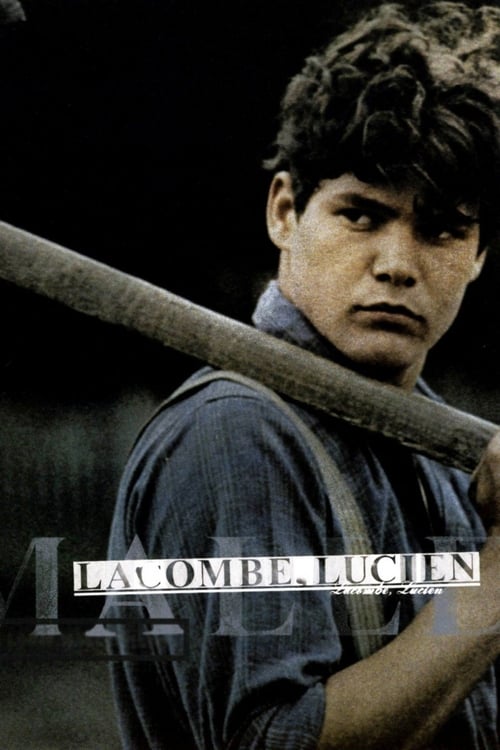
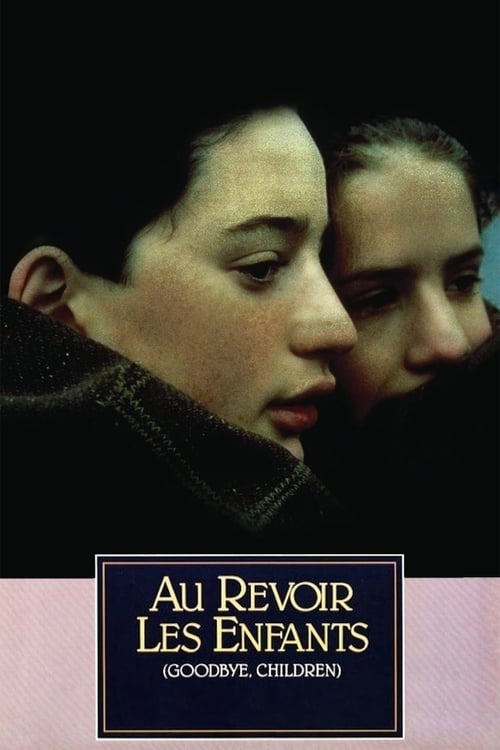
The annexe and the attic
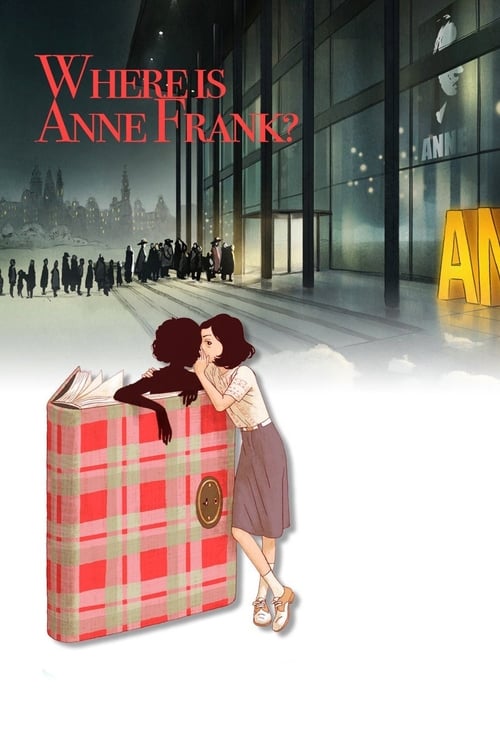
The smallest acts of resistance are the hardest to dramatize, because they look like nothing. A door kept locked. A name left off a list. A family fed for one more week. The story of Anne Frank is the one everyone knows, and it endures precisely because it refuses to be a story about the war at all. It is a teenager's diary: arguments with her mother, a first crush, the boredom of confinement, the conviction that people are good at heart, written by a girl who would die in Bergen-Belsen weeks before liberation.
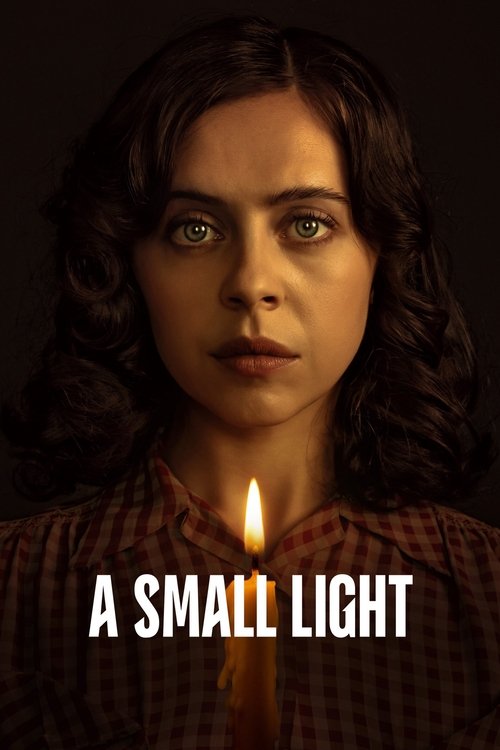
What the diary leaves at its edges, the helpers, the people who carried food up the stairs and kept the secret at mortal risk, the National Geographic series A Small Light puts at the centre. It follows Miep Gies, who hid the Frank family and later saved the diary itself. The genius of that show is to insist on something the heroic war film usually skips: that the people who did this were not saints or soldiers, just ordinary Amsterdammers who decided, again and again, not to look away.
Hidden lives on the small screen
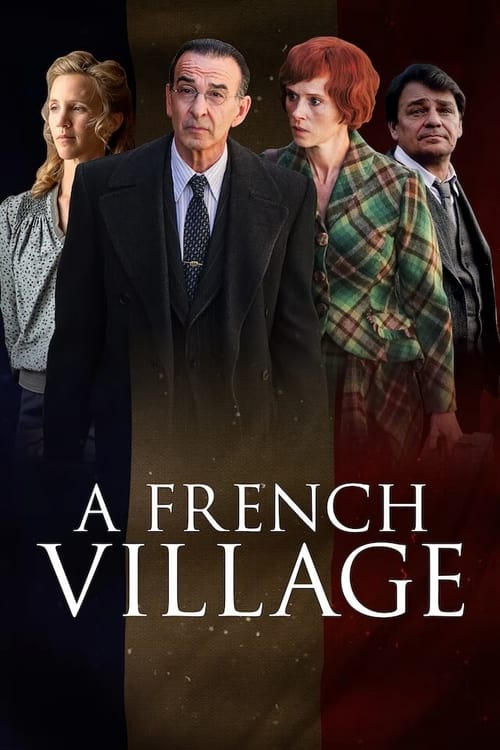
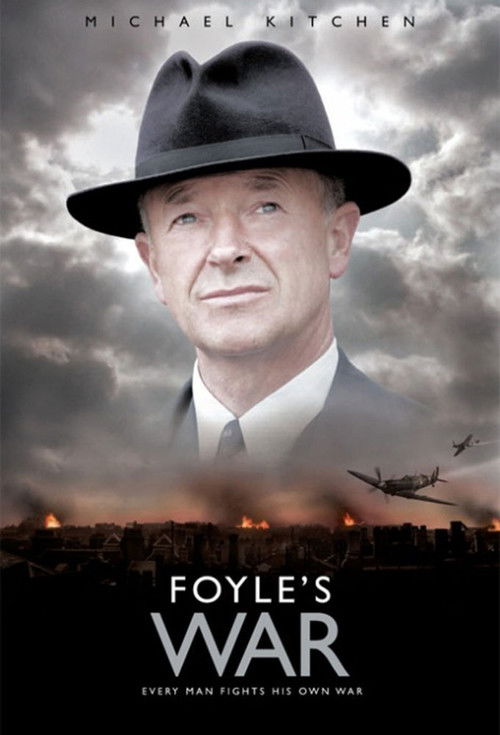
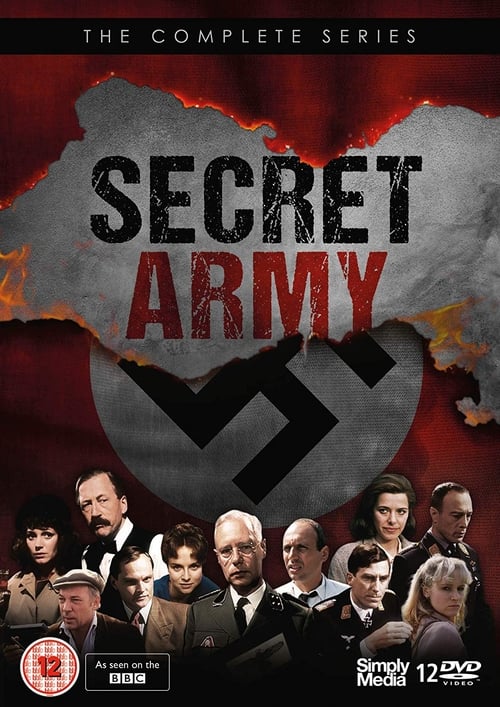
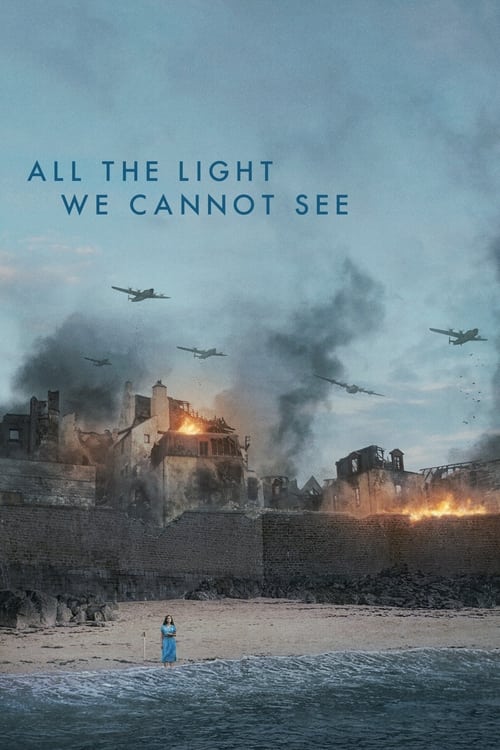
Series that live inside the occupation, week by anxious week
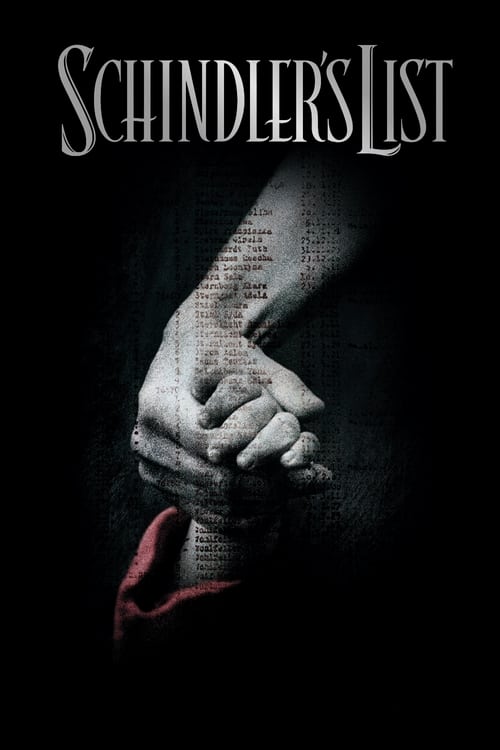
Schindler's List earns its place by refusing to look away
Resistance is not only sabotage and gunfire. Sometimes it is a profiteer keeping a list. Steven Spielberg's Schindler's List, adapted from Thomas Keneally's novel Schindler's Ark, is the story of a German businessman who began the war wanting to get rich on slave labour and ended it having spent his fortune buying the lives of more than a thousand Jewish workers. The film is shot almost entirely in black and white, with a clarity that never lets the audience aestheticize what it is watching.
What keeps it honest is Oskar Schindler himself, played by Liam Neeson as a man who is never quite sure why he is doing this, and is given no clean redemption arc. The final scene, in which he breaks down over the people he could not save, is the opposite of triumph. The book and the film together make the same argument: that under a regime built on murder, the act of saving even one person is its own form of defiance, and that ordinary greed and ordinary courage can live in the same man.

The underground on the page
Diaries, novels and the histories that recover the forgotten




We are not fighting so that you can come and impose your laws on us when this is over. We are fighting for the right to be left alone.The recurring promise of the resistance story: defiance now, in exchange for an ordinary life later
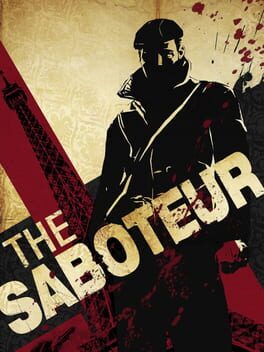
The Saboteur is the only game that gets the texture of occupation right
Most WWII games are about the soldier, the rifle and the front line. The Saboteur is about the Irish mechanic stuck in occupied Paris, blowing up watchtowers and fuel dumps for the local resistance out of a mixture of grief and spite. Its best idea is visual: districts under enemy control are drained of colour, rendered in oppressive black and white with red banners, and as you liberate them the colour bleeds back in. It is a blunt metaphor, and it works. You can feel the city come back to life.
No shooter has matched it for the specific feeling of clandestine work in a watched city: climbing rooftops to plant charges, ducking into a bar when a patrol passes, choosing whether to fight or vanish. It is the rare game that treats the underground as a place to live in rather than a level to clear.
Wage the secret war
Sabotage, infiltration and the strategy of an occupied continent
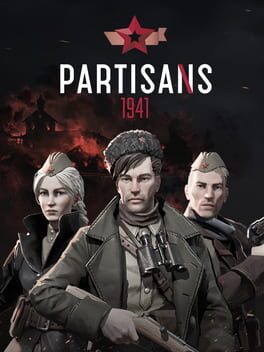
The women the histories left out
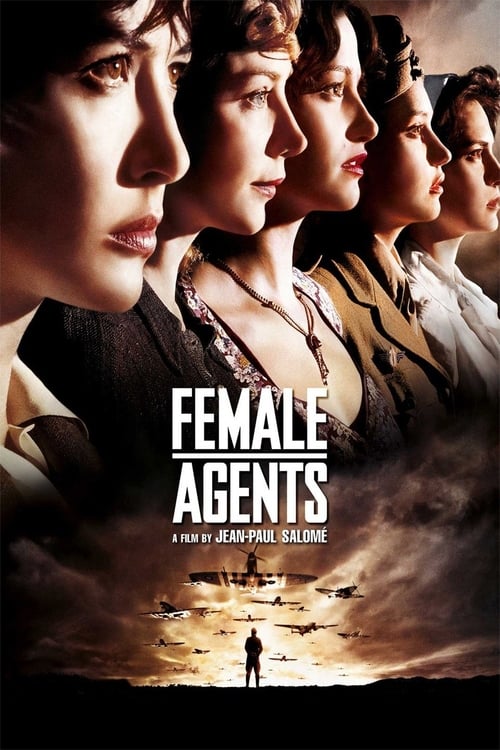
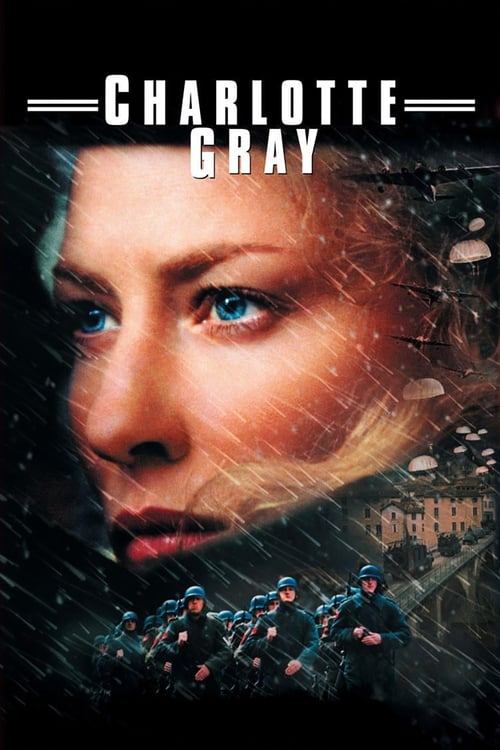
For decades the popular memory of the Resistance was overwhelmingly male, all maquisards in the hills and men with Stens. The correction has been one of the most important developments in how these stories get told. The Special Operations Executive sent women into occupied France as couriers and wireless operators precisely because they drew less suspicion at checkpoints, and many of them paid for it in the camps. Sebastian Faulks built the novel Charlotte Gray around exactly this work, later filmed with Cate Blanchett, and Jean-Paul Salomé's Female Agents dramatized an SOE team sent in ahead of D-Day.
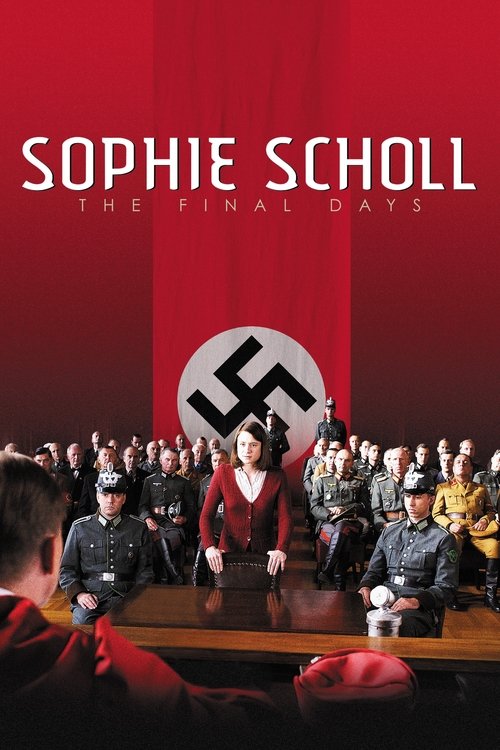
The true stories are starker than the fiction. Sophie Scholl, executed by guillotine at twenty-one for distributing leaflets with the White Rose group in Munich, was not a soldier or a spy but a student who decided that silence was complicity. Marc Rothemund's Sophie Scholl: The Final Days reconstructs her interrogation almost verbatim from the surviving transcripts, and it is unbearable in the best way: a young woman calmly out-arguing the state that is about to kill her.
Sophie Scholl is the rare film that makes conscience thrilling
There is no action in Sophie Scholl: The Final Days. It is mostly two people in a room: Sophie and the Gestapo interrogator Robert Mohr, working through the evidence over several days in February 1943. And yet it is one of the most gripping films about resistance ever made, because the stakes are entirely moral. Mohr offers her a way out. All she has to do is recant, claim she was led astray, name names. Julia Jentsch plays her refusal not as defiance for its own sake but as the only position a thinking person can hold.
The film draws on interrogation and trial records that surfaced from East German archives after 1989, which is why it feels less like a drama than a transcript brought to life. When the sentence comes, it lands with the weight of something that actually happened to a real twenty-one-year-old, because it did.
Couriers, spies and saboteurs
The agents sent into the dark, and the ones who never came back