
The Republic of Cinema
No country has argued about film more seriously than France, and no country has been more right. This is not an accident of geography or wealth. It is the product of a specific, almost perverse cultural bet: that cinema is an art form equal to literature, that the director is an author, and that the state has an obligation to protect both. The Centre national du cinéma, created in 1946, effectively decided that French film would be subsidized, theorized, and venerated in perpetuity. The Cahiers du Cinéma, founded 1951, gave critics a pulpit from which to declare directors like Hitchcock and Hawks as artists, not craftsmen. When the same critics picked up cameras and made the Nouvelle Vague between 1959 and 1968, theory became practice.
But French cinema did not begin there. It began in Lyon in 1895, when Auguste and Louis Lumière projected moving images for a paying audience for the first time in recorded history. Cinema is, to a degree that no other country can claim, a French invention. Decades later, poetic realism gave the world Jean Renoir's work, Marcel Carné's fog-drenched fatalism, and Jean Gabin as the archetypal doomed man with a past. That tradition ran directly into the Occupation, survived it, and was eventually detonated by Godard, Truffaut, Varda, Rohmer, and Chabrol.
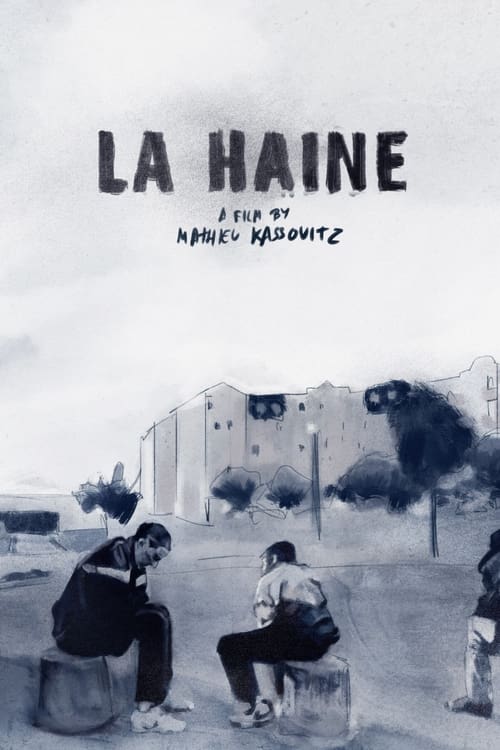
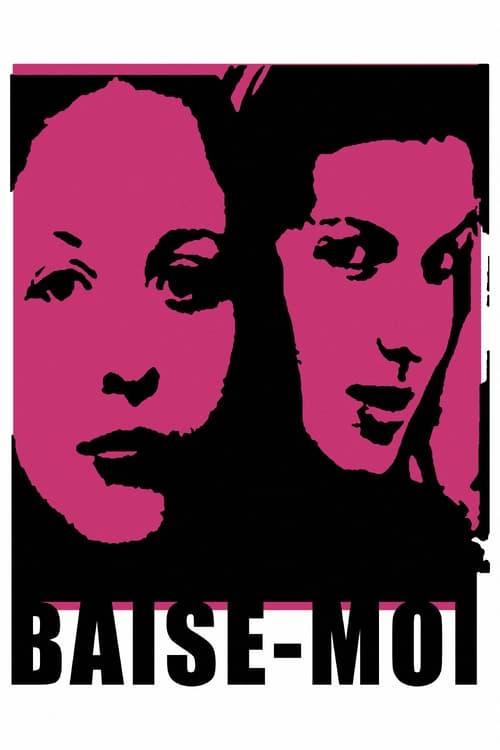
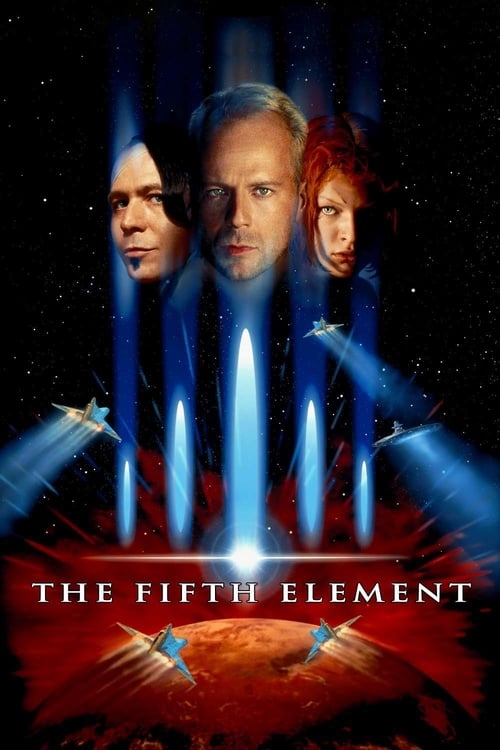
Each decade since has produced its own rupture. The 1970s brought political cinema and a reckoning with the Occupation that the country had been avoiding. The 1980s brought the glossy cinéma du look of Luc Besson and Jean-Jacques Beineix. The 1990s brought Mathieu Kassovitz's La Haine and the banlieue as subject. And in the early 2000s, the New French Extremity (Noé, Haneke, Ducournau) pushed bodies and discomfort to a place that American studios would not touch. Today, French film and television remain among the most formally ambitious and unafraid in the world. This guide covers all of it.
The Essential Canon
The films that define what French cinema is to the world

Godard is not the father of modern cinema. Varda is.
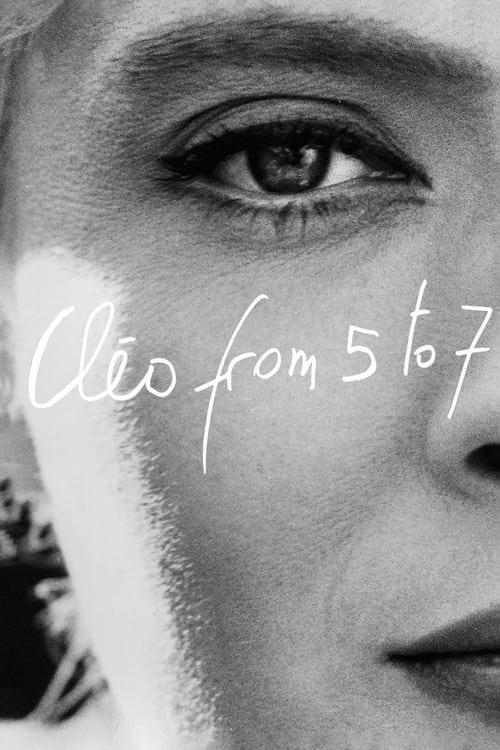
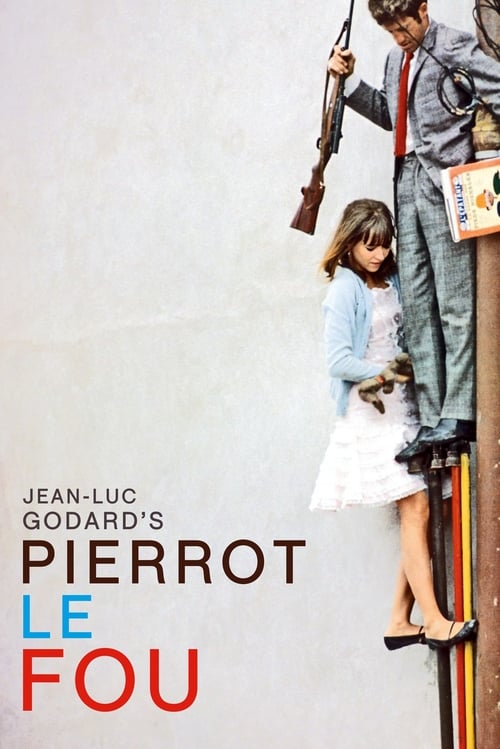
Jean-Luc Godard gets the retrospectives, the Cahiers canonizations, the breathless academic essays. His formal innovations are real and significant. But Agnes Varda was doing something harder: she was pointing the camera at people the culture treated as marginal (women, the elderly, the precarious working poor) and granting them the full weight of cinematic attention. Cléo from 5 to 7 (1962) tracks a woman through Paris in real time while she waits for a cancer diagnosis. It is a film about female consciousness that Godard, for all his brilliance, never came close to making. Pierrot le Fou is a masterwork of restlessness; it is also, unmistakably, about a man. Varda's films are almost always about whoever is in the frame. The hierarchy that puts Godard at the top and Varda as a notable footnote is worth revising every time you return to their actual work.
The Nouvelle Vague
The movement that reinvented film grammar in five years
A Century of French Cinema
- 1895The Lumière brothers give the first paid public film screening, in Paris
- 1953Clouzot's thriller of men driving nitroglycerin through South America becomes a landmark of suspense The Wages of Fear
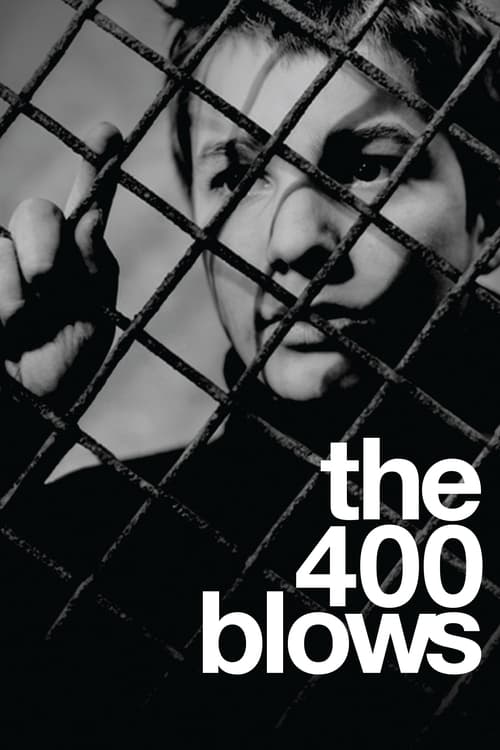
- 1959Truffaut's debut at Cannes opens the Nouvelle Vague The 400 Blows
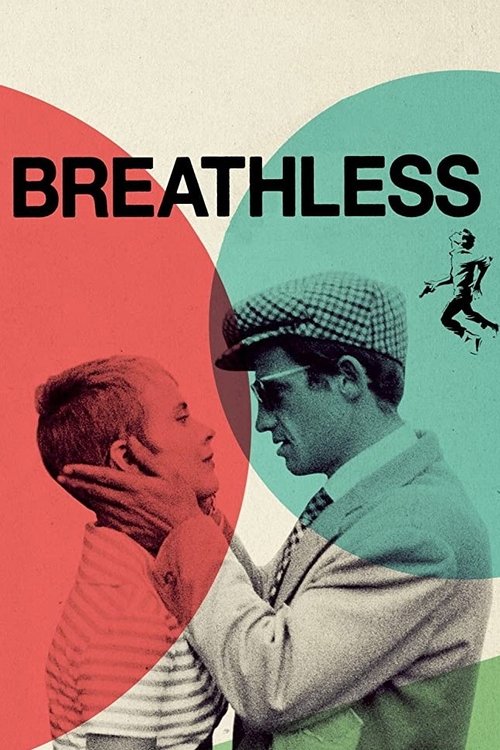
- 1960Godard's debut rewrites the rules of narrative cinema Breathless
- 1962Varda's real-time portrait of a woman awaiting a cancer diagnosis Cléo from 5 to 7
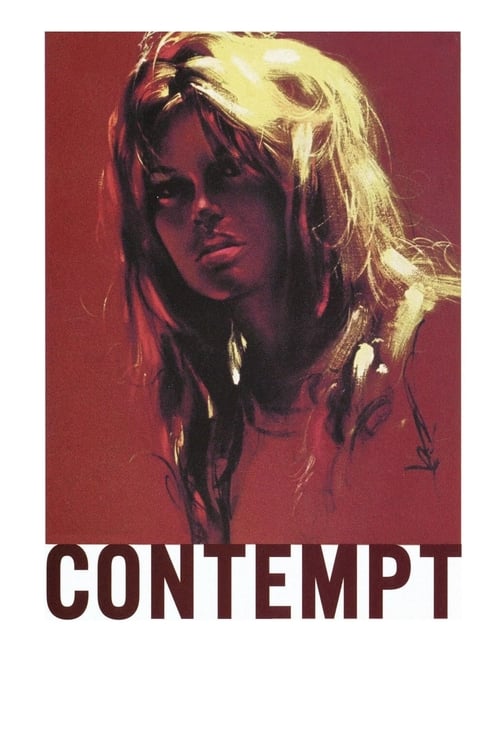
- 1963Godard places Bardot and Fritz Lang in a film about the death of the movies Contempt
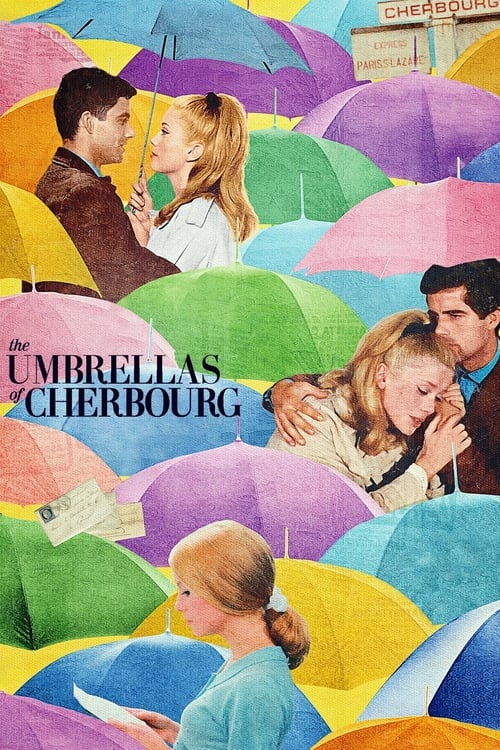
- 1964Demy's sung-through melodrama in Technicolor becomes one of the most beautiful French films ever made The Umbrellas of Cherbourg
- 1967Melville's ice-cold hitman film defines a new kind of urban cool Le Samouraï
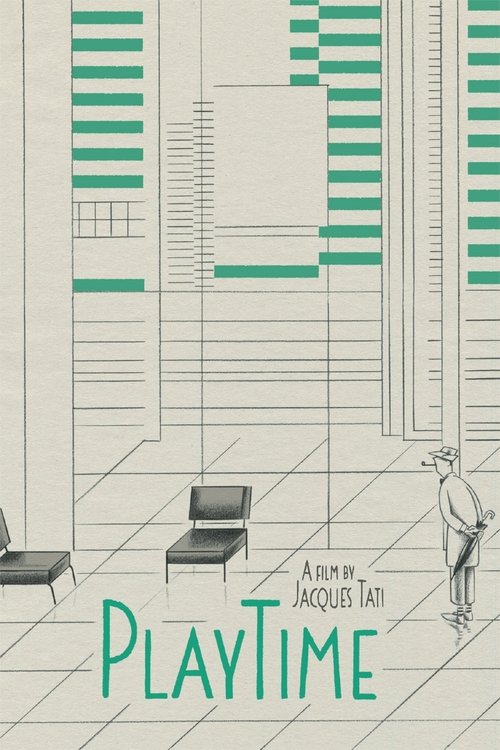
- 1967Tati's architectural comedy becomes the most expensive French film ever made and bankrupts him PlayTime
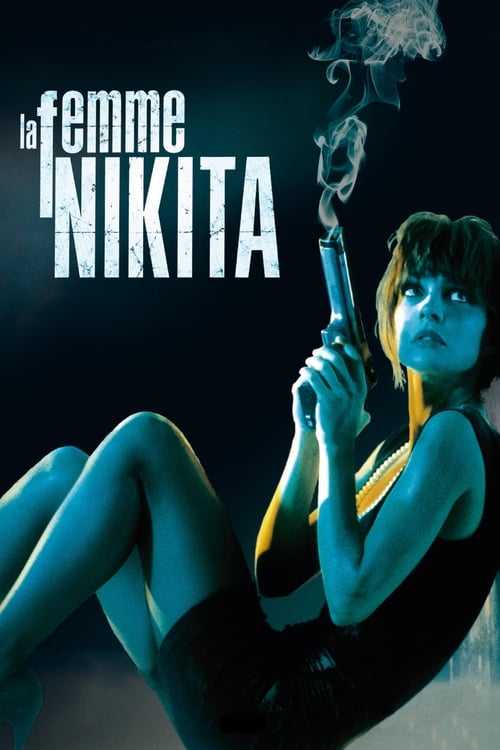
- 1990Besson's cinéma du look at its most kinetic, with Anne Parillaud as a state-trained assassin Nikita
- 1995Kassovitz films the banlieue in black and white; France argues for months La Haine
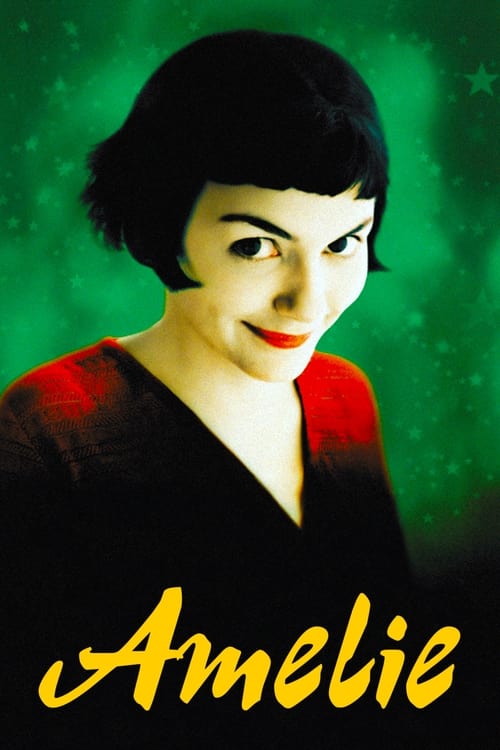
- 2001Jeunet's fable of Montmartre becomes French cinema's global calling card for a decade Amélie
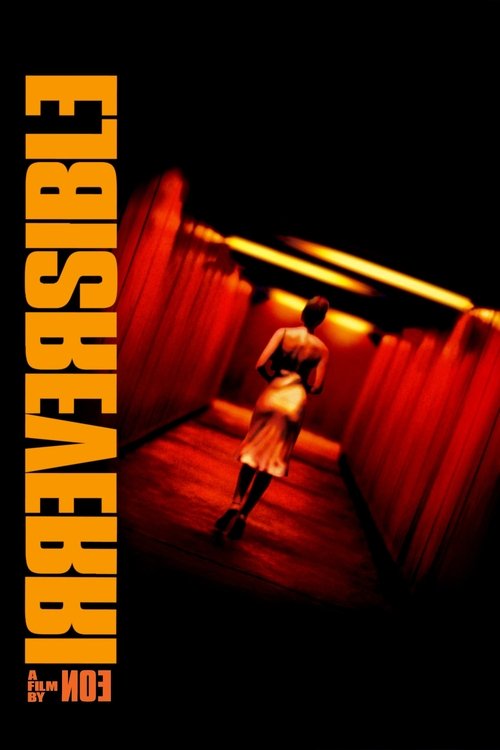
- 2002Noé's reverse-chronology assault splits Cannes audiences Irreversible
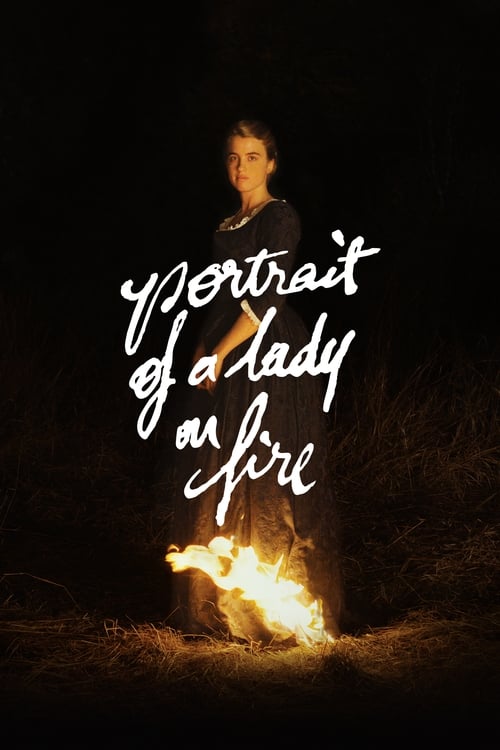
- 2019Sciamma's 18th-century love story between two women wins Best Screenplay at Cannes Portrait of a Lady on Fire
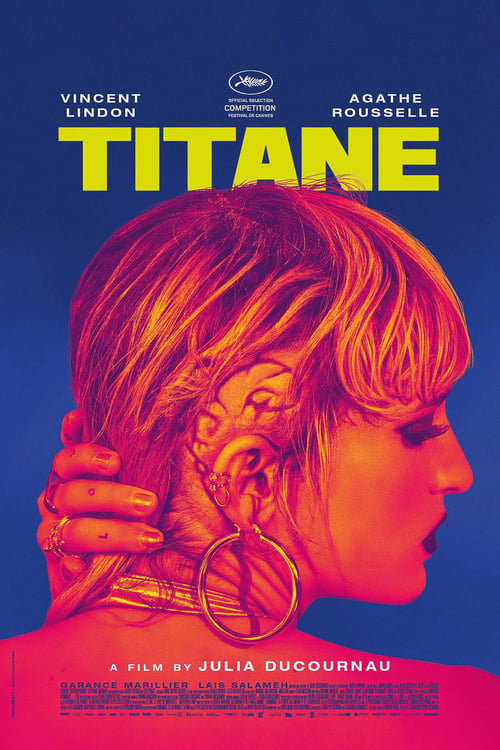
- 2021Ducournau wins the Palme d'Or with a body-horror film about identity and belonging Titane
The New French Extremity
Body, shock, and the limits of what cinema should show

A film is not made to be understood; it is made to be felt. Understanding is a secondary phenomenon, or a failure.Robert Bresson
Jacques Tati made exactly six features. Four of them are brilliant. None of them are comedies.
The marketing always sold Tati as slapstick, the French Chaplin, family fare. That framing has buried the actual radicalism of his work. PlayTime (1967) is a film in which the jokes, such as they are, take place in the background while the foreground is relentlessly architectural. The real subject is the erasure of Paris by glass and steel, the homogenization of modern life, the fact that the city he loved was being replaced by something interchangeable with Houston or Tokyo. It bankrupted him. If you watch PlayTime expecting the Hulot gags from his earlier work, you will be confused and probably bored. If you watch it as a formally organized lament for a disappearing city, it becomes one of the most singular things the medium has produced.
Crime, Noir and the French Polar
France gave film noir its best non-American expression
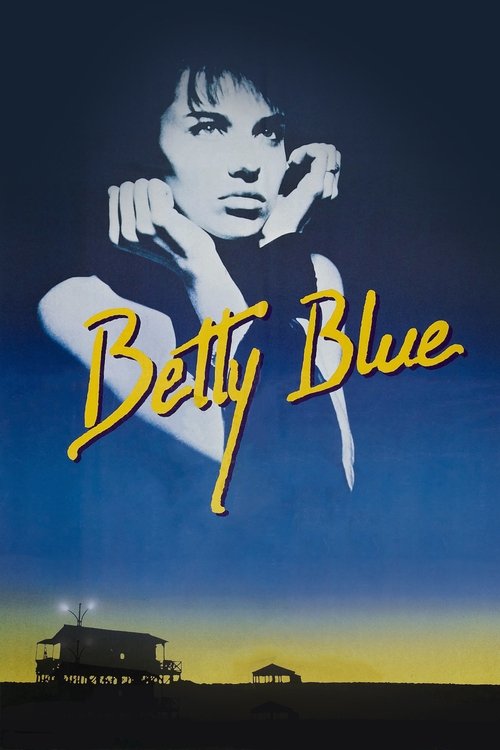
Robert Bresson is the most important filmmaker you probably haven't actually watched
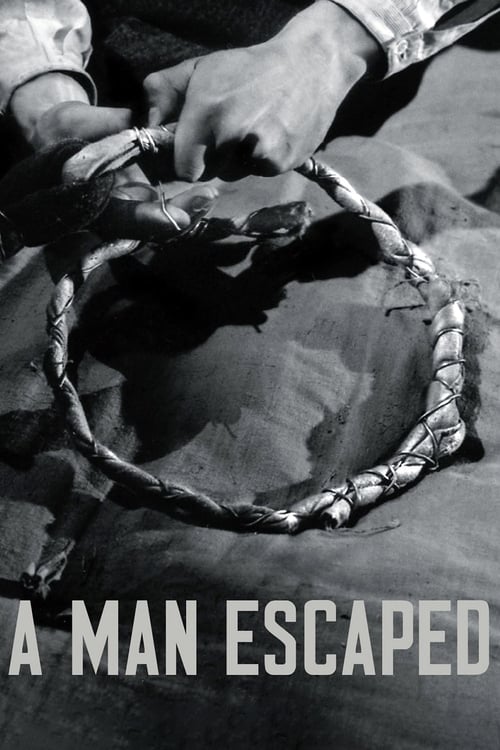
Everyone has seen lists that include Bresson. Almost no one watches a second Bresson film without being told to. His style is genuinely difficult: non-professional actors directed to perform without affect, narrative stripped of context and explanation, meaning generated by the edit rather than by performance. But A Man Escaped (1956) is also one of the most suspenseful films ever made, with almost no score and almost no dialogue beyond the sound of a man scraping a spoon against stone. The difficulty is the point; the point is that you cannot coast through Bresson, and so when he lands, nothing in mainstream cinema compares.
Modern French Cinema: 1995 to Now
The generation that inherited Cannes and ran with it

French Television Worth Your Time
The last decade has produced serious TV that holds up to the films
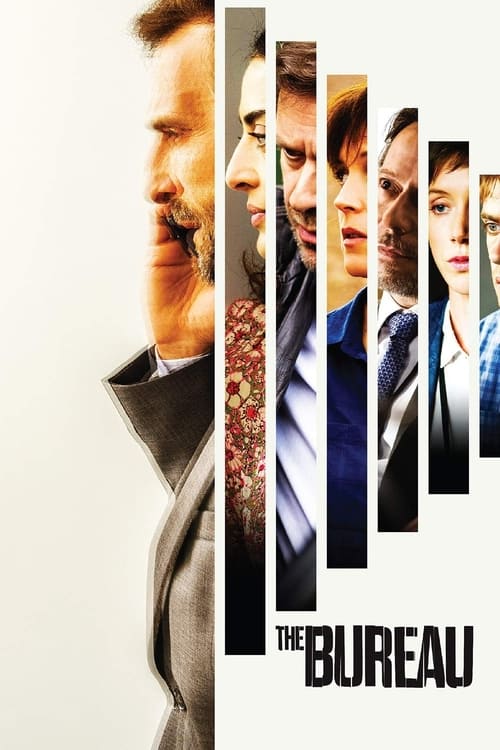

The Bureau is the best spy series of the streaming era and almost nobody outside France has seen it
Five seasons, Canal+ production, consistently compared to le Carré in its refusal to make espionage look exciting. Mathieu Kassovitz plays an undercover operative who falls in love with a contact and cannot leave either world cleanly. The series is about deception as a way of life, about the moral cost of lying to everyone you know for years on end. It is also extremely good television on a structural level: the plot is dense and demands attention, the tradecraft is plausible, and the emotional core holds across five seasons in a way that almost nothing in the genre manages. It is on Criterion Channel in the US. Watch it before someone makes the Hollywood remake.
The *Cinéma du Look* and the 1980s
Style as content, spectacle as politics, Besson and Beineix at full throttle
Books That Feed the Cinema
The literary tradition that French directors have always drawn from


French Music: The Albums
From Gainsbourg's pop-art provocations to the electronic revolution Daft Punk completed
Cinema is a mirror of a nation's soul. France has never been afraid to show what it finds there.François Truffaut, paraphrased
Where to Go Deeper
The Criterion Collection holds the best English-subtitle versions of the Nouvelle Vague canon, Bresson, Tati, and Melville. The MUBI archive rotates through French film with unusual care for context. For criticism, Serge Daney's writing (translated piecemeal into English) is the sharpest French critical voice of the post-Cahiers generation. For history, Ginette Vincendeau's The Companion to French Cinema (BFI) is the reference work. And if you are in Paris: the Cinémathèque Française at Bercy runs retrospectives year-round and has a permanent museum dedicated to the technical and artistic history of the form the Lumières invented.
Notable French Books
The most-notable books written in French, from the catalog