
A national cinema that argues with itself
Israeli film grew up in public, in a country still deciding what it was. The early decades gave it the bourekas comedies, broad ethnic farces about Mizrahi and Ashkenazi families colliding, and the earnest Zionist adventure pictures that treated the land itself as a character. For a long time the international art world ignored all of it. Then, somewhere around the turn of the millennium, something shifted. A generation of directors trained at Tel Aviv and Jerusalem film schools stopped trying to be either propagandists or imitators of Europe, and started filming the specific, the bruised, the unresolved.
What makes this cinema distinct is its refusal of comfort. The army is everywhere and almost never heroic. Religion is treated as a closed world worth understanding rather than mocking. The Israeli-Palestinian conflict is filmed not as geopolitics but as something that happens at checkpoints, in living rooms, between fathers and sons. The animated war film Waltz with Bashir did what conventional features could not: it made the trauma of the Lebanon war legible to audiences far outside Israel.
The export story is real. Israeli features have been nominated for the foreign-language Oscar repeatedly over a single decade, an astonishing strike rate for a country its size, and Israeli television formats (the originals behind Homeland and In Treatment) quietly reshaped American prestige TV. This is a cinema that punches far above its population, and it knows it.
The festival breakthrough
The films that put Israeli cinema on the world's front pages in the 2000s and 2010s




The auteurs who built the new wave
No single figure dominates, which is part of the point. Amos Gitai is the elder statesman and the most European, a former architect who films long takes and historical wounds with equal patience (Kadosh, Kippur). Joseph Cedar brought a chilly intellectual precision to the military and the academy alike, turning a feud between Talmud scholars in Footnote into something with the tension of a thriller. Ari Folman reinvented the war documentary as animation in Waltz with Bashir. Samuel Maoz put the audience inside a tank for the whole of Lebanon, then a decade later folded grief and bureaucracy into the formal structure of Foxtrot.
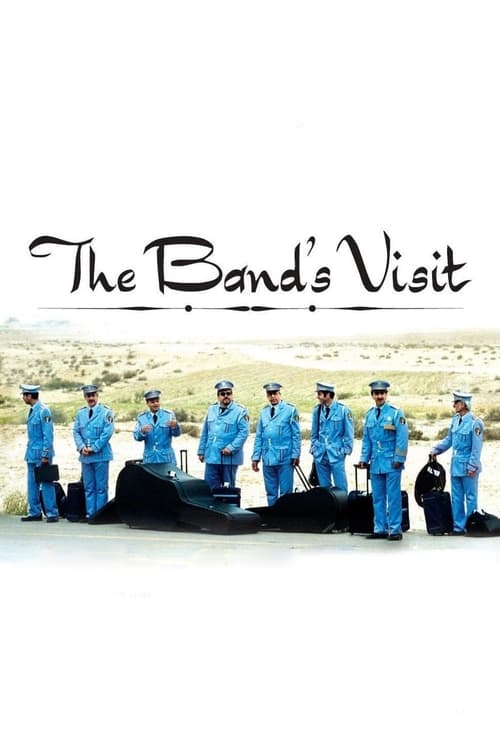
The women of this cinema matter just as much. Ronit Elkabetz, actor and co-director, made the Amsalem trilogy that climaxed in Gett, a near-single-room courtroom film about a woman who cannot obtain a divorce under religious law. Nadav Lapid is the provocateur, all jagged camera and fury at the nation that made him (Synonyms, The Kindergarten Teacher). And Eran Kolirin's The Band's Visit found, in an Egyptian police orchestra stranded in a nowhere desert town, the gentlest film this country has made about the people on the other side of every wall.
Amos Gitai and the elder generation
The architect-turned-director and the films that took Israeli cinema to Cannes and Venice
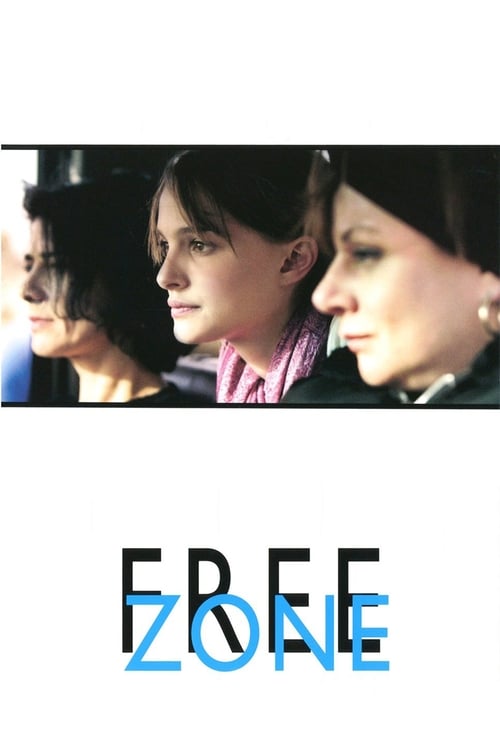
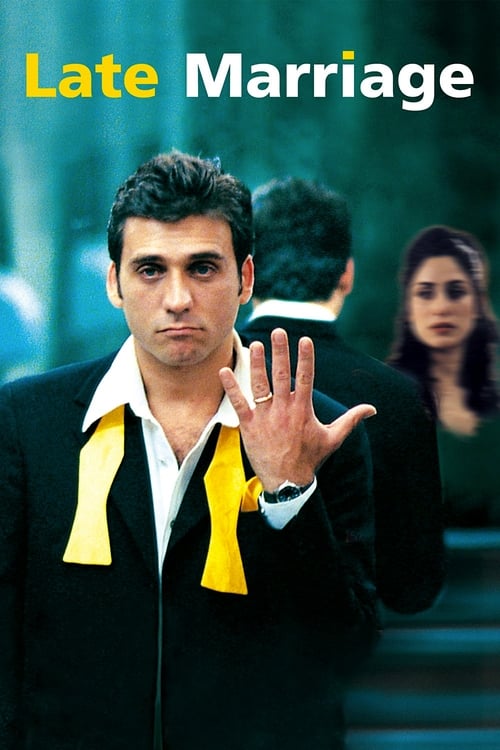

This is a cinema that refuses to let you off the hook. The soldier is a child, the divorce is a prison, and the enemy turns out to play the trumpet.CrossBinge editors
A short chronology of Hebrew-language cinema
- 1964Sallah Shabati launches the bourekas era and earns an Oscar nomination
- 1977Operation Thunderbolt dramatizes the Entebbe raid for a national audience Operation Thunderbolt
- 1999Amos Gitai's Kadosh brings the new art-cinema seriousness to Cannes
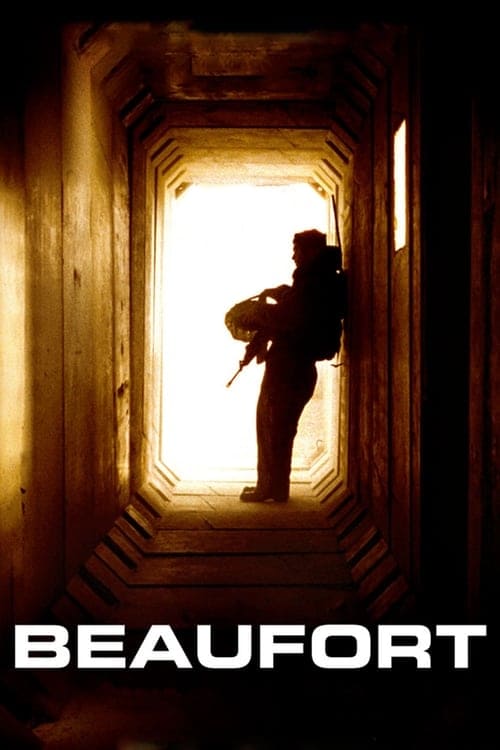
- 2007Beaufort and The Band's Visit signal the festival breakthrough year The Band's Visit
- 2008Waltz with Bashir wins the Golden Globe and earns an Oscar nomination Waltz with Bashir
- 2011Footnote wins the Cannes screenplay prize
- 2014Gett premieres at Cannes; the Amsalem trilogy concludes Gett: The Trial of Viviane Amsalem
- 2017Foxtrot wins the Venice Grand Jury Prize and sparks a national argument Foxtrot
- 2019Synonyms wins the Berlinale Golden Bear
The television revolution
The Hebrew-language series that reshaped global prestige TV, often before anyone in America noticed



Foxtrot, not Waltz with Bashir, is the key film of this cinema
Waltz with Bashir is the famous one, and rightly so. But Foxtrot is the film that holds the whole national psyche in three movements: a family destroyed by a knock at the door, a checkpoint where boredom curdles into atrocity, and a reckoning that loops back on itself. It provoked Israel's culture minister to condemn a film she admitted she had not seen, which is a reliable sign a movie has touched the live wire. Samuel Maoz built a structure as formal as a folk dance and used it to say the most dangerous thing an Israeli filmmaker can say: that the trap is one you keep walking back into. No other film here is as brave with form and content at once.