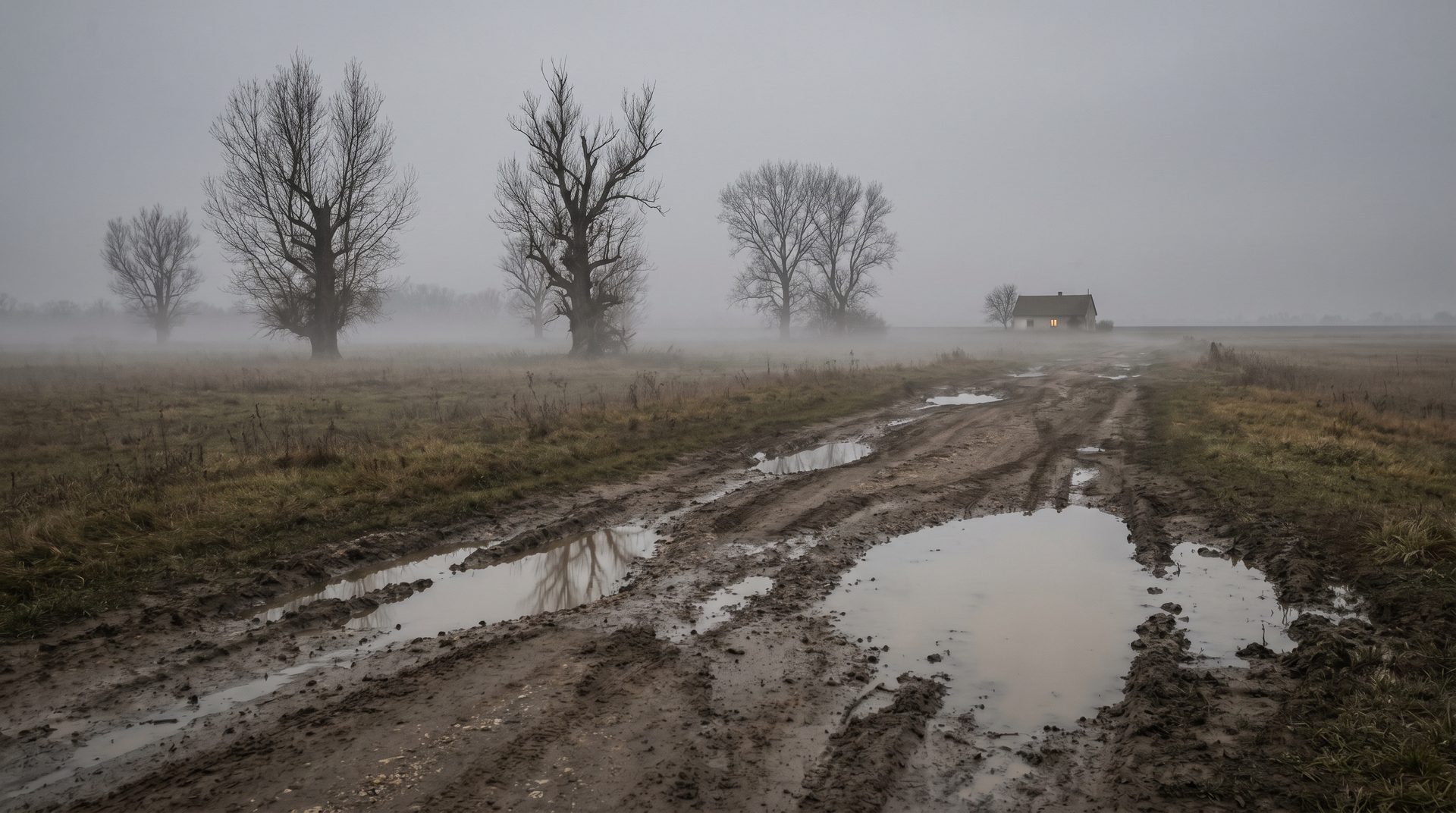

A cinema of mud, time, and the unbroken shot
Hungary punches absurdly above its weight in world cinema, and it does so by going against the grain of how most movies are made. While Hollywood cuts faster every decade, the great Hungarian directors slowed down, holding the camera until a shot became unbearable and then holding it longer. The country gave the world some of the most famous emigre craftsmen of the studio era (Michael Curtiz, who directed Casablanca, and the producer Alexander Korda were both Budapest men), but the cinema that stayed home developed its own grammar entirely: long takes, flat horizons, allegory smuggled past censors, and a moral seriousness that never quite tips into solemnity.
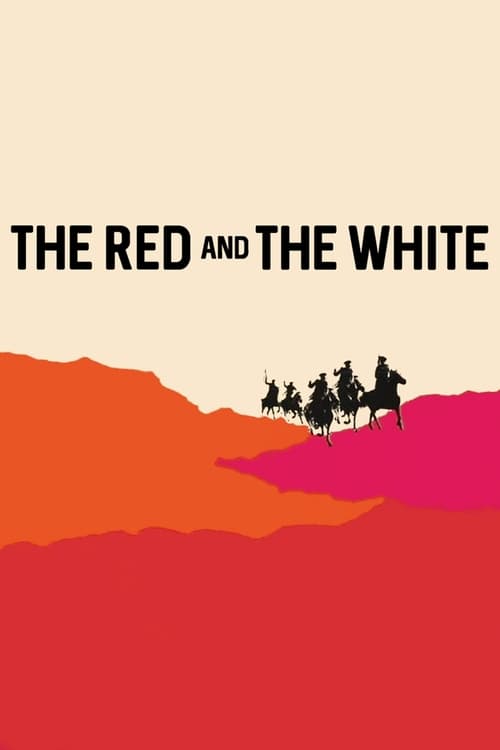
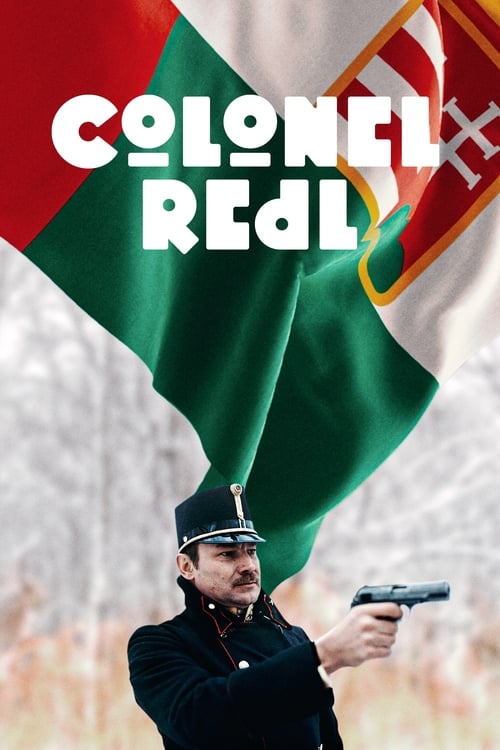
The modern story really starts in the 1960s, when a generation of directors used the relative thaw after 1956 to make formally daring, politically coded work. Miklós Jancsó turned the Hungarian plain, the puszta, into a chessboard of power: his films are built from a handful of staggeringly choreographed long takes in which oppressors and victims trade places as the camera circles. The Round-Up (1966) and The Red and the White (1967) are the templates. Around him stood Márta Mészáros, whose Adoption won the Golden Bear and who made the most clear-eyed films about women under socialism, and István Szabó, the great chronicler of the compromised intellectual.
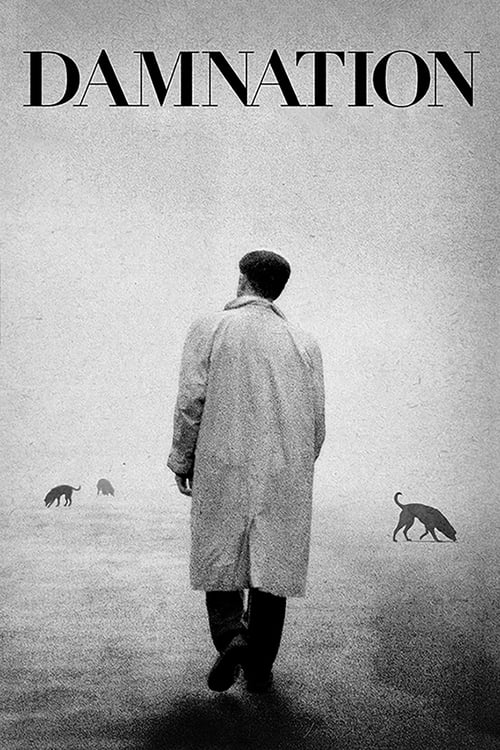
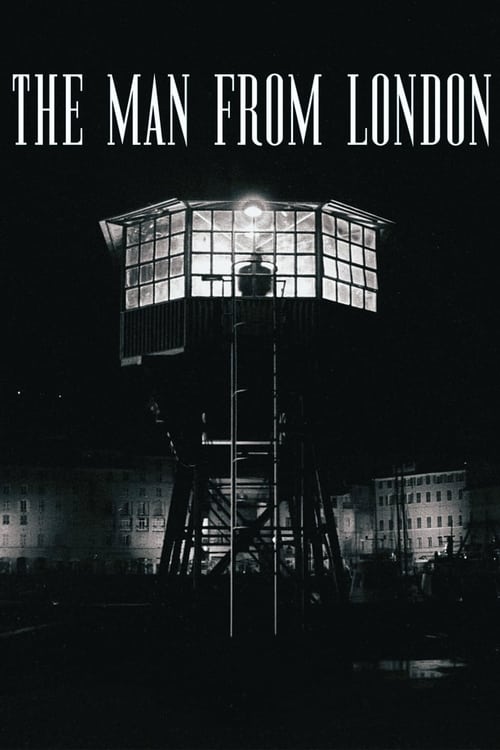
Then there is Béla Tarr, who took Jancsó's long take and emptied it of plot, producing the seven-hour Sátántangó (1994) and the apocalyptic Werckmeister Harmonies (2000), shot in luminous black and white with composer Mihály Vig's scores and adapted from the spiraling sentences of novelist László Krasznahorkai. Tarr's cinema of rain, ruin, and slow despair became a reference point for slow cinema worldwide.
The long-take masters
Jancsó, Tarr, and the choreography of the plain

Szabó, Mészáros, and the New Wave conscience
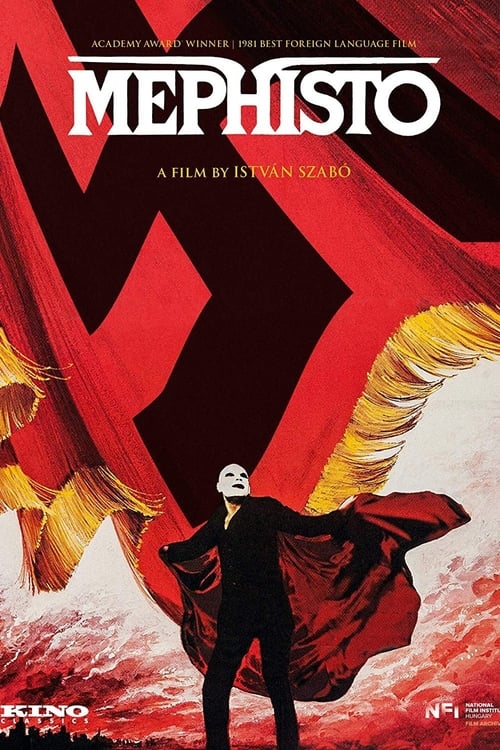
If Tarr is Hungarian cinema's extremist, István Szabó is its diplomat of the soul. Mephisto (1981), with Klaus Maria Brandauer as an actor who sells himself to the Nazi regime, won the Oscar for Best Foreign Language Film and remains the definitive movie about the artist's bargain with power. His earlier Father and Love Film are tender, fractured studies of postwar memory. Márta Mészáros, working alongside the men of the New Wave and often overlooked next to them, built an extraordinary autobiographical cycle (the Diary films) reckoning with Stalinism, exile, and her own family's losses.
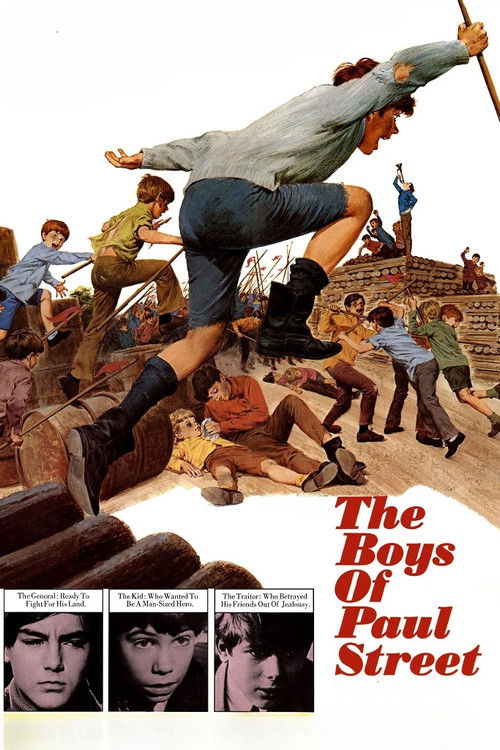
The 1960s and 70s bench was deep. Zoltán Fábri's The Boys of Paul Street (from Ferenc Molnár's beloved novel) brought literary weight and an Oscar nomination; Károly Makk's Love (1971) is one of the most delicate films ever made about waiting and lying out of kindness. Péter Bacsó's The Witness (1969) was banned for a decade before becoming the great Hungarian political satire, its absurdist running joke about a Hungarian orange still quoted at dinner tables.
Other cinemas cut to keep you awake. Hungarian cinema holds the shot to make you feel time the way its characters do: as something done to you.CrossBinge editors
The classic auteurs
Szabó, Mészáros, Makk, Fábri and the socialist-era conscience
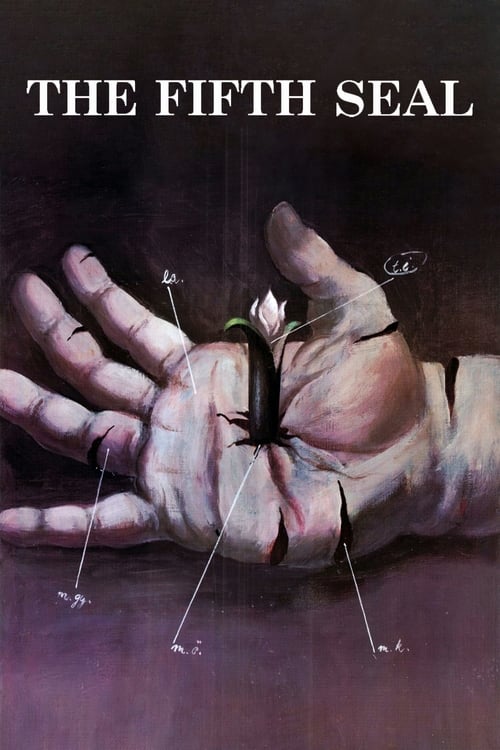
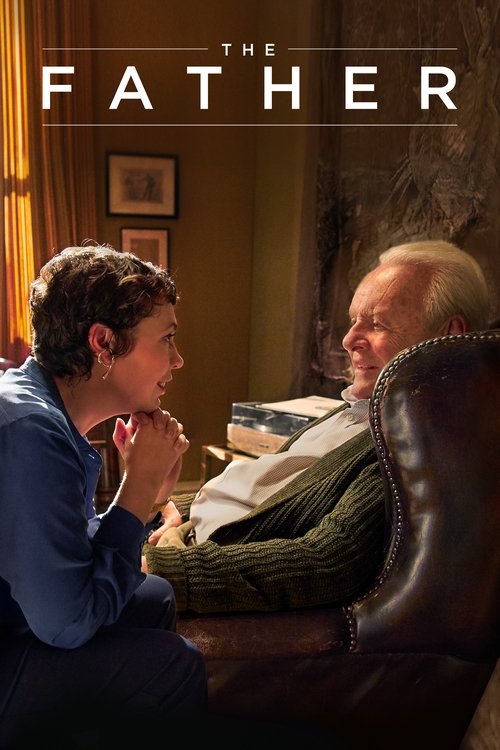
A century of Hungarian film
- 1919A short-lived film nationalization under the Soviet Republic; the young Mihály Kertész (later Michael Curtiz) and Sándor Korda (Alexander Korda) soon emigrate west.
- 1966Miklós Jancsó's choreographed long-take parable defines the Hungarian New Wave.
- 1969Péter Bacsó's satire is banned for ten years before becoming a national cult classic. The Witness
- 1975Márta Mészáros becomes the first woman to win the Berlinale Golden Bear. Finding Home: A Feature Film for National Adoption Day
- 1981István Szabó's film wins the Academy Award for Best Foreign Language Film. Mephisto
- 1994Béla Tarr's seven-hour epic becomes a cornerstone of world slow cinema.
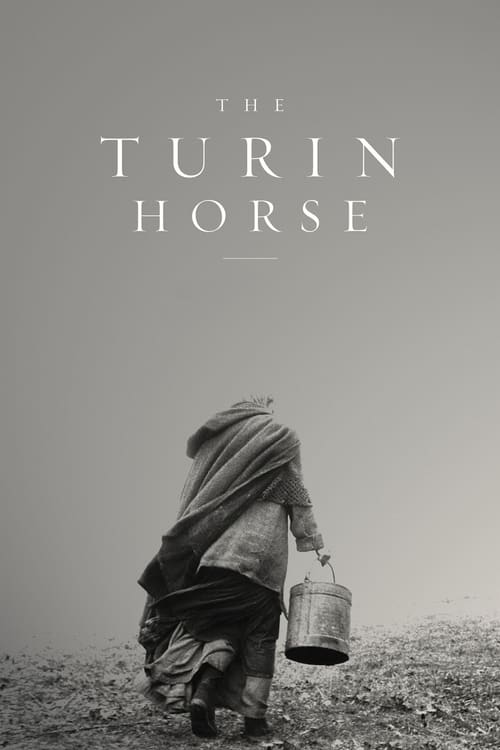
- 2011Tarr announces his retirement with a film about the end of everything. The Turin Horse
- 2015László Nemes wins the Oscar and the Cannes Grand Prix for a Holocaust film shot almost entirely on one face. Son of Saul
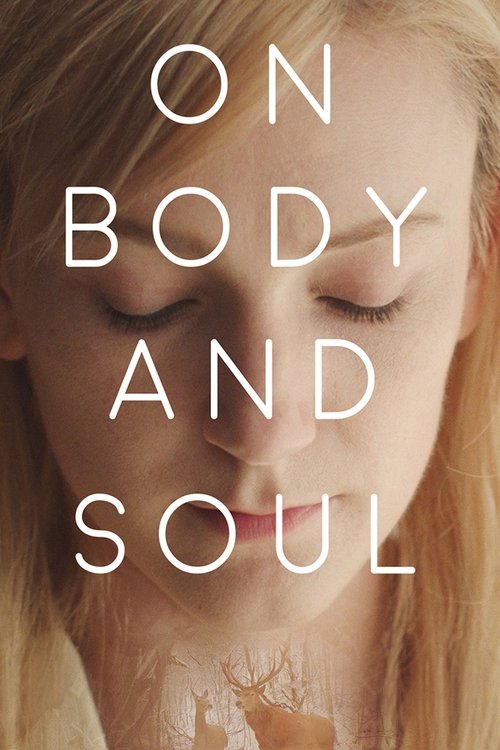
- 2017Ildikó Enyedi wins the Berlinale Golden Bear, a return for an older New Wave talent. On Body and Soul
The new century: Nemes, Enyedi, Mundruczó
For a while it looked as if Hungarian cinema's great age had closed with Tarr. Then in 2015 a first-time director, László Nemes, premiered Son of Saul at Cannes. Shot in a boxed 4:3 frame that stays locked on one prisoner's face inside Auschwitz while horror blurs at the edges, it won the Grand Prix and the Academy Award, and it announced that the long-take tradition (Nemes had assisted Tarr) had a furious new heir. Ildikó Enyedi, whose dreamlike My Twentieth Century had won the Caméra d'Or back in 1989, returned with On Body and Soul (2017), a tender abattoir love story that took the Golden Bear.
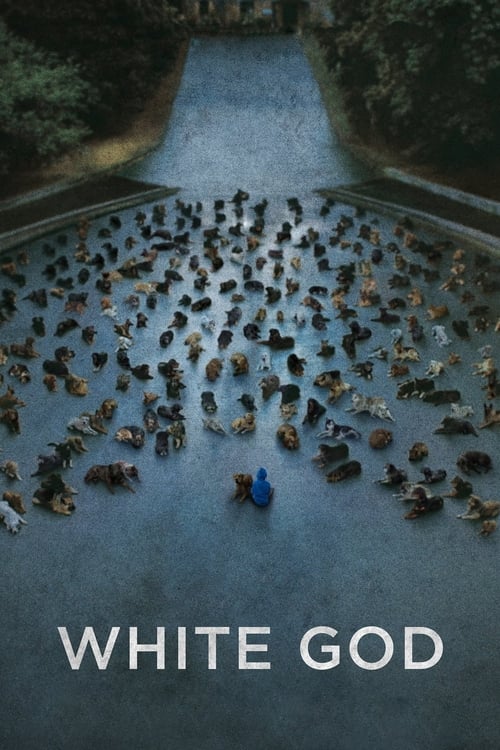
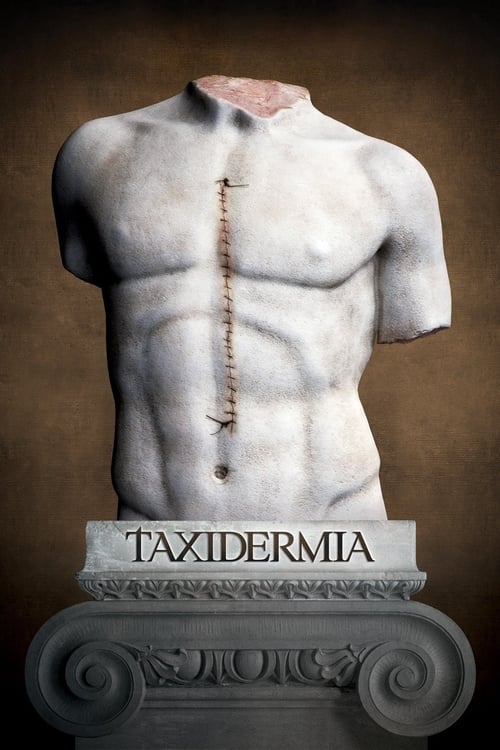
Kornél Mundruczó pushed in a wilder, more genre-blooded direction: White God (2014), in which the stray dogs of Budapest rise up, won the Un Certain Regard prize before he went on to international work. Below the prize-winners sits a strong current of social realism (Bence Fliegauf's quiet Just the Wind) and the grotesque, deadpan absurdism that Hungarians do better than almost anyone, exemplified by György Pálfi's Taxidermia.
The new Hungarian cinema
Nemes, Enyedi, Mundruczó, Pálfi and the post-2010 revival

The page behind the screen
Hungarian film is unthinkable without Hungarian literature, and several of the masterpieces above came straight off the bookshelf. Tarr's two greatest films are adaptations of László Krasznahorkai, whose endless, hypnotic sentences (Satantango, The Melancholy of Resistance) read almost like a screenplay for dread; Krasznahorkai won the International Booker and is among the most admired living European novelists. Imre Kertész turned his teenage deportation to Auschwitz into Fatelessness and won the 2002 Nobel Prize in Literature. Sándor Márai's Embers became a rediscovered international bestseller, and Magda Szabó's The Door is one of the most quietly devastating novels of the century. Read these and the films make even more sense.
Start with Werckmeister Harmonies, not Sátántangó
Everyone tells newcomers to clear a day for the seven-hour Sátántangó, and then they never start. Wrong order. Werckmeister Harmonies gives you everything that makes Tarr great (the unbroken takes, Mihály Vig's aching score, the dread of a town waiting for catastrophe in the shape of a stuffed whale) in two and a half transfixing hours. The opening scene alone, a drunk man choreographing the solar system in a bar, is the best argument for this entire cinema. Watch it, and if it grabs you, then surrender the weekend to Sátántangó. The masterpiece will still be there.