
Federico Fellini made films the way other artists keep journals: compulsively, personally, and with a freedom that had no obvious precedent. Born in Rimini in 1920 and trained in the Rome of postwar neorealism, he quickly outgrew the movement's documentary impulse. What Fellini wanted was something stranger and more truthful than the visible world: memory, fantasy, guilt, desire, and the circus-like spectacle of vanity all pressed together on the same frame. His recurring stand-ins (Marcello Mastroianni, Alberto Sordi, the young Fellini-figure played by different actors at different ages) wander through his films like lost men who suspect there is no map. Yet the films are never cold. They are warmed by a tremendous affection for human absurdity. To love Fellini is to love a certain quality of attention: the long held face, the grotesque crowd that is also somehow tender, the music of Nino Rota arriving like an old friend. The rabbit hole goes deep.
Essential Fellini
His own films, in the order you should probably encounter them

The Same Restless Eye: Directors in His Orbit
Filmmakers who share his taste for the oneiric, the baroque, or the confessional

Series That Breathe the Same Air
Television that shares Fellini's sense of memory, artifice, and italianate grandeur

The Books Behind the Vision
Literature that feeds the same hunger for myth, memory, and spectacle


Games With the Same Surreal and Humanist DNA
Playable worlds that prize atmosphere, memory, and the strangeness of ordinary life
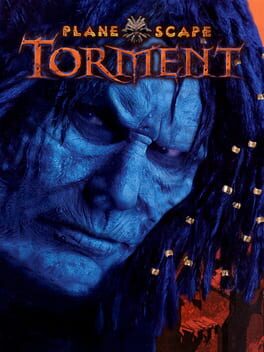
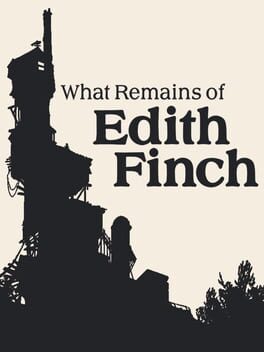
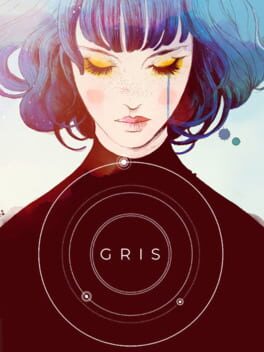
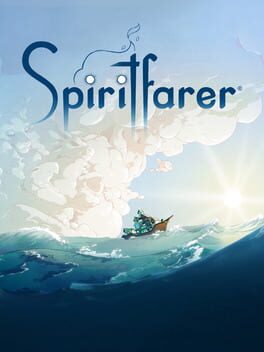

8½ Is the Purest Self-Portrait in Cinema
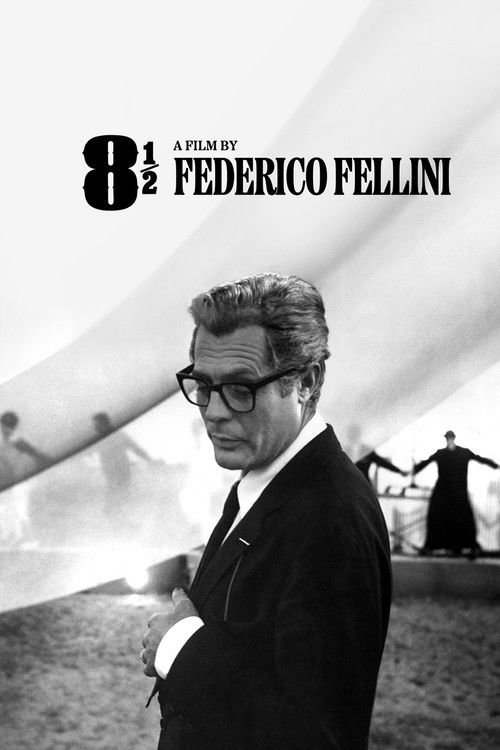
When Fellini ran out of ideas for his next film, he made a film about running out of ideas. Guido Anselmi, the blocked director at the center of 8½, is the most honest self-examination any major filmmaker has ever allowed himself. The fantasies of erotic power, the retreat into childhood, the inability to commit to anything: none of it is flattering, and all of it is filmed with a visual extravagance that constantly undercuts any simple reading. Bergman called it the greatest film ever made by another director. It is at minimum the film about making films that every other film about making films is measured against.
La Dolce Vita Invented a New Kind of Sadness
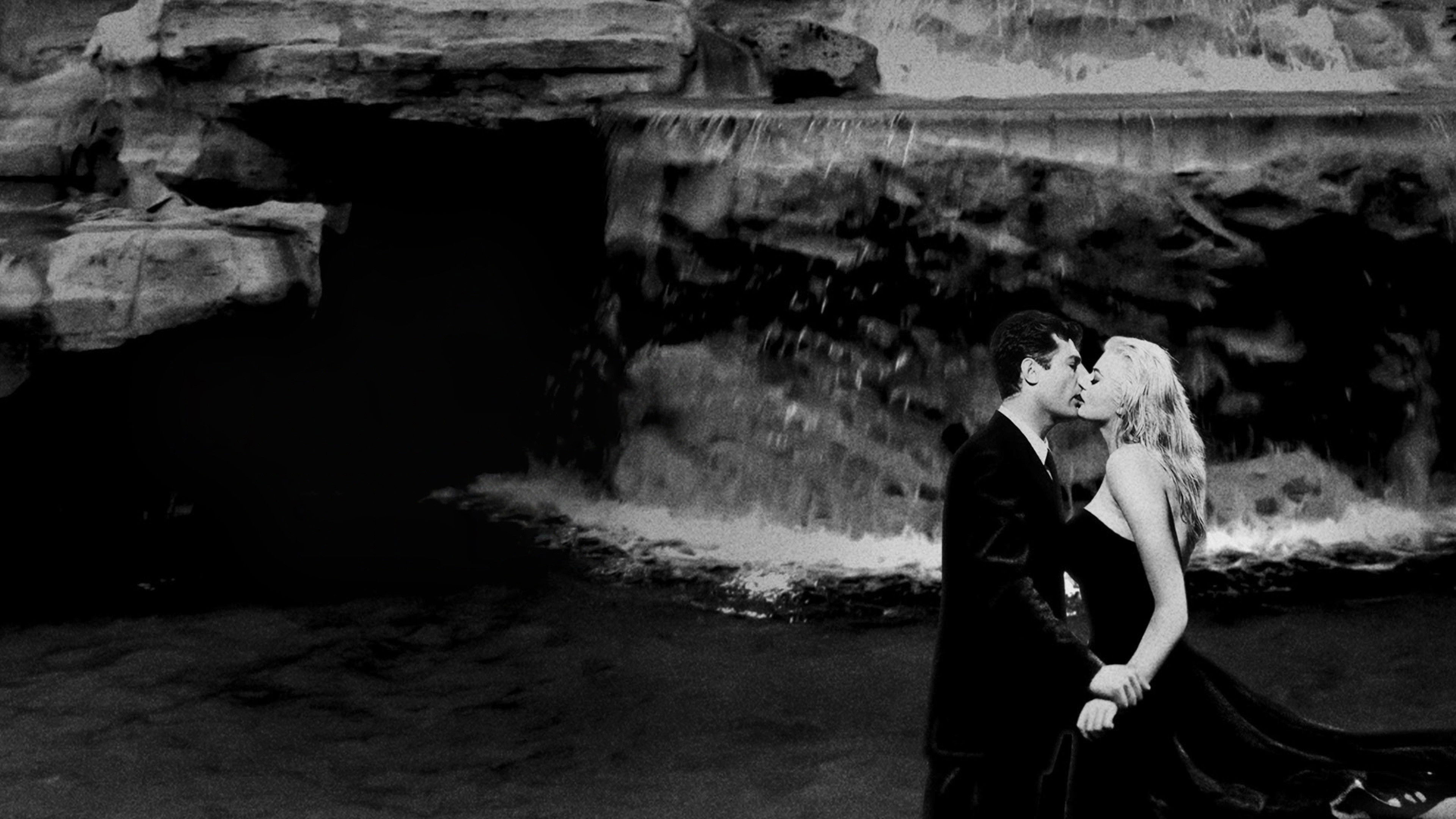
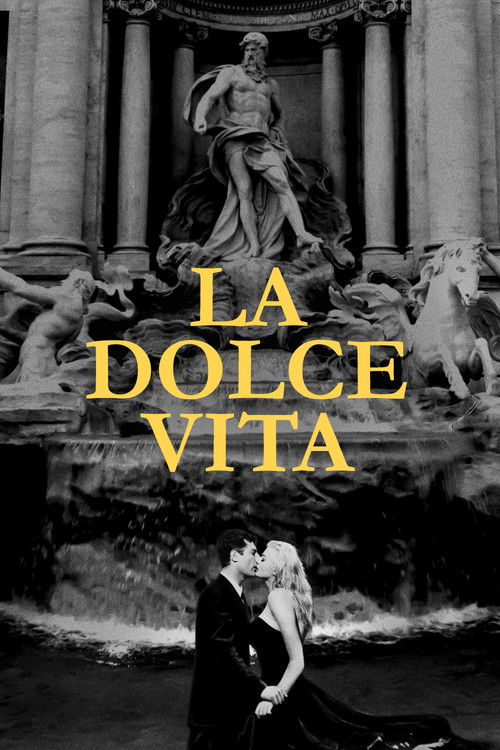
The three hours of La Dolce Vita move like a fever dream of postwar abundance: celebrities, socialites, journalists, a famous foreign actress, a father who visits and cannot stay. Marcello Rubini watches it all and participates and feels nothing. Fellini saw something in the Roman media circus of the late 1950s that he knew would only get louder. The film gave the world the word paparazzi. It gave cinema the image of a beautiful woman standing in a fountain at night, a moment so composed and so empty that it still stops people cold.
Amarcord Is How Memory Actually Works
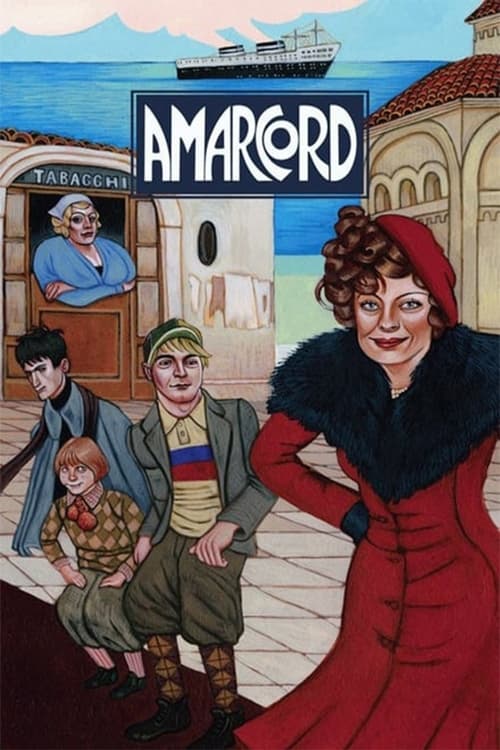
Amarcord (the title is Romagnolo dialect for 'I remember') is Fellini's most accessible film and possibly his warmest. It is not a story: it is a year in a provincial Italian town, assembled from scenes that feel less like plot than like the way a particular smell brings back an entire childhood. The Fascist rally that the town endures with a kind of sheepish compliance, the enormous ocean liner appearing out of the fog, the adolescent boys waiting for a woman who may or may not come: Fellini captures the absurdity of collective memory without cruelty.
Fellini's Arc
- 1950Co-directs Variety Lights with Alberto Lattuada, his first feature credit Variety Lights
- 1952The White Sheik establishes his solo voice: provincial dreamers meet mass-media fantasy The White Sheik
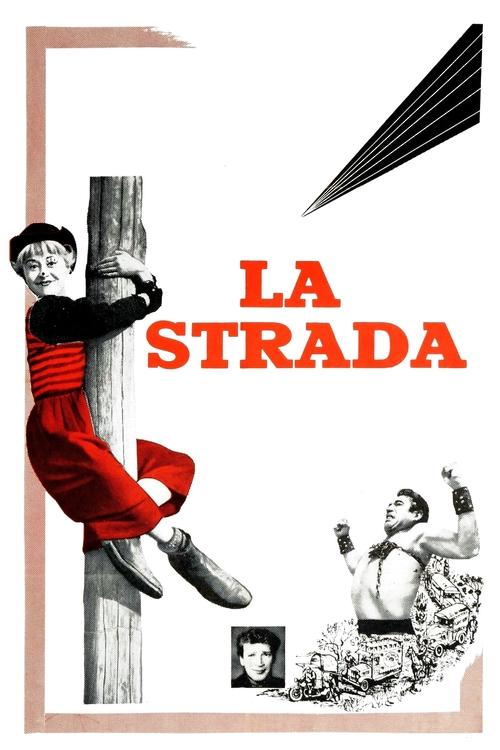
- 1954La Strada wins the first Academy Award for Best Foreign Language Film, making him world-famous La Strada
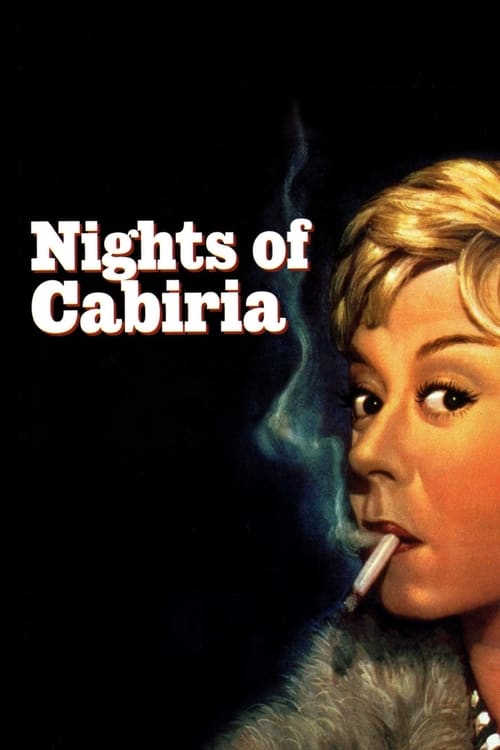
- 1957Nights of Cabiria: Giulietta Masina creates one of cinema's great tragicomic performances Nights of Cabiria
- 1960La Dolce Vita premieres at Cannes and wins the Palme d'Or; 'paparazzi' enters the language La Dolce Vita
- 19638½ arrives and the vocabulary of self-referential cinema is permanently altered 8½
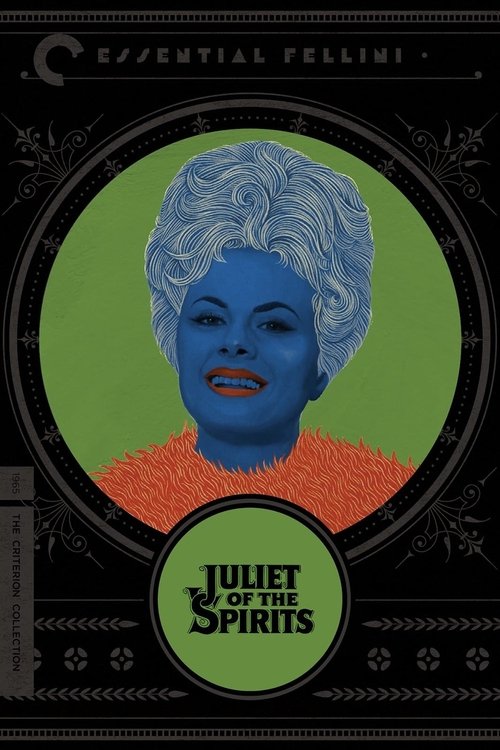
- 1965Juliet of the Spirits: his first colour film, built around Giulietta Masina's inner world Juliet of the Spirits
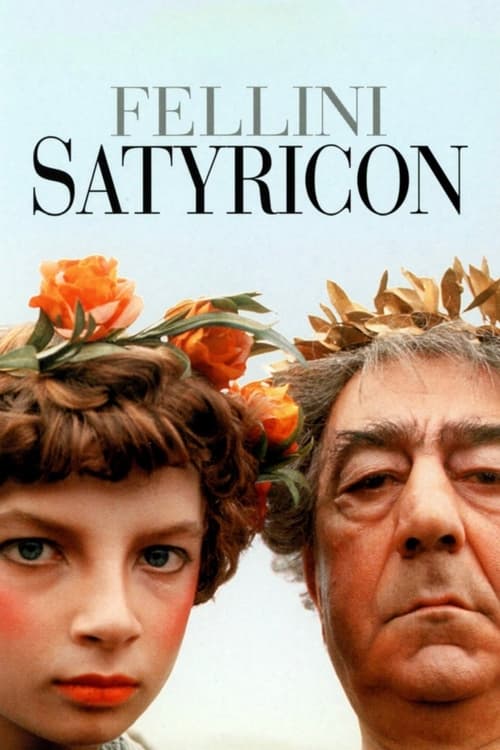
- 1969Satyricon: Petronius's ancient Rome reimagined as alien and disturbing Satyricon
- 1973Amarcord wins his fourth Oscar for Best Foreign Language Film Amarcord
- 1993Receives an honorary Academy Award; dies in Rome weeks after the ceremony
Dreamlike Italian Cinema and Magical Realism
Italian Cinema
Explore the Italian Cinema guide →A different language is a different vision of life.Federico Fellini